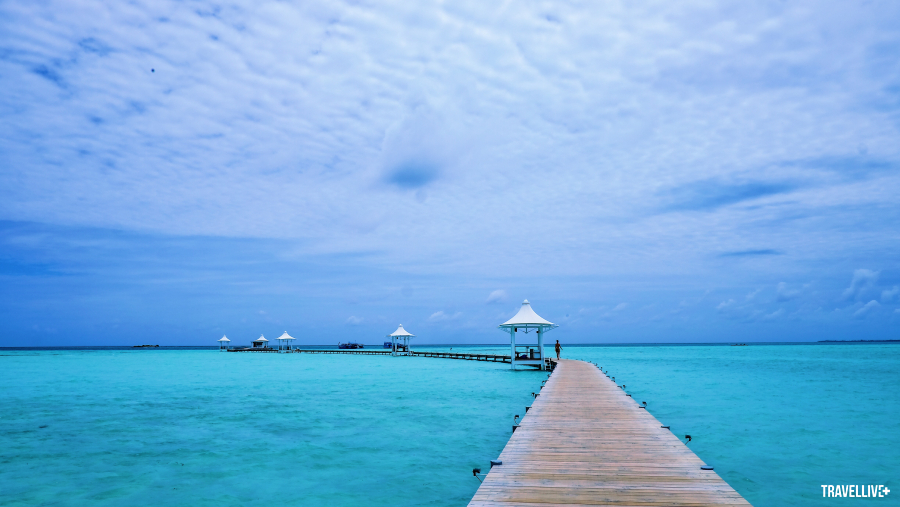
Calling the Maldives a beach paradise is no exaggeration, as you can't find a single "bad spot" in this island nation. Because of this, couples love to visit the Maldives to enjoy romantic days together. As for someone who often travels solo like me, I go to the Maldives not only to enjoy life in this "paradise on earth," but also to explore the underwater world of this island nation.
The seas in the Maldives offer excellent visibility and consistently warm water temperatures year-round (thanks to its geographical location), creating favorable conditions for over 3,500 species of marine life to thrive. For those who enjoy scuba diving, these conditions are ideal for a more enjoyable and relaxing diving trip. In fact, out of over 30 diving trips across 5 countries in 3 years, I still think the Maldives is the best place for scuba diving.
With over 30 diving trips across 5 countries in 3 years, for me, the Maldives is the best place to go scuba diving.
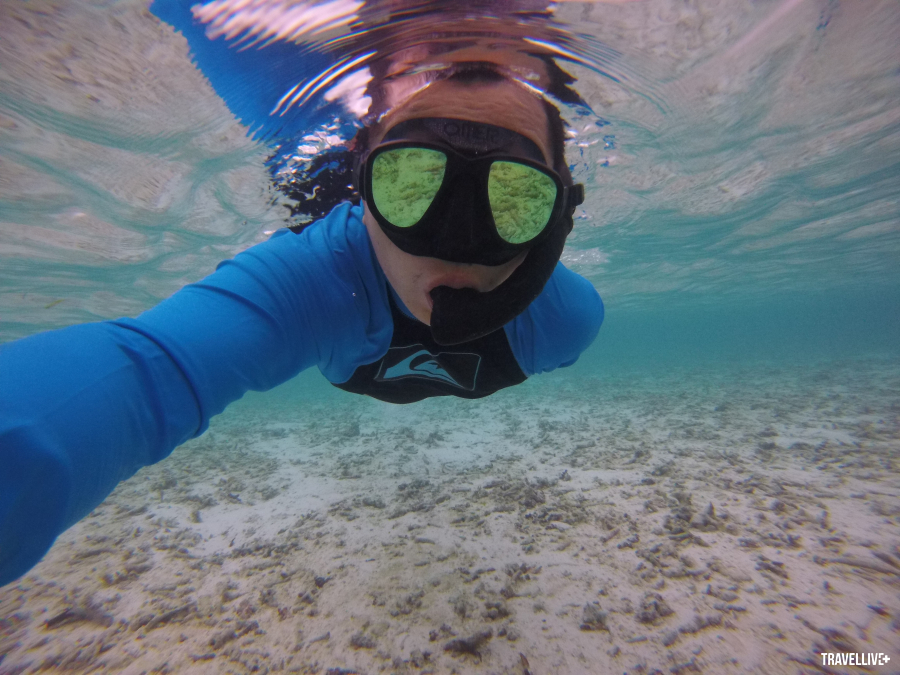
Snorkeling to admire coral reefs: A relaxing pastime.
The simplest diving activity for all tourists is snorkeling. Hotels and resorts in the Maldives often offer this activity for free, with two snorkeling trips per day. I booked a snorkeling trip with the resort that afternoon, when the sun had softened.
Hotels and resorts in the Maldives often offer this snorkeling activity for free, with two dives per day.
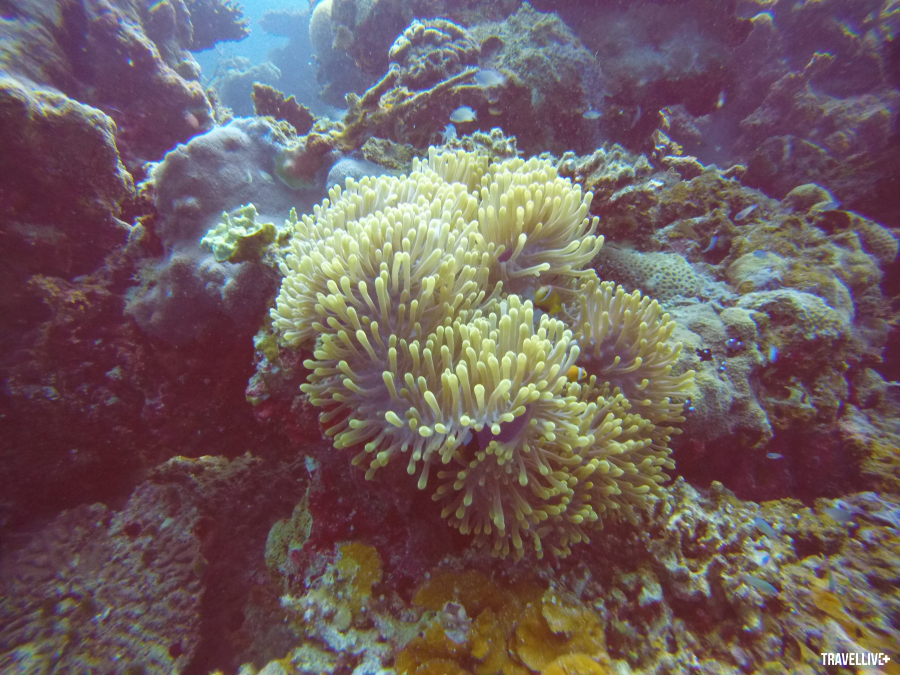
The small boat always docked right at the resort's boat entrance took me and other guests to a snorkeling spot about a 10-minute boat ride from the resort. At this spot, the water is only about 5 meters deep, and the surface is calm, so if you're too lazy to swim, just put on a life vest, snorkel mask, and snorkel, lie lazily on the surface, and admire the colorful soft corals swaying in the current below, with tiny Nemo clownfish peeking out from among them. And the biggest surprise for me was a sea turtle leisurely swimming nearby... just like its name suggests. Usually, to encounter this marine creature, I have to dive a bit deeper; it's not easy to find one at such shallow water.
To see sea turtles, you need to dive a little deeper.
Alternatively, you can book a "Snorkeling Safari" tour for around $50, which will take you to more beautiful coral reef areas with a wider variety of fish. This tour lasts three hours, giving you three times more time than the free snorkeling tour. It's understandable, isn't it? Everything has its price!
Scuba diving reveals another paradise.
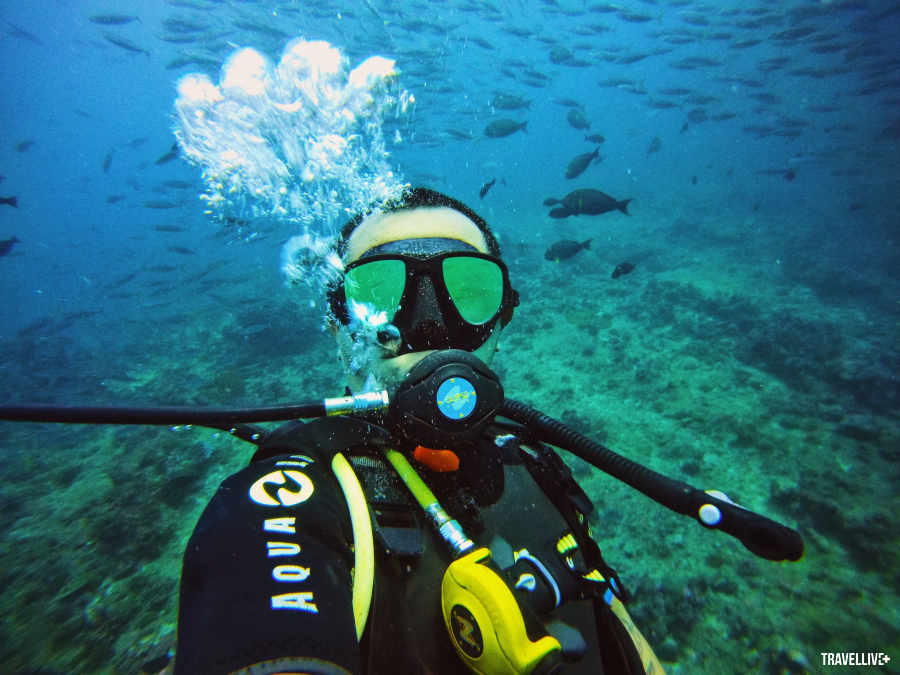
If what you see while snorkeling isn't exciting enough, you can try scuba diving to go deeper and see the fish and coral that live at that depth.
Scuba diving allows you to observe various fish species and coral reefs.
To participate in scuba diving, you need to complete a training course covering both theory and practice. After passing the exams prescribed by international diving organizations such as SSI or PADI, you will receive a globally recognized scuba diving certificate. Each level of the certificate corresponds to your diving ability and the depth you are permitted to dive to. For example, an Open Water certificate allows you to participate in regular dives with a maximum depth of 18 meters; an Adventurer certificate allows you to participate in night dives with a maximum depth of 30 meters, and so on. Note that you should not dive deeper than your trained depth, as deeper dives require more advanced skills and present more dangerous situations, such as nitrogen inhalation.
After passing the required exams, you will receive a globally recognized scuba diving certificate.
I was very excited for this diving trip in the Maldives because I already had my Open Water Diver certification from the international diving organization SSI and had experience from many previous dives. Theoretically, I was now "qualified" to "head out to sea with my scuba gear."
Meeting me at the resort's pier was Ruby, a young-looking Taiwanese woman. When I asked about her years of diving experience and training, all I could say was, "Young and talented really do!" After discussing her diving certifications, the number of dives she'd completed, any additional equipment she needed to rent, wetsuit size, and the required lead weights, Ruby led me to the waiting dive boat to begin our journey. During the trip, Ruby took out a whiteboard and drew a plan for two dives, including information about the dive site's terrain, currents, depth, estimated dive duration, and the types of fish that might be encountered at that spot. Depending on your location and the currents in that area, Ruby would decide on the most suitable dive site. During my stay in the Maldives, I was on Meemu Island, so Ruby chose a dive site around Muli Island, which was only about 45 minutes away from our resort by boat.
At the bottom of the sea in the Maldives
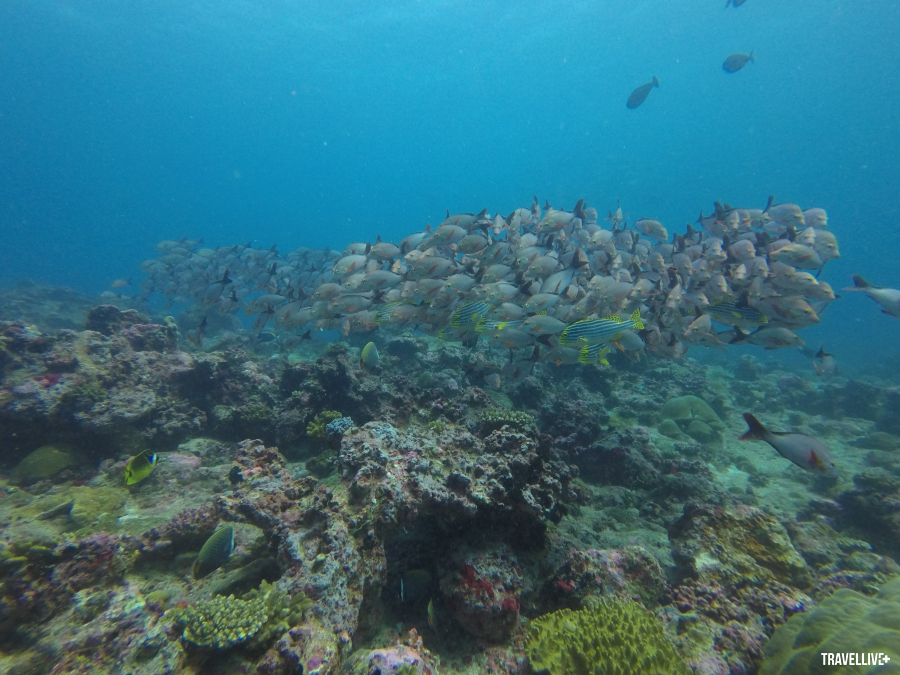
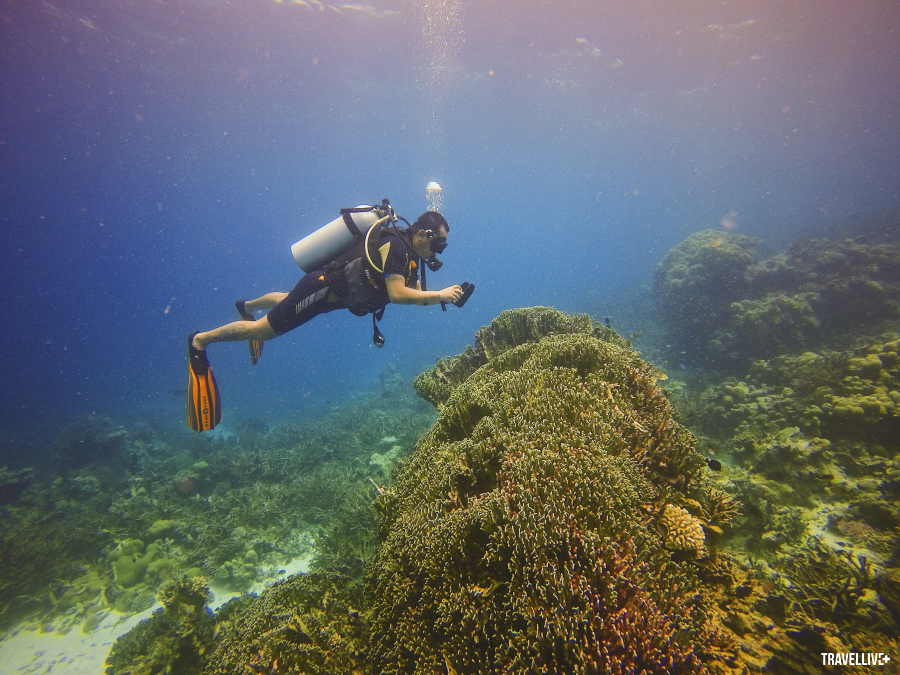
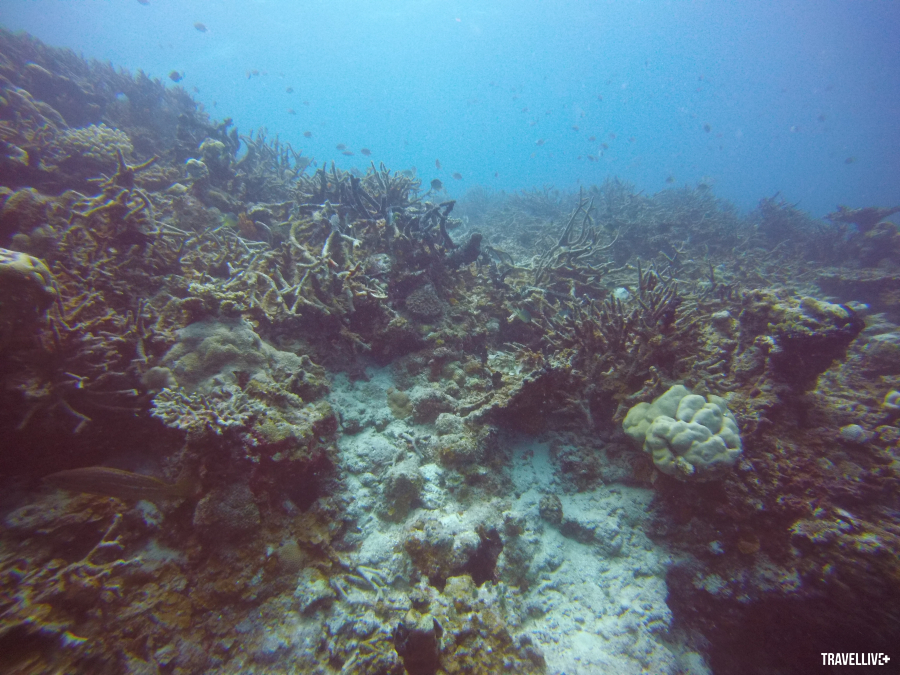
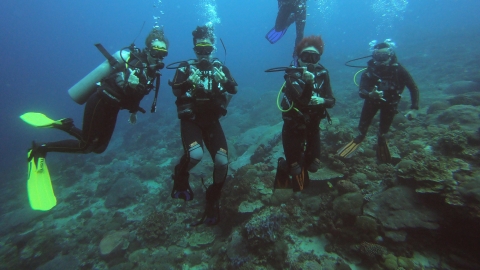
Upon arriving at the diving spot, after all the equipment had been thoroughly checked and I was ready for the dive, following Ruby's signal, I jumped into the sea, gave an "OK" sign, and began diving deeper. The deeper we went, the more breathtaking the marine ecosystem of the Maldives became. Coral reefs gradually appeared in a variety of shapes and sizes, and schools of large and small, colorful fish like barramundi and snapper, appeared before my eyes. While I was busy swimming and admiring this completely different underwater world of the Maldives, Ruby signaled that there were schools of gray sharks in the distance, then pointed out schools of manta rays… These types of fish are almost never seen when diving in Vietnam. Not only that, a characteristic of the Maldives is the strong currents, which brought many different types of fish to my dive that I had never encountered anywhere else. I folded my three middle fingers together to form the letter "W," and shook my hand continuously towards Ruby to convey the message: "It's so beautiful, Ruby!" accompanied by excitement and exhilaration at the sight of what was laid out before them.
The deeper you go, the more breathtakingly beautiful the marine ecosystem of the Maldives becomes.
Sunlight filtering through layers of seawater creates a shimmering and magical underwater landscape. No camera can capture images as well as the human eye. The deeper you dive, the more the objects beneath the surface lose their color, following a spectrum from red to orange to yellow… Therefore, when you want to photograph underwater, you need to attach color-compensating accessories such as red color filters, lighting… This is also why the images you capture often have a bluish, dull color rather than the beautiful colors you see with your own eyes during the dive.
Epilogue
After each dive, Ruby and I would sit down and talk, but I couldn't stop marveling at how beautiful the sea was. I'd tell her about the different kinds of fish I'd encountered or describe their shapes so she could tell me what kind they were. Ruby explained that she only took advantage of her summer vacation to come to the Maldives to train scuba diving enthusiasts or lead tours exploring the Maldives sea. After the summer, Ruby would return to Taiwan to continue her studies. Hearing this, I realized why I hadn't been training myself to become a dive instructor, so I could live a life like Ruby's – doing what I love and... making money at the same time. It's definitely worth considering and investing in!
The Maldives is not only a paradise on earth in the form of islands, but also a paradise in the underwater world.
My days in the Maldives showed me that it's not just a paradise on earth on the islands, but also a paradise underwater. While nature didn't give the Maldives majestic mountain scenery, it provided so many wonderful things for its marine ecosystem. Someday, I will return to the Maldives, hopefully with a loved one to go with me!
Additional information:
Visa:With a Vietnamese passport, you don't need a visa to enter the Maldives; just prepare your return flight information, hotel booking, and fill out the Arrival Form upon arrival at the airport.
Trip:From Vietnam, you need to take at least two flights to reach the Maldives. Common transit airports for Vietnamese travelers include Singapore Airport (Singapore), Kuala Lumpur Airport (Malaysia), Don Muang Airport, and Suvarnabhumi Airport (Thailand).
Time:The Maldives offers excellent visibility year-round, but the best time is from December to May, during the dry season when travel is easier. May, in particular, is when you have the highest chance of spotting manta rays, and even whale sharks. From May to September, the Maldives experiences unpredictable weather, which can significantly impact your vacation.
The Maldives is at its most beautiful from December to May of the following year.
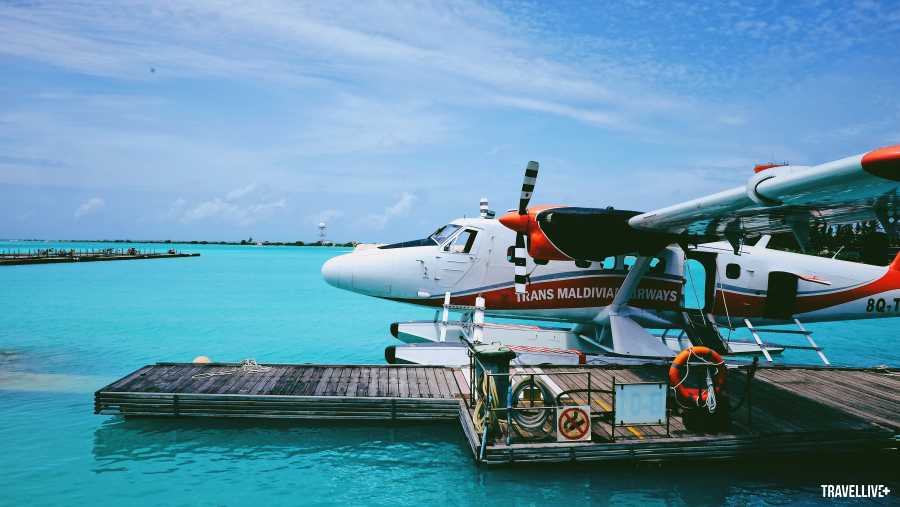
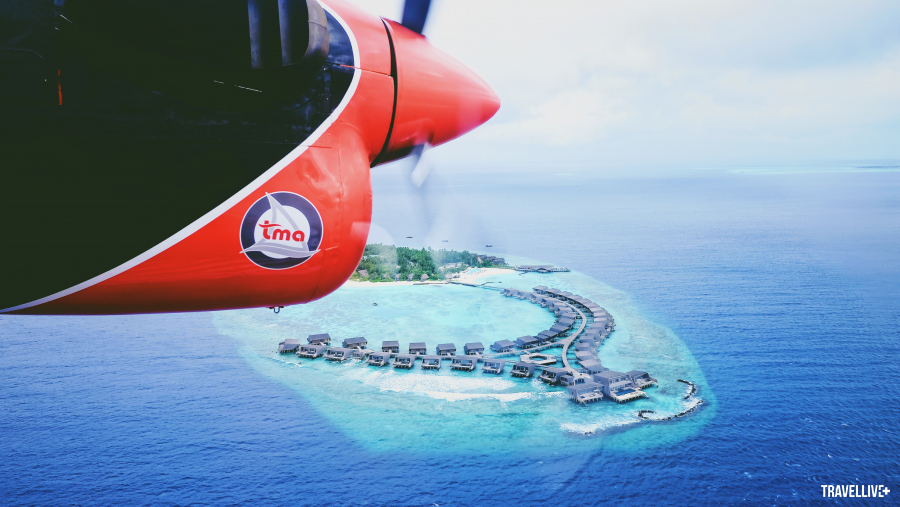
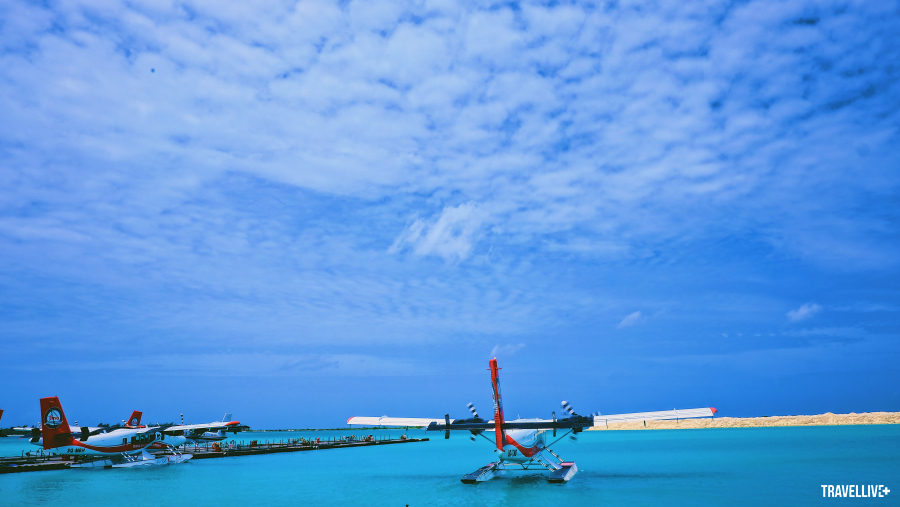
Means of transportation:Depending on the distance between the airport and your accommodation, you can travel from the airport to your accommodation by speedboat, seaplane, or ferry.
Cuisine:Maldivian cuisine is heavily influenced by Indian food, with a distinctive flavor profile. Most hotels and resorts offer a wide variety of dishes and buffets for you to choose from.
Money:The Maldives uses the Ruffiya currency, with an exchange rate of 1 Ruffiya to 1,500 Vietnamese Dong. However, tourists often exchange using US dollars.
Appropriate attire:When going to the beach for a vacation, just wear whatever makes you feel most comfortable.
The best diving spots:According to PADI, the International Diving Organization, the Maldives has five beautiful diving spots worth experiencing:
- Fotteyo Kandu (Vaavu Island) not only has coral reefs and fish but also many caves that can be explored through, adding to the excitement of a diving trip. The fish species that congregate here include sharks, tuna, and barramundi.
- Kuredu Express (Lhaviyani Island) has varying depths and is home to various fish species such as sharks, stingrays, tuna, and barramundi. Mantas stingrays frequently swim in schools here, creating a beautiful sight.
The seabed of the Maldives
- Okobe Thila (North Male Island) often has swirling currents, so if you're not careful, you can easily end up swimming along with the flow. Common fish species found here include tuna, great white sharks, and marlin.
- Kandooma Thila (South Male Island) is famous for its rock walls covered with soft corals. There are many mackerel here. You're also likely to spot grey sharks, great white sharks, and stingrays. At higher altitudes, you might encounter sea turtles.
- Broken Rock (South Ari Island) is notable for its cliff that divides the coral reef. When diving here, you can admire large coral formations, barramundi, turtles, stingrays, and more.
Cost of the trip:Round-trip airfare from Vietnam to Maldivé is approximately 8,000,000 VND. Accommodation will be more expensive if you choose beautiful hotels or resorts (average price around 2,500,000 VND per night).

 VI
VI