VI
VI


Mysteries from the movies to real life.
From the moment the project was announced before airing, "Tet in the Village of Hell" created a sensation as it is a historical horror television series adapted from the novel of the same name by writer Thao Trang. The series is currently ranked number one on Netflix, directed by Tran Huu Tan and produced by Hoang Quan.
The undeniable appeal of "Tet in the Village of Hell" has propelled it to the top of online viewership charts. The film captivates audiences with its horror and chilling storyline about a mysterious, unnamed village, implicitly considered "hell," a hiding place for the descendants of a notorious bandit gang. Due to the crimes of their ancestors, the villagers experience strange occurrences during the Lunar New Year.
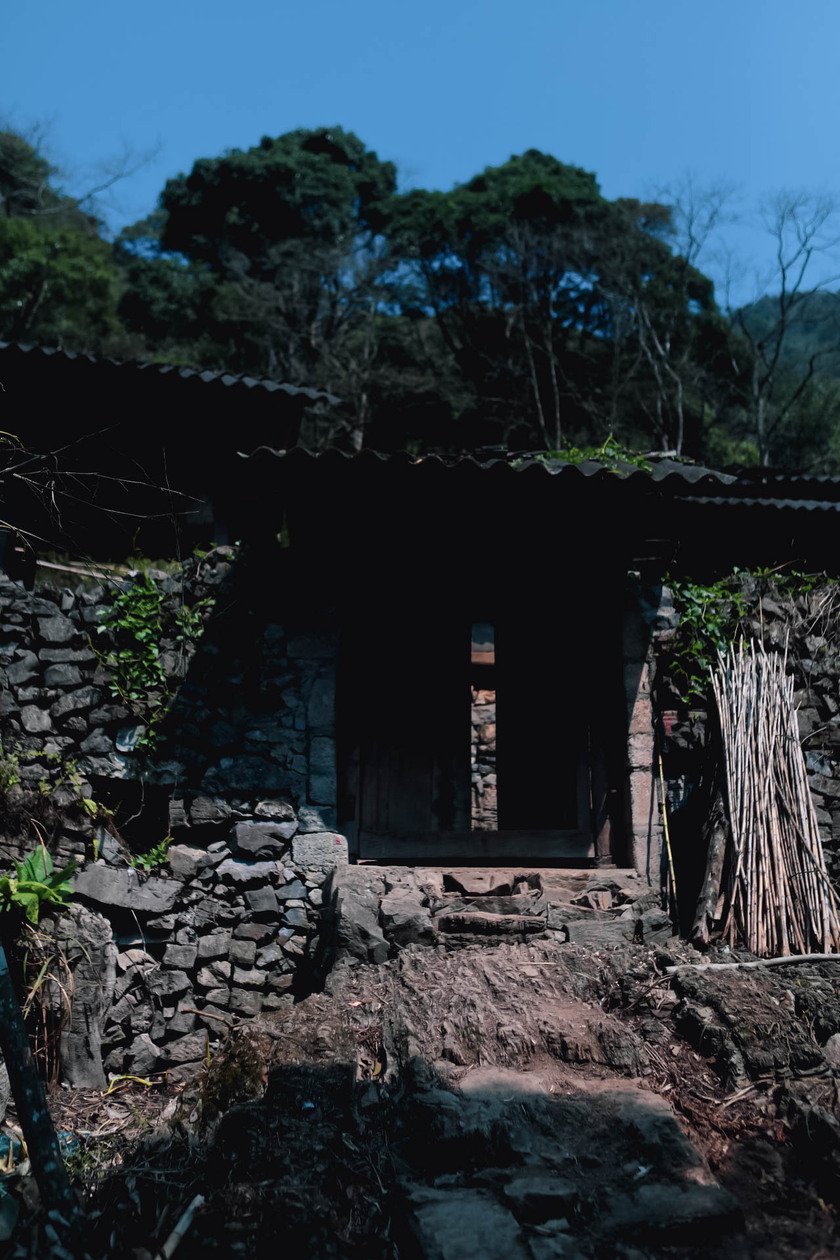
The historical horror television series "Tet in the Village of Hell" is set in Sao Ha village (Ha Giang).
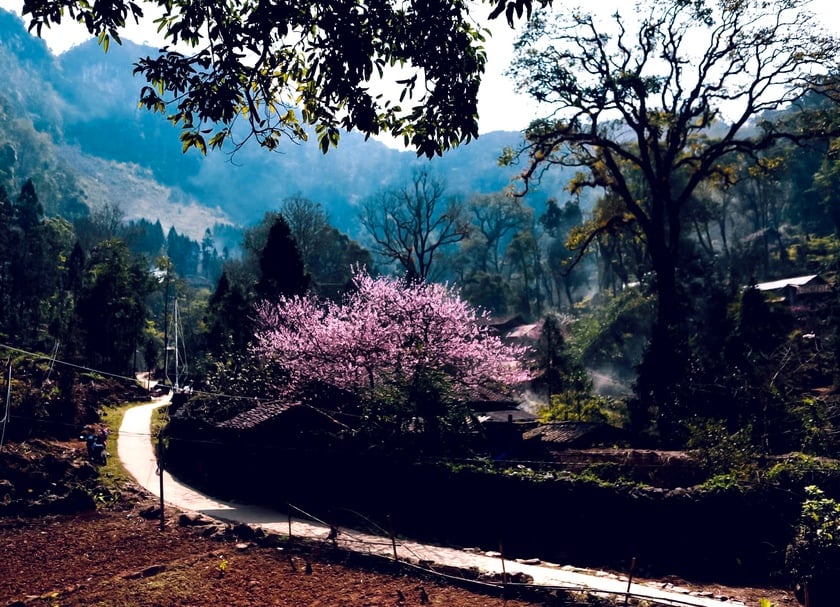
The appeal of "Tet in Hell Village" is undeniable, as it has risen to become the top-rated online video.
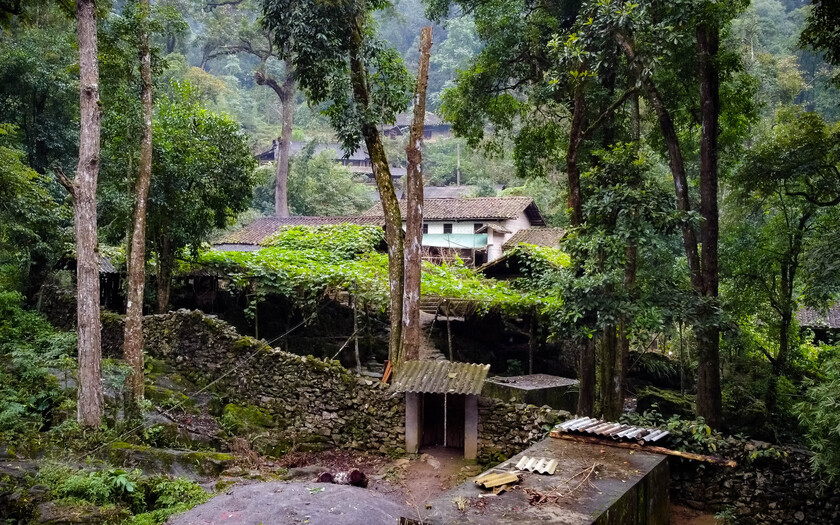
In particular, one of the factors contributing to the film's success and leaving a lasting impression on viewers is its setting. The film's scenes take place in Sao Ha village (Ha Giang), a place that retains its pristine, rustic beauty, from the village roads to the houses. The village is described as having "three no's"—no electricity, no running water, and no phone signal—yet it is desolate and melancholic, perfectly fitting the story told in the film. The film's setting, characteristic of a mountainous region in Northeast Vietnam, closely resembles the novel: the village appears hazy in the mist, like a long-abandoned ruin.
Besides the captivating plot of the film, many viewers are likely curious and eager to explore the filming location of these eerie and mysterious scenes. Moreover, this location is also described as "mysterious both in the film and in real life."

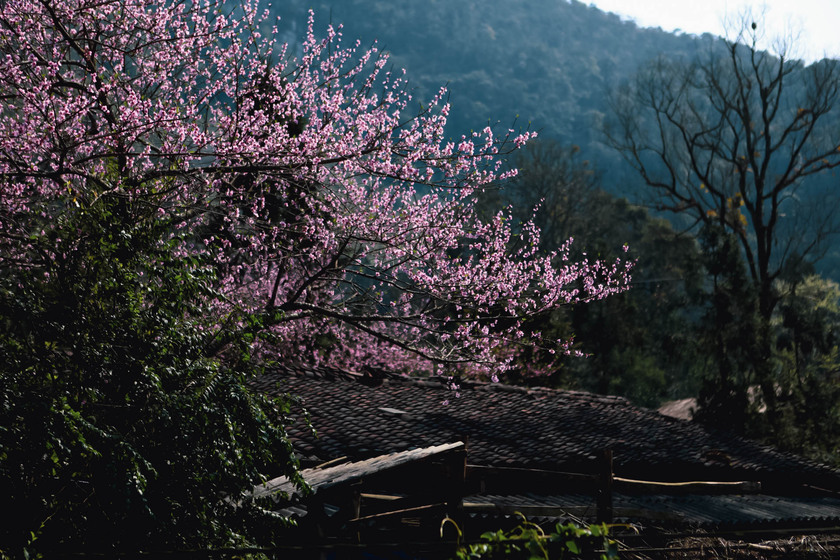
Sao Ha village retains its pristine, rustic charm, from the village roads to the houses.
The isolated village "hidden in the clouds"
Speaking of Sao Ha village, although not a famous or popular tourist destination, it has attracted many adventurous travelers. Mr. Giang A Phon, Director of Ha Giang Tre Tourism Company, said: “I've visited Sao Ha countless times now. In the winter of 2018, wanting to experience the pristine beauty of a village, we packed our bags and set off to find a new destination. When we found this village, everyone was overwhelmed by how beautiful and unspoiled the scenery was.”
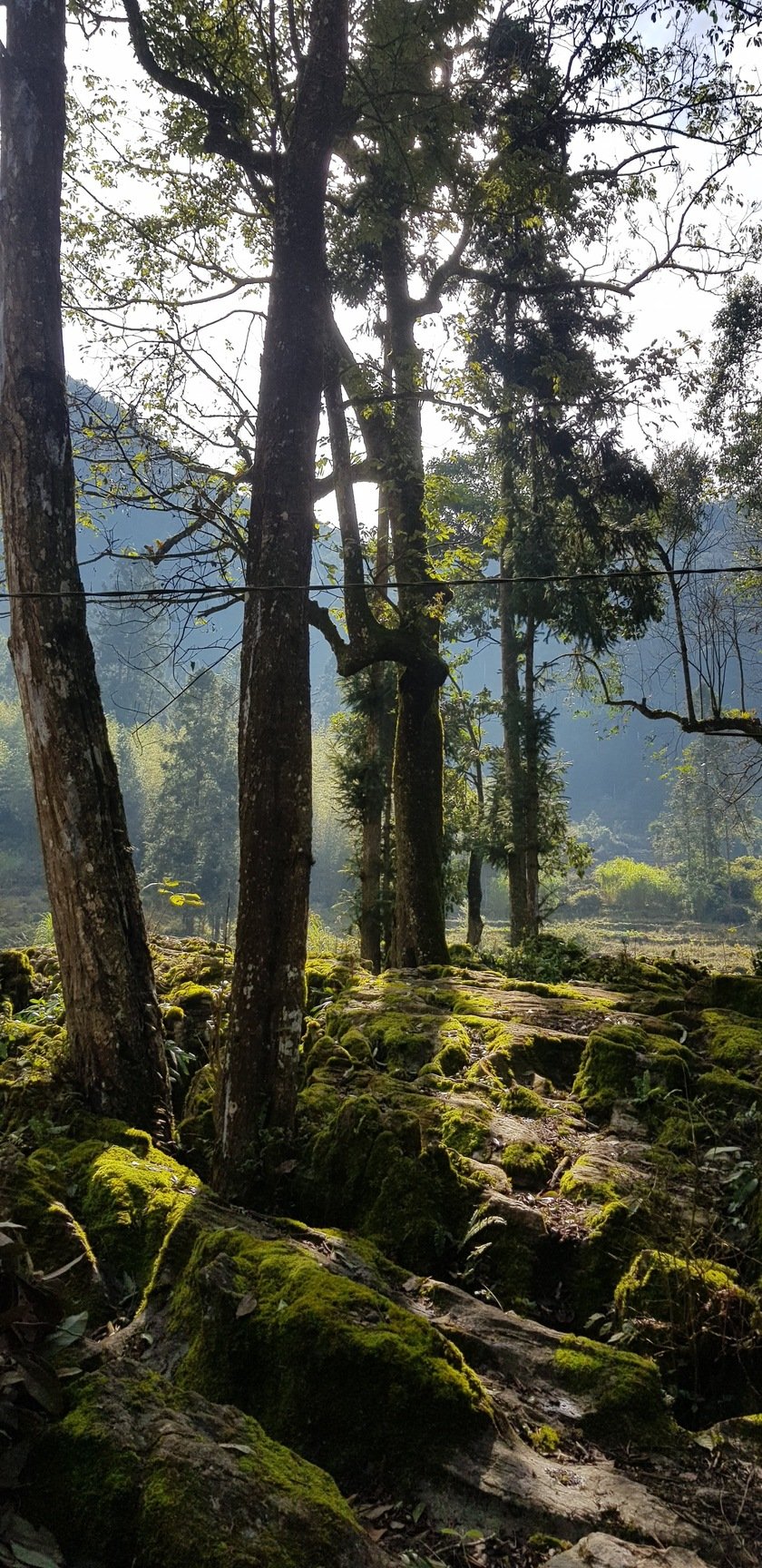
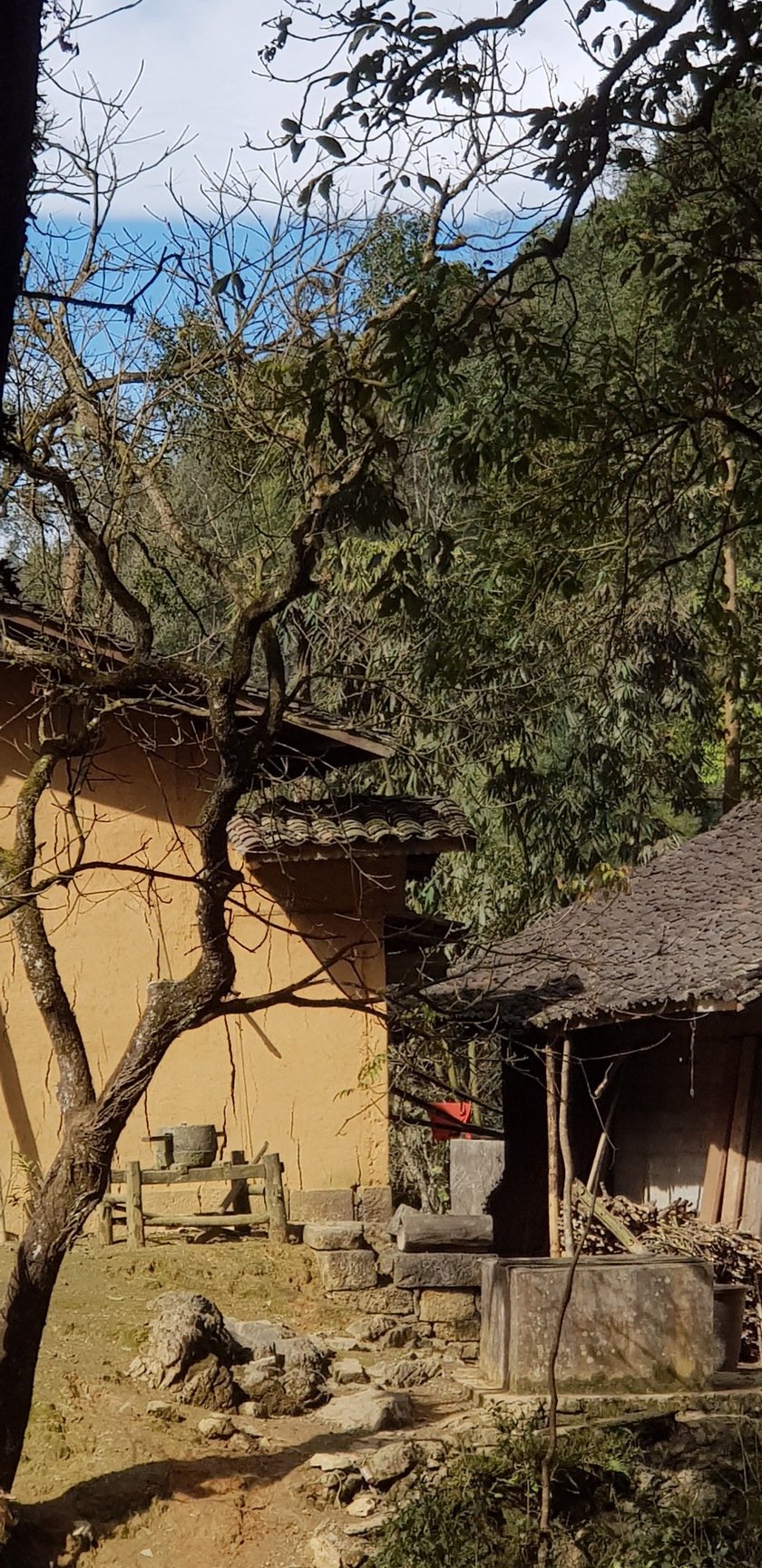
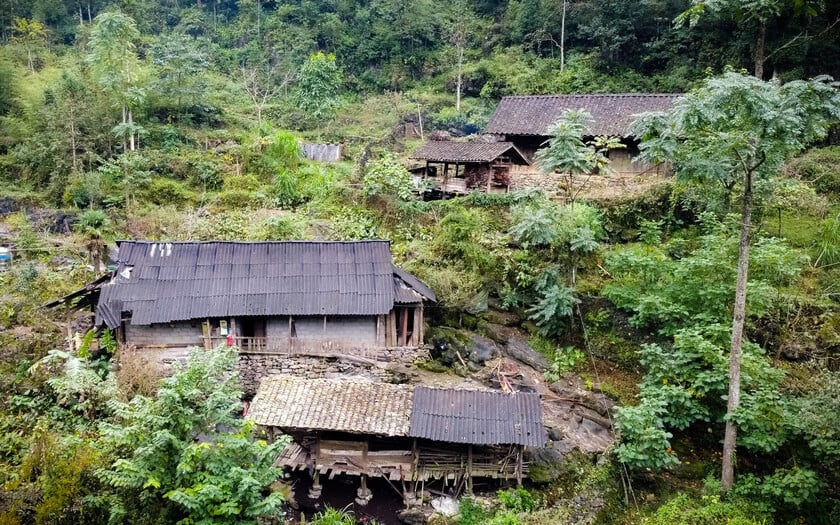
Although not a famous or popular tourist destination, Sao Ha village has attracted many adventurous travelers in the past.
Sao Ha village is located in Kho Cho hamlet, Van Chai commune, Dong Van district, Ha Giang province. This isolated village, "hidden in the clouds," is so named because Sao Ha means "high valley" in the Hmong language. This explains the village's location at an altitude of approximately 2,000 meters above sea level.
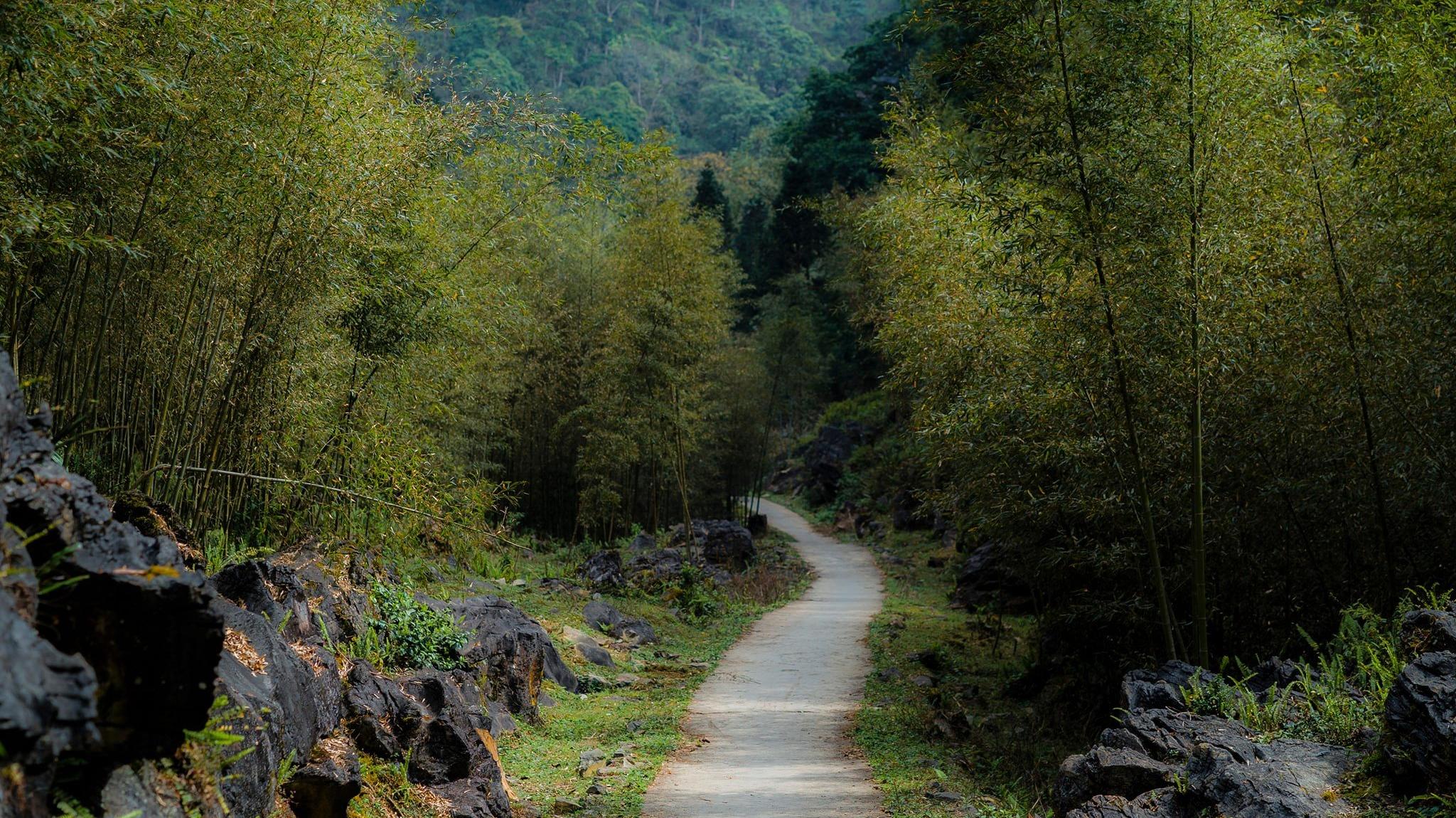
According to Mr. Phớn, the journey to Sảo Há village is quite arduous. First, you have to travel from Hà Giang city by motorbike to the center of Khó Chớ commune. From there, the trek begins on foot along trails lined with dense forests. The path is winding and precarious, with many steep sections; on one side is a deep ravine, and on the other are fields of corn and flax planted interspersed with rocks. This is also the same path that appeared many times in the film "Tet in the Village of Hell," when Mr. Thập – the village chief – brought goods down from the mountain to sell and returned.
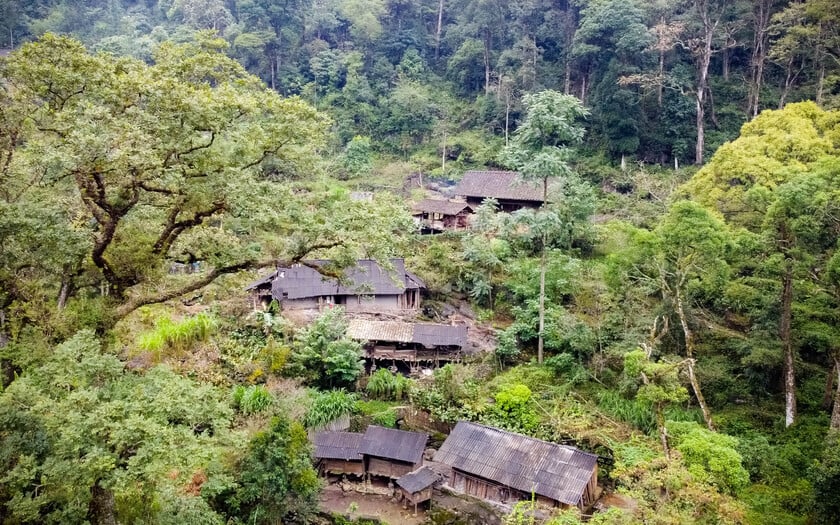
Sao Ha village is located in Kho Cho hamlet, Van Chai commune, Dong Van district, Ha Giang province.
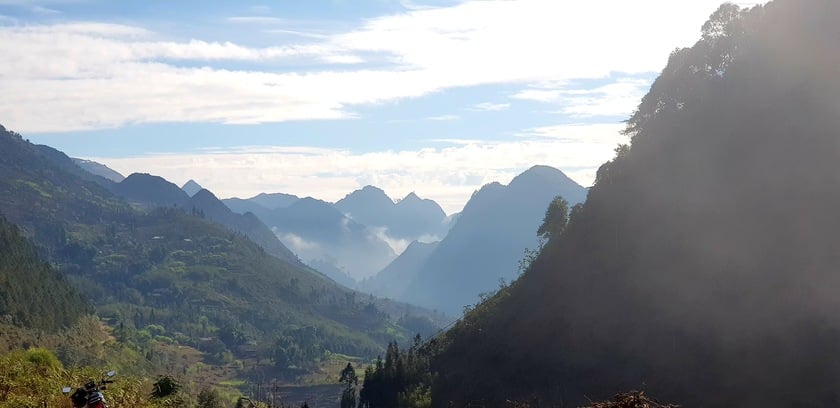
In the Hmong language, Sao Ha means "high valley".
"Before reaching the village, we will cross a bamboo forest and a sacred ancient forest, where there is a shrine to the forest god, and listen to stories tinged with legend, especially about the time when the Dong Van bandits rebelled here," Phớn said.
Nestled beneath the lush green canopy of the forest, Sao Ha village emerges with a mysterious and enchanting beauty. With over 20 houses peeking out from under the trees, the village is bathed in the verdant green of the mountains and shrouded in clouds. The houses in Sao Ha village are all "ram-walled" houses, a traditional style of the H'Mong people. The walls are made of thick layers of earth, and the roofs are covered with yin-yang tiles. Particularly noteworthy are the ancient walls, now covered in moss, creating a truly unique scene.
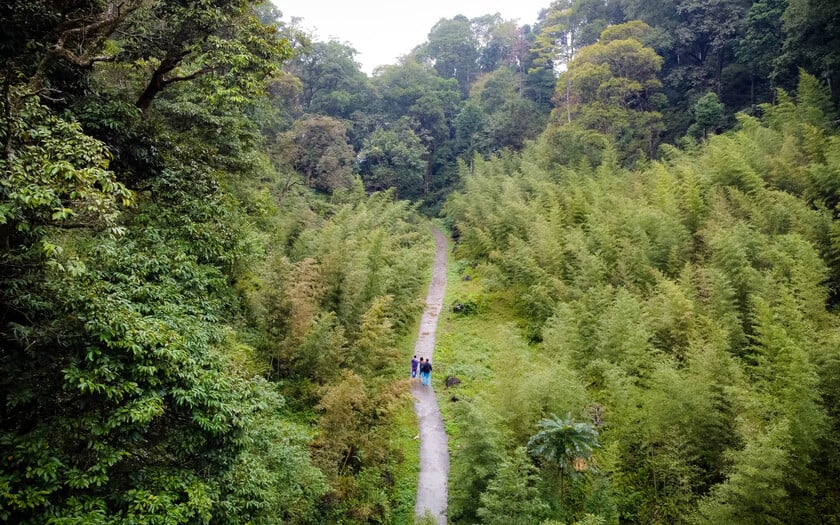
The journey to reach Sao Ha village was quite arduous.
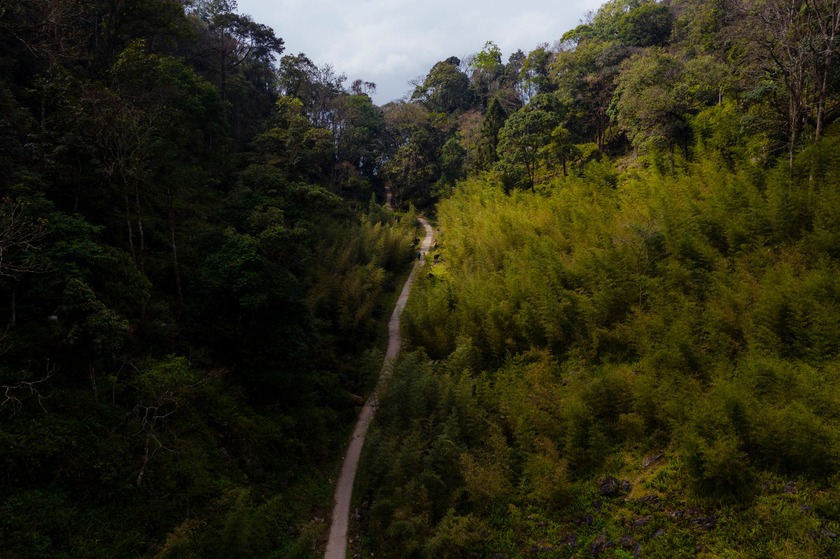
The road is winding and precarious, with many steep sections.
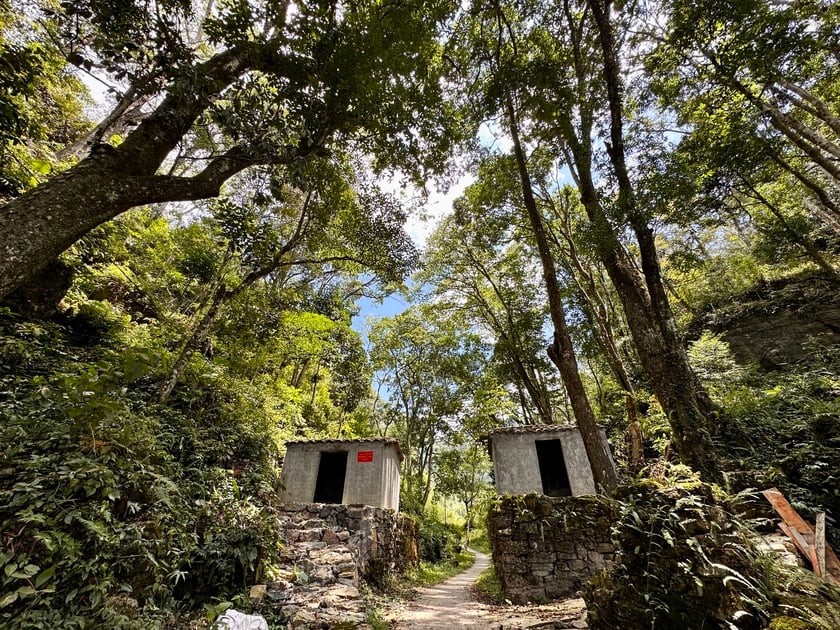
Crossing through bamboo forests and sacred ancient forests, where there is a shrine dedicated to the forest god.
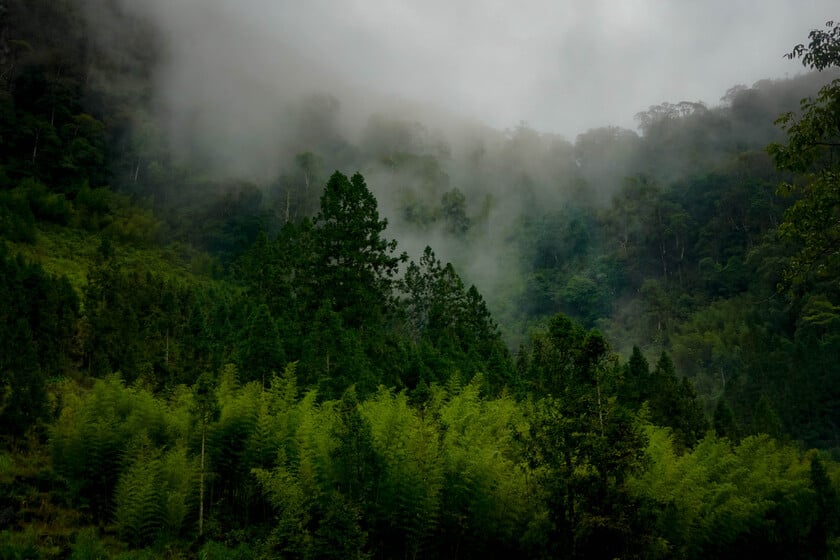
This place is filled with the green of mountains and forests, and shrouded in clouds.
Visiting Sao Ha village, tourists have the opportunity to experience the pristine natural environment and explore the relatively intact traditional culture of the H'Mong people. "Every time I have the chance to visit, the people are very welcoming and hospitable, treating you like a long-lost relative returning home," Mr. Phon shared.
Sharing his thoughts on the best time to explore the "hell village" of Sao Ha, Mr. Phon advised: "Actually, for me, not only Sao Ha but all of Ha Giang has its own unique beauty no matter when you visit. Each time of year offers a different scenery and experience. Visiting Sao Ha in the spring, you'll see the vibrant pink peach blossoms blooming along the stone fences of the traditional houses. Going in the summer or autumn, you'll see the clouds drifting lazily along the road, while in the winter, fog blankets the area all day."
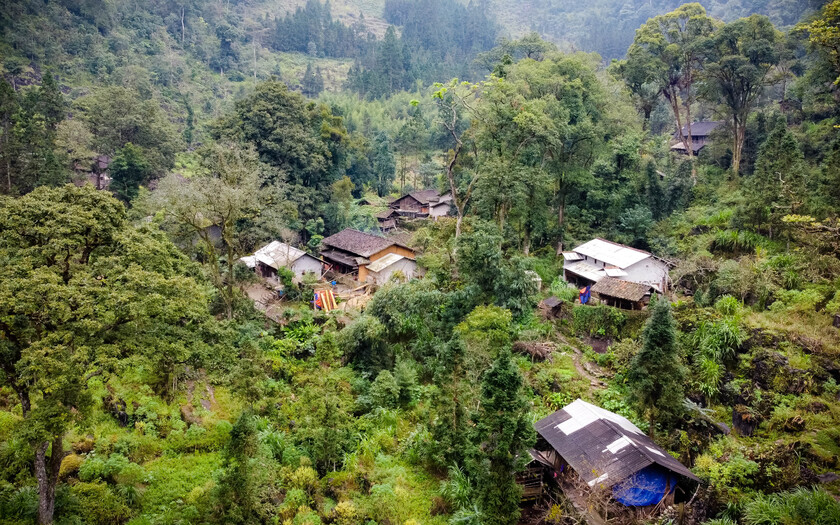
More than 20 rooftops peeked out from under the trees.
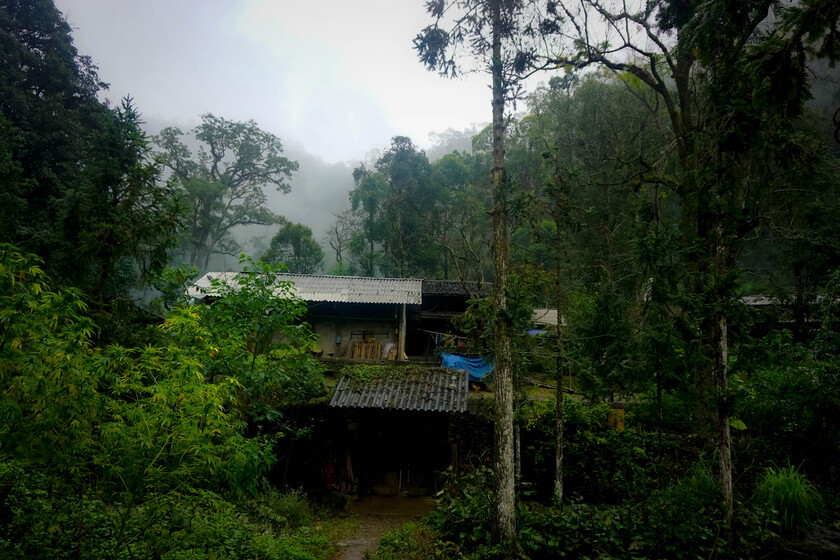
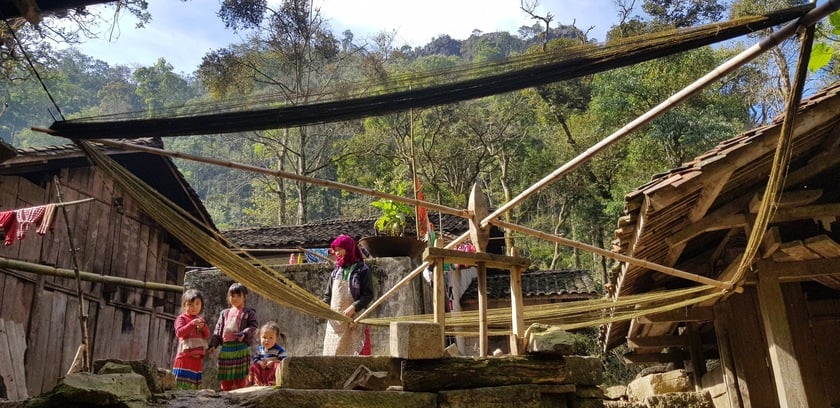
The village has preserved the full cultural identity of the H'Mông people.