VI
VI


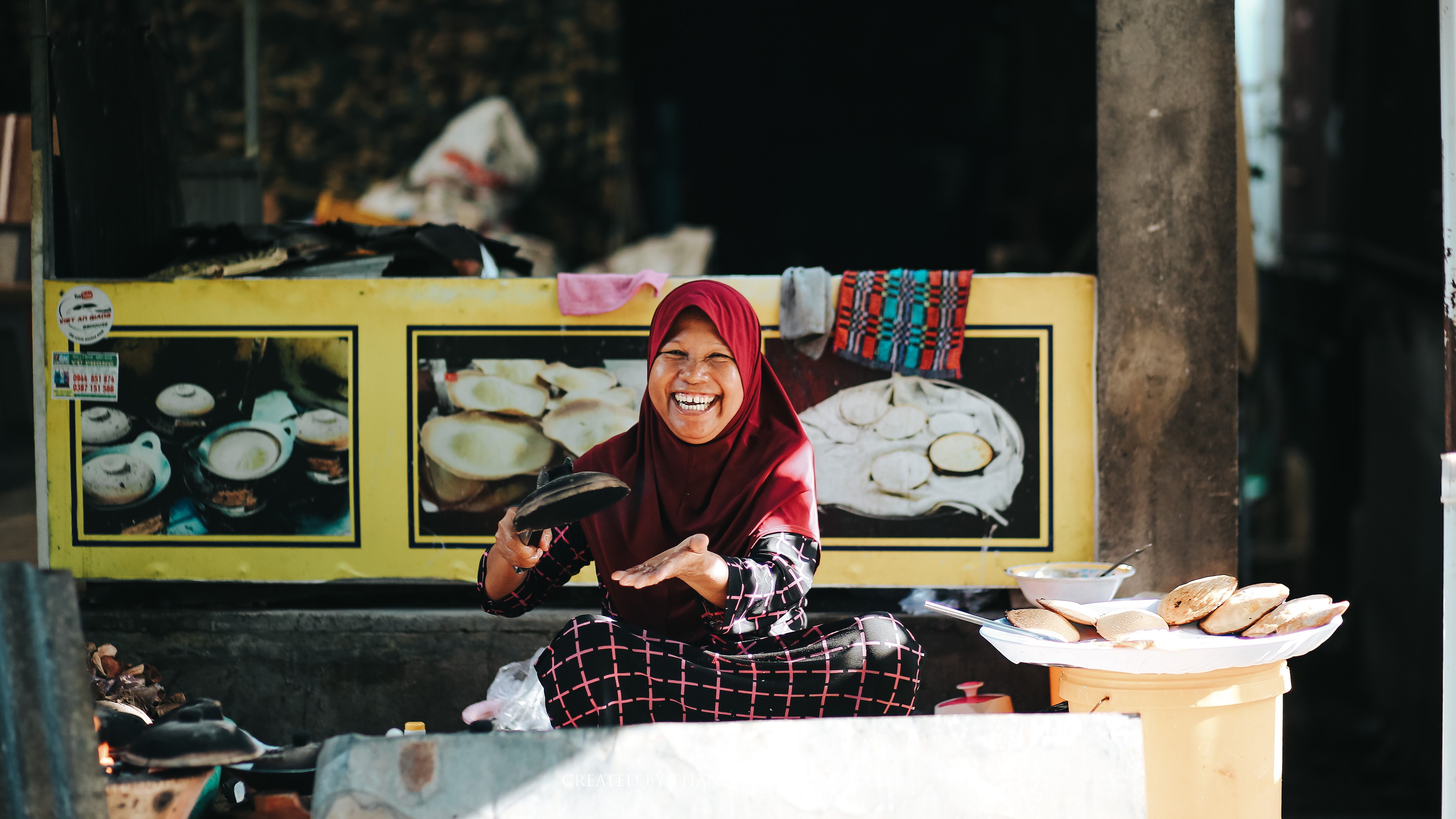
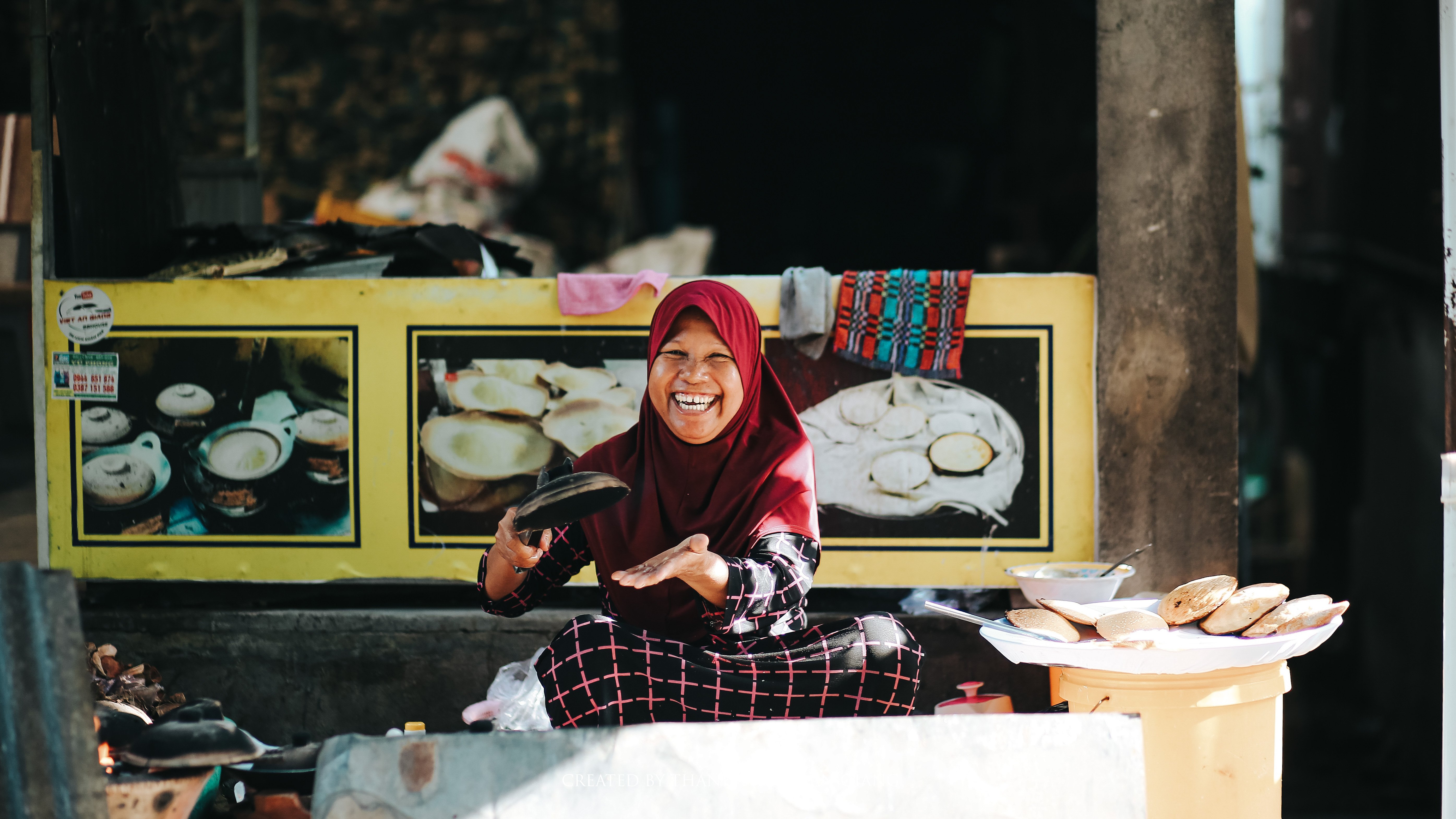
At the rustic stall of Ms. Rofiah – a Cham woman who has been involved in the art of making cakes for over twenty years – this traditional dish is not only about flavor, but also about cultural memories cherished from the lives of the Cham people along the Chau Giang River.
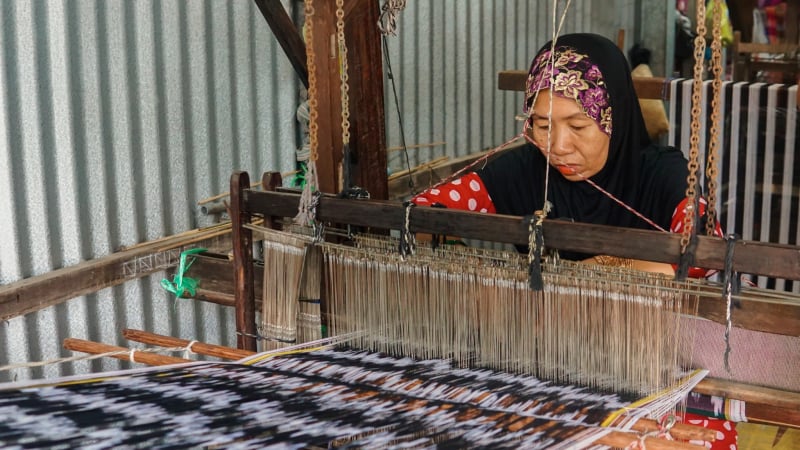
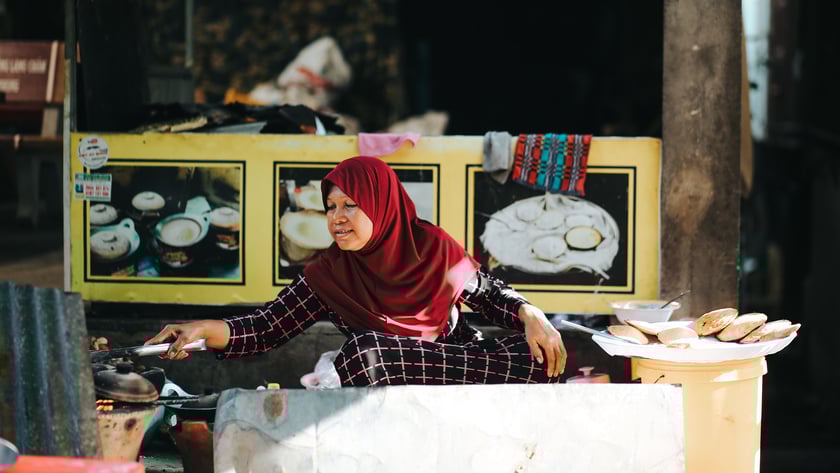
The bakery is filled with the fragrant smoke of palm oil every morning, where Rofiah begins her day with the sweet aroma of the pastries.
“It was only when I tasted this cake for the first time in its place of origin that I truly appreciated its unique flavor,” shared Nguyen Thanh Nhat, a student at An Giang University, during his visit to the Cham village. Nhat is a lover of experiencing local culture. Although he had seen grilled palm sugar rice cakes many times at fairs and tourism promotion events, it was only when he came to Chau Phong that he truly touched the “essence” of the dish.
Ha Co's grilled palm sugar rice cake, as the name suggests, is a unique variation of the traditional palm sugar rice cake, closely associated with the life of the Cham people in An Giang. While palm sugar rice cakes popular in the Mekong Delta are usually steamed, the Ha Co version has a very distinct flavor thanks to its grilling technique over charcoal – a method that is both simple and elaborate.
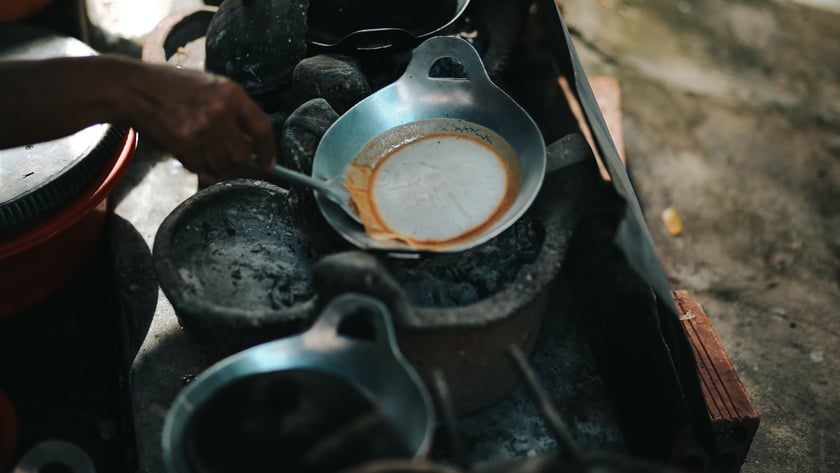
Rice flour, palm sugar, coconut milk – these simple ingredients encapsulate the flavors of an entire region.
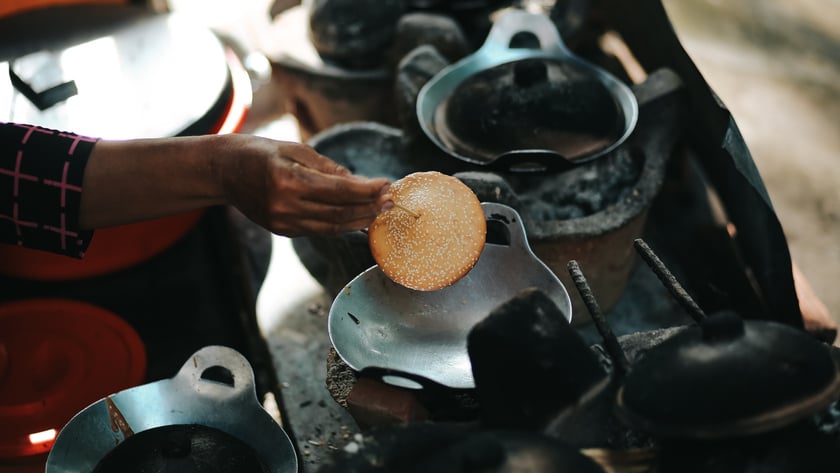
The palm sugar rice cakes are baked to perfection, golden brown, soft and fluffy, and fragrant with the scent of the Chau Giang sunshine.
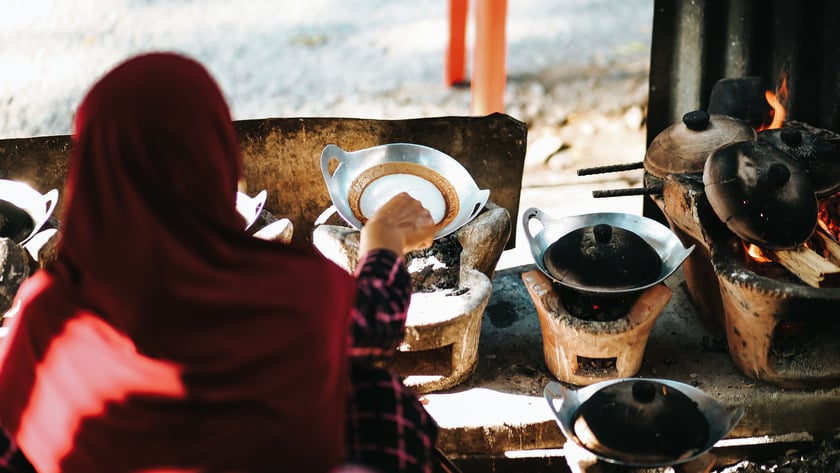
Ms. Rofiah prepares the ingredients early: rice flour is fermented with palm sugar, mixed with coconut milk and the juice from fresh palm fruit – a special "golden liquid" unique to this region. The pan is preheated with charcoal, and when the batter is poured in, she covers it with a heated lid, ensuring the cake cooks evenly on both sides. After just a few minutes, the lid is opened, and the aroma of palm fruit mixed with the smell of charcoal smoke spreads – a scent that, as Nhật says, "just smelling it makes you feel warm inside."

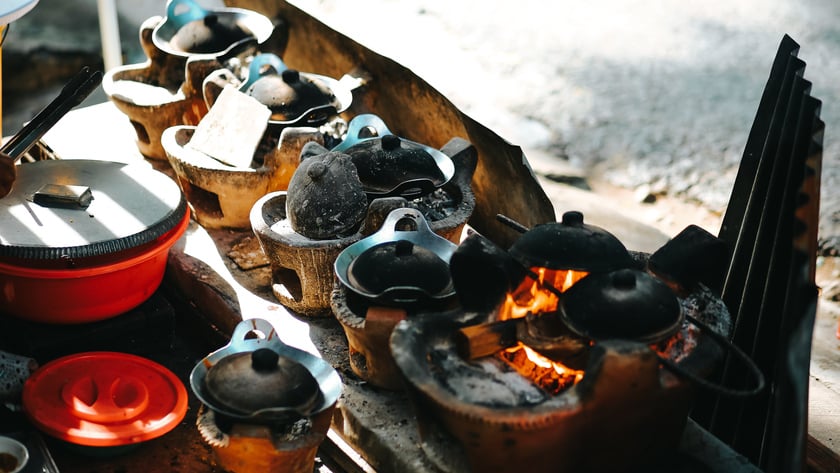
Small charcoal stoves – the secret to preserving the traditional essence of the Cham people.
The villagers call the cake "Ha Co"—an affectionate term for older women. And Rofiah is one of the people who has kept that warm flame alive for the past two decades. Her small stall consists of just a few charcoal stoves and baking molds, but each morning it is filled with lively conversations, the sizzling sound of cakes rising on the pan, and the bright smile in her eyes as she recounts her travels promoting her hometown's cake.
“She said that every time she attends tourism events, what makes her happiest is when tourists get to personally pour the batter, tend the fire, and feel the difficulty of baking so that the bottom of the cake doesn't burn while still being golden brown,” Nhat recounted. For Ms. Rofiah, the cake is not just for eating, but also a “living experience” – where people can touch Cham culture in a close and warm way.
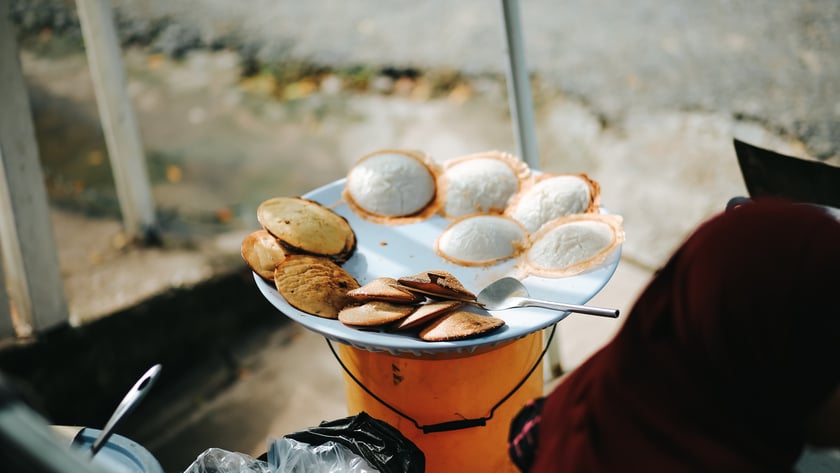
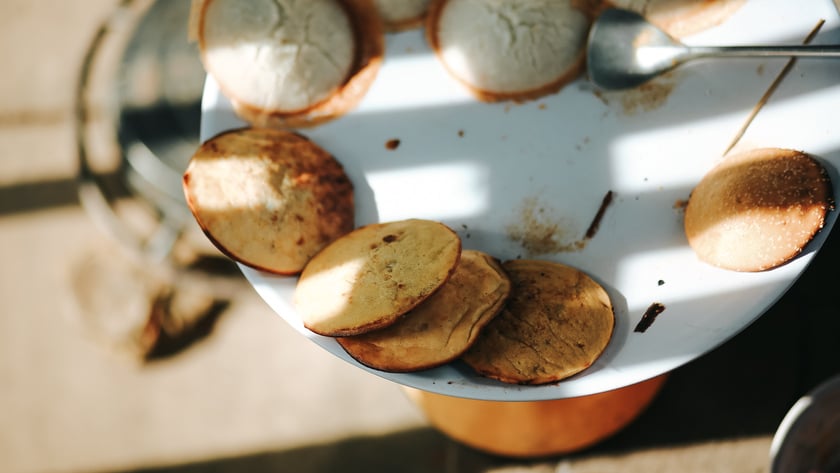

On ordinary days, the cake is a "breakfast treat," a way for tourists to remember a place by the rich sweetness of palm sugar, the perfectly soft texture, and the unmistakable aroma from the charcoal stove.
In Cham villages, grilled palm sugar rice cakes are not simply a snack. They are an indispensable part of festivals and weddings. They carry the flavor of togetherness, kinship, and the characteristic hospitality of the Cham people. On ordinary days, the cakes are a "breakfast treat," a way for visitors to remember the region through the rich sweetness of the palm sugar, the perfectly soft texture, and the unmistakable aroma from the charcoal grill.
According to Nhat, the most distinctive feature of Ha Co's grilled palm sugar rice cake is the unique way it's made. "Using the same rice flour and palm sugar as other cakes in An Giang, the use of a charcoal grill creates a very unique flavor. When the cake is fresh out of the oven, it's still warm in your hand, the crust is dry, the inside is soft and fluffy, with a light sweetness and rich aroma. That's when the cake tastes best."
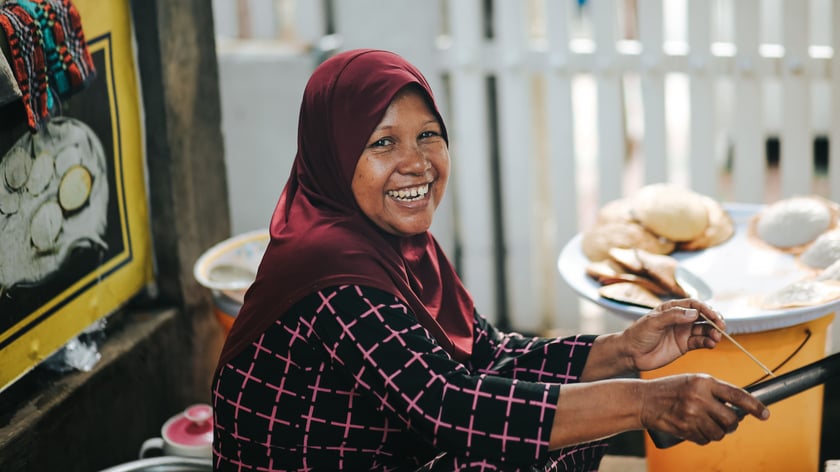
Sitting by the bakery stove, listening to stories about palm sugar and the Ramadan seasons – simple yet profound glimpses into everyday life.
On a peaceful morning in Chau Phong, Cham women with headscarves stroll slowly past ancient mosques, the aroma of baked palm sugar cakes wafting through the sunlight and breeze, like a part of the village's very breath. For those who have visited, that golden cake is not just a food item – it's a tender piece of memory carried back from this border region.