VI
VI


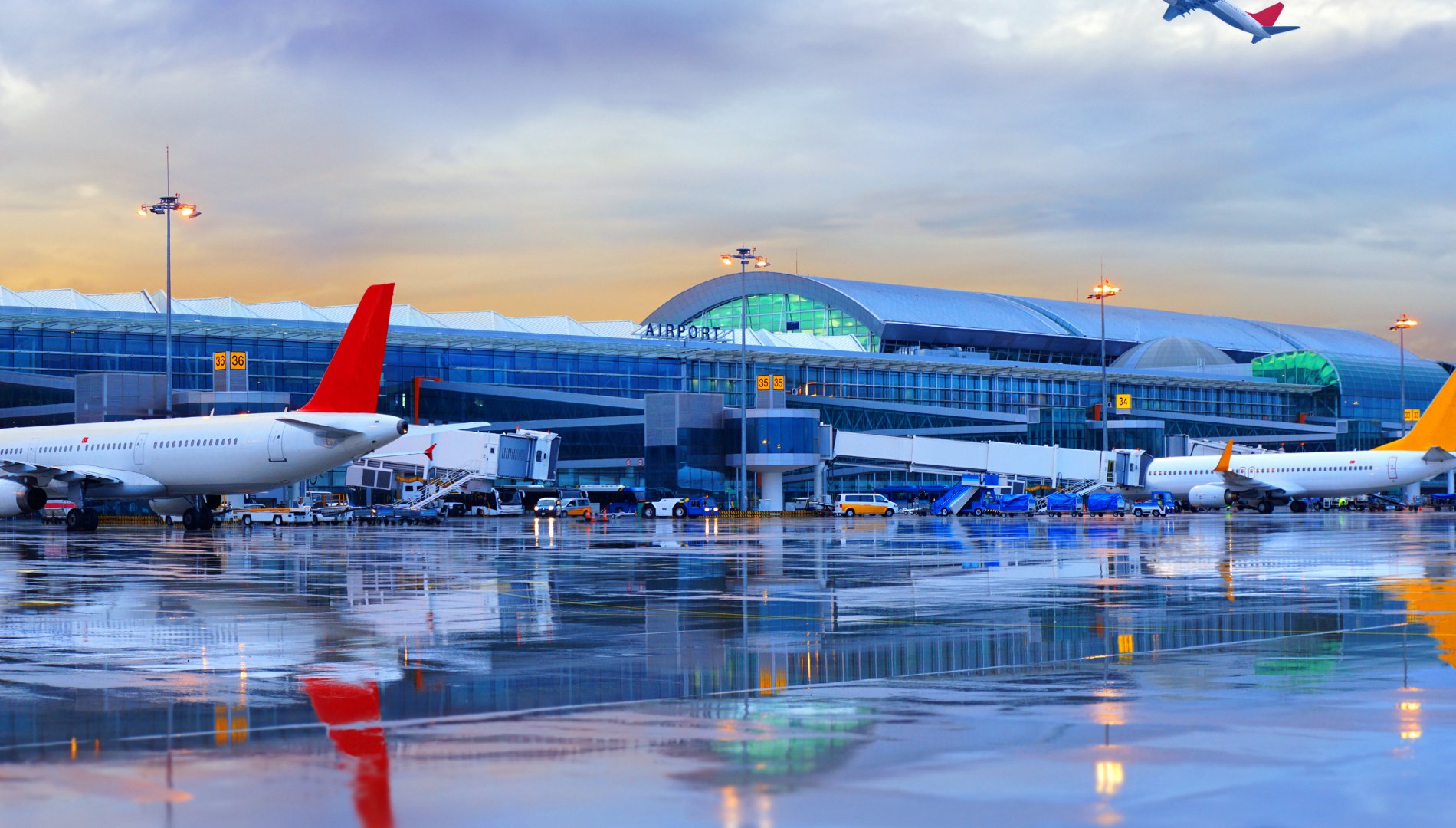
In response to the complex developments of Typhoon Wipha (Typhoon No. 3), the Civil Aviation Authority of Vietnam (CAAV) has urgently issued a directive, requiring all relevant agencies and units to activate emergency response modes to ensure absolute safety for aviation operations.
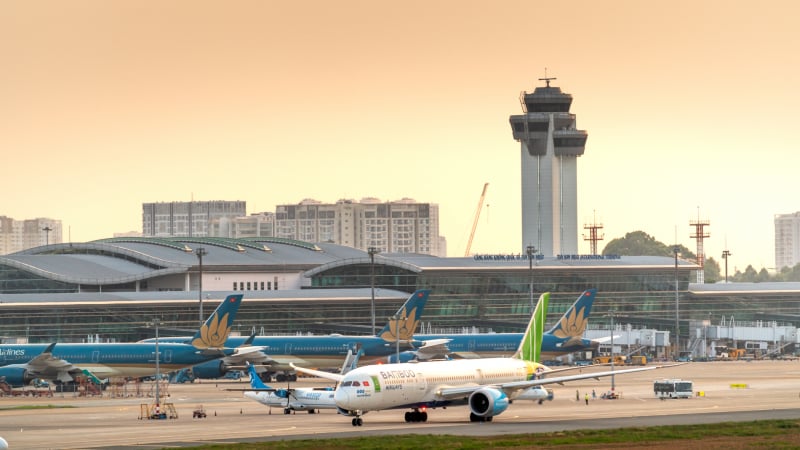

Following directives from the Civil Aviation Authority of Vietnam (CAAV), Van Don International Airport (Quang Ninh) and other airports under the Vietnam Airports Corporation (ACV) located in the area affected by Typhoon Wipha must coordinate closely with relevant units. The main task is to conduct a comprehensive inspection of the airport infrastructure, including runways, terminals, signal lighting systems, and especially the communication systems. The goal is to promptly detect and repair any damage that may occur due to the typhoon, ensuring smooth operations as soon as weather conditions permit.
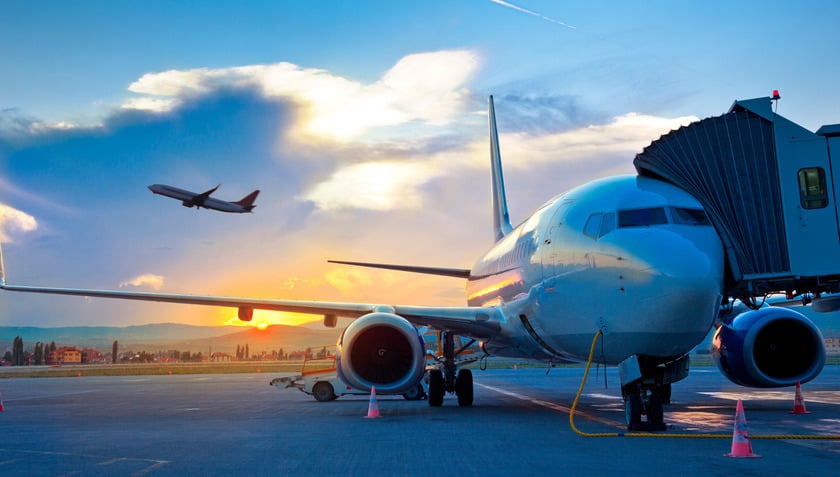
Many flights were delayed or canceled due to Typhoon Wipha (Typhoon No. 3).
In addition, the Northern and Central Aviation Authorities of Vietnam have been assigned special responsibility by the Civil Aviation Authority of Vietnam (CAAV) to monitor storm response efforts at airports in the region. This is to ensure that all preparation and response work is implemented according to regulations, while maintaining seamless communication with the CAAV Disaster Prevention and Search and Rescue Command Center. This coordinated effort will enable the aviation industry to respond flexibly and effectively in any emergency situation.

To support safe operational decisions, the Vietnam Air Traffic Management Corporation (VATM) has been instructed by the Civil Aviation Authority of Vietnam to direct its aviation meteorological service providers to enhance the quality of information. These units must continuously monitor weather conditions in their areas of responsibility, and promptly update forecasts and warnings. Providing complete and accurate observational, forecast, and warning information is crucial for airlines to make appropriate and safe adjustments to their flight plans.
Flight times may continue to be adjusted depending on the storm's progress. Updates will be provided by the airline through media channels and in the contact information provided in passengers' bookings.
Aviation authorities also requested airlines and air traffic control service providers to enhance coordination and closely monitor the developments of Typhoon Wipha (Typhoon No. 3). Based on updated meteorological information, airlines need to proactively develop plans to adjust flight schedules, including changing schedules or canceling flights, in order to maximize the protection of passengers and crew. "Airlines need to fully update meteorological information from relevant aviation meteorological facilities and, based on the actual situation, implement necessary response actions to minimize the impact on operations, ensure flight safety, and protect people and property from natural disasters," the directive stated.
Due to the impact of Typhoon Wipha (Typhoon No. 3), Vietnam Airlines had to adjust the flight schedule for some flights to and from Hong Kong (China) on July 20th. In addition, some domestic and international flights of the airline on the same day were also affected indirectly by the development of the typhoon.
On July 21-22, Noi Bai Airport experienced periods of moderate to heavy rain, thunderstorms, and reduced visibility to 1.3km, with a warning of widespread heavy rain. From July 21-23, the Northeast, the Northern Delta, Thanh Hoa, and Nghe An will experience heavy to very heavy rain.
"The 2025 rainy and stormy season has begun and may affect passengers' travel plans. Therefore, the flight schedules and times of airlines may continue to be adjusted according to the developments of typhoon No. 3. However, the Vietnamese aviation industry always prioritizes the absolute safety of passengers and crew," the Vietnam Civil Aviation Authority's dispatch emphasized, reassuring the public about its commitment to ensuring safety.
Noi Bai International Airport also issued an important recommendation to passengers. Those with scheduled flights during this period should closely monitor information from their airlines regarding their flight schedules. Passengers are also encouraged to proactively cooperate with airport authorities to ensure safety, security, and order in the terminal area, contributing to a smooth response process.