VI
VI


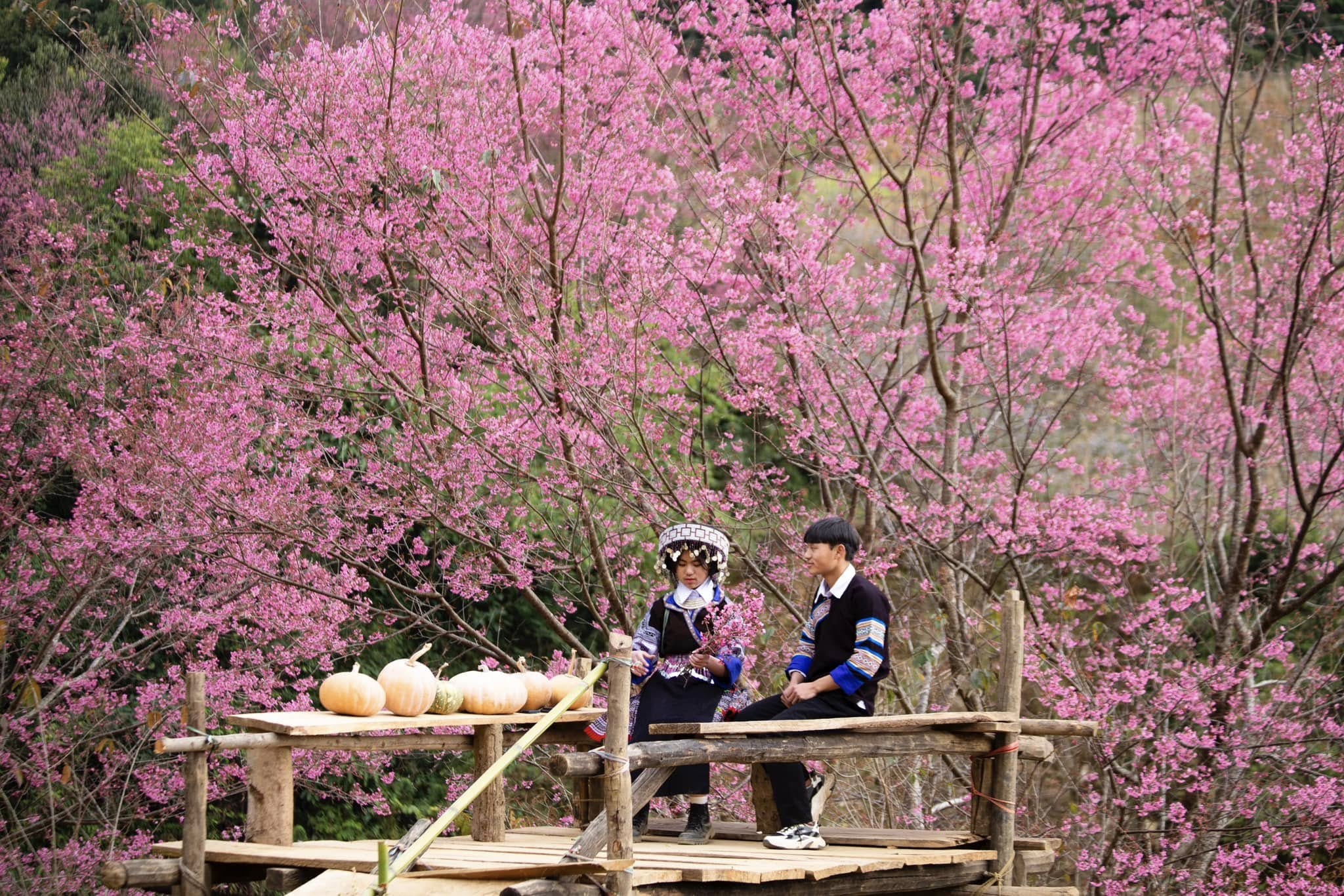
Every year, as the seasons change from winter to spring, the Mu Cang Chai plateau welcomes a spectacular season of the "to day" flower. This distinctive flower, belonging to the peach family, displays its vibrant pink hues, dyeing the forests and villages pink and transforming the area into a fresh, romantic spring landscape. Dam Ngoc Mai (34 years old, a female tourist from Hanoi) had the opportunity to experience and share her special feelings about the "to day" flower season in Mu Cang Chai.
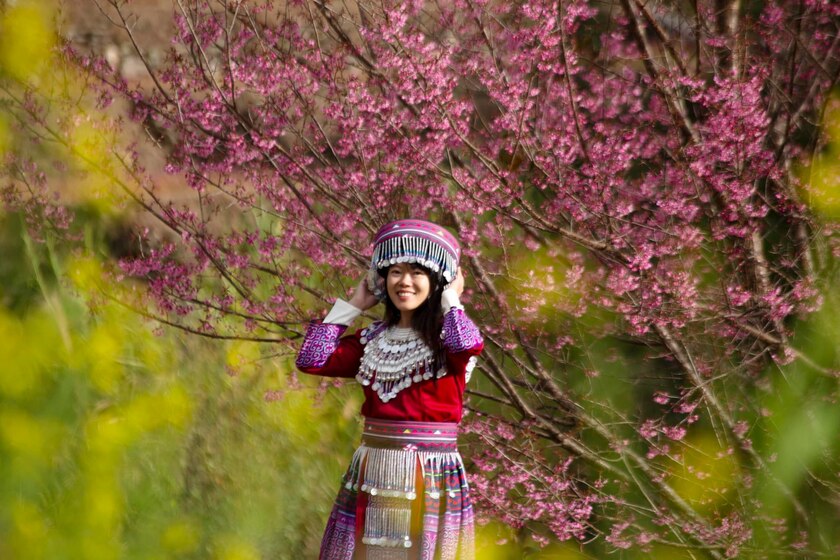
The beauty of the wild jasmine flower is likened to the vibrant beauty of Hmong girls, making the hearts of young men in love flutter.
"Visiting Mu Cang Chai during the blooming season of the 'to day' flower was a completely new experience for me. Although I had seen this flower in several other places, I was still overwhelmed by its beauty amidst the mountains and forests of Yen Bai," Ngoc Mai shared.
The "tớ dày" flower, or "pằng tớ dày" in the Hmong language, is a type of peach blossom that typically blooms from mid-December to the end of January. The blossoms blanket the hillsides and winding mountain passes, creating a spring symphony that particularly delights tourists. In 2024, Mù Cang Chải organized the "Tớ Dày Flower Festival" along with the Hmong Flute Festival and other special activities to celebrate the spring of 2025. This festival not only celebrates the beauty of the "tớ dày" flower but also provides an opportunity for visitors to experience the unique culture of the Hmong people.
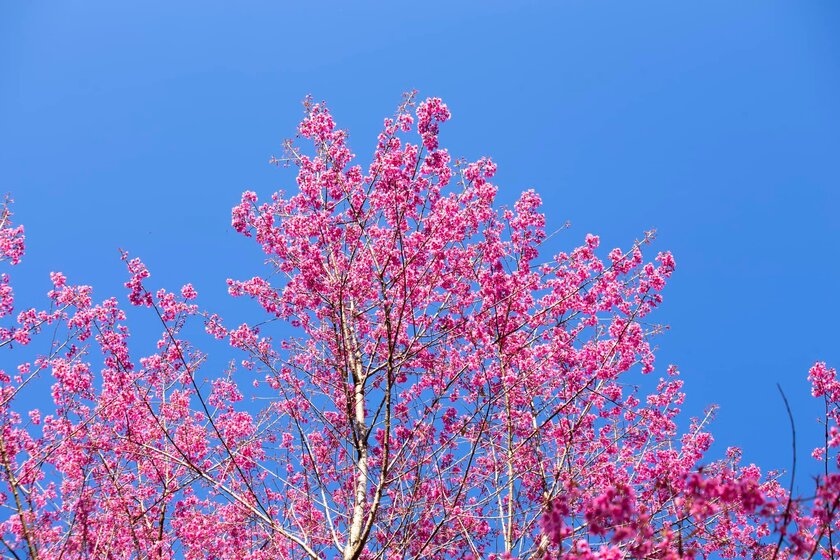
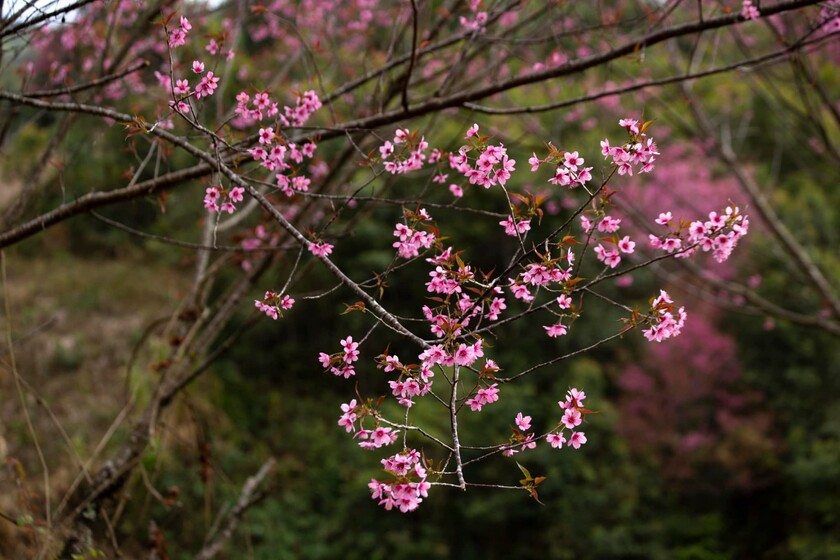
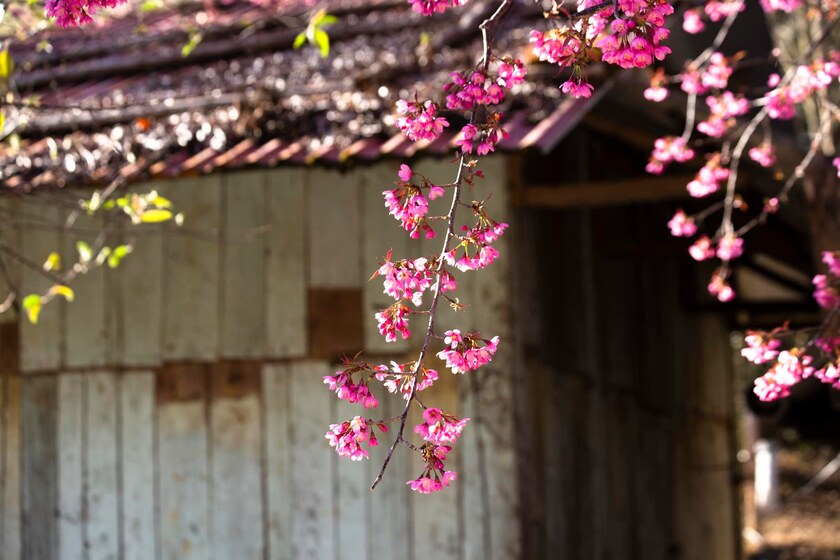
Although they are just small flowers with delicate petals, when they bloom, they resemble bright red flames illuminating a corner of the sky, leaving anyone who stops to admire them.
On the small paths leading into the villages, encountering Hmong children in their traditional flared skirts playing under the blossoming trees, Ngoc Mai was deeply moved. She shared: "Those images radiated the innocence and simplicity of the mountains and forests, which impressed and captivated me greatly."

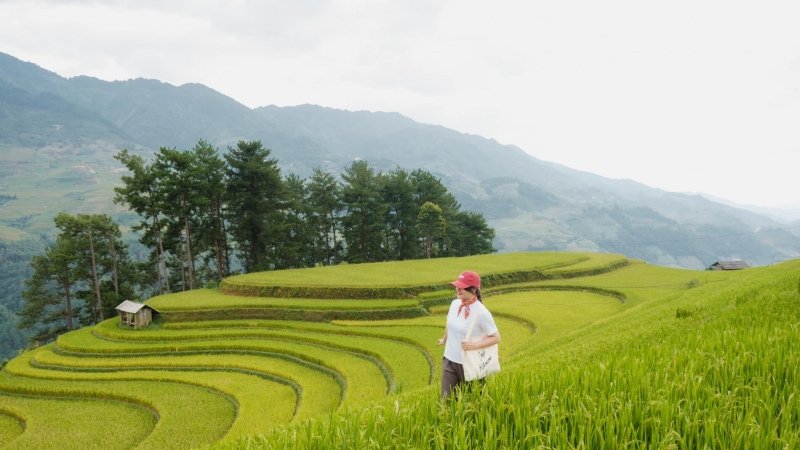
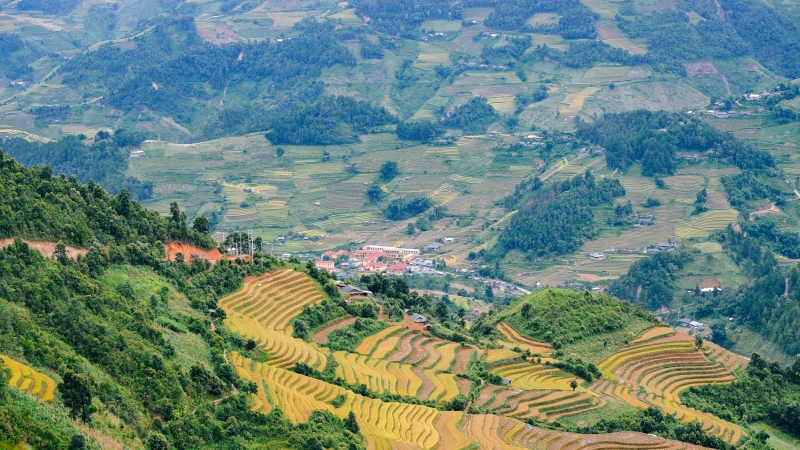
Previously, Ngoc Mai had visited Mu Cang Chai during the rice harvest season, when the terraced rice fields were bathed in a shimmering golden hue. Comparing the two seasons, she said: “The golden season is vibrant and incredibly impressive, like the fiery colors of summer. The season of the 'to day' flowers, on the other hand, brings a fresh, peaceful spring feeling.” Each season has its own unique colors, but overall, they both evoke unforgettable emotions for those who have visited.
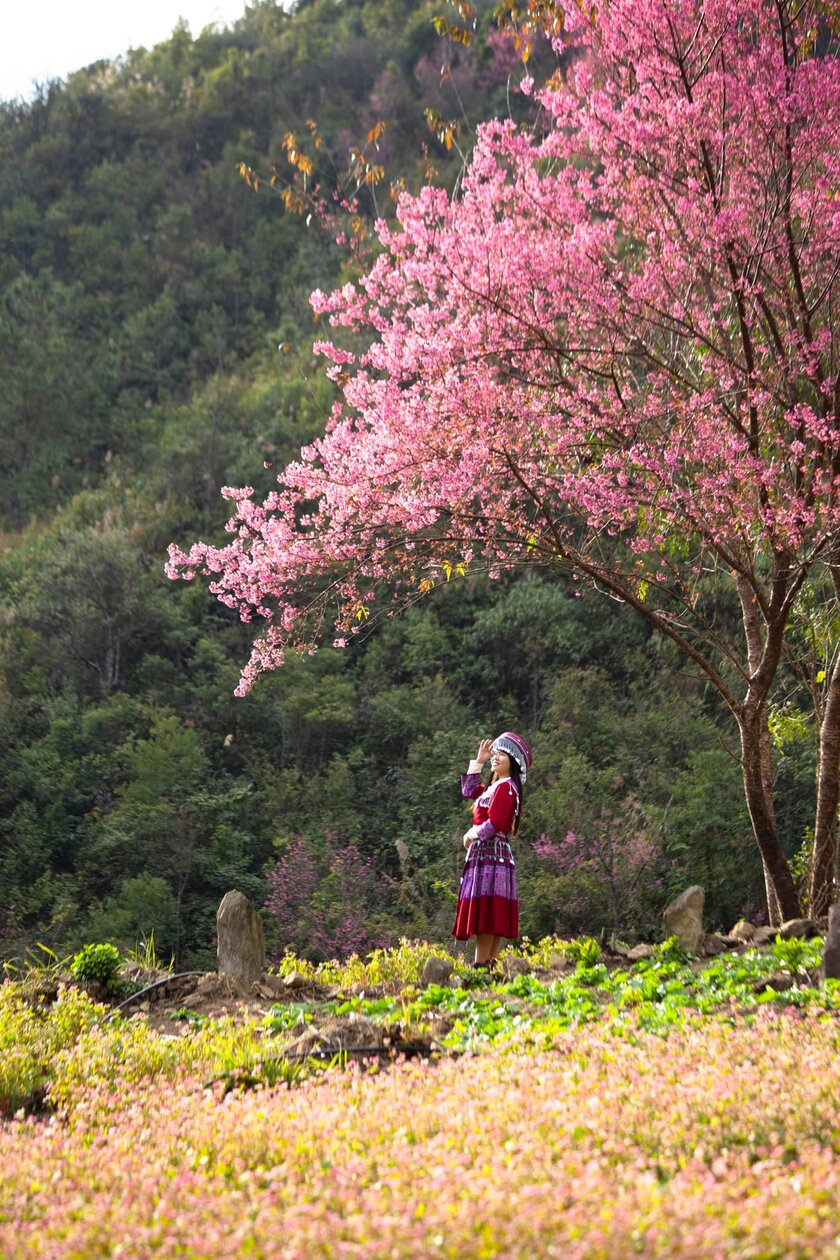
The flowers brightened up the whole corner of the sky.
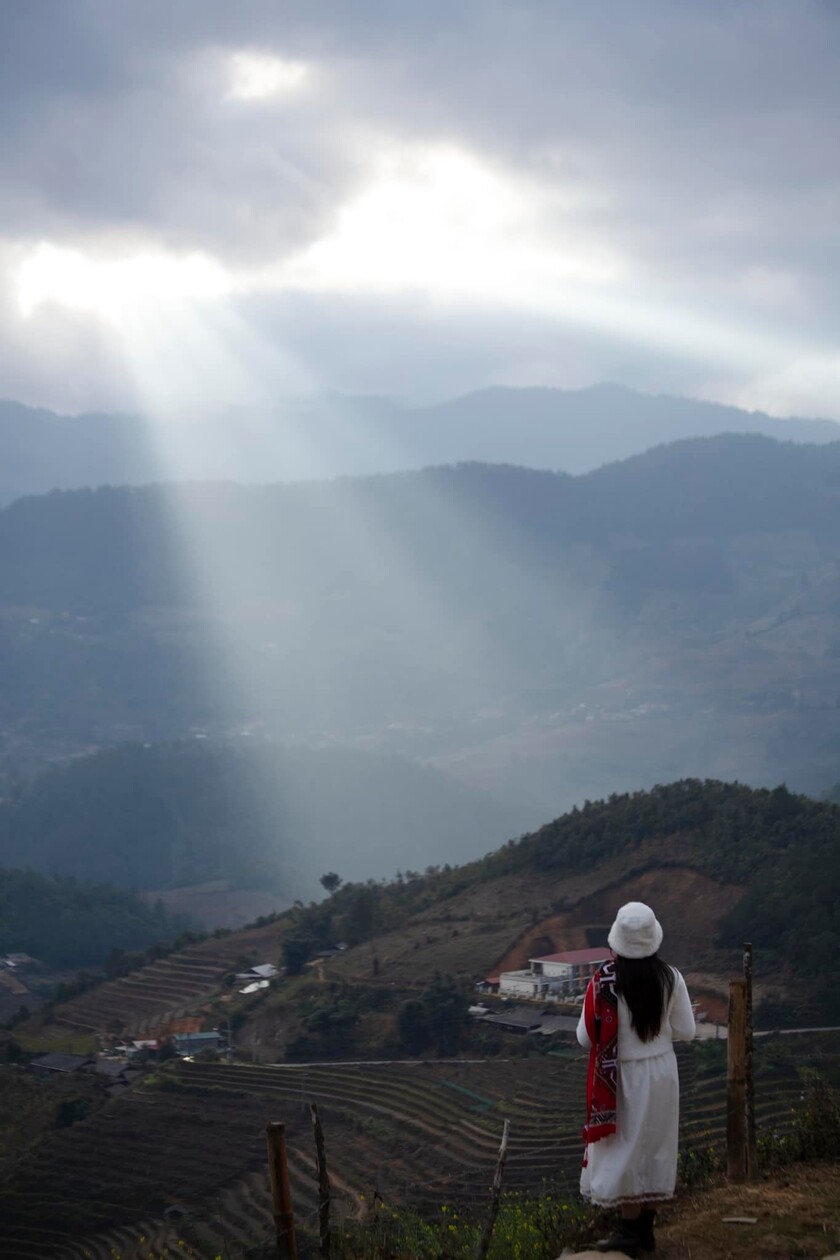
Amidst the majestic Mu Cang Chai
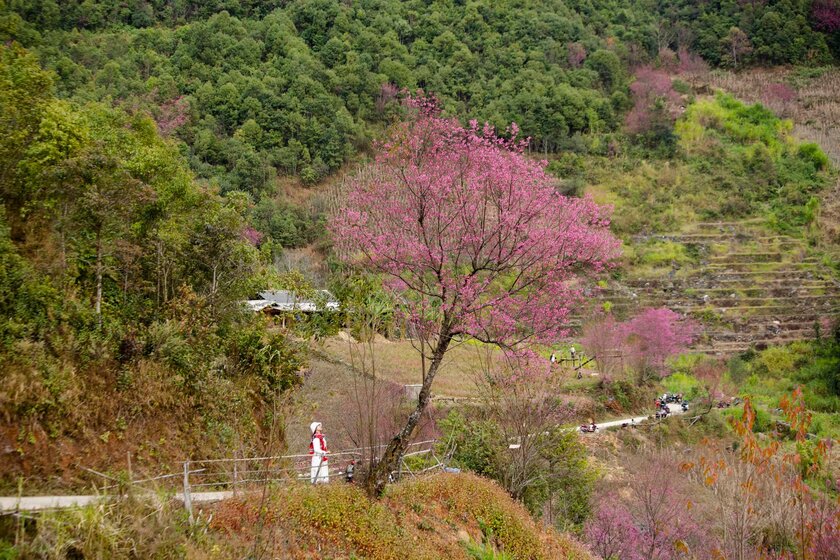
As expected, every time the wild jasmine blooms, the peaceful mountainous district of Mu Cang Chai becomes more bustling with tourists who have fallen in love with the region, coming to admire, enjoy, and capture unique photographs.
During this trip, Mai explored places like La Pán Tẩn, famous for its vast flower-covered hills, and Háng Gằng village, where the flower-lined road is as beautiful as a dream in the early morning sun. For the female traveler, each place offered its own unique beauty and unforgettable impressions.
While wandering with the locals along the mountain passes, Ngoc Mai felt the slow and peaceful pace of life there. The locals were friendly and open, and each conversation felt special, intimate, and profound. "Talking to them, wandering with them through the mountains and forests, I felt life slow down, become gentle and peaceful," Ngoc Mai recounted.
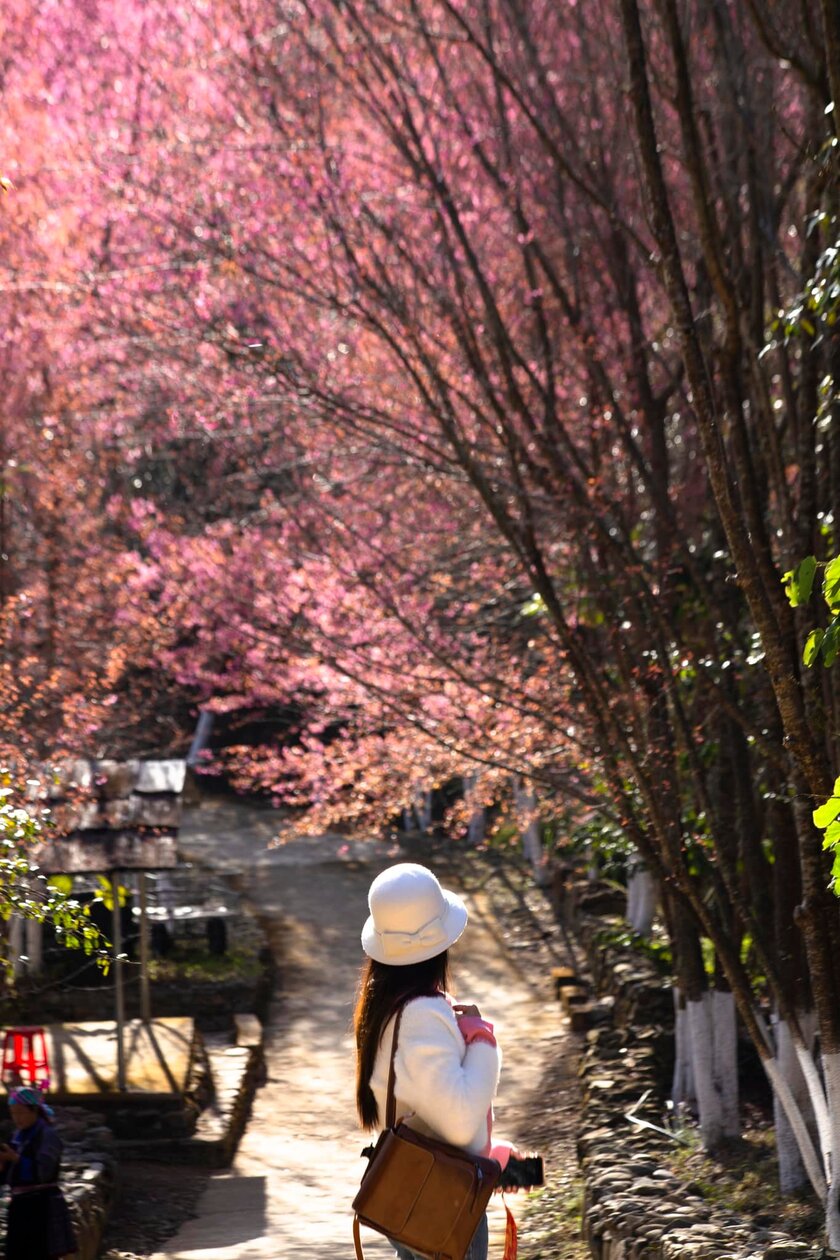
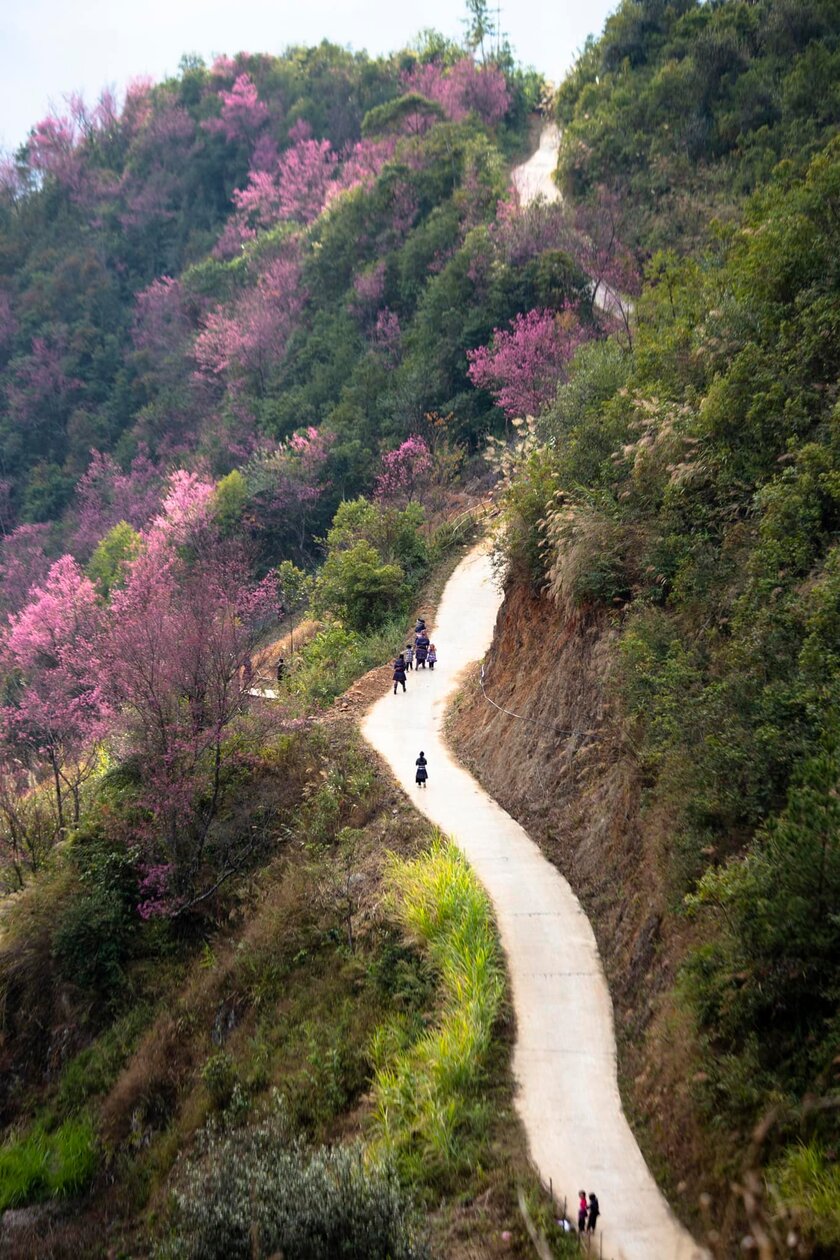
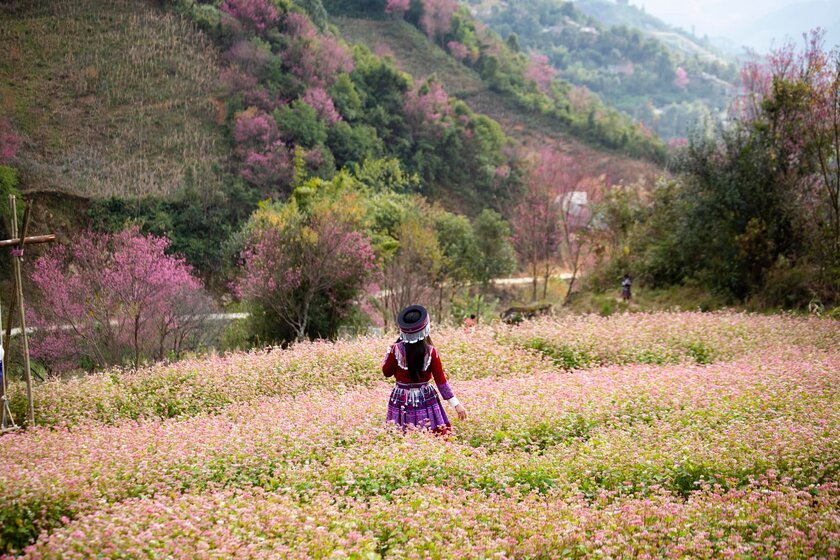
For the Hmong people in Mu Cang Chai, this flower signals the early arrival of spring, which is also the time when they prepare their farming tools for the new planting season.
Dam Ngoc Mai shared that Mu Cang Chai has been doing very well in combining tourism development based on the inherent beauty of nature with the nurturing efforts of human hands. She hopes that the area will develop sustainably, combining tourism with more cultural experiences so that visitors can not only admire the beautiful scenery but also have the opportunity to learn about the culture and integrate into the local life. She also encouraged tourists to be more conscious of preserving the landscape and identity so that when they arrive, they bring good intentions; when they leave, they take nothing back but photos, leaving nothing behind but footprints.
Mu Cang Chai during the season of the "to day" flower offers visitors unique and unforgettable experiences. The pink hues of the flowers, the pristine beauty of the mountains and forests, and the friendliness of the local people create a colorful tapestry of nature and culture.