VI
VI


.jpg.jpg)
Post:An Pham. Image:Korea Tourism Organization, photographer Duy Anh
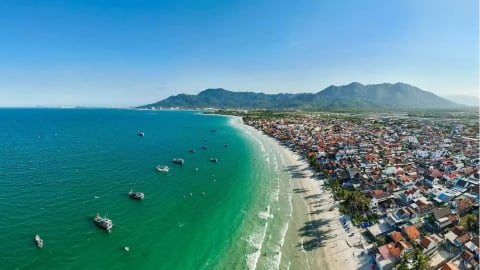
With a total area of 1,846 square kilometers, Jeju is the largest island in South Korea, and also the smallest of the nine provinces. Surrounded by the sea, Jeju is strongly influenced by an oceanic climate, with warm winters and cool summers, and an average annual temperature of around 15-16 degrees Celsius. Known as the "island of peace," Jeju is a tourist paradise in South Korea, with picturesque coastal roads, vast flower fields, and ancient stone-walled houses. Jeju offers a tranquil and serene lifestyle, completely separate from the bustling and rapidly developing South Korea.
.jpg_4.jpg)
Formed from the lava of volcanic eruptions over 2 million years ago, Jeju Island is home to a distinctive type of black, porous, lightweight rock. Scattered along the roads, it's used by locals to build sturdy houses that can withstand strong winds from the sea. Volcanic rock also surrounds villages, forming ancient walls. Notably, the locals also use this rock to sculpt "harubang" statues, depicting grandfathers in various forms, which are scattered throughout the island. These unique human-shaped statues have become an indelible symbol of Jeju Island.
.jpg_3.jpg)
Jeju is not a place for fleeting, quick visits. To truly experience its peace and romance, nothing beats exploring the island by bicycle, gently basking in the warm sunshine and letting the soft breeze guide you through its beautiful landscapes. Few travelers will feel tired cycling through Jeju's smooth and picturesque roads. Everywhere you go, you'll find the beauty of countless flowers; if not planted in the ground, they'll be gathered into small clumps and hung along the roadside or on bridges.
.jpg_8.jpg)
Jeju boasts smooth coastal roads specifically designed for cycling enthusiasts. Perhaps the best experience is cycling along the winding mountain passes on the southern part of the island. The more than 90km stretch from Joongmon to Pyoseon and Seongsan offers a breathtaking panorama of the vast ocean and blooming flowers. The Pyoseon road will make visitors feel like they've stepped into a dreamy natural world, with white daisies blooming on one side and a vast pine forest on the other.
.jpg_9.jpg)

The 90km cycling route will take visitors to discover a series of other dreamy and tranquil beauties of Jeju, such as Seopjikoji Hill and Ilchul Land amusement park. In particular, the Suesokkak River estuary – where streams flow into the sea – is a must-see destination. It boasts a majestic and serene natural beauty, covered by tall pine trees on both banks. Between the natural rock formations and cliffs, created by volcanic lava from hundreds of millions of years ago, lies a clear, cool stream.
.jpg_5.jpg)
The final destination of the cycling journey is Seongsan Ilchulbong (Sunrise Peak), located in the easternmost part of Jeju Island. From afar, Seongsan Ilchulbong resembles a magnificent crown of nature, covered in a beautiful, vibrant green. Seongsan Ilchulbong welcomes numerous visitors who come to admire the beautiful natural scenery, breathe in the fresh air, and watch the sunrise every morning.
.jpg_2.jpg)
One of Jeju's must-see destinations is Mount Halla (Hallasan), a massive shield volcano located in the center and visible from all over the island. It is also the highest mountain in South Korea and surrounded by 360 other satellite volcanoes (oreum). There are two ways to explore Mount Halla; the most common is to start from the Hallasan Park Visitor Center and then follow the Eorimok trail to the summit. However, to experience the fresh air and explore the volcano's stunning natural beauty, visitors can follow the Seongpanak trail. After about 5 hours of continuous climbing, Jeju's highest ancient Buddhist temple – Gwaneumsa – and the magnificent Lake Baeknodak at the summit will appear before your eyes.
.jpg_1.jpg)
Jeju is an island of picturesque landscapes, with beautiful waterfalls and streams alongside its mountains. Cheonjiyeon Waterfall is one of them, flowing year-round, its white foam creating a shimmering, magical beauty, especially at night. The path leading to Cheonjiyeon Waterfall runs from the park gate along the picturesque stream that forms the waterfall, always filled with dreamy scenery, giving the feeling of stepping into the beautiful natural world of Jeju Island. People come to Cheonjiyeon Waterfall to visit, to take photos, to admire one of the most beautiful waterfalls on the "Island of Peace," and to pray for good fortune and peace.
.jpg_0.jpg)
Besides the locations mentioned above, to learn more about Jeju's natural beauty, there are many other wonderful places such as Jusangjeolli Cliffs, Yongdam Beach, Seonggeup Folk Village… You can also visit a vibrant, modern corner of the island at the unique Loveland Park or the bustling Tapdong shopping district.
Jeju Island possesses a beauty that seems somewhat rugged, characterized by rocks, water, and the open sea. However, it captivates many visitors with its romantic, peaceful, and simple charm, and its life closely intertwined with nature—a quality rarely found elsewhere.
Additional information:
Korea Tourism Organization in Vietnam
- P1302, 13th Floor, Charmvit Building, 117 Tran Duy Hung, Hanoi.
- Tel: 04-35564040
- Email: hanoi@knto.or.kr
- Website: www.visitkorea.org.vn
+ Transportation: There are no direct flights from Vietnam to Jeju Island, so tourists must take two flights: from Vietnam to one of the airports in South Korea and then on to Jeju. Alternatively, from Incheon, tourists can take daily ferry services to the island. In addition, tourists can explore the beautiful Jeju Island with a special cycling tour around the island.
+ Language: Korean is the official language of South Korea; however, in some popular tourist destinations, especially Jeju Island, tourists can communicate in English at some restaurants and hotels.
Weather: Summer in Jeju lasts from June to September, with temperatures ranging from 20 to 28 degrees Celsius.
+ Currency: The currency in South Korea is the Won, with an exchange rate of 1 USD = 1120 Won. Tourists can exchange money at the airport, at currency exchange counters in the city, or use credit cards when shopping.
When visiting Jeju, don't forget to enjoy local specialties such as sea urchin soup, grilled Jeju black pork, kimchi chicken stew, and grilled mackerel with sea salt.
+ There are two daily Asiana flights from Vietnam to South Korea, departing from Hanoi:
Hanoi - Seoul route: at 23:00 (OZ734) and 14:40 (OZ728)
Seoul - Hanoi route: at 19:20 (OZ733) and 09:45 (OZ727)
From Seoul to Jeju: 11 flights/day
From Jeju to Seoul: 11 flights/day