VI
VI


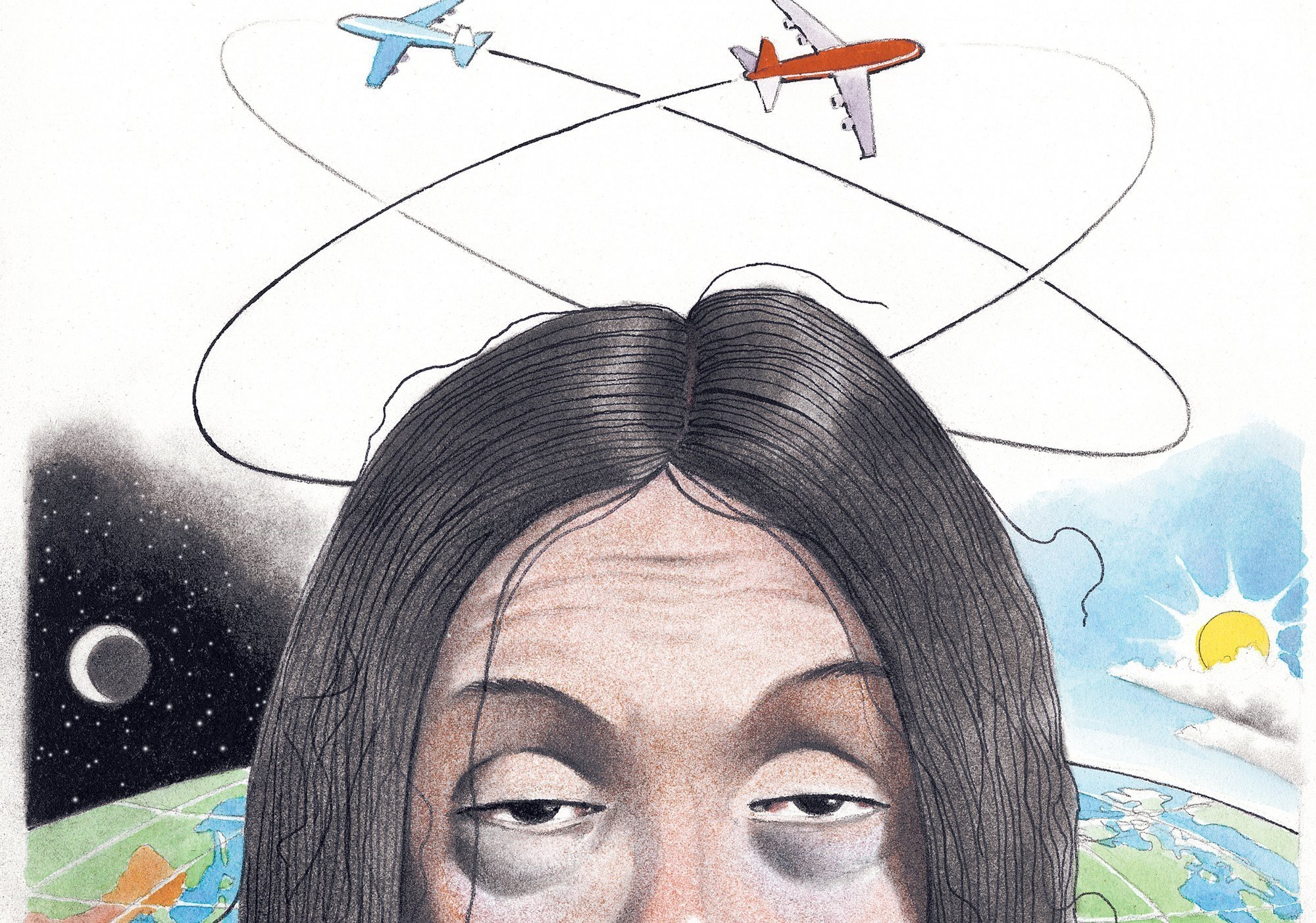
Jet lag, or fatigue caused by time zone differences, is a real nightmare for travelers when flying long distances. Your body has its own "biological clock," signaling when to wake up and when to sleep. Jet lag occurs when your internal clock is still in Vietnam while your physical body is in Australia, the US, Canada, etc.
Time zone differences can cause fatigue and reduced alertness. Digestive issues such as loss of appetite or cravings at irregular times can also occur. Jet lag is temporary, but it can significantly reduce the time we spend on our vacation.
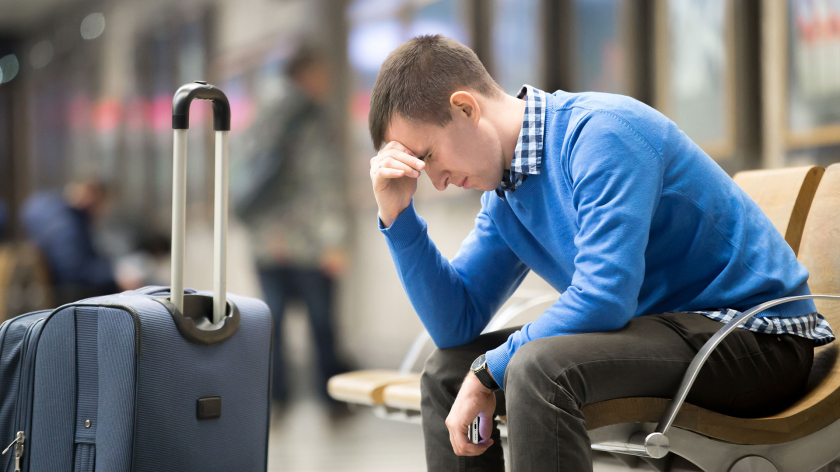
Here are some tips that may help you improve jet lag:
Get enough sleep before your flight.
You should sleep before your flight to recharge your body for flying across multiple time zones. This will help minimize jet lag upon arrival.
Limit your choice of arrival times to evening.
Arriving in the morning will put you in a better mood for sightseeing, rather than returning to your hotel room in the evening feeling sluggish and experiencing more pronounced jet lag.

Do not drink alcohol on the flight.
Alcoholic beverages dehydrate the body, leading to jet lag. It's best to stick to water and fruit juices to keep your body adequately hydrated.
Sleeping pills should not be overused.
Sleeping pills won't help you feel better on long flights. They might even make you feel dizzy and lightheaded upon landing. If you need to sleep, sleep naturally. To be safe, you should bring along some sleep-inducing tea bags like chamomile or rose tea, and brew them with the hot water available on the plane.
Sleeping on the plane due to the new time zone.
Allow your body to gradually adjust to the new time zone by sleeping if it's evening at your destination, or staying awake if it's daytime there.
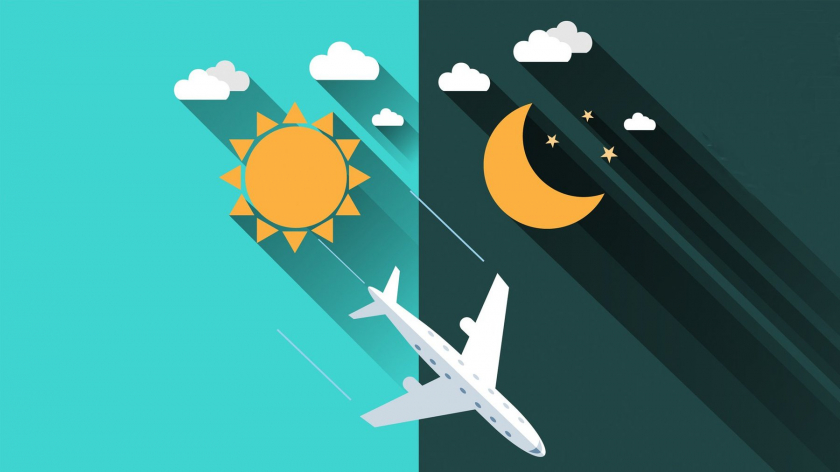
Access to appropriate lighting
Light is one of the main influences affecting the body's circadian rhythm. Exposure to light in the evening helps you adjust to a later time zone than usual, while exposure to morning light can help you adapt to an earlier time zone.
Eat meals according to your new time zone.
Eat on time, don't skip meals! Try to eat, even if it's just a little, so your digestive system gets used to the new meal schedule. This will help alleviate jet lag.