VI
VI


Drifting along on night trains
This time, everyone chose the train as their main mode of transportation for both the trip there and back. I arrived at Saigon Station at 7:30 PM. There's a convenient overnight parking lot in front of the station, perfect for tourists on extended trips. I have to admit, Saigon Station is quite beautiful and clean. Inside, there are many rows of seats for passengers waiting for their trains, and shops selling food and other items – everything you could need, including fast food.
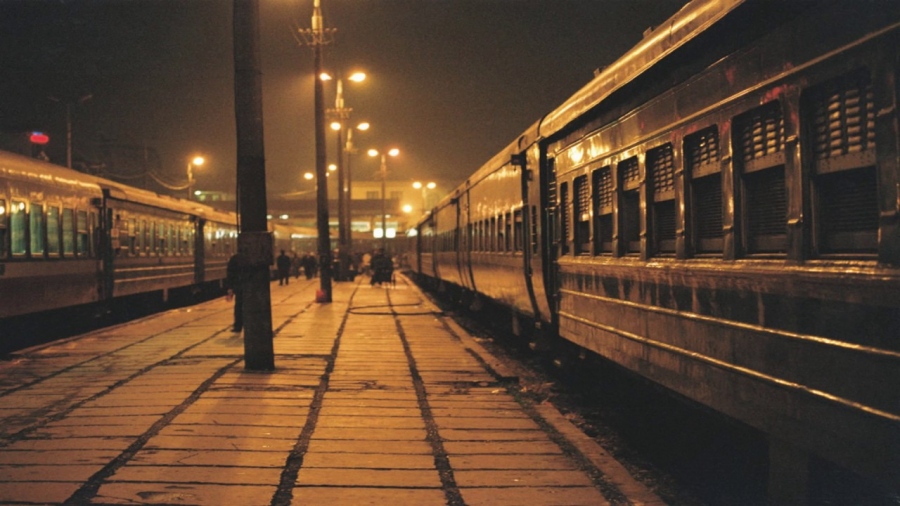
Going further up, we met two of the younger members of our group who had arrived earlier. A few minutes later, almost everyone was there. Around 8 o'clock, the station announced that passengers could board the train, and everyone quickly passed through the control gate to enter the platform. Saigon Station has 4-5 tracks, and there are signs right at the entrance, so please pay attention to go in the right direction. Our train tonight was SNT2, a tourist train running on the fixed Saigon – Nha Trang route.
At 8:30 PM, the train started moving. Our group of six fit comfortably into one compartment, with three beds on each side, arranged from lowest to highest. The prices followed the same pattern, with the lowest beds being the most expensive and decreasing as the height increased. There were also six bottles of mineral water on the table, which was acceptable. My impression of the SNT2 train was quite good: clean, punctual, and relatively new. The only drawback, and rather disappointing, was when the staff member informed us that the train didn't have a canteen or staff pushing carts selling late-night snacks.
Well, let's just drink some water to keep ourselves going and chat. After a lively conversation, the whole group gradually drifted off to sleep, everyone trying to catch a little rest because the train would arrive at Thap Cham station very early (around 4:30 AM) and the whole next day would be full of activities and experiences.

Speaking of trains, let me share my experience on the return trip. If you were at the top of the range at SNT2, the feeling of disappointment when returning by SE5 was disappointing. This is a North-South train, not a fixed-route tourist train. We couldn't get a sleeper berth, so we chose a soft seat with air conditioning. The seat itself wasn't the issue, but because we were sitting in the last row, right next to the restroom, the distinctive smell assaulted our noses every time passengers went in and out. After a while on the train, my friends and I decided to go down to the canteen for lunch. Luckily, the train had a canteen compartment.
There was a canteen area, but when we got there, it was already full of customers. We decided to buy a boxed meal to eat on the bench; each meal cost 35k and included ribs, stir-fried vegetables, and minced meat. On a scale of 10, I'd rate this boxed meal a 6/10 – decent.
If possible, you should book tickets for the tourist trains; they are new, clean, and offer a smoother ride. I highly appreciate the punctuality of both SNT2 and SE5, with only minor delays of a few minutes. Here's some additional information for your reference:

- SNT2 Saigon – Nha Trang: Departure at 8:30 PM, arrival at Thap Cham station at 4:30 AM; Second-class sleeper ticket: 450,000 VND.
- SE5 Hanoi – Saigon: arrives at Thap Cham station at 12:45 PM, arrives in Saigon at 6:45 PM, the difference from the expected time is negligible; Air-conditioned soft seat ticket: 256,000 VND.
Visit the peaceful sheep farm and stop by Thanh Son Lake.

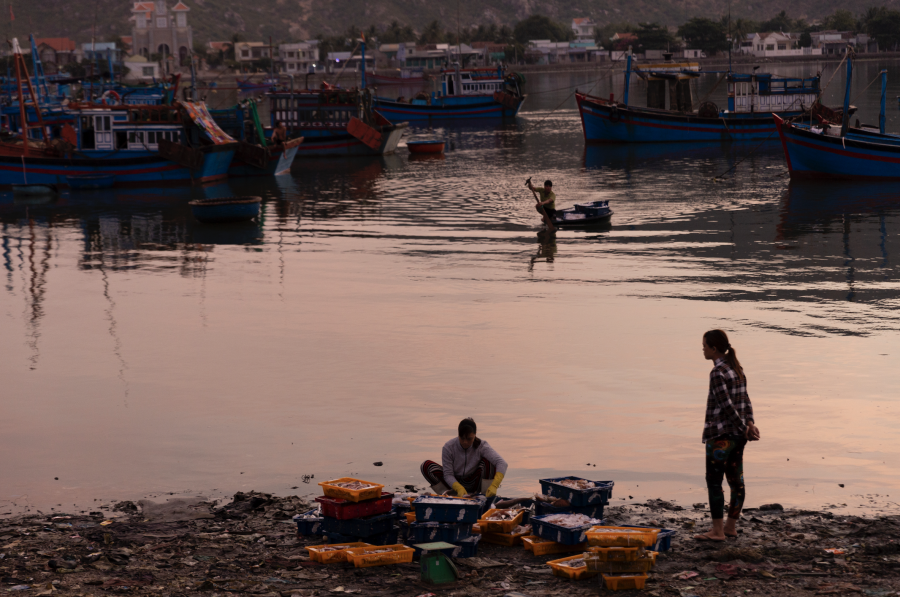
At 4:30 AM on Saturday, the train arrived at Thap Cham station, and the driver was there to take us to our first destination: Nai Du Khanh market. We walked along the main road, admiring the beautiful sunrise gradually appearing from behind the mountains towards the sea. Along the way, there were quite a few boats unloading fish at the market or delivering them to traders after their night at sea.
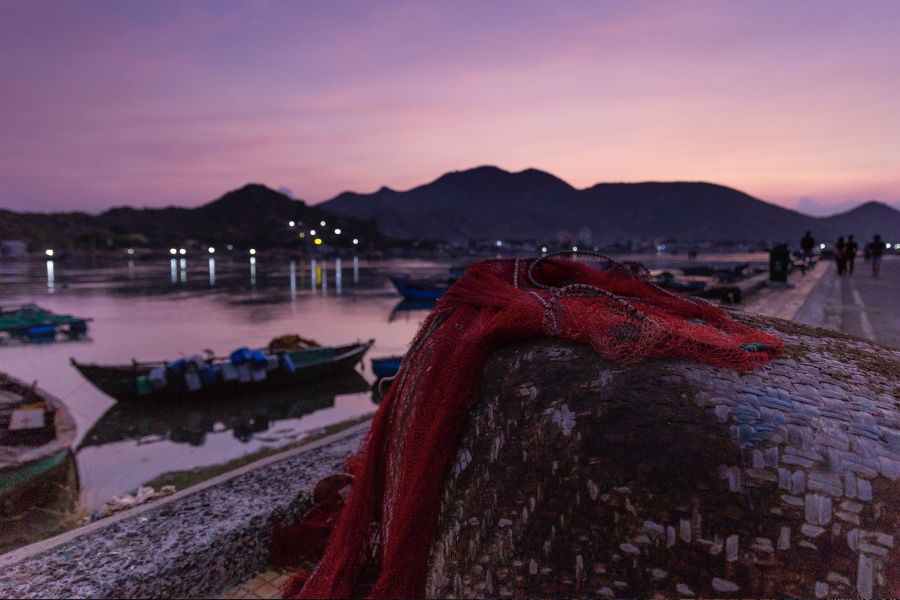
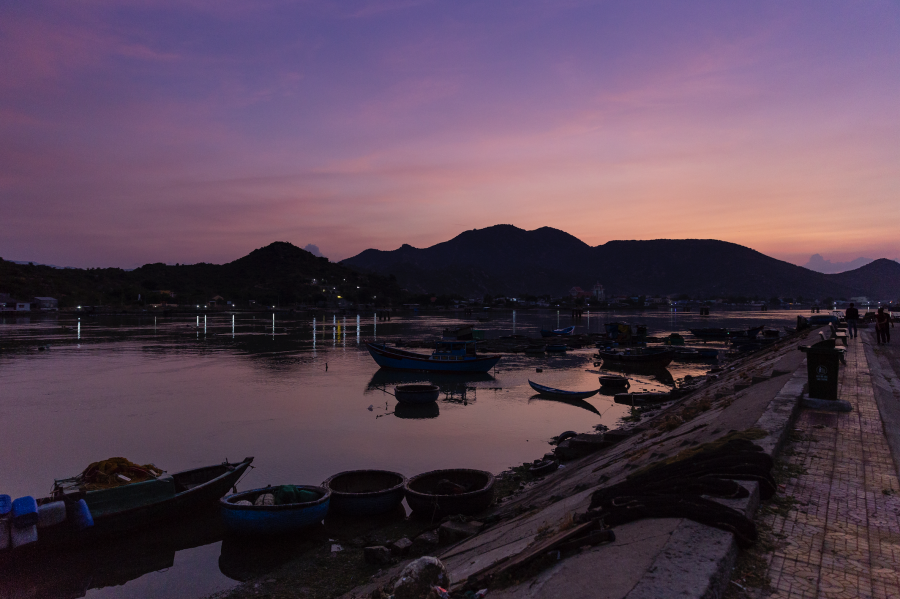
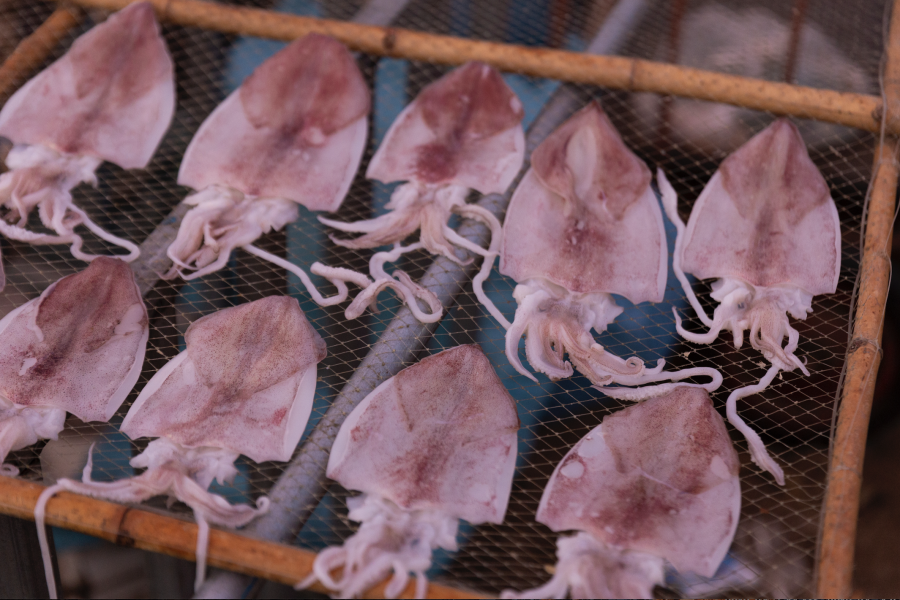
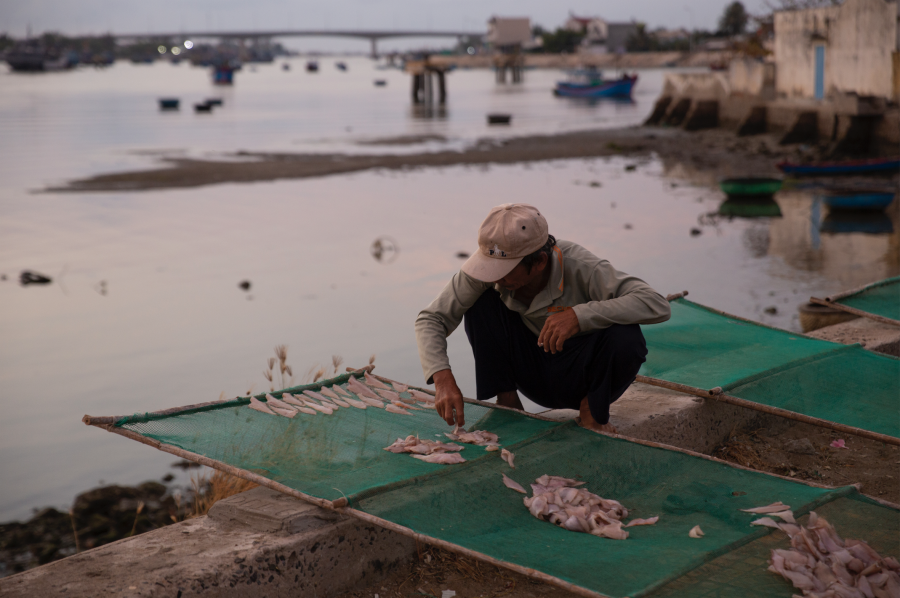
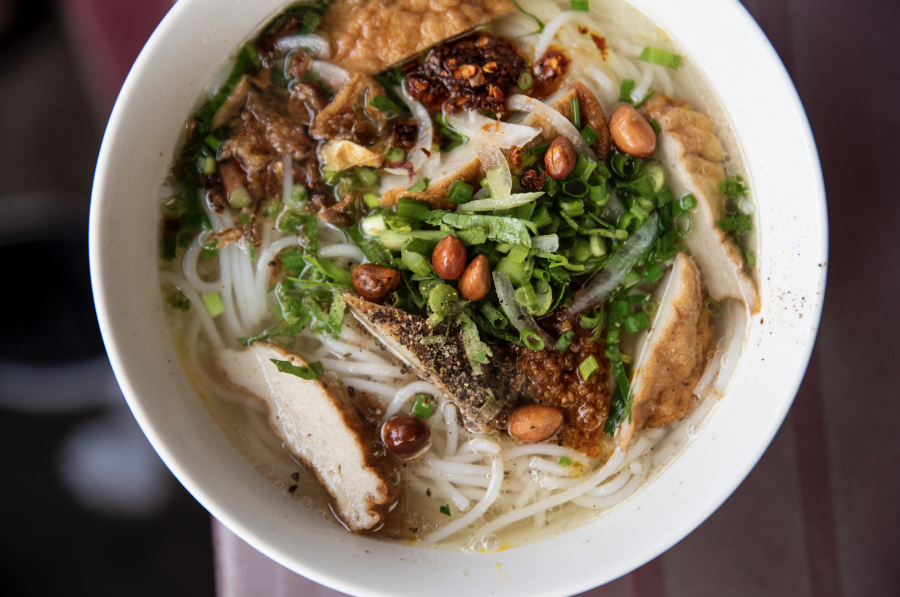
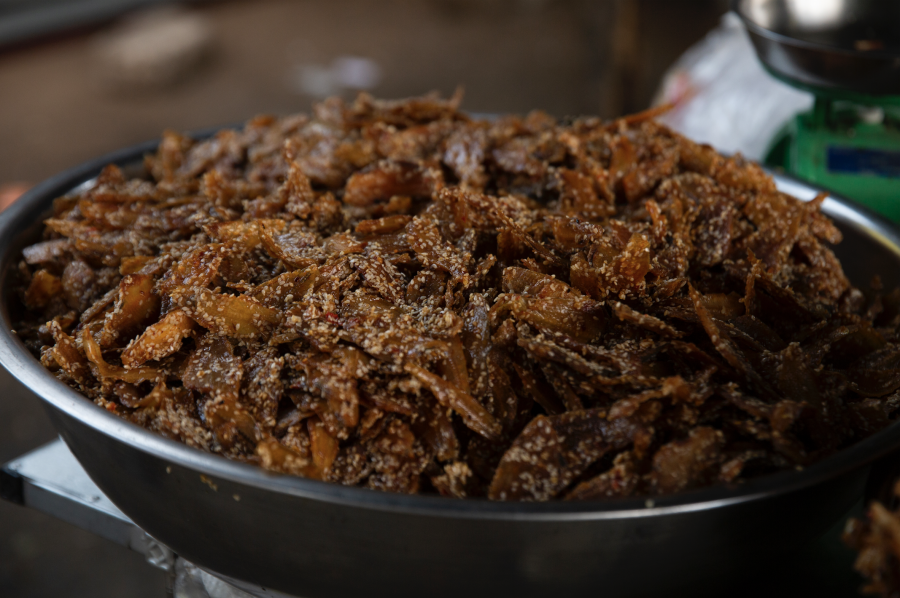
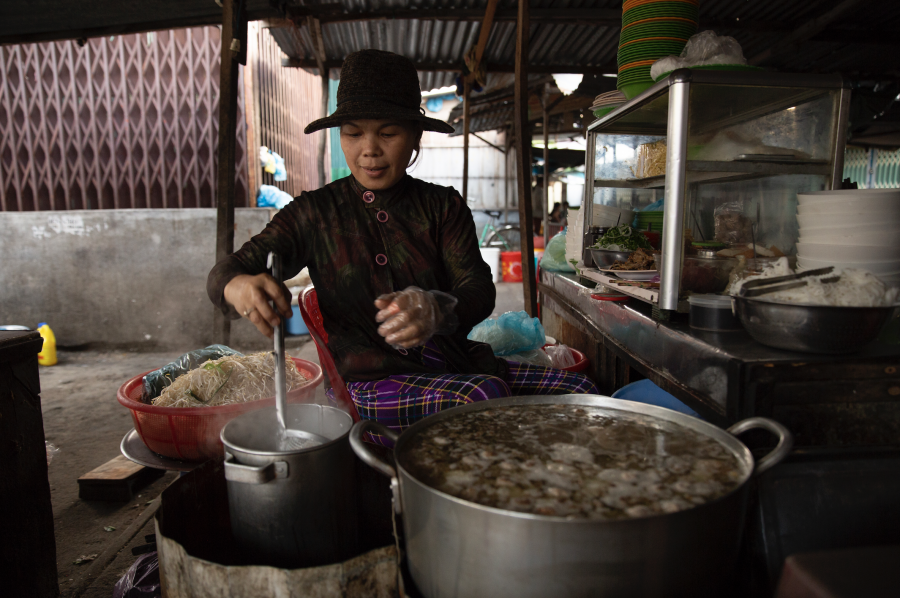
At 6:30, feeling hungry, everyone went to the market to find breakfast. A couple of stalls were already open, and I chose fish cake noodle soup. The fish cakes were fresh and chewy, with a perfectly sweet broth and a touch of crunchy peanuts – quite a unique flavor. The bowl of noodles was finished in two minutes, and a big fish cake roll for dessert made me feel completely full. The total cost was 30,000 dong, incredibly cheap.
This morning we were fortunate to meet Thanh, a very kind new friend. Thanh became our guide on our journey to explore Phuoc Nhon Cham village and learn more about the culture and customs of the Cham people here.
The next stop was An Hoa sheep farm and Thanh Son lake, famous landmarks in Ninh Thuan that attract many young people for photo opportunities. I wasn't too concerned about that; I just knew I was setting foot in one of Ninh Thuan's most important irrigation lakes. You know, water is precious everywhere, but in one of the driest places in our country, its value is even greater.
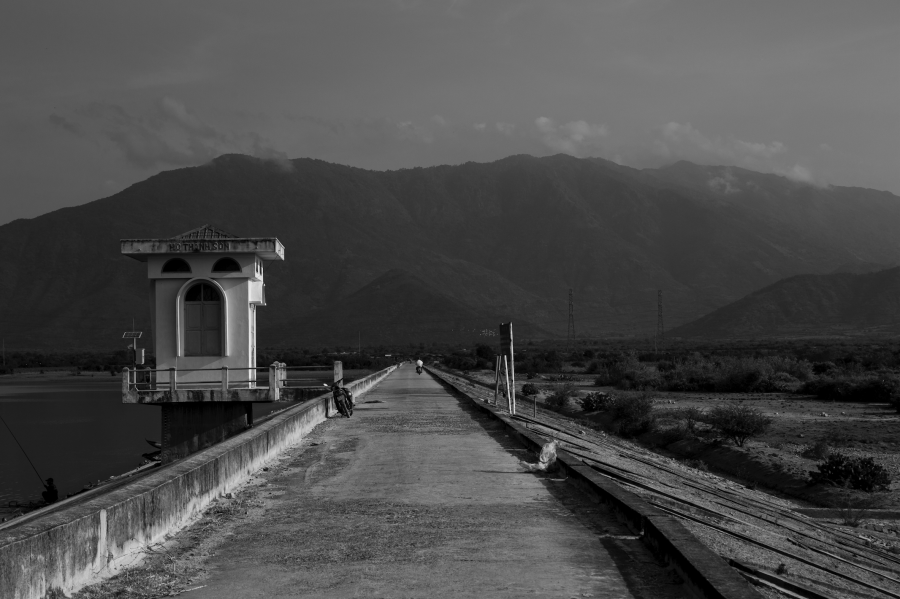
Sheep are a staple of Ninh Thuan's agriculture due to their drought tolerance, and a sheep farm is located below the dam. However, traveling always involves an element of luck, as you don't always see what you're hoping for. Unfortunately, the group didn't encounter any sheep in this area.
VISITING PHUOC NHON CHAM VILLAGE AND DISCOVERING FASCINATING STORIES ABOUT CHAM CULTURE
Leaving Thanh Son Lake, Thanh guided our group to visit Phuoc Nhon Cham village. Our first destination in the village was quite unusual and intriguing to all of us: the Cham cemetery. To add a little more detail, on the way to the cemetery we were lucky enough to encounter a flock of sheep, possibly up to a hundred. Without a word, we all joined them.
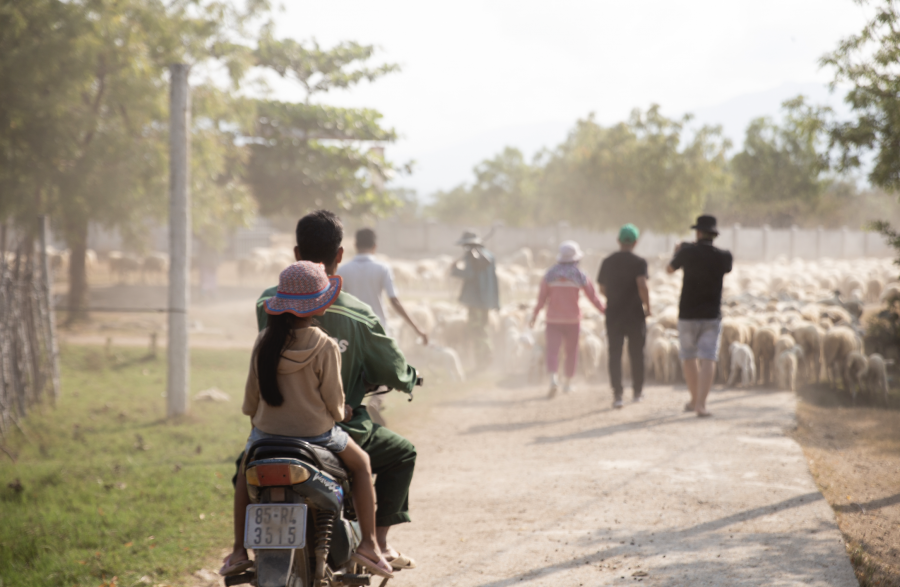
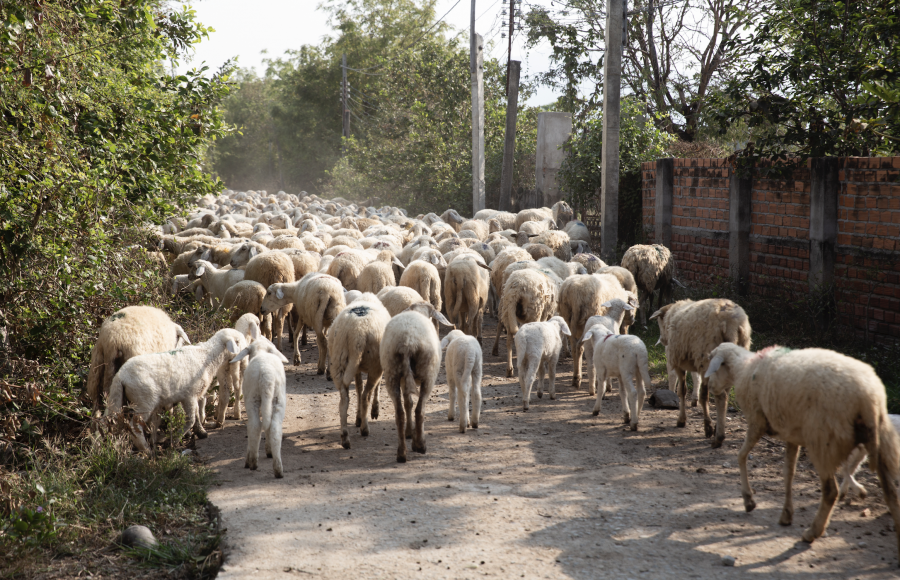
Standing before a Cham cemetery, the first impression is that it doesn't quite resemble a cemetery. Compared to Vietnamese cemeteries, which typically have many tombstones, Cham cemeteries are different. There's no heavy or gloomy atmosphere here, perhaps partly because the Cham don't use incense like the Vietnamese. The cemetery also boasts lush greenery, despite Ninh Thuan being one of the driest regions in Vietnam.
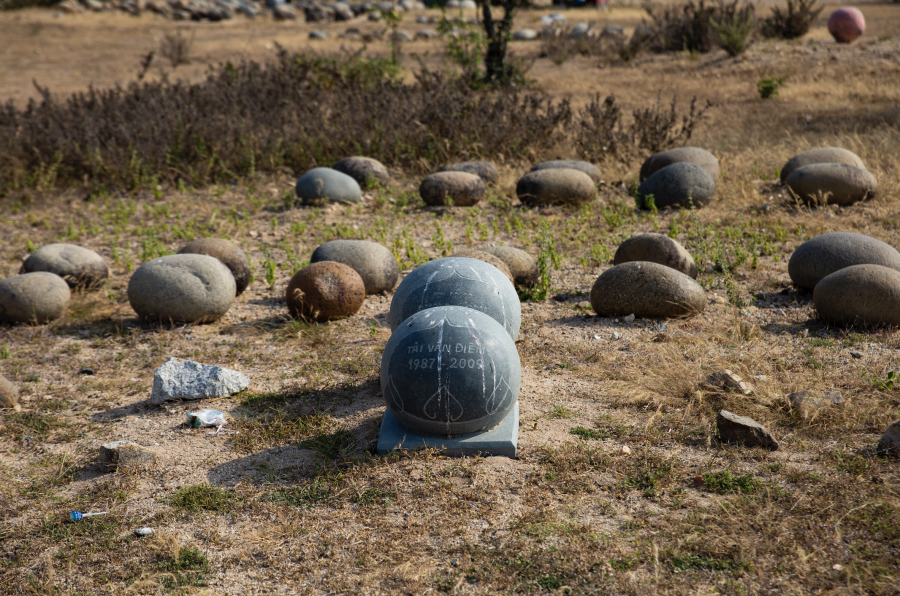
Thành explained to us that after death, the Cham Bani people are buried according to their own rituals. Each clan has its own burial ground, and each grave is marked with a stone. The shape, color, and size of the stone depend on the needs and financial capabilities of each family; there are no mandatory requirements. Furthermore, Cham Bani funerals are not mournful but take place in a joyful atmosphere because they believe in life after death. The deceased live in another realm and do not simply disappear, so everyone should be happy and offer blessings to the departed.
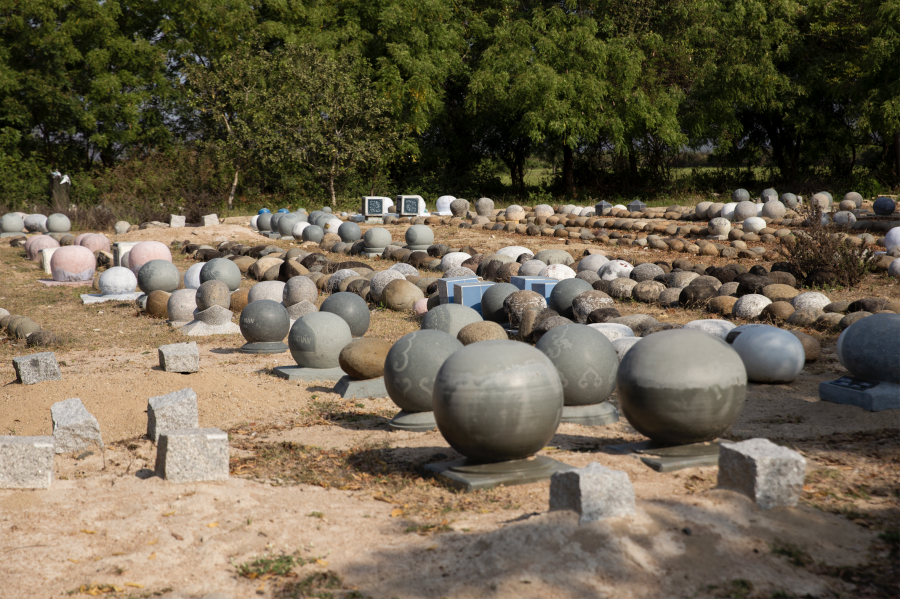
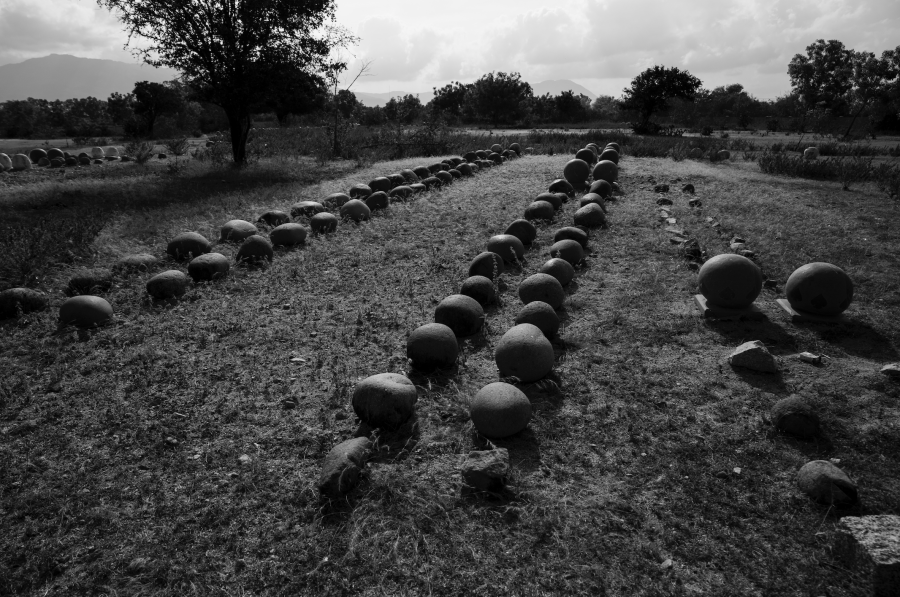
However, to be buried in the family cemetery, the deceased must die within their village. If they die outside the village or elsewhere, they will be buried outside the cemetery, and only after one or two years will a ceremony be held to move the grave inside. For the Cham Bani people, there are many festivals throughout the year, but the most important is the Ramuwan festival, held on the 1st of September in the Islamic calendar, which this year falls on June 18th in the Gregorian calendar.
Along with the meaning of submitting to God and honoring Allah, the Cham Bani people's practice of the Ramuwan festival also signifies the inheritance and preservation of the cultural identity of the ancient indigenous Brahman religion. The Ramuwan festival is a ladder of "communion" with God and ancestors in the spiritual life of each believer. At the same time, it is a cultural and spiritual product forged from the folk religious traditions of this ethnic group, contributing to enhancing the humanistic values and cultural identity of the nation.
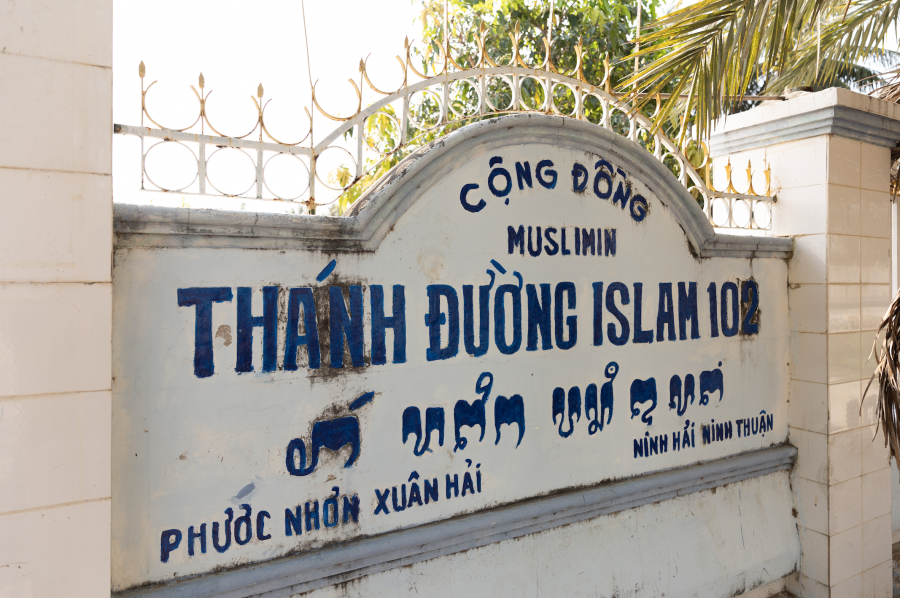
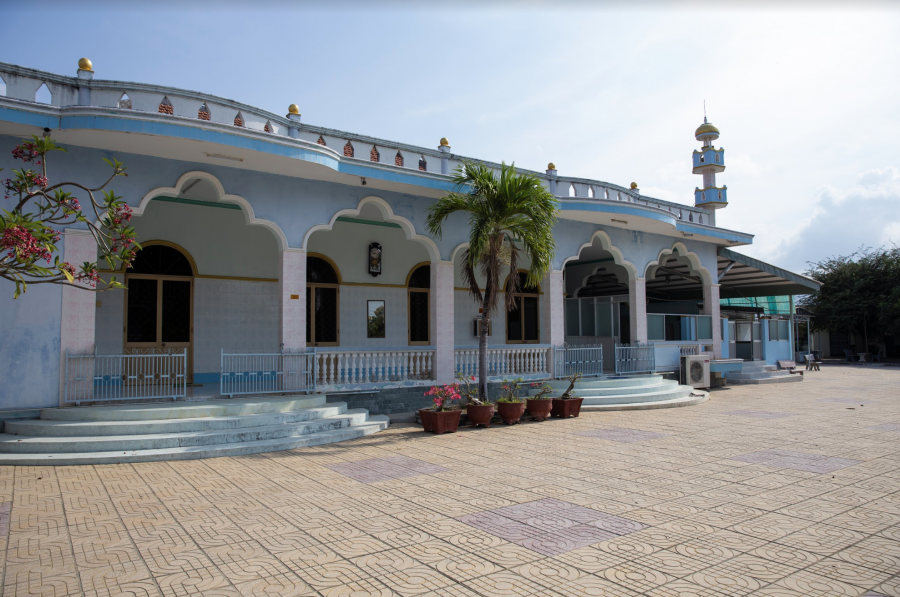
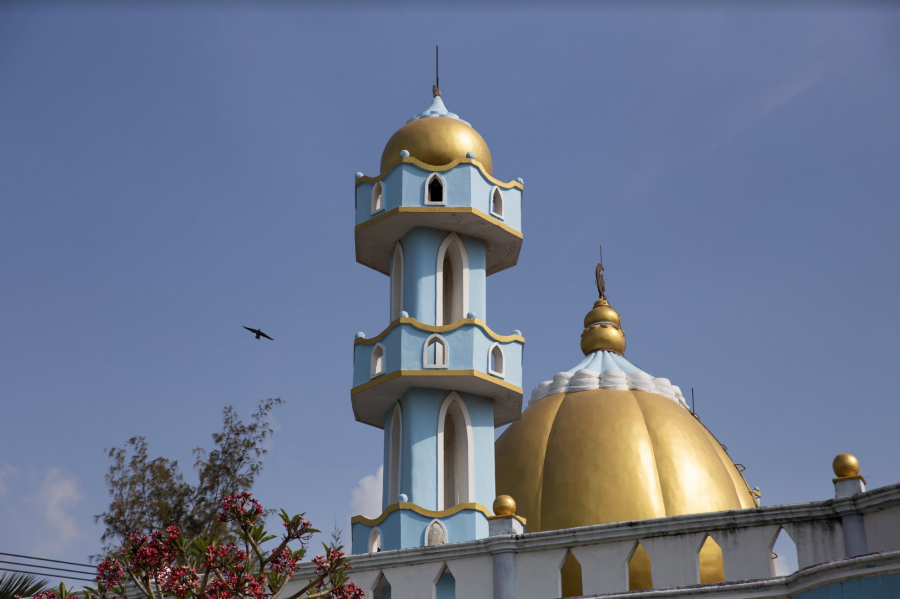
After leaving the cemetery, we visited the Cham Ba Ni mosque and the mosque in Phuoc Nhon to hear Thanh explain more about the customs of the Cham people there. We have to thank Thanh very much because without him, we would have only been able to observe superficially and wouldn't have learned more about the life and culture of the Cham people, who, in my opinion, are a very progressive ethnic group in some aspects.
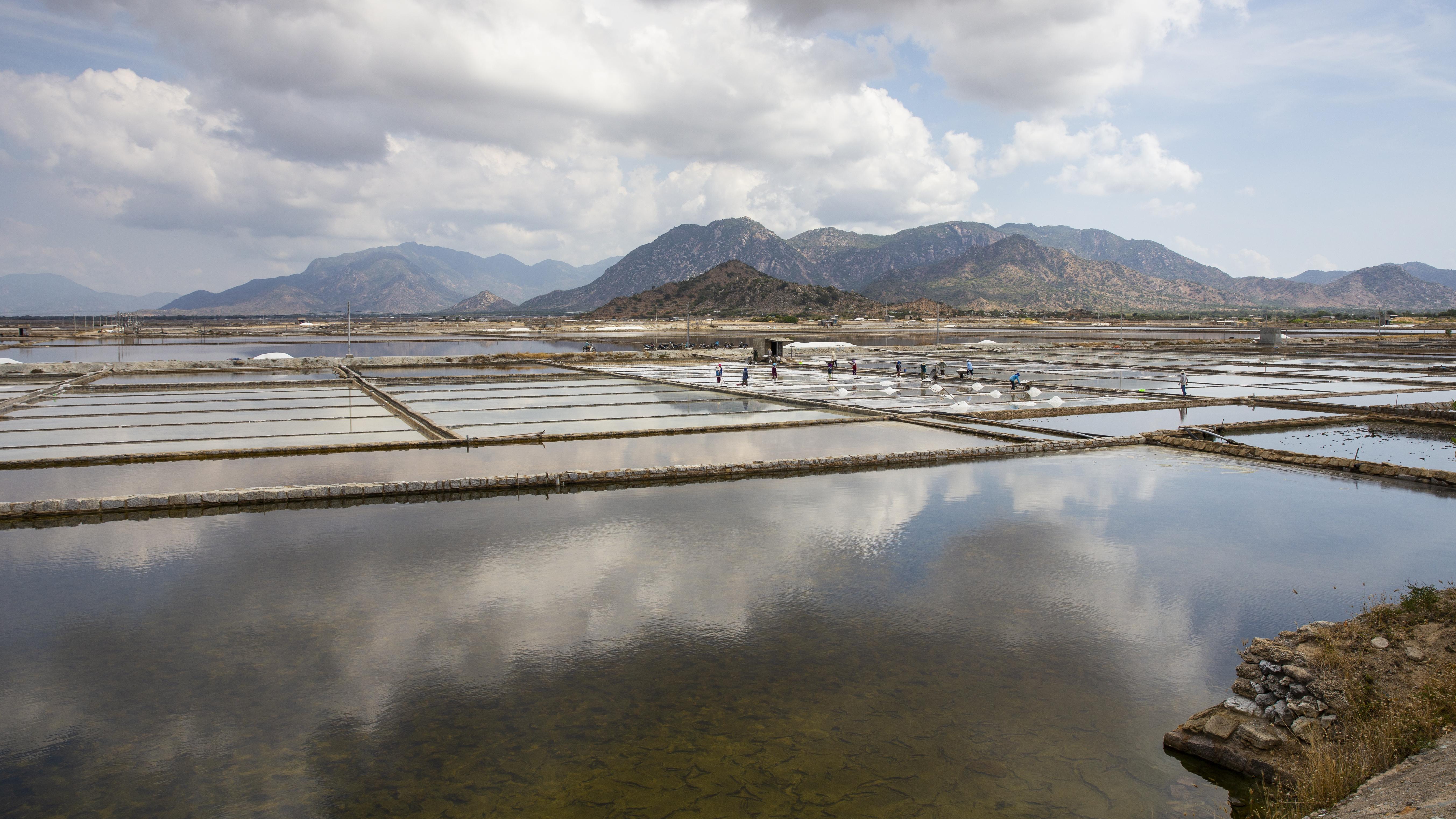
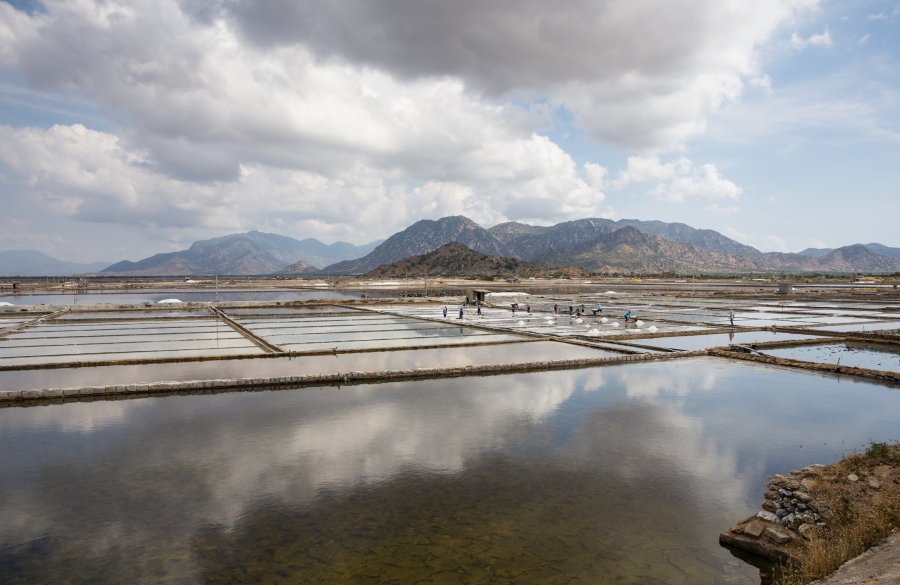
On our way back to Kafin's house, our friend from Ninh Thuan, our group stopped by the Dam Vua salt fields. When we arrived, we saw some men and women harvesting salt, with the characteristic mountain ranges of Nui Chua National Park in the background, home to the most distinctive dry forest type in Vietnam.
My travel diary ends here; if you want to learn more, please come to Ninh Thuan!