VI
VI




Travel blogger Tran Gia Huy (25 years old, Ho Chi Minh City) and his friends packed their bags and headed to the island in the early days of summer. The blue sea, white sand, and unspoiled beauty of Cu Lao Cau Island were the main attractions for the young group. Gia Huy shared: “Like everyone else, I wanted to go to the beach in the summer. But this time, I wanted to find a pristine place to experience. After researching, I found that Cu Lao Cau Island is beautiful and quite close to Saigon, so we set off.”
Cu Lao Cau (or Hon Cau) is a small island located in Tuy Phong district, Binh Thuan province. It is about 110km from Phan Thiet city and about 240km from Saigon. To reach the island from the mainland, you need to travel by boat, larger vessel, or speedboat. The island is quite small, only about 10km in area. However, this beautiful little island always captivates the hearts of those who set foot on it.
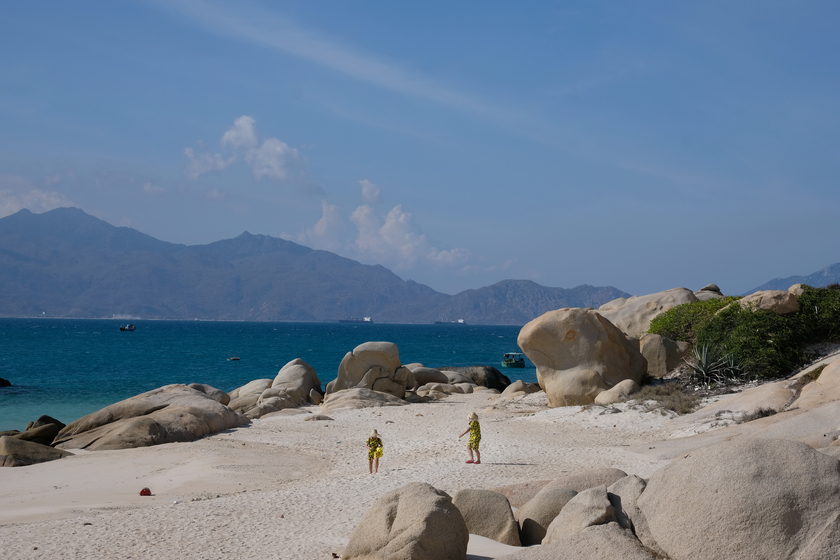
Untouched with crystal-clear blue waters.
To this day, Cu Lao Cau Island retains its pristine beauty with stunningly clear blue waters. The beach is adorned with countless fascinating rock formations that change color with the light each day. Besides rainwater, the only source of fresh water on the island is the Fairy Well (also known as Gia Long Well). Unlike other tourist destinations, Cu Lao Cau relies solely on solar energy for all its daily activities. Therefore, it has emerged as an ideal destination for nature lovers, explorers, and those wishing to escape the hustle and bustle of city life.
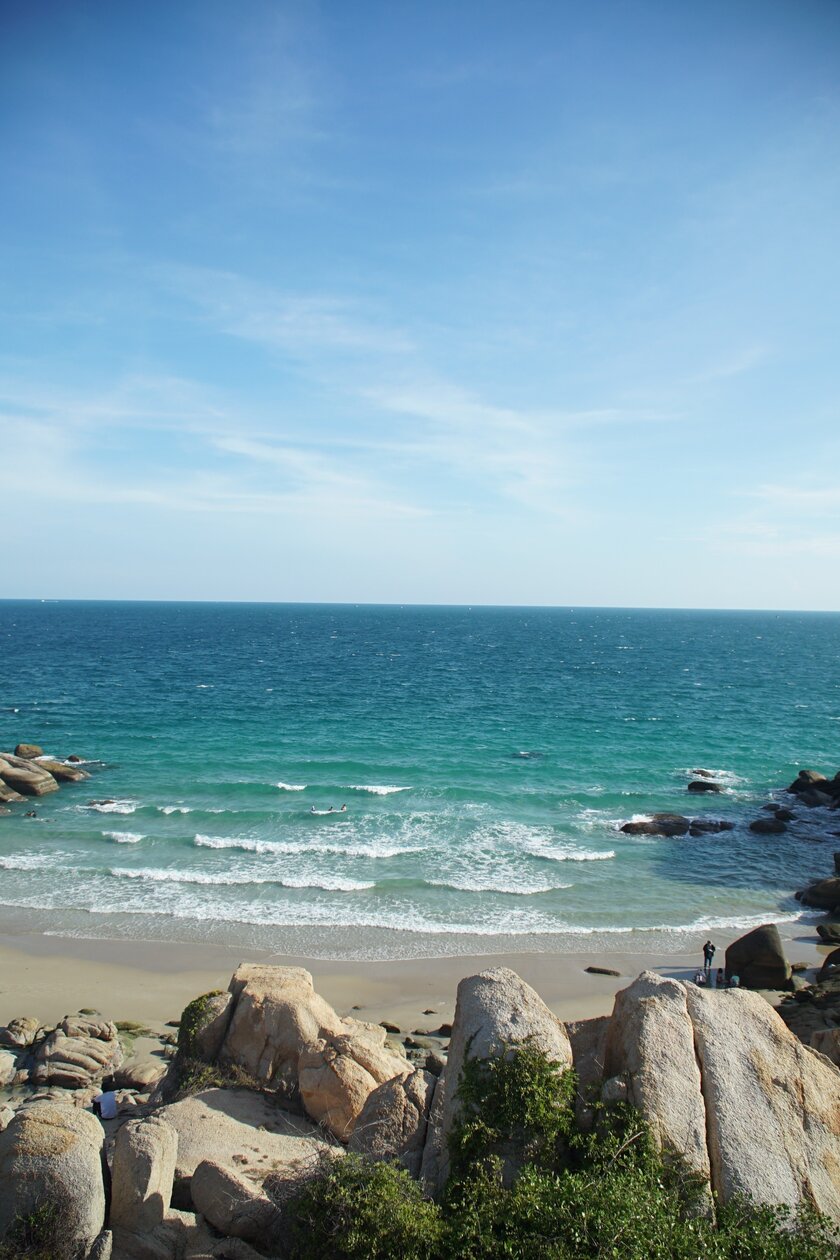
The scenery is captivating.
Huy and his friends took a glass-bottom boat to the island. Huy shared that the best time to visit Hon Cau Island is from January to June (lunar calendar). During this time, the waves are calm, the sea is tranquil, and the climate is fresh and cool. However, before planning a trip to the island, you should check with the tour operators to find out the current weather and wave conditions, as this will affect the boat schedule. The glass-bottom boat ride from the pier to the island takes about 40 minutes; it's faster if you take a speedboat.
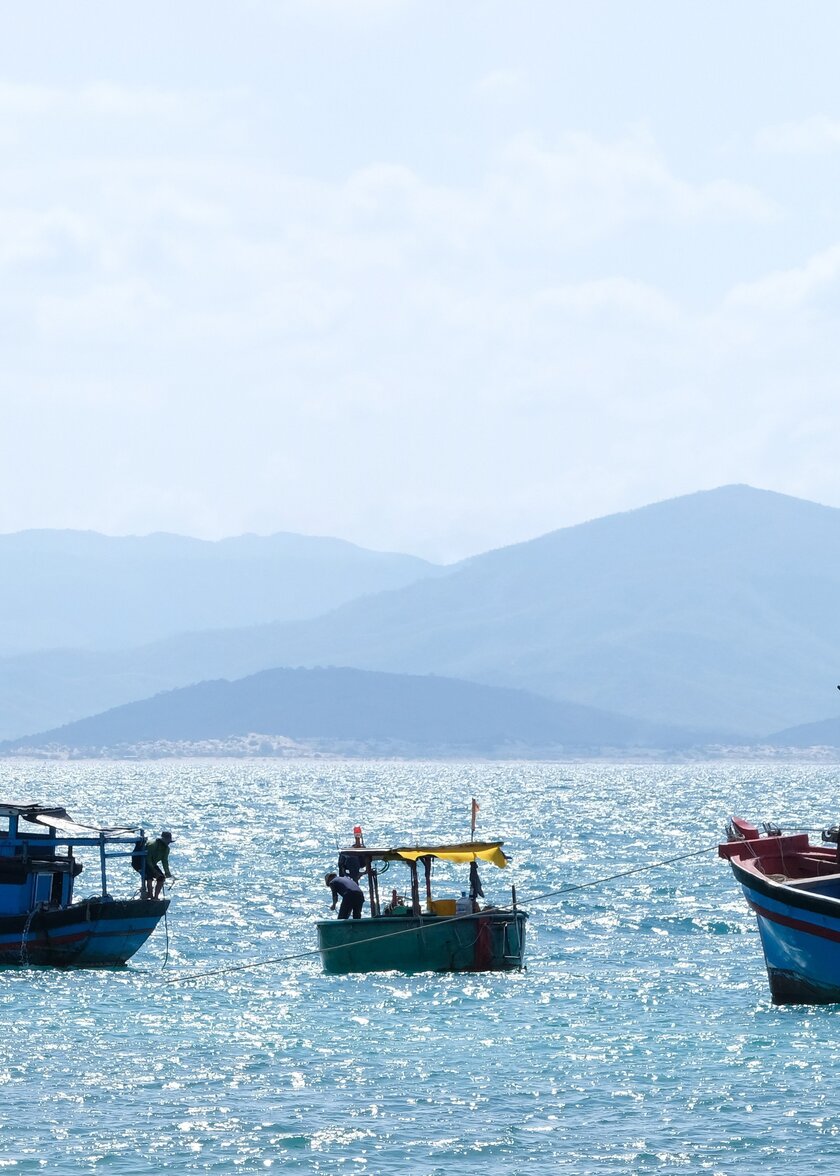
Tourists can still immerse themselves in the simple life of the island's inhabitants.
Normally, groups visiting Cu Lao Cau Island do day trips and then return to the mainland to rest. However, if you want to stay overnight to experience island life, you need to ask permission from the border guards. This is because Hon Cau Island is under the management of the border guards.
There are no guesthouses or hotels here, so if you want to sleep here, you'll experience true immersion in nature. You'll need to bring your own tent and sleeping bag. Or, to ensure a more complete trip, consider booking a tour through a local tour operator on the island.


Sunset on the island
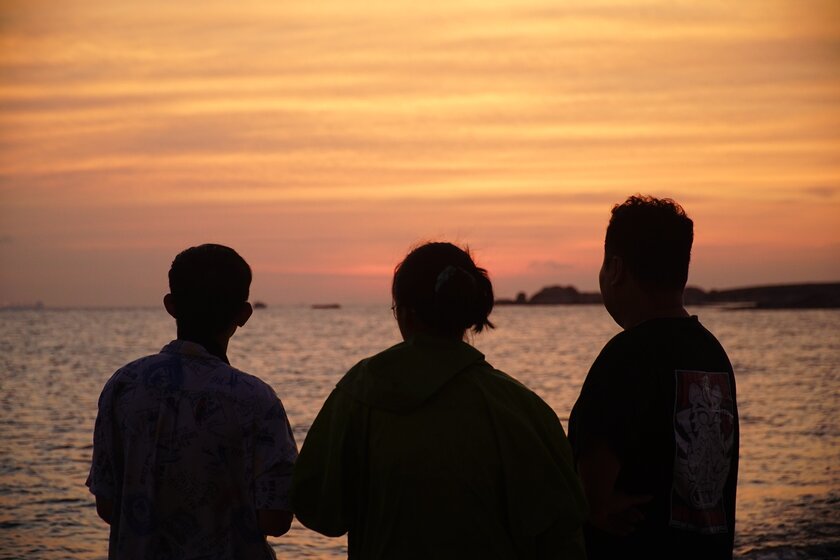
On the island, Huy and his friends were able to fully admire the sunset on the horizon.
"My most memorable experience was setting up tents and camping on the beach with everyone, eating, singing, and then spreading out a tarp to lie on outside, not going inside the tent. Lying on the vast sandy beach, with the cool breeze, I could clearly hear the sound of the waves in the middle of the night. Those were very fun days," Huy recounted.
Visiting Hon Cau, you can also learn about the habitat of swiftlets, a species of bird considered to have high economic value. In the past, local people used to go to the Swiftlet Cave to collect eggs and nests to sell.

According to Huy, it's best to go to the island in the morning to have more time for sightseeing.
Besides Yen Cave, Hon Cau also boasts many other unique and attractive check-in spots such as Ba Hon Cave, formed by three strangely shaped rock formations. Or the temple of the God of the South Sea, where fishermen pray for safety and protection during their offshore fishing trips.
And don't forget to visit the stunning coral reef on the island. It boasts a 2km stretch of pristine coral, home to 243 different coral species. You'll get to experience snorkeling and admire the shimmering coral world reflected in the crystal-clear water.
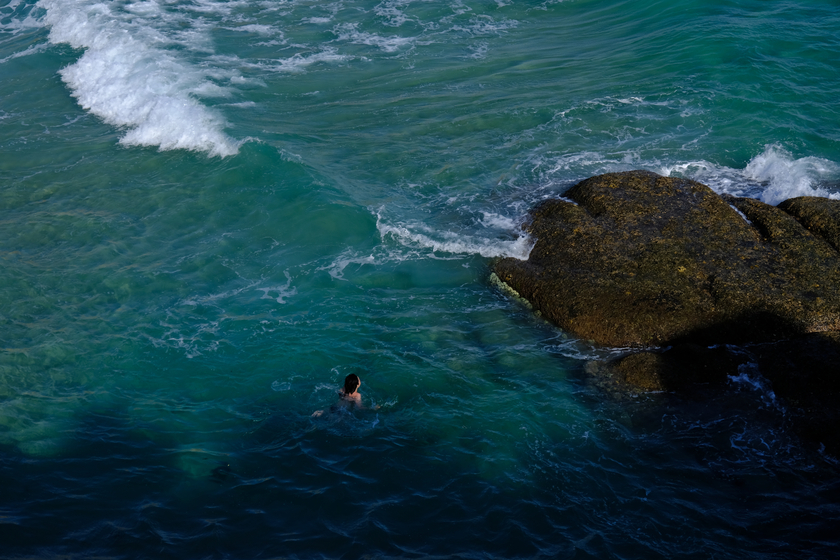
The clear, cool sea is a great choice for this summer.
Besides its captivating natural beauty, Hon Cau also attracts tourists with its delicious, unique, and affordable seafood dishes. Notable examples include boiled moon crab, grilled scallop meat, and sea urchin. These dishes are not overly elaborate in preparation, but their fresh, rustic flavors appeal to diners.
Looking back at photos from his trip, Huy confided, "There aren't any fully equipped resorts or fancy entertainment areas here, and even fresh water for personal use is precious. But in return, there's always fresh seafood to fill our stomachs, the locals are always enthusiastic and helpful, and we have the blue sea right in front of us, ready to jump in and immerse ourselves whenever we want. Thinking back, I realize how incredibly happy and carefree life has been here. We don't have to worry about anything."
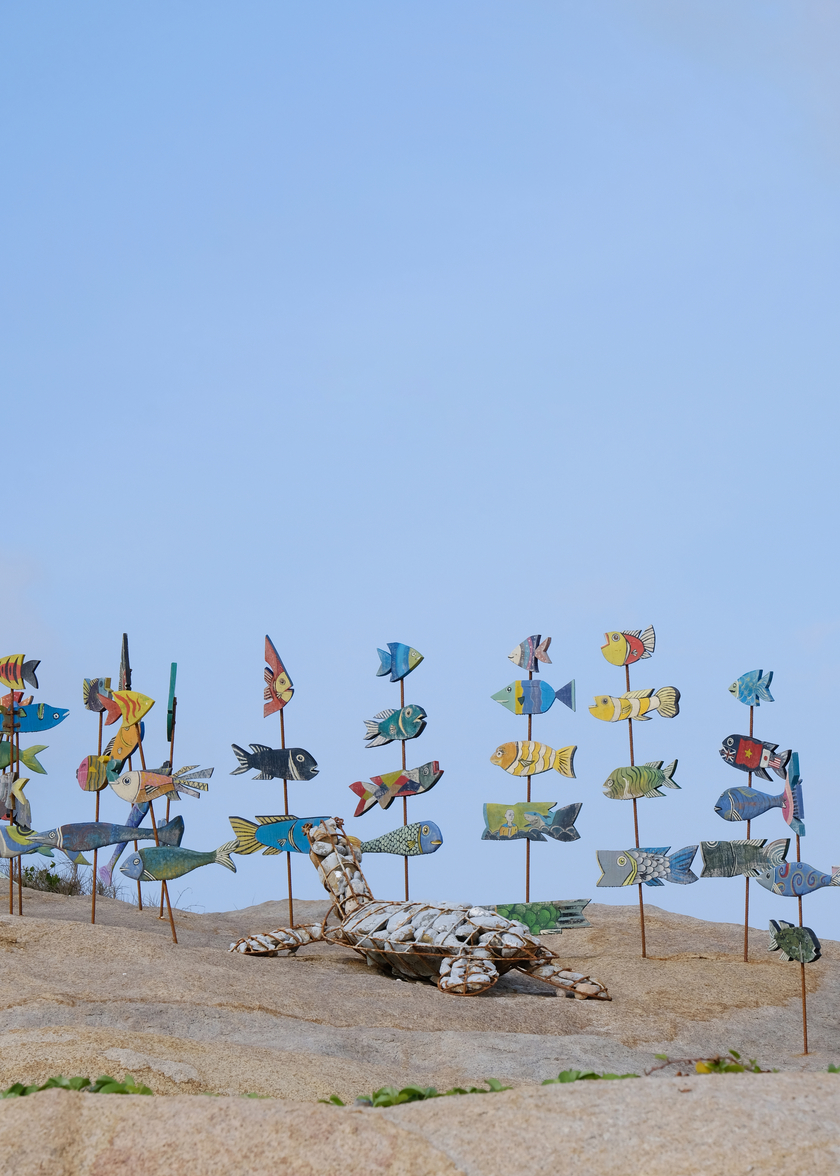
A lovely decorated corner on the island.
Sharing with Travellive readers, Huy emphasized that tourists should note that Cu Lao Island is very pristine and lacks the amenities of the mainland. In particular, there is no electricity, so you need to bring a power bank for your phone and camera. Some places on the island still sell water and ice, but it's better to bring a few bottles of iced water to drink while sightseeing, as the weather on the island is quite hot.
In addition, you should prepare a few extra items such as a hat, sunscreen, motion sickness medication, etc. If you book a tour, there are usually huts where you can relax in a hammock after a day of sightseeing. In short, if you want to enjoy a wonderful vacation on Cu Lao Island, prepare thoroughly before you go and bring all the necessary items to cope with the lack of amenities on the island.

Walking around the island, you'll easily spot large cliffs with unique shapes extending out to the sea.
"In the future, I believe Cu Lao will develop tourism even more strongly so that the people here can have more stable incomes, but I also hope that as tourism develops, people's awareness of tourism will also improve, aiming for sustainable tourism to preserve the greenness of the island," Huy shared.