VI
VI


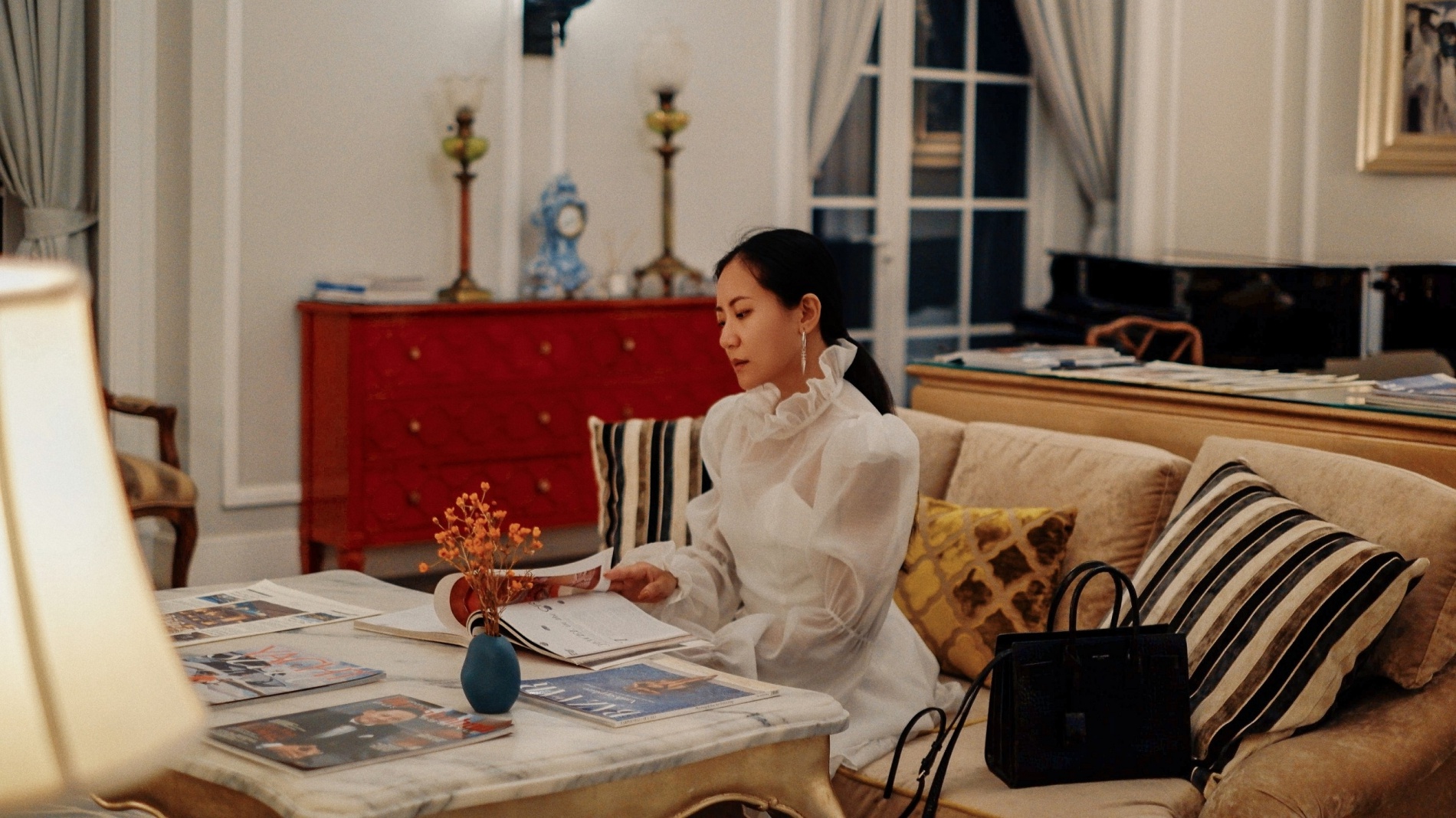
Located along the Saigon River since 2019, Mia Saigon has attracted considerable attention from tourists, especially foreign visitors, who seek a tranquil space for their vacation while still having convenient access to the center of Ho Chi Minh City.
There are two ways to get to Mia Saigon. One is via Song Hành road in Thu Duc district; the other is by river from Saigon port. Both methods take no more than an hour to travel from the city center.
Mia Saigon is designed with inspiration from the Indochinese style. From the moment you step through the door, you can gaze across the building and take in the overall spaciousness. It doesn't adhere to a specific accommodation concept, as it combines elements of both a hotel and a resort.
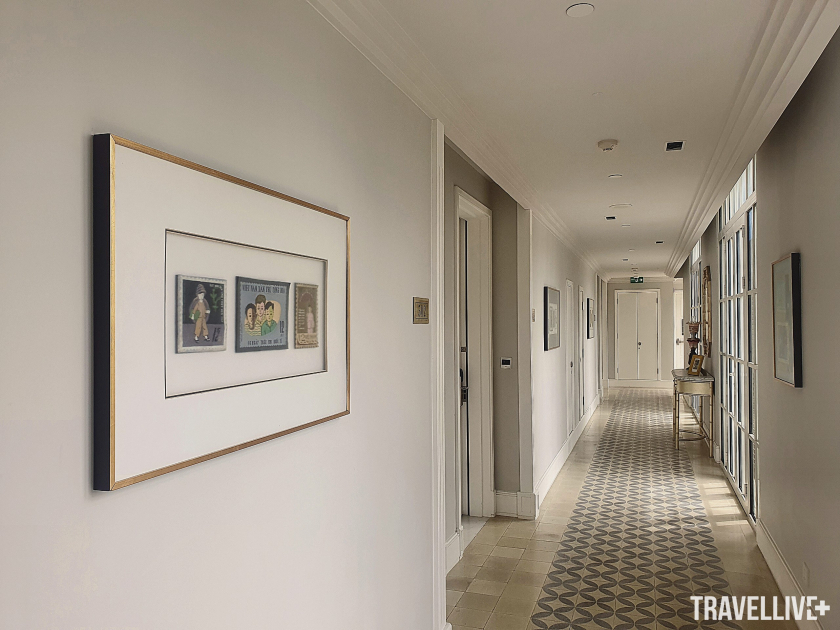
Each corridor is a display area.
Here, guests will also be invited on a hotel tour. This activity is part of the guest stay package called Mication, signifying a luxurious getaway with unique experiences only available at Mia Saigon. Amy Tran, Guest Experience Manager, said: "With the aim of enhancing the quality of stay, we want our esteemed guests to understand the artistic, cultural, and historical values within their own rooms in particular and the building in general."
Visitors will be able to admire carefully curated collections of paintings and photographs, framed in custom-designed frames and displayed along the corridors, as if stepping into an art gallery.

Each floor has a different theme. For example, on the second floor, visitors can admire hand-painted propaganda posters from the old Saigon era. The third floor features antique book covers published several decades ago. The fifth floor houses a collection of postage stamp designs. The sixth floor displays hand-painted matchbox covers by university students from that era. The seventh floor features first-day postage stamps. The eighth floor showcases covers of magazines from the Indochina period in Vietnam. All these valuable items are collected in their original form and possess long-standing historical value.
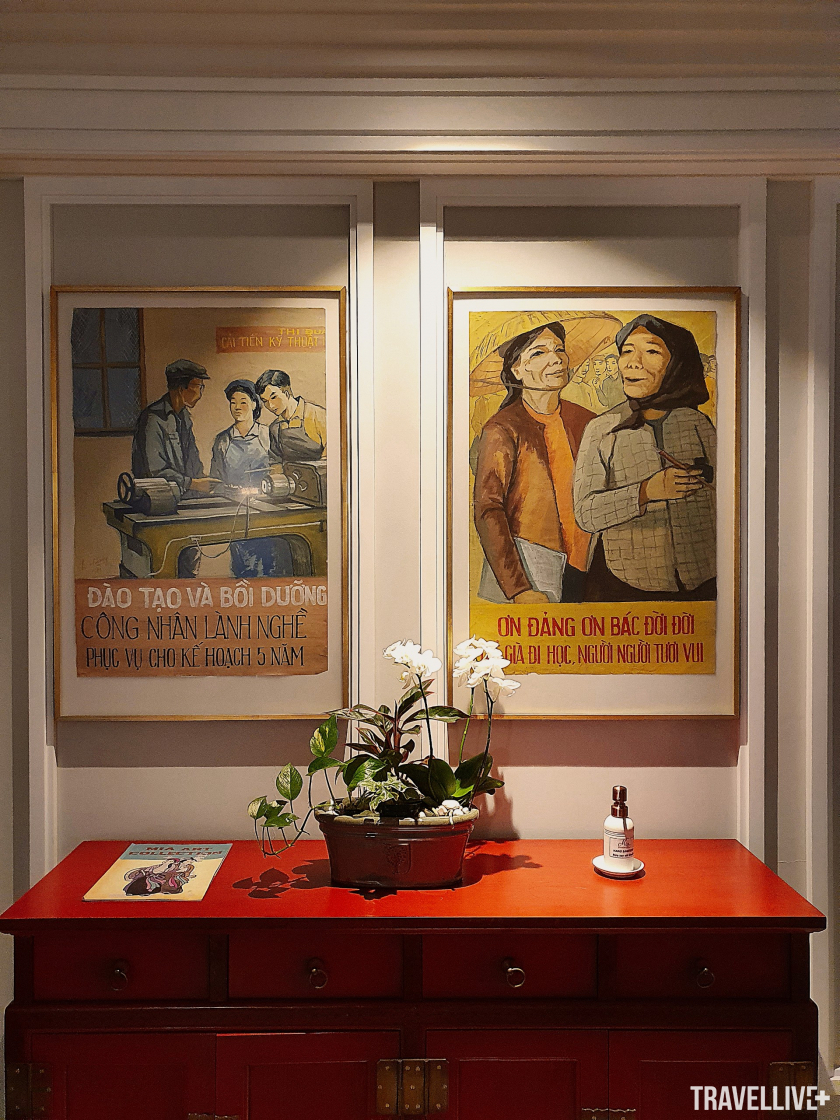
Hand-painted propaganda posters
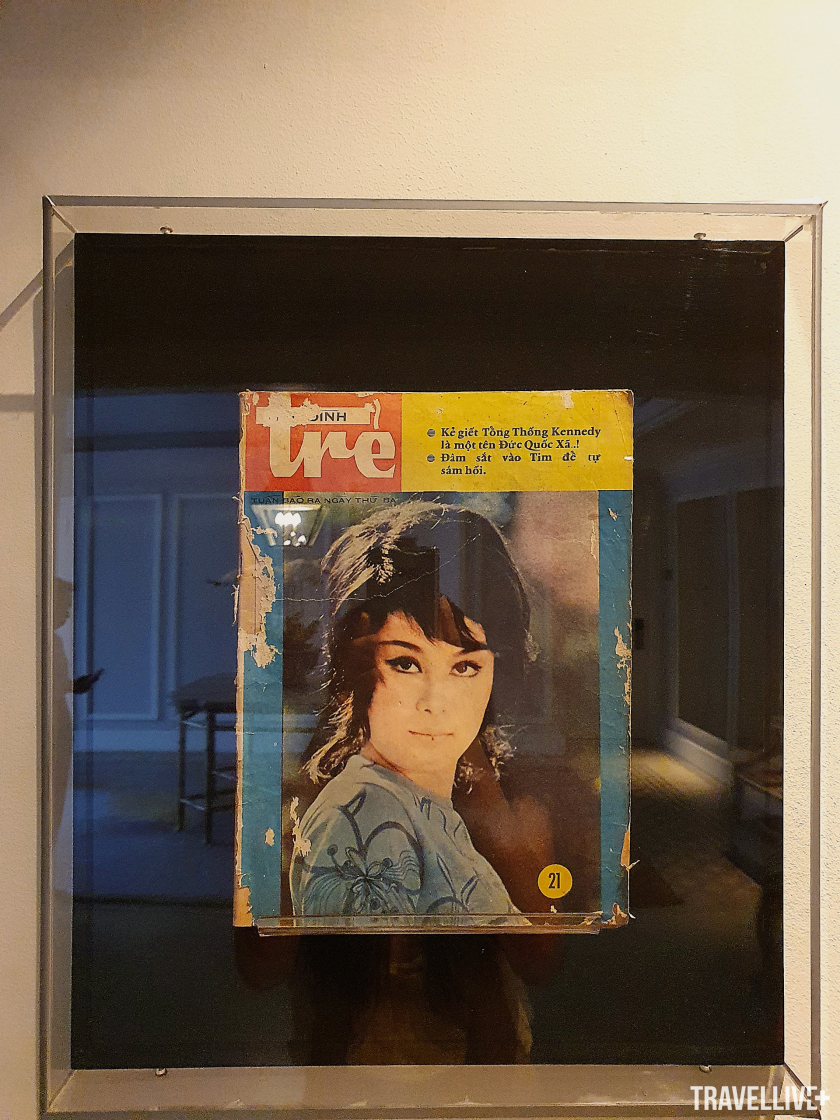
Covers of the first magazine editions in Vietnam.
In the hotel lobby, guests will be able to tour two rooms. The first room, which also serves as the reception desk, is affectionately known as the lounge. With architecture inspired by the Art Deco style of the early 20th century, combined with a nostalgic Indochinese style, it displays paintings by the late artist Bui Xuan Phai, famous for his paintings of old Hanoi streets.
The room opposite, usually used as a conference room, is decorated with paintings of the Spring Flower Festival by artist Do Xuan Doan. It is known that these are all original paintings, collected with great effort by the hotel owner. Amy shared: "Once, a female guest who is an art connoisseur came to see them and recognized the works of the late artist Bui Xuan Phai. She was very moved."
In the early 17th century, the Chu Dau pottery village (Hai Duong province) declined due to war, and the pottery craft there was interrupted for a long time. A diplomat working at the Japanese embassy in Hanoi, after discovering an ancient Chu Dau pottery vase on display at a museum in Turkey, revealed that Vietnamese pottery products had been exported abroad since ancient times.
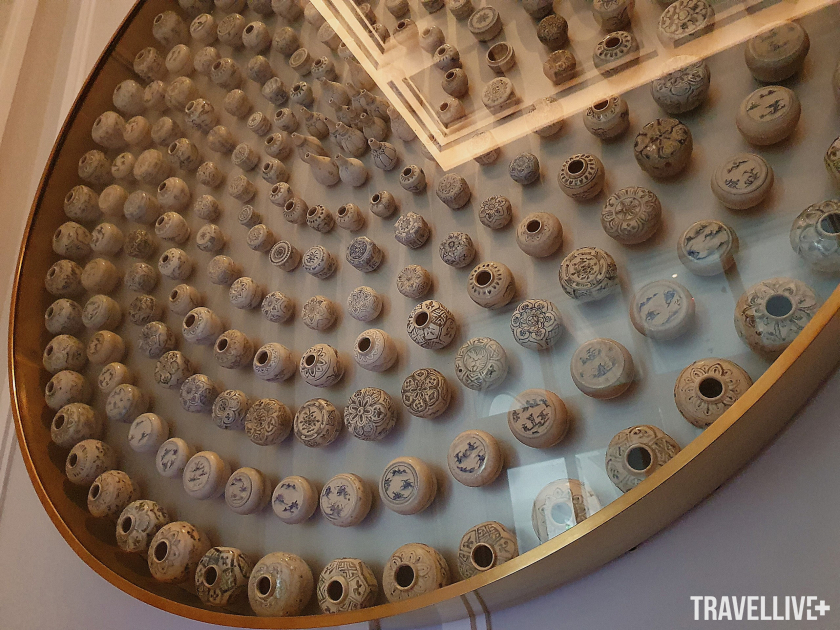
Chu Dau pottery products were salvaged from a shipwreck.
The owner of Mia Saigon embarked on a collection of Chu Dau ceramics salvaged from the wrecks of sunken export cargo ships, bringing them back to decorate and display at the hotel. Currently, in addition to over 40 museums worldwide, Chu Dau ceramics are also exhibited at Mia Saigon as a way for the owner to commemorate a proud cultural craft village of Vietnam.
Besides the timeless artworks, the hotel bar features two oil paintings on a backdrop of recycled materials, created in a mural style. The artistic beauty lies not only in the expensive materials used but also in the meaning, style, and how viewers appreciate them.
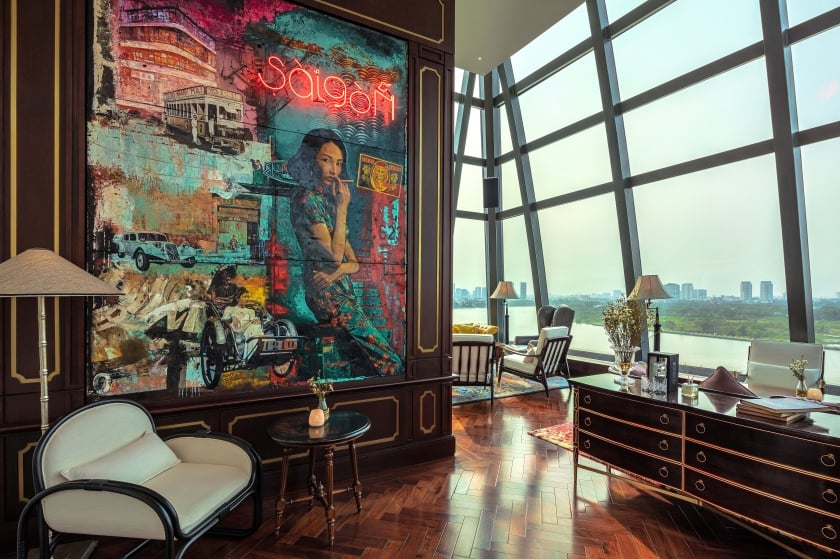
The oil painting in the bar depicts a beautiful and elegant young woman, captivating the viewer's gaze. Upon entering the bar, guests feel as if her eyes follow them, no matter where they sit in the room. When introduced to the artwork, most visitors are surprised, and the hotel guide explains: "The value of a work of art lies not in what makes it, but in the context in which we place it and how we cherish it."
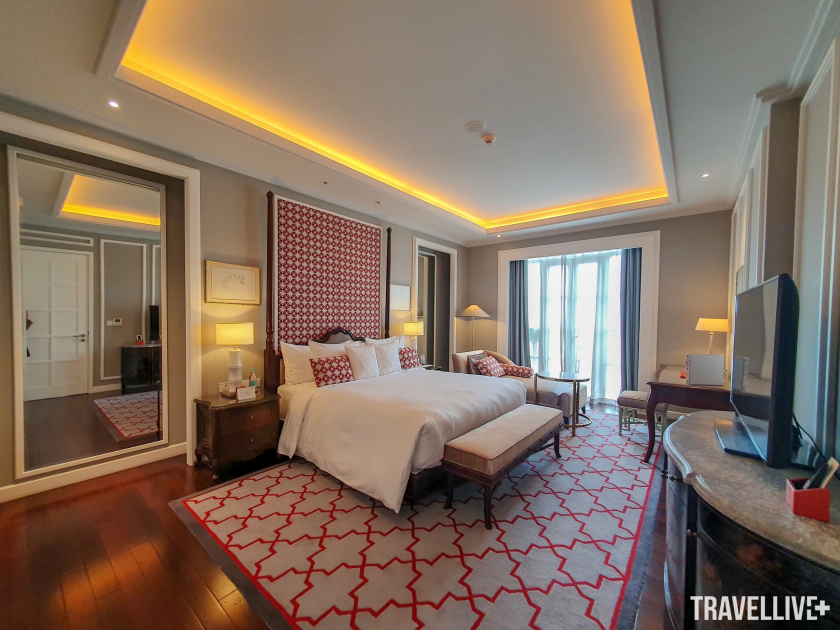
The rooms at Mia Saigon are designed after a type of gemstone.
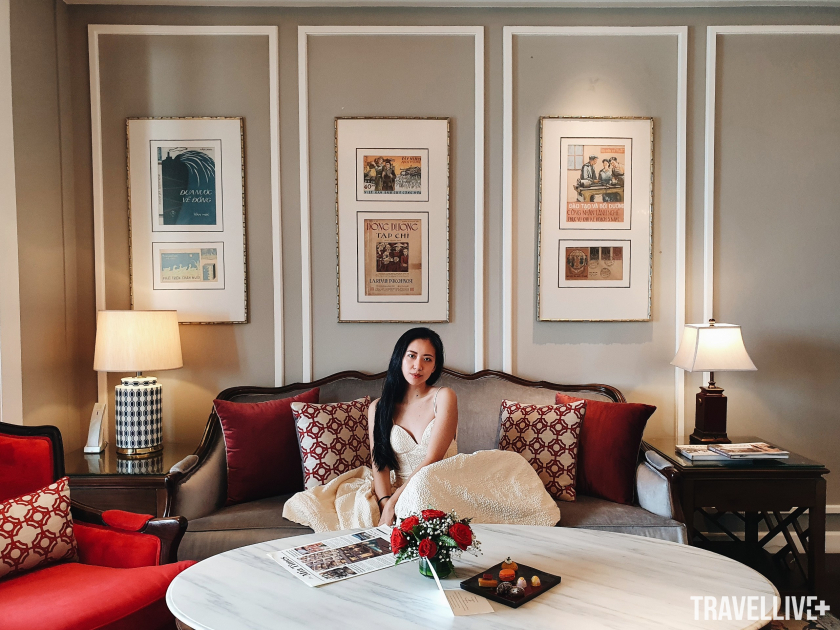
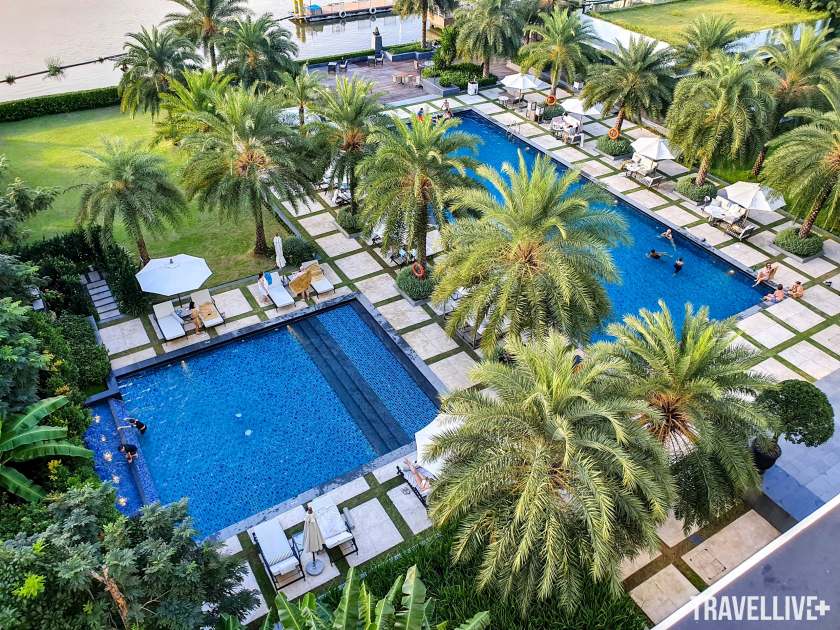
The campus is full of greenery.
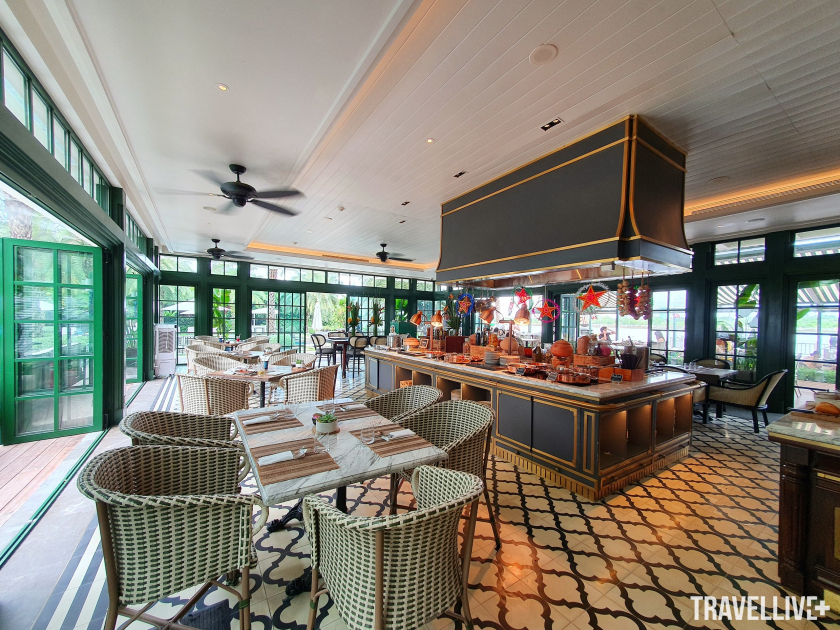
The riverside restaurant space at the hotel.
Mia Saigon's cultural and historical imprint is not only reflected in the exhibited artwork but also subtly in its spatial design. For example, the restaurant's location by the riverbank reflects the traditional Vietnamese practice of placing the kitchen by the river, a cool and airy space that provided relief from the heat of the cooking fire. Similarly, the building's design, allowing for unobstructed views from front to back, also reflects the preference for comfort and spaciousness found in traditional Vietnamese houses.
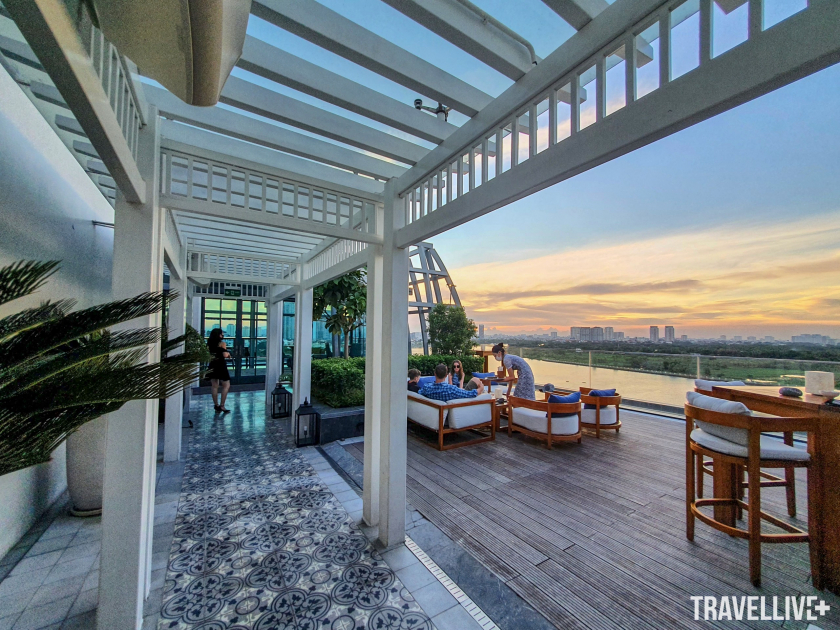
The hotel bar is the perfect spot to watch the sunset.
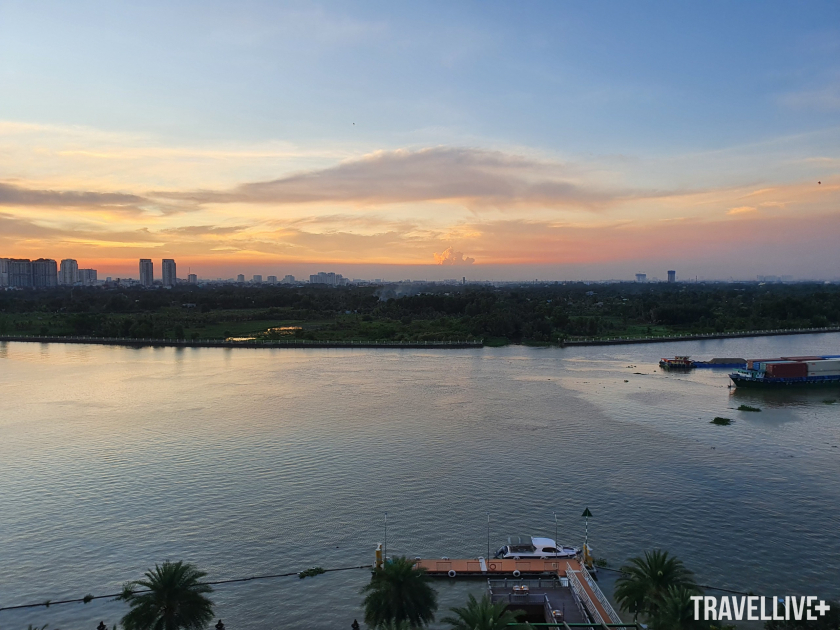
Mia Saigon offers all the amenities and facilities of a five-star hotel, but the current price per night in Ho Chi Minh City is still high for the majority of guests, especially Vietnamese travelers. However, if guests understand the true nature and other values beyond just a place to stay, they will feel that the money spent is worthwhile.