VI
VI


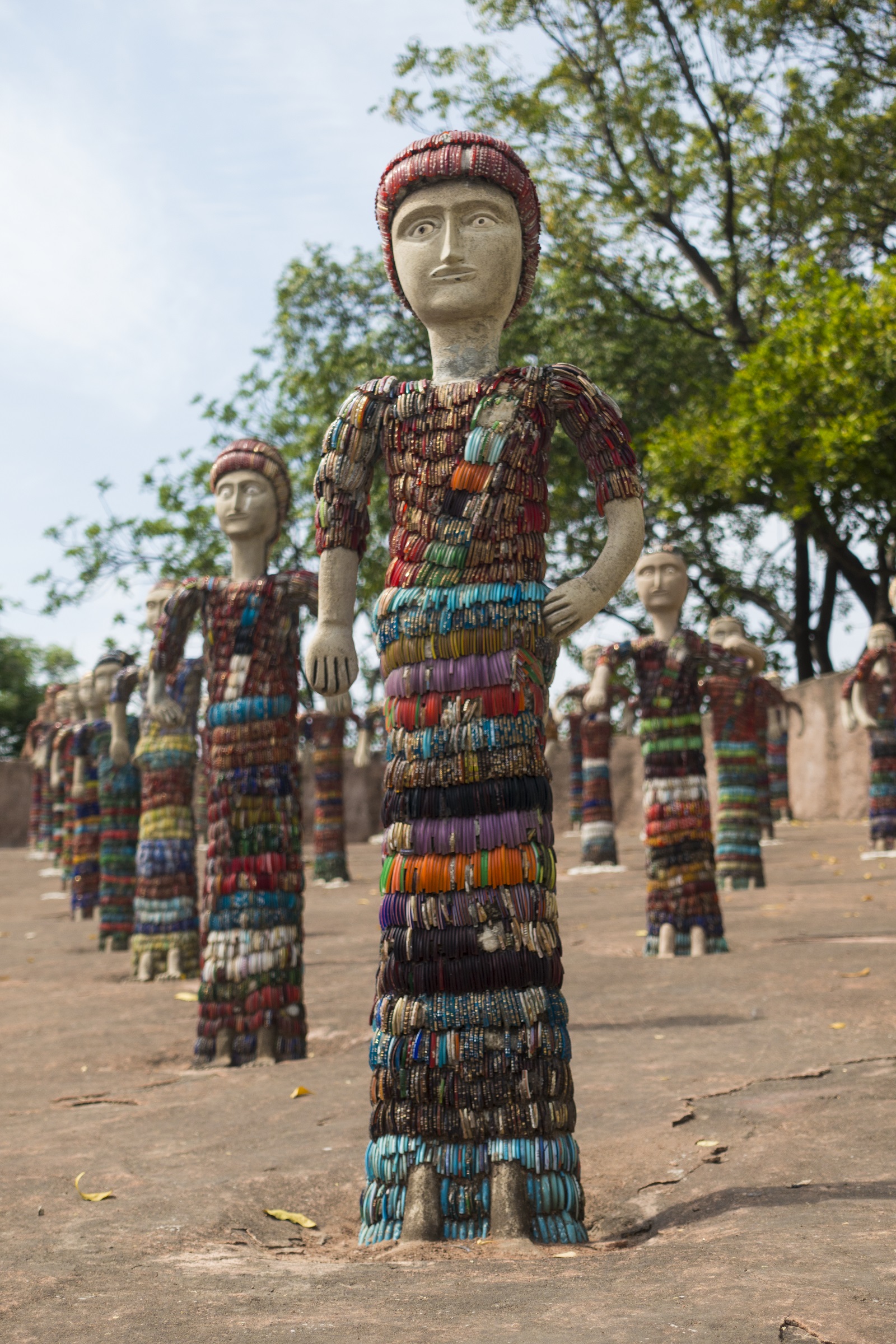
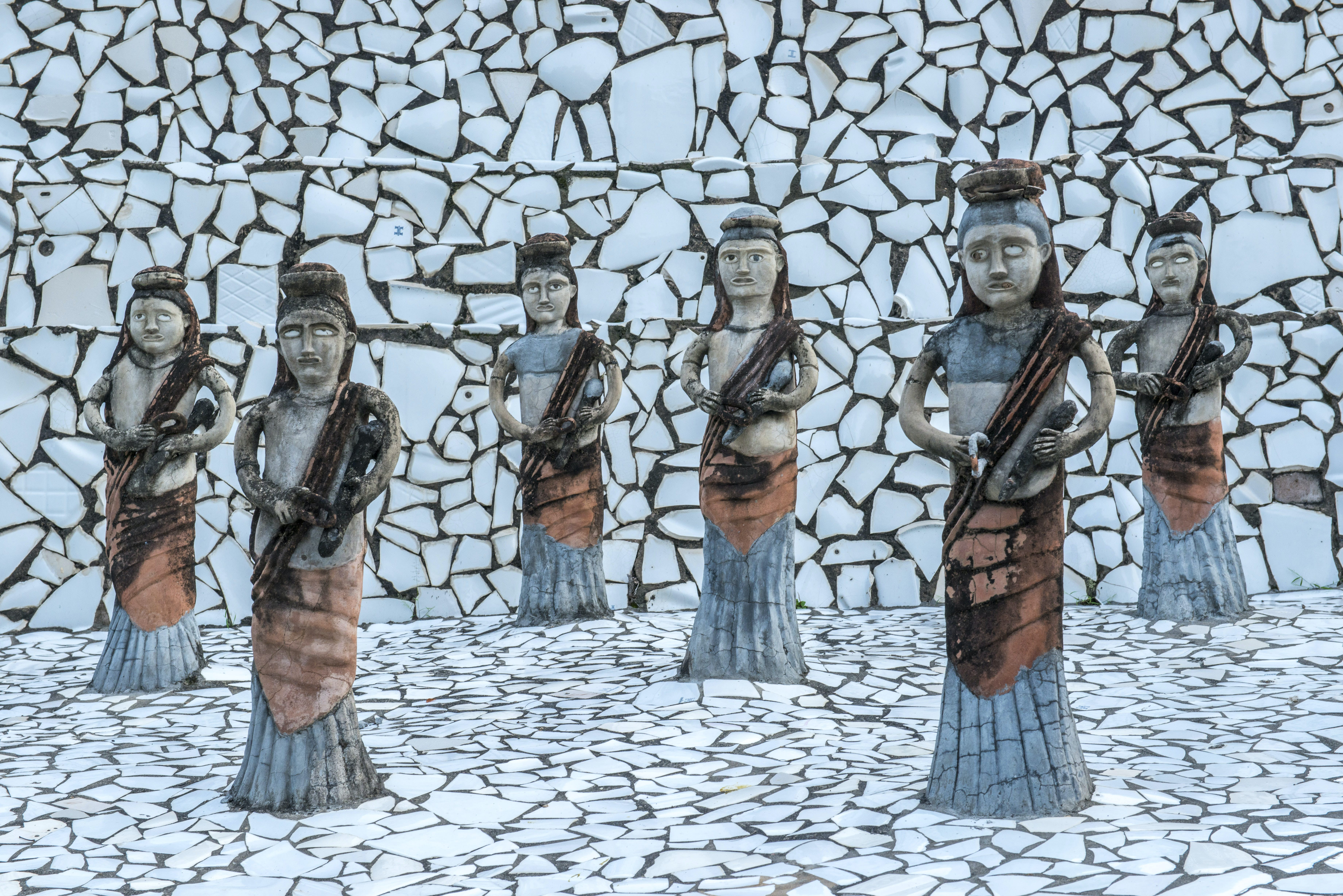
The city of Chandigarh is known for its stunning rock garden, called Nek Chand, named after its founder. Spanning over 64 acres, the garden features sculptures made from various recycled materials, the result of his meticulous creative process, resembling an open-air art gallery.
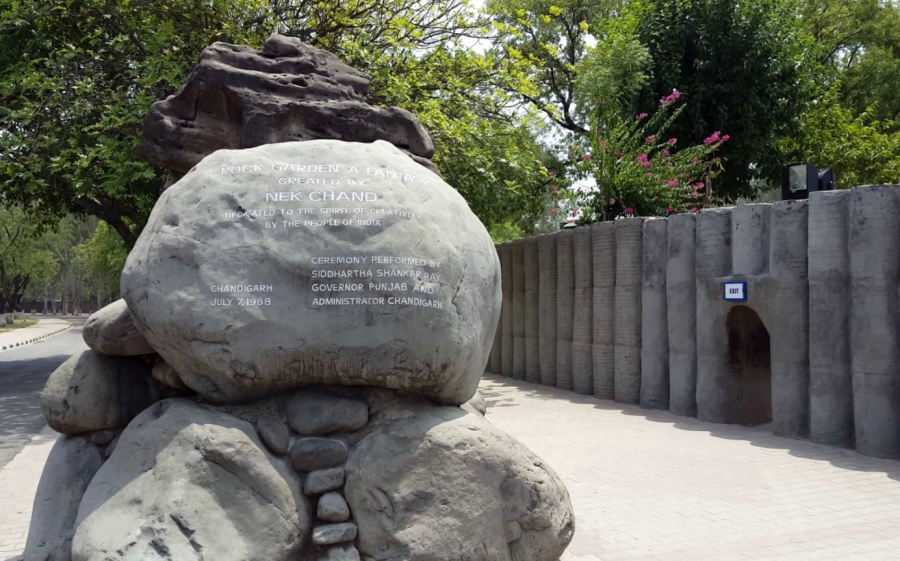
When Nek Chand Saini first arrived in Chandigarh, it was just an abandoned plot of land used by the Indian government to process industrial and household waste from nearby cities. He was assigned a job related to waste management by the government.
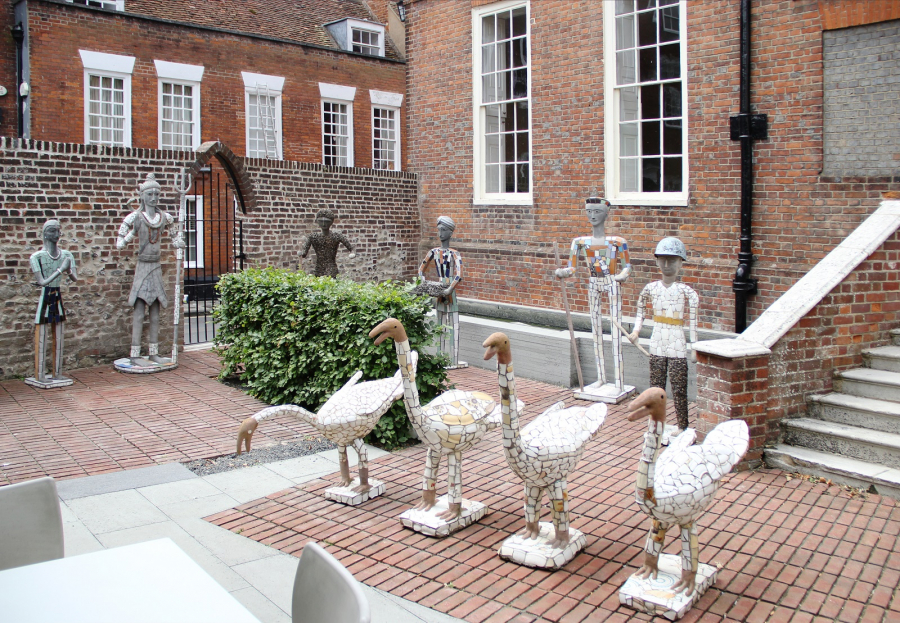
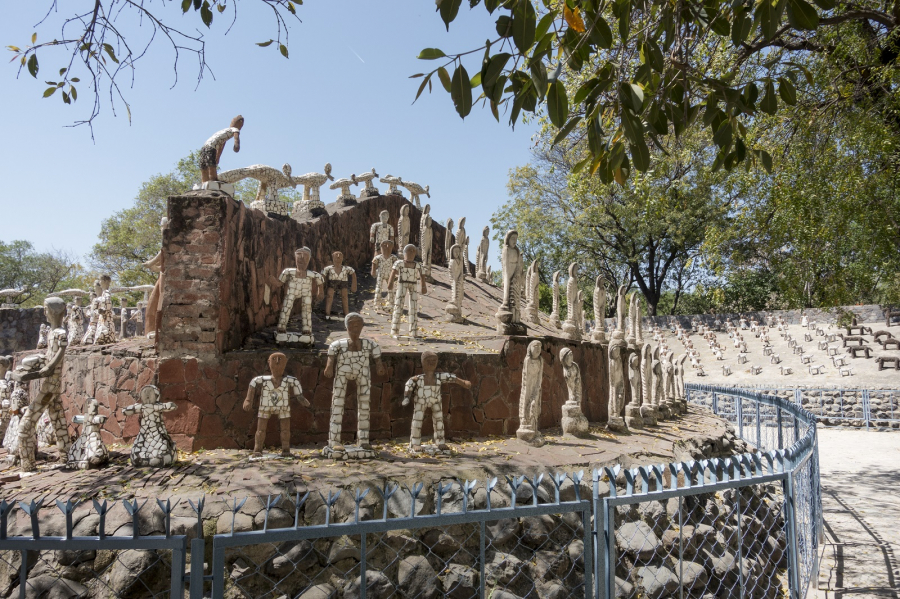
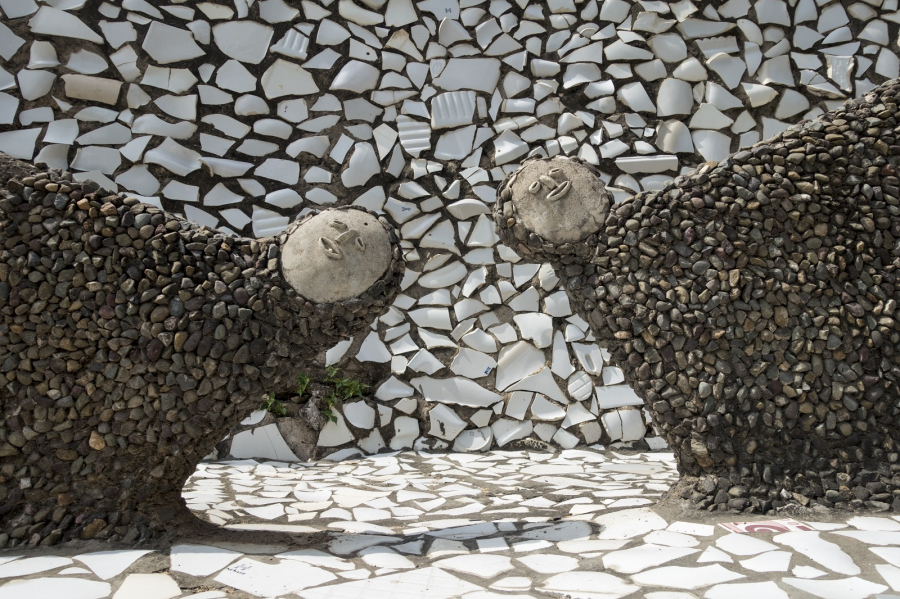
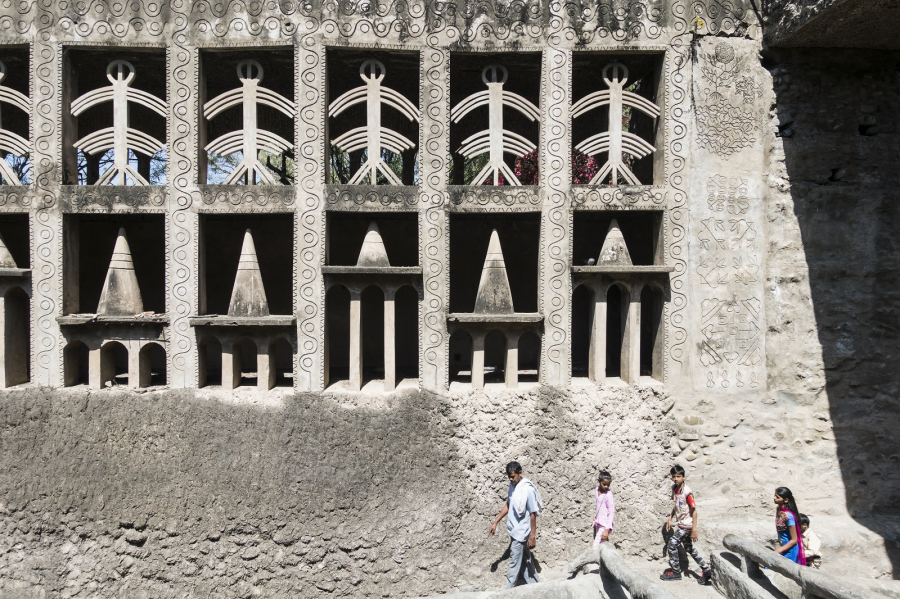
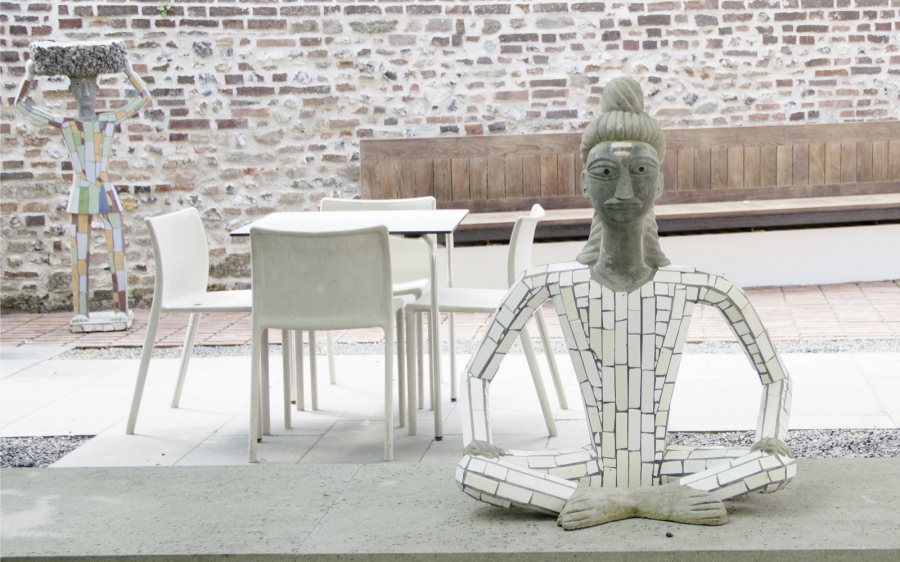
In 1957, Nek Chand officially began working on his dream project: transforming waste into useful materials for his constructions. He collected discarded materials such as metal to sculpt shapes of humans, animals, and other imaginary creatures. He started his work secretly in a secluded corner near the forest, where construction was prohibited. He also collected uniquely shaped rocks from nearby rivers and lakes to enrich his material supply.
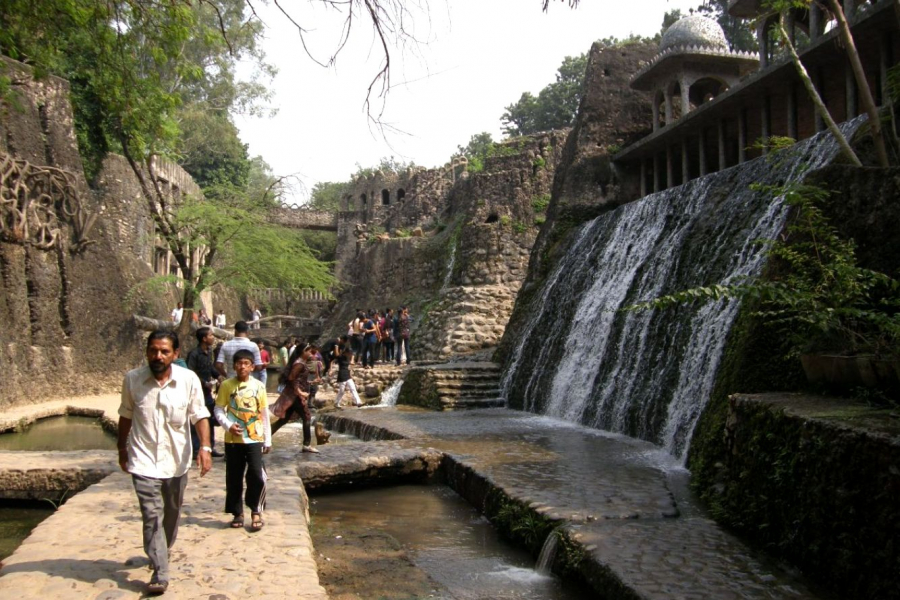
Within a few years, Nek Chand amassed a large collection of discarded materials. These became the primary raw materials for creating hundreds of artistic sculptures. He worked on his sculptures on weekends, gradually increasing his pace, whenever he had free time, even at night, diligently pursuing his passion. Eventually, he completed the construction of his secret kingdom: huts, palaces, pavilions, and hundreds of other sculptures.

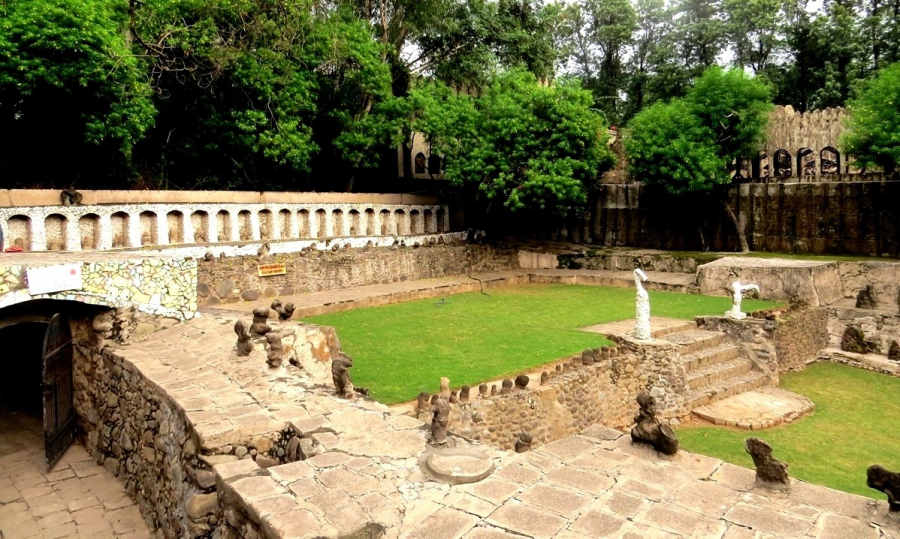
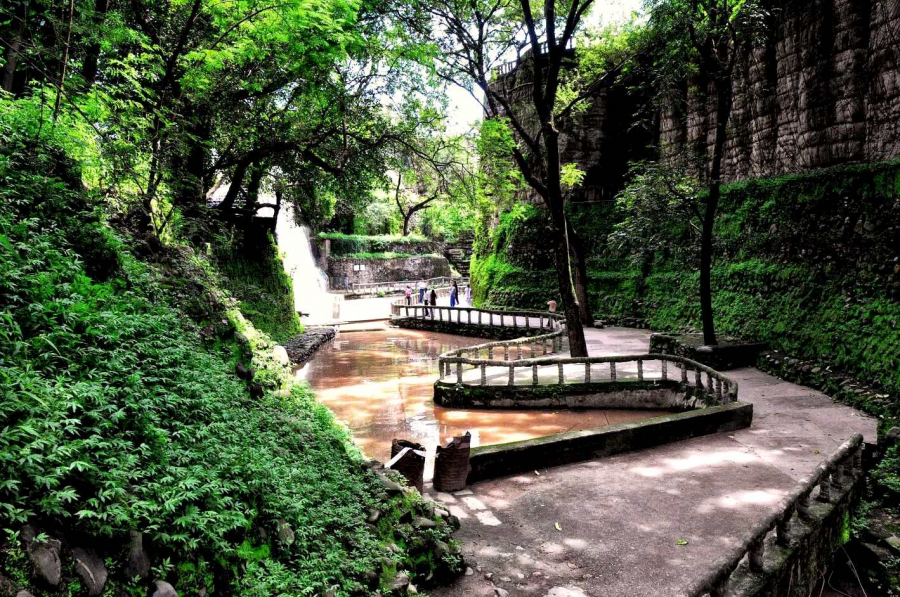
Nek Chand concealed his construction for many years to avoid scrutiny, especially from local authorities. But today, the rock garden is one of the most popular tourist destinations in India (second only to the Taj Mahal), attracting over 5,000 visitors daily.
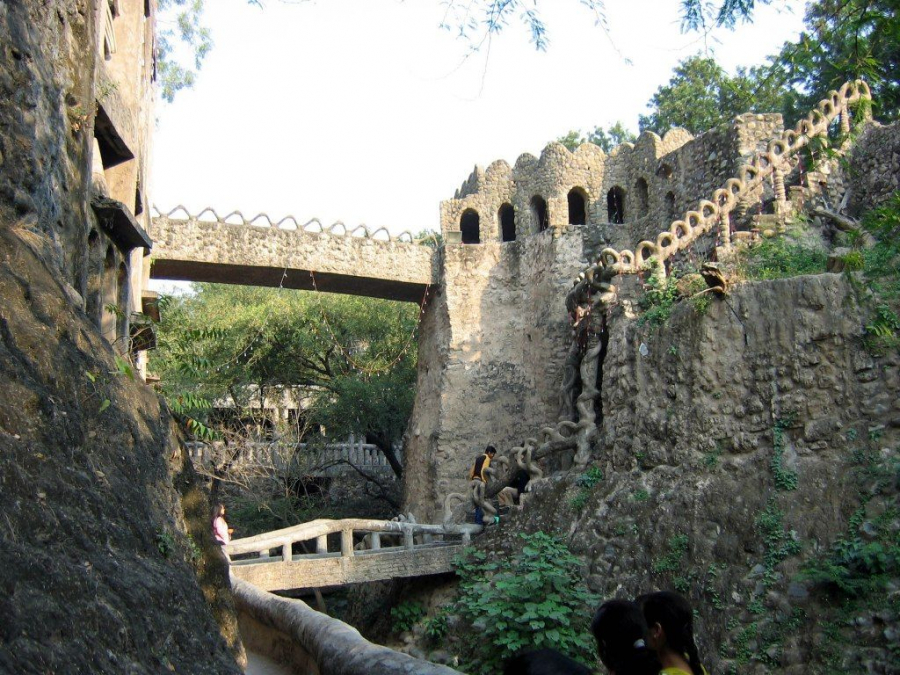
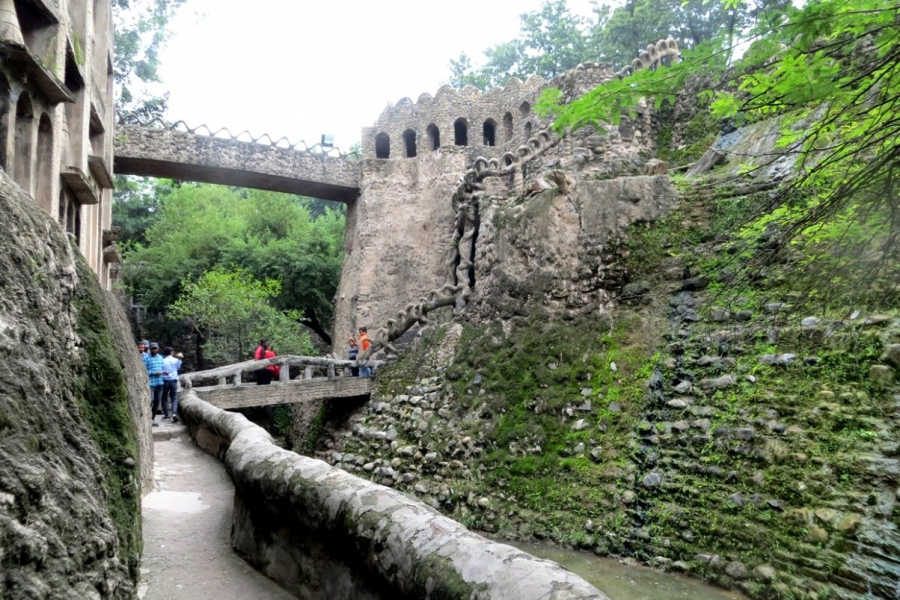
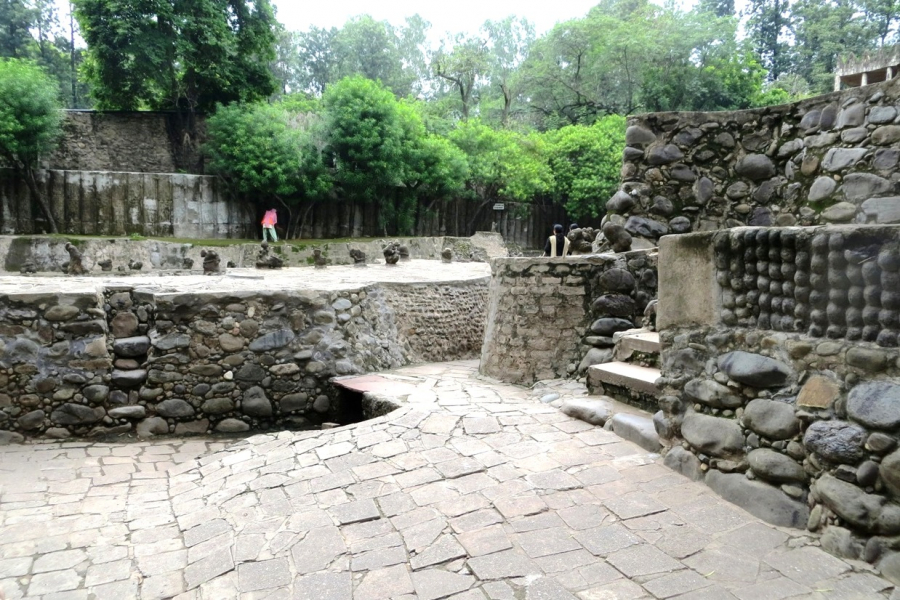
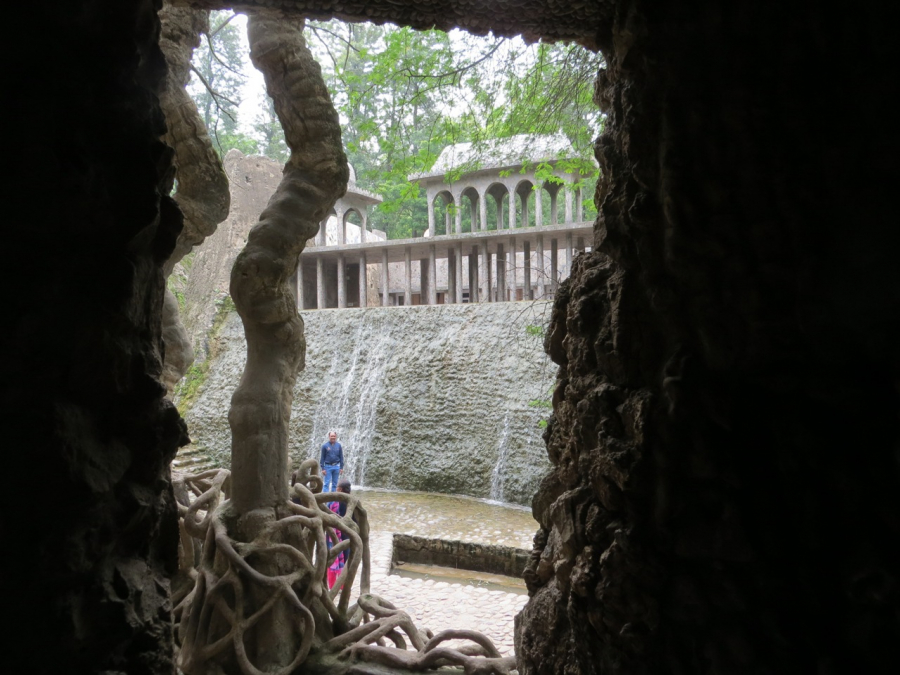
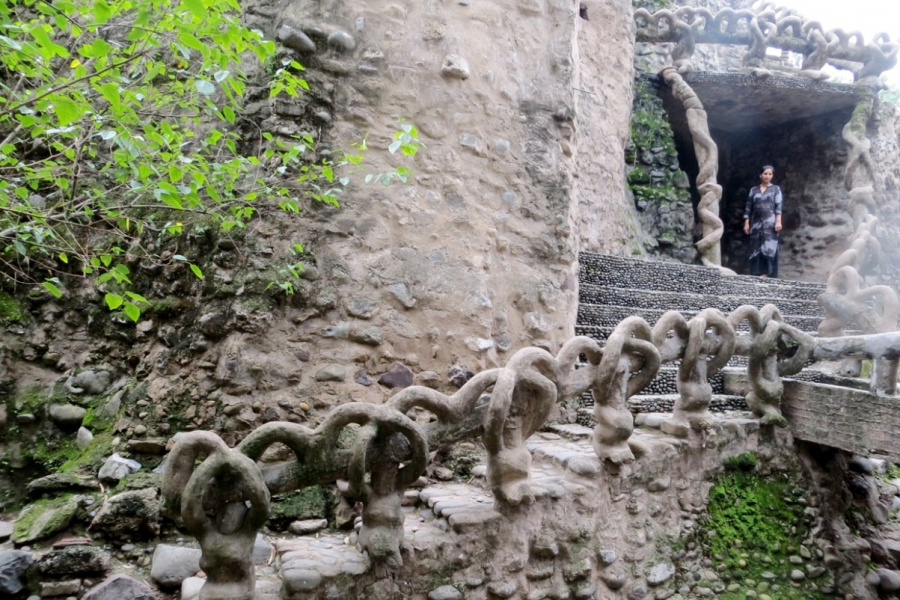
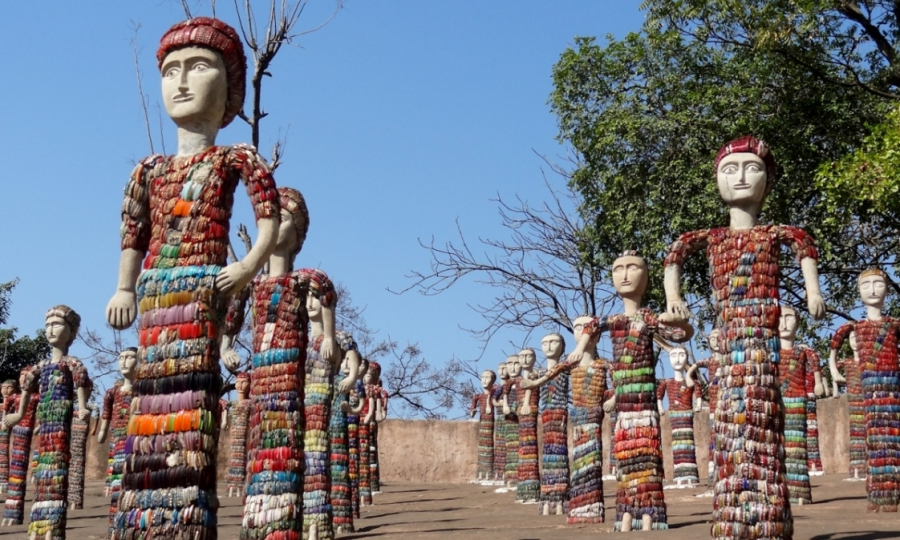
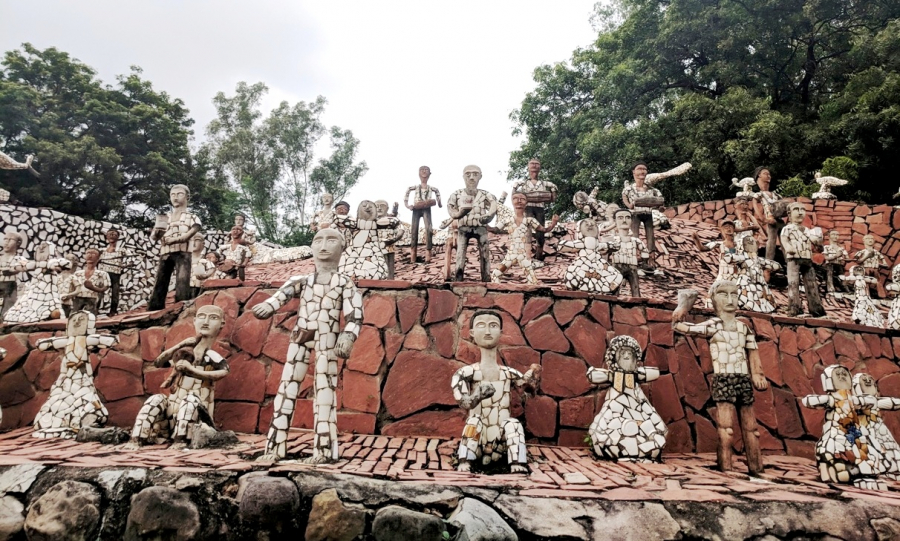
Upon arriving at the rock garden and walking along its paths, you'll notice sculptures in various shapes. These are fantastical, mythical creatures created from discarded bottles, glass, bricks, stones, pottery, broken electrical equipment, and more. Along with these, you can't take your eyes off other sculptures such as musicians and dancers, all made from recycled waste. It's hard to believe for those who haven't visited this place before, as no one would imagine these discarded materials to be ideal for a rock garden.
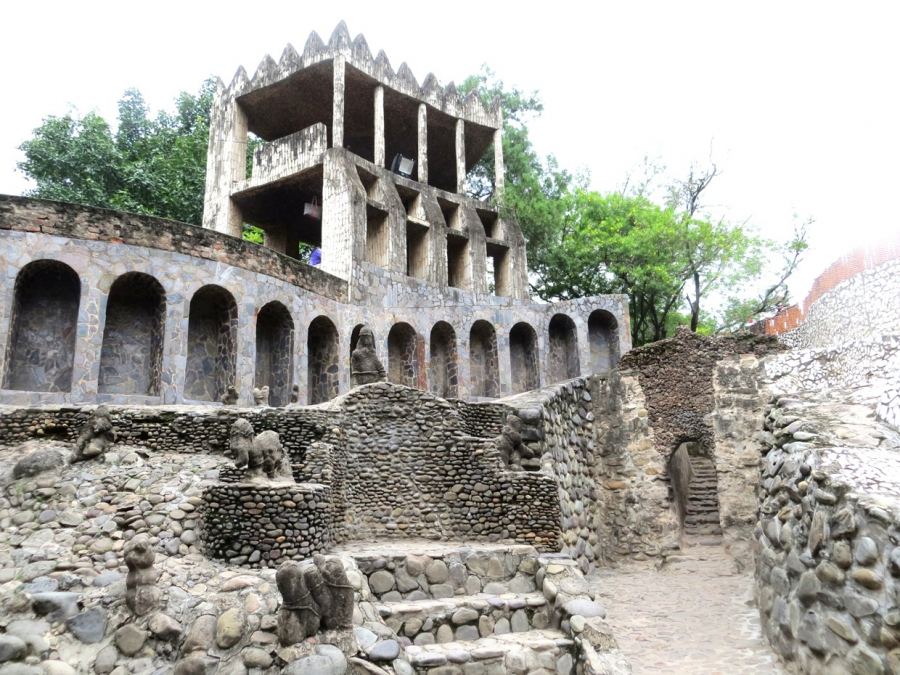
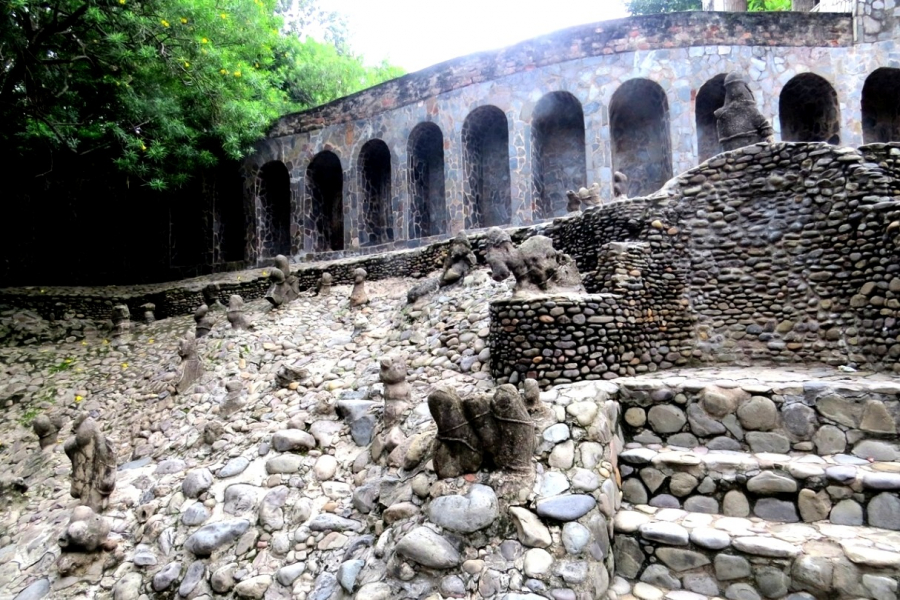
The garden attracts a considerable number of visitors not only because of the unique and diverse sculptures, but also because of another important aspect: the sculptures highlight the beauty of nature and honor the spiritual and cultural heritage of India. The animal statues here showcase the rich diversity of wildlife, and some architectural landmarks of India are also incorporated into the sculptures, making Nek Chand rock garden even more outstanding, not only in its external beauty but also in its inner meaning. This leaves a deep impression on visitors who come here.
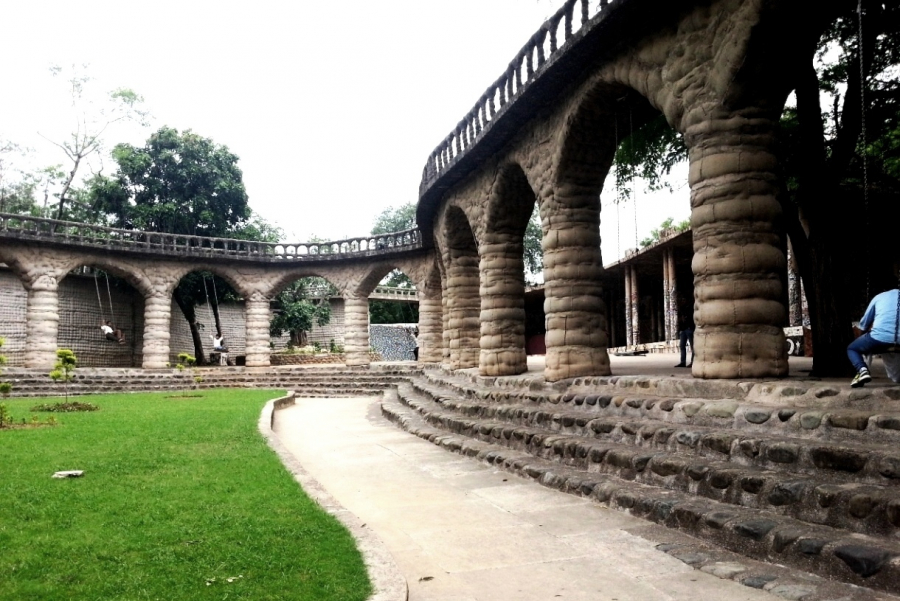
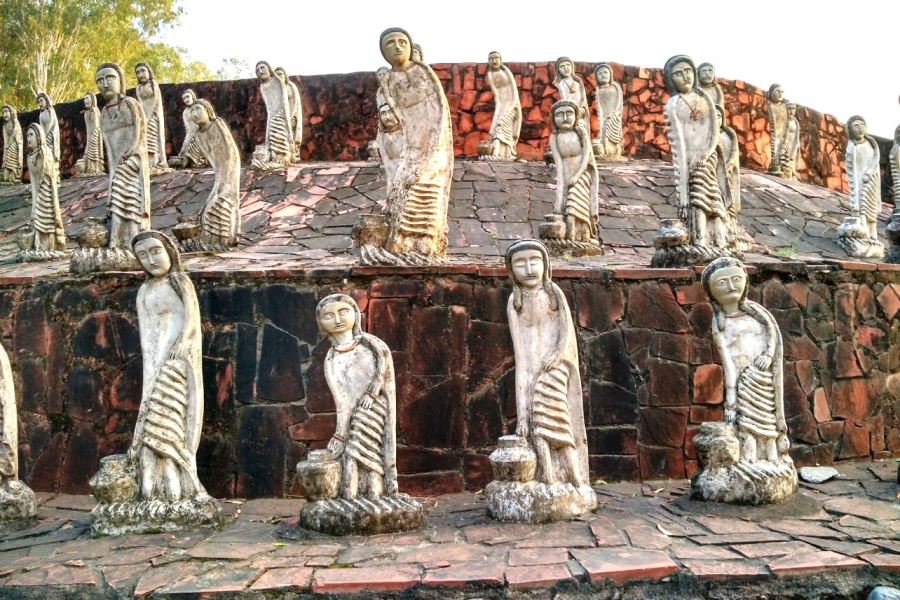
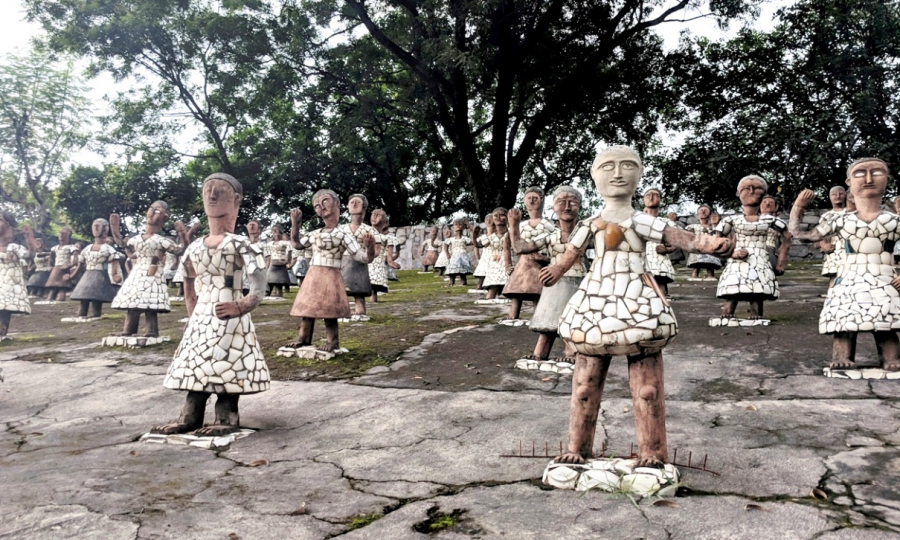
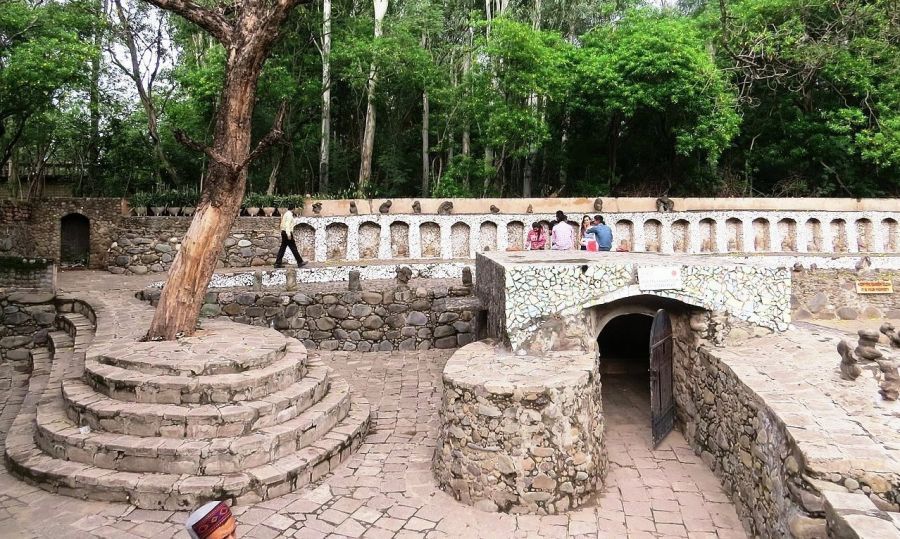
Adding to the garden's beauty are streams and waterfalls that weave around the buildings and pathways. You'll also see walls constructed from charming terracotta pots. Walking along the shady, cobblestone paths, one feels as if they've wandered into a labyrinth or stepped into a captivating and enchanting fairyland. A garden devoid of any flowers, it is the site of the traditional annual Teej festival.

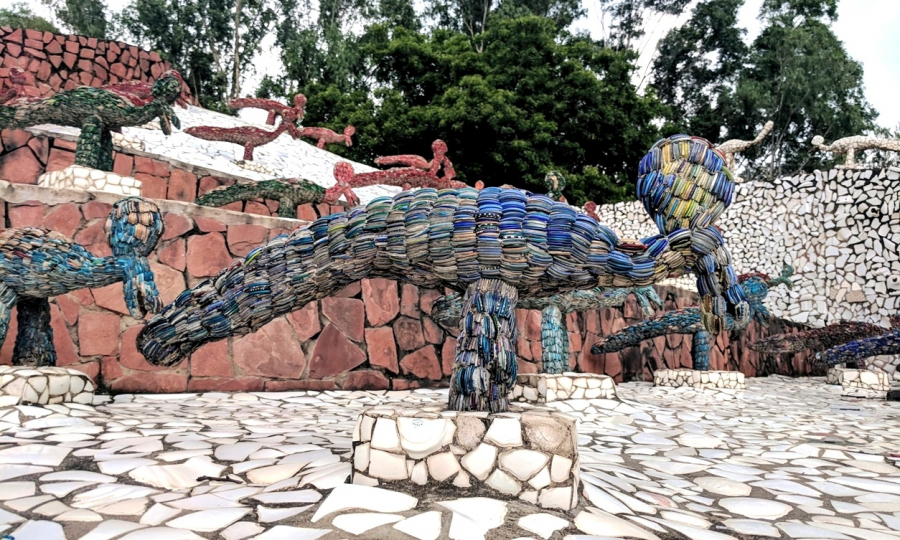
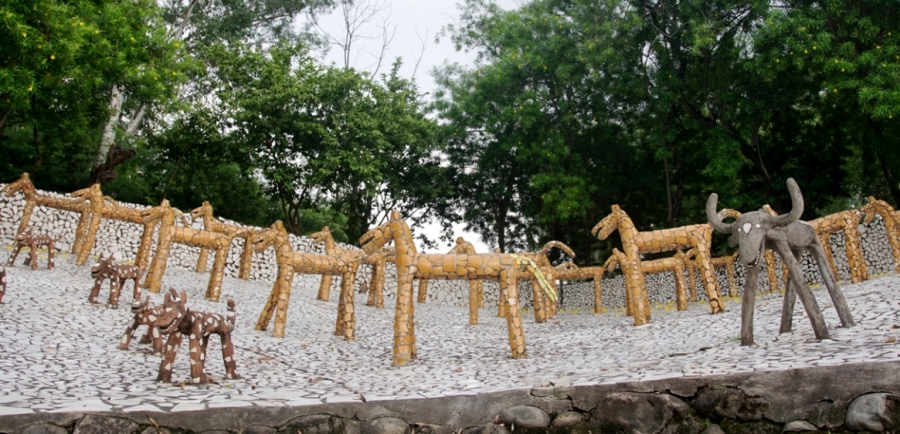
Even today, Nek Chand's creativity is still highly regarded. Instead of disposing of waste in the conventional way, he transformed it into useful materials. Recycling and reusing waste serves a dual purpose: protecting the environment while creating amazing sculptures. As a result of his tireless work, his creations are now known and admired worldwide.
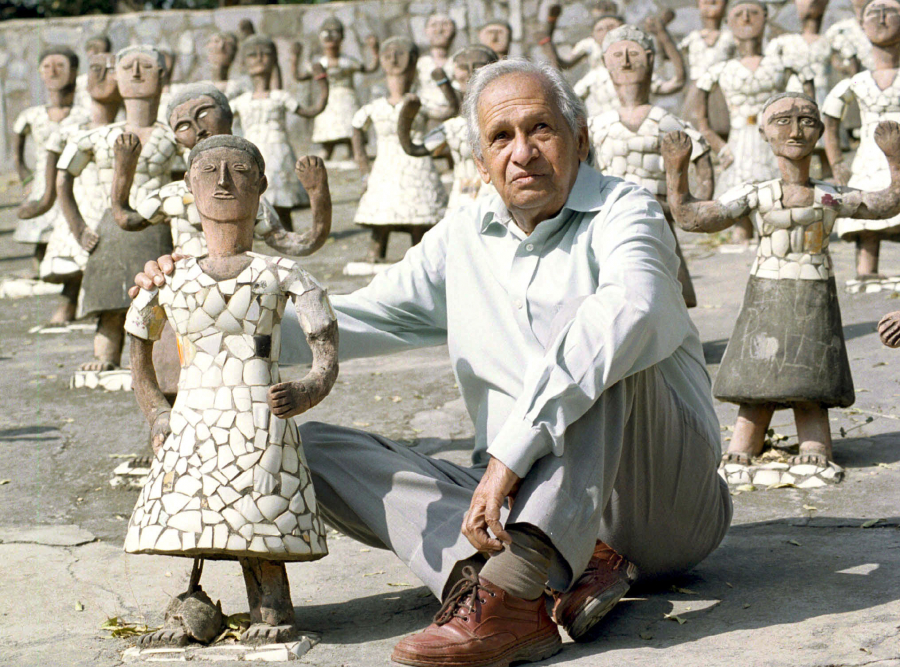
Nek Chand Saini and his works
Considered an embodiment of novel and unconventional imagination, the rock gardens in Chandigarh are a rare work of art, unlike anything else in the world.