VI
VI


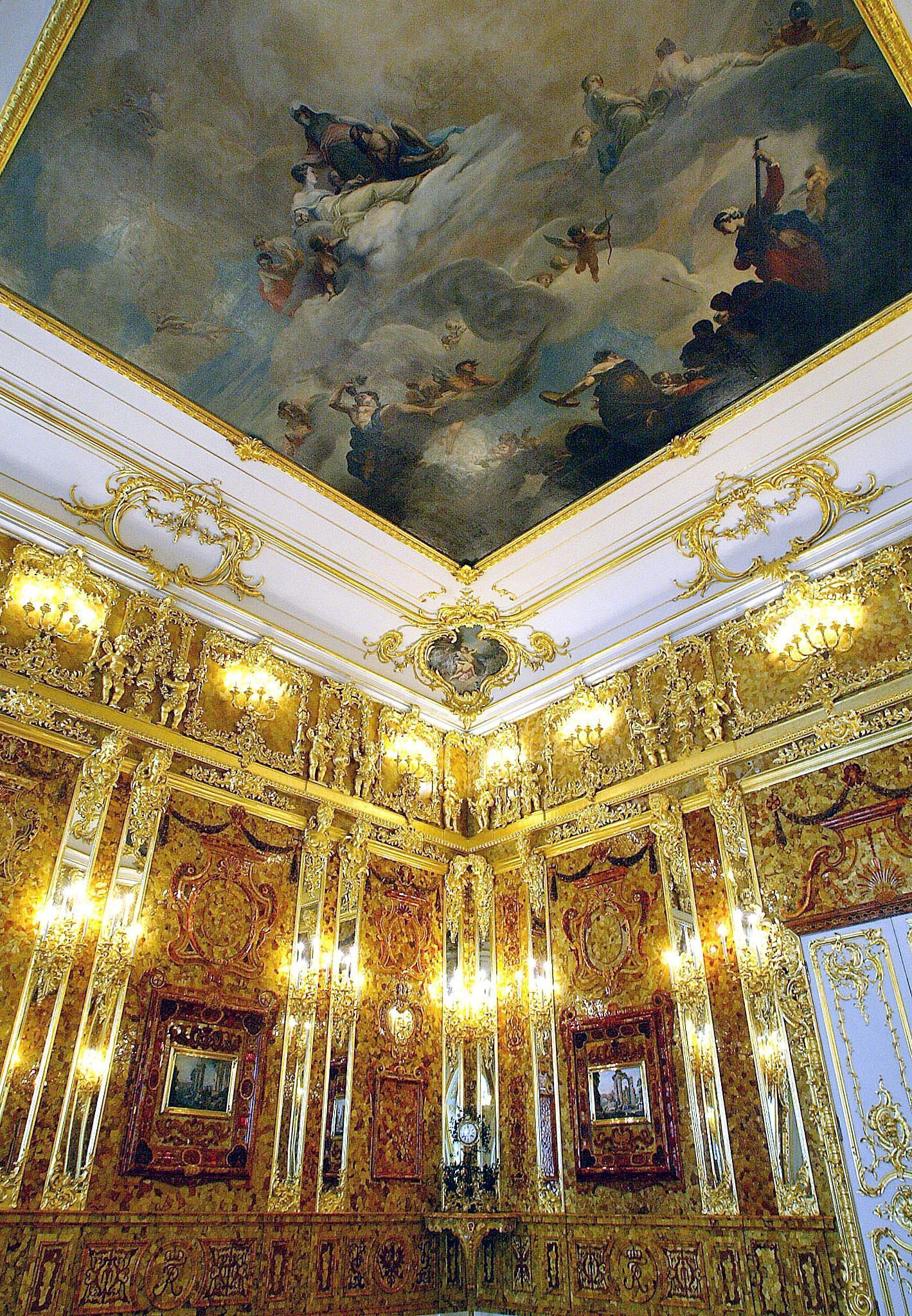
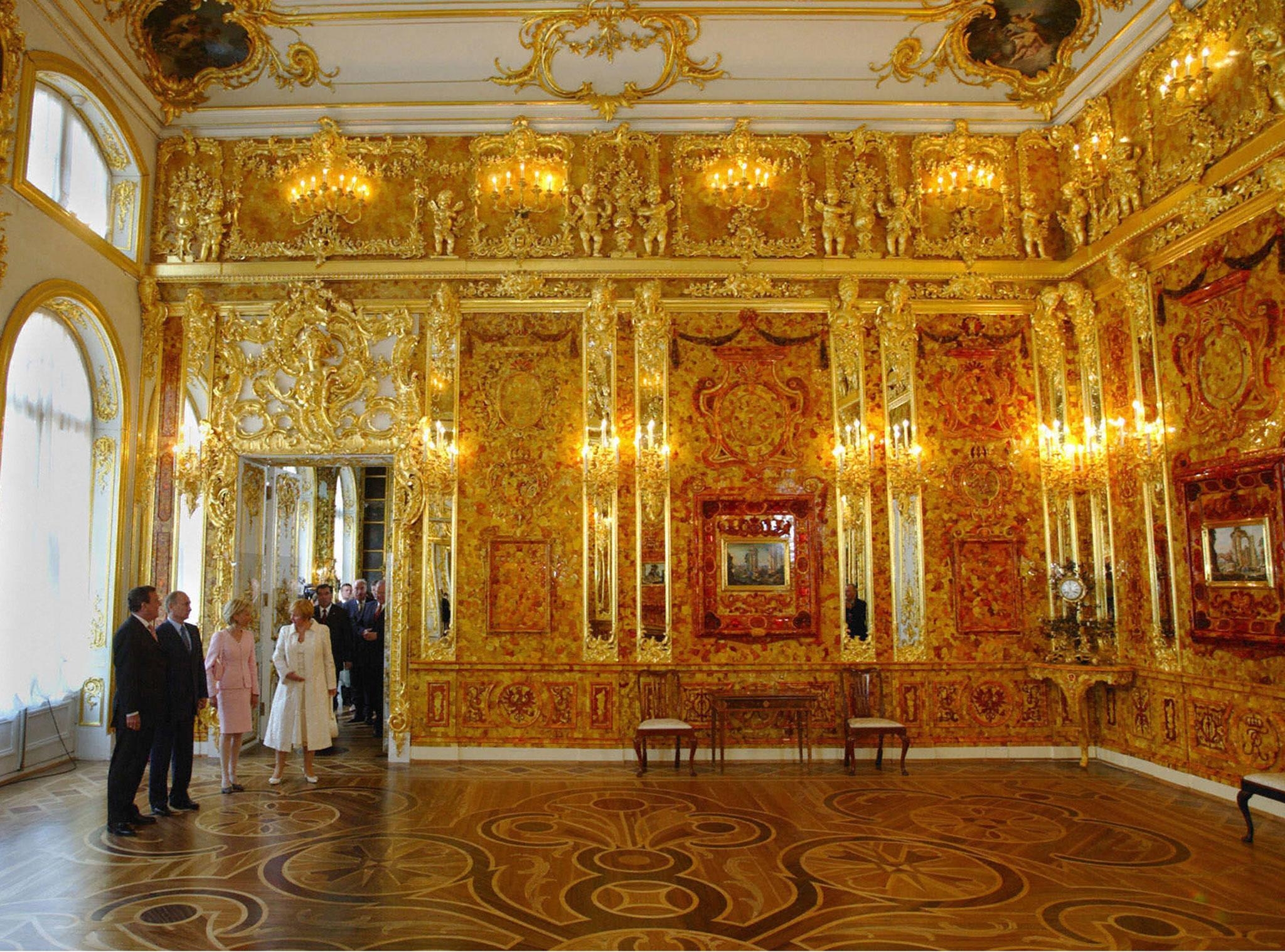
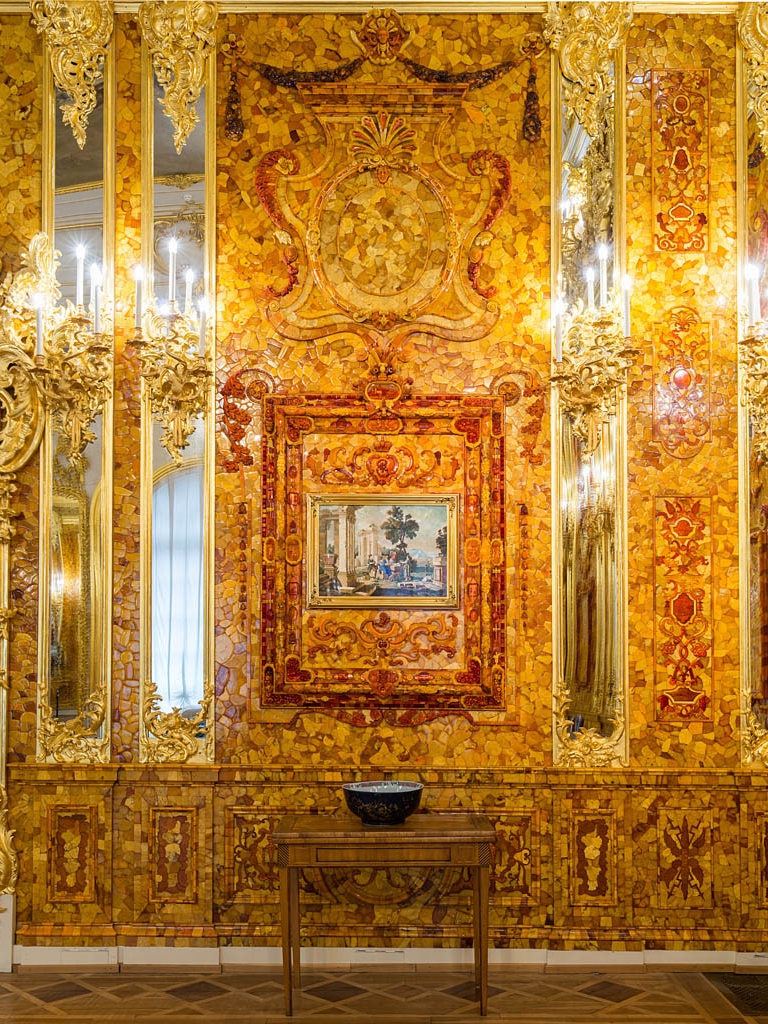
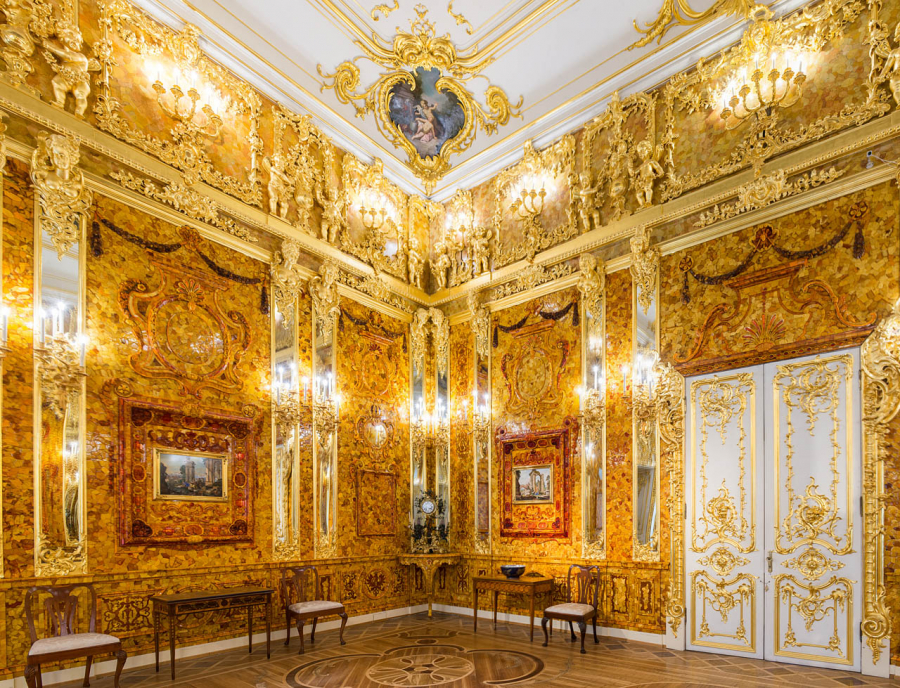
The Amber Room is a stunning architectural masterpiece, with partitions entirely made of amber and pure gold leaf. The mirrors are always gleaming and elaborately decorated. The creation of this enchanting beauty and the enduring reputation of the room is attributed to a team of highly skilled artisans from Germany, Russia, Denmark, and other countries.
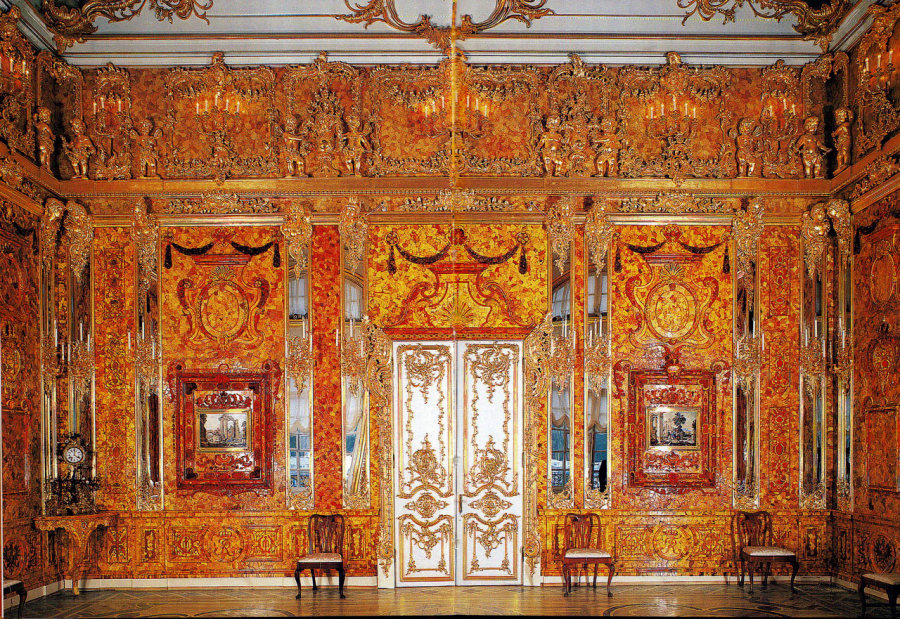
In 1701, the first king of Prussia, Friedrich I, ordered the construction of the Amber Room to decorate the magnificent Charlottenburg Palace. The room was considered a lavish declaration of love for his beloved wife, Queen Sophie Charlotte. At that time, amber was extremely rare and worth twelve times more than gold. The room took ten years to build and was completed in 1711. The idea was conceived by the master sculptor Andreas Schlter of Germany, while the construction was carried out by the talented Danish artist Gottfried Wolfram. On its opening day, over 500 large candles were lit, illuminating the room in golden light and beginning a legend: the eighth wonder of the world.
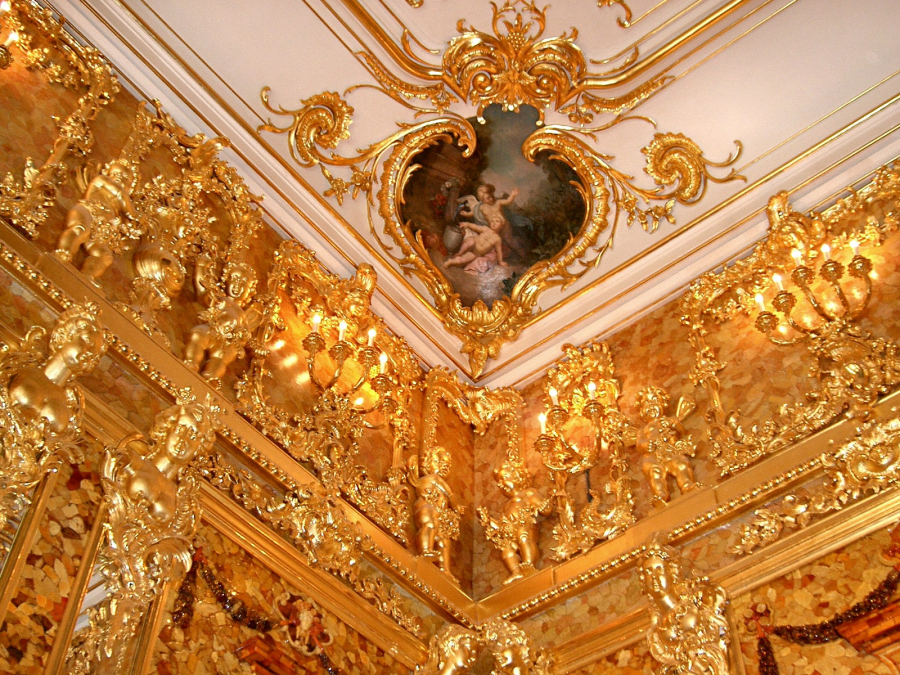
In 1716, during a visit to Prussia, the Russian Tsar Peter I was completely captivated by the unparalleled beauty of the room. To demonstrate friendship and strengthen the Russian-Prussian alliance against Sweden, King Friedrich Wilhelm I, son of King Friedrich I, agreed to present this priceless gift to Peter I. In 1717, the room was dismantled and transported to Russia. The famous room is now housed in the Yekaterina Palace, built in the Rococo style, in Tsarskoye Selo, near St. Petersburg.
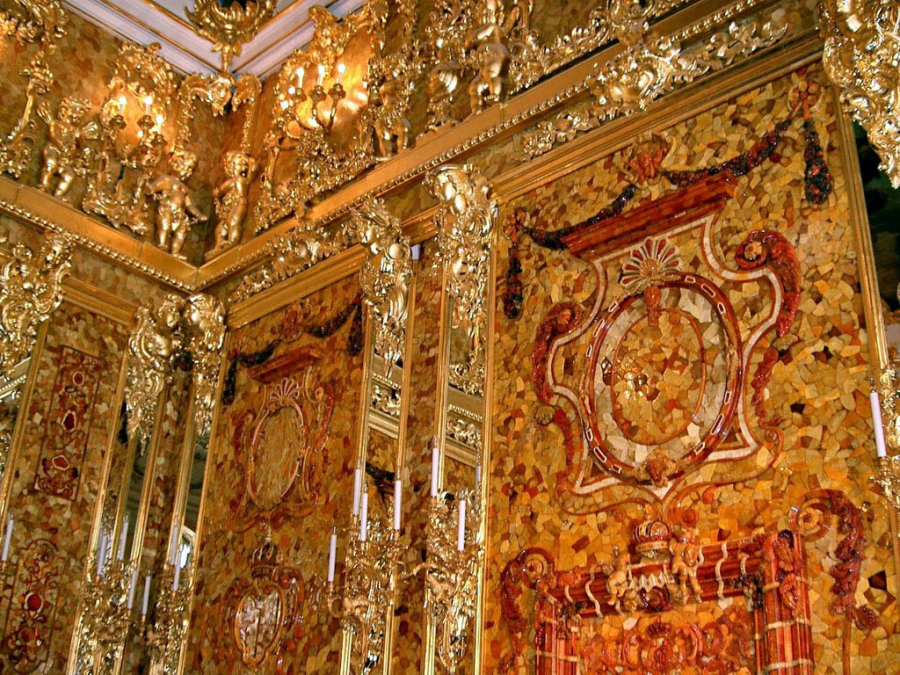
In Russia, the room was expanded and decorated with many more treasures in an area of over 55 square meters.2With 12 walls and 12 pillars, all crafted from 6 tons of amber, gold, and precious stones, the room is estimated to be worth $142,000,000. The Amber Room was completed in 1755 and restored in 1830.

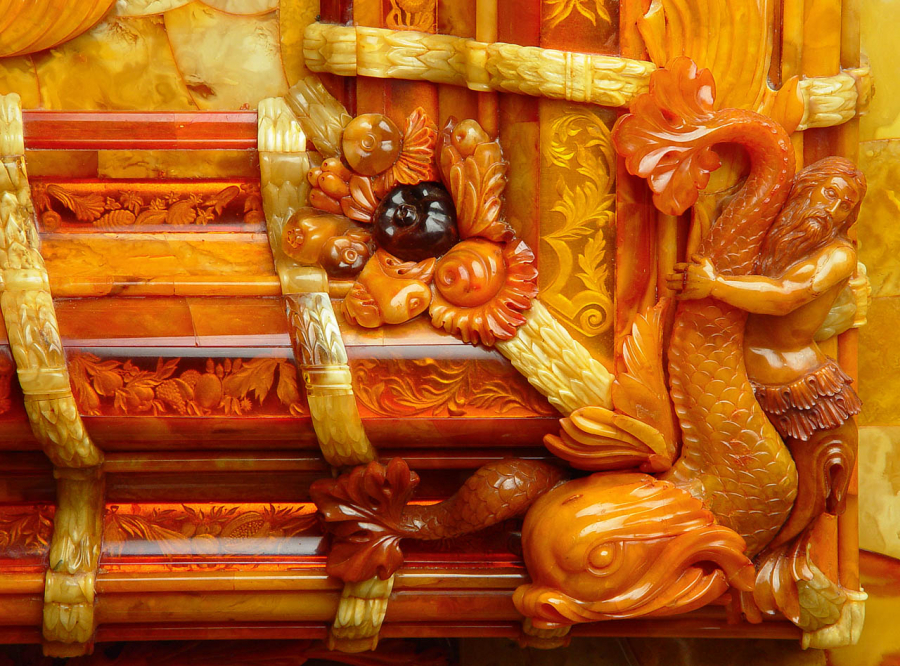
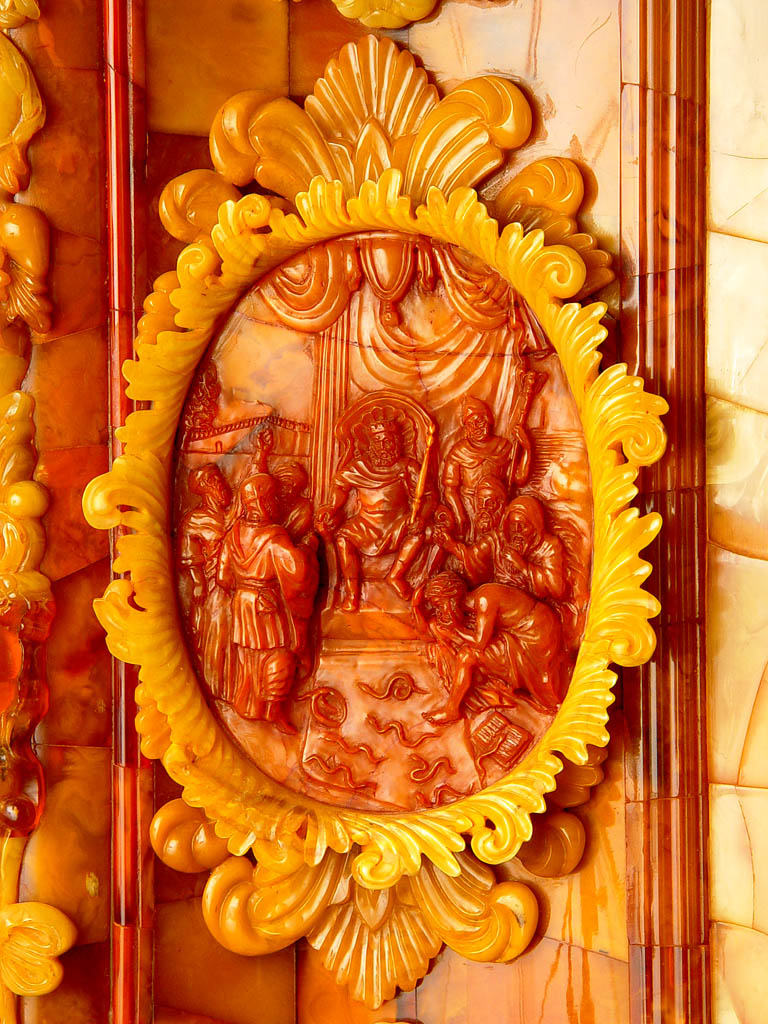
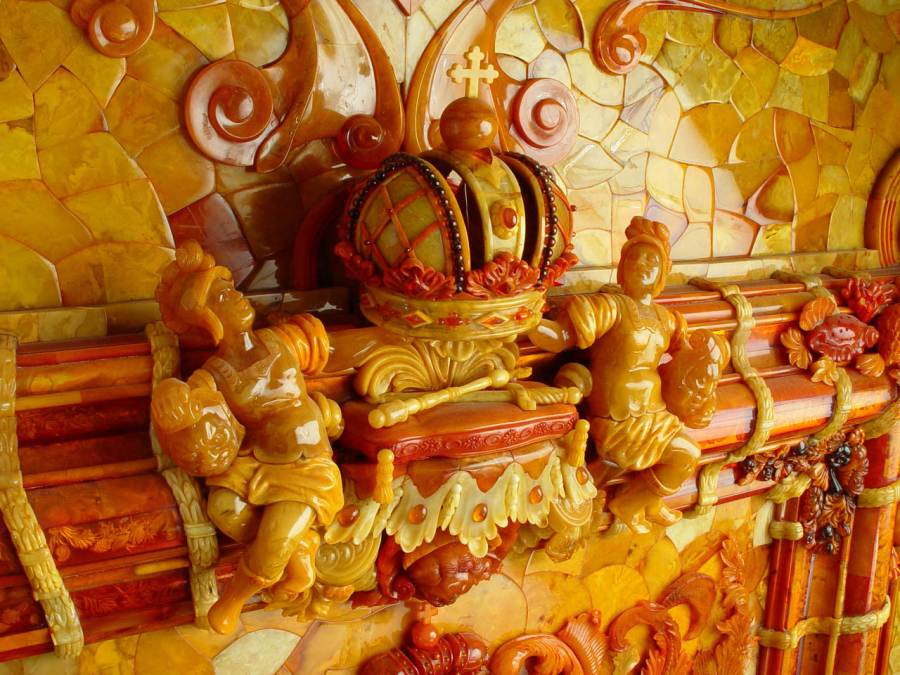
Shortly after the Nazi invasion of the Soviet Union during World War II, those responsible for managing the Amber Room attempted to dismantle and store the panels away to prevent them from being discovered. Over time, the amber became dry, brittle, and easily broken. During dismantling, many panels were damaged. Therefore, the Soviet Union ordered the entire room to be "transformed" by covering it with wallpaper. However, all attempts at concealment failed as German soldiers easily found the legendary Amber Room.
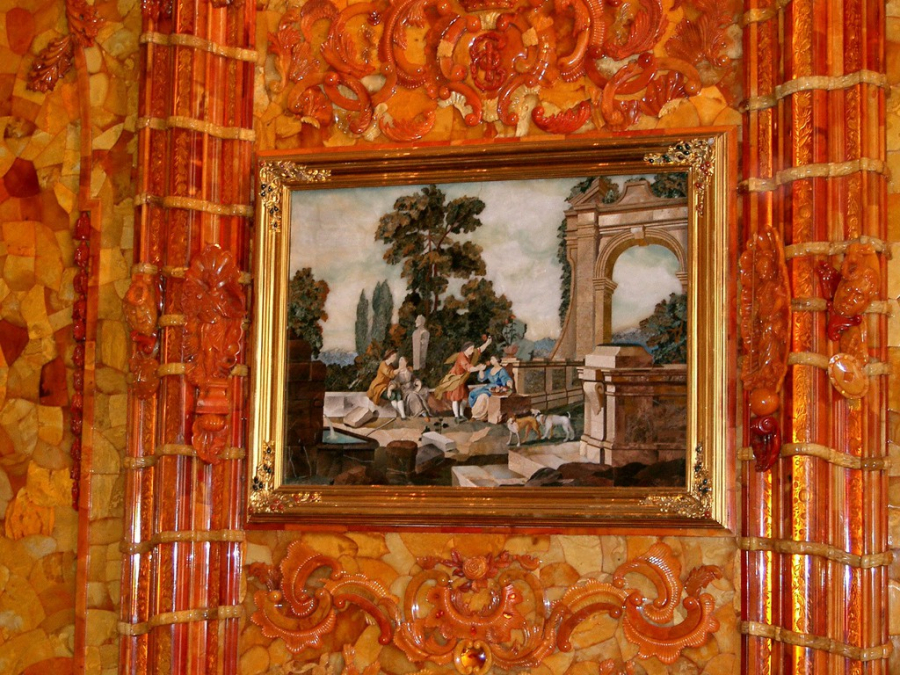
On October 14, 1941, under the command of Rittmeister Graf Solms-Laubach, 27 crates containing the Amber Room were moved to Königsberg Castle. The dismantling process lasted 36 hours and was supervised by two experts. During the night of August 26-27, 1944, Königsberg Castle was bombed. When the Soviet army captured Königsberg in April 1945, the Amber Room had completely disappeared.
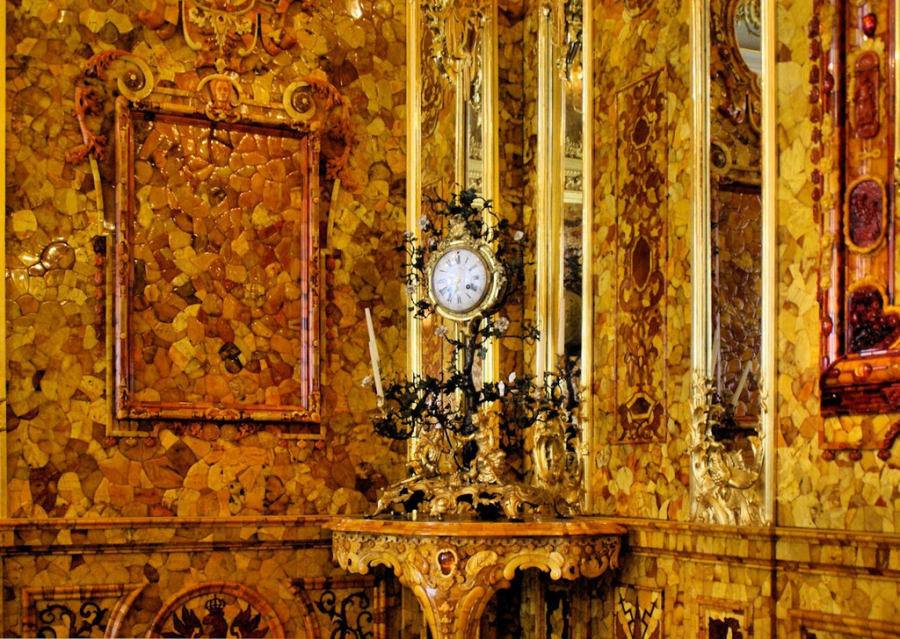
To this day, hundreds of different theories exist about the fate of the Amber Room. One theory suggests that Erich Koch, the leader of the Nazi party in Königsberg, took the Amber Room and many other treasures out of the city. At the end of World War II, Erich Koch was arrested in Poland and sentenced to death. However, this sentence was never carried out. Many believe that Erich's knowledge of the Amber Room's location saved his life. This belief stems from the fact that Erich repeatedly changed his testimony about the room's whereabouts.
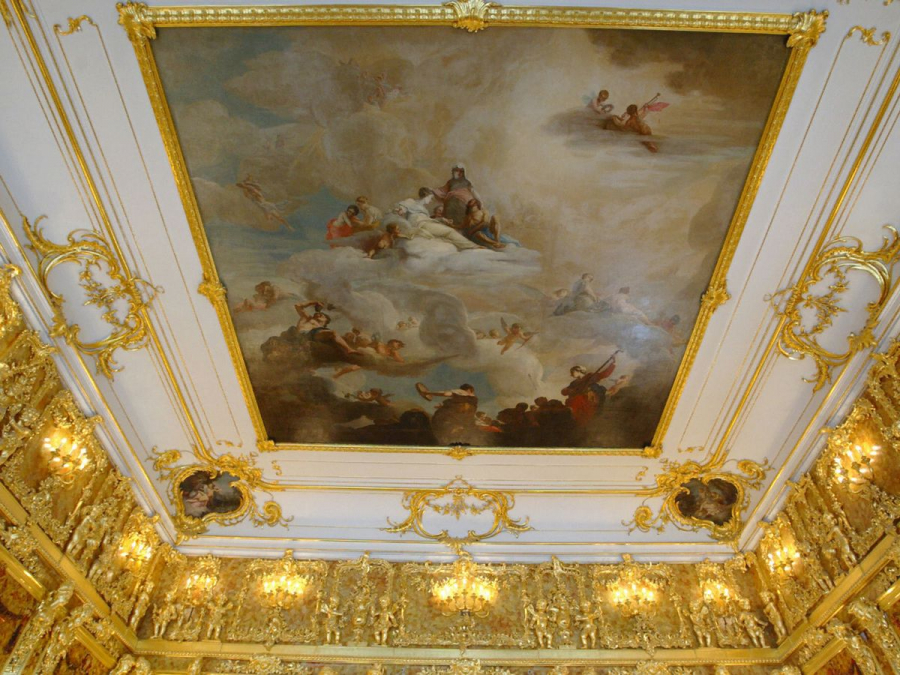
Many others believe the Amber Room was destroyed in war. The room has become one of the world's most coveted treasures.
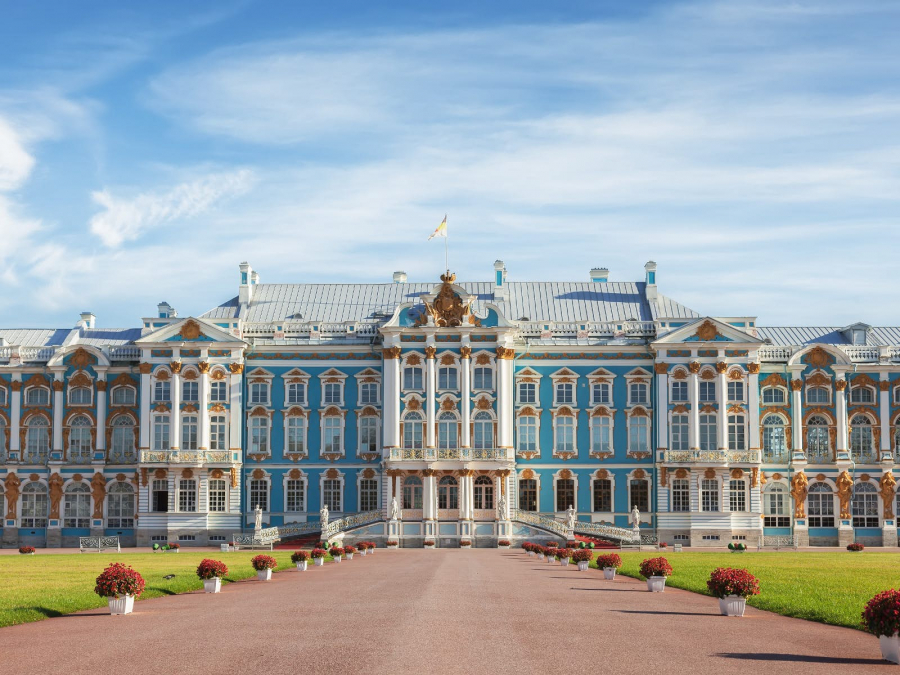
Yekaterina Palace
In 1979, the Amber Room was rebuilt. A group of talented artists, sculptors, and craftsmen were assembled to recreate the Prussian king's masterpiece based on some old black-and-white photographs. The room was inaugurated in 2003 in the presence of Russian President Vladimir Putin and German Chancellor Gerhard Schröder, coinciding with the 300th anniversary of the founding of St. Petersburg.
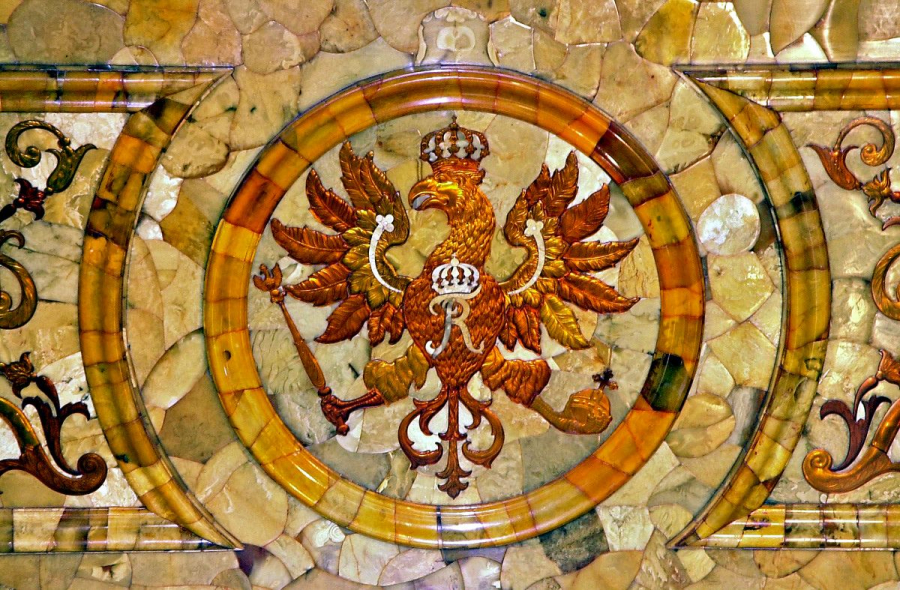
Today, upon entering the Amber Room at the Yekaterina Palace, many visitors say they feel as if they are stepping into the treasure cave of the robbers in the mythical story of Alibaba. Many architects and art and history researchers have expressed satisfaction with this reconstructed Amber Room.
Additional information
Opening hours: 10 AM - 6 PM daily
Closed: the last Monday of each month and Tuesdays of the week
Admission fee: Adults - $9, students - $3, university students - $4.40