VI
VI



GYEONGBOKGUNG
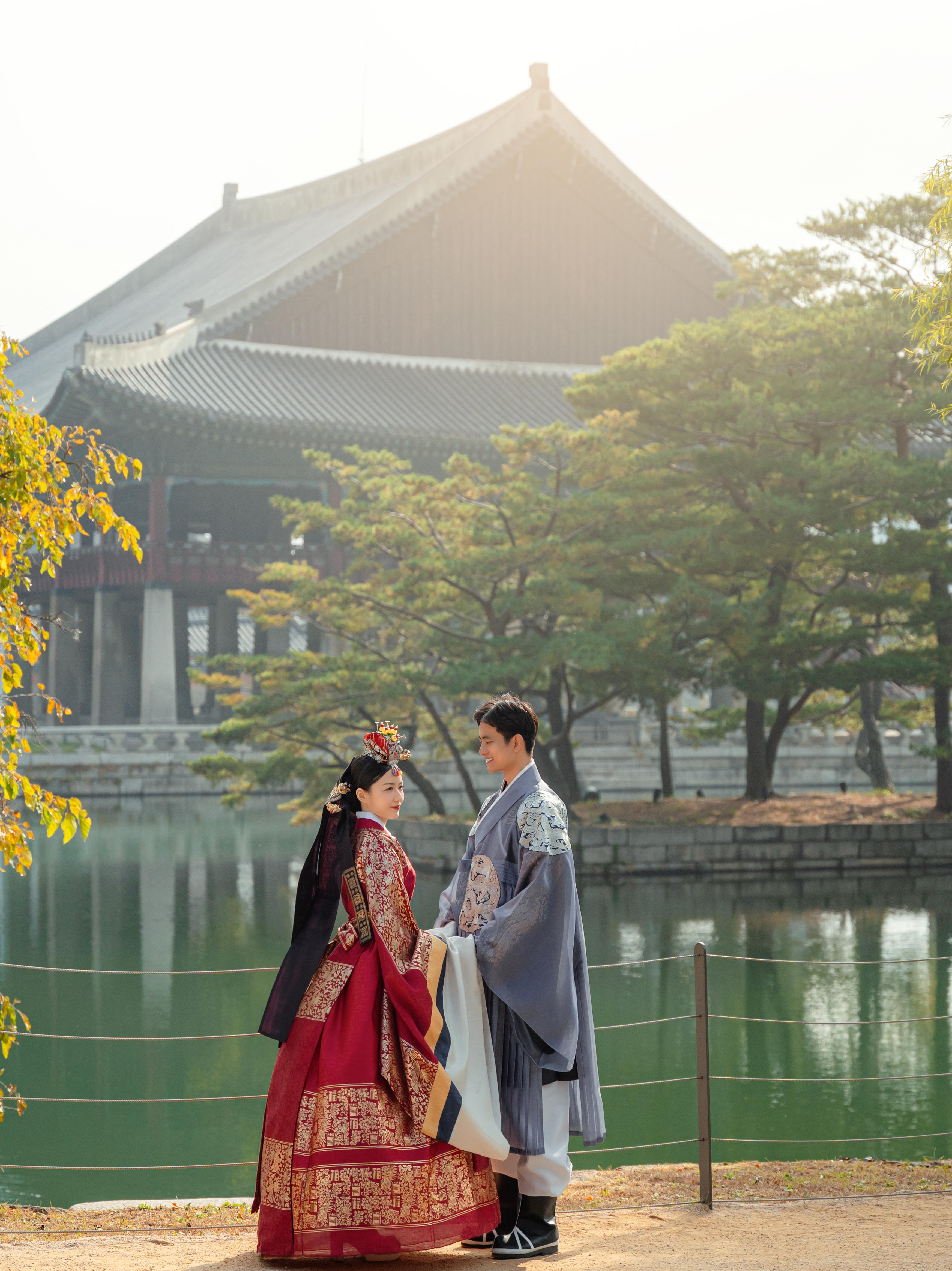
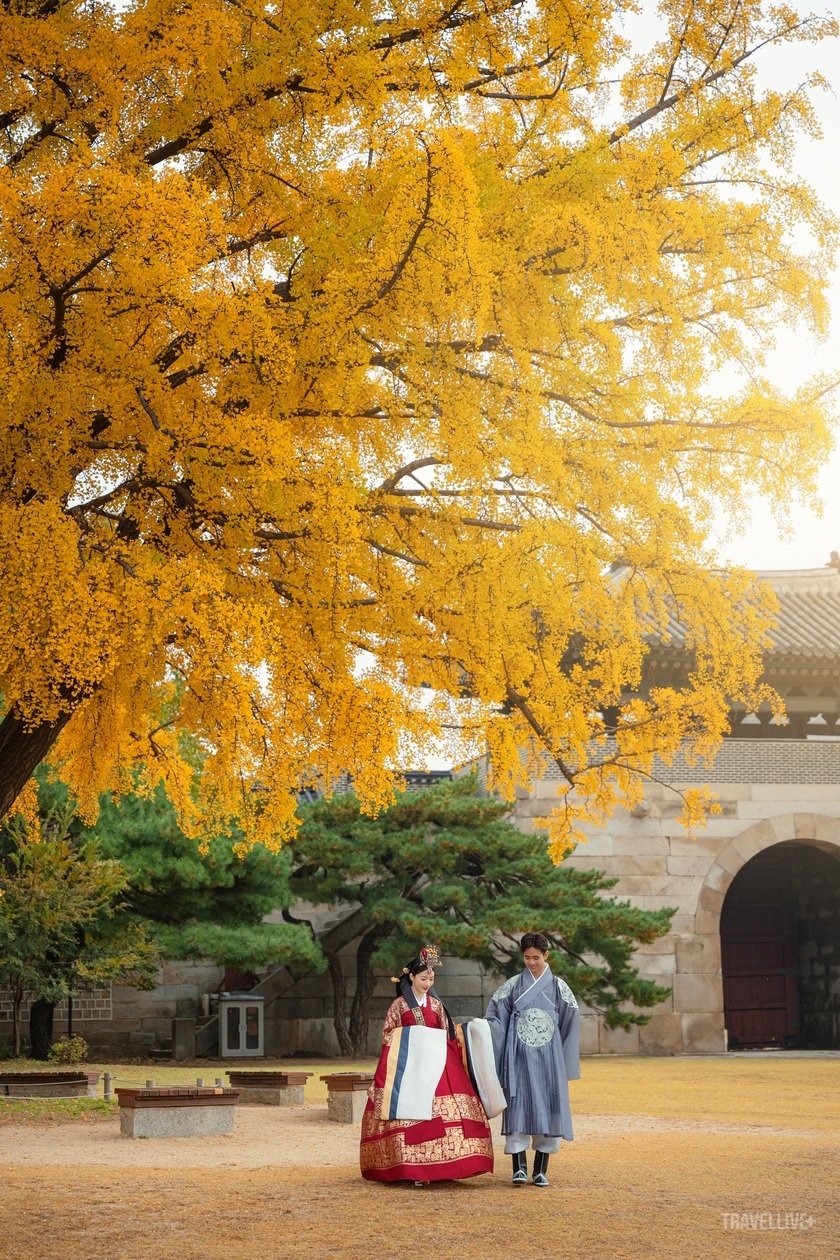
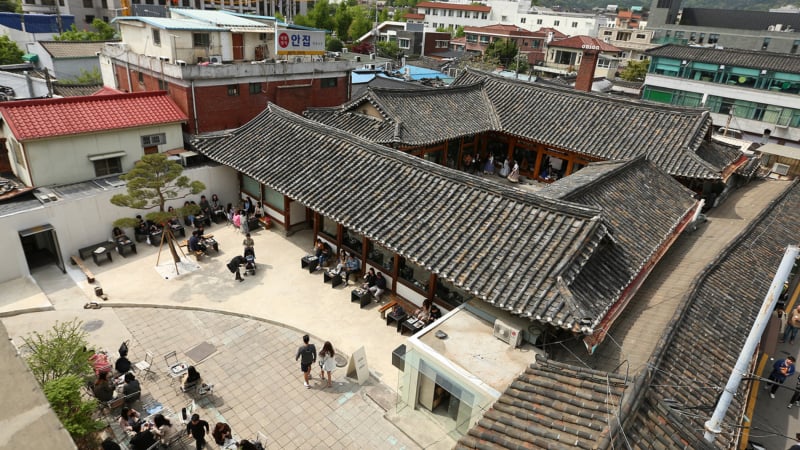
The first stop on this journey was Gyeongbokgung Palace – the historical heart of a constantly changing city. I arrived early in the morning, when the sunlight wasn't yet harsh enough to dispel the early morning chill. The ancient tiled roofs curved gracefully in the early sun, the dark wooden walls illuminated by light filtering through red maple trees, creating a scene that was both fairytale-like and solemn. Everything here was quiet and proud, as if every stone held the memory of the Joseon dynasty.
BUKCHON HANOK VILLAGE
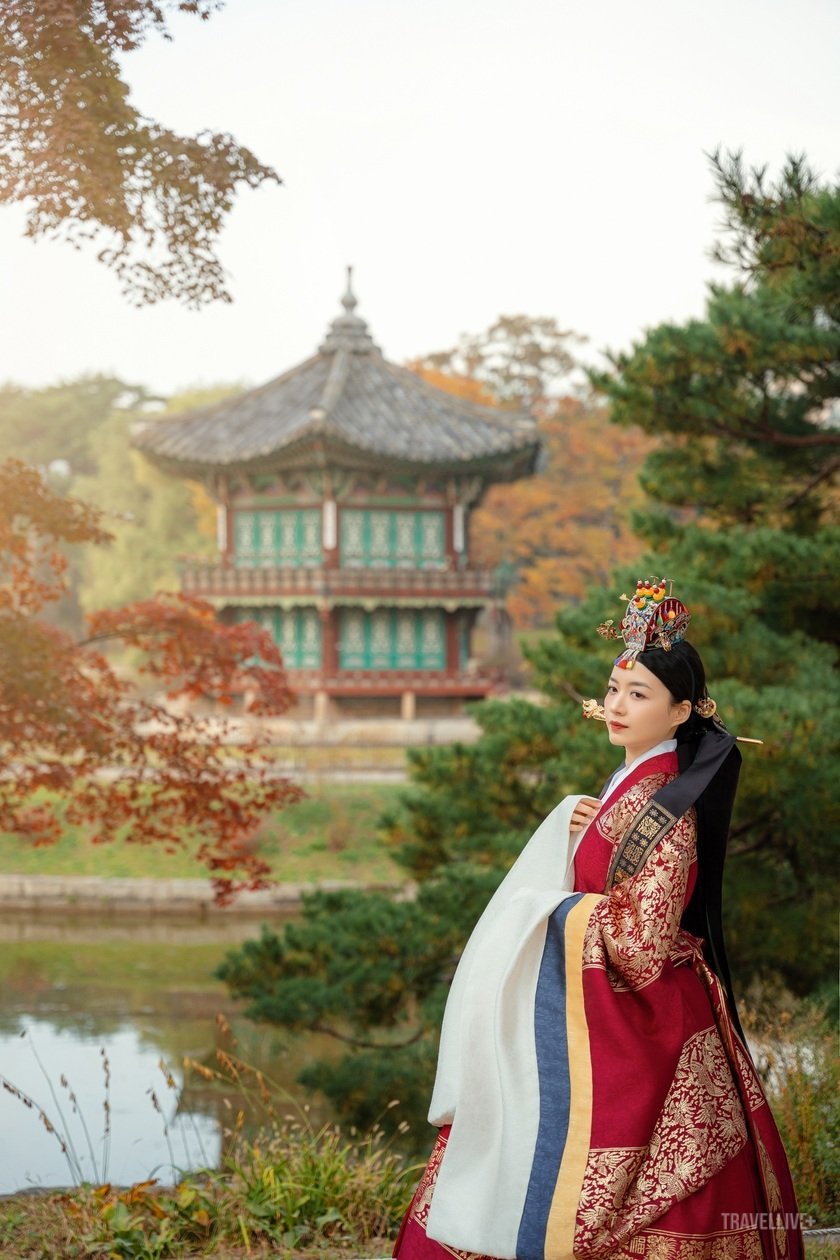
Leaving Gyeongbokgung Palace, I followed the cobblestone alleys to Bukchon Hanok Village – an ancient village nestled quietly in the heart of the city. Without a tour or a map, I simply followed my intuition and stumbled upon moss-covered walls, slightly ajar wooden windows, and roofs nestled beneath rows of red maple trees.
Bukchon is not noisy. Despite being in the heart of the city, it retains a peaceful atmosphere, like a garden specially preserved for those patient enough to discover it at a leisurely pace. I saw a different Seoul, not through signs or skyscrapers, but through the gentle lines of the hanok tiled roofs, through the wooden windows peeking through with warm yellow lights, and even through the lime-washed walls that have faded with time.
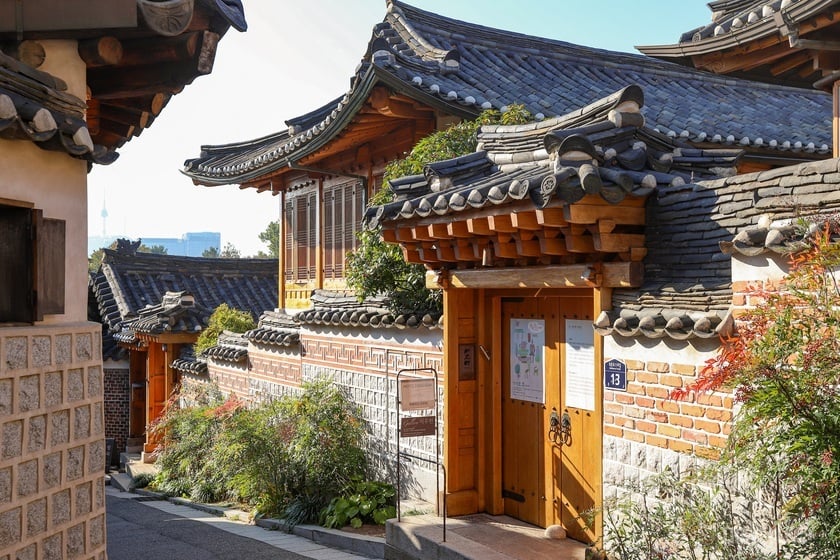
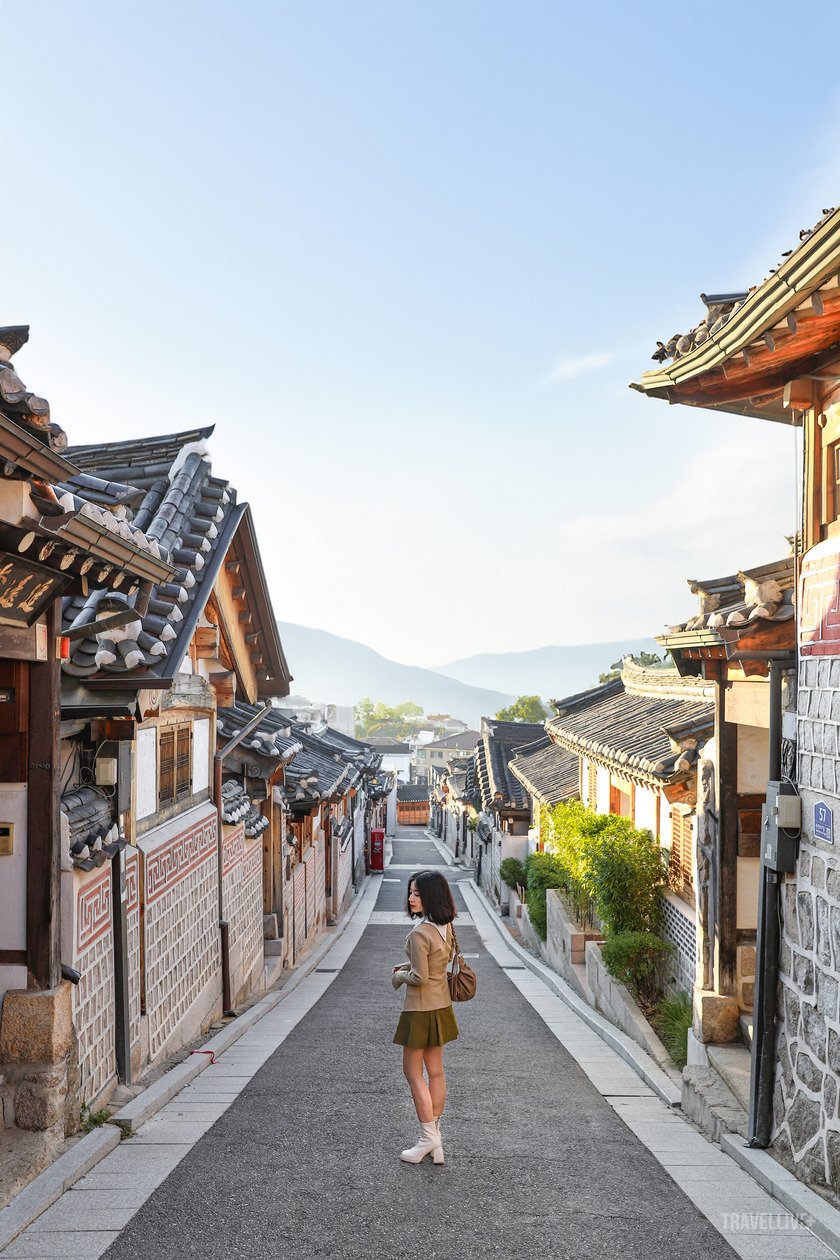
Bukchon Hanok Village – a tranquil ancient village nestled in the heart of the city.
RAKKOJAE SEOUL MAIN HANOK
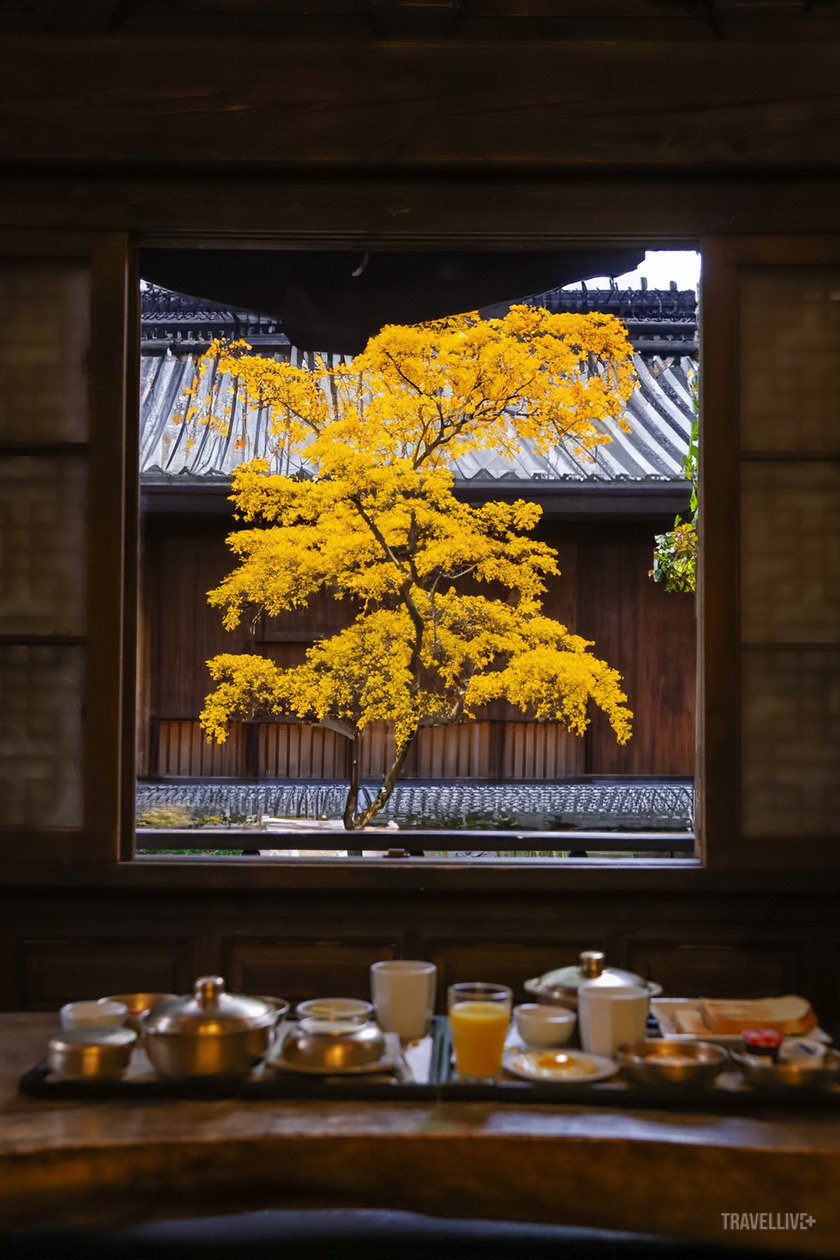
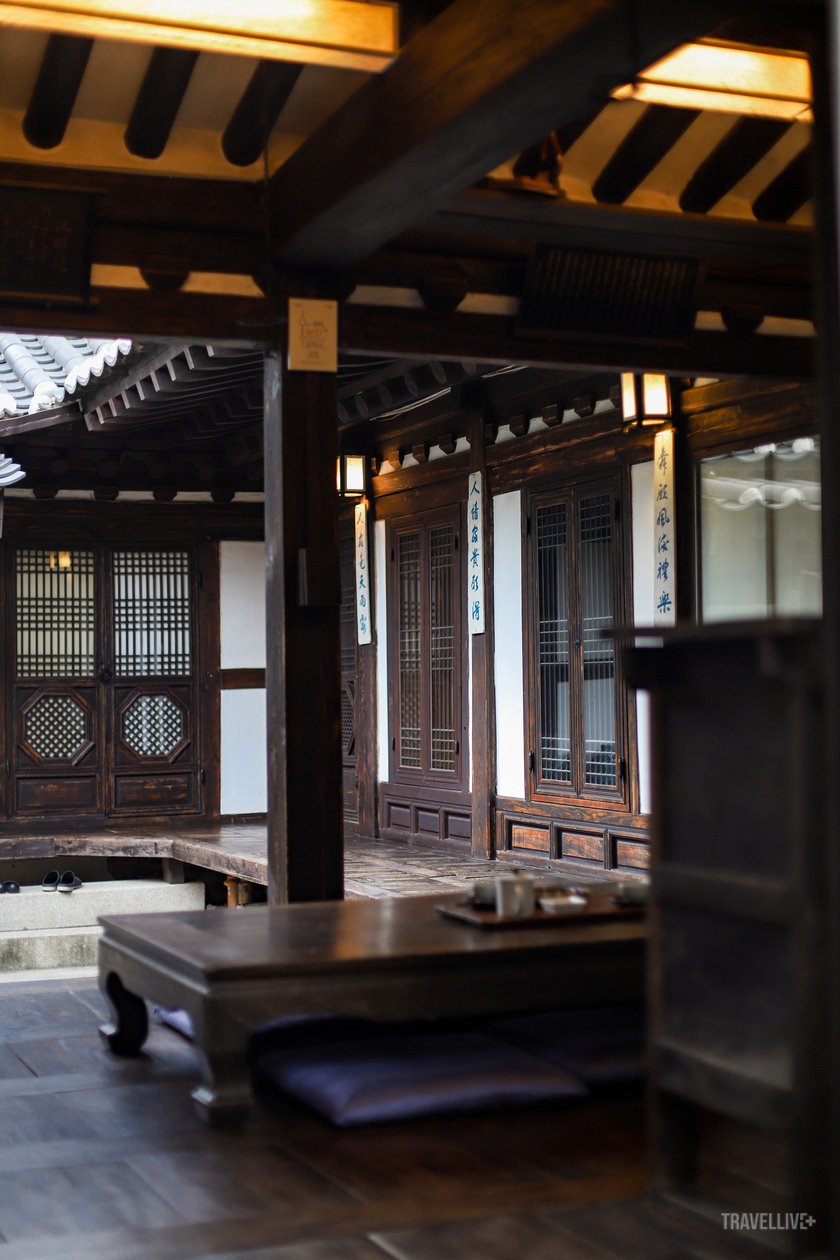
I spent a night at Rakkojae – an ancient hanok (traditional Korean house) restored into a traditional resort. Without the glitz and glamour of a 5-star hotel, Rakkojae offered something different: no elevator, no TV screen, just paper sliding doors, ancient tiled roofs, and cool, dark brown wooden floors. The night at Rakkojae was so quiet I could hear the wind rustling through the roof, the soft tapping of bamboo against each other in the courtyard. Perhaps it had been a long time since I'd heard those sounds – the most authentic, yet also the most easily forgotten, sounds amidst the hustle and bustle of the city.
Breakfast here is simple yet beautifully presented. A small wooden tray with rice, seaweed soup, a few seasonal vegetables, and a bowl of mildly spicy kimchi. Each dish seems arranged to encourage a slower pace of life and deeper appreciation of the flavors.

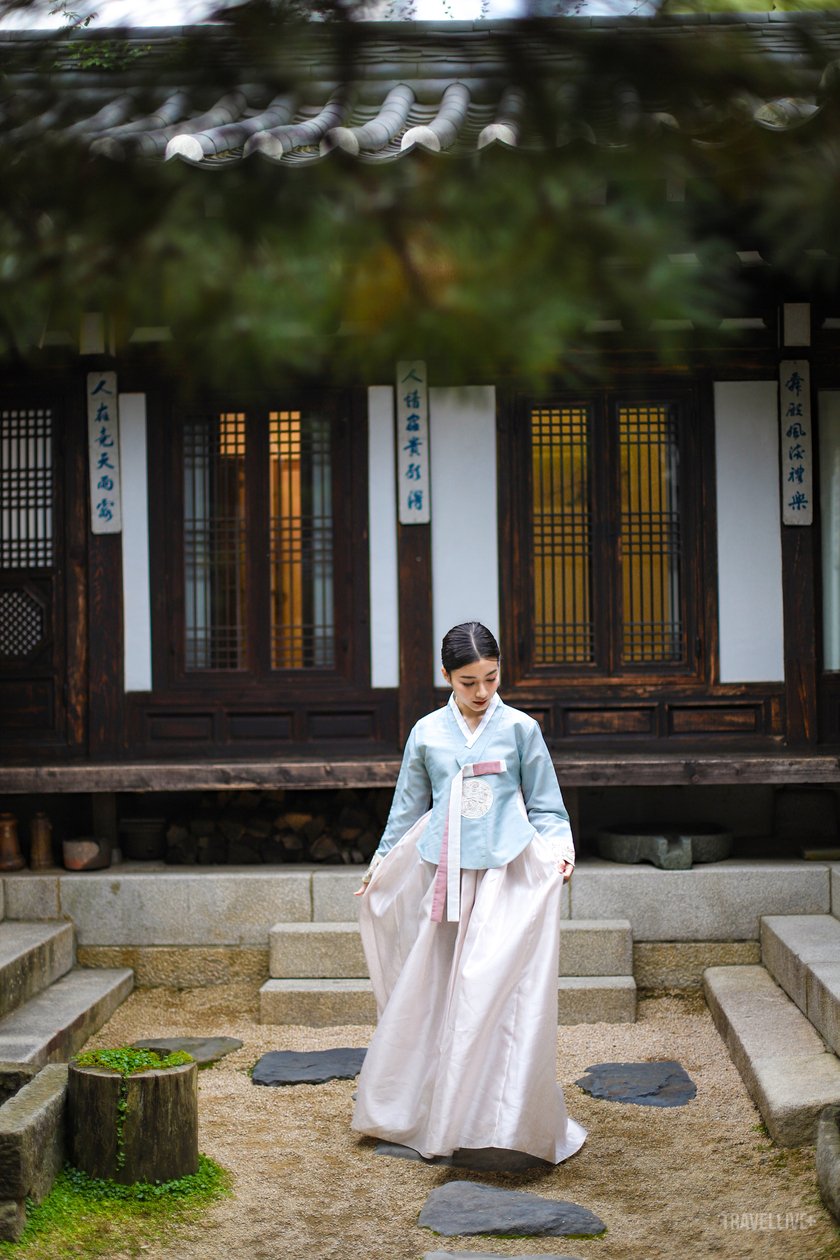
Rakkojae is an ancient hanok (traditional Korean house) that has been restored and transformed into a traditional resort.
EUNPYEONG HANOK VILLAGE
The following day, I traveled a little further northwest of Seoul, about 40 minutes, to Eunpyeong Hanok Village, which seemed to be outside the hustle and bustle of the city. If Bukchon was like an ancient book stained with the colors of time, Eunpyeong resembled a freshly written letter – neat, tidy, and imbued with a profound, modern way of life that hadn't lost its connection to nature and tradition.
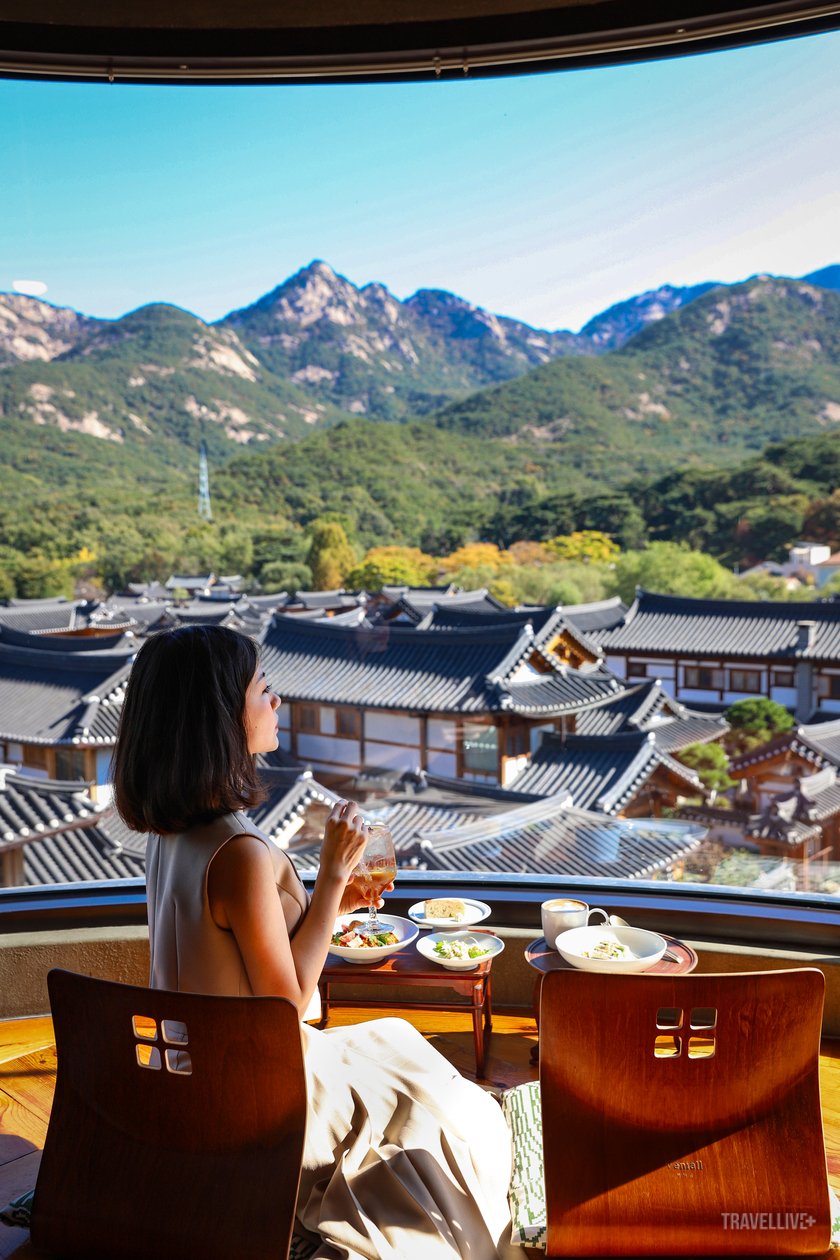
Nestled at the foot of Bukhansan Mountain, Eunpyeong is a harmonious blend of contemporary hanok architecture and refreshing natural scenery. The traditional tiled-roof houses, with their simpler lines, are more airy and bright, no longer a nostalgic relic of the past, but a present recreated with reverence. Walking through the village, I heard the wind rustling through the trees and the gentle tinkling of wind chimes from the eaves of a house along the road.
Eunpyeong doesn't cling to the past, nor does it rush after the present; it stands in the middle ground—calm enough to make you want to stay, yet fresh enough to make you feel like you're stepping into something different, light yet evocative.
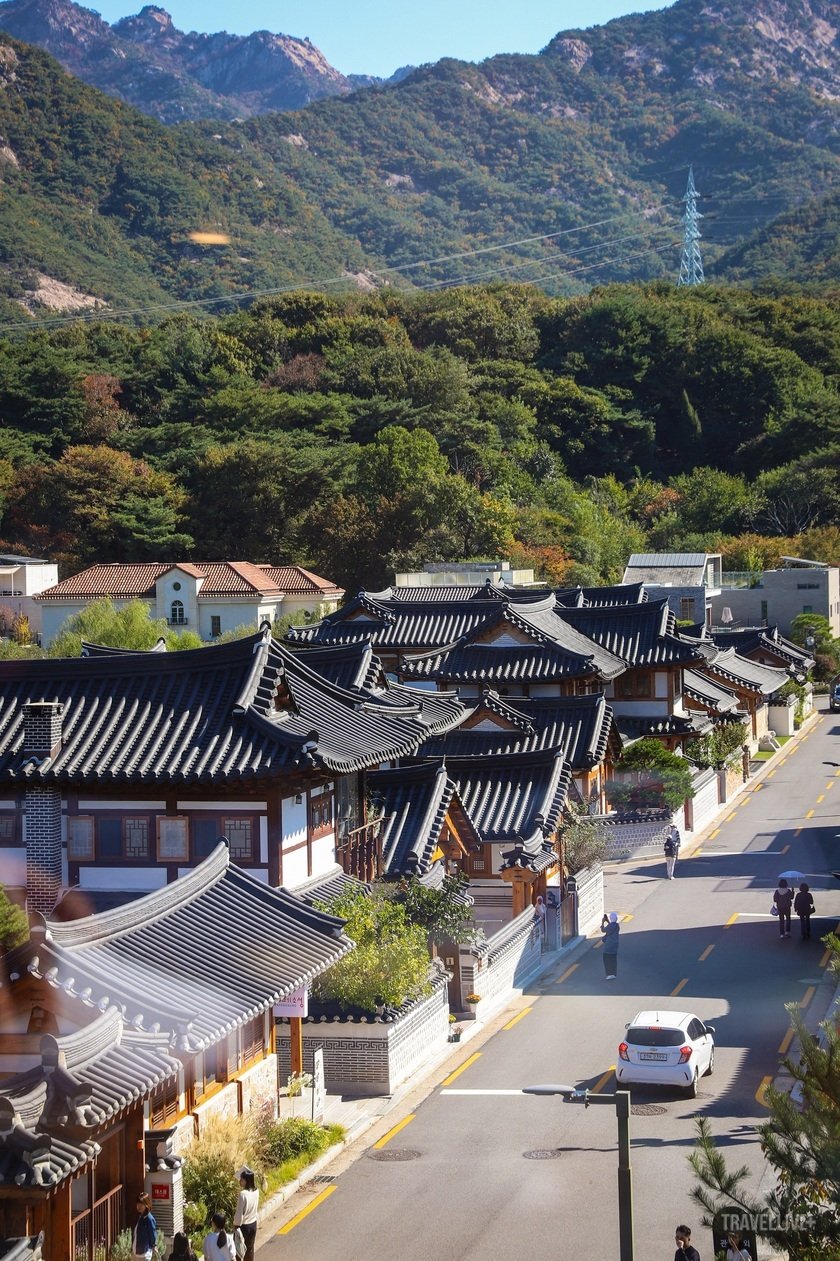
Eunpyeong is like a world of its own – modern hanok houses blending seamlessly with nature, Buddhist temples, and forests.
SEOUL THROUGH THE WINDOW
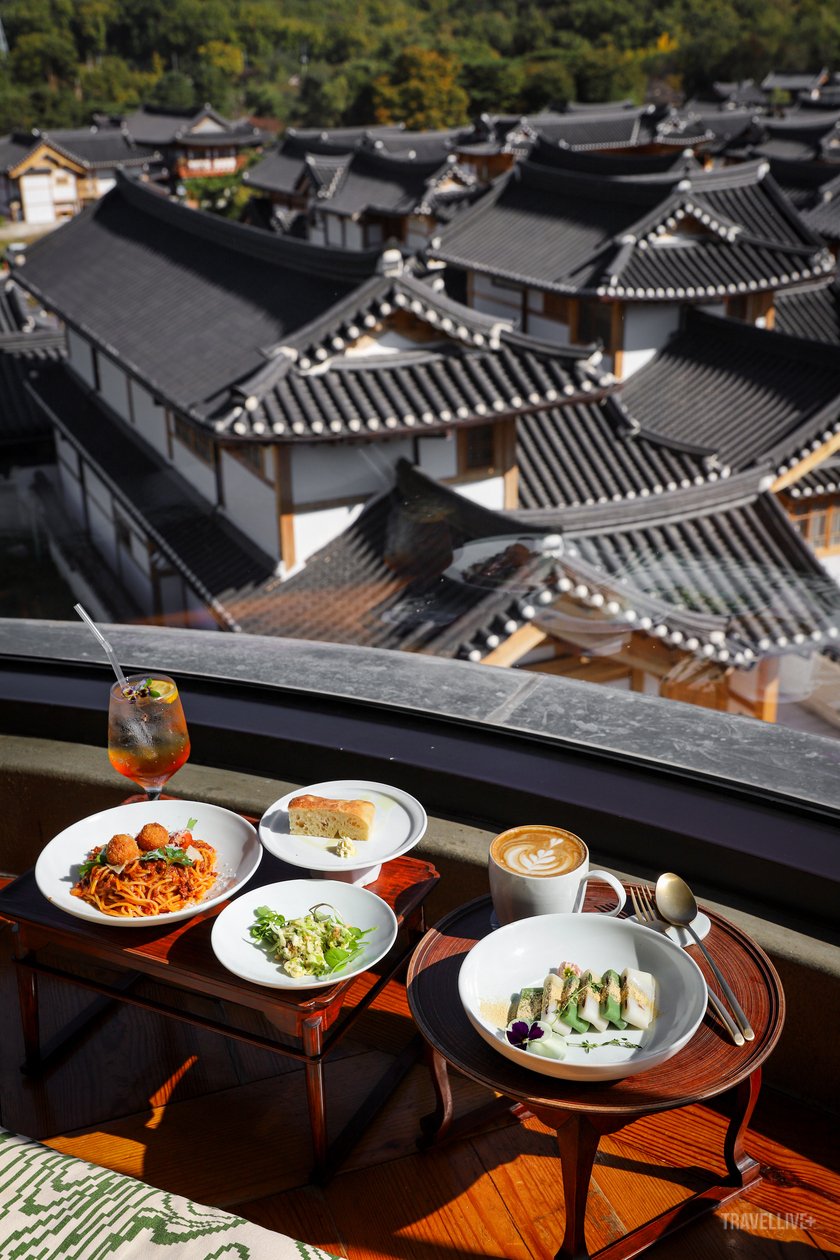
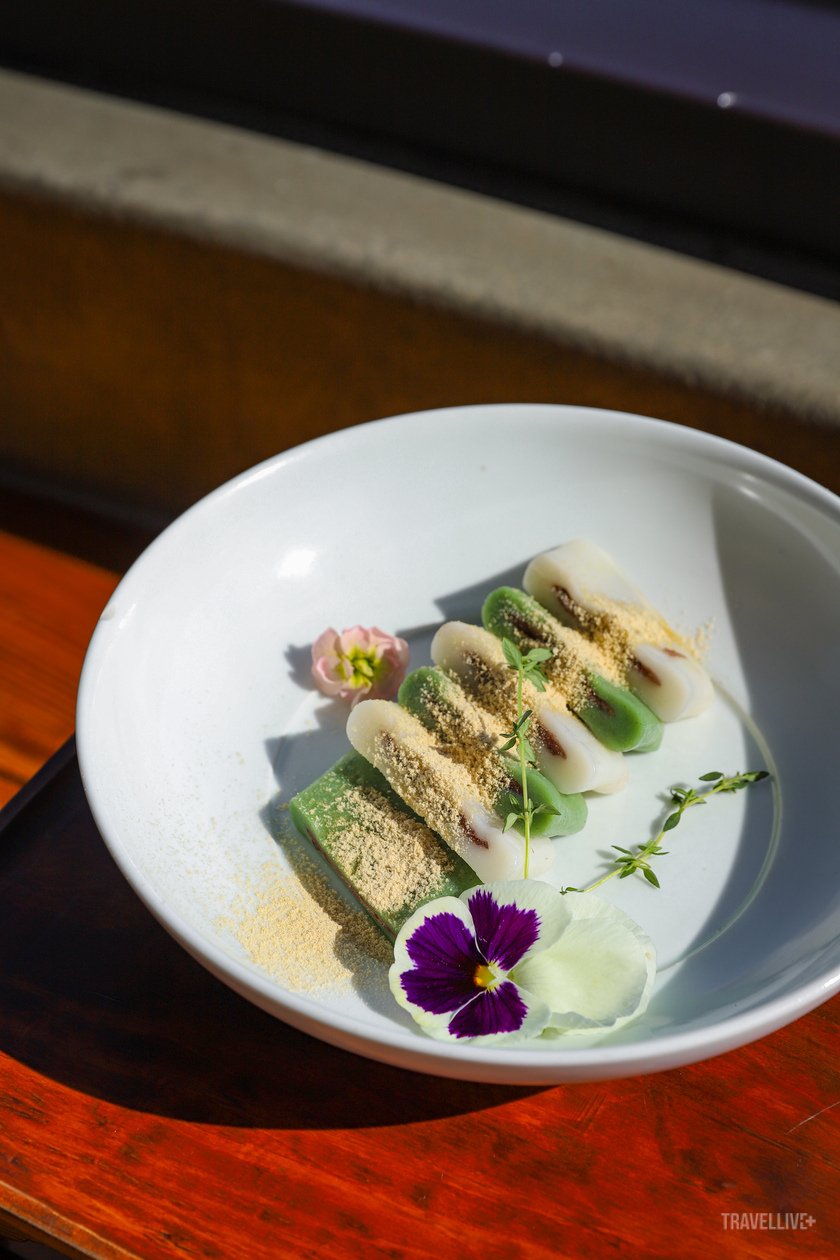
That afternoon, I visited Woo Mool Zip – a small restaurant nestled on a gentle slope, quiet and bathed in light. Large glass windows opened onto a serene expanse of sky, where golden leaves drifted slowly in the breeze, as if also enjoying a leisurely lunch. I chose a seat near the window, so I could enjoy my meal while quietly watching Seoul unfold in its rare moment of slowness. A steaming bowl of clam soup was served in a stone pot, its aroma fresh and cool, just like the city's atmosphere during this transitional season – light yet full of flavor.
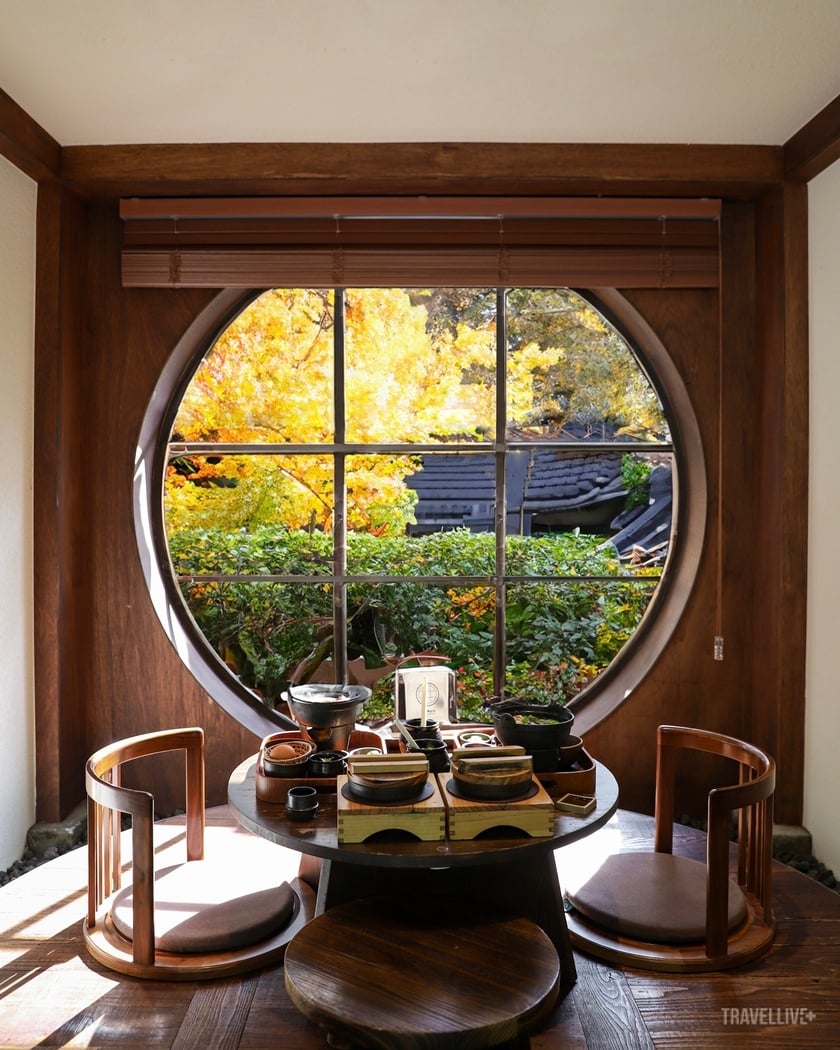
Romantic Seoul through the window
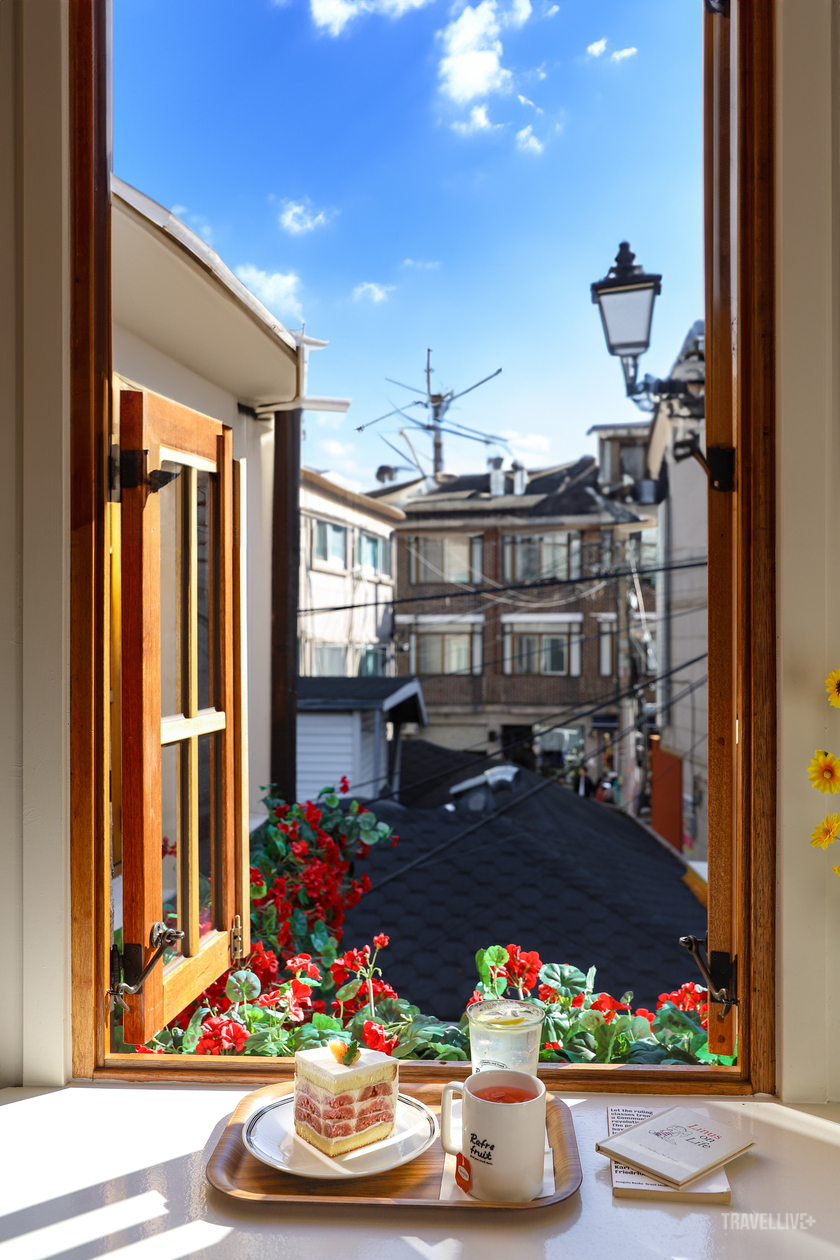
The cake is adorned with sweet figs.
Seoul these days also captivates me with a very Korean habit: café hopping. I chose Rafre Fruit, a small café tucked away in a quiet alley, specializing in a single seasonal pastry, based on the fruit at its peak. The season I visited was fig season. The tiny, delicate cake with its light, fresh cream frosting, adorned with thin slices of fig, was both pure and meticulously crafted, making me want to admire it for a long time before tasting it, as if I didn't want to disturb its fragile beauty. The café is small, tastefully decorated, and cozy, like the kitchen of a friend who knows how to appreciate beauty in just the right amount.
STARFIELD LIBRARY SUWON
Before leaving Seoul, I visited the Starfield Library in Suwon – a bookstore nestled in the heart of a shopping mall. The towering bookshelves reached the ceiling, and the warm lighting illuminated each page, creating an atmosphere reminiscent of a meticulously staged film set. I sat there, not reading anything – simply to feel like I was in a city where books, architecture, and emotions could coexist in a single rhythm.
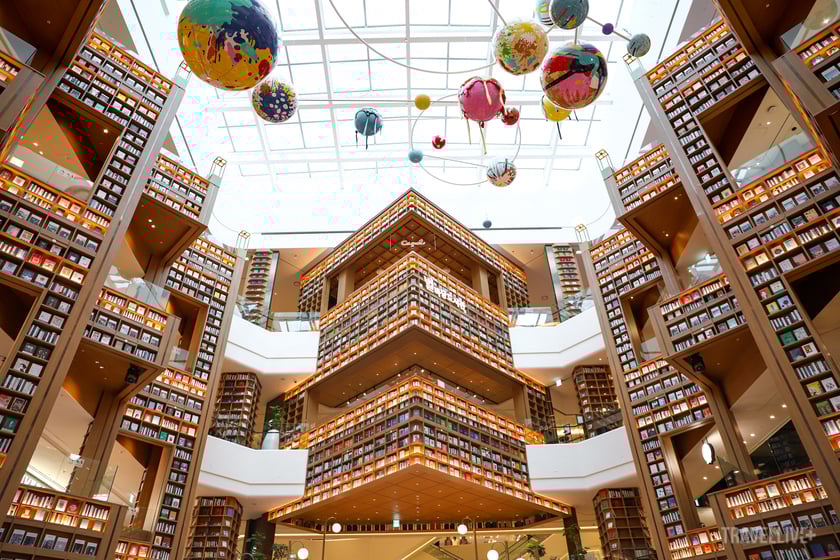
Starfield Library in Suwon – a building that serves as both a reading space and a popular photo spot.
Before leaving Seoul, I spent an afternoon at the Starfield Library in Suwon, a bookstore nestled in the heart of a bustling shopping mall, yet strangely tranquil. The towering bookshelves seemed to reach the ceiling, and the warm yellow light illuminated each page, creating a scene reminiscent of a meticulously staged film set—modern yet imbued with a dreamy, distinctly Korean atmosphere.