VI
VI


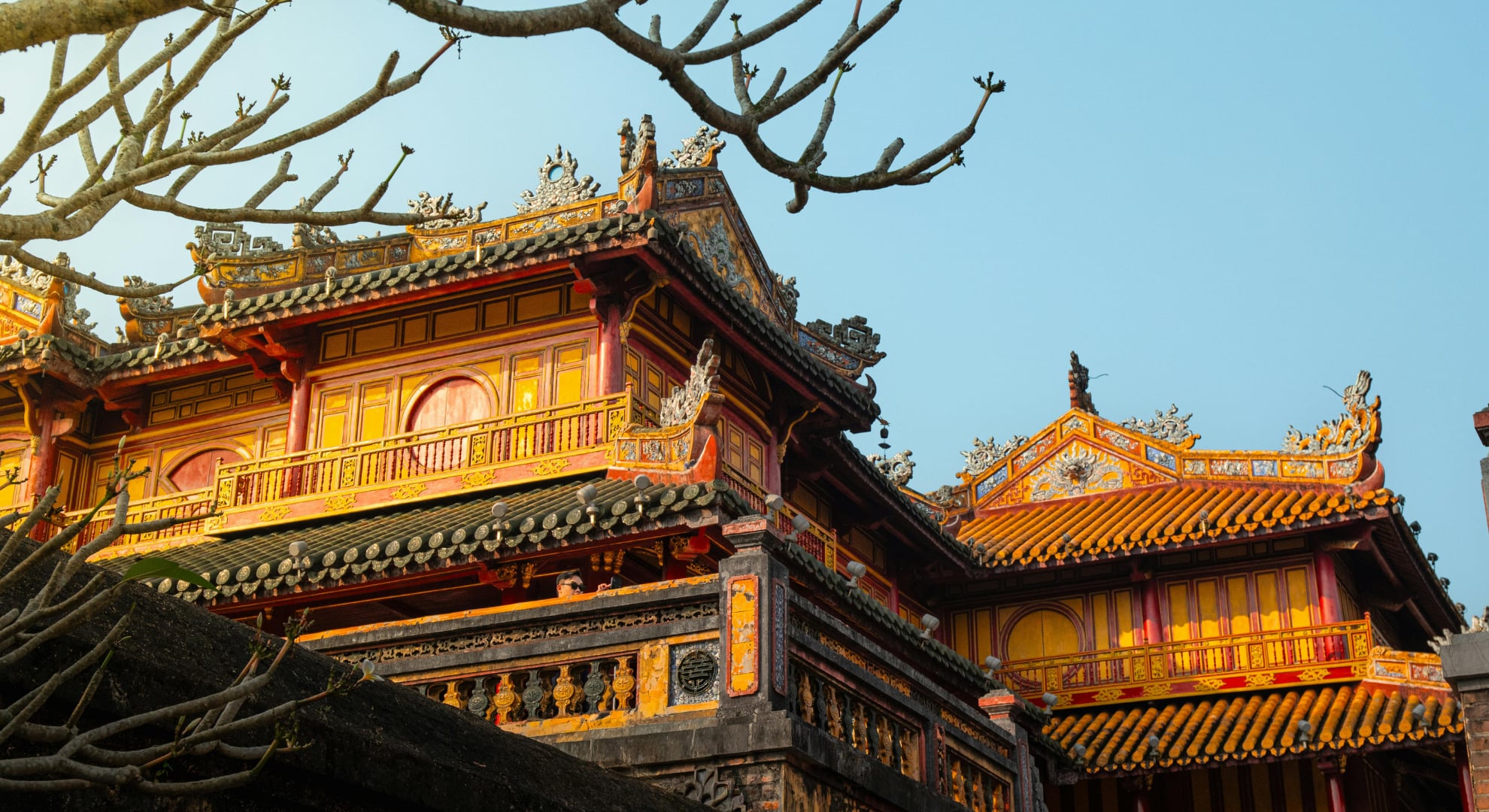
Hue in late June felt like a giant furnace. Thermometers at many locations throughout the city reached 39 degrees Celsius, and in some places even exceeded that figure. According to the Hue City Meteorological and Hydrological Station, this was a widespread heatwave with intensity ranging from severe to extremely severe, with maximum temperatures commonly fluctuating between 35 and 39 degrees Celsius.
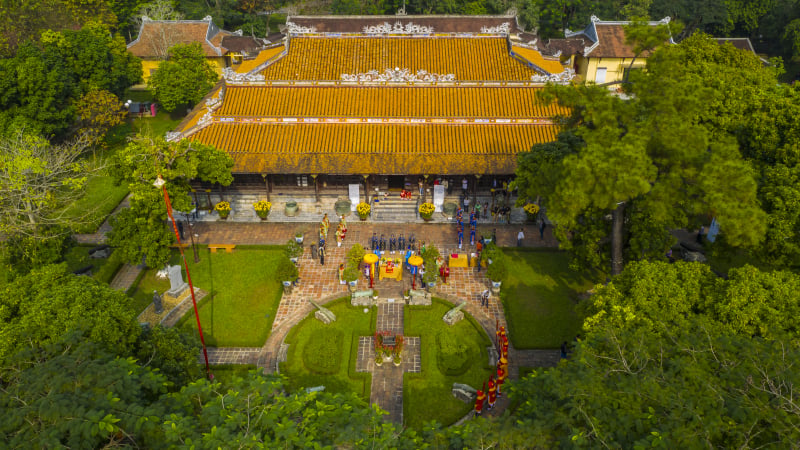

Against this backdrop, millions of tourists are still flocking to the ancient capital during Vietnam's "golden season." The Hue Ancient Citadel Conservation Center has proactively issued a notice reminding tourists to take precautions to protect their health throughout their visit. These weather conditions not only affect the health of local residents but also pose a significant challenge to thousands of tourists participating in heritage tours in Hue.
In response to this situation, the Hue Imperial Citadel Conservation Center has proactively coordinated with relevant units to provide specific guidelines to help tourists have a safe and fulfilling trip. The Center particularly emphasizes maintaining physical fitness through adequate hydration; tourists are advised to drink water frequently, even when not feeling thirsty, to replenish fluids lost through sweat.
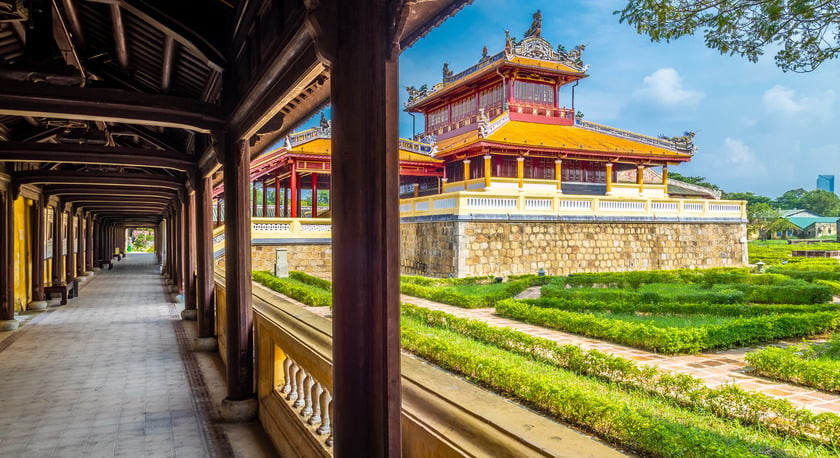
Hue has been experiencing intense heat for several consecutive days, with temperatures commonly ranging from 35 to 39 degrees Celsius.
In addition, to avoid the direct impact of ultraviolet rays and high temperatures, tourists should prioritize scheduling their visits for early morning or late afternoon. This not only helps avoid the harsh midday sun but also allows visitors to enjoy the heritage site in a more relaxed and peaceful manner.

In addition, being well-equipped with personal items such as breathable clothing, wide-brimmed hats, sunglasses, umbrellas, hand fans, or wet wipes are considered essential "weapons" to protect oneself from the negative effects of the weather.
Hue has long established itself as a leading destination on Vietnam's tourism map, known as the "land of heritage." In 1993, the Complex of Hue Imperial City Monuments was honored to become Vietnam's first World Heritage site, inscribed on the UNESCO World Heritage List. For over 30 years, that title has remained a magnet attracting both domestic and international tourists.
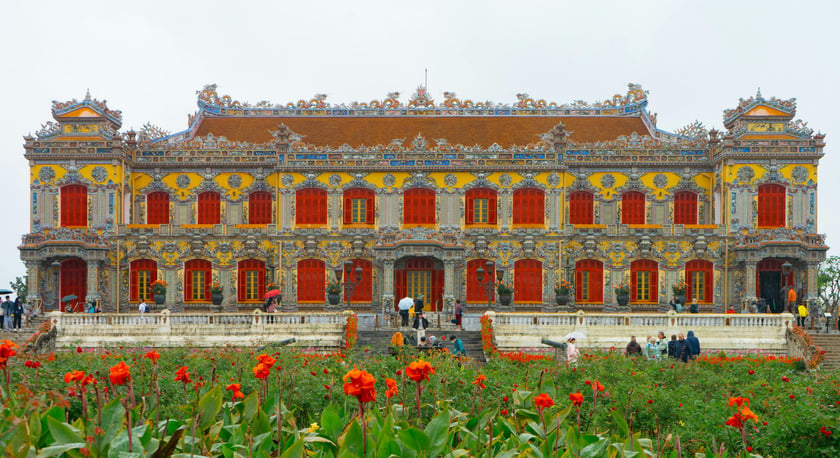
Despite the scorching summer heat, tourists still flock to visit the heritage sites.
Currently, the Hue Imperial Citadel Conservation Center is responsible for managing and preserving 13 important historical sites such as: the Hue Imperial Citadel, Khai Dinh Mausoleum, Gia Long Mausoleum, An Dinh Palace, Hon Chen Temple, Nam Giao Altar, Hai Van Pass... The appeal of these sites is undeniable, especially in the context of Hue's tourism industry recording impressive growth figures.
In reality, the appeal of Hue tourism stems not only from its heritage sites but also from the surge in visitor numbers. In the first five months of 2026, Hue city welcomed nearly 3.6 million visitors, generating estimated tourism revenue of approximately 8,300 billion VND, a 1.7-fold increase compared to the same period the previous year. Images of crowds at tourist attractions, constantly circulating on social media with comments like "half of Vietnam is in Hue," partly demonstrate the attractiveness of this destination.
Prior to that, 2025 also witnessed a strong breakthrough with approximately 6.3 million visitors, a 61.5% increase compared to 2024, creating a solid foundation thanks to the vibrant activities within the framework of the National Tourism Year.
In 2025, Hue is expected to welcome approximately 6.3 million visitors, a 61.5% increase compared to the previous year.
To maintain its momentum and continue attracting tourists, Hue continues to organize a high frequency of cultural events, from unique art programs within the framework of the Hue Festival to annual cultural activities taking place throughout the year. This is a long-term strategy aimed at realizing the goal of having the Department of Tourism and the People's Committee of Hue City rank among the top 5 localities nationwide in the Provincial Tourism Development Index by 2030.
According to the master plan, the city will focus strongly on improving the quality of professional tourism human resources, promoting digital transformation in the tourism sector, perfecting the digital database system, diversifying tourism products, and continuously enhancing the competitiveness of the ancient capital as a destination on the international stage.
Combining sustainable tourism development with protecting the health of tourists is key to Hue maintaining its position as a "safe, friendly, and attractive destination" in the hearts of domestic and international tourists.