VI
VI


Text and photos:Little Mousse
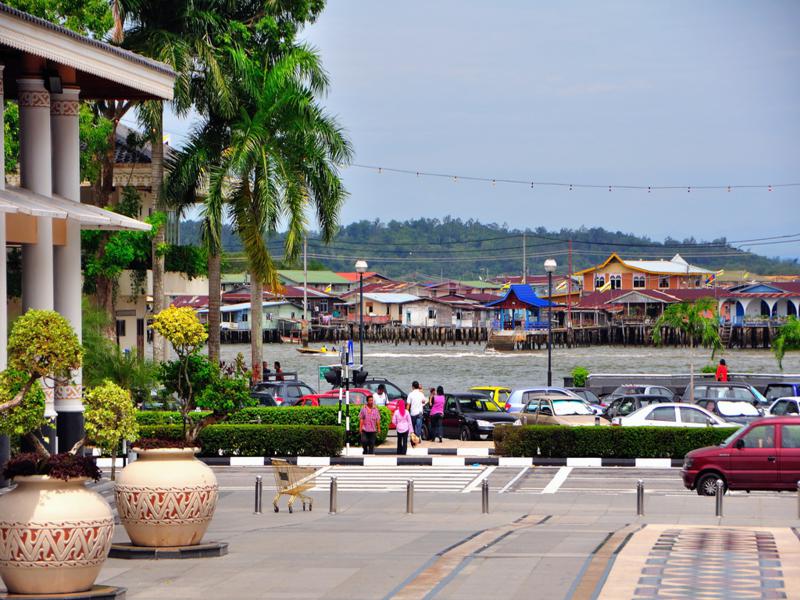
The ferry was sparsely populated, with long rows of clean seats. After more than an hour, we arrived in Brunei. Taking advantage of the daylight, we immediately visited the famous Sultan Omar Ali Saifuddien Mosque, located in the heart of the capital, Bandar Seri Begawan. This magnificent mosque is open from Sunday to Wednesday, 8:00 AM to 5:30 PM. Visitors must remove their shoes before entering, and women are required to wear a veil. In the evening, the mosque is illuminated by white lights, creating a magical and enchanting scene. But I was most impressed by the view of the mosque from the floating village of Kampong Ayer.
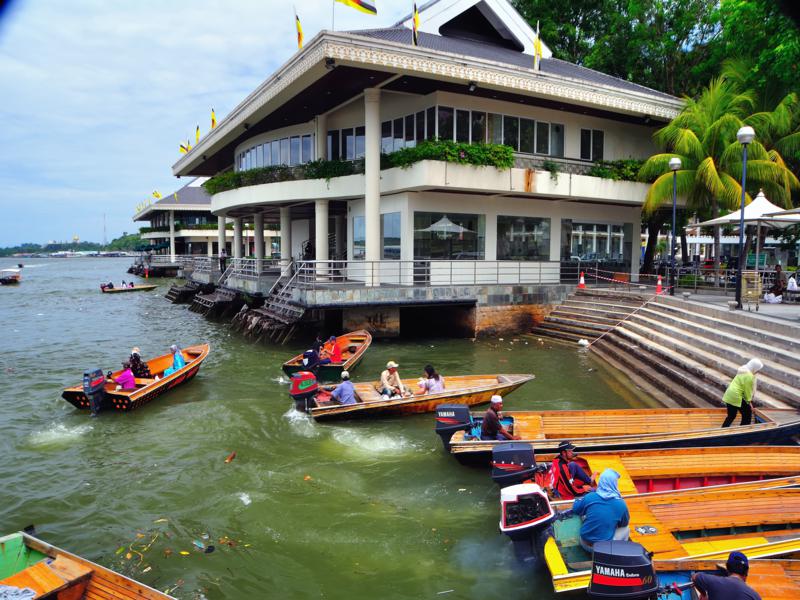
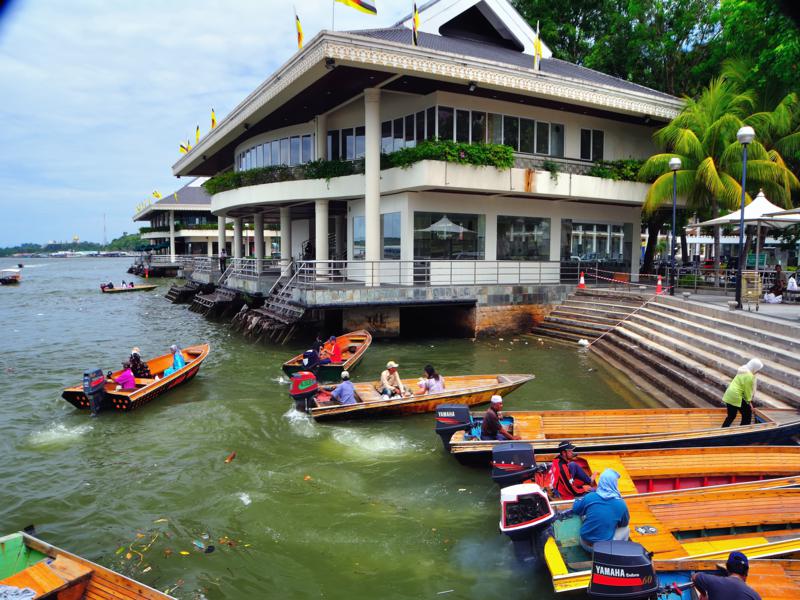
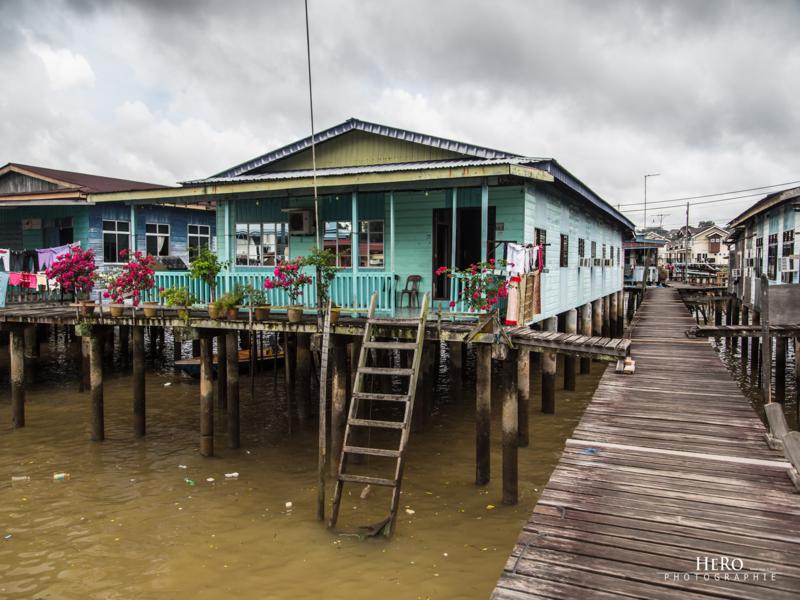
While cruising on a boat with friends and exploring the world's largest floating village, the glorious sunset made the church stand out even more. Kampong Ayer, a floating village, covers an area of over 10 square kilometers and is home to approximately 30,000 residents across 42 villages along the Brunei River. This 1500-year-old village captivates visitors with its traditional stilt houses, schools, train stations, churches, and countless wooden bridges connecting various parts of the village.

There are no cheap guesthouses or hotels in Brunei. You'll have to spend a considerable amount of time to find a place that costs around 10 Brunei dollars per person, with bunk beds, very clean, and with separate bathrooms. In Brunei, men and women are not allowed to sleep together; they are kept separate. You're not even allowed into the men's area if you're a woman, and vice versa, unless you're the other person's partner. Because the country's income and consumption levels are significantly higher than in other countries, finding a place this affordable was a stroke of luck for us. Not to mention, it's very convenient for getting around, being right on the road, just across from the Royal Museum, and a few steps away is the night market with a wide variety of food and drinks.
Tourist attractions in the capital are mostly open from Saturday to Thursday. For example, the Royal Museum, which displays many historical artifacts, is open from 9:00 AM to 4:30 PM, Saturday to Thursday. Meanwhile, the Brunei Historical Centre, located right next to the museum, is open Monday to Thursday and Saturday, from 7:40 AM to 4:30 PM. The Brunei Museum in Kota Batu, the largest museum in Brunei, is also open from Thursday to Saturday from 9:30 AM to 5:00 PM. The Royal Palace, the residence of the Sultan and currently the largest palace in the world, is only open to visitors during the Islamic New Year – Hari Raya (around July each year). Therefore, if you visit Brunei during other months, you may only be able to take photos of the palace from the outside.
Unlike Malaysia, with its modest and somewhat restrictive dress code, Brunei is a more open and vibrant country. Along the streets at night, lined with glittering shops and goods, many young Bruneians enjoy the nightlife. Dressed in modern styles, they don't hesitate to hold hands on the street or sit on steps drinking fruit juice, as beer and alcohol are still prohibited in public. It's a modern and colorful image of Brunei.
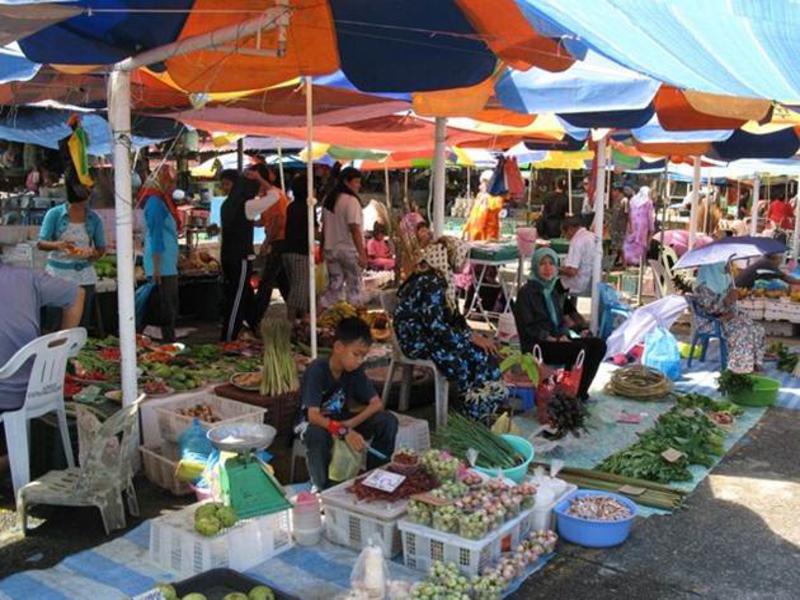
At the clean night market, we enjoyed delicious snacks from the convenient stalls. Feeling incredibly hungry, my friend and I tried a delicious grilled skewer until we discovered it was actually fatty chicken tail. The streets were decorated with colorful flags and flowers. The wide lanes had relatively few cars, and taxis were rare, as there are only about 50 taxis in the entire country, making it quite difficult to find one. Buses also run without designated stops; you can flag one down anywhere on the street and tell the driver where you want to go.
The city tour by bus was quite enjoyable because you can go anywhere for just 3 Brunei dollars. From the bus, you can see beautiful churches with their distinctive golden domes sparkling in the sunlight. The streets are incredibly clean and full of greenery. 24 hours flew by, and we returned to Malaysia by car to catch our flight. It concluded a fascinating tour of Brunei, a small but incredibly wealthy country.
Additional information:
Brunei is a Muslim country with 70% of its population being Muslim. Of these, approximately 16% are of Chinese descent.
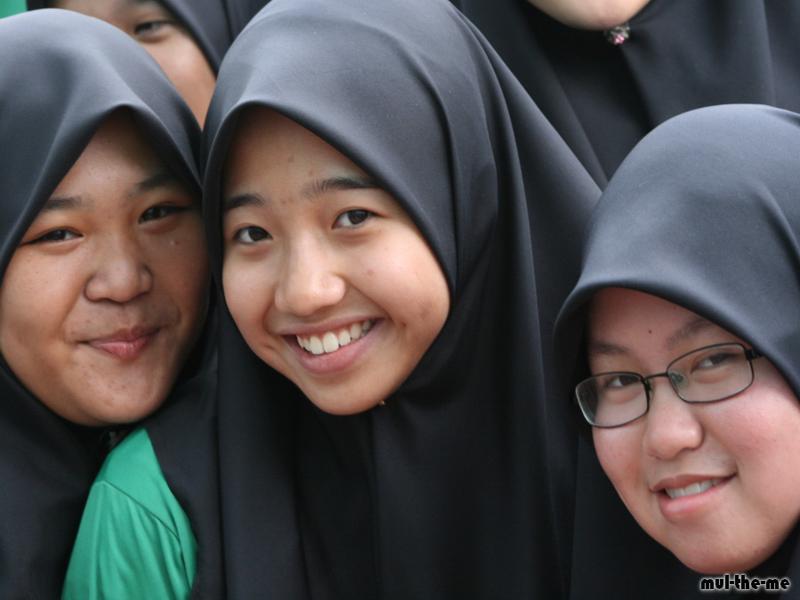
When visiting mosques, you must remove your shoes outside and wash your hands and feet. Avoid walking in front of worshippers while they are praying or touching the Quran. Women must cover their heads with a headscarf, and their knees and arms must not be exposed. There are areas in mosques where women are not allowed.
Bruneians primarily eat halal food, with beef, buffalo, chicken, and seafood as the main ingredients, and use many spices such as curry, cinnamon, and star anise. You can also find Chinese restaurants with suitable flavors at very reasonable prices.
Malay is the primary language, but English is also quite widely spoken in Brunei.
The Brunei dollar (BND) is equivalent in value to the Singapore dollar.
Vietnamese and Bruneian citizens traveling for tourism purposes are exempt from visa requirements for a period of 14 days (effective from August 2007).