VI
VI


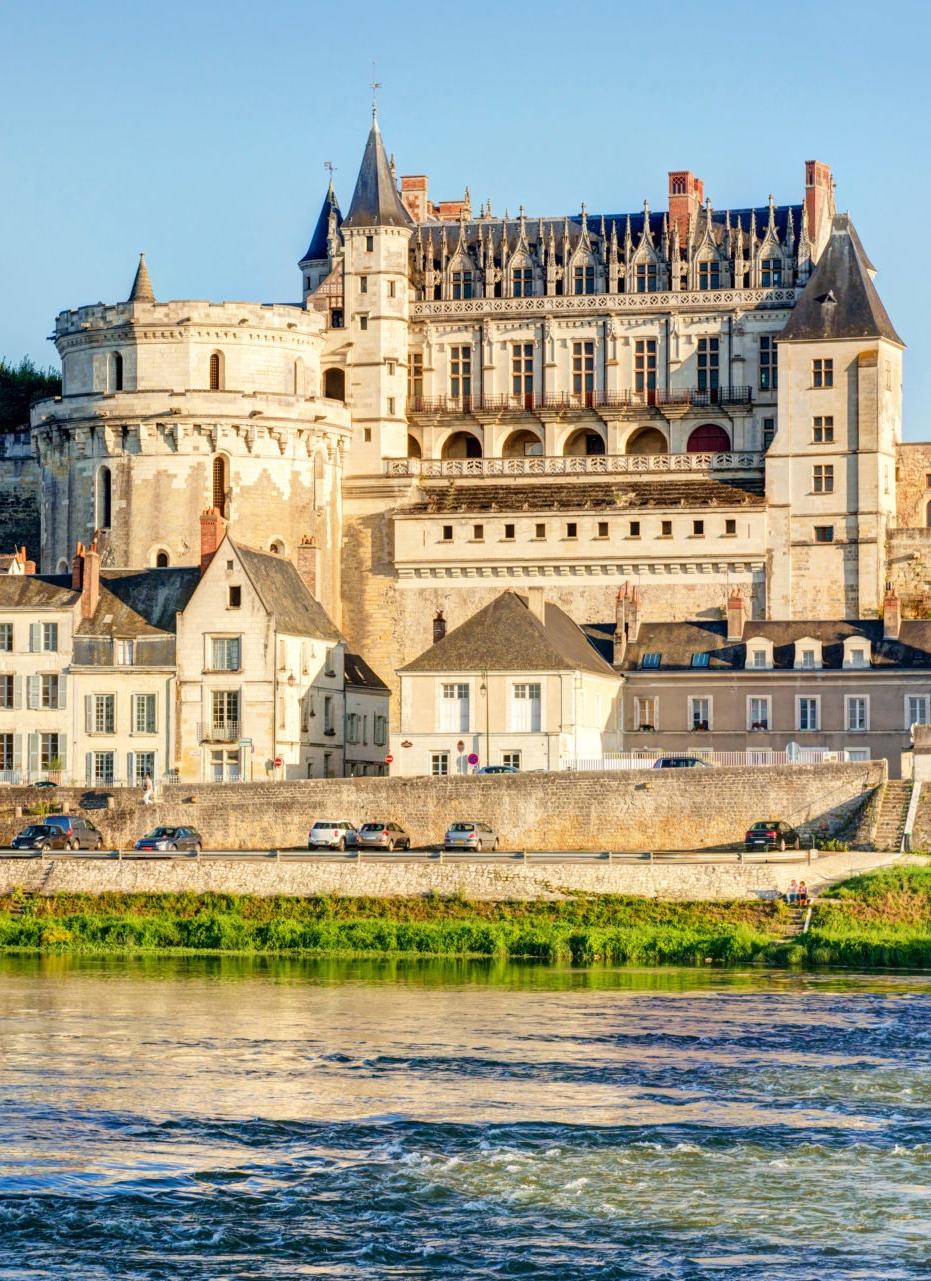
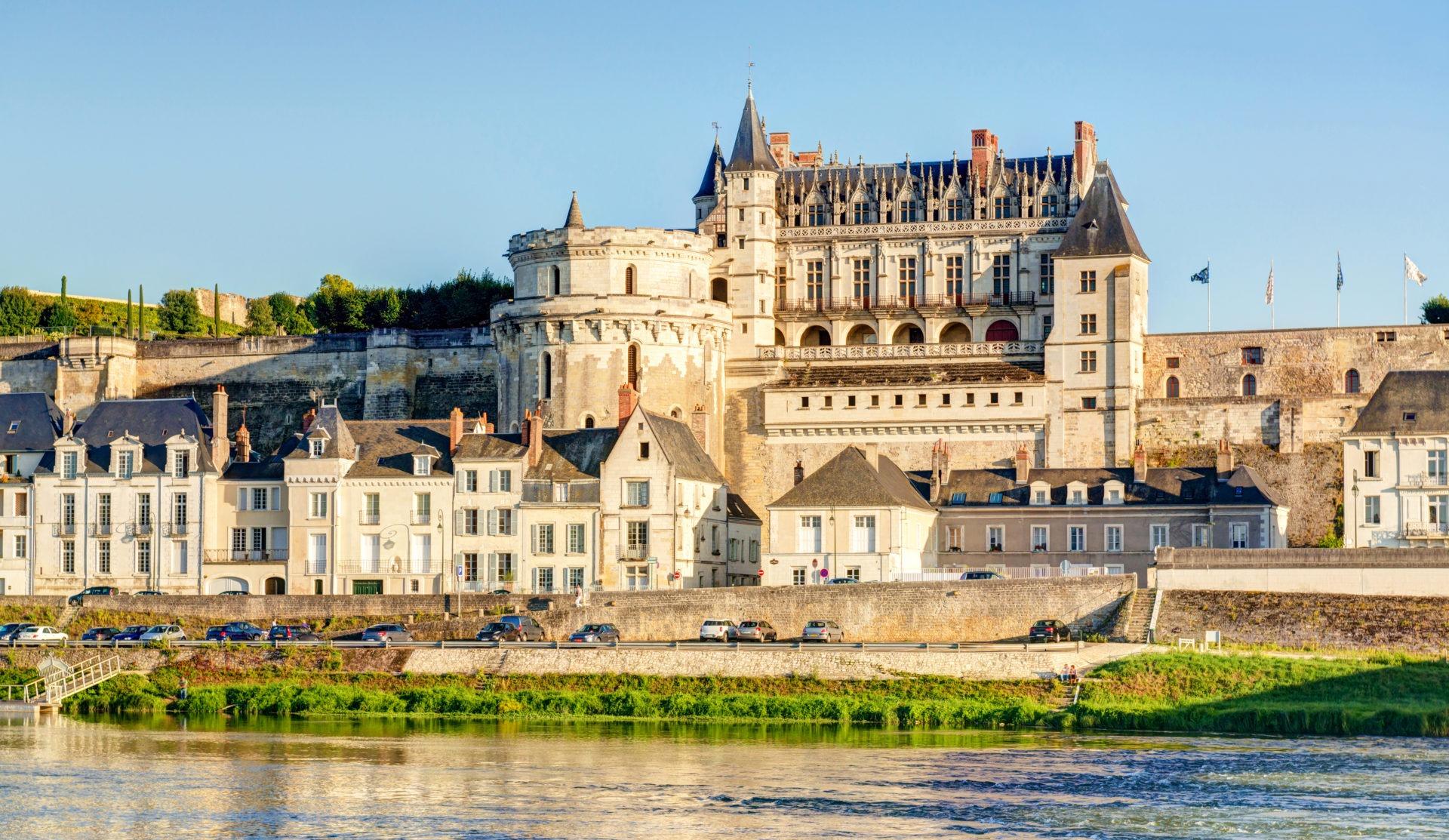
Located on the banks of the Loire River, Amboise Royal Castle is a fortified structure representing the Gothic to Renaissance style, playing a significant role in French history. Built in 1471, it is associated with famous owners and a vibrant period in French history. It served as the residence of all the Valois and Bourbon kings, and was also the site of many important political, economic, and artistic activities. Among its owners, King Francis I, renowned for his love of Renaissance art, brought many artistic influences from Italy to this unusual castle when he invited Leonardo da Vinci to stay at Amboise Castle in 1516. The famous Italian painter lived there until his death in 1519.
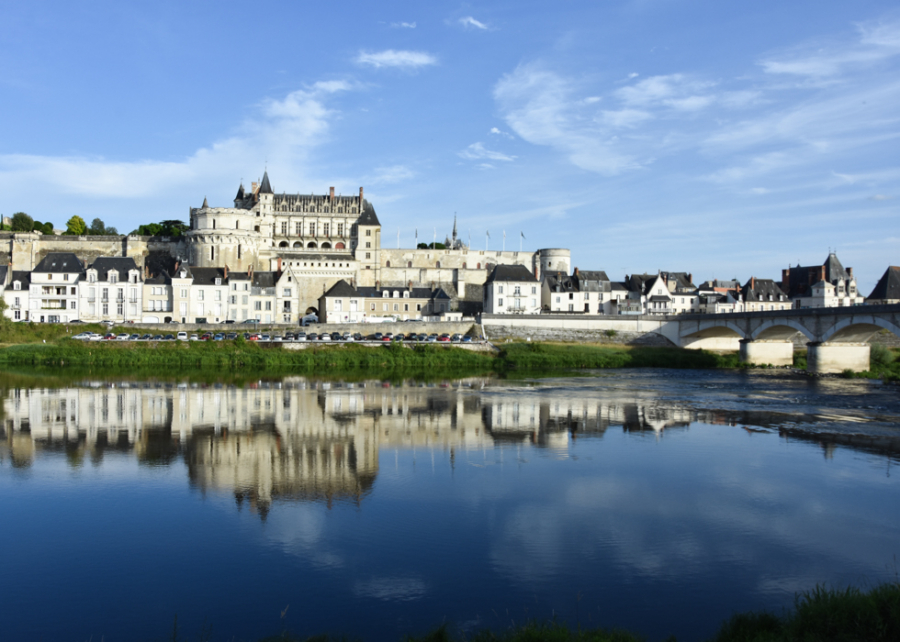
Closely associated with the life and career of the renowned painter da Vinci, Amboise Castle is not only a royal residence but also holds profound artistic and architectural significance. Amboise was one of the cradles of the Renaissance in France, but ultimately declined in the latter half of the 16th century. It was also partially destroyed during the French Revolution but was later restored and renovated in the 19th century, becoming a popular destination for art enthusiasts.
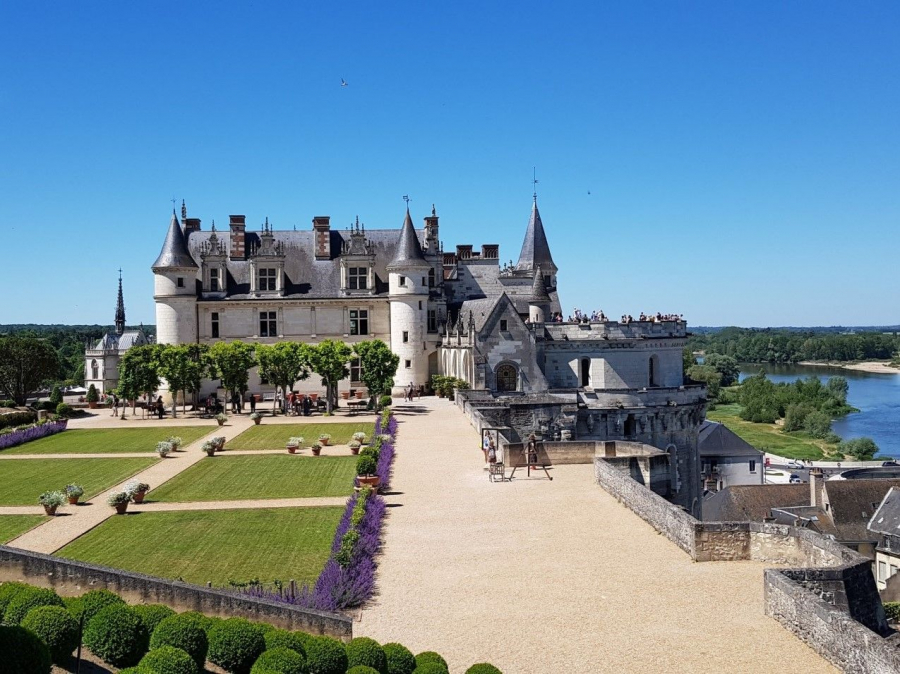
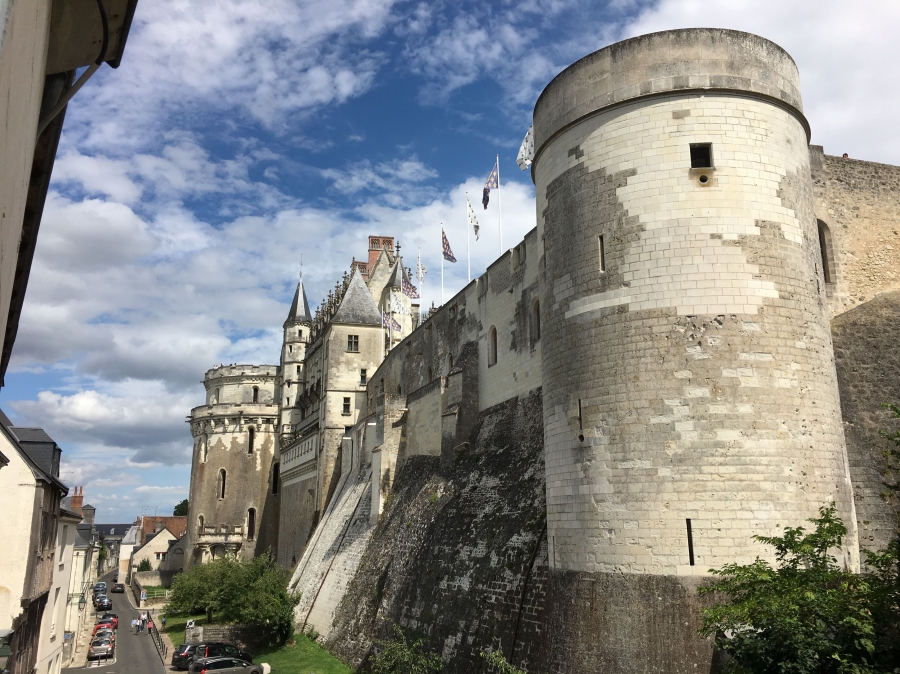
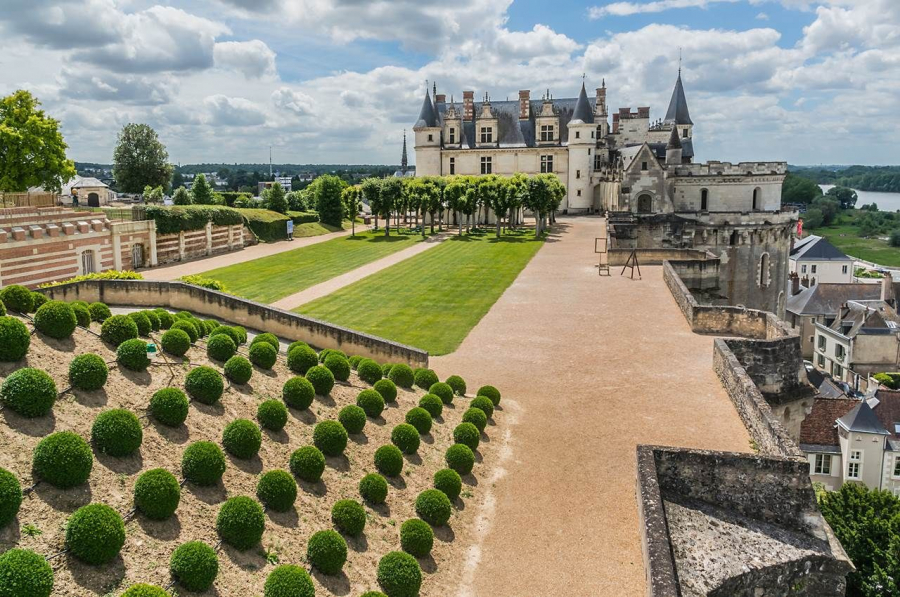
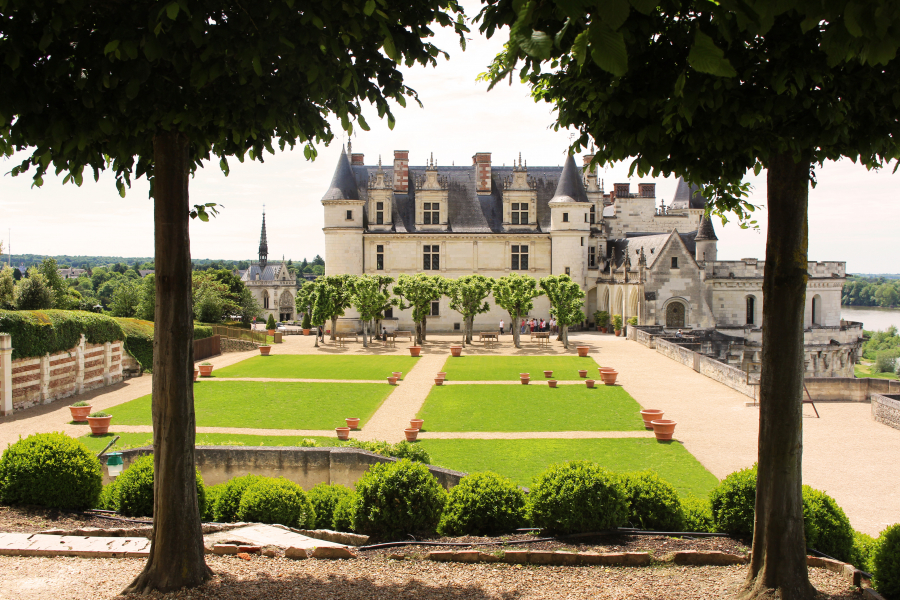
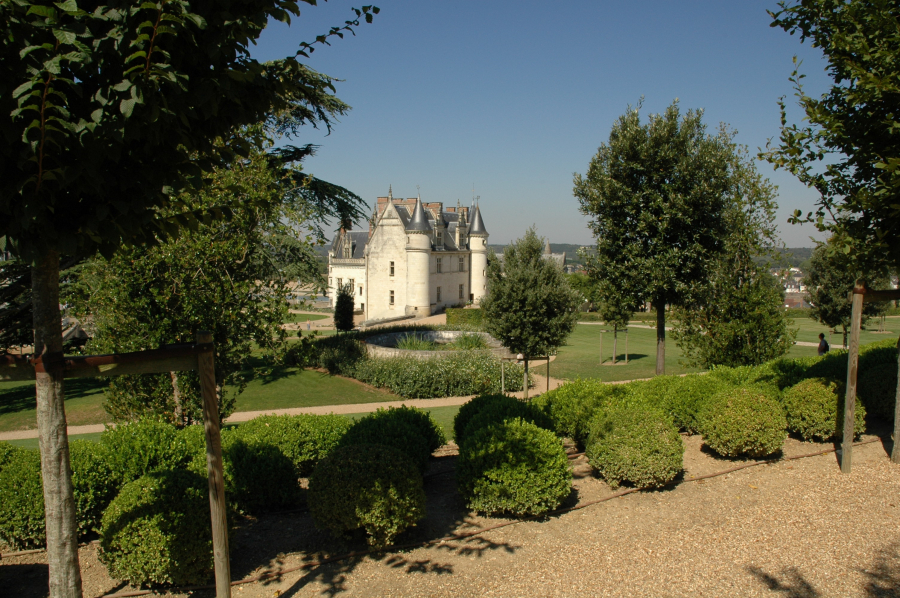
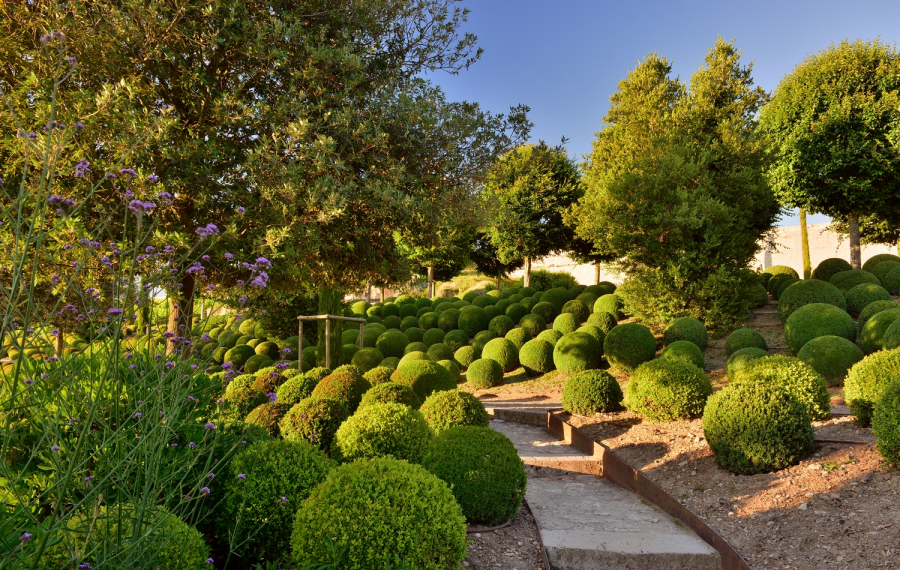
Surrounding the ancient castle are vast gardens, overflowing with greenery, always in perfect harmony with nature, offering a cool and fresh atmosphere. Built on the riverbank, the castle gardens are decorated in an impromptu style, with many variations, exquisite details, and expansive views, especially at sunset and as night falls. The gardens, planted with rosemary, jasmine, laurel, and cedar, unconsciously evoke images of the Mediterranean coast.
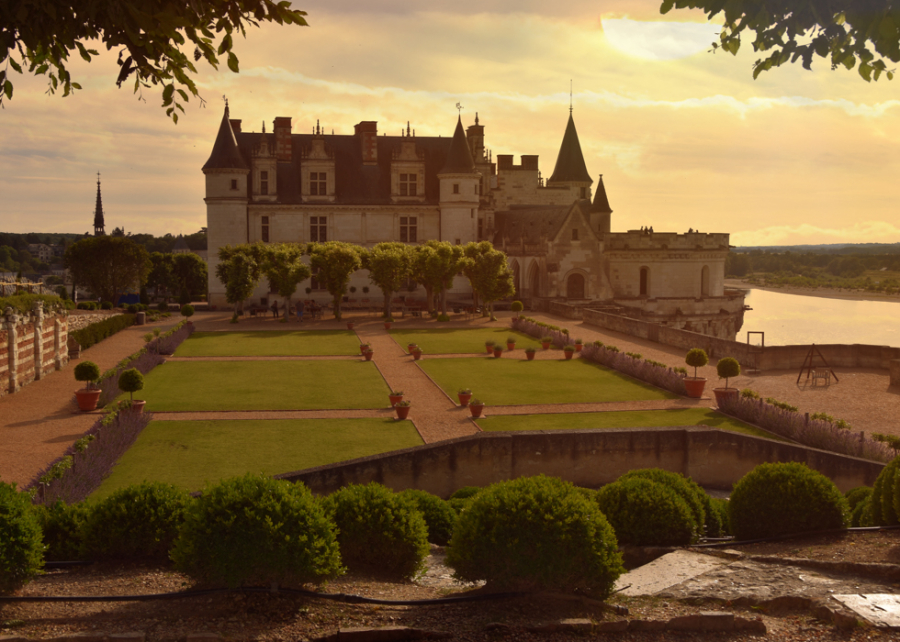
Inside Amboise Castle, many valuable artifacts of the royal family are preserved perfectly and intact, from furniture to paintings, much to the delight of visitors. The castle's decorative motifs are the clearest evidence of the Renaissance art movement. Under the hand of the renowned painter Leonardo da Vinci, this building became a true work of art.
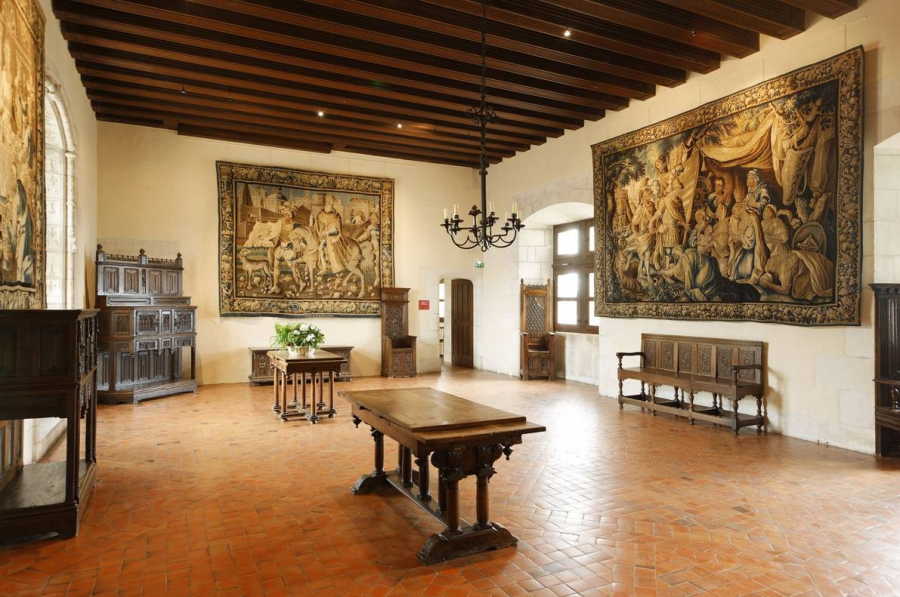
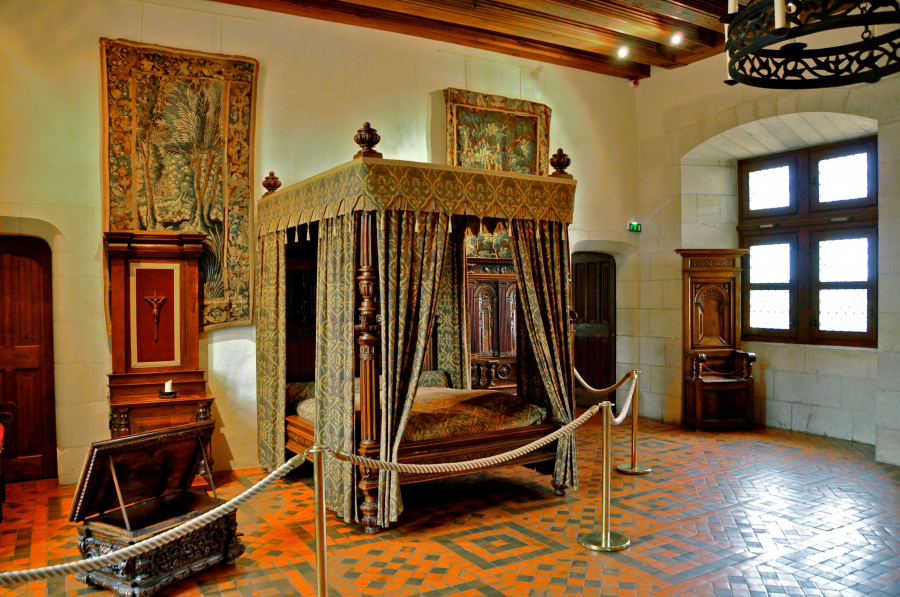
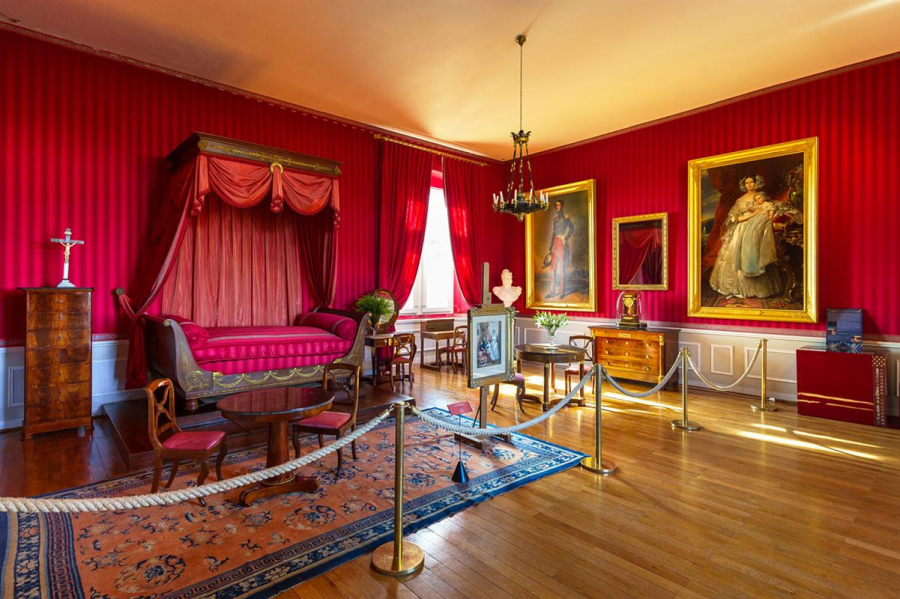
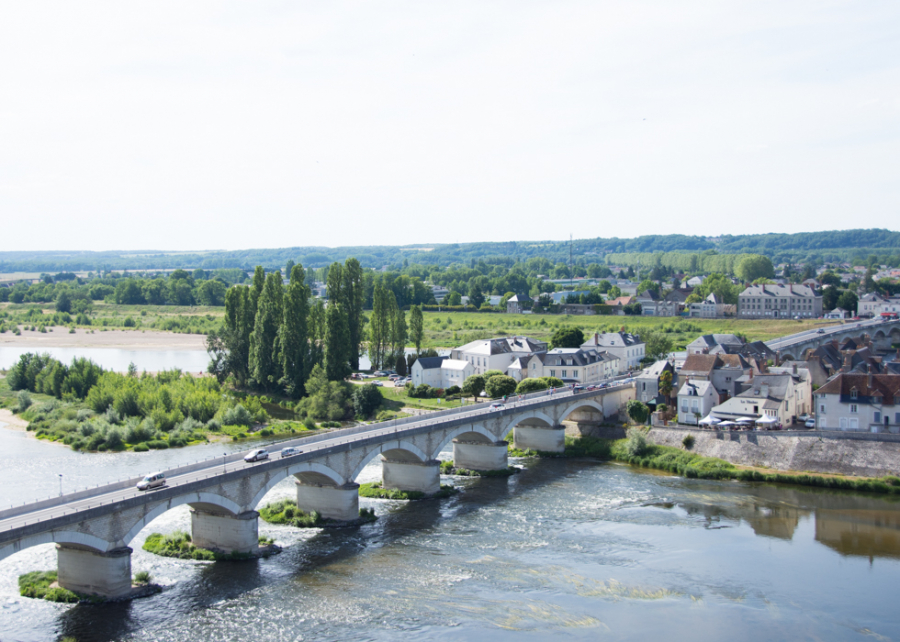
Amboise Castle also boasts stunning views of the Loire River. It would be a shame not to stop for a moment, stand on the castle, enjoy the cool breeze, and admire the magnificent scenery of Amboise and the beautiful, tranquil Loire River.

While you're here, don't forget to stroll through the long corridors adorned with sharp axes, meticulously crafted swords, and suits of armor used in wartime—precious artifacts that bear witness to a glorious historical period. The corridors at Amboise Castle are built very wide and high to allow knights on horseback to pass through easily and conveniently.
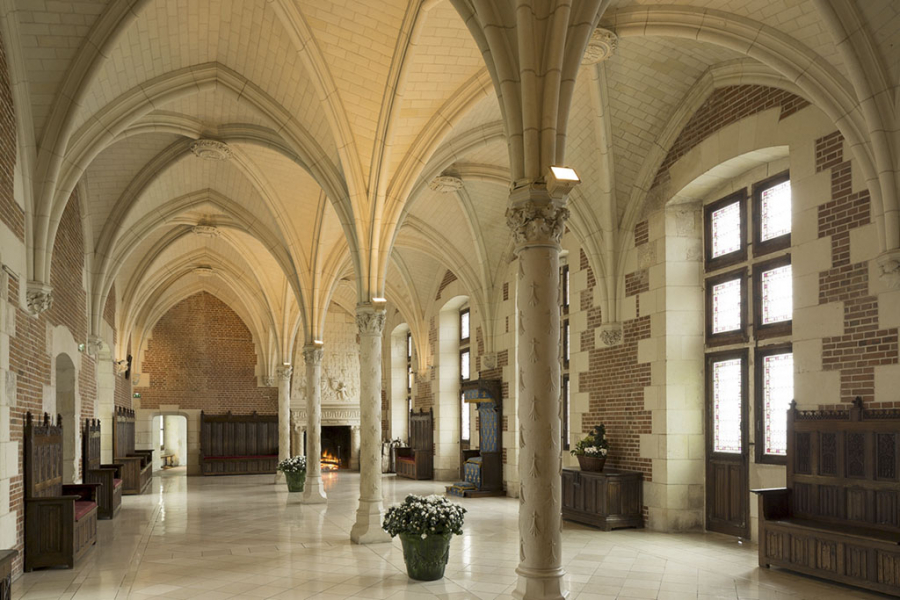
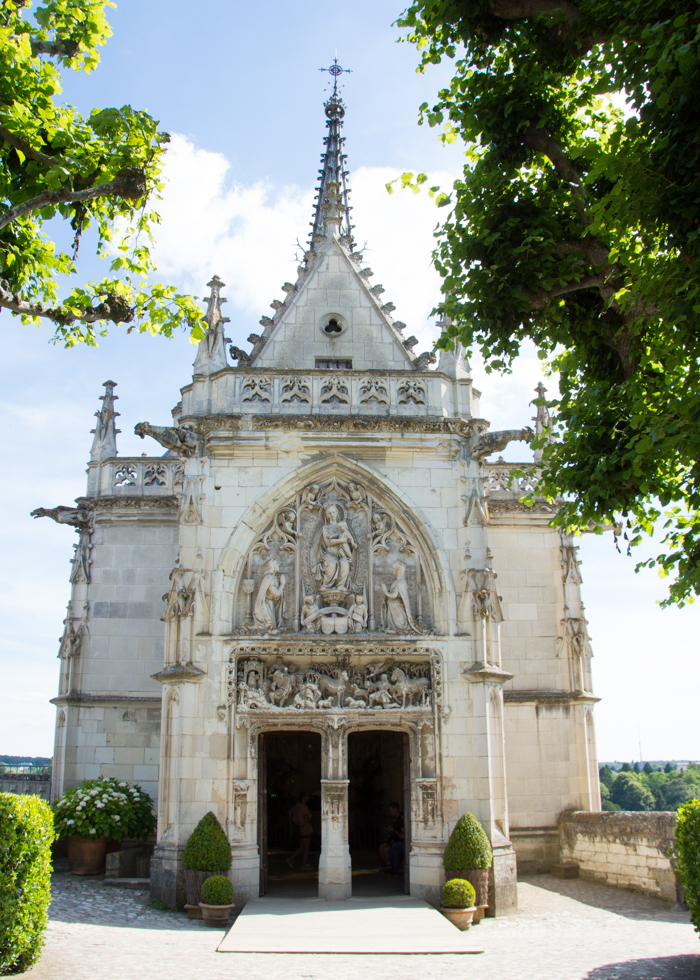
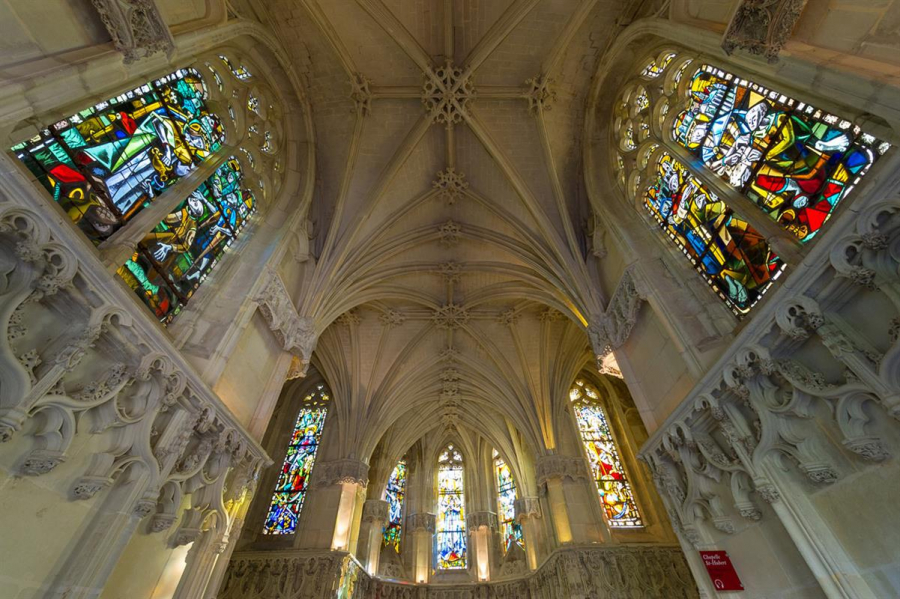
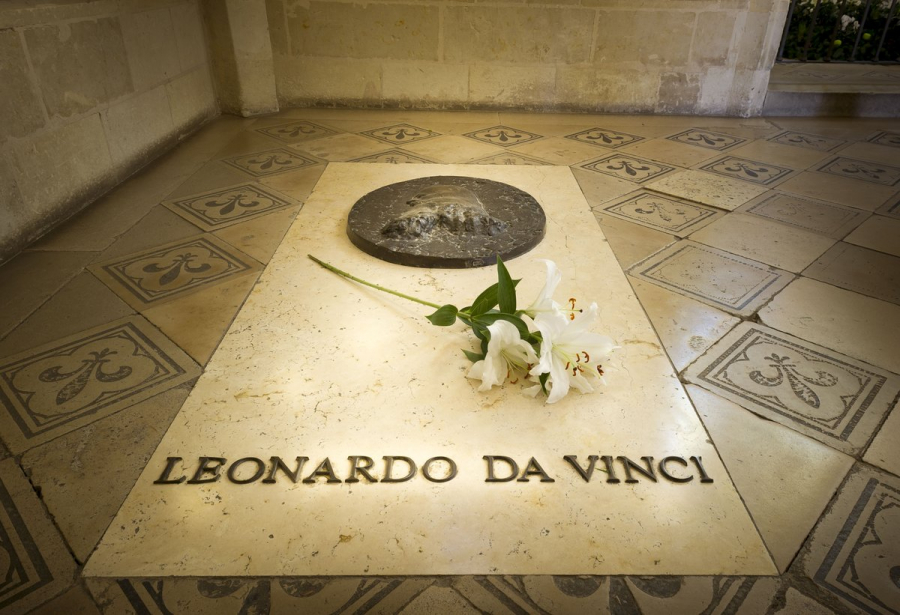
While you're here, you should take some time to visit the final resting place of the renowned painter, located in the Saint-Hubert Chapel, a Gothic chapel built in 1493 within the grounds of Amboise Castle. And of course, you can't miss Clos Lucé Castle – right next to Amboise Castle, where da Vinci lived his final years, allowing him to be close to King Francis I and the French court.
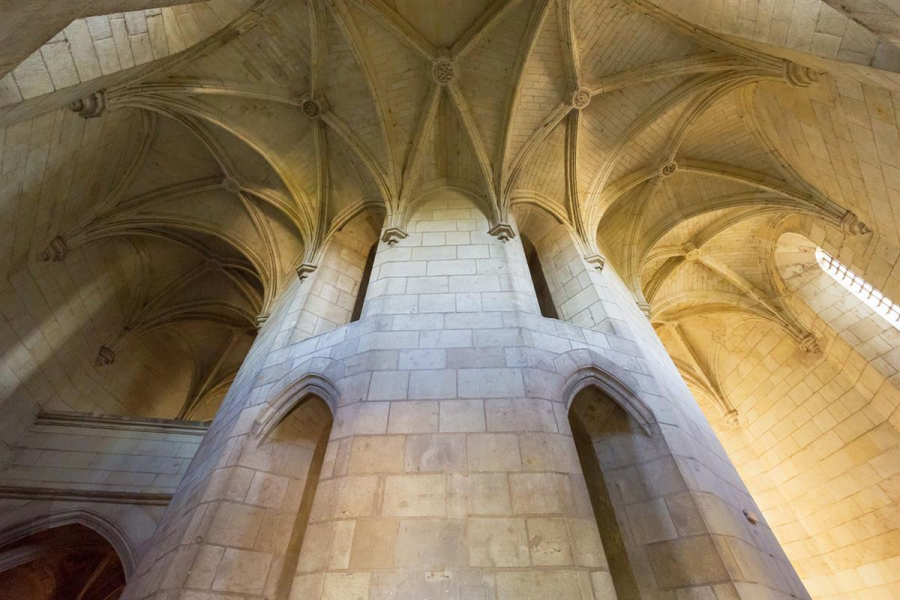
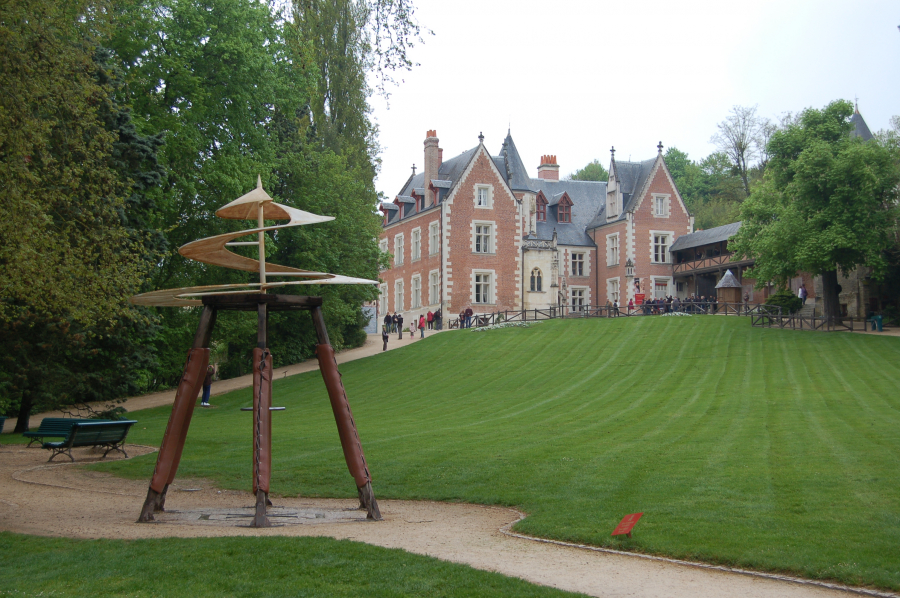
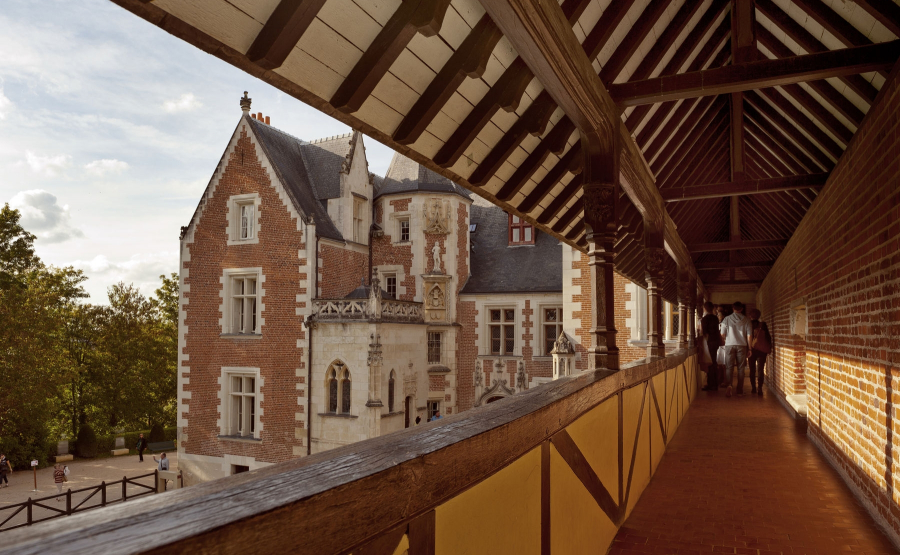
Clos Lucé was rebuilt on the foundations of an ancient castle in 1471, surrounding an octagonal tower. The exterior of Clos Lucé is elegant, solidly constructed, and decorated with pink brick and white travertine, reflecting typical 15th-century architecture. Clos Lucé is situated within a 7-hectare area encompassing a park, forest, and river. The castle still retains the living quarters and amenities of da Vinci and other owners, including a laboratory, study, and reading room.
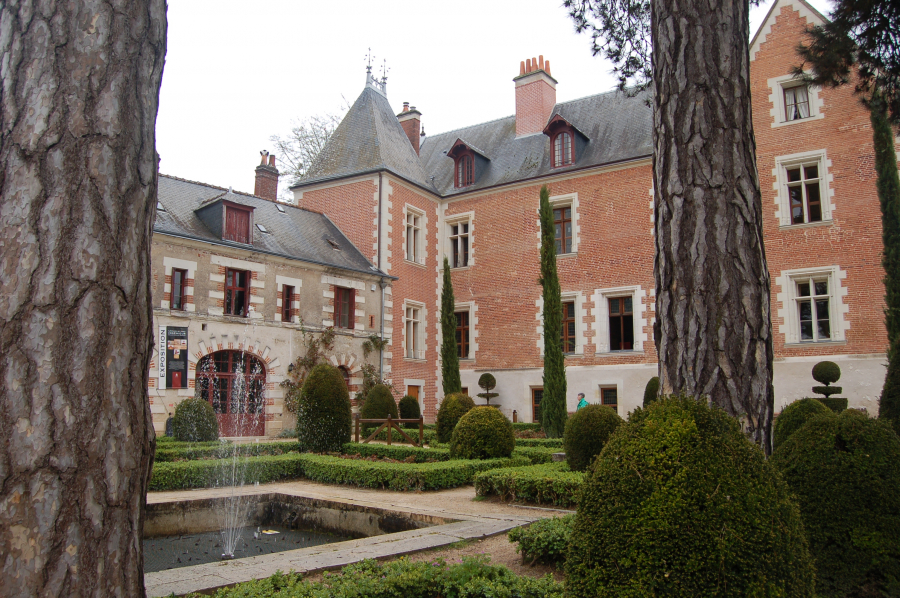
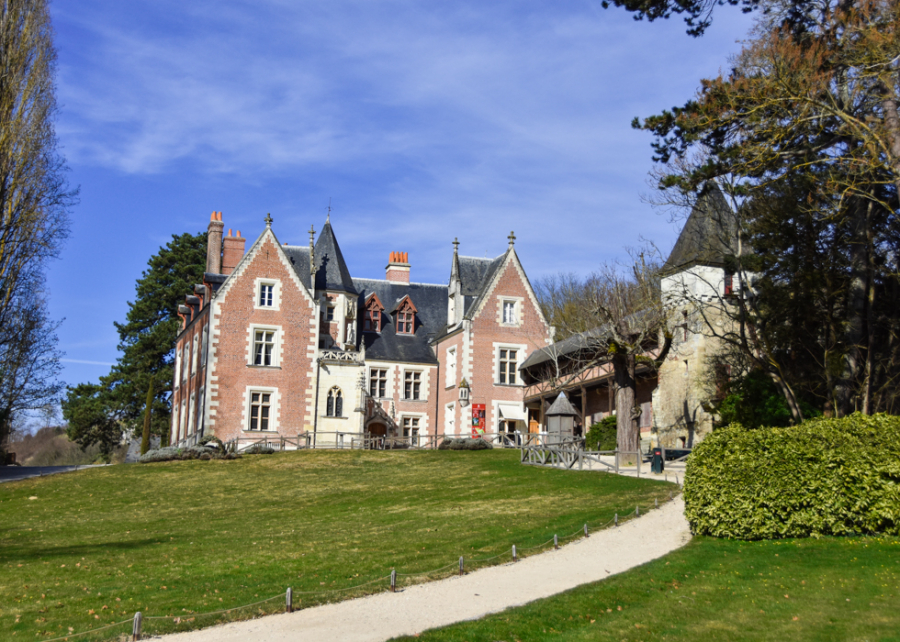
Since 1954, Clos Lucé and its entire grounds have served as a museum dedicated to a period in the life and career of Leonardo da Vinci. The museum, meticulously maintained and curated by the castle's last owners, the Saint-Bris family, features a rich collection of documents and artifacts. Since then, the castle has undergone several major restorations and regular maintenance, becoming a popular tourist attraction.
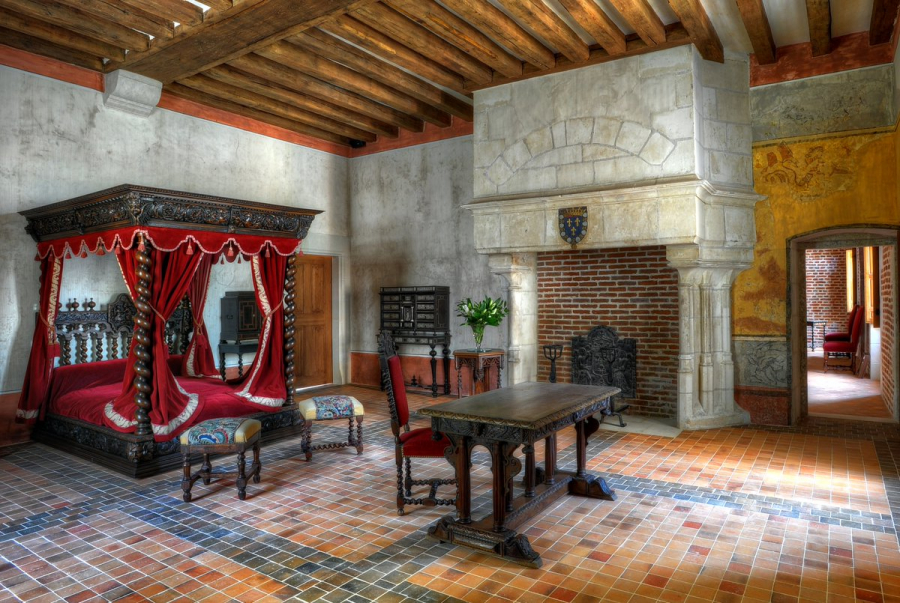
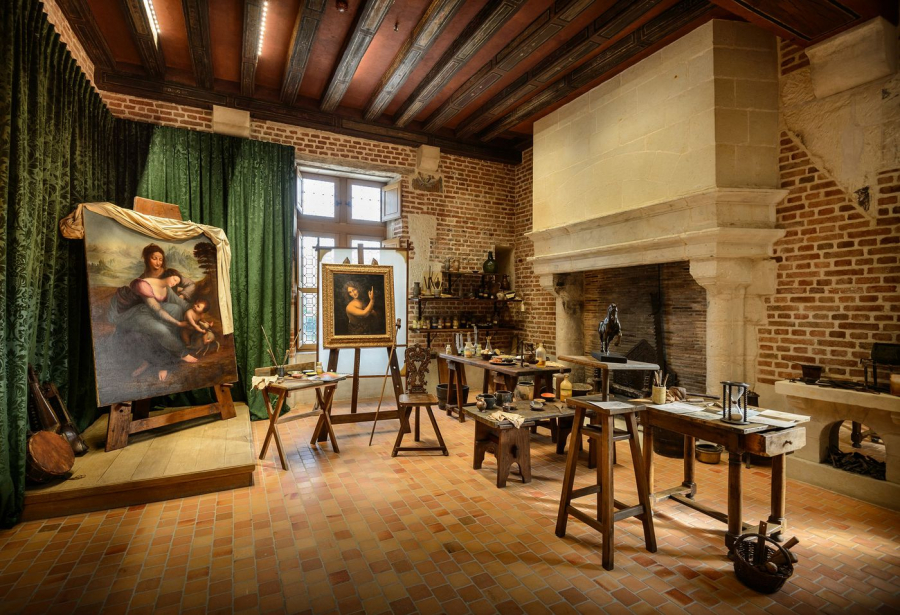
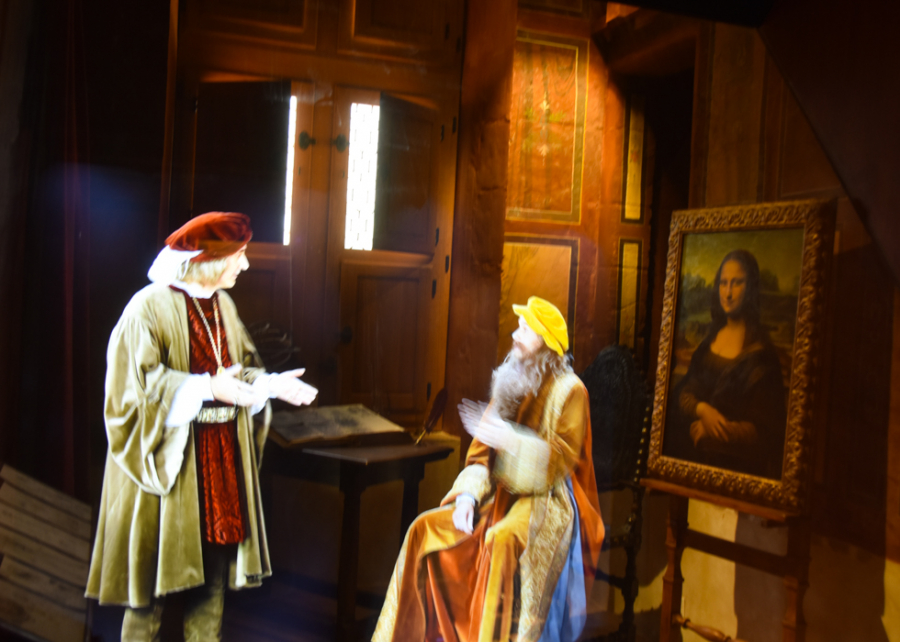
Some rooms were restored in 2011 with antique details and furnishings from the time of Leonardo da Vinci. What's special is that, thanks to Pepper's Ghost technology, visitors can see Leonardo da Vinci with replicas of his famous paintings.Mona Lisa,The Virgin Mary and the Child Jesus with Saint Anne and Saint John the Baptistwhich he brought with him when he traveled from Italy to France.
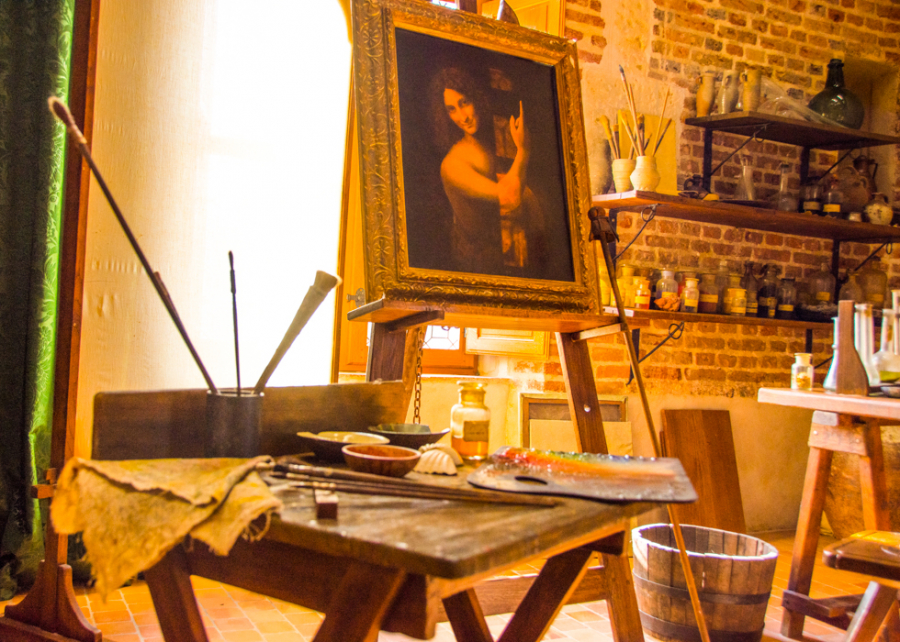
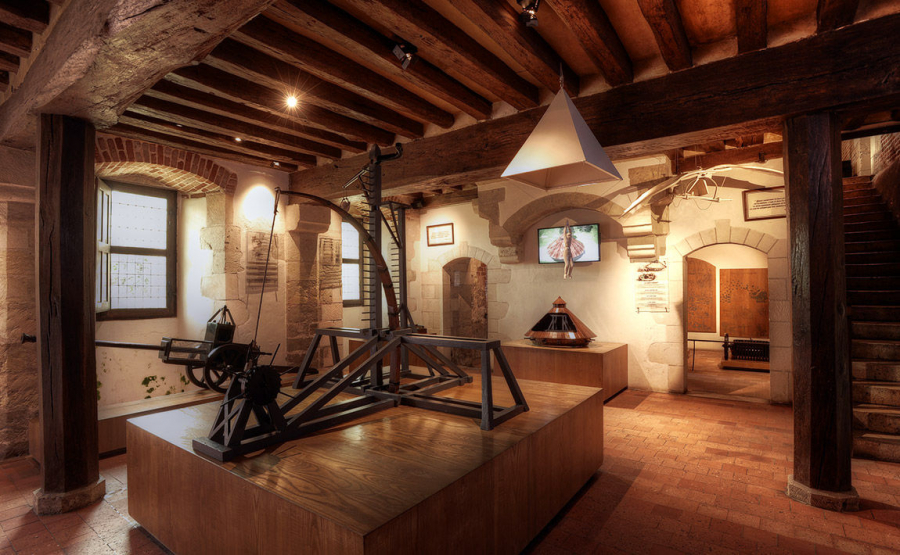
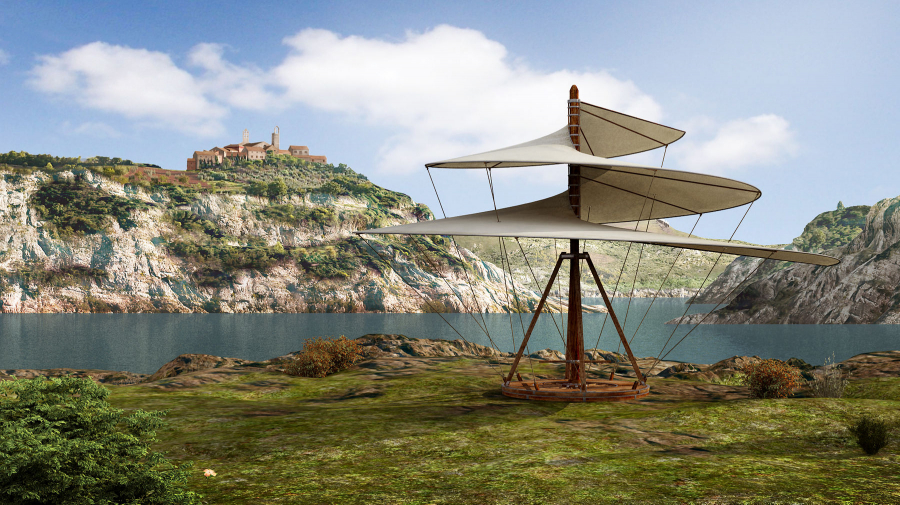
In particular, the basement houses the artist's studios, sculpture rooms, and design rooms. It's evident that da Vinci was also an inventor, personally drawing and designing many types of machinery and components. The laboratory displays 40 models reconstructed from sketches and drawings, and also features fascinating 3D images of his inventions, showing viewers how they work.
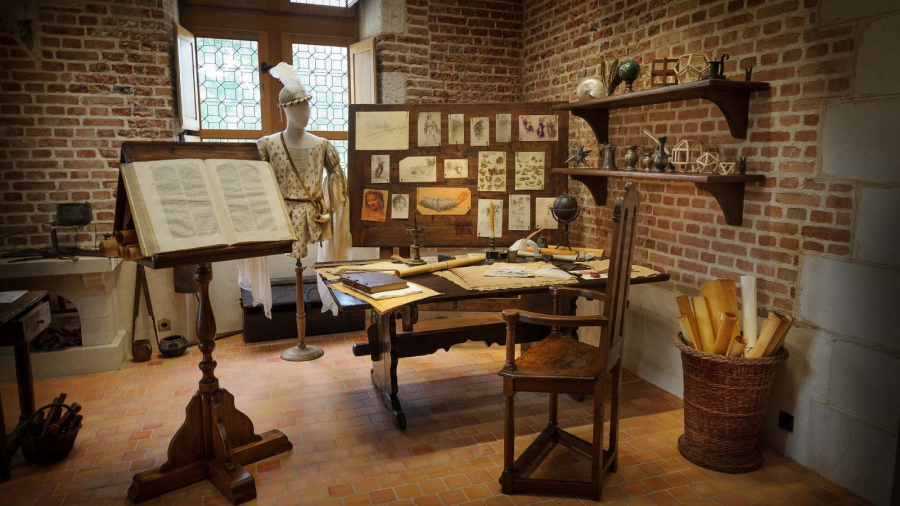
Here you can still find blueprints of the famous "double spiral staircase" built at the nearby Château de Chambord, models of bicycles, airplanes and many other devices, and even a plan for a city and a canal to facilitate transportation, as water transport was the primary mode of transport at that time.
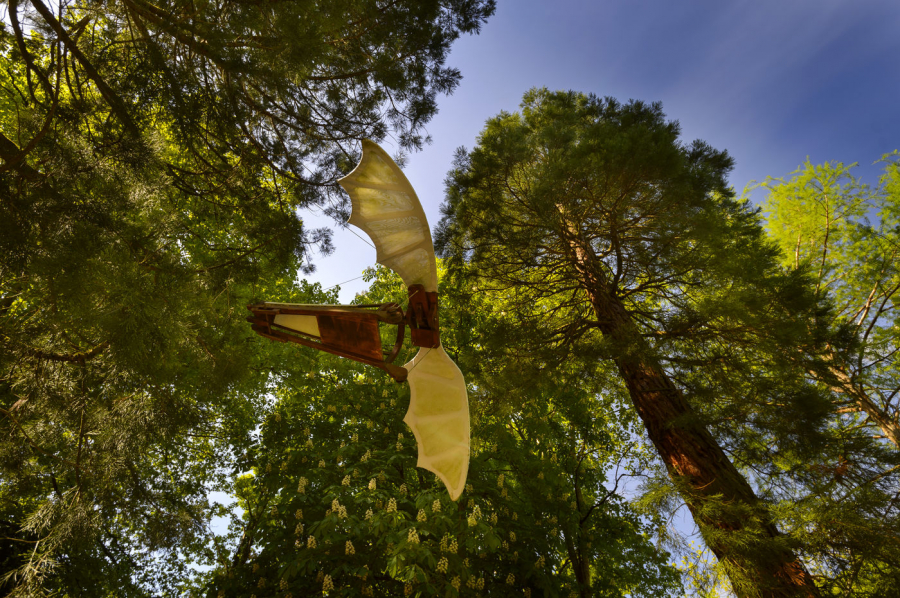
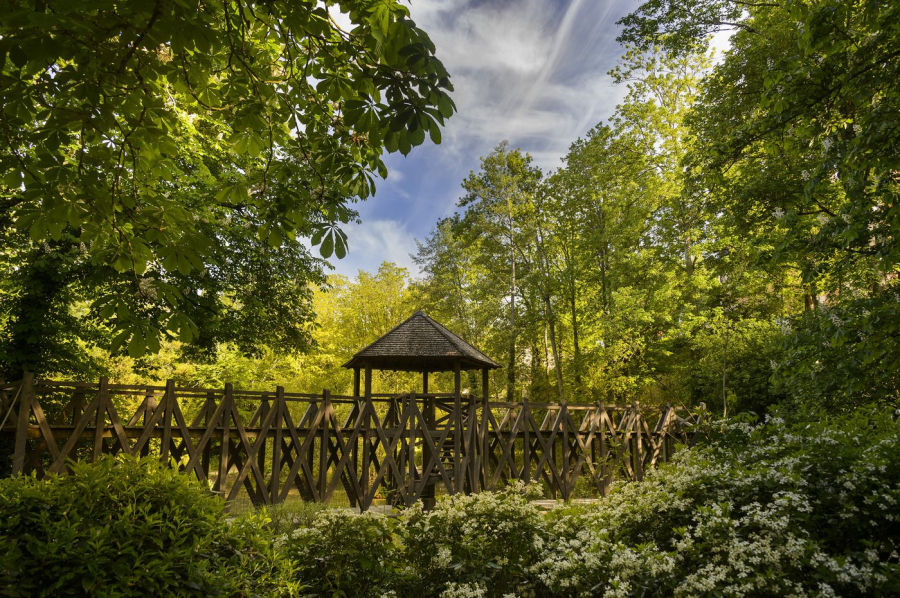
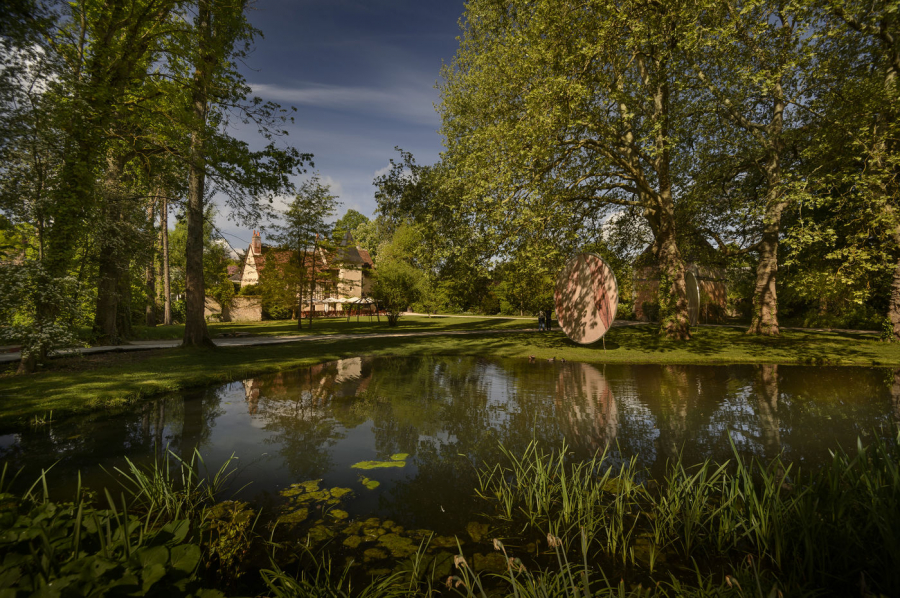
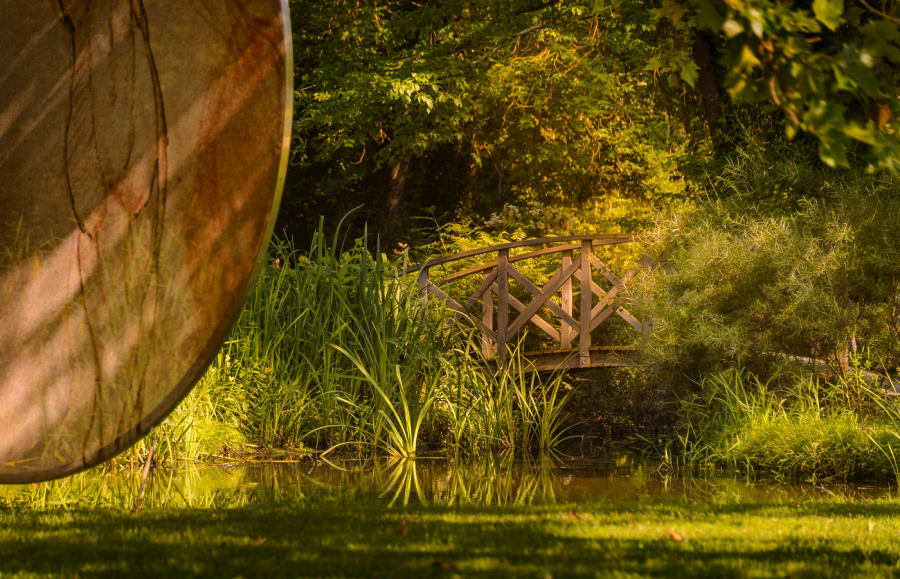
The expansive park is surrounded by restaurants, cafes, and resting areas for visitors to stroll. The garden's vegetation inspired the paintings and philosophical ideas of Leonardo da Vinci. Besides its natural beauty, the park also preserves many mechanical models invented by him. While walking through the park, you can also observe the works of this genius engineer. The park also regularly exhibits many of da Vinci's inventions in modern settings for local community activities, making the museum and the artist a source of pride and affection for the local people, as are the beautiful ancient castles and the traditional winemaking of the Loire Valley. Thanks to the respect and preservation of its heritage, the region welcomes millions of visitors every year, even during castle restoration.
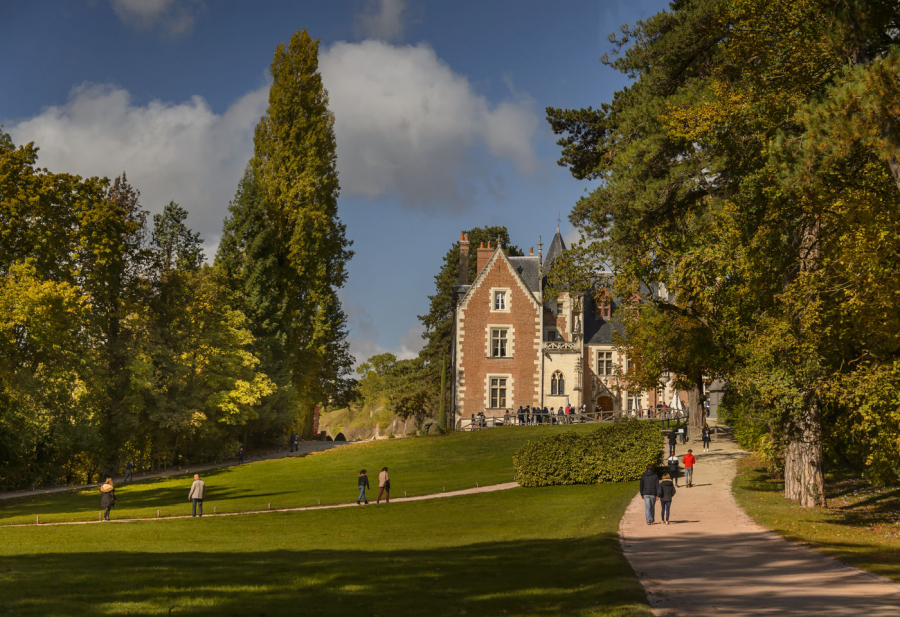
The Loire Valley is home to dozens of ancient castles, and Clos Lucé – the Leonardo da Vinci Museum – is just one of tens of thousands of museums and memorials dedicated to famous figures and historical personalities in France and many other European countries. But for art lovers, especially fans of the genius painter, the Royal Castle of Amboise and Clos Lucé are always must-see destinations when visiting France.
Additional information
Address:
- Amboise Royal Castle: Montée de l'Emir Abd el Kader, 37400 Amboise
- Clos Lucé Castle: 2 Rue du Clos Lucé, 37400 Amboise
Trip:From Paris you can get here by bus or train. If you go by train, you start from Paris-Austerlitz station and get off at Amboise station. The train journey takes about 45 minutes. Alternatively, you can take the TGV high-speed train from Paris-Montparnasse to Tourus, then change trains to Amboise Castle. If you go by bus, you will have to take a bus to Blois or Tourus, then take a train to Amboise as there is currently no direct bus service to Amboise Castle.
Visiting hours:The castle is open every day of the week. In July and August, the opening hours are from 9 am to 9 pm, while in the other months it closes a little earlier.
Entrance fee:The fee is 11.5 EUR for adults, 9.9 EUR for students, 7.7 EUR for children aged 7-18, and free for children under 7.