VI
VI


It is known that 1873 marked a significant turning point in Japanese history when the country decided to switch from the lunar calendar to the Gregorian calendar, as part of the Meiji Restoration aimed at modernizing the nation. This decision also meant abandoning the Lunar New Year – a centuries-old traditional festival in Japan. However, more than 150 years later, the influence of the Lunar New Year still persists in Japanese society through customs, festivals, and even daily life.

From the 6th century, Japan adopted the lunisolar calendar from China and used it for over 1,200 years. New Year's Day, or Shōgatsu in Japanese, became one of the biggest festivals of the year. During the Edo period, New Year's Day was celebrated with traditional customs such as cleaning the house, offering sacrifices to ancestors, and celebrating the arrival of spring.
Japan is a country located in Asia, where the majority of the population follows Shintoism. However, Japan is the only country in Asia that celebrates the New Year according to the Gregorian calendar.
However, following the Meiji Restoration, Japan decided to switch to the Gregorian calendar in 1873 to align with Western countries. The abandonment of the Lunar New Year not only held cultural significance but also reflected the nation's ambition for modernization and global integration.
They argue that abolishing the Lunar New Year would help Japan reduce the number of holidays for its citizens and workers, allowing them to focus on work, increase production, and develop the economy. By abandoning the Lunar New Year, Japan celebrates the new year on January 1st (Gregorian calendar) and calls it New Year's Day (Ganjitsu). Therefore, the country celebrates the New Year about a month earlier than its neighbors.
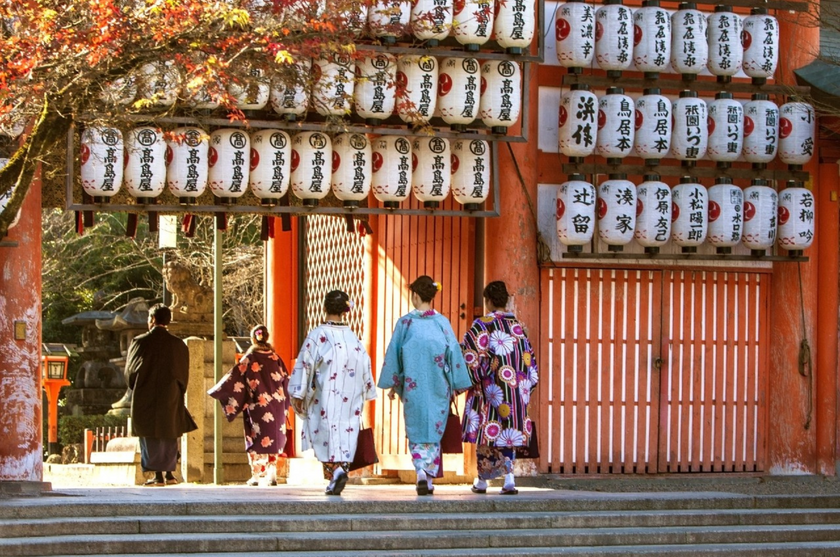
Nowadays, most Japanese people no longer celebrate the traditional Lunar New Year. However, in some regions such as Kago Island, Okinawa, and Amami, people still maintain the custom of celebrating the Lunar New Year.
Initially, many Japanese people voiced their opposition, especially those in rural areas who insisted on celebrating Lunar New Year because they believed that the Lunar New Year fell in early spring, when the weather was warm. They argued that the Gregorian New Year was too cold to celebrate the new year.

Despite this, Japan remained determined to abandon the Lunar New Year and only grant workers extended leave during the Gregorian New Year. Gradually, the Lunar New Year ceased to be a major holiday in Japan.
On New Year's Eve, the atmosphere in Japan becomes truly special. The resonant sound of temple bells echoes throughout the temples, signaling the end of the old year and the beginning of a new one. According to legend, the 108 bell tolls represent the 108 kinds of human afflictions, and the ringing of the bells helps to cleanse away misfortune, bringing a peaceful and happy new year.
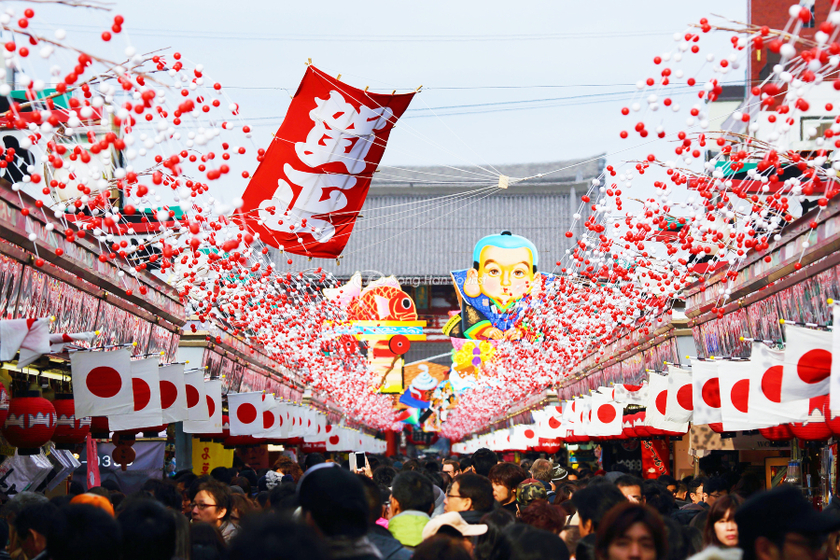
For the Japanese, going out at the beginning of the year is a very important event. They often prioritize visiting temples to pray for good fortune.
Despite switching to the Gregorian calendar, many traditional customs and practices of the Lunar New Year are still preserved and promoted by the Japanese during the Gregorian New Year. Decorating homes with cherry blossoms and plum blossoms, hanging couplets, and preparing platters of five fruits remain familiar activities in every Japanese family.
In addition, the Japanese have their own unique dishes for the New Year. Sticky mochi, zoni (mochi soup), and osechi-ryori (Japanese New Year's sweet box) are indispensable dishes on the ancestral altar and in the New Year's feast. Each dish carries its own meaning, expressing wishes for a peaceful and prosperous new year.
The age-old custom of visiting temples at the beginning of the new year, known as hatsumode, remains. Large temples throughout Japan are open on New Year's Day, and even open all night on New Year's Eve so people can pray during the transitional moments of the year. These temples often offer fortune-telling and lotteries to predict luck and destiny.
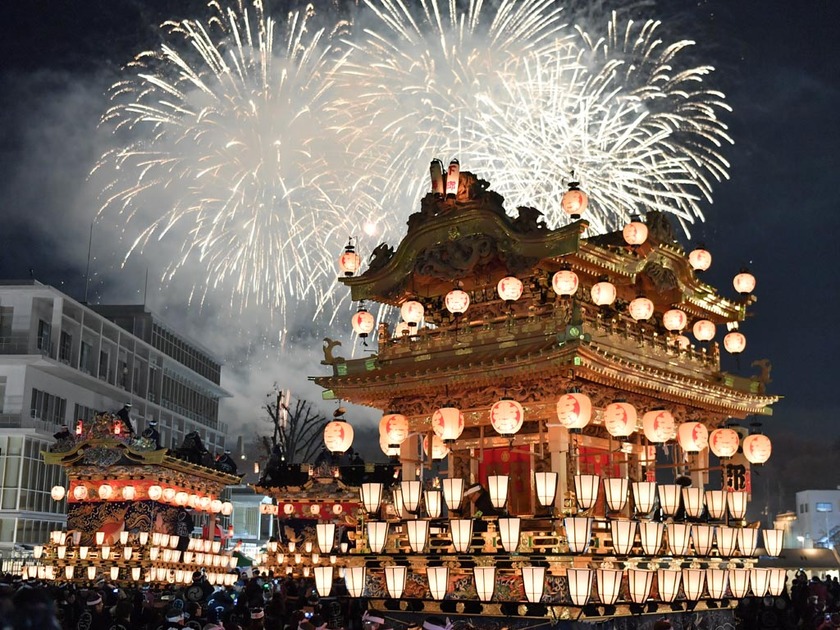
In an interview, Japanese Ambassador Hideo Suzuki said that recently some Japanese citizens have called for the restoration of the traditional New Year's Day.
Drawing omikuji (paper slips with random fortune slips written on them) is part of the custom when visiting temples or shrines in Japan. The practice of drawing these fortune slips dates back to the early Kamakura period (1185–1333). A standard omikuji includes a poem and brief details about what will happen in the near future, but some places of worship have gone beyond this simple limit, creating small works of art that can be collected as collectibles or souvenirs.
Another interesting tradition for many Japanese people during the New Year is going out and buying fukubukuro. These are lucky bags sold by shops at various prices, but buyers don't even know what's inside.
Although New Year's Day is celebrated as a major holiday, Japanese people only get a total of four days off. After that, all activities and work return to normal.