VI
VI


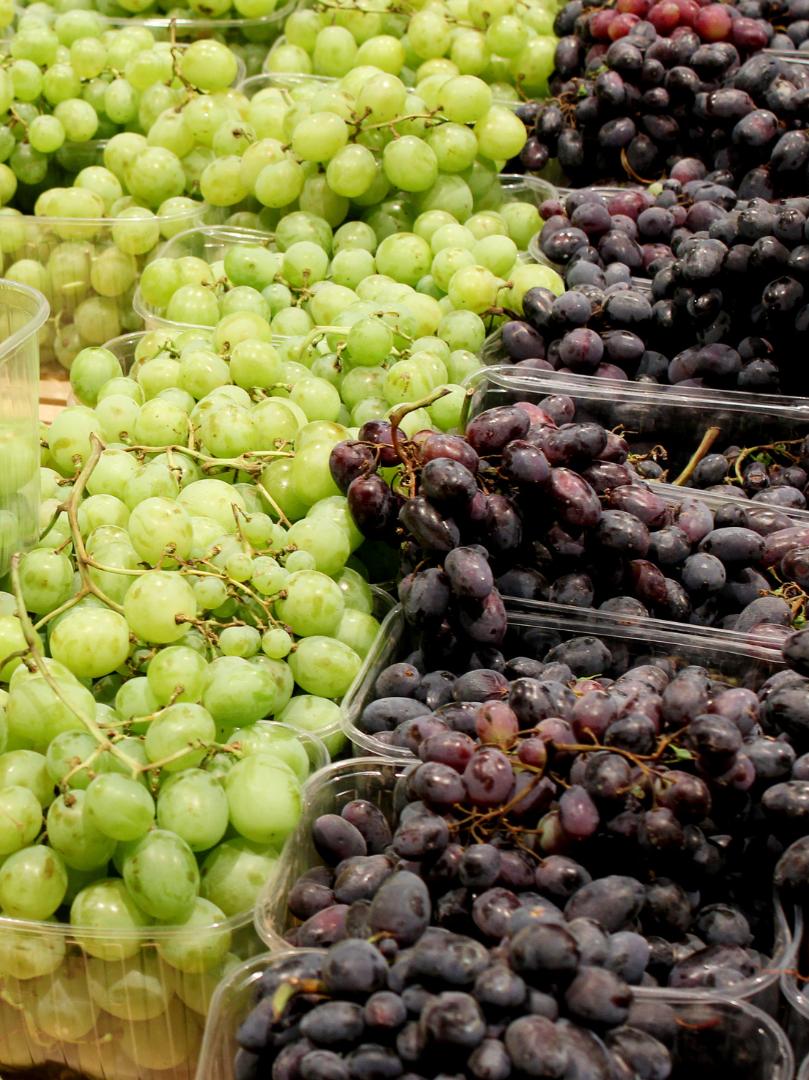
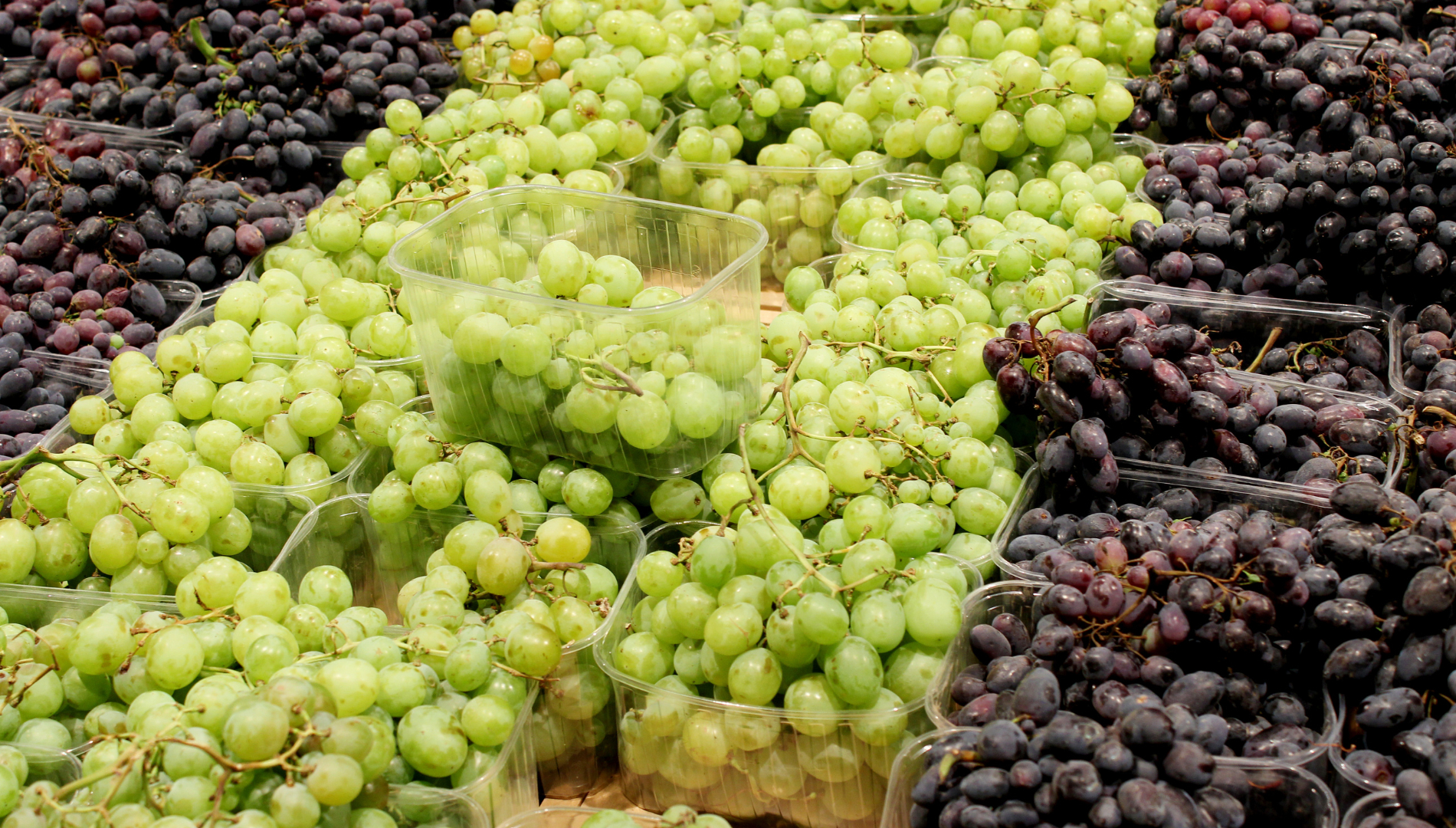
Grapes are one of the most popular imported fruits in Vietnam. Although our country has famous grape-growing regions such as Ninh Thuan and Phan Rang, domestic grape production still does not meet the ever-increasing consumer demand.


According to statistics, the amount of grapes imported into Vietnam has continuously increased in recent years. In 2023, Vietnam imported more than 300,000 tons of grapes from countries such as the United States, Australia, Chile, South Korea, South Africa, and New Zealand. During the same period, after apples, grapes were the second most imported fruit in Vietnam, reaching US$158.4 million (approximately VND 3,900 billion), accounting for 14.6% of the country's total fruit import value.
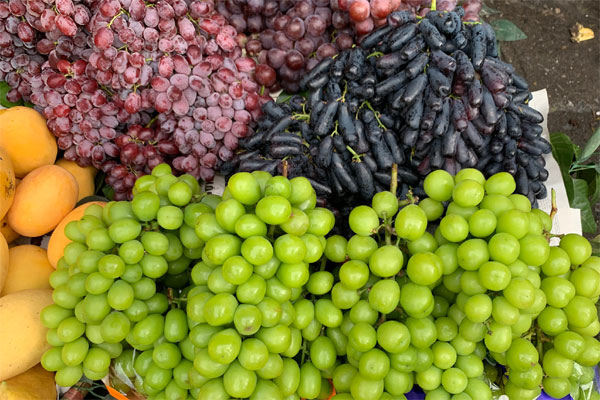
As one of the most imported fruits, foreign grape varieties are flooding Vietnamese markets.
Currently, there are no specific statistics on grape import value, but this fruit is always prevalent in the Vietnamese market. Supermarkets, fruit stores, traditional markets, and even online marketplaces offer dozens of varieties of grapes imported from Japan, Australia, the US, and China. However, grapes imported from China remain the most popular.
Accordingly, not just one or two types, but nearly a dozen types of Chinese grapes are being sold in the Vietnamese market, such as: milk grapes, black corn milk grapes, Ruby grapes, red grapes, green grapes, etc. Notably, compared to imported grapes sold in the market, grapes originating from China are often very cheap, even extremely cheap.

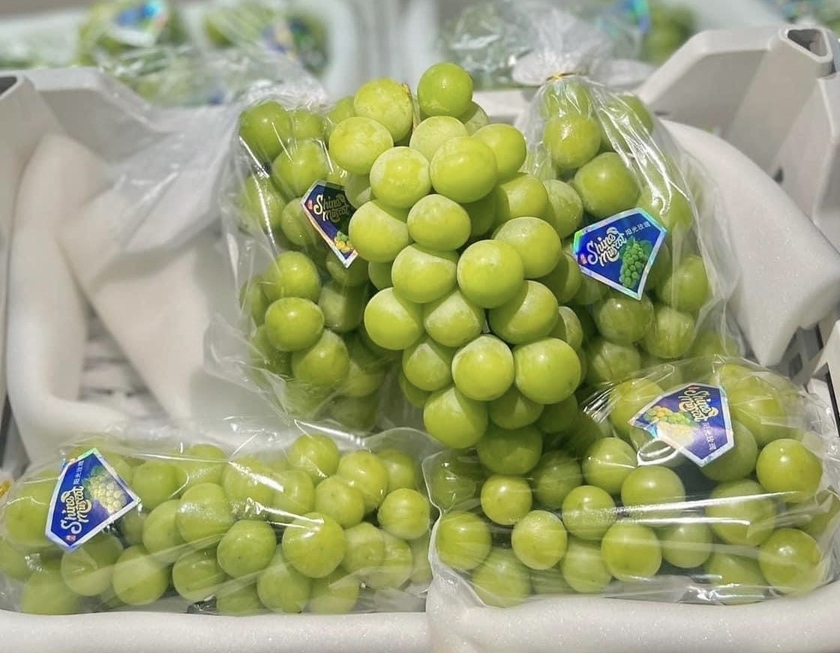
Grapes are a sweet and easy-to-eat fruit, so the cheaper the price, the more popular they become.
These days, traders at the markets are importing red grapes, black grapes, and finger grapes to sell at prices as cheap as vegetables. Specifically, red grapes cost 150,000 VND per 5kg basket, or only 30,000 VND/kg; Australian black grapes cost 250,000 VND per 6kg basket, nearly 42,000 VND/kg; finger grapes are also only 42,000 VND/kg…
This is considered the cheapest price, so since the beginning of July, many traders have reported selling tons of grapes every day. Some days, they even rush to sell off their stock at incredibly low prices, with just one type of grape selling out 300-400 crates (1.5-2.4 tons).
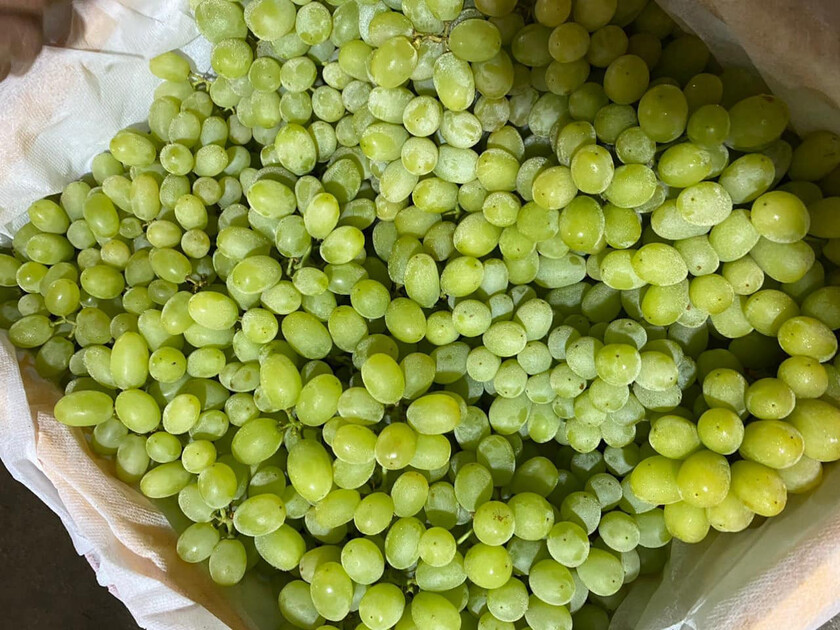
Imported grapes are sold in abundance at the market at incredibly cheap prices.
Most of the inexpensive imported grapes are from China and Australia. During the season, the prices of grapes from these two countries are relatively cheap. However, Chinese and Australian grapes are even cheaper this year than in previous years. In particular, milk grapes are flooding the market, and their prices are getting lower and lower. Three to four years ago, Yunnan milk grapes sold in Vietnamese markets for 250,000 - 300,000 VND/kg, but now some varieties have dropped to 70,000 - 80,000 VND/kg. The supply is steady, with 3-4 tons arriving daily, and wholesale buyers still buy them all up.
With their diverse varieties, flavors, and prices, imported grapes meet the needs and preferences of many Vietnamese consumers, especially during this year's hot summer. Summer is the peak season for grape harvesting in many countries, resulting in a large influx of grapes into Vietnam. As a rule, the more grapes that arrive, the cheaper the price will be.
According to statistics from the General Department of Customs, in the first six months of 2024, Vietnam spent $117.66 million importing fruits and vegetables. Compared to the same period in 2023, Vietnam's fruit and vegetable import value in the first six months of 2024 decreased by 8%.