VI
VI


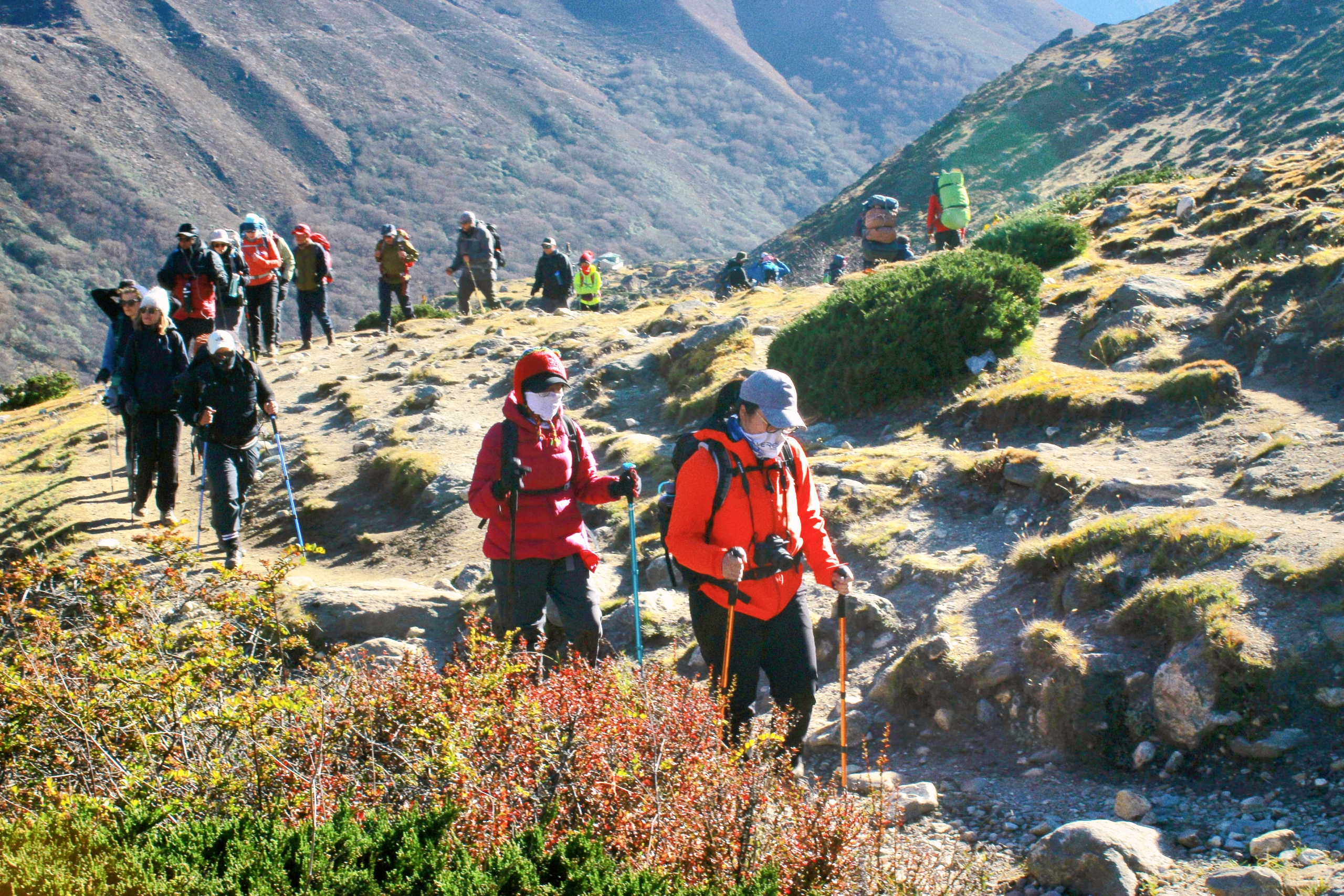
Thanh Hang recently completed a 15-day trek to Everest Base Camp in October. The Everest Base Camp trekking route in Nepal is a classic journey and a dream destination for many, but the climb is never easy. From landslides and harsh weather to high altitude and treacherous terrain, everything can threaten the lives of climbers at any moment. However, perhaps this is precisely what motivates many to reach this summit.
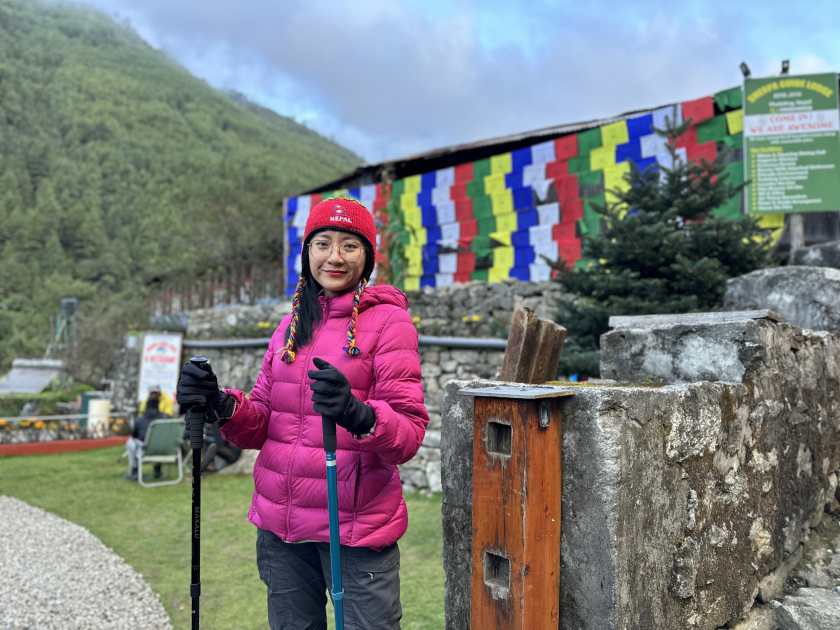
Thanh Hang recently completed a 15-day Everest Base Camp expedition in October.
Everest Base Camp is the base camp, the first point on the journey to conquer Mount Everest, which stands at 5,364 meters. This is considered a fairly popular route for mountaineering in Nepal.
Using altitude as a benchmark, Thanh Hang's journey started at sea level, followed by Lukla (2,860 m), Namche Bazar (3,440 m), Tengboche (3,860 m), Dingboche (4,410 m), Lobuche (4,940 m), and finally Everest Base Camp (5,364 m).
Thanh Hang decided to go on this trip quite by chance and had little time to prepare beforehand. All she could prepare in that limited time was to train her physical fitness to the maximum and strictly adhere to the prescribed dosage of altitude sickness medication, but many problems arose once the journey began.
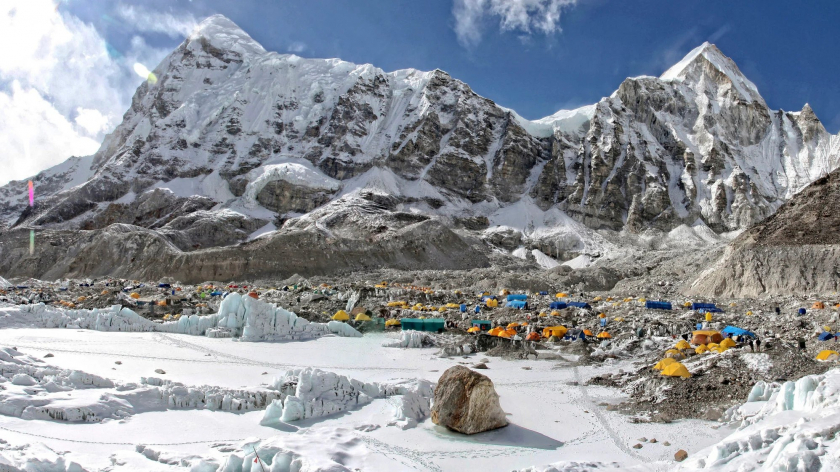
Everest Base Camp is the base camp, the first point on the journey to conquer Mount Everest.
“Because the higher we went, the more sudden the temperature changes, so I developed a fever during the first few days of the trip. I had a sore throat and a fever, but luckily the first day was quite easy. There were experienced people in the group, and we had basic medicine, so I recovered completely by the second day,” Thanh Hang said.
The higher we went, the lower the temperature became and the air was very dry, making personal hygiene and breathing extremely difficult. Even after returning to Vietnam, she and some members of the group were still coughing and even experiencing nosebleeds due to heat shock.

The most memorable moment for Thanh Hang on this trip was probably the care and support the members showed each other. Although everyone in the group was meeting for the first time, they took great care of each other so that they could all complete their adventure together.
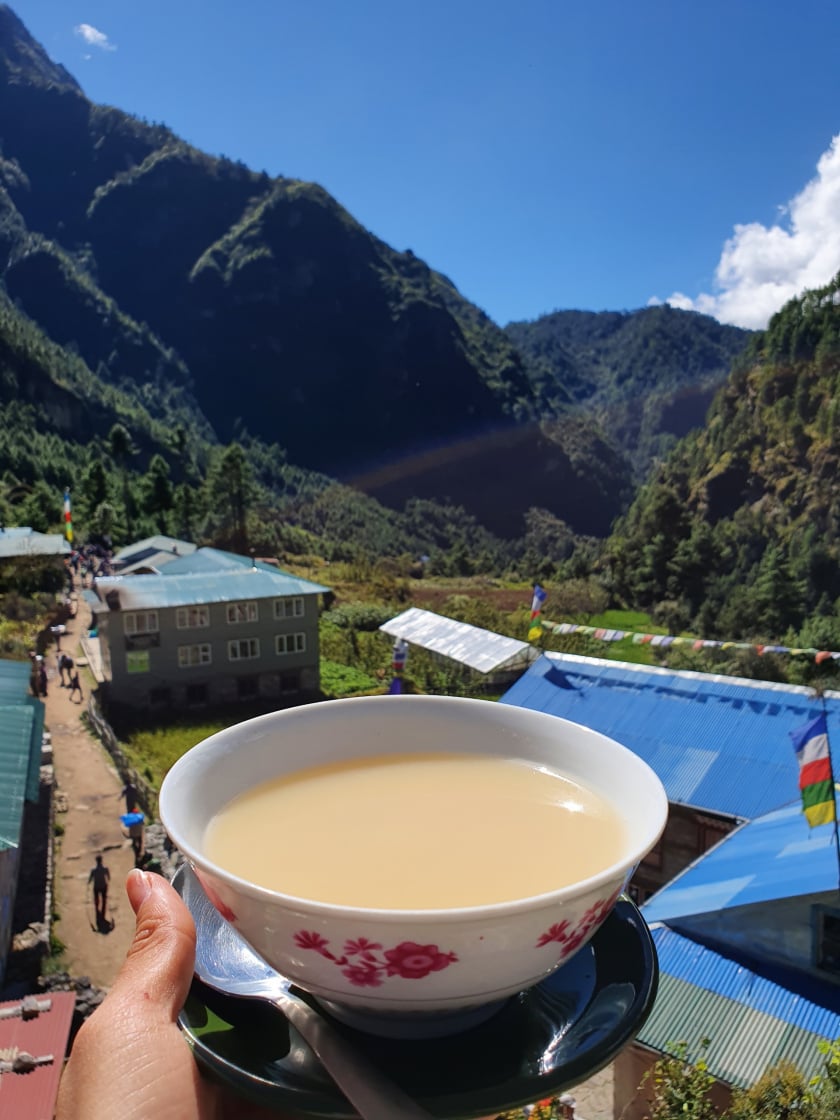
Garlic soup is prepared differently depending on the cook. It can be made with milk, served with bread, or simply by boiling garlic in water.
During the trekking trip, Thanh Hang shared about the food: “I thought I was easy to please until I started the journey. Because Nepal has nine religions, the dietary restrictions on certain foods like pork and beef are very strict. Plus, raising livestock and transporting animals in the highlands is difficult, so meals were limited to chicken dishes and vegetable soups. I really liked garlic soup. It seems like a dish for tourists because it helps relieve colds and restore energy, and the taste is unique, but of course, only for those who can tolerate garlic. In the last few days, my group and I had to rely on instant noodles brought from Vietnam because we couldn't eat the local food anymore.”
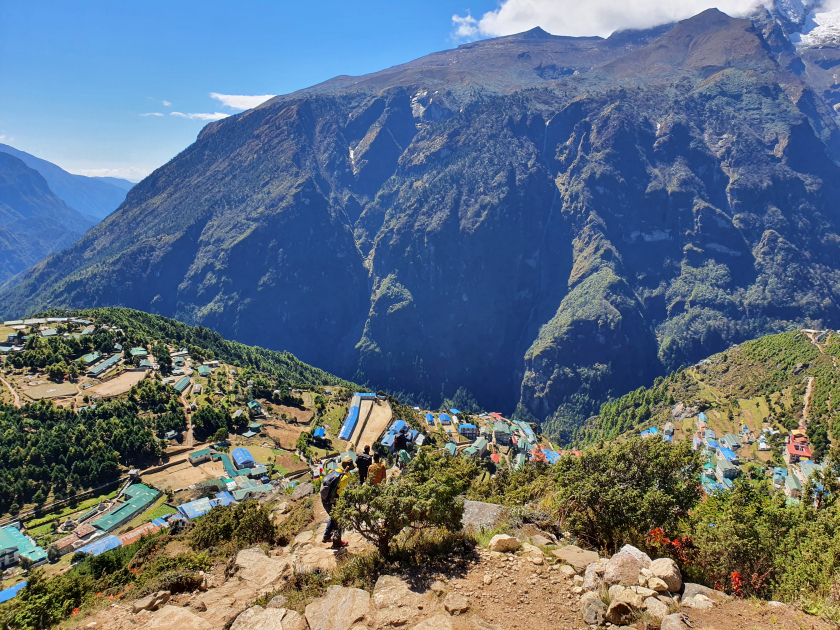
The higher you go, the lower the temperature becomes.
As for staying warm, it seemed impossible to shower because it was too cold (even though the guesthouse had hot showers). The higher we went, the more layers of thermal clothing we had to wear, until the journey ended and we returned to the capital Kathmandu, where we were finally allowed to shower.
According to Thanh Hang, all of the above are just minor issues; the most terrifying thing is altitude sickness. Everyone had to take altitude sickness medication (depressor) before arriving in Nepal and continue taking two pills daily until they reached Everest Base Camp, after which they gradually descended. Many people were too careless, leading to unfortunate incidents. Severe altitude sickness can cause pulmonary edema, cerebral edema, and even death.
Having to navigate the treacherous, winding, hilly paths of the high mountain valleys, the effectiveness of altitude sickness medication is undeniable, and that medication is Acetazolamide. In fact, at altitudes of 4,000 meters and above, even the average person is very susceptible to altitude sickness symptoms, making medication almost mandatory. The Everest Base Camp route is a trekking trail, so the body needs time to adapt, but prevention is always best.
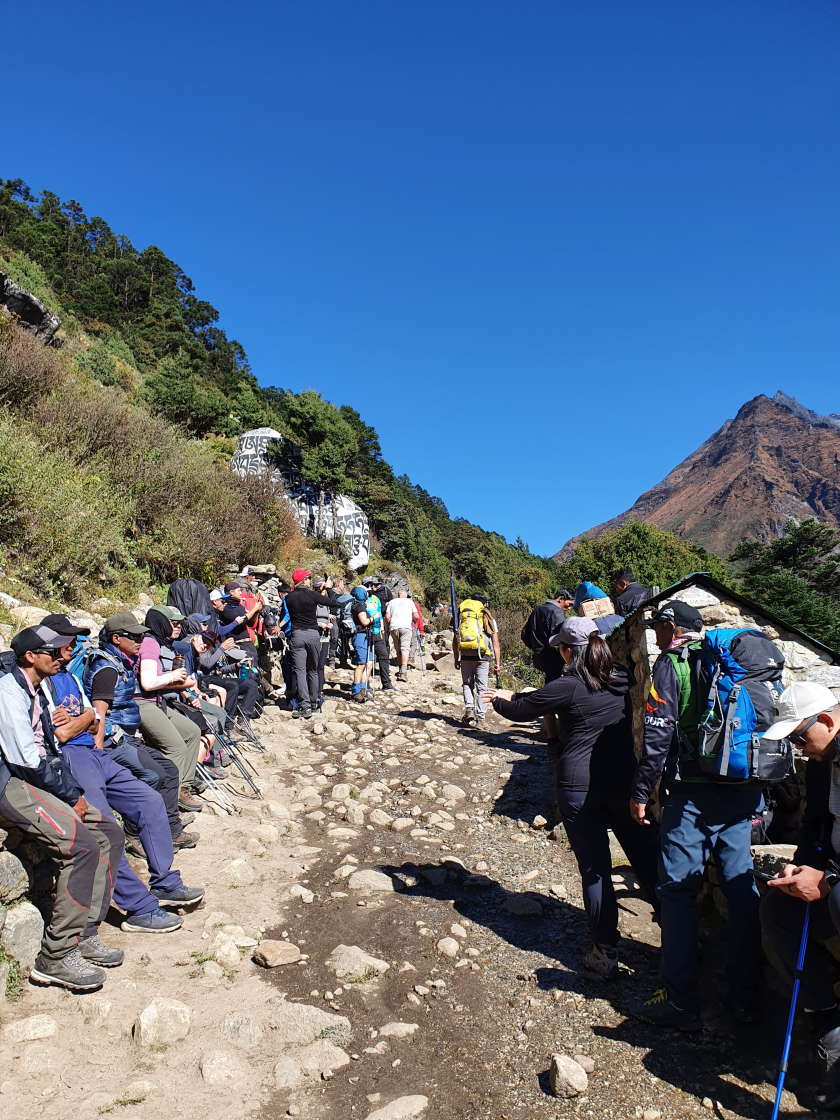
Thanh Hang and the other members of the group are resting during the trekking trip.
To emphasize the importance of taking altitude sickness medication, Thanh Hang cited the example of a tourist who died while visiting Ladakh. Ladakh is known as "Little Tibet in India" because of its pristine and majestic beauty. This destination has recently attracted many Vietnamese and foreign tourists because the journey is easy, mainly involving air travel and car transportation.
Although Ladakh is located at a lower altitude than Everest Base Camp, the rapid flight and vehicle travel, coupled with the lack of altitude sickness medication, led to this tragic incident. Therefore, one should never underestimate the importance of using altitude sickness medication.
Thanh Hang added that tourists trekking Everest Base Camp during the peak climbing season at the end of the year are very susceptible to temperature shock. When she made her trip, the evening temperature was around -22 degrees Celsius, which would be a challenge for those who are sensitive to cold.
After her 15-day trip conquering Everest Base Camp, Thanh Hang still had lingering symptoms upon returning home, such as difficulty breathing, susceptibility to fever and colds, persistent sore throat, headaches, numbness in her hands and feet, and even continued to experience heat shock and nosebleeds.

Even after returning to Vietnam, she and some members of the group were still coughing and even experiencing nosebleeds due to heatstroke.
"Everest Base Camp is a fantastic trekking route, and it seems like a worthwhile challenge for those who love adventure travel. It's not a difficult trek to the summit of Everest, and it's also a commercially viable route, so there are many opportunities for those who want to experience it. What you need to prepare is to thoroughly research the destination and understand your own body to have a safe trip," Thanh Hang said.