VI
VI


Tom Waits, an American artist, began playing music at the age of 11 or 12 and continues to do so now at 73. He is famous for playing Jazz (and Blues, Folk, Rock, etc.) – but not the kind of Jazz that invites the public to dress up in fancy clothes. His Jazz is somber and dark; his voice is hoarse, growling, or screaming. He sings about poverty, chaos, the hidden corners of society, and the lives of the people he observes.
If you need a specific story to illustrate the person Tom Waits is, I'll tell you the story from 1976. While his music career was flourishing, the then 27-year-old moved in with a friend in a boarding house in West Hollywood – a two-room apartment, incredibly messy and disorganized. Music critic Barney Hoskyns called it “a work of poverty.”Pastiche of povertyTom Waits later explained:If you want to write about something, you first have to create—and live in—the context of that story yourself. So I forced myself to live in poverty.
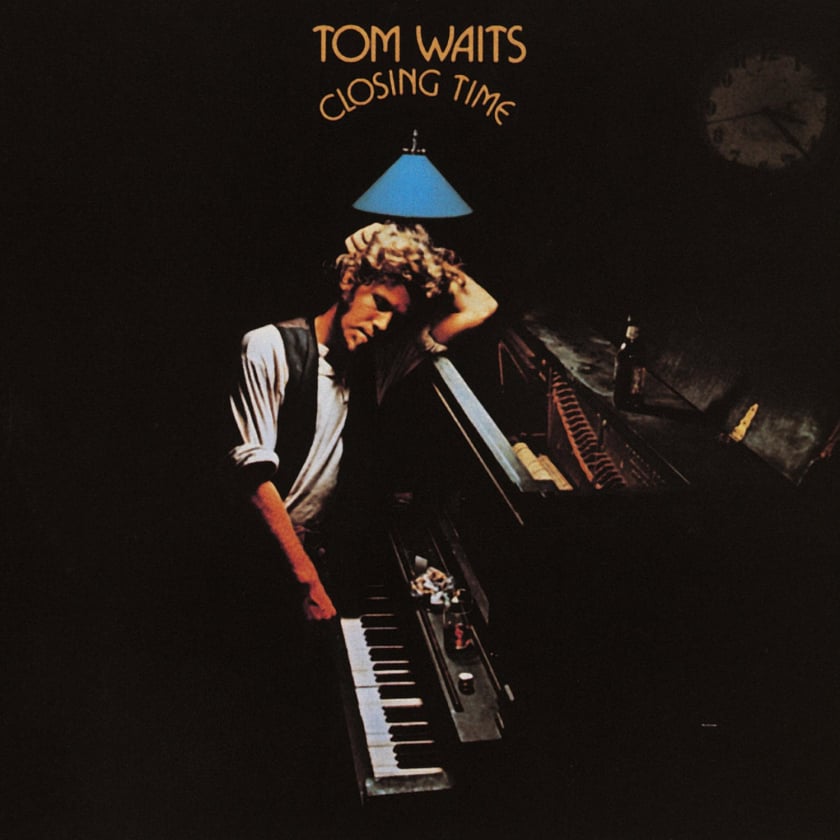
Album Closing Time (Tom Waits, 1973)
Hanoi, a decade ago
Art is everywhere in Vietnam. But only one city has consistently hosted performances by The Beatles, Bob Dylan, BB King, Amy Winehouse, and others with such frequency over the past two decades: Hanoi. And only in Hanoi are those nights...coverTom Waits' music was played and people were captivated by it.
SessioncoverThe Tom Waits concert first took place in January 2016, in a small cultural space in the Old Quarter. The person "playing" Tom Waits on stage was a young Vietnamese man. His singing voice, performance style, and graceful movements were very similar to Tom Waits' style (to the point that at times I believed that being so much like Tom Waits was a kind of innate talent).
But what I remember most about those performances, even now, is the shimmering light from the white shirt he wore. Illuminated by the stage lights, the shirt glowed like a halo.
That light reminded me of the difference between the two artists. The young artist lived in a microcosm of upper-class society. Tom Waits, from a middle-class family, often threw himself into dark, sordid places.
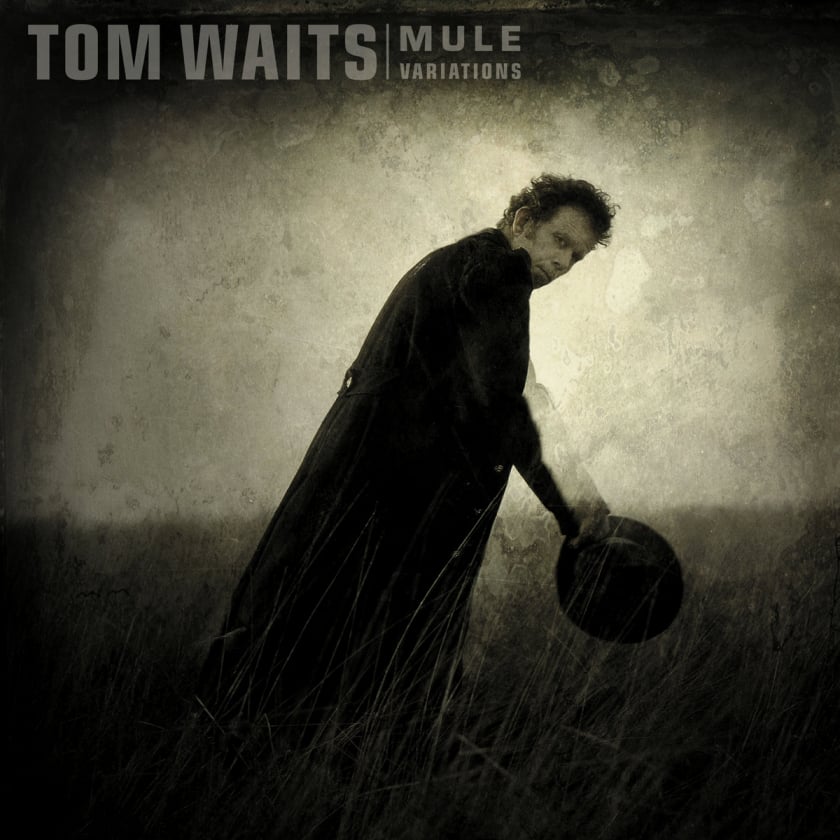
Album Mule Variations (Tom Waits, 1999)
Around 2018, the singer with the "Tom Waits style" took a break to study abroad, and Hanoi was bustling with international tourists. Many of them chose to stay in the capital for an extended period. And so, the next Tom Waits concerts followed.
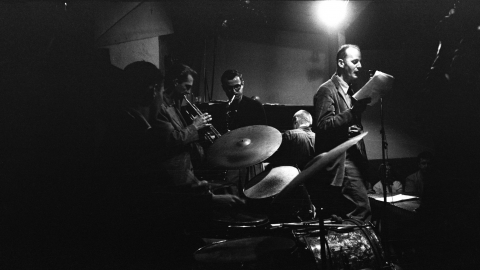
Still within a small cultural space in the old town, the stage was now a chaotic mess. The band was comprised of many nationalities – Vietnamese, American, Canadian, and more. Not just microphones and instruments, they brought everything else from their lives onto the stage: whiskey glasses swirling in their hands, cigarettes constantly puffing smoke, and someone even brought a set of pots and pans. Using drumsticks to strike the bottoms of the pots and pans, creating a jarring, ear-piercing sound, they were determined to destroy the last vestiges of elegance that Jazz, which is supposed to be so gentle, once possessed.
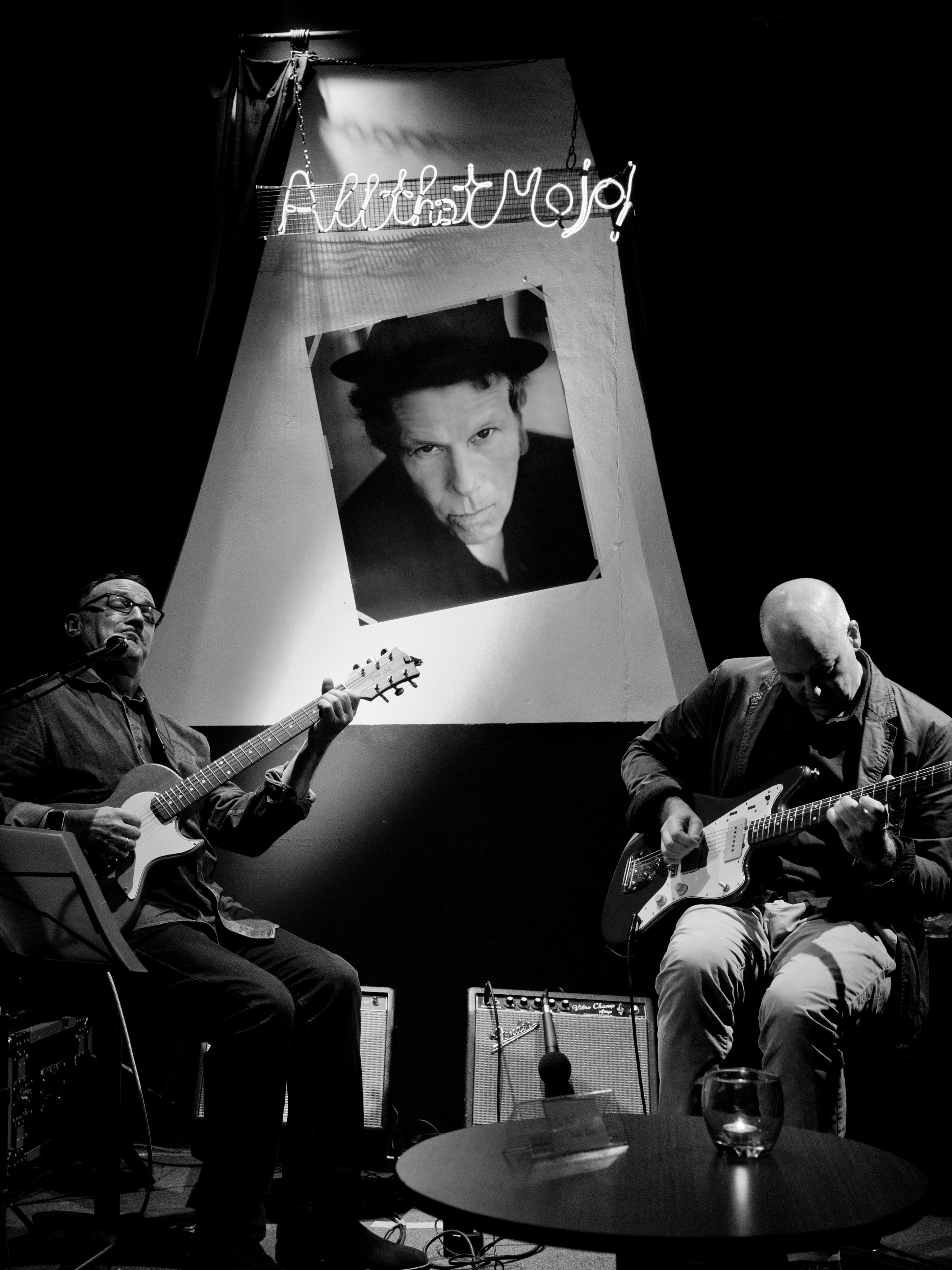
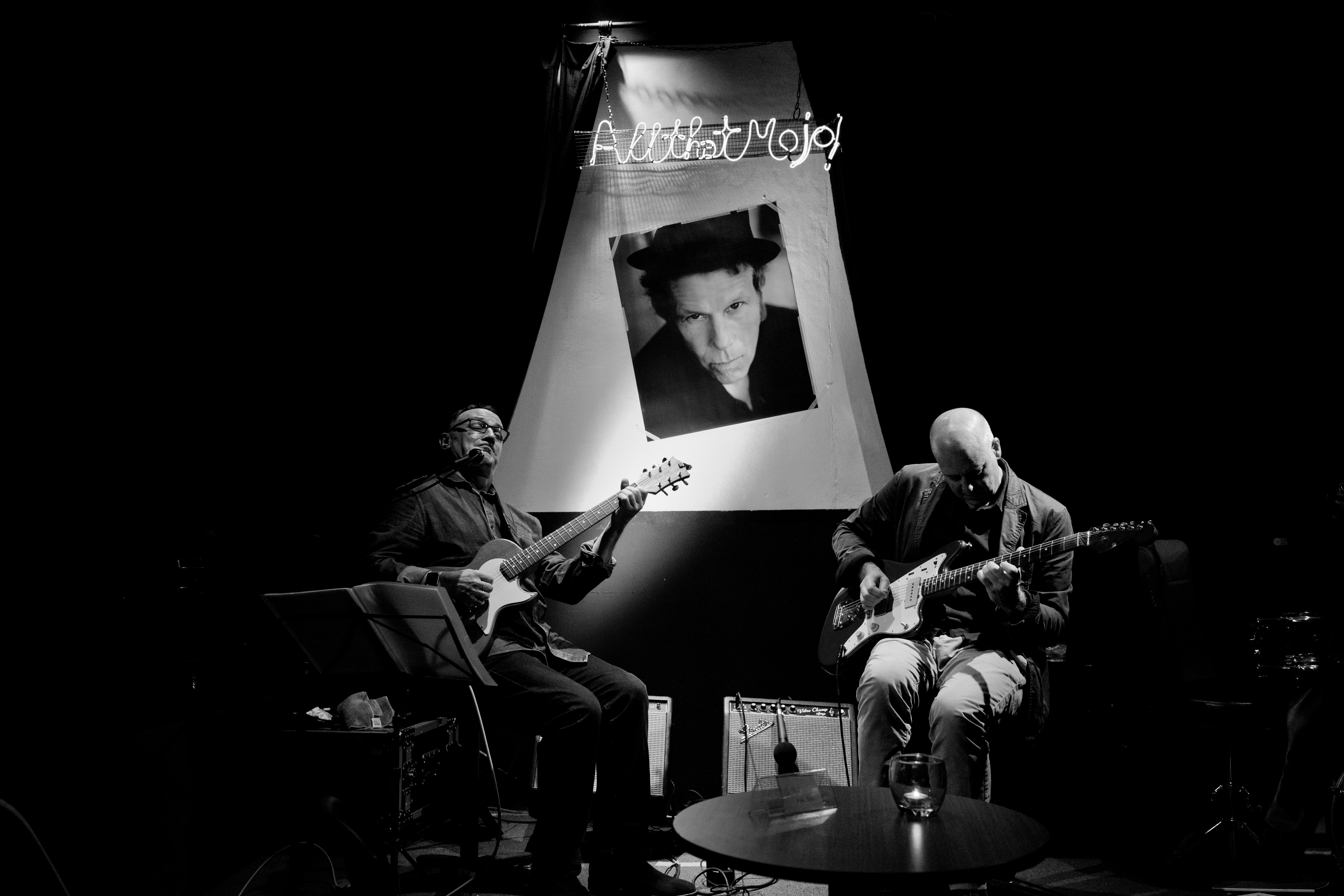
From above, the lights still shone down on the stage. This time, however, they couldn't illuminate the artist's portrait because the smoke from the cigarette was too thick. The entire room was shrouded in a hazy light.
It is a stage for multinationals and ethnicities. It is a stage for those...Ivery young, overlapping, mixed, and blended with theIof the listeners.
This is Tom Waits' stage.

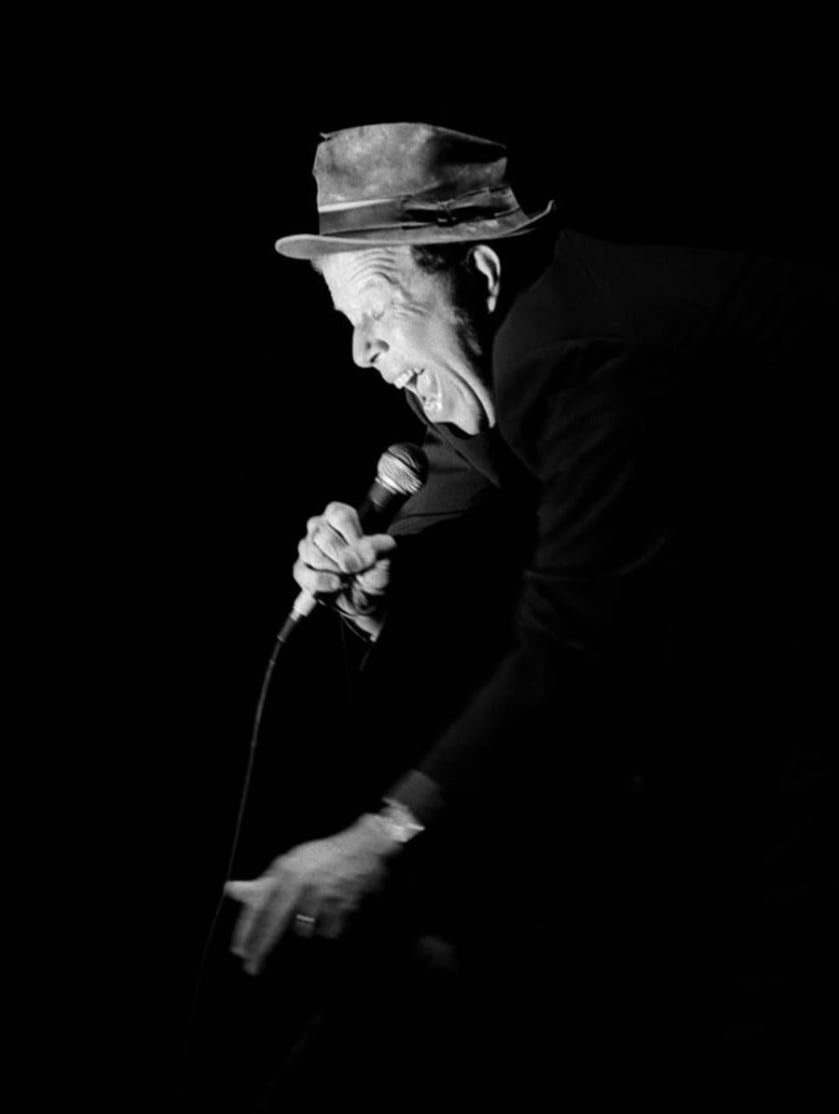
Waits, 1999
Sự hỗn độn đó đã thành công. Bằng chứng là không khí cuồng nhiệt từ khán giả, kéo theo những buổi diễn được “đặt hàng” từ các quán bar khác trong thành phố.
Nhưng còn một điều thú vị bên cạnh đó, là ban nhạc… không có tên. Họ, có thể là tập hợp của một người Việt trẻ được giáo dục bài bản và đầy tài năng; một công dân New York vì không thể tìm thấy sự tự do mong muốn trong đất nước của mình, nên tìm đến Hà Nội; và những thành viên khác, với những câu chuyện khác tương tự. Như Tom Waits nói, nếu muốn hát về chuyện gì, trước tiên phải tự mình sống trong bối cảnh câu chuyện đó. Những con người trong ban nhạc không tên giống như từng mảnh nhỏ, đóng góp vào nhau, tạo nên một câu chuyện hoàn chỉnh, “pastiche of Tom Waits”.
Hà Nội, 17/3/2022
“Anh Đức, cái ông đó đang hát về cái gì vậy?”, ai đó từng hỏi. Đến nay đã gần 40 năm. Không thể quên được giọng hát đó, cũng không thể quên được cái nóng và ẩm khủng khiếp của Pulau Galang. Và những câu chuyện kinh hãi mà chúng tôi được biết về những con người bị buộc phải sống ở nơi này. “Thuyền nhân” Việt Nam, hay những người Campuchia sống sót sau cuộc diệt chủng. Galang là hòn đảo biệt lập được chọn để dành cho họ - một doanh trại quân đội cũ được dựng sơ sài bằng gỗ, nay là chỗ ở của 10 nghìn người tị nạn. Bằng cách nào đó, những linh hồn khốn khổ này đã gạt bỏ nỗi kinh hoàng của cuộc vượt biên sang một bên, và tiếp tục sống.
Thỉnh thoảng, chúng tôi mời được vài người tới ngồi cùng trong một chiếc lán, để kể cho chúng tôi nghe chút ít về họ - những trại lao động, những chuyến đi đằng đẵng trên các cánh đồng khô cằn trong cơn đói tuyệt vọng. Hoặc hãm hiếp & cướp bóc trên biển, khát khao & tuyệt vọng trên chiếc thuyền nhỏ, trước sự khoan dung của những con sóng hùng vĩ, dưới ánh mặt trời chẳng khoan nhượng. Khi không còn điều gì để nói, chúng tôi trở nên tê tái: đó là cái giọng hát trầm khàn, vang lên trong những giờ giới nghiêm, hát về sự yếu đuối của con người và những khúc rẽ kỳ quái của cuộc đời.
Không lẽ nào đã 40 năm. Nhưng đúng là vậy. Giọng hát chết tiệt đó và những bài hát tối tăm đó, Foreign Affairs, kể lại hoàn toàn cuộc hành trình của chúng tôi.
- nhà văn, nhà báo Nguyễn Quí Đức, khi nói về những năm đầu tiên lắng nghe âm nhạc của Tom Waits.
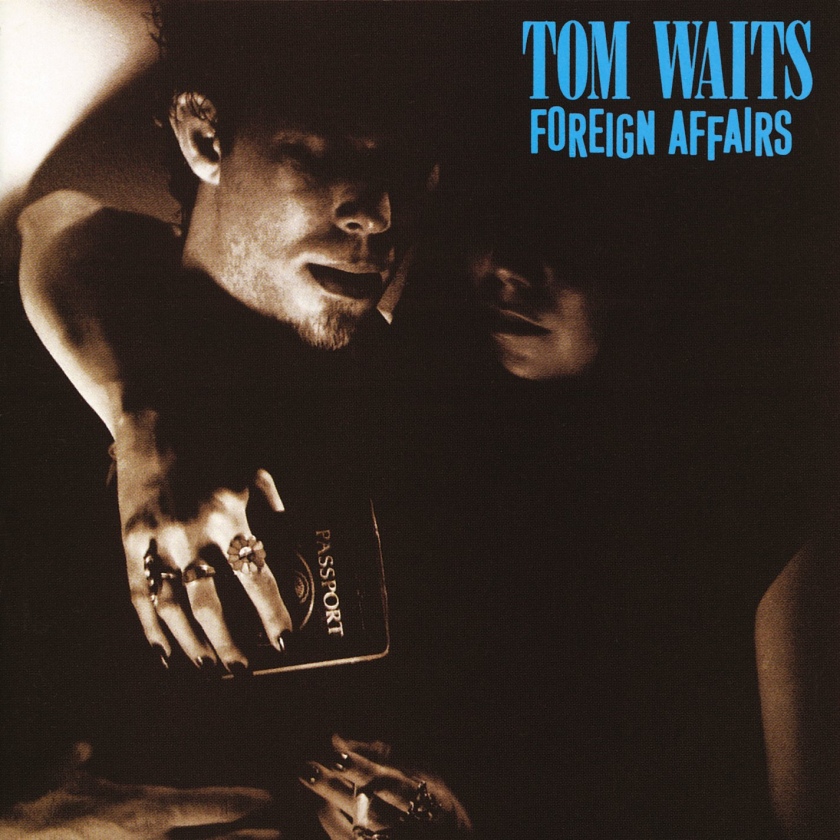
Album Foreign Affairs (Tom Waits, 1977)
For over two years, Hanoi has been devastated by the pandemic, and for over two years, no Tom Waits concert has been held in the city. The old music venues have disappeared, the foreign artists have returned home, and the audience – perhaps they've started families, quit smoking, or simply replaced Waits' music with brighter tunes more suited to the days of fighting the pandemic – has faded.
And that's when the "elders" of this city suddenly spoke up.
That's Nguyen Qui Duc, who has organized hundreds of music events in Hanoi over the past ten years. That's Paul Zetter and David Payne, two names not many Hanoians know, but they know Hanoi very well.
They practiced during the final months of the city's lockdown. On March 17, 2022, right after Hanoi reopened, those three "old timers" came together to present the first Tom Waits concert at 24 Tong Dan Street.

Gone are the cigarette smoke, whiskey, and the characteristic chaos of Tom Waits' stage performances; instead, there are smiles, blossoming on relaxed faces. Gone is the mournful, intense, or dark music; instead, Paul Zetter picks the gentleness of Tom Waits, blending it with his own gentleness.
As the final notes faded, a member of the audience gently approached.collapseHe went down to the steps of the stage. He bent over, bowed his head, his eyes wrinkled with tears.
Looking further afield, the remaining audience members all had tears in their eyes, yet their faces wore smiles.
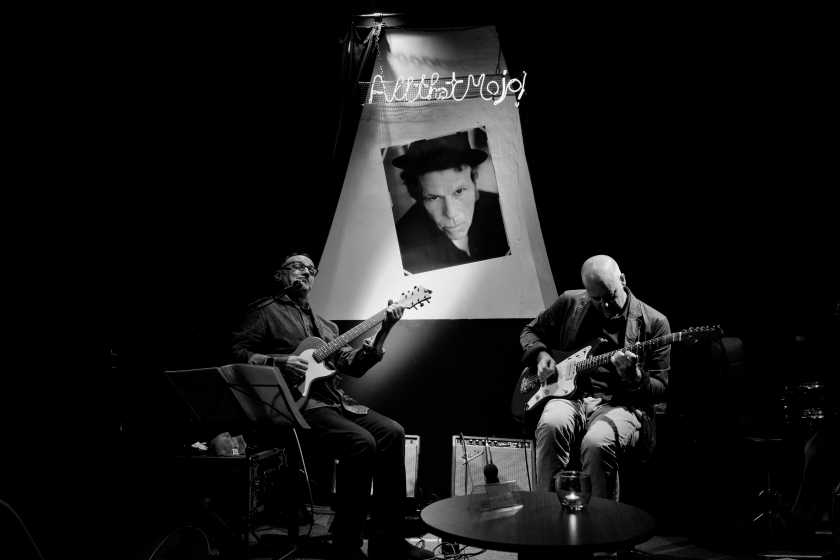
Paul Zetter & David Payne, 2022
*
"Who is Tom Waits, ma'am?" the employee suddenly appeared and asked, when I was the only one left in the room.music"I see many people are still talking about him."
"Well, he was basically a great jazz musician. So great that his music always made young people want to smoke, drink, or commit suicide."
"..."
"But older people who listen to Tom Waits' music feel better."
"Is that a contradiction?"
"Everyone goes through a phase where they want to smoke, drink, and think about suicide. But once you get through it, the rest of the journey will be better. Tom Waits' music accompanies you through each stage of life in this way."
"Ah, so this gentleman is..."Tom WaitYou need to know.wait".