
 VI
VI


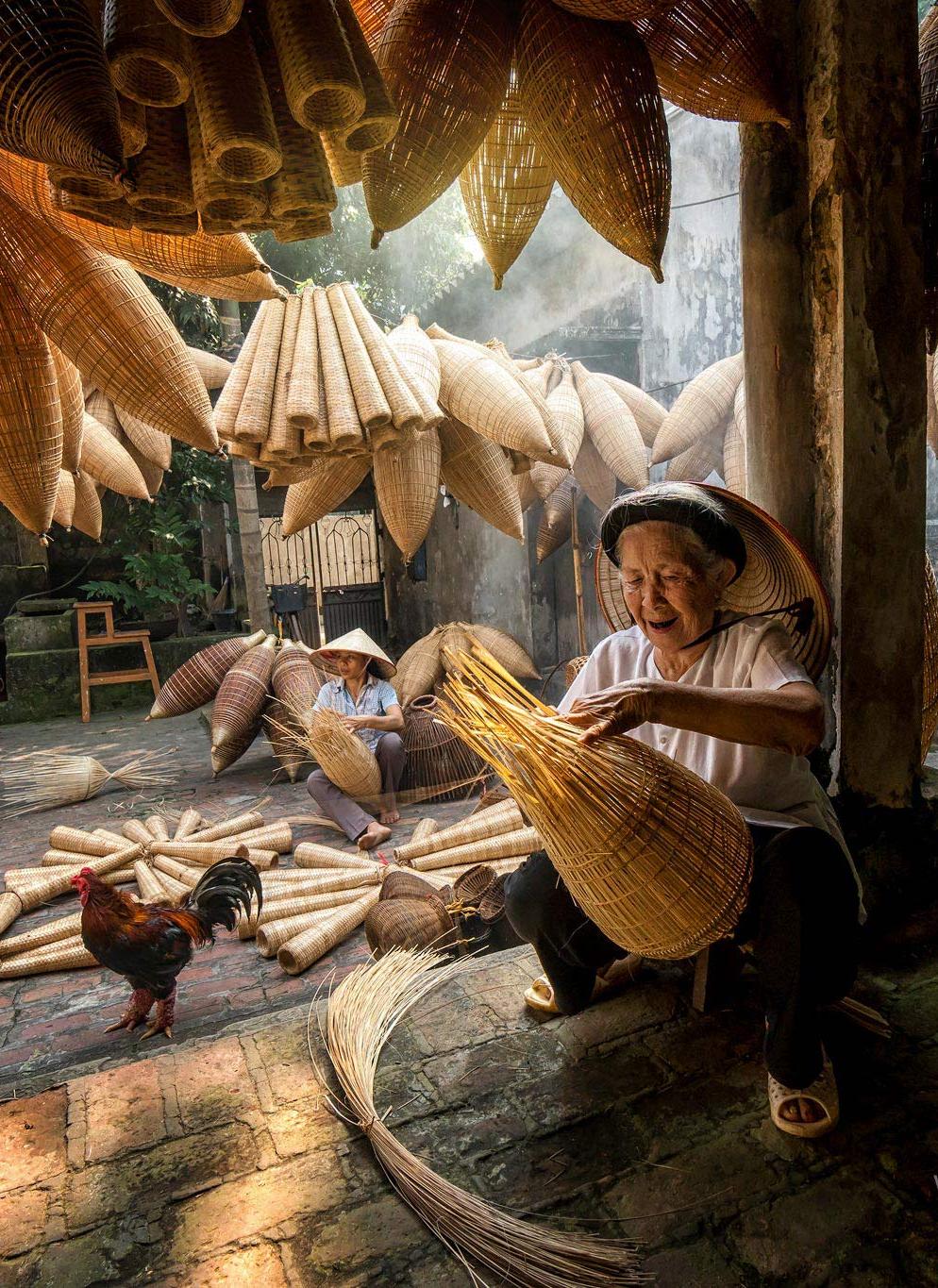
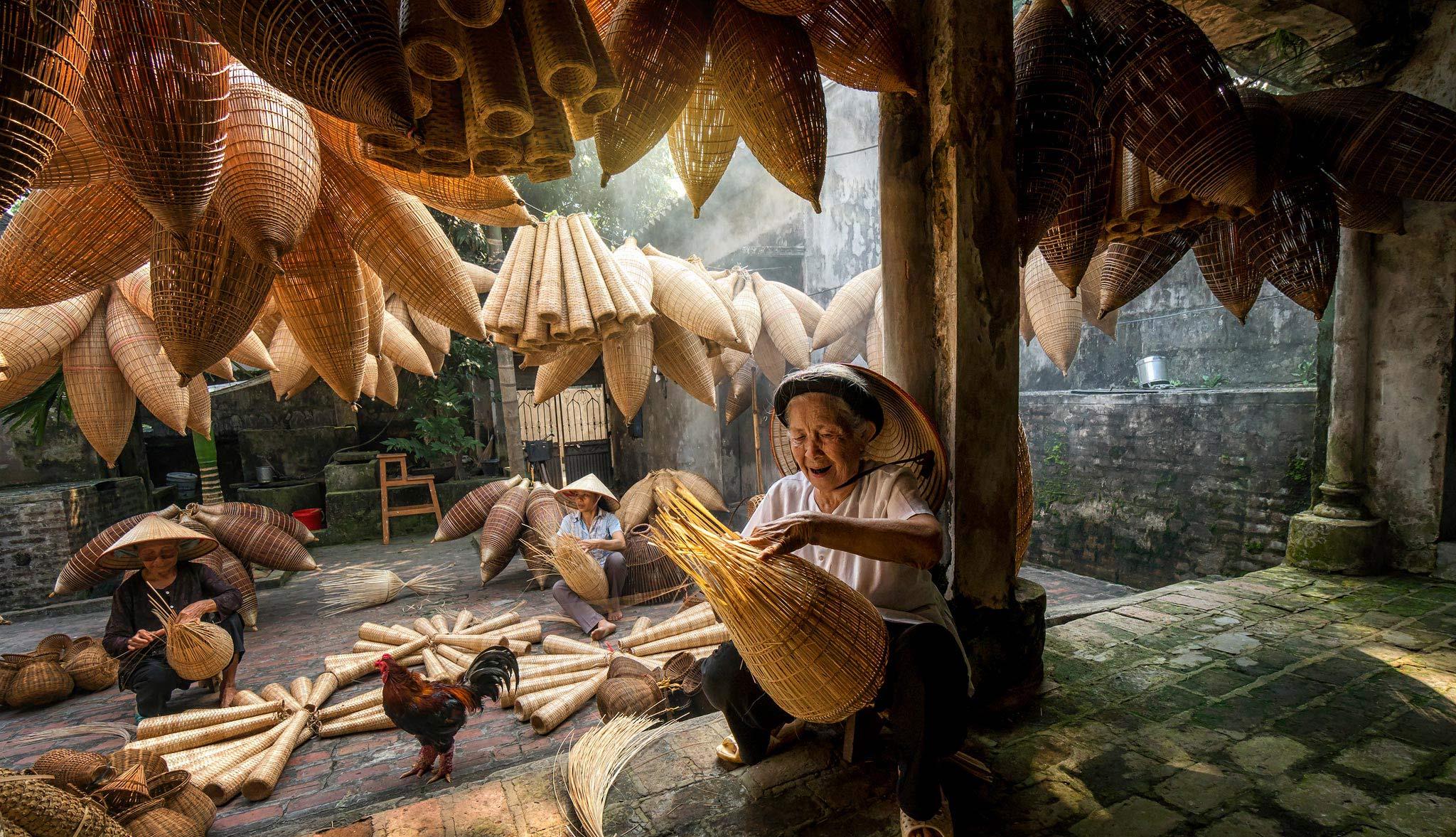
Archaeological findings and historical evidence have proven that Vietnamese craft villages originated thousands of years ago. Craft villages are ancient administrative units, implying communities of people practicing the same trade who live together to both develop the economy and preserve national identity and local characteristics. Most traditional craft villages are concentrated in the Red River Delta region, such as Hanoi, Bac Ninh, Thai Binh, and Nam Dinh... A few are scattered in the highlands and deltas of Central and Southern Vietnam.
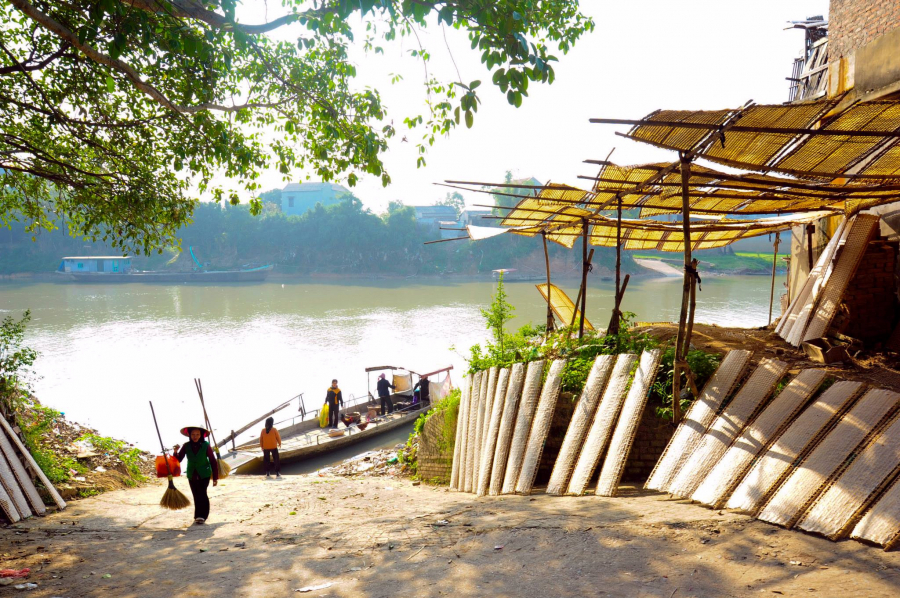
Hanoi, originally a bustling capital and trading hub, is surrounded by numerous traditional craft villages. These small villages have contributed to a rich folk culture throughout the Northern Delta region in general, and the outskirts of the former capital in particular. Today, many of these old craft villages still exist and have become attractive destinations for tourists interested in exploring local cultural identity.
Bat Trang Pottery Village
When mentioning traditional craft villages in Hanoi, Bat Trang pottery village is undoubtedly the first place that comes to mind. This is because the village has a history spanning hundreds of years, creating ceramic products of high artistic value.
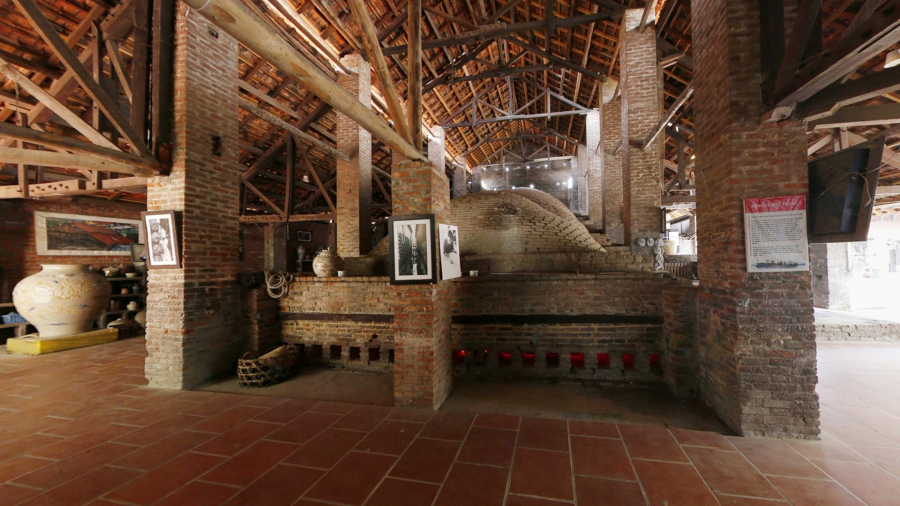
The Bầu kiln in Bát Tràng, dating back to the late 19th century, is a type of pottery kiln that uses wood for firing.
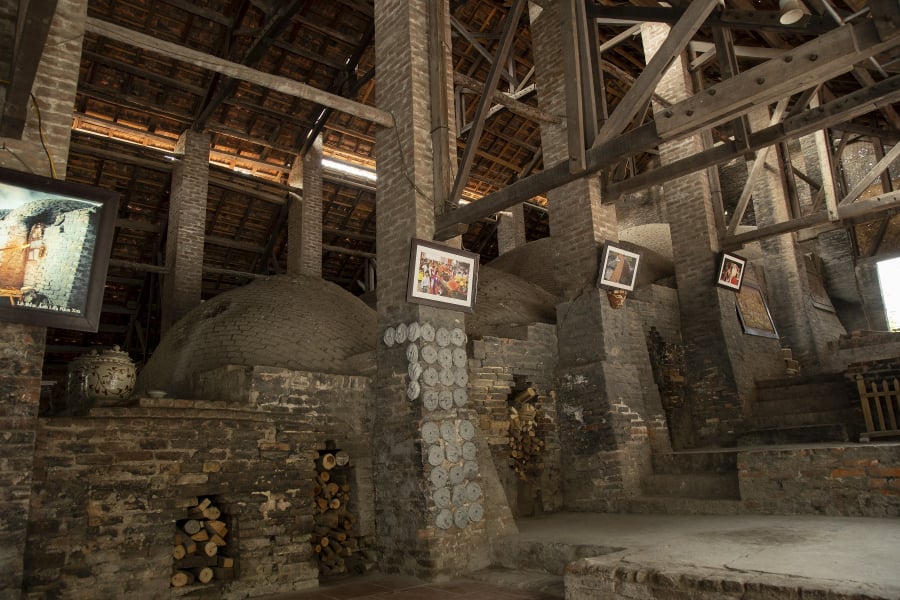
Bat Trang is an ancient village located on the Red River. Since ancient times, the people here have lived and developed their craft of pottery. Thanks to precise glaze application techniques and kiln firing methods, along with infusing "soul" into their creations, the artisans here have skillfully created a special type of pottery that is harmonious in composition, with elegant colors reflecting the sophistication of the people.
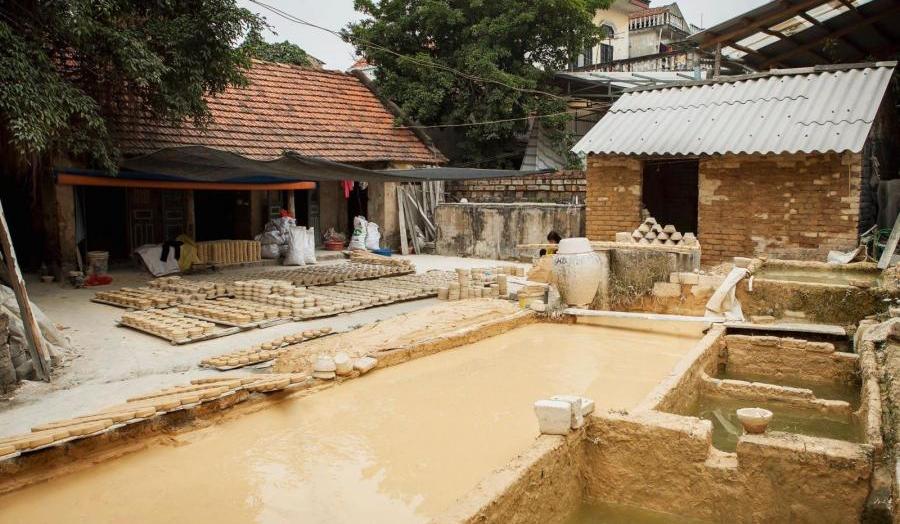
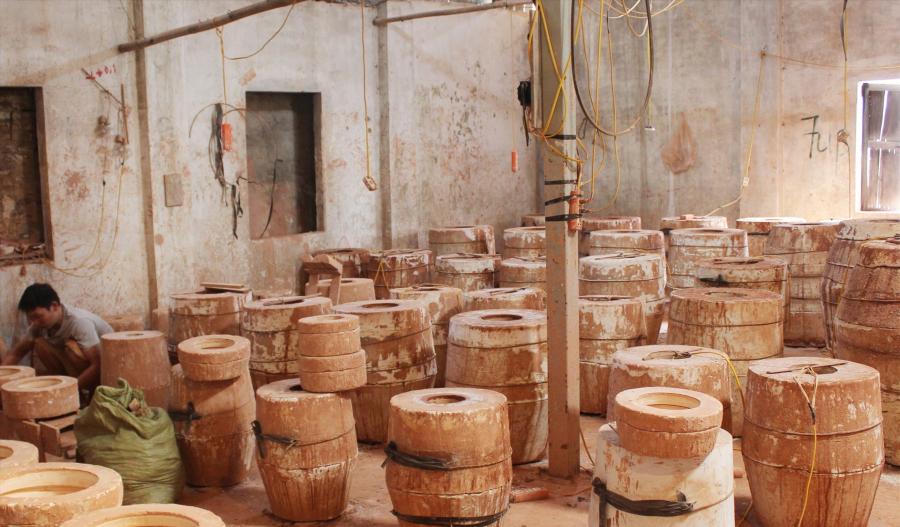
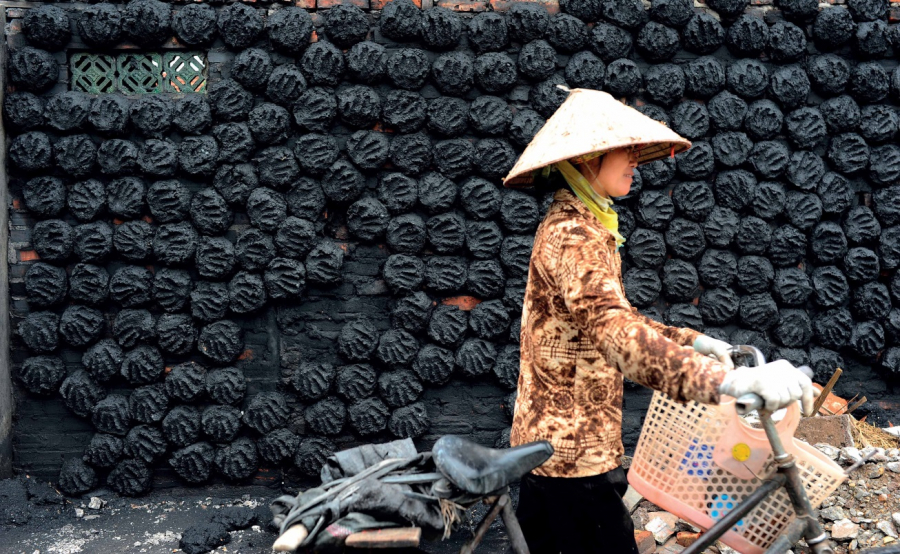
Spending time visiting Bat Trang ancient village, tourists will have the opportunity to admire ancient architectural structures and experience a peaceful rural life. With its rustic, simple beauty steeped in history, Bat Trang is one of the rare ancient villages in Hanoi that still retains historical relics such as the Van Van ancient house and the Bat Trang village communal house.
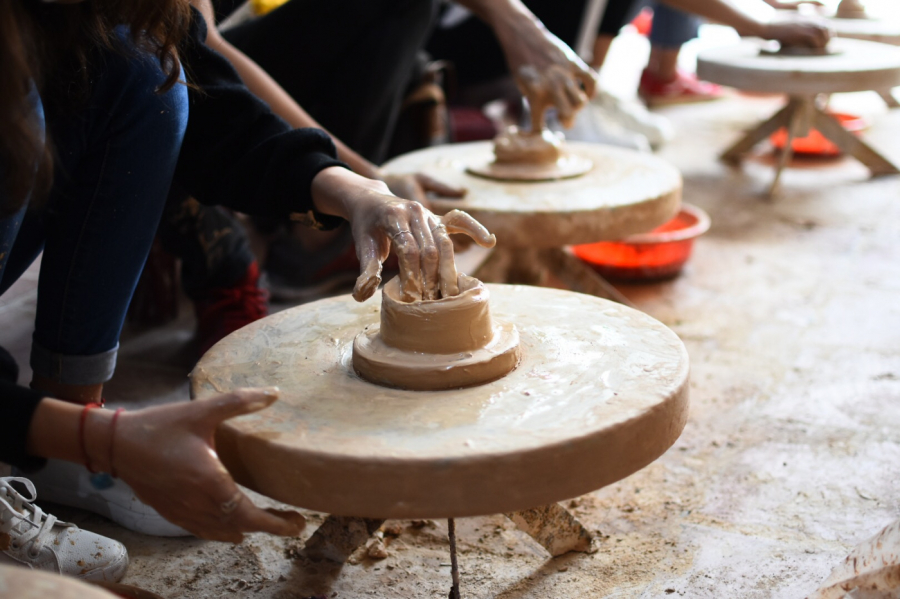
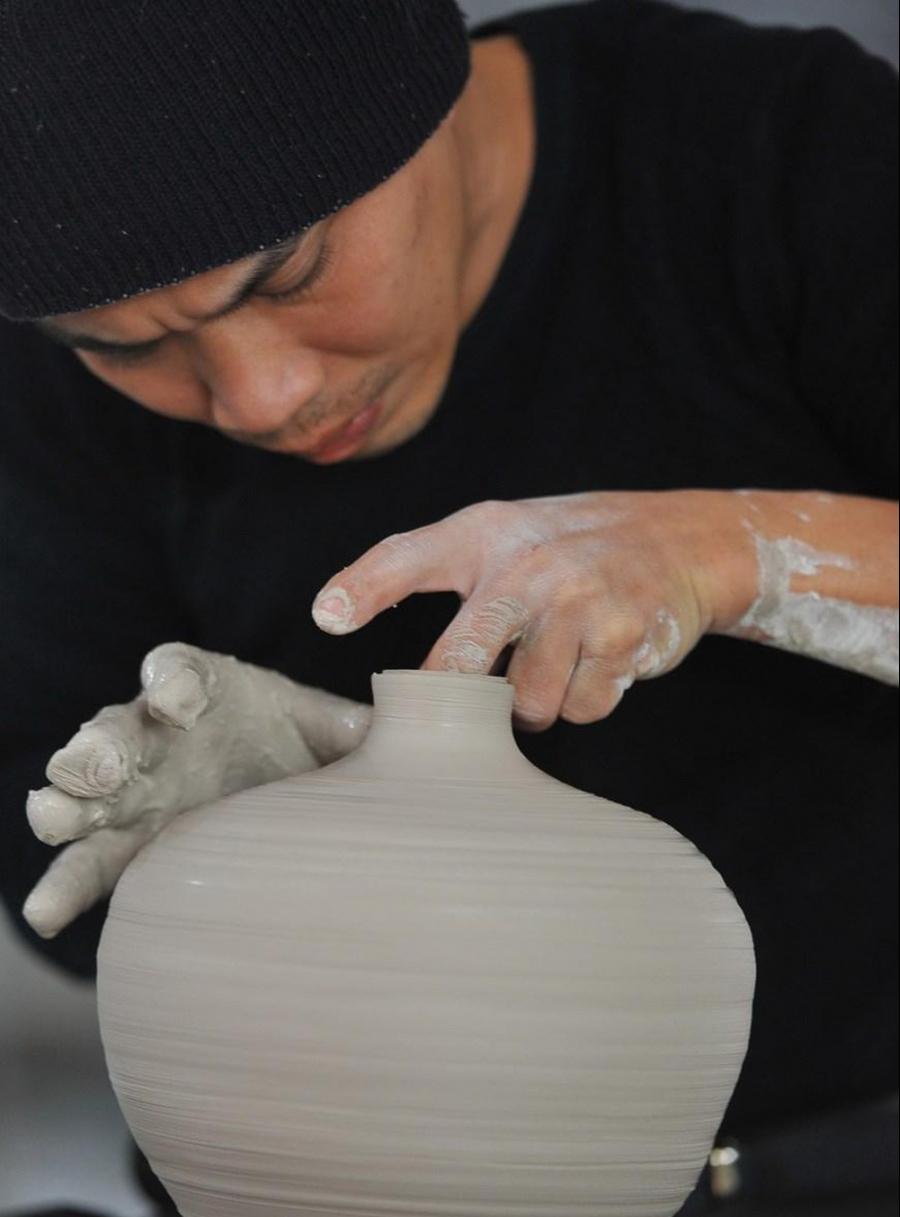
Most tourists visiting Bat Trang pottery village hope to have the opportunity to create their own unique ceramic products. For a small "tuition fee," visitors will be guided by artisans through the basic steps to create their own ceramic masterpiece. From operating the potter's wheel and kneading the clay to firing the product and handing it back to you to take home, it will all give you a truly special experience.
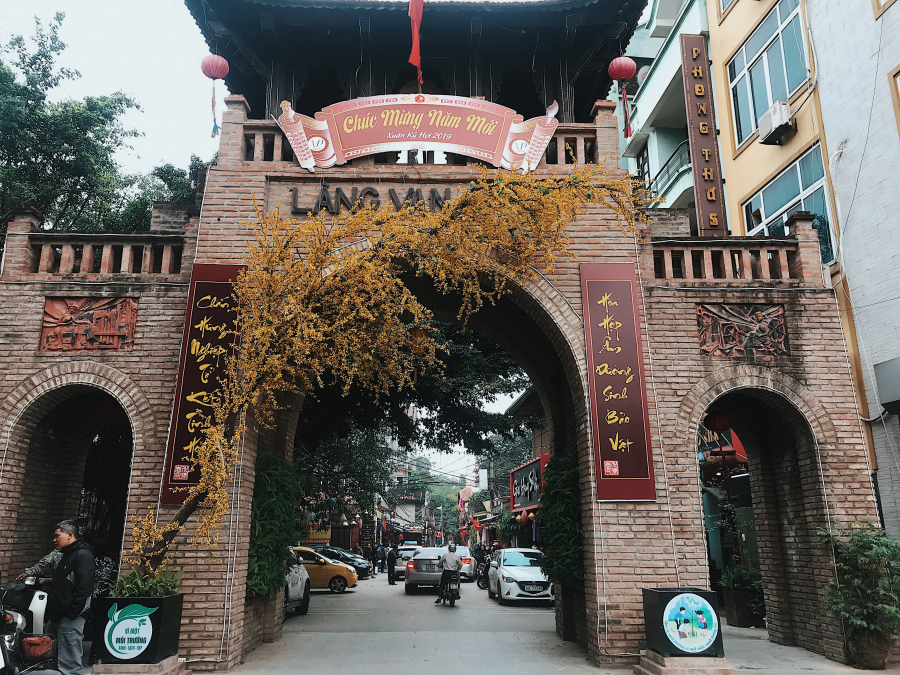
Van Phuc Silk Village
Ha Dong silk, or Van Phuc silk village, is located only about 10 km from the center of Hanoi.
Ha Dong silk products have been renowned for hundreds of years. During the feudal era, Van Phuc silk was one of the finest types of silk, chosen to make clothes for the royal court. Therefore, there was an old folk saying:
"Nga Son mats, Bat Trang bricks"

"Nam Dinh silk fabric, Ha Dong silk..."
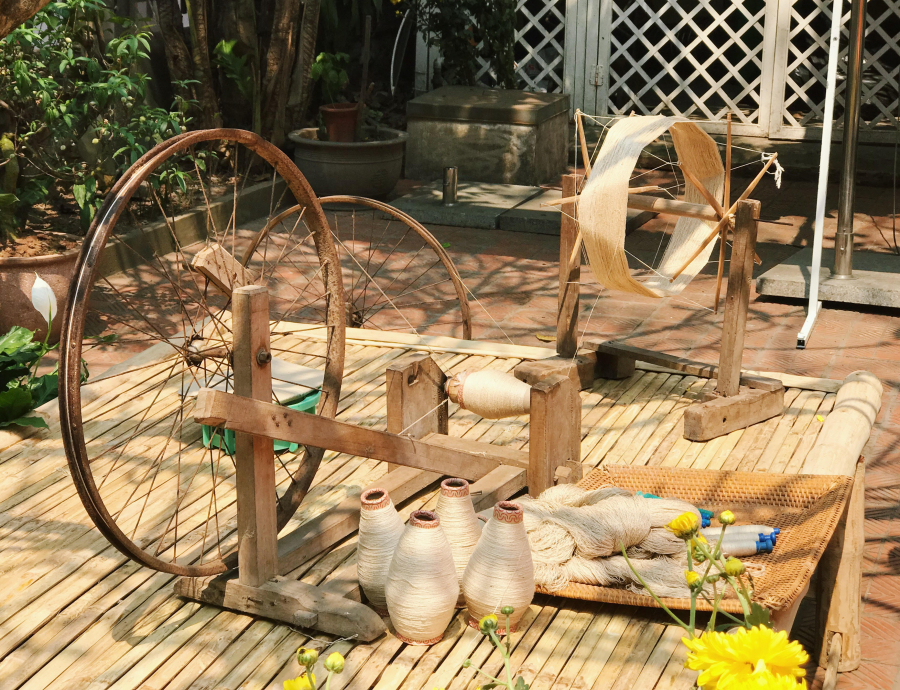
Van Phuc silk is a handcrafted textile made from silkworms, durable, beautiful, and incredibly rich in colors and designs. In recent years, Van Phuc silk village has developed and become one of the most popular tourist destinations in Hanoi because of its unique beauty and abundance of silk fabrics.
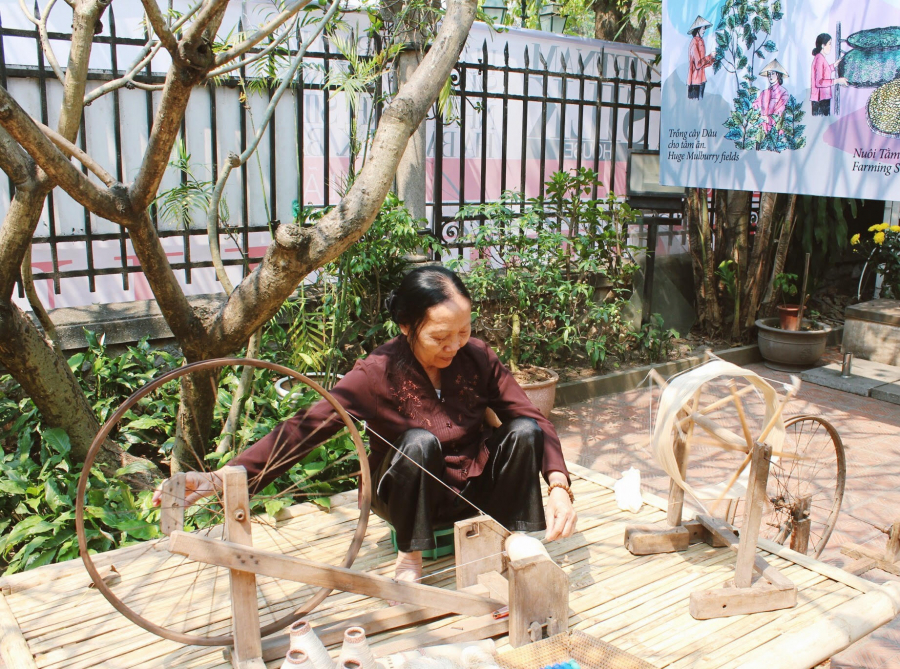
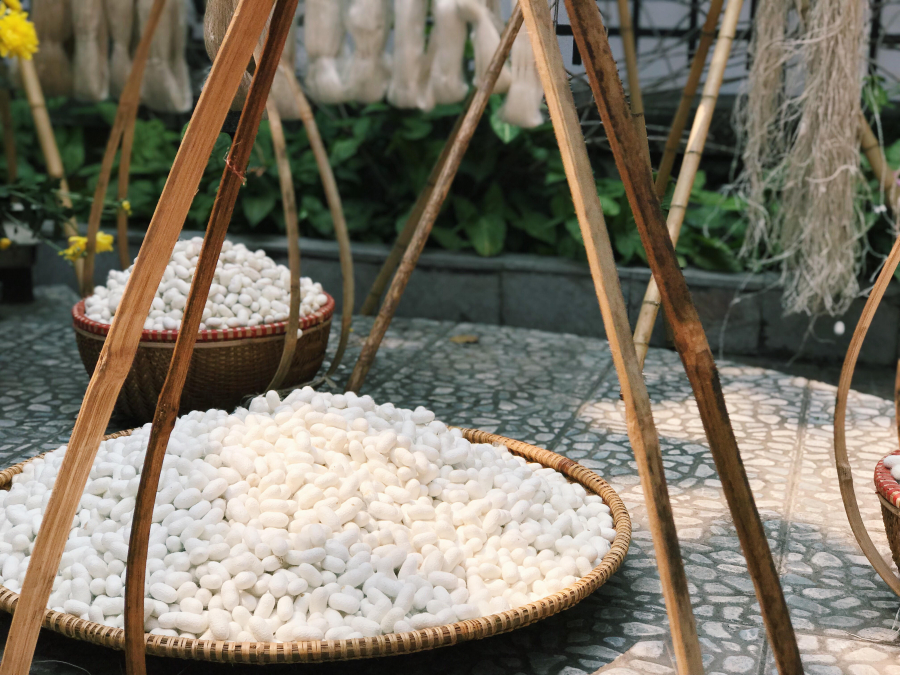
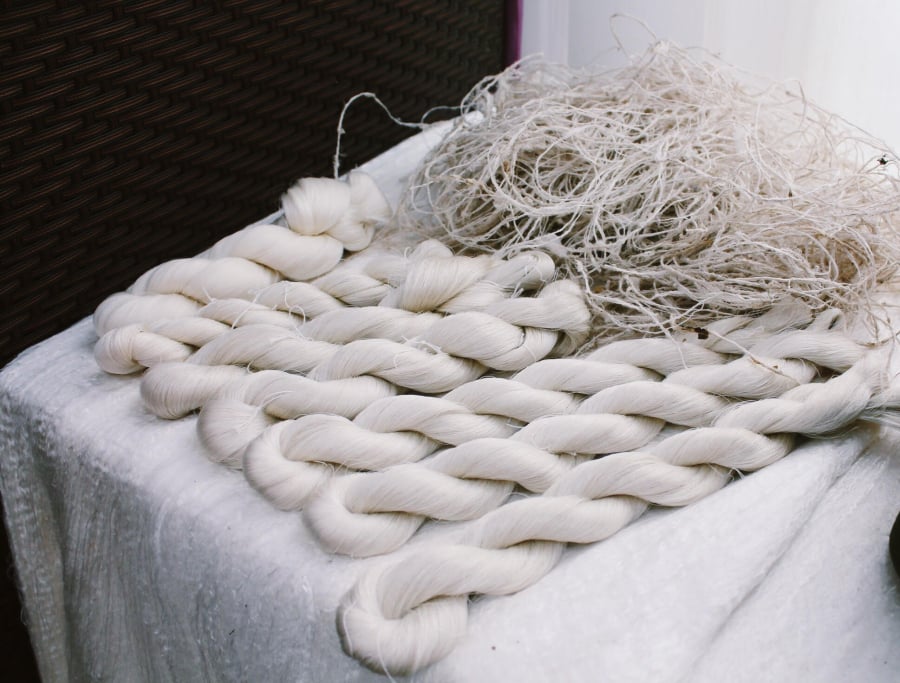
If you ever visit this traditional craft village in Hanoi, you'll get to tour the weaving workshops and learn about the process of creating soft, smooth silk fabrics, from stages like threading and sizing to weaving and dyeing... Each step must be carried out meticulously to produce the highest quality products, making Ha Dong silk famous throughout the country.
Chuong conical hat village
For generations, the familiar image of the conical hat has become one of the symbols deeply ingrained in the consciousness of the Vietnamese people and country. Throughout the three regions of North, Central, and South Vietnam, there are areas that produce conical hats, each with its own unique beauty and characteristics. And the most famous and durable conical hats in the Northern region are those from Chuong village, Hanoi.
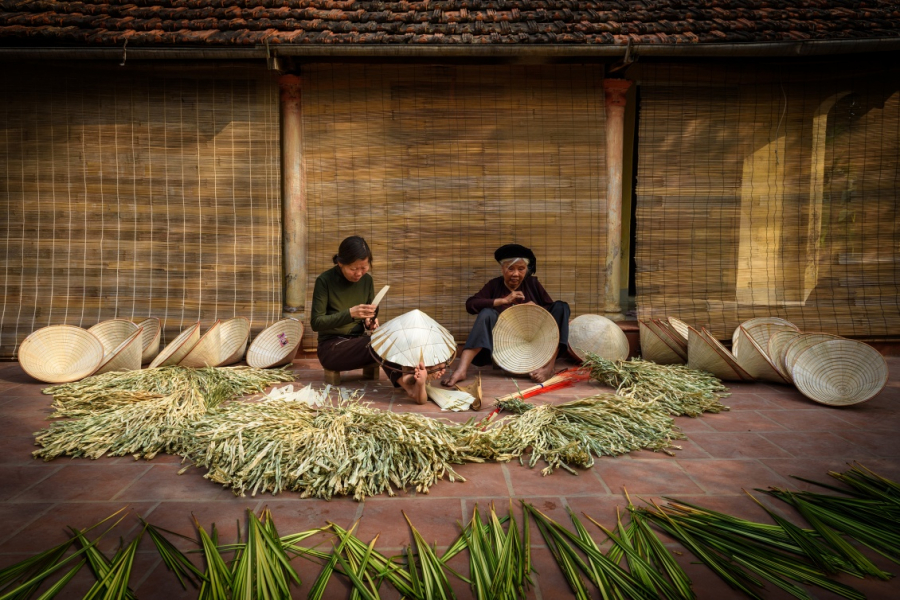
Chuong Village is located in Phuong Trung commune, Thanh Oai district, about 30 km from the center of Hanoi. While not as bustling as other craft villages, a visit to Chuong Village still allows you to easily admire the courtyards filled with delicate white conical hats drying in the sun.
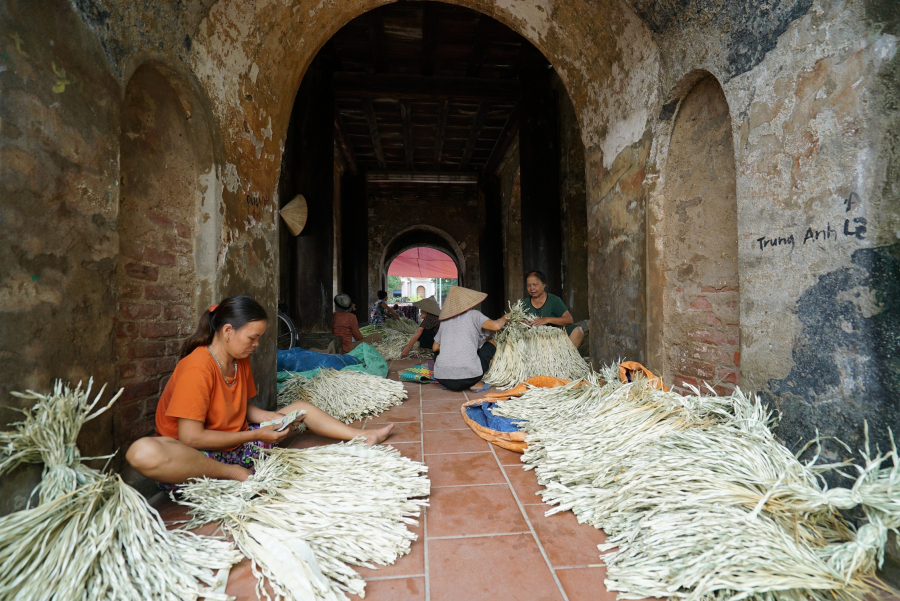
In the village, everyone knows how to make conical hats, from the elderly to the young children, all taking advantage of their free time during the agricultural off-season to participate. These skillful and meticulous hands have produced incredibly unique products, bearing the very distinctive characteristics of the Vietnamese people.
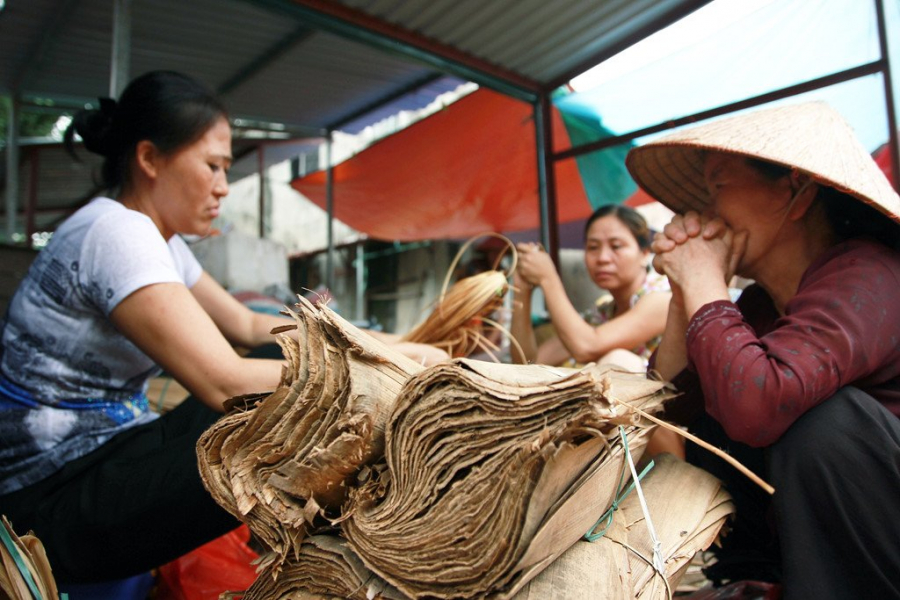
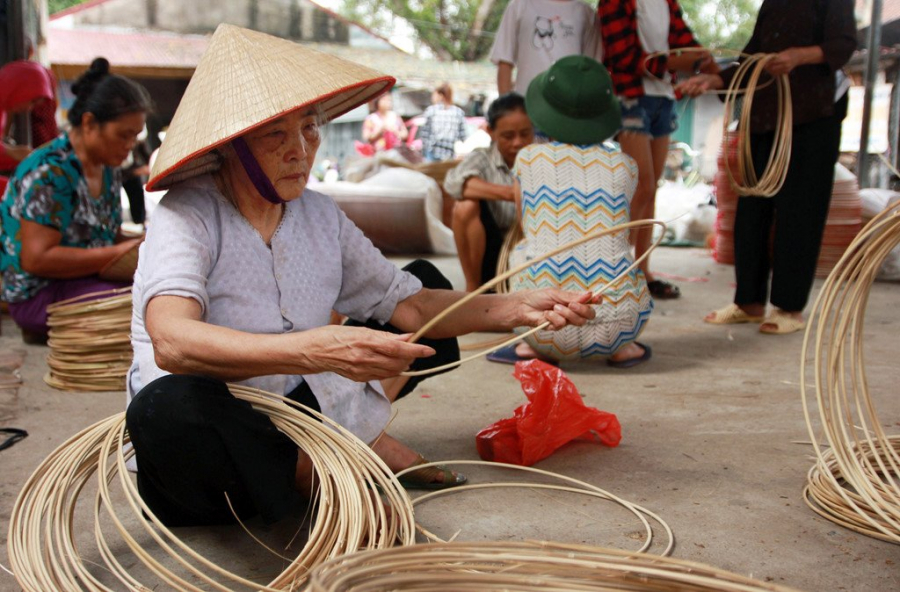
When visiting Chuong conical hat village, you should come during the conical hat market days, which are held on the 4th, 10th, 14th, 20th, 24th, and 30th of each lunar month, to have the opportunity to experience the hustle and bustle and the long-standing cultural traditions that are still preserved here.
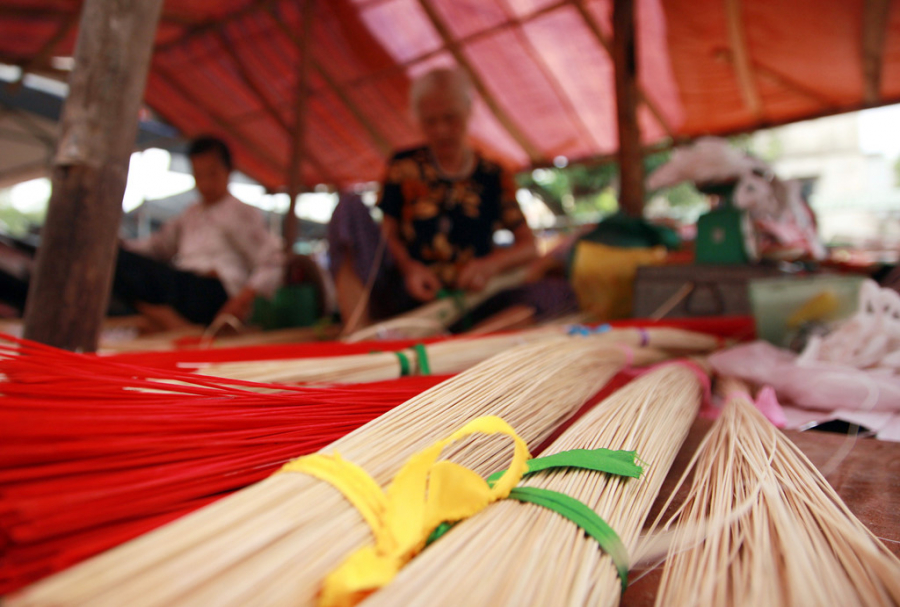
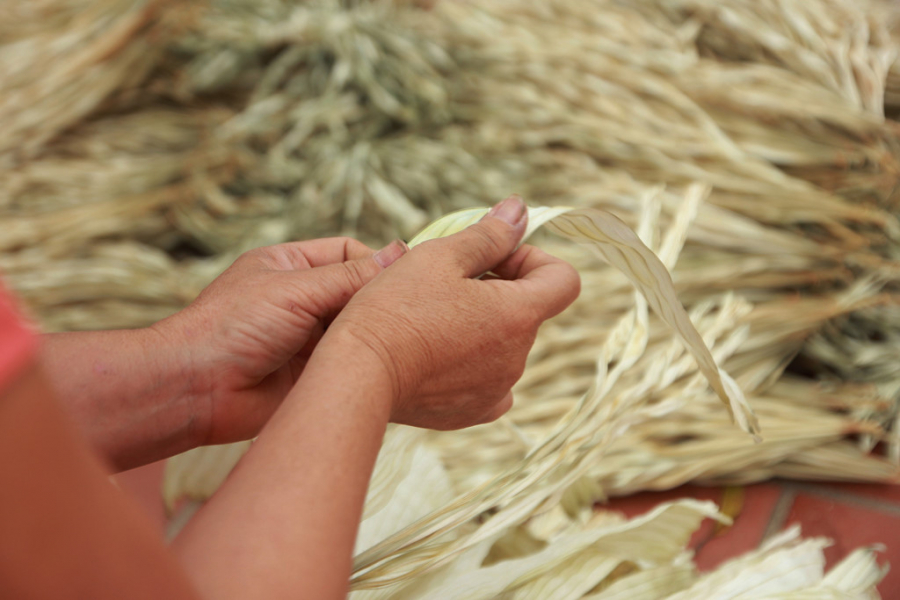
Another impressive aspect of this traditional craft village is that many old houses are still in use, creating a unique cultural atmosphere. This will bring a sense of peace and tranquility to every visitor.
Tay Tuu Flower Village
One of the traditional craft villages in Hanoi that attracts many tourists in the spring is Tay Tuu flower village. Located in Bac Tu Liem district, about 20 km from the city center, this village has a long-standing cultural and production tradition, with flower cultivation dating back to 1930. After nearly 100 years of operation, in 2017, Tay Tuu flower village was recognized and honored as a traditional craft village in Hanoi.
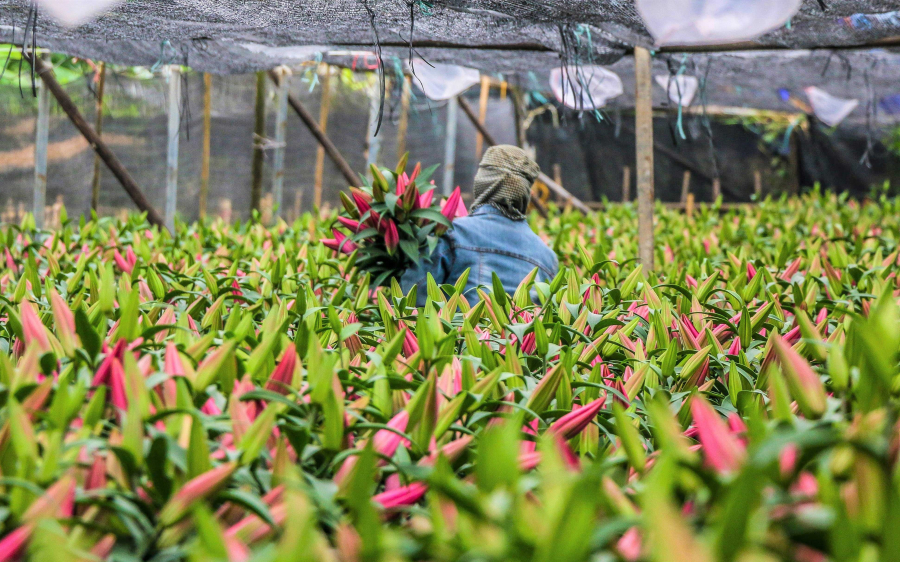
Flower cultivation has helped increase income and improve the living standards of the people; at the same time, it has made a significant contribution to the socio-economic development of the locality. Now, Tay Tuu flower village is the main supplier of fresh flowers for the entire city of Hanoi and neighboring provinces.
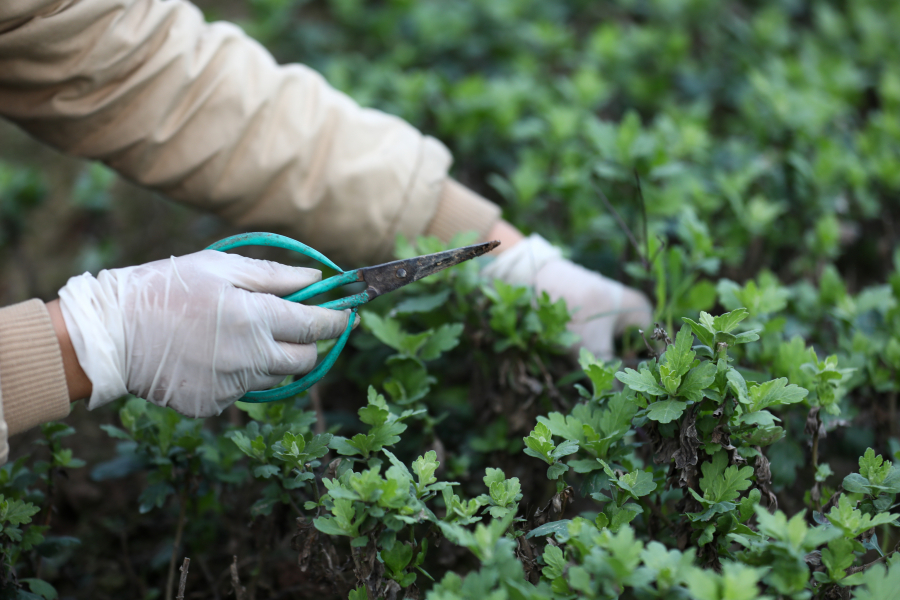
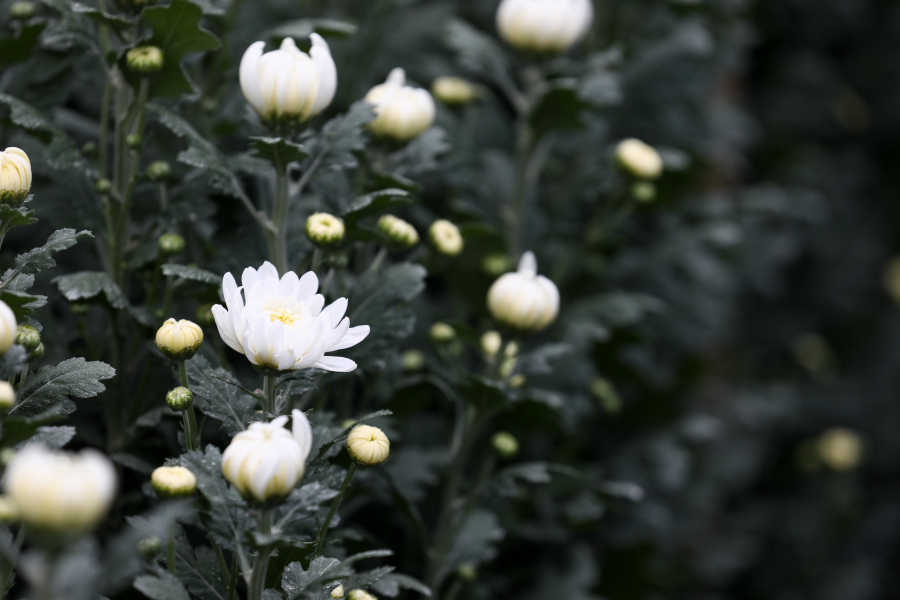
Every year as Tet approaches, Tay Tuu is adorned with countless colorful flowers such as roses, lilies, marigolds, peonies, etc. People and families eagerly prepare for the Tet flower selling season, creating a vibrant and bustling atmosphere.
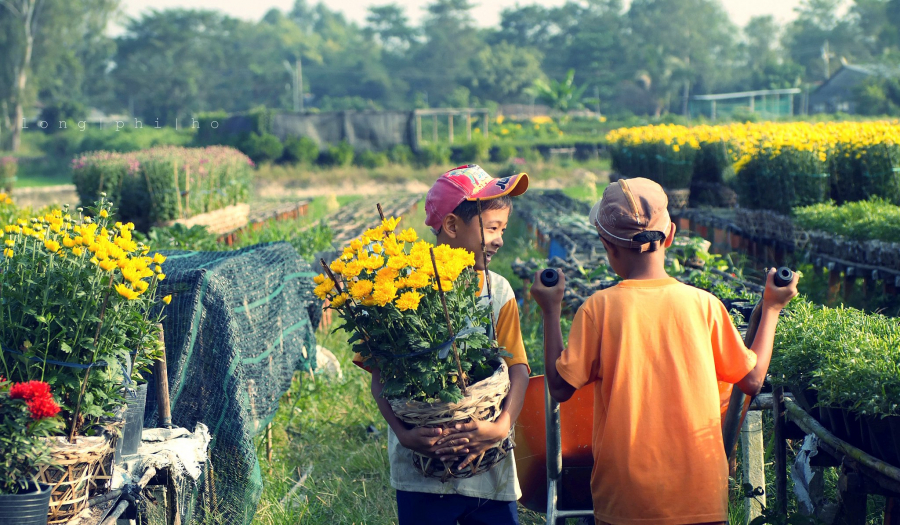
When you visit Tay Tuu flower village, you'll find vast fields of flowers that resemble a vibrant painting. In recent years, the villagers have started combining flower cultivation with tourism; each time the flowers bloom, the growers set aside a corner of their garden for visitors to come and take pictures.

Cu Da Vermicelli Village
Vermicelli is a familiar dish to Vietnamese people, especially this rustic dish is indispensable in the Tet holiday feast and other important occasions in Vietnamese families. And when mentioning vermicelli-making villages, one must mention Cu Da - an ancient village on the picturesque banks of the Nhue River.
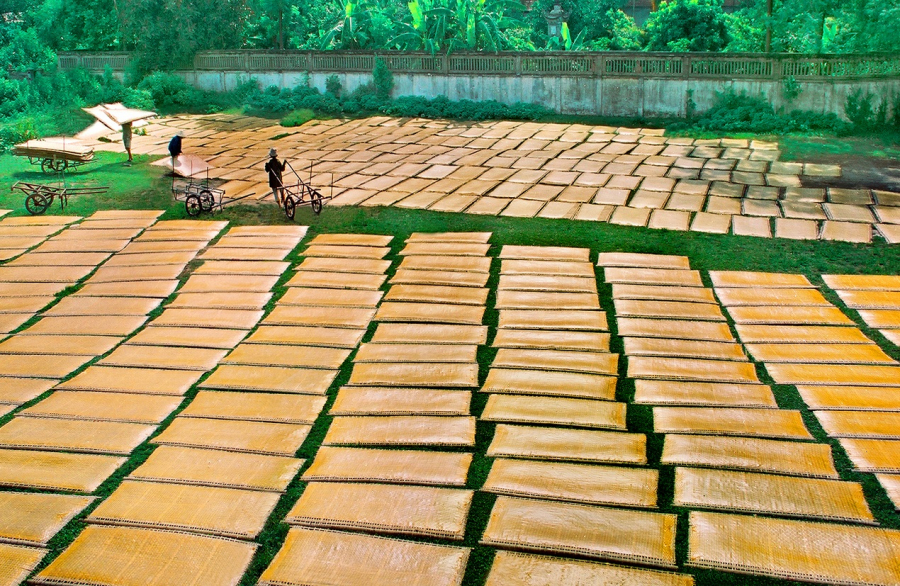
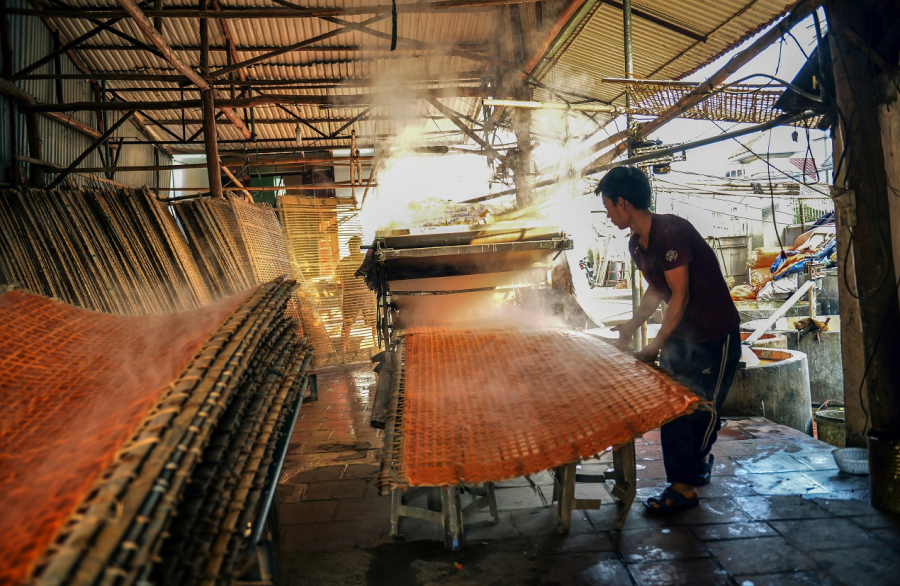
Located about 20 km west of Hanoi's city center, the ancient village of Cự Đà, in Cự Khê commune, the northernmost commune of Thanh Oai district, Hanoi, is one of the oldest traditional villages. The vermicelli-making craft in Cự Đà has existed for hundreds of years.
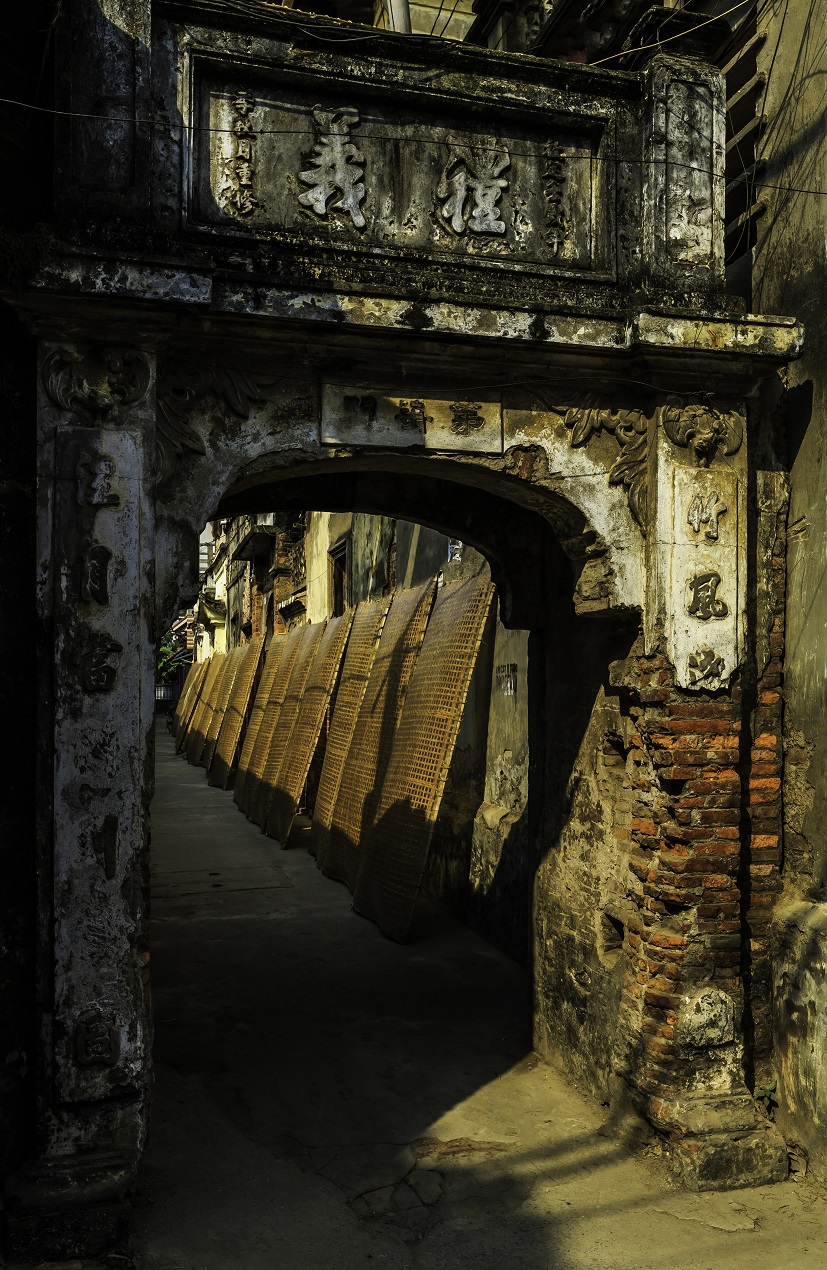
On sunny days, the village roads of Cự Đà shimmer with the golden hue of drying vermicelli. Seen from afar, the entire village seems bathed in a magical golden glow. The vermicelli strands hanging from the eaves of houses glisten like silk threads in the autumn sun, stretching endlessly along every alleyway, creating a beautiful scene that attracts tourists and photographers alike.
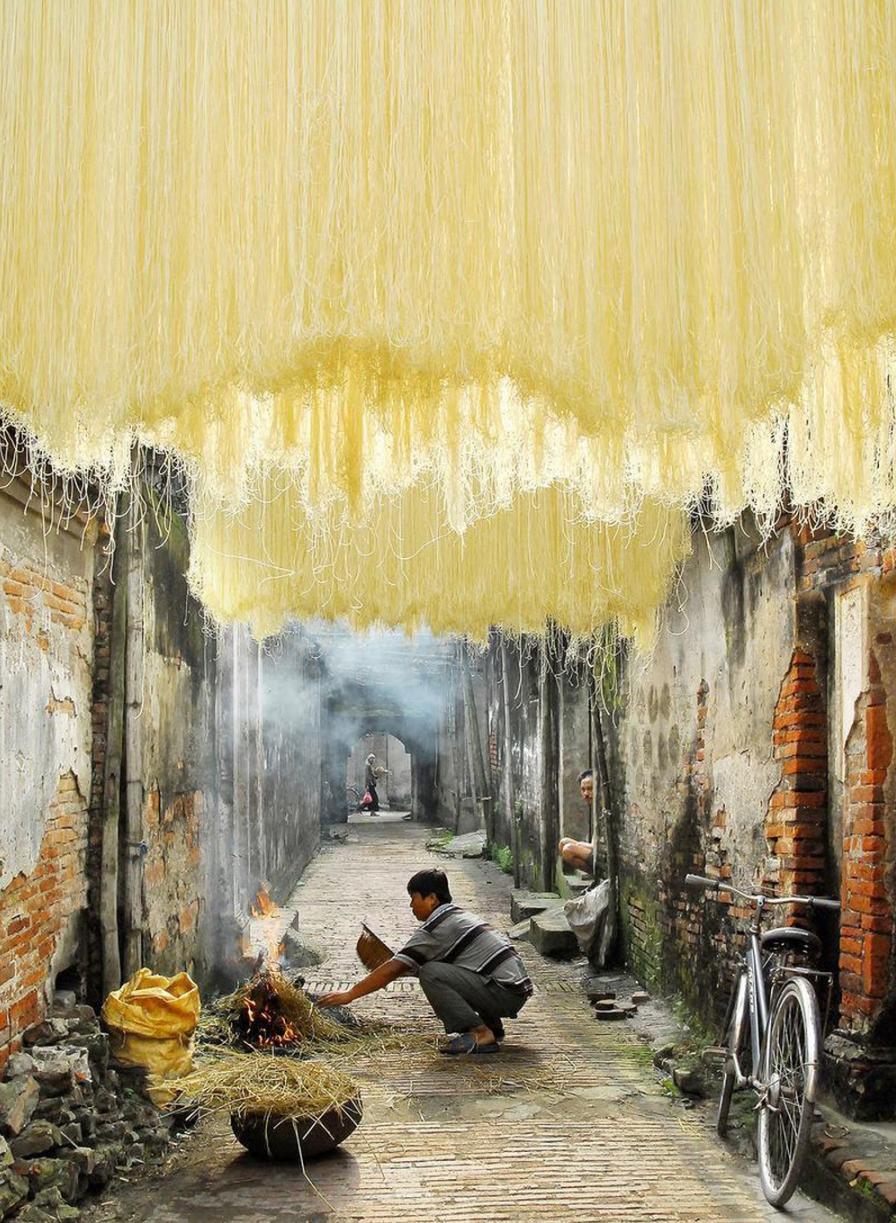
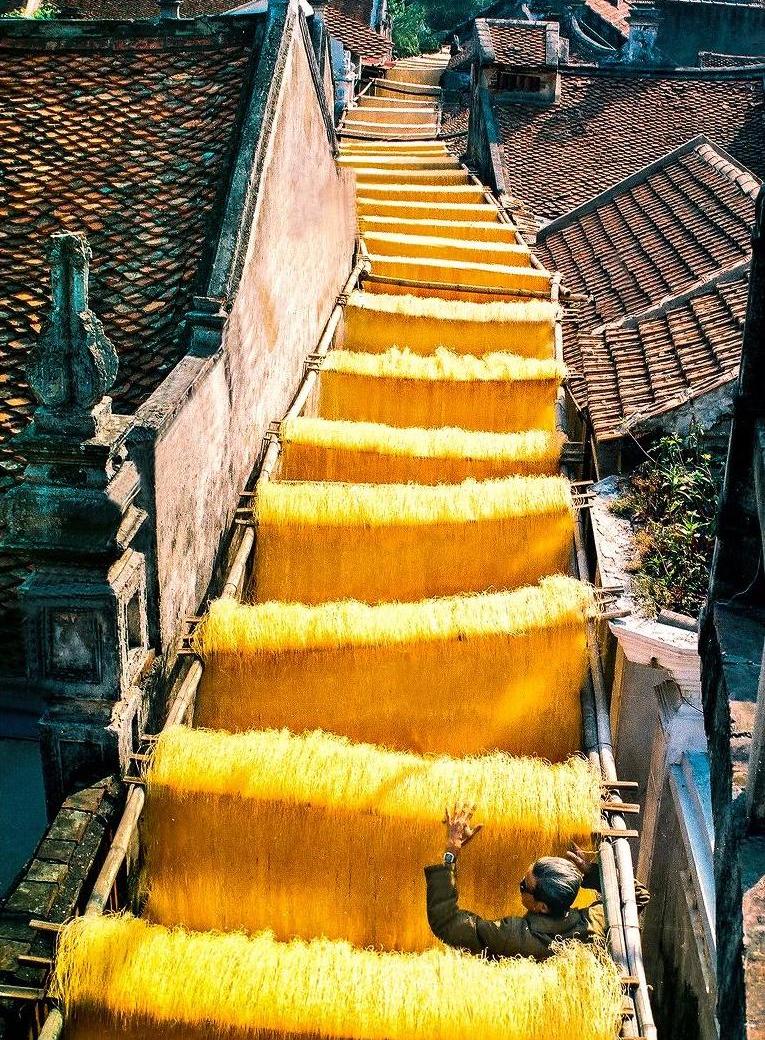
If you come here in the morning, you'll see a bustling scene of locals. People are carrying trays of vermicelli noodles and placing them on wooden benches along the roadside, others are drying the noodles in the sun, and still others are delivering them. Life is simple but full of joy.






.jpg.jpg)



.jpg.jpg)






