VI
VI


This phenomenon not only reflects a shift in consumer behavior but also mirrors broader social values stemming from health, personal identity, digital experiences, and environmental concerns. In recent years, market research has highlighted a fundamental shift in consumer thinking, with consumers increasingly looking at the ingredients and origin of food rather than simply trusting the brand.
The NIQ White Paper 2025 report reveals that up to 71% of consumers now carefully check ingredients, origin, and nutritional benefits before deciding to purchase food and beverage products. Let's explore these new consumer habits that have had a strong impact on the food and beverage industry recently.

Personalized convenience is reshaping the way we eat.

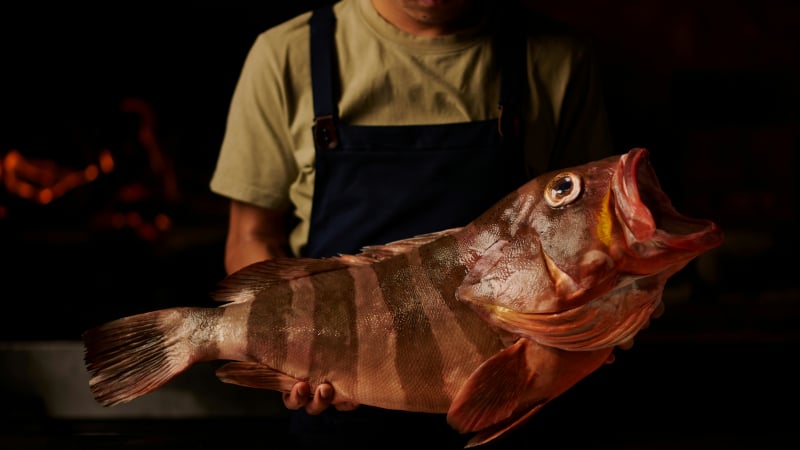
This trend is not random or sudden; it reflects changing consumer habits and mindsets. It represents the development of a more discerning and meticulous generation of consumers who want to personally verify quality rather than relying solely on brand promises. This puts significant pressure on traditional F&B businesses, forcing them to be more transparent in their supply chains, clearly disclose the origin of ingredients, commit to sustainability standards, and upgrade their products to meet the expectations of modern consumers.
This is accompanied by a boom in functional food products such as health-restoring drinks, digestive aids, and protein-rich snacks, in which major brands (PepsiCo, Nestlé, Danone, etc.) are investing heavily in both product development and innovative marketing strategies.

Diners choose dishes based on a sense of security before considering the taste.
Health and nutritional balance
While in the past people were only concerned with "delicious food," now consumers are also looking for "healthy eating." The concept of "healthy eating" is no longer just a slogan printed on packaging but has become a practical behavior with clear data.
A new report from Food & Wine indicates that the effects of GLP-1 weight-loss drugs (such as Ozempic or Wegovy) are dramatically transforming consumption in the food industry. It's possible that more than 12% of U.S. adults have used these drugs, and they tend to reduce their consumption of processed foods, fast food, sweets, and alcoholic beverages, while increasing their spending on fresh vegetables, high-protein foods, and healthier choices.

The value of a meal lies in the feeling of satisfaction after consuming it.
This effect is even more widespread as packaged food brands in the US are using the "GLP-1 friendly" label (food or diet that supports the body's natural GLP-1 hormone) as a new approach to cater to a health-first consumer segment. This trend shows that in some countries like the US, health has become a major driving force in consumption, rather than simply a secondary factor. Customers now choose food, drinks, and culinary experiences based on the criterion of "good for the body" before judging them by taste or attractiveness.

When food is an experience
According to the NIQ White Paper 2025 report, food and beverage consumption is no longer just a physiological behavior but also a reflection of emotions and social signals. Consumers no longer buy a dish simply because it "fills them," but because it "fits their ego," their mood, their personal story, and even their social media. These behaviors were far removed from and unimaginable decades ago when food was simply something to satisfy hunger, taste, and fulfill our needs.

Cuisine today is not just about food, but an experience crafted down to every detail.
The concept of food as emotion suggests that customers' F&B choices are increasingly influenced by mood, the desire for connection, aesthetics, and the need to share experiences with the community. While health is the top reason for choice, pleasure, experience, and social connection are the next driving forces, making consumers willing to pay more for products that are "shareable" and "create good moments," such as beautifully designed drinks, restaurants with impressive interiors, or dishes with compelling stories on TikTok/Instagram.

Diners' consumption habits are becoming increasingly flexible and complex.
A Starbucks drink served in the brand's signature cup, a piece of A5 Wagyu beef with a captivating and interesting story, or simply a luxurious and opulent restaurant space are all enough to attract diners. Data from the NIQ White Paper 2025 also shows that up to 65% of consumers are willing to participate in and co-create new social media content about the restaurant itself, and 33% choose a product because "the brand understands me" rather than because it is cheap or popular.

In addition to selling beverages, Starbucks also thrives on its complementary products.
This opens up a new definition: diners want food to tell them a story, they want meals to be memorable moments, they want culinary choices that reflect their "fussy" individuality, and brands that meet these demands will win the hearts of the market. Clearly, a 4P's pizza served to a high standard, along with a meticulously prepared 4P's salad featuring vegetables grown exclusively on the brand's farm, and all the drinks and desserts made with a sustainable farm-to-table approach, will attract... quite a few diners.
E-commerce and digital experiences are changing the way we shop forever.
One of the biggest shifts facing the F&B market is the dominance of e-commerce and digital platforms. According to Allied Market Research, the rise of the direct-to-consumer (D2C) model and online food shopping has changed how consumers interact with F&B. Platforms like Instacart, Amazon Fresh, and food delivery services (GrabFood, ShopeeFood, etc.) are creating a consumption channel that is not limited by geographical location or time. Customers can simply sit at home and with a few clicks access a vast menu of choices. They have so many dining options that they seem overwhelmed by the myriad of brands and small eateries on online platforms.

Ordering food online has become a habit for many people.
This trend forces F&B brands to compete not only on supermarket shelves but also to battle on search algorithms, online reviews, user segmentation, and personalized product recommendations. In some developed countries, and also in Vietnam, meal kits and subscription boxes have grown by up to 40% recently, demonstrating consumers' willingness to pay for personalized convenience.
Post-pandemic flexibility and prioritizing practical values.
According to the Vietnam Food & Beverage Market Report 2024, one of the most notable shifts in the market is not a complete "belt-tightening" by consumers, but rather how they are reallocating their spending budget for food and beverages. Specifically, the percentage of Vietnamese people who maintain the habit of drinking beverages outside the home 3-4 times a week has sharply increased from 17.4% in 2023 to 32.8% in 2024. This figure shows that the demand for experiences outside the home continues to grow, despite the clear pressures from the cost of living and the overall economic context.

Pizza from the Pizza 4P's brand.
What's noteworthy is that the increased frequency doesn't equate to a loosening of spending habits. On the contrary, consumers are becoming increasingly selective about their destination, timing, and the value they receive with each purchase. Instead of impulsive, trendy meals, new consumer behavior leans towards affordable, accessible options that still offer a sense of enjoyment, from the ambiance and service to the brand story. This explains why coffee shop, casual dining, and hybrid space models (combining drinks, experiences, and community) continue to thrive, while those chasing short-term trends quickly become saturated.

A fine dining restaurant at Solaire Resort, Manila, Philippines
On a deeper level, this picture reflects the clear maturation of Vietnamese F&B consumers, who no longer spend based on isolated impulses but place the experience in balance with their personal budget. "Value" is now measured not only by portion size or ingredients, but by the sum total of emotions, convenience, consistency, and a sense of worth after each service. This shift is putting pressure back on F&B brands, forcing them to review their investment strategies, positioning, and experience design.
Another factor having a profound impact is awareness of sustainability and consumer ethics. Recent studies indicate that many consumers are willing to pay a premium for food that meets animal welfare standards, low-carbon emissions management, or transparent sourcing. This trend is driving F&B producers and retailers to invest in clean production processes based on international standards, creating a positive feedback loop: consumers are willing to pay more for peace of mind and ethical value, and the market responds with more transparent and sustainable products.

Meals become a way for each person to express their individuality.
The habits we're witnessing, from seeking transparent ingredients and prioritizing health and well-being to online shopping, sustainable choices, and brands that reflect identity, are setting a new standard for the food and beverage industry. This standard redefines the value of food in modern life and presents the market with a long-term competitive challenge.
Consumers are no longer passive recipients, but have become the driving force behind contemporary dining trends. In a world where the F&B market must adapt to changing consumer behavior, brands that anticipate, listen, adapt, and tell compelling stories will be the pioneers of a new culinary era.