VI
VI


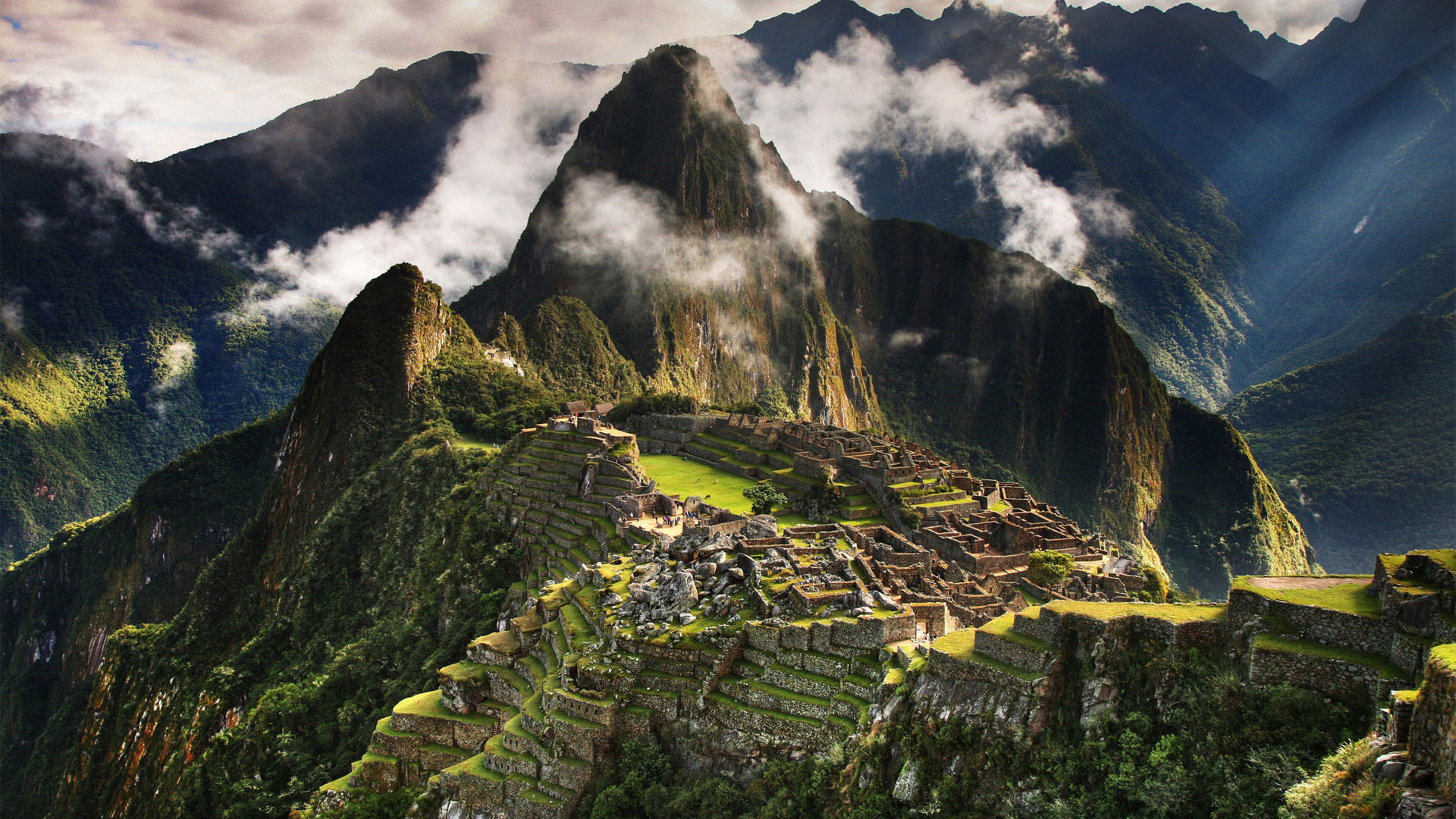
When you visit Peru, you'll be overwhelmed by countless impressive natural wonders such as the sacred site of Machu Picchu, the Amazon River, Colca Canyon, Cusco, and the Sacred Valley. Let's explore some tips to ensure you have a perfect vacation in this land of ancient civilizations.
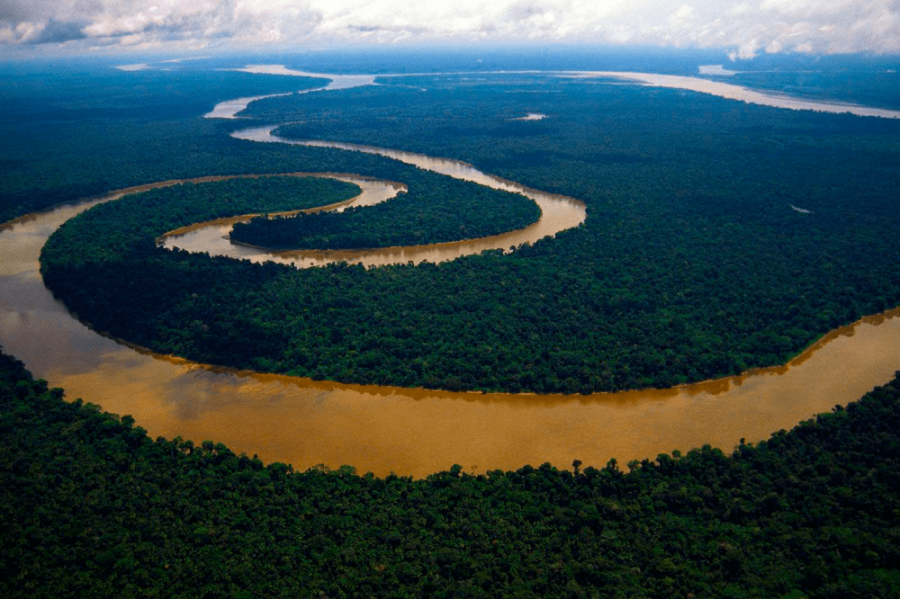
The Amazon River originates in Peru.
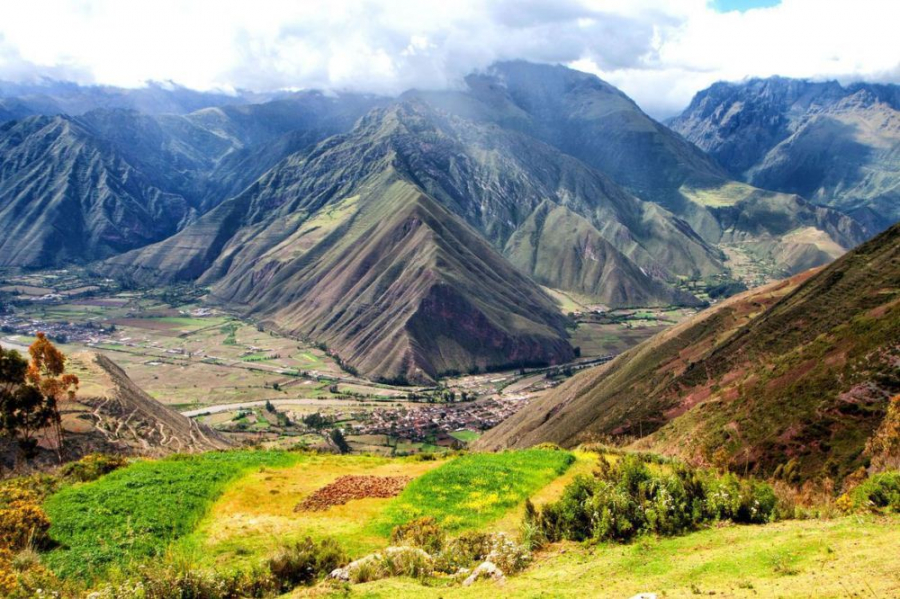
Sacred Valley
1. Travel by train
Paul Theroux was right when he said that trains are the best way to truly experience a country. The most convenient way to get to Aguas Calientes, the town at the foot of the mountain where Machu Picchu is located, is by train. You'll have an unforgettable experience admiring the stunning scenery of the rushing Urubamba River with its lush green banks, the rugged peaks of the Andes high above, and the scattered Inca ruins in the countryside through the train window. Ideally, you should take the train in the afternoon to watch the sunset and arrive at Machu Picchu early the next morning.
You can choose PeruRail for its premium, luxurious trains, or use the services of Inca Rail and Machu Picchu Train. Trains depart from either Cusco or Ollantaytambo. Ollantaytambo is the starting point of the Inca Trail and also has its own Inca ruins.
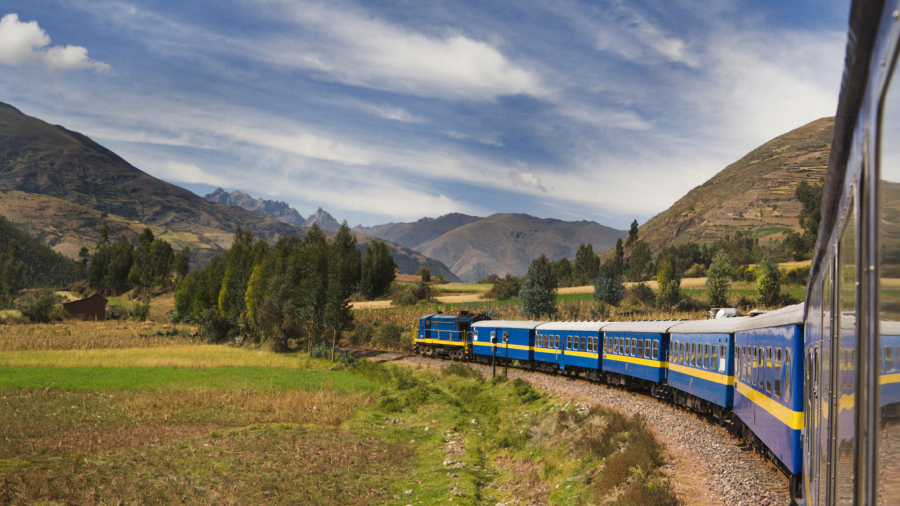
The train journey to Machu Picchu will take you through a myriad of breathtaking sights.
Sit on the left side of the boat when arriving at Aguas Calientes and on the right side when returning to fully appreciate the picturesque landscape. Don't forget to buy your Machu Picchu entrance ticket before booking your boat ticket, as tickets are limited and may sell out quickly.
When visiting Aguas Calientes, you can stay at the five-star Sumaq Hotel, located right on the road to Machu Picchu. This hotel offers attentive service, from dining options to meals.cebiche(The seafood salad) is incredibly delicious, and they even arrange a tour guide for you when visiting Machu Picchu, and organize spiritual ceremonies.
2. Climb Mount Huayna Picchu
If you missed the Inca Trail hike because you took the bus from your accommodation to Machu Picchu, and if you still want to visit the Inca city but don't have three days for the trail, then climb Huayna Picchu, sometimes called Wayna Picchu. To conquer this mountain above Machu Picchu, you'll face narrow and steep steps, taking 2-3 hours both ways up and down.
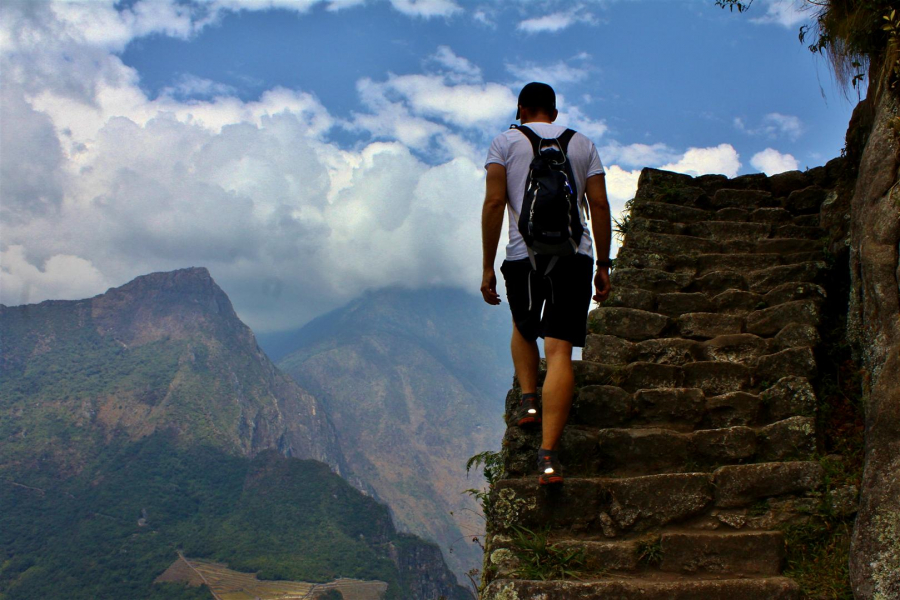
Narrow, precarious staircases lead up to the summit of Huayna Picchu.
Each day, only 400 people are allowed to go up Huayna Picchu at two times (7-8 am and 10-11 am) for a fee of $9 (this fee must be purchased at the same time as the $49 Machu Picchu entrance ticket).

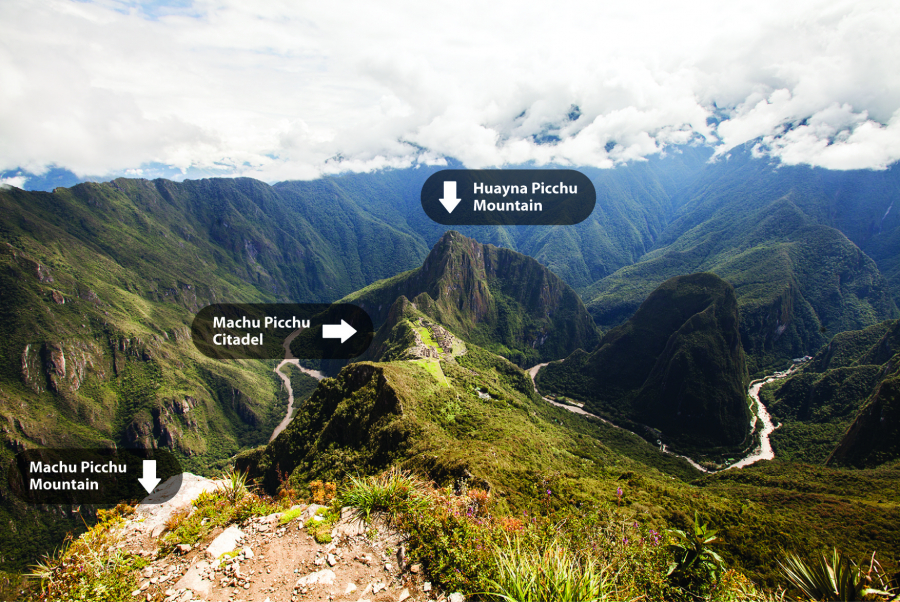
Location of Mount Huayna Picchu
Remember to bring water and snacks when climbing Huayna Picchu, but don't overpack your backpack, as this will make your climb difficult. Since the mountain is 2,720 meters high, take your time. Wear hiking boots, apply sunscreen, wear a hat, and layer your clothing because it can be cool in the morning while it gets hot and sunny in the afternoon with little shade. Most importantly, don't forget to bring your camera to capture spectacular landscape photos.
Another thing to note is that you will need a passport to enter Machu Picchu. Therefore, when descending from Huayna Picchu and also when leaving the ancient citadel, you must obtain a passport stamp.
3. Visit indigenous communities
From Cusco, it takes less than an hour to reach indigenous communities that are still preserving an ancient way of life rarely visited by tourists. Among them are eight communities that have come together to form La Tierra de los Yachaqs – The Land of the Wise, an association that offers cultural tours and homestay accommodations. The additional income they receive through limited tourism allows them to maintain their traditional lifestyle.
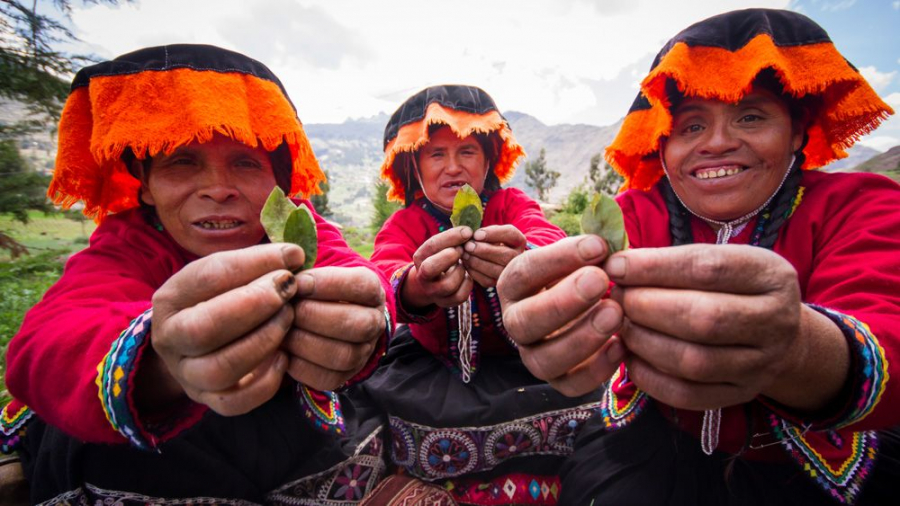
Members of La Tierra de los Yachaqs
By participating in tourism activities in La Tierra de los Yachaqs, you will learn from the Amaru community about techniques such as weaving and shearing sheep, spinning yarn, harvesting plants for dyeing and processing wool, and hand-weaving exquisite handicrafts. For around $45, tourists are welcome to stay.Land of the WiseSpend a day or an overnight stay in simple, clean rooms. Visit them to learn about a lifestyle that is gradually disappearing and to make a lasting impression on your trip.
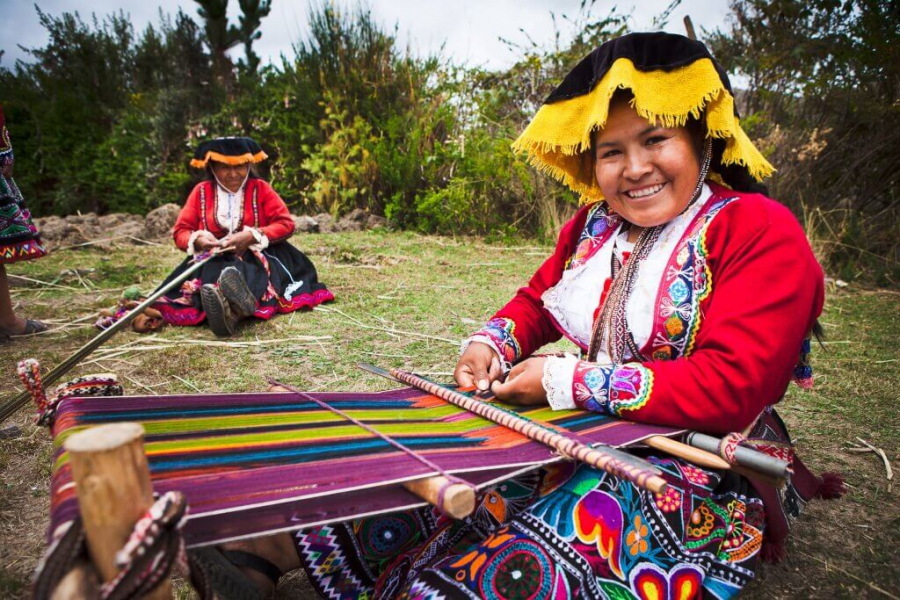
People in the Amaru community teach how to weave cloth.
You should bring small denomination Peruvian nuevo sol currency to buy dolls, fabrics, bracelets, handbags, or belts handcrafted by skilled weavers.
4. Enjoy local food and stroll around the market.
Every town has a mercado (market), so be sure to visit one to get a glimpse of daily life in Peru. At these markets, you'll find unique fruits like aguaymanto, cherimoya, and lucuma. Quinoa, a popular North American grain and considered a superfood, is also widely available in a variety of colors.
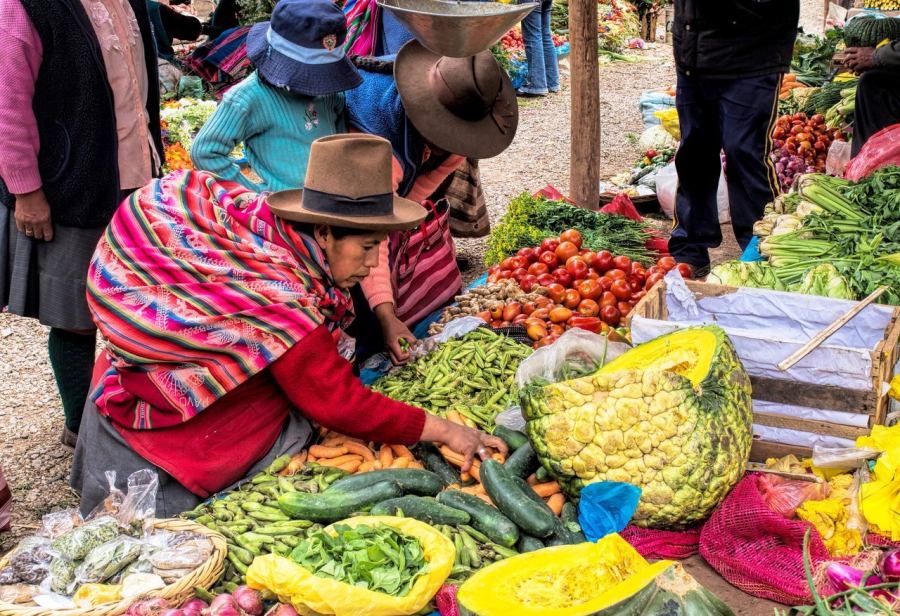
Ask the vendors for permission before taking pictures of the fruits and vegetables they sell. Most people are very friendly and will gladly explain how they prepare local food.
In addition, you should also try some local dishes such as cebiche (seafood salad), usually made from fresh raw rainbow trout marinated in lime juice, chili peppers, red onions, cilantro, and served with diced corn and sweet potatoes.
There is also pachamanca.,The traditional dish consists of marinated meat and vegetables such as potatoes, cooked using the heat of stones in a pit dug underground. The meat is first marinated with Andean herbs and then wrapped in banana leaves.
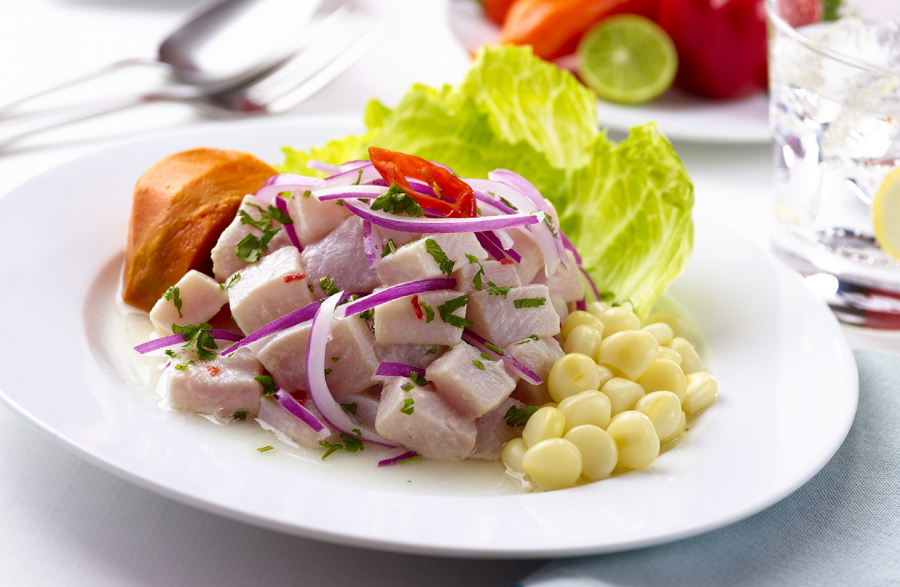
Cebiche with rainbow trout and fresh vegetables.
And don't leave Peru without trying the country's signature sour pisco. This drink is made from pisco, lime juice, syrup, egg whites, and then shaken with ice, with a slightly bitter taste.
Locals also commonly drink cocoa tea and chew cocoa leaves to treat soroche (altitude sickness). In addition, cocoa leaves are used sacredly in spiritual rituals.

The famous sour pisco dish from Peru.
5. Attend the festival
Colorful costumes, marching bands, religious processions, and fireworks are just some of the sights you'll see when Peru hosts festivals. The Corpus Christi festival in Cusco, held in June, is a deeply religious celebration featuring 15 statues of virgins and saints surrounded by crowds in the main square. It's a massive, all-day celebration where the entire city flocks to the main square to watch the parade, eat, and enjoy the festivities.
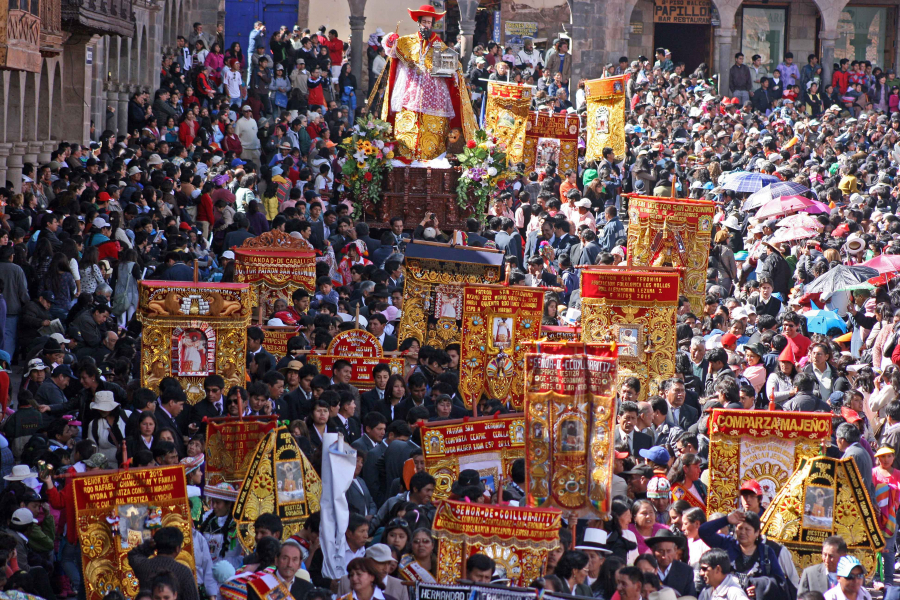
People crowded the main square during the Corpus Christi festival.
In addition, Peru has many other impressive festivals such as Inti Raymi on June 24th, marking the winter solstice; Fiestas Patrias (Independence Day) on July 28-29; and Easter or Semana Santa (Holy Week) in Ayacucho.
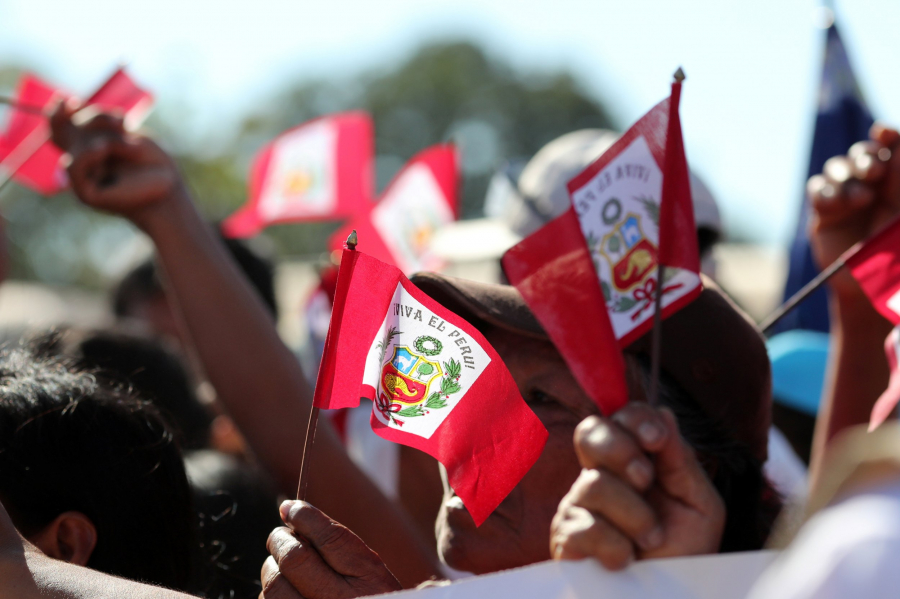
On July 28th, the people of Peru will once again celebrate the 198th anniversary of their country's independence.
Finally, you should also note the best time to travel to Peru. The peak season to visit Peru is from June to September. Prices and tourist numbers usually drop significantly during the rainy season between October and April. The heaviest rainfall occurs in January, and the Inca Trail is closed throughout February. You might consider visiting Peru in spring and autumn, when the weather is almost ideal and it's not too crowded.