VI
VI


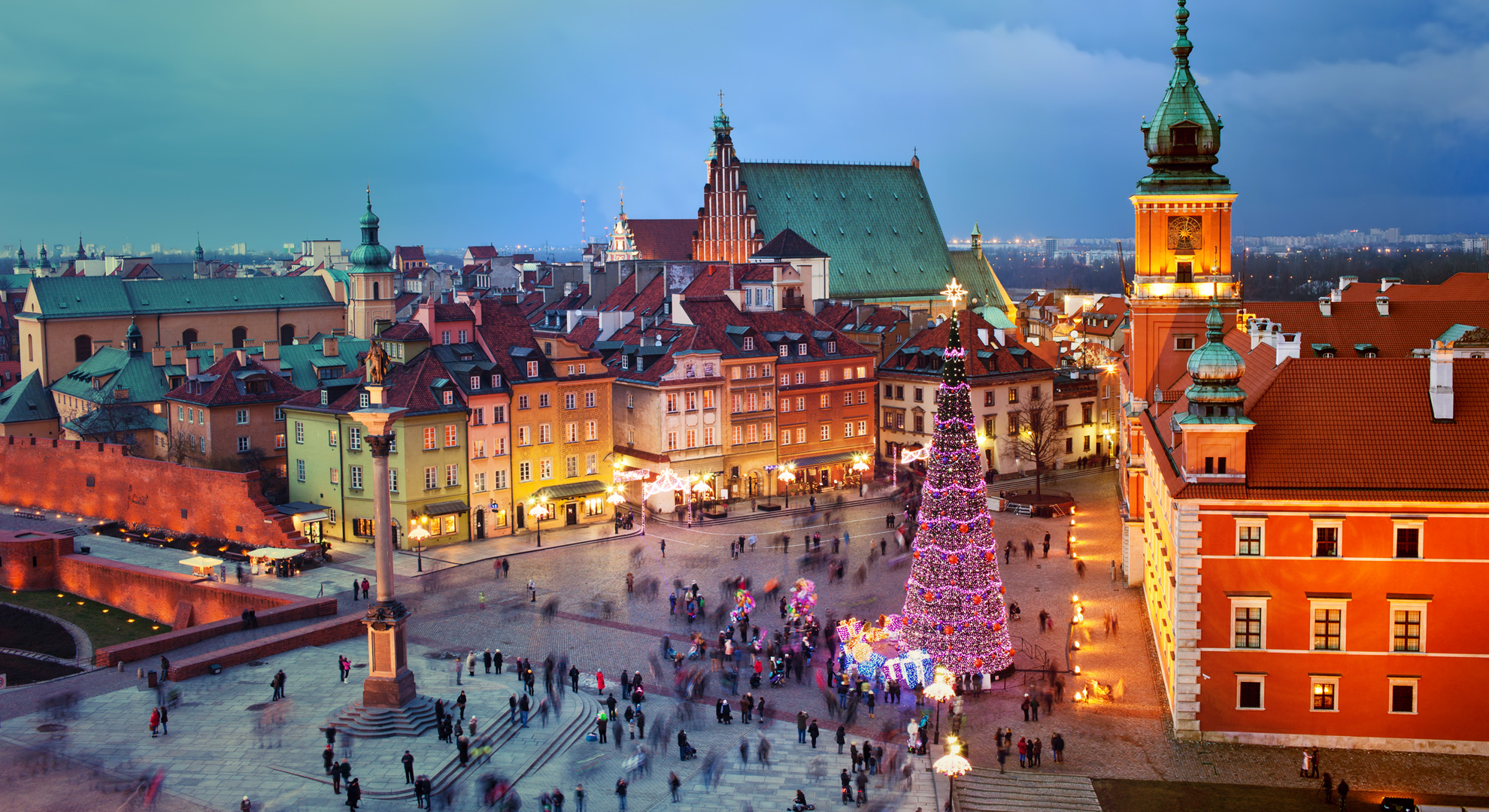
Poland is a land steeped in mythology and history in Central Europe. It boasts a sophisticated, modern beauty with enchanting cities. Here's what you need to know before embarking on your journey to explore this land of poetry.
1. Cities you shouldn't miss
Tourists often choose the cultural capital Krakow (with its magnificent castles and UNESCO-recognized Old Town) or the bustling city of Warsaw (the de facto capital) as their destination when visiting Poland. However, it would be a shame to miss other "gems," such as the traditional, elegant yet wild and unconventional city of Gdansk with its countless unique bars and historic harbors; or Wroclaw with its magnificent cathedrals and picturesque rivers; or Lodz, where Jewish heritage is still preserved and developed.
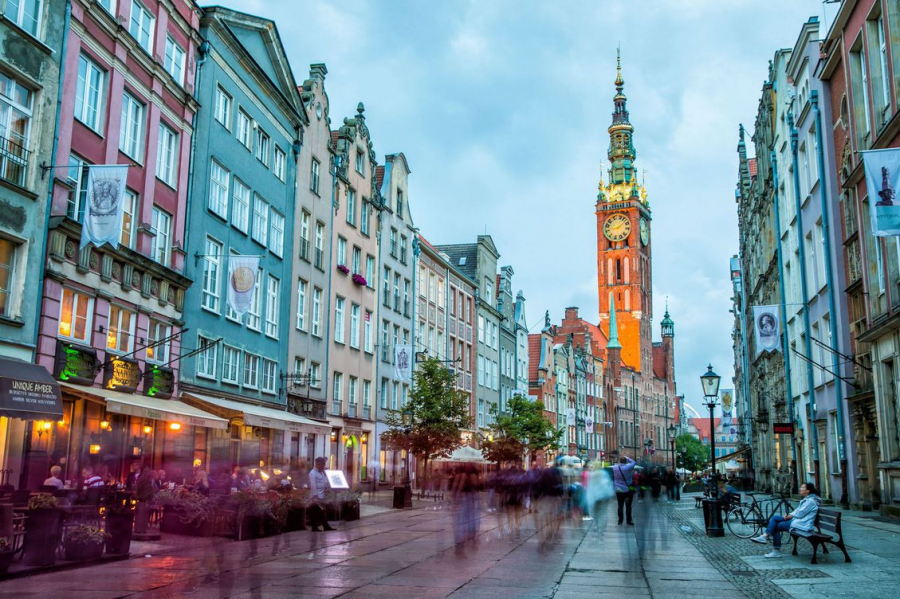
The city of Gdansk is bustling and magnificent.
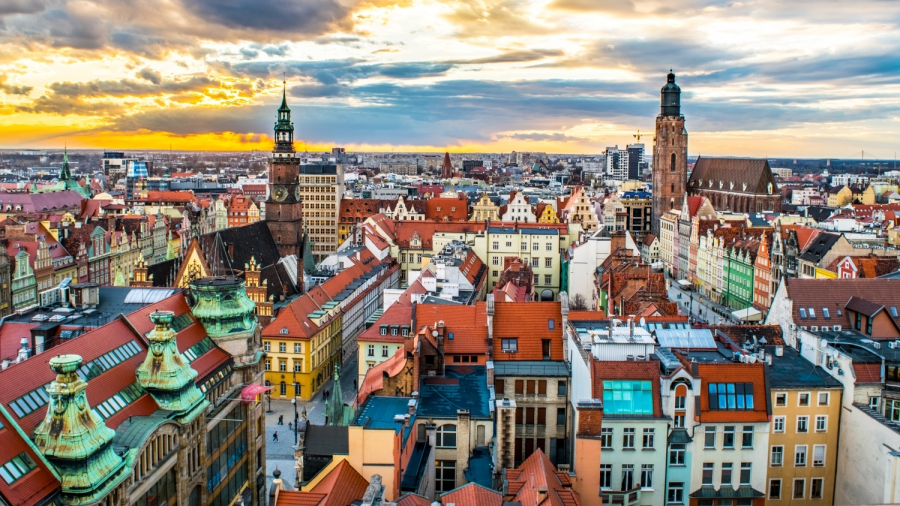
The breathtaking beauty of Wroclaw as seen from above.
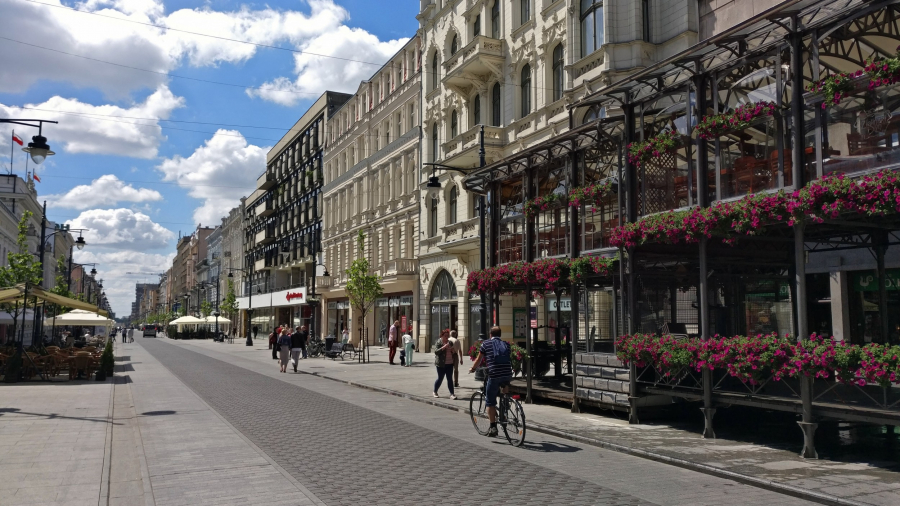
A peaceful morning in Lodz
2. Land of Wonders and Wonders
If you want to escape the hustle and bustle of the city and get closer to nature, explore Crooked Forest, with its 400 pine trees bent 90 degrees while their trunks grow straight, creating a truly mesmerizing scene.
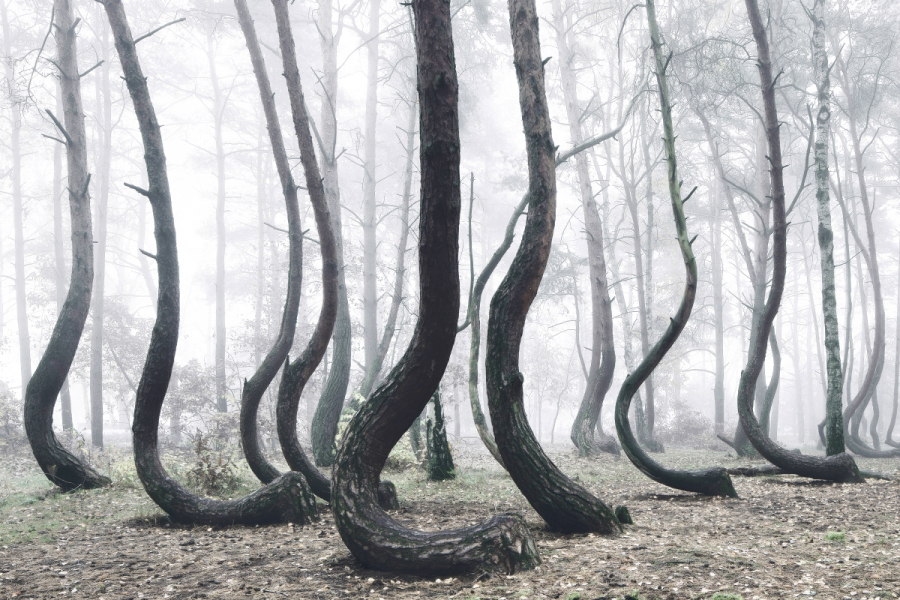
Crooked Forest features hundreds of strangely bent tree trunks.
Back in Wroclaw, you'll spend an entire afternoon searching for the numerous gnome gatekeepers scattered throughout the streets, promising an unforgettable experience. And if you enjoy the mysterious, wander the streets of Krakow at night to learn about serial killers and local ghosts.
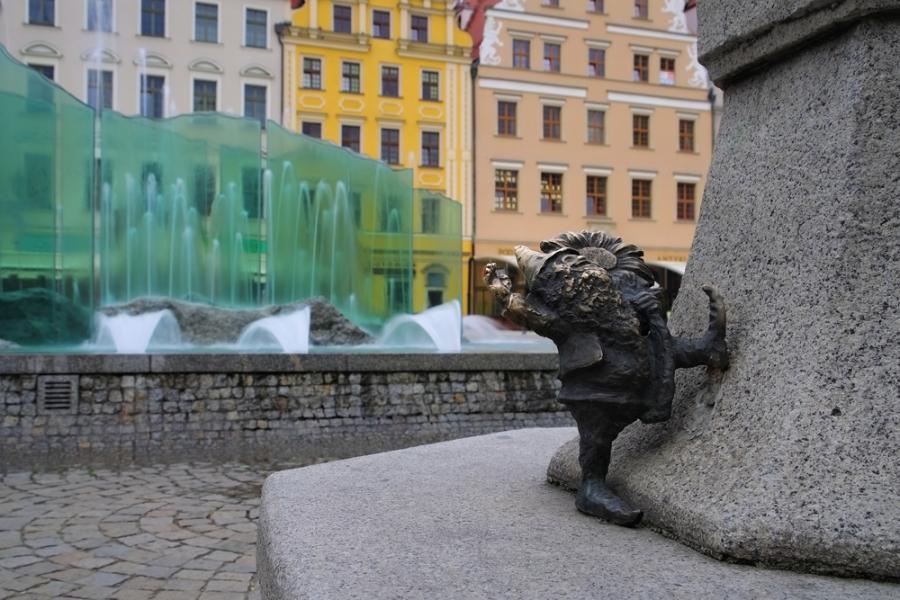
A gnome guards the gates on the streets of Wroclaw.
3. means of transportation
The vast country of Poland is seamlessly connected by an extremely efficient and high-quality system of trains, trams, and buses. For city travel, trams are the most convenient option, but instead of getting stuck in long lines at the station, you can simply hop on board and use the dispensing machines. Remember to have coins ready, as the machines only accept small change.

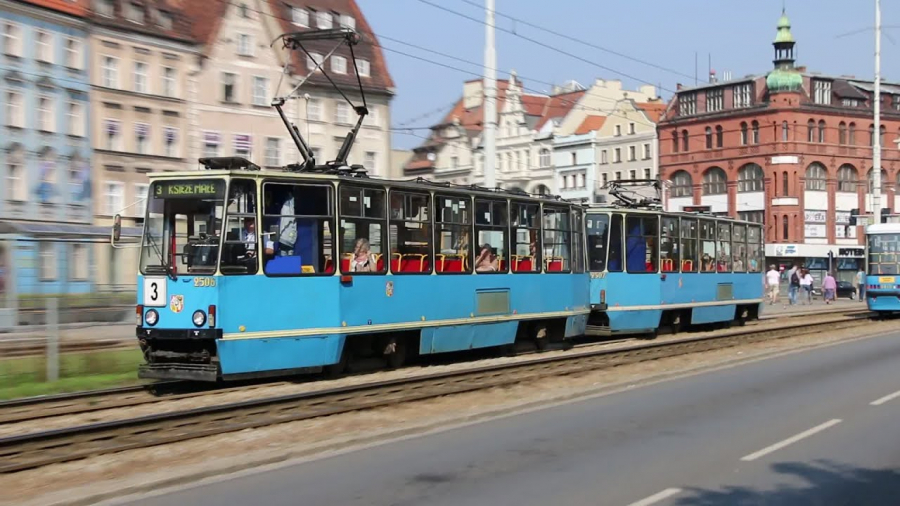
Electric trams are an extremely convenient mode of transportation in Polish cities.
4. Weather
Winter in Poland lasts from December to March. During this time, snow blankets the streets and temperatures plummet to freezing sub-zero levels. Conversely, from May to September, the continental climate in the south brings warmth back to cities like Warsaw and Krakow, not only raising temperatures but also making everything hot and humid to the point of being stifling, not to mention the frequent thunderstorms. Therefore, prepare your clothing and other necessities accordingly for the time of year you visit the country.
5. Cuisine
If you're on a diet or vegetarian, you might find it a bit challenging in Poland, as their dishes are often very hearty and high in meat. Polish cuisine is a comforting and satisfying experience, with dishes like soups, sausages, and especially Polish Pierogi. Pierogi are dumplings filled with various fillings and served with a variety of sauces, most often sour cream. There are also Pierogi with onion filling instead of pork for vegetarians.

Pierogi dumplings served with sour cream sauce.
Besides that, the pastries will also be irresistible, such as the St. Martin's croissant that the whole city of Poznan loves, or the best bagel in Poland in Wroclaw.


6. Language
Polish is quite complex, but thankfully English, German, and even Spanish are relatively common in the country. Some basic phrases that can help you in communication include:CześćIt means "hello."DziękujęIt means "thank you."ProszęIt means "please."Takis "yes/okay," andNieThe answer is "no."
7. Costs
While not the cheapest destination in Europe, Poland isn't overly expensive either. In terms of cost, Poland is comparable to the Czech Republic, partly because the country still uses the Zloty currency. Approximately 4 Zloty is roughly equal to 1 euro.
The cost of food and transportation isn't too high; for around 10 euros you can take a two-hour train ride or enjoy a hearty dinner at some restaurants in the city. However, accommodation in Poland is also priced similarly to other Western European countries, such as Spain and Italy, although there will be price differences between cities like Krakow and Warsaw.
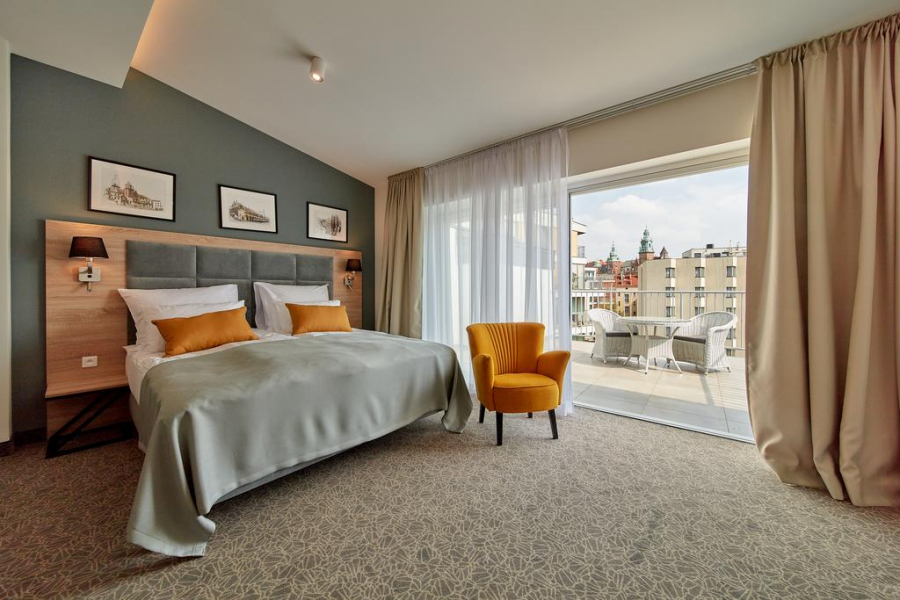
A hotel room costs around 60 euros in Krakow.
8. Do not drink alcohol in public places.
The final point to note concerns Poland's law prohibiting alcohol in public places. Perhaps the vibrant and lively nightlife of Krakow, or the relaxed, almost indifferent atmosphere of Gdansk, has led many tourists to mistakenly believe they can do whatever they want in public. Feel free to consume alcoholic beverages in bars, but absolutely not in public places.