VI
VI


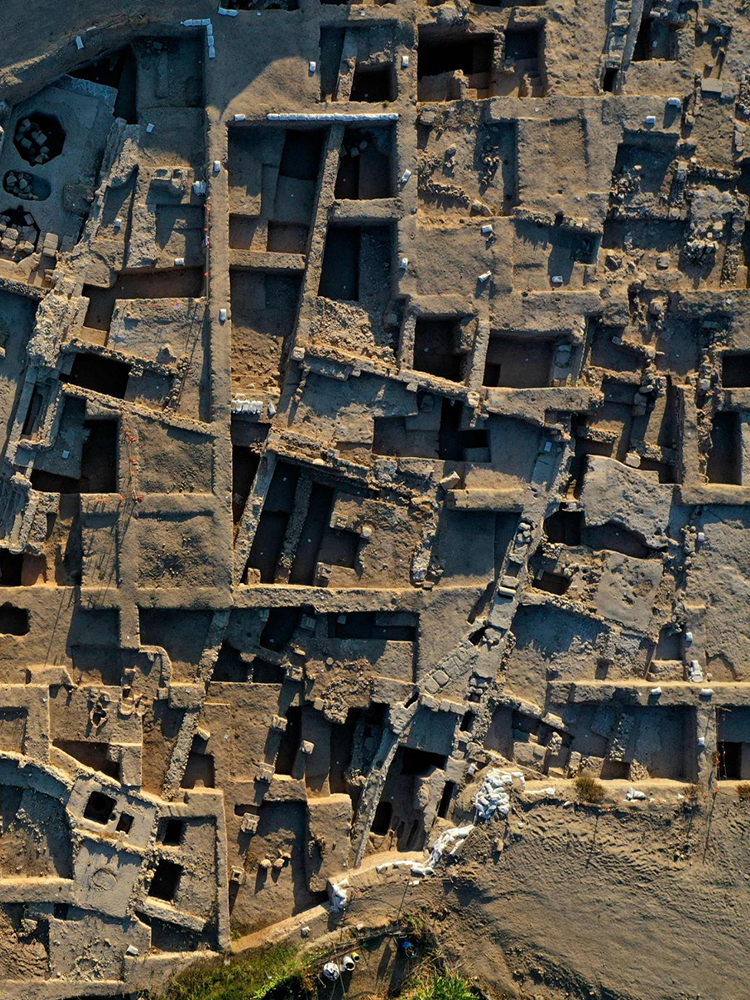
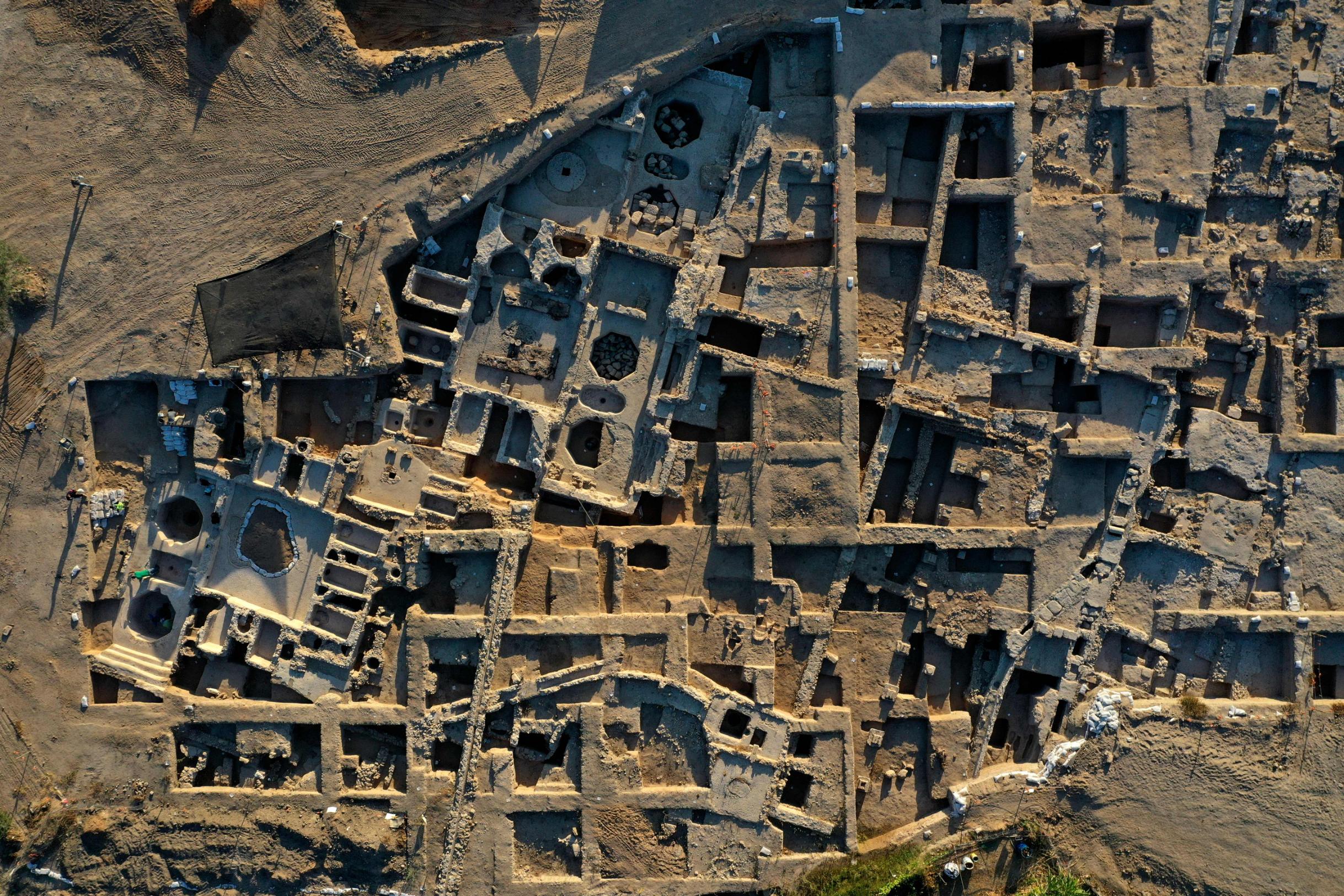
The 1,500-year-old complex was used to produce enormous quantities of wine, primarily for the Mediterranean market. According to archaeologists, with around 300 employees working five days a week, the factory was capable of producing approximately two million liters of wine annually.
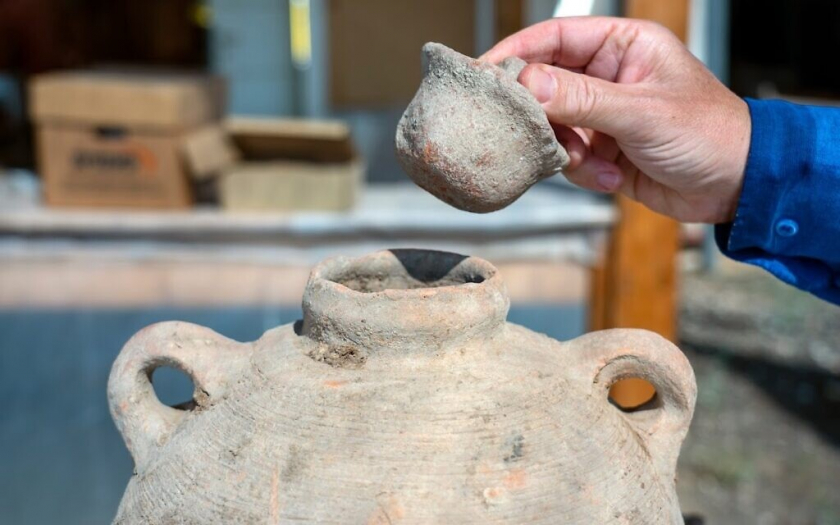
The Israel Antiquities Authority (IIA) said the unearthed items included five grape presses, four large wine cellars, clay amphorae kilns, and thousands of fragments of wine vessels, as well as specimens that remain intact to this day.
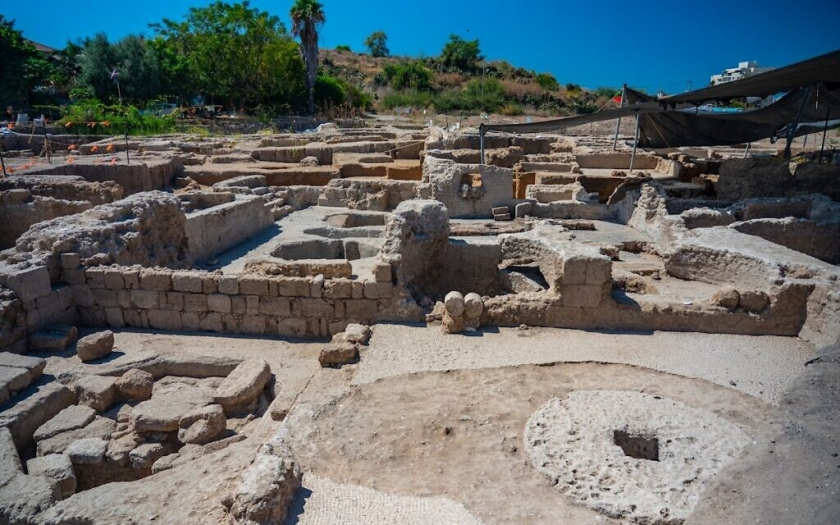
The remaining ruins of the winery at Yavne show that it was on an enormous scale.
Surprisingly, all the wine here is produced entirely by hand. Grapes are crushed by bare feet on trampled floors to extract the liquid, which is then stored in wine vats until fermentation occurs. In ancient times, beverages were not typically sterilized; however, due to their delicious taste, drinking wine was very popular with both adults and children. Furthermore, wine could even be used as a substitute for regular water.

“We were very surprised to discover a large-scale, commercially used factory at this site,” shared Dr. Elie Haddad of the IIA. “Furthermore, the array of decorative motifs, such as mother-of-pearl, adorning the wine presses, clearly demonstrates the wealth of the factory owners.”
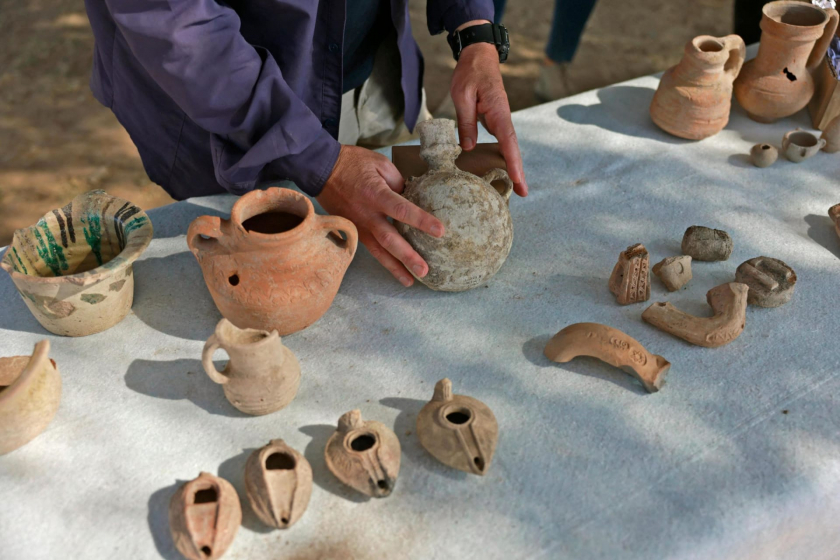
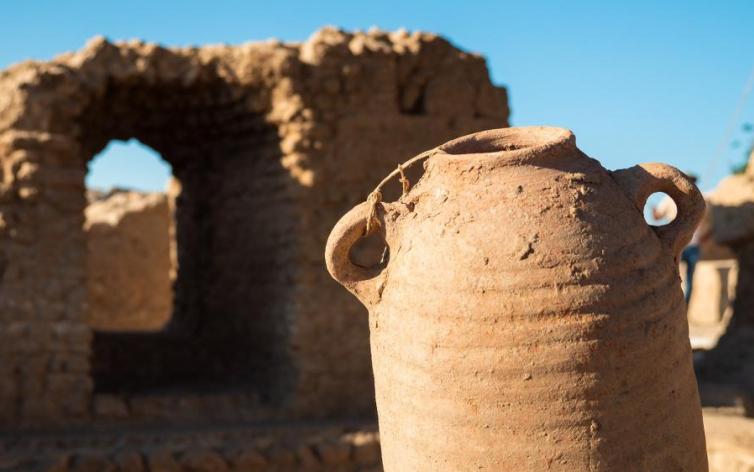
Several ceramic artifacts were found during the excavation.
The IIA stated that Gaza and Ashkelon wine was considered one of the finest wine brands of antiquity, with a reputation that extended far beyond the region. It was so named because the wine was marketed through the ports of Gaza and Ashkelon, and then transported throughout the Mediterranean basin.
One of the excavation project's leaders, Jon Seligman, said that he and the other archaeologists were extremely surprised by the "complexity of the architecture and industrial processes" at the site. He added: "Gaza wine and Ashkelon were extremely prestigious products, favored by the ancient nobility." Furthermore, this type of wine became an important part of the region's cuisine and economy.
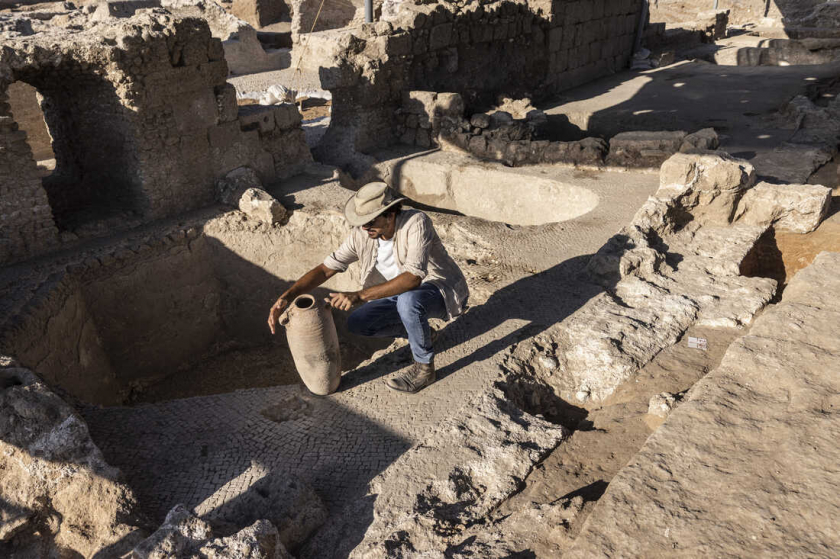
Intact two-handled wine jars were found during the excavation.
According to archaeologists, the excavation site is located in the city of Yavne, which was once a Jewish settlement during the Byzantine period, which existed between approximately 330 and 1453. Byzantine was not only a powerful empire in ancient history but also one of the leading civilizations of humankind.
Previously, the public had been invited to visit the site before it closed for the rainy season. Israeli authorities have planned to preserve the site and will reopen parts of the complex to the public in the future.