VI
VI


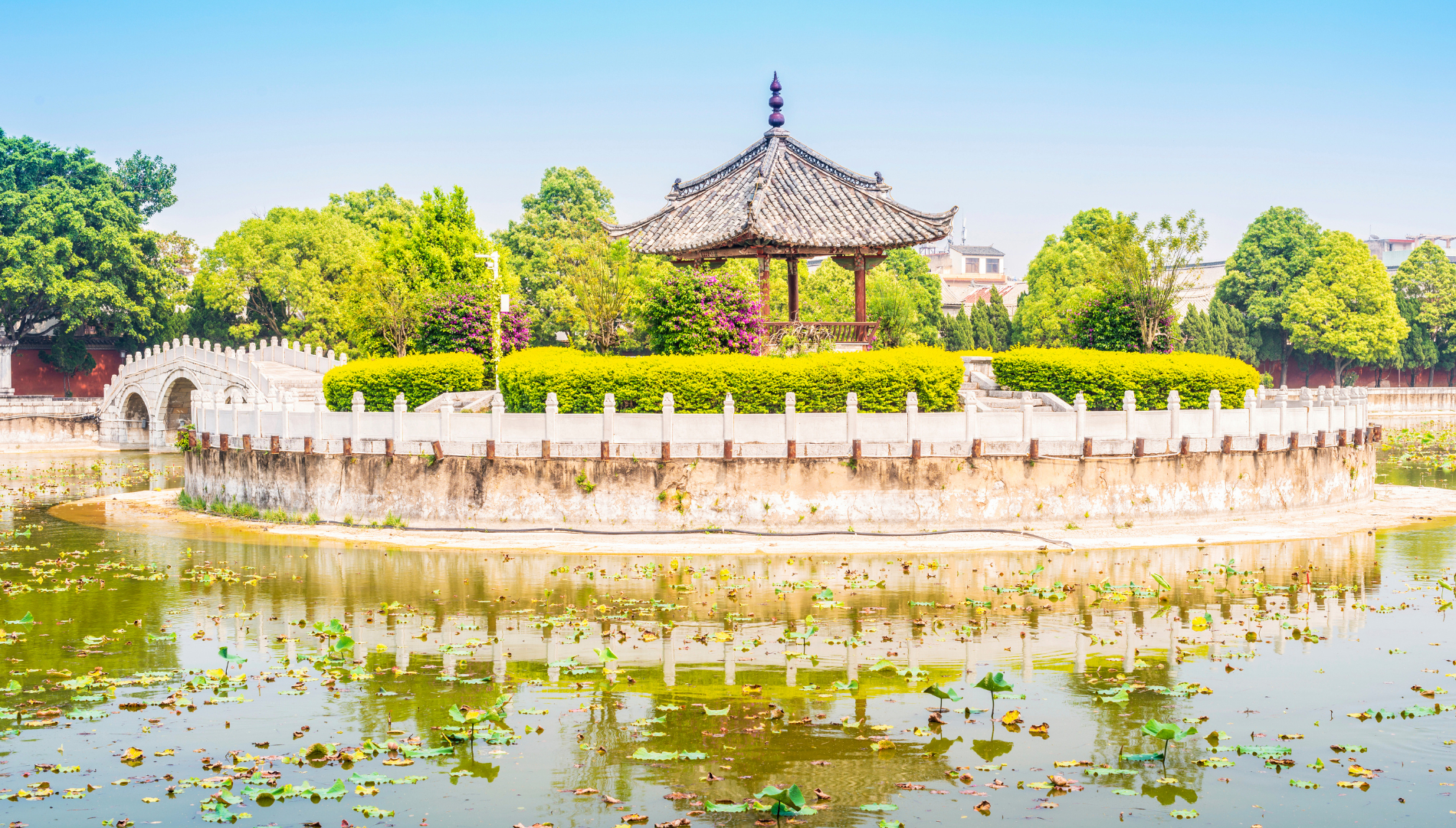
With its picturesque natural scenery of majestic mountains, Kien Thuy is gradually establishing itself as an attractive tourist destination, drawing visitors from near and far. Lush green rice fields, winding rivers, and peaceful small villages create a stunning natural landscape. Visiting Kien Thuy, tourists can immerse themselves in the fresh air, explore the unique local culture, and enjoy delicious local specialties.
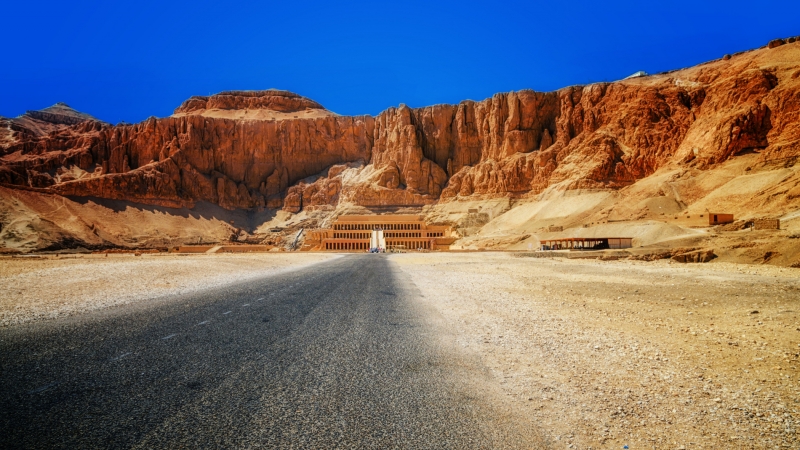
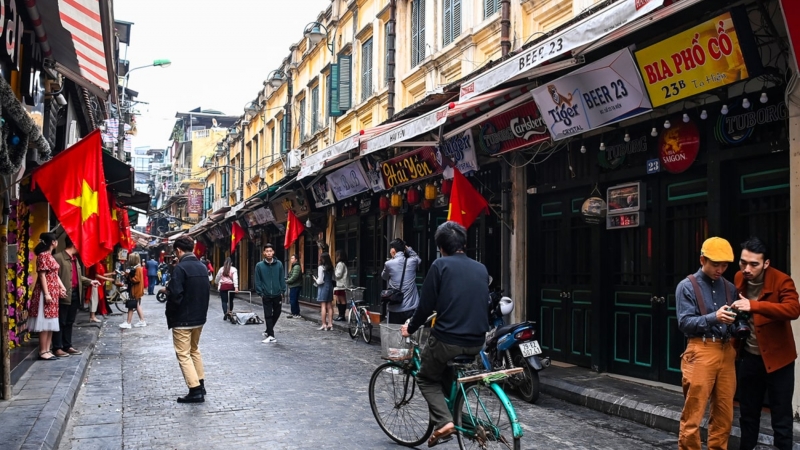
Ancient city on the Yunnan border
The ancient city of Jianshui in China is located 220 km south of Kunming, Yunnan. In ancient times, it was known as Bu Tou and also as Ba Dian. The Nanzhao Dynasty built the city of Huili here during the Yuanhe period of the Tang Dynasty (around 810 AD), and it was under the jurisdiction of the Governor of Tonghai. Huili is an ancient Yi language, meaning sea.
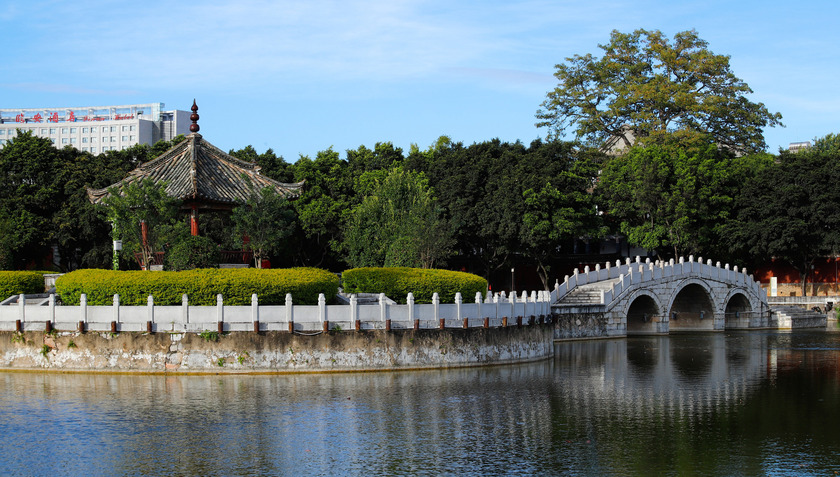
As one of Yunnan's hidden gems steeped in historical ups and downs, Jianshui Ancient Town has always been an attractive destination.
As one of China's famous historical and cultural towns, it boasts over 50 well-preserved ancient buildings, renowned as the "Museum of Ancient Buildings and Residences". Jianshui City was initially built as an earthen city during the Nanzhao period, later expanded into a brick city in the 20th year of Hongwu of the Ming Dynasty (1387). When Duke Li Dingguo captured Lin'an, the three towers to the north, south, and west were destroyed in the war. They were rebuilt in the fourth year of the Kangxi Dynasty and then destroyed again.
Only the East Gate Tower of Chaoyang remains standing, having endured countless wars and earthquakes over nearly 600 years. The Jianshui district of China began constructing temples and schools during the Yuan Dynasty. During the Qing Dynasty, four academies were established: Chongzheng, Huanwen, Chongwen, and Qujiang.
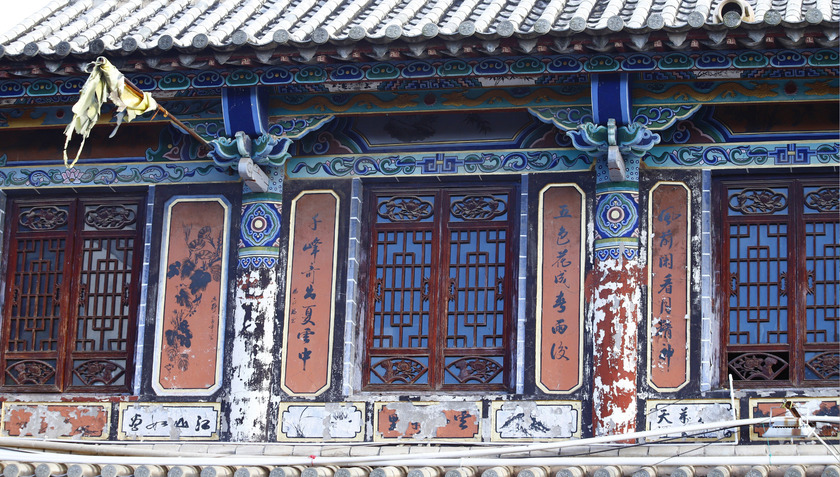
This place is like a living page, recording the imprints of time.
Along with its name, the history of this ancient city has also seen its ups and downs. In ancient times, when it was still called Lin'an Road, the city was largely destroyed by war and weather. The Tang Dynasty rebuilt and restored it. Although somewhat damaged, fortunately, Jianshui has been quite well preserved to this day, becoming one of the most beautiful ancient cities in Yunnan. In ancient Yunnan, half of the people who passed the imperial examinations came from Lin'an Prefecture, so Jianshui has always been known as a place that valued education, and was praised as a "Culturally Renowned Land". During the Qing Dynasty, four libraries were built here, known at the time as "Lin'an Library".

A little paradise in the heart of Yunnan
Unlike the bustling atmosphere of Lijiang or the tranquility of Pingbian and Mengzi, Jianshui possesses a unique beauty with its diverse cultural blend, creating a distinctive and captivating destination. With its ancient temples, traditional houses, city walls, traditional festivals, and exquisite cuisine, Jianshui promises unforgettable experiences for visitors.
Chu Family Garden
Built during the Guangxu era, the Zhu Family Garden is a massive architectural masterpiece, covering over 20,000 square meters and encompassing hundreds of exquisitely decorated rooms. Its unique "three vertical, four horizontal" layout, along with its system of pavilions and gardens, creates an incredibly luxurious and sophisticated living space. With its gracefully curved roofs and intricately carved pillars, the Zhu Family Garden resembles a vibrant work of art. Every corner of the garden possesses its own unique beauty, creating an exceptionally romantic atmosphere.
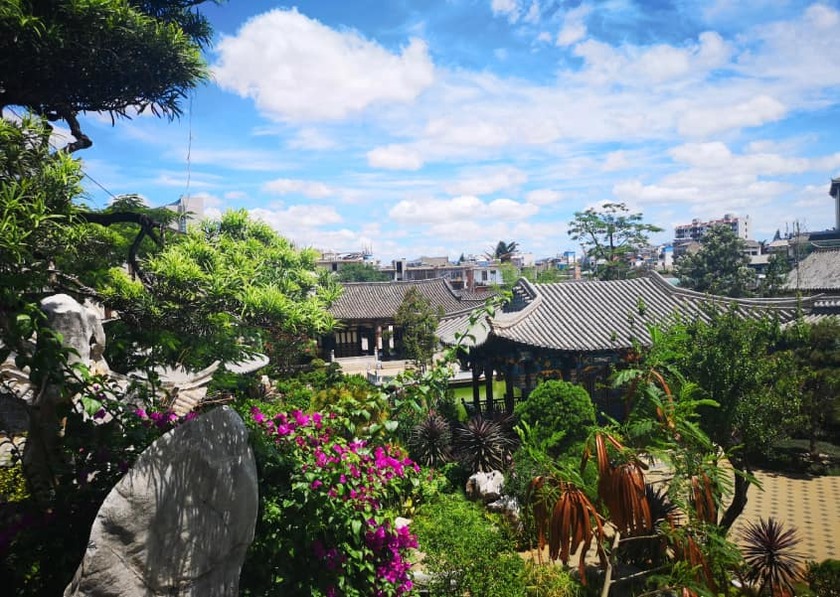
It is one of the representatives of Chinese gardening art and one of the world's most famous cultural heritage sites and tourist attractions.
Confucius Temple
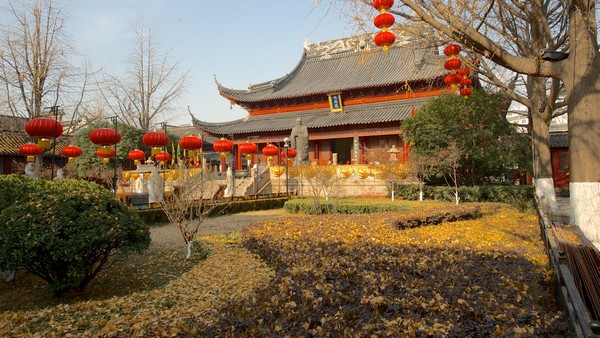
Just 200 meters from the Chu family garden lies the 700-year-old Confucius Temple, the third largest and best-preserved Confucius Temple in China. Modeled after the grounds in Qufu, Confucius's hometown, the site comprises seven courtyards spread along a central axis. The Great Hall, housing the statue of Confucius, is the most magnificent, featuring over 100 lifelike animal figures carved on 22 screen doors.
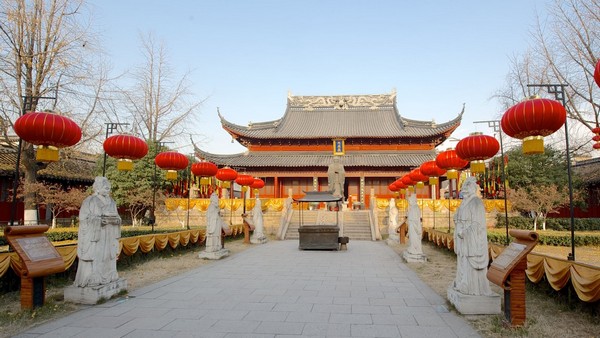
Chinese Confucian symbol
Chaoyang Tower
At the eastern end of Lin'an Road in the city center, the three-story Chaoyang Tower (Yinghui Gate), also known as the East Gate Tower, is a landmark of Jianshui District. Built in 1389 during the Ming Dynasty, it has a history of over 600 years. With a design identical to Tiananmen Square in Beijing, the Chaoyang Tower is also known as "Little Tiananmen."
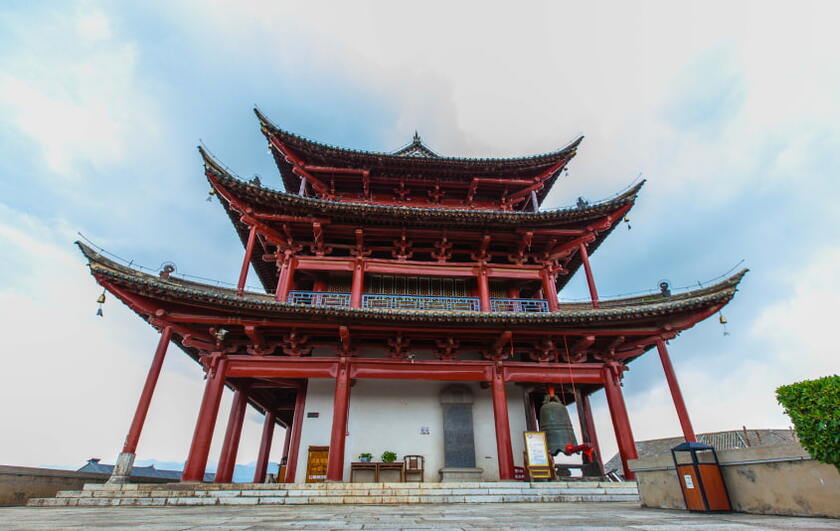
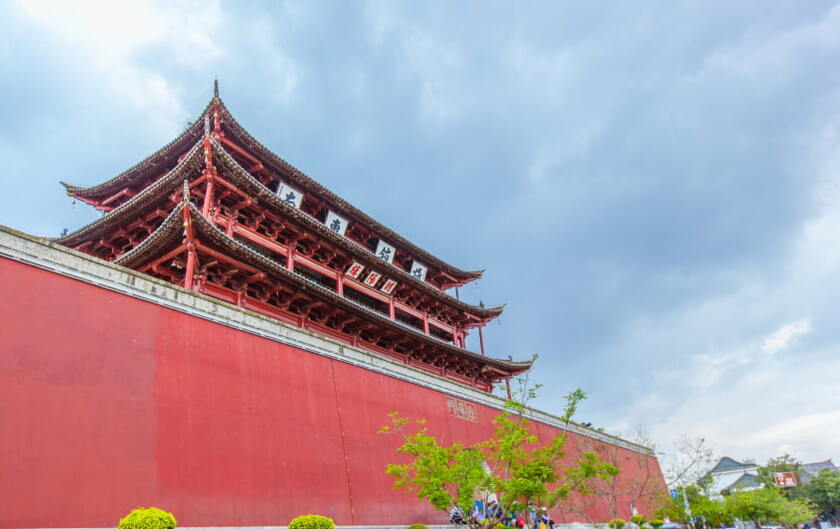
Triều Dương Tower
The Chaoyang Tower, built in the 22nd year of the Hongwu era of the Ming Dynasty (1389), stood for over 600 years and was one of the main symbols of the long history of Jianshui, China. During the Yuanhe period of the Tang Dynasty, the Nanzhao regime built the city of Huili here. In the 20th year of the Hongwu era of the Ming Dynasty, after the Ming army pacified Yunnan, they established the Lin'an Guard and built the Lin'an city, expanding the land on the basis of the original earthen city and rebuilding it into a brick city. The city had four gates: the Yinghui Gate in the east, the Fu'an Gate in the south, the Qingyuan Gate in the west, and the Yongzheng Gate in the north. By the end of the Ming Dynasty, the north, south, west, and north towers were destroyed by war, leaving only the east tower.
Song Long Bridge
The Song Long Bridge, long famous as a large stone arch bridge with two spans and seventeen openings, is located at the confluence of the Luoshui and Tactun rivers, 5 km west of Jianshui City in China. It is named as such because the two rivers meander like two dragons.
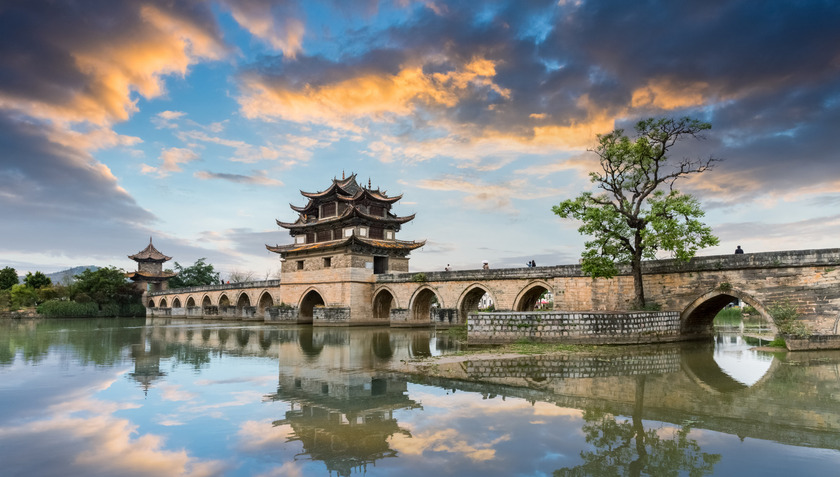
Although not located in the old town, Song Long Bridge is also one of the most beautiful old landmarks of Kien Thuy.
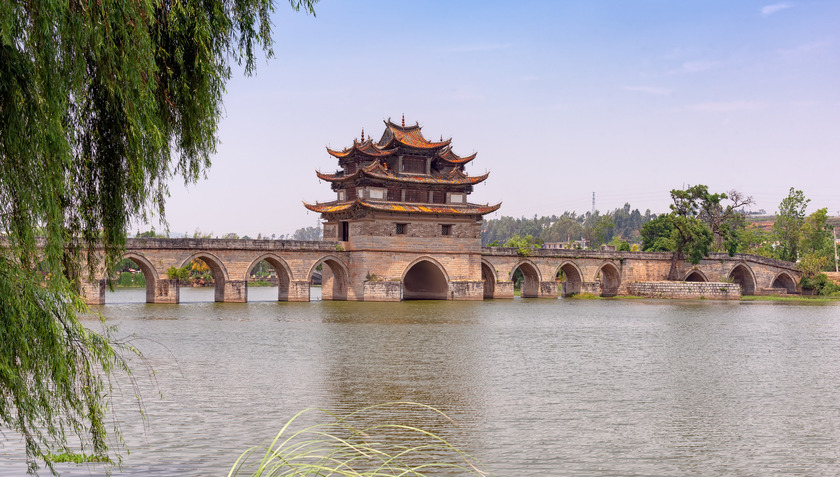
On the other side of the Song Long Bridge lies a small railway track – a unique feature of Kien Thuy. The ancient bridge on one side and the old train station on the other create a blend of classic and modern elements.
While Lijiang captivates visitors with its bustling and vibrant atmosphere, Jianshui wins hearts with its tranquil and ancient beauty. Visiting Jianshui, you'll be immersed in a peaceful environment, explore ancient streets, and experience the slow pace of life of the local people. Jianshui is like a hidden gem nestled amidst the mountains of Yunnan, offering visitors unforgettable experiences.