VI
VI


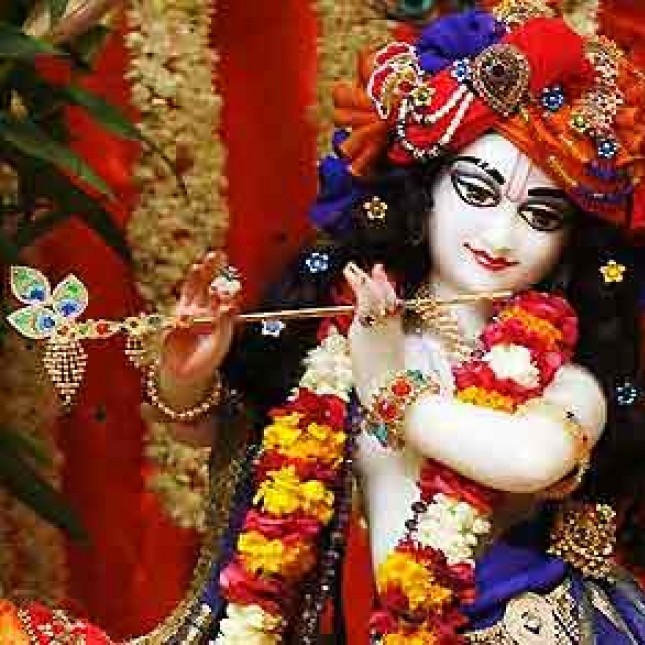
This festival is held annually in midsummer according to an ancient Indian legend. The legend says that the Indian god Jagannath, along with his brother and sister, ride on enormous chariots, departing from the temple in Puri to the countryside. Jagannath is one of the heijen (spiritual attendants) of Vishnu, the supreme deity of Hinduism. The festival attracts tens of thousands of Hindu devotees from around the world.
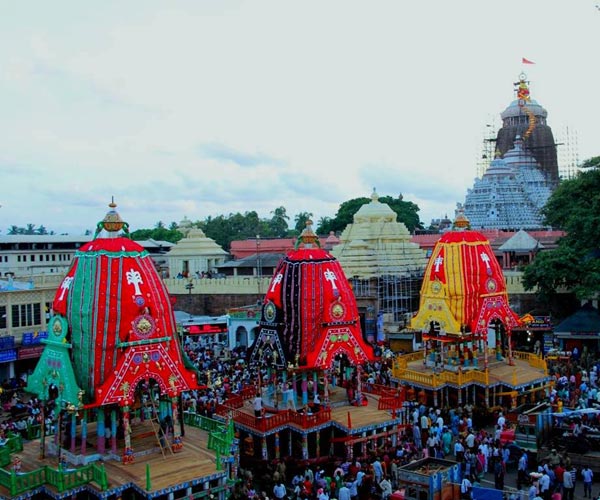
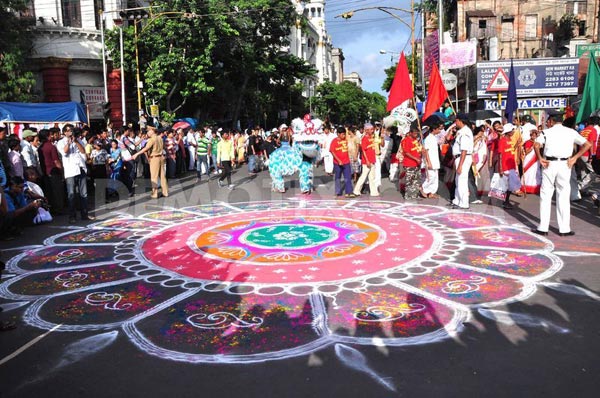
The festival begins with the Ratha Prathistha ceremony in the morning. This is a sacred prayer ritual for devotees, expressing their reverence for their supreme being. However, the most captivating part is the parade, when the giant floats are pulled in the afternoon.

The chariot carrying the god Jagannath has 18 wheels and is over 10 meters tall, while the other two are slightly shorter with only 16 and 14 wheels respectively. All three chariots are made of wood and decorated in many vibrant colors. Every 12 years, these chariots are refurbished. After the procession, the three chariots are placed back in the Jagannath temple in Puri.

To complete these vehicles, Indian artisans had to spend a great deal of time and effort. The vehicles are decorated with colorful fabrics, painted in colors appropriate to religious beliefs, and adorned with meticulous and elaborate patterns. It takes up to 12,000 meters of fabric to cover all the vehicles.
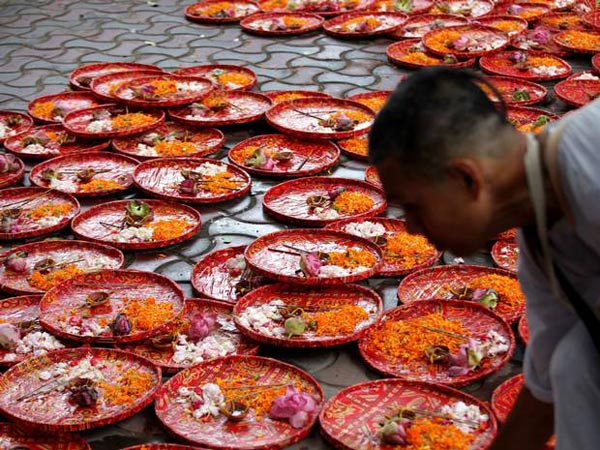
Seated on the floats are Indian actors, dressed in traditional costumes and playing the roles of deities. They toss garlands, considered gifts from the gods, to the large crowds of devotees waiting below. This nine-day event attracts not only Indian citizens but also tourists and numerous photographers eager to capture unique cultural moments.