VI
VI


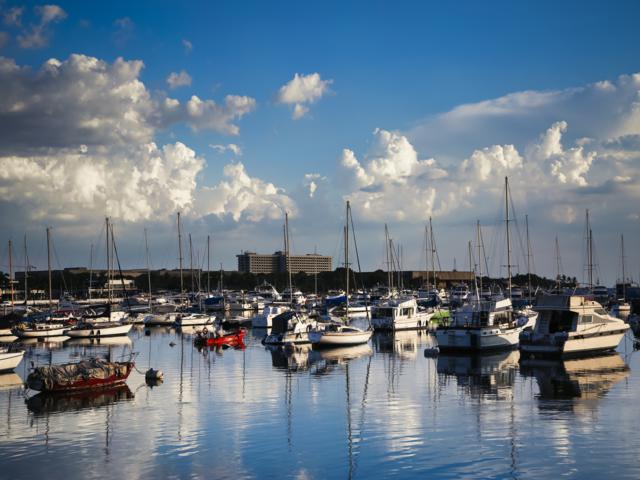
It was wonderful flying in the same direction as the Earth's rotation; I would get to see the sunrise earlier than on previous nights. None of the stunningly beautiful, almost stern-looking flight attendants of Cebu Pacific Air asked me to remove my headphones when the plane landed. I was able to listen to my favorite song about sunrise and sunset in its entirety. And I saw Manila sparkling with lights, preparing to awaken, under a clear blue sky that gradually turned crimson. Stepping out of the airport as the first rays of sunlight shone brightly, bidding farewell to sunny and breezy Manila, we began our journey to explore the beautiful capital of the Philippines.
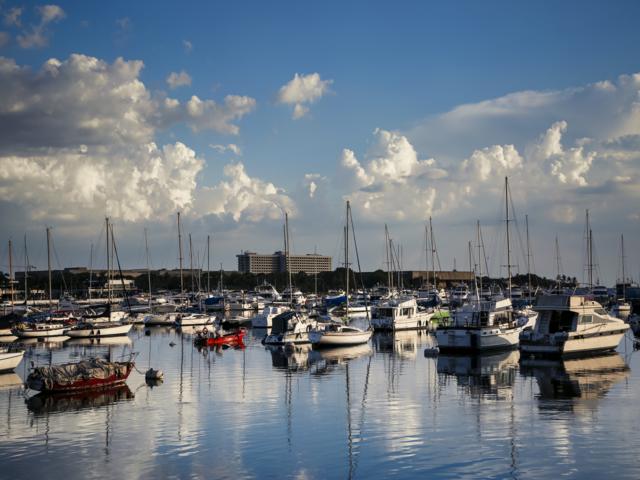
Manila Bay
From the very beginning, Manila gave me a unique feeling, far different from my previous expectations. A blend of modernity and antiquity, vibrant yet tranquil, Manila preserves the historical legacy of the Filipino people's struggle, and is also home to some of Asia's most bustling and vibrant shopping centers.
Ahead lies our first destination, the Intramuros historical district. The streets of Manila, seen through the window, are beautiful, with ancient buildings nestled quietly in quiet neighborhoods. The early morning sun gradually spreads across the rows of houses and alleyways, with glimpses of people and strange vehicles here and there. Intramuros is a historical district built by the Spanish in 1571. Although devastated during World War II, what remains of Intramuros is still magnificent, with cobblestone streets and many old houses retaining their Spanish architectural style. Another famous landmark here is Fort Santiago, a monument commemorating Filipino heroes who were imprisoned and died under Spanish and Japanese occupation.
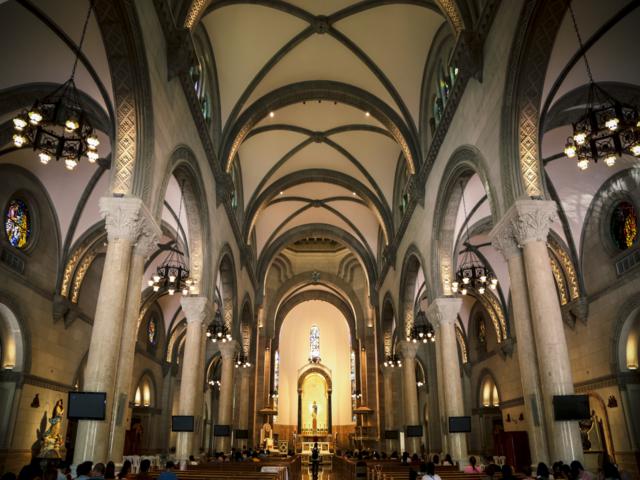
Inside the Augustinian cathedral
Within the Intramuros city walls lies St. Augustine's Church, the oldest church in the Philippines and one of four UNESCO World Heritage sites in the country. The ancient San Augustine Church, built between 1587 and 1606, boasts a distinctive Gothic architectural style and numerous remarkable religious artworks. Further out in Manila's suburbs lies St. Joseph's Church – captivating not only for its antiquity but also for a treasure: a grand piano made from bamboo tubes. We were treated to a mesmerizing melody played on this unique instrument.

Tourists visiting Manila

Streets, traffic, identity, daily life… these are the things I most enjoy, care about, and want to learn about when visiting any country or culture. I spent many mornings in Manila, and almost all of that time I wandered through the ancient, tranquil neighborhoods, interspersed with sun-drenched alleyways and colorful walls. The people I met in Manila were friendly and hospitable. Anyone could become a cheerful friend, sharing stories about themselves, their families, or their country.
.jpg_9.jpg)
Jeepneys are a popular form of public transportation in the Philippines.
These strange vehicles are called Jeepneys. I had never heard of or known anything about the concept until I saw them on the streets of Manila – the most unique and unconventional passenger vehicles I had ever seen. They were originally modified from decommissioned US military Jeeps after World War II. The front of the vehicle remained the same, while the body was extended with two benches on either side. Each bench could seat up to 10 people. Whether new or old, they were decorated with different drawings and colors, each bearing a distinct personal touch on the streets. It was wonderful and surprising that during our trip we visited a factory that manufactures modern Jeepneys. We got to ride around in one, and the most enjoyable part was witnessing all the stages of its creation, gaining a deep understanding of how a Jeepney is made.
Along with its inherent historical charm, Manila is also a large, modern, and incredibly developed city. We had the opportunity to experience the superb spaces of the first 6-star Resorts World complex in the Philippine capital. We also visited SM – Mall of Asia, a massive shopping center, the largest in Asia and the third largest in the world. The sheer size and variety of goods available here are simply indescribable.
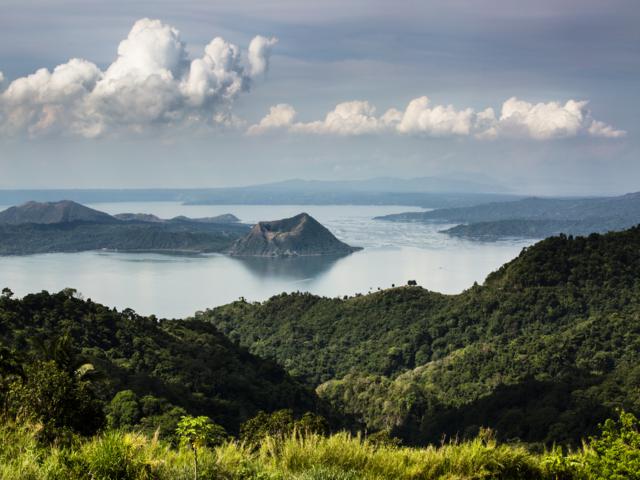
Taal Volcano
Our next destination was the Tagaytay plateau, with its ecosystem and cool weather reminiscent of Da Lat in Vietnam; and visiting Manila without seeing Tagaytay would be a major oversight. The journey from Manila to Tagaytay, about 70km, takes approximately two hours by car. Here, we feasted our eyes on "Taal," the smallest and lowest of the world's active volcanoes. It was amazing to admire from above a volcano nestled in a turquoise lake, under the clouds and misty distant mountains.
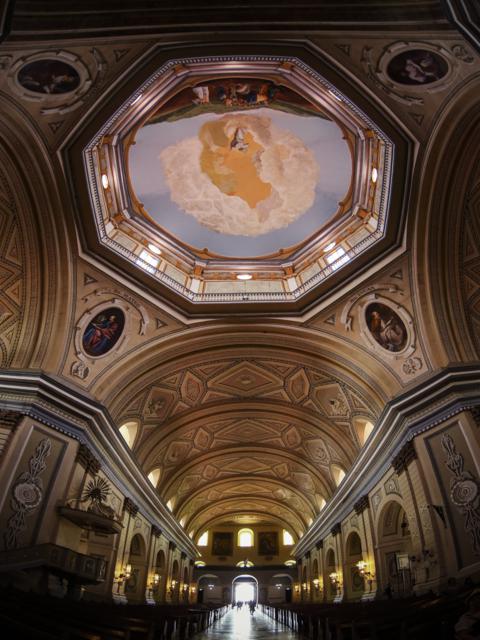
Taal Church
Near the Taal volcano, we visited the Taal Basilica and the Taal Heritage Village. The Taal Basilica is the largest Catholic church in Asia, built in 1867 by a Spanish architect. Spanish architecture is also strongly evident throughout the streets surrounding the church and the Taal Heritage Village, through the old villas. Many of these villas are used as residences, exhibition spaces for tourists, and some are abandoned with intriguing stories.
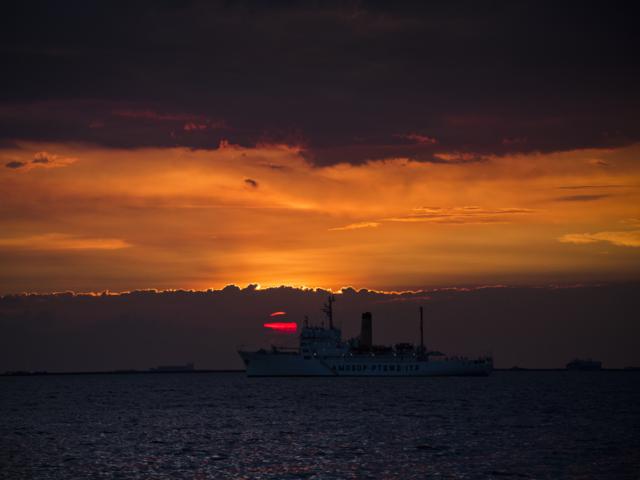
Sunset over Manila Bay
I'm a little envious of my Filipino friends. I love sunsets and the sun. In Vietnam, it's very difficult for me to even get a chance to see the sunset over the sea. But for them, it's probably an everyday occurrence. They go for walks, exercise, couples sit and admire the view, and children immerse themselves in the golden waters of Manila Bay as the sun sets.
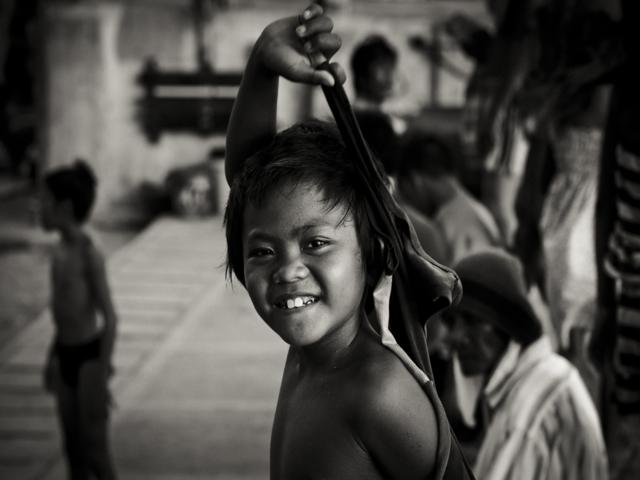

Filipino babies
Manila Bay, located right in the heart of the city, is a popular destination for both tourists and locals alike, offering daily experiences. I saw some uniquely shaped boats called Bangka. My gaze followed a boat steered by two young boys offshore, anchored in the golden glow of the setting sun. The sun over Manila Bay at sunset was perfectly round and a brilliant red. We captured our last photos of Manila like this before heading to Cebu Island.
Additional information:
+ About Amazing Photo Tour (APT):
APT is a program promoting new destinations for Vietnamese tourists through a variety of activities such as: on-site photo shoots, photo exhibitions, travel films, photo books, photo contests via Facebook, etc. APT Tour No. 3 is a collaboration between Travellive Magazine and the Philippine Tourism Board, sponsored by InterContinental Hanoi Westlake Hotel and Cebu Pacific Airlines. This is also one of the cooperation programs between Vietnam and the Philippines, part of a series of important cooperation programs between the two countries in many fields recently signed. With two destinations, Manila and Cebu, Amazing Photo Tour hopes to give tourists a unique impression of a Philippines that is both ancient and incredibly dynamic and colorful.
+ Movement:
Starting in 2012, Cebu Pacific Air, the largest national airline of the Philippines, officially launched its first Manila-Hanoi flight, marking a significant milestone and making Cebu Pacific the only airline operating direct flights between Manila and Hanoi, serving the air travel needs of the broader Philippine and Vietnamese markets. Recently, the airline has added another direct flight from Hanoi to Manila. The airline consistently offers convenient flight options for Vietnamese travelers, with daily flights from Ho Chi Minh City and three flights per week from Hanoi to Manila at special fares starting from US$69.
+ Getting around Manila:
There are many modes of transportation in Manila, including taxis, buses, motorbikes, and trains. Most notably, the Jeepney is an integral part of Manila's street culture, and that of the Philippines in general.
+ Currency: PesoPhilippines (PHP). 100$ = 4,300 PHP
+ Hotel:
Manila offers a wide variety of hotels and resorts to suit every budget, including The Linden Suites Manila, Diamond Hotel Philippines, and Heritage Hotel…
+ Cuisine:
- In Manila, Jollibee, McDonald's, and Chowkins are everywhere. There aren't as many street food stalls or pubs as in Vietnam; most food is in shopping malls and restaurants. However, food in Manila is very cheap. A satisfying meal costs only half the price of what it would cost in Vietnam.
- Most of the local dishes are quite colorful, such as the red of curry, the yellow of turmeric, and the orange of annatto. The spices used in the dishes are quite strong because the locals use very few vegetables and don't favor spicy food. Some delicious signature dishes you should try include chicaron – Filipino-style fried pork; isaw – grilled chicken; taho – tofu in sauce; or chicken tail…
+ Shopping:
- As the economic, cultural, and tourist center of the Philippines, Manila has everything from high-end fashion brands to local fashion... You can visit SM - Mall of Asia, the largest shopping mall in Asia...
- In addition, visitors can take a stroll through the Quiabo night market and buy exquisite handicrafts created by Filipino artisans. And a must-see is Chinatown, which sells many beautiful paintings, postcards, and carved reliefs depicting images of the Philippines.
For more detailed information and tour booking assistance, please visit our website:http://www.itsmorefuninthephilippines.vnAlternatively, you can contact the Philippine Tourism Authority in Vietnam at: 08. 3551 2202 – Fax: 08. 3551 3800 – Facebook: Philippines Tourism – Vietnam.