VI
VI


Germany is a country with a well-developed football culture, boasting complete and well-run facilities and stadiums for many years. This is the third time the country has hosted the European Football Championship, but only its first "full" edition. West Germany hosted EURO 1988 before Germany was reunified. In 2021, Munich was one of dozens of locations across the "Old Continent" to host the event, despite local authorities still having many social restrictions to prevent the spread of COVID-19.
A symbol of ambition from a glorious era.
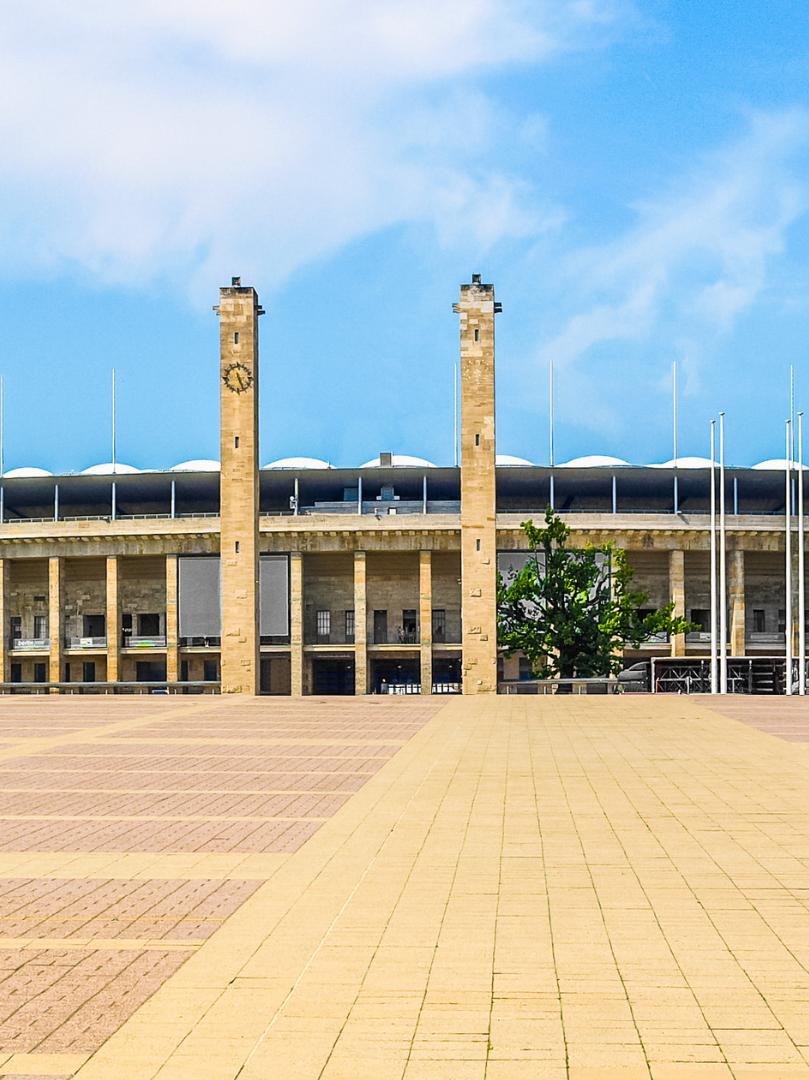
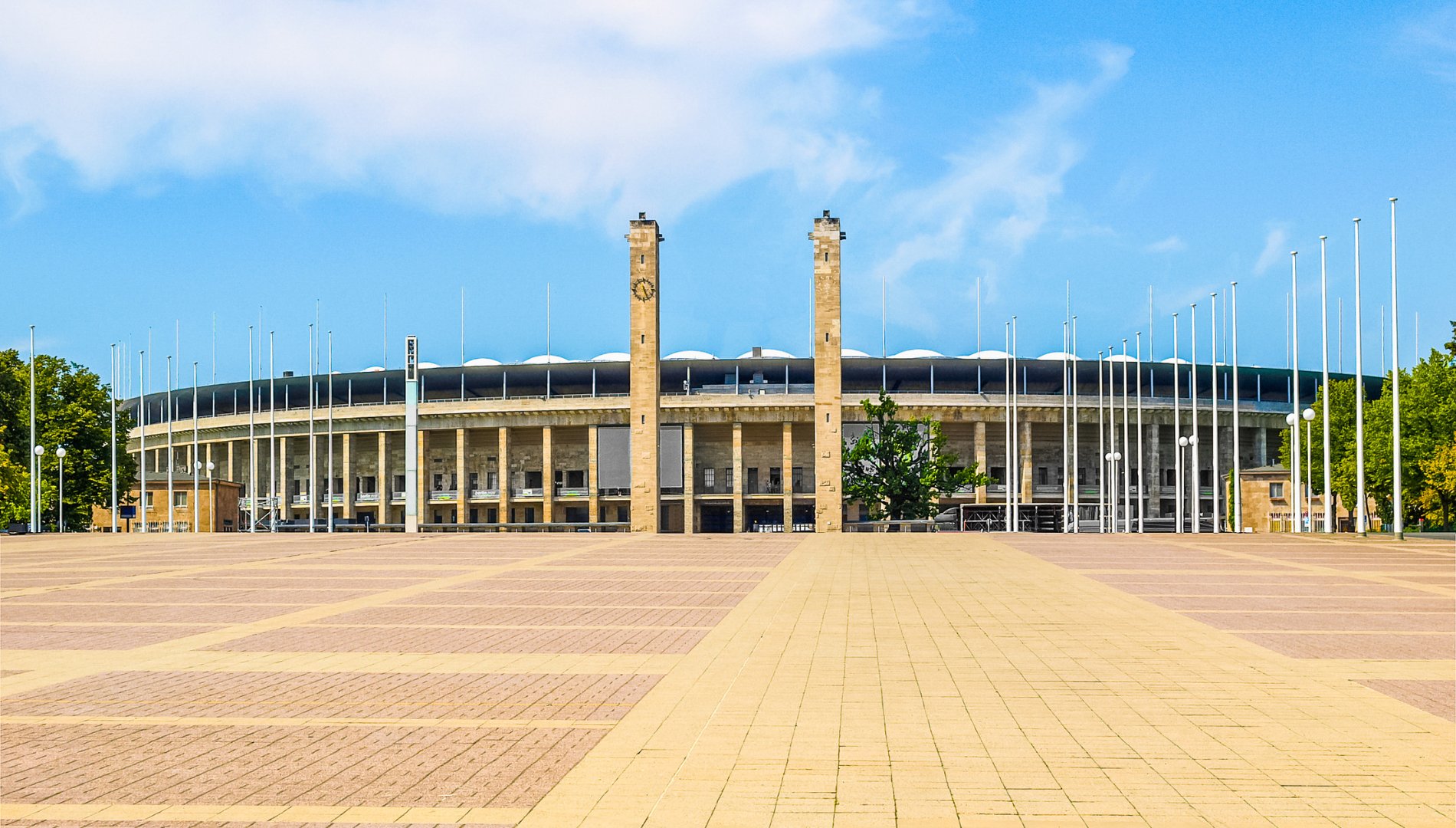
Despite its grandeur and splendor, not many people know that the Olympic Stadium is a historical witness, having seen a painful period in Germany's history. The Olympiastadion (Berlin Olympic Stadium), where the final match between Great Britain and Spain will take place, was built during Hitler's time and witnessed an event that thwarted the Nazi leader's plans.
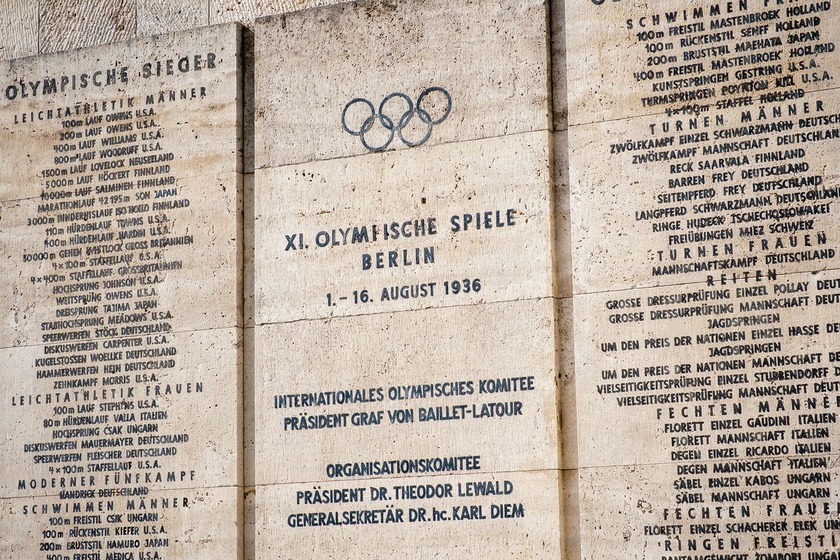
While a symbol of football, this place is also a witness to German history.
The Olympic Stadium in Berlin (Olympiastadion) is an iconic architectural landmark of the German capital. According to Britannica, surprisingly, the Olympiastadion was built during Adolf Hitler's Nazi regime in 1936.
Originally intended for the 1936 Summer Olympics, Hitler wanted to use the Berlin Olympics to spread Nazi ideology and showcase the power of the superior race (the Aryan race). Therefore, the Nazi leader commissioned architect Werner March to build the colossal Olympiastadion – the centerpiece of the Reich Sports Field complex in Berlin.
Hitler wanted to turn the 1936 Olympic Games into a grand stage to promote the image of a powerful, unified Germany under Nazi leadership. The Olympicstadion stadium was built on a massive scale, with a capacity of over 100,000 spectators. The enormous size of the stadium was intended to create a powerful impression and showcase the might of Nazi Germany.
Hitler believed that the Aryan race was a superior race destined to dominate the world. He hoped that the Olympic Games would be an opportunity to showcase the Aryan achievements in sports, thereby reinforcing Nazi ideology and racist beliefs.
The stadium was designed in the Neoclassical style, a blend of ancient Greek and Roman architecture. This style was favored by Hitler because it symbolized greatness, authority, and power. A 7-meter-tall statue of the track and field athlete Arno Breker was placed in the south stand of the stadium. This statue was a symbol of Aryan heroism and perfection, representing the ideal of Aryan physical beauty from the Nazi perspective.

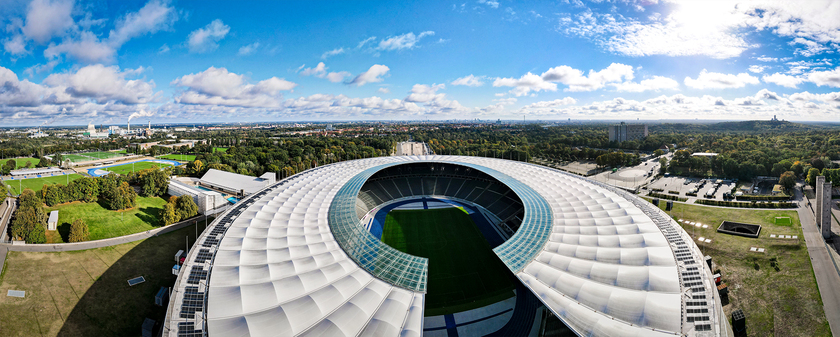
The stadium was designed in the Neoclassical style.
Although Hitler used the 1936 Olympic Games and Olympiastadion to propagate his ideology, the event also provided an opportunity for athletes from around the world to showcase their talent and sportsmanship. Jesse Owens, an African American athlete, set four world records at the Olympics, breaking racial stereotypes and proving that people can achieve success regardless of background or race.
The Berlin Olympic Stadium is a unique architectural masterpiece with significant historical value. However, the stadium is also associated with dark memories of the Nazi regime and apartheid. Today, the Olympiastadion is an important sporting and cultural landmark in Berlin, attracting visitors from all over the world.
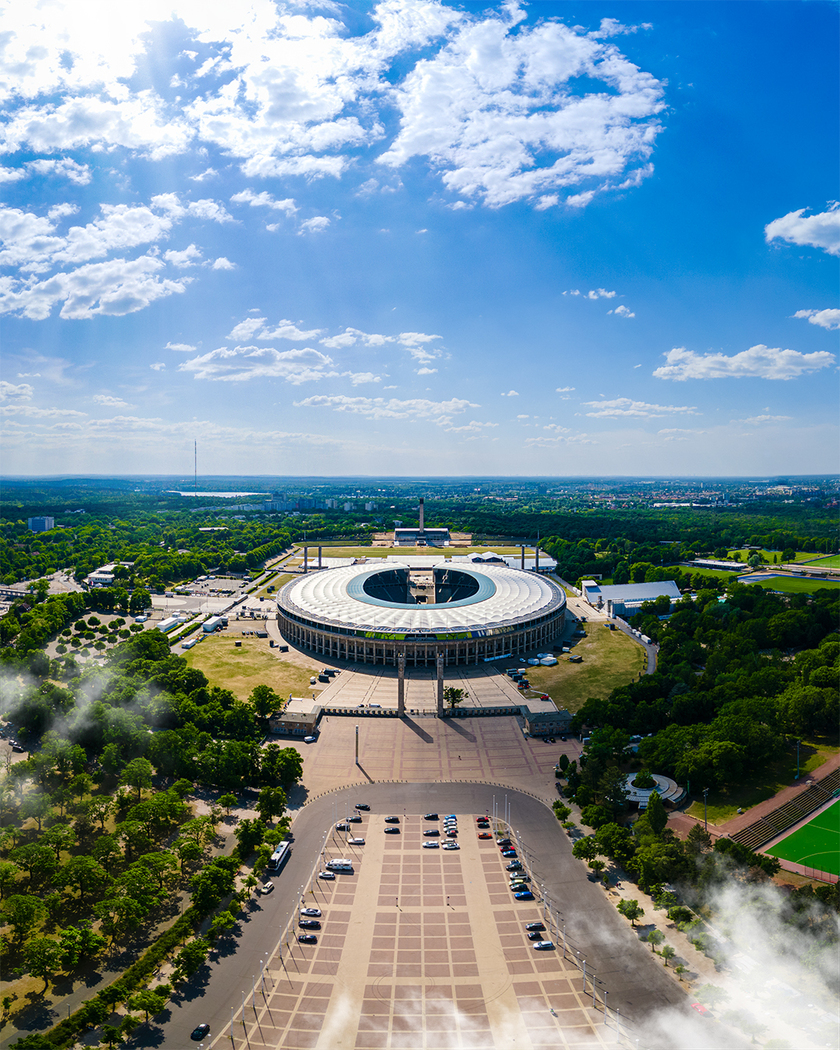
The footsteps of history are evident in every part of this stadium.
A symbol of German sports, culture, and architecture.
Over time, major sporting events held at the Olympiastadion have forged a deep and complex history for this magnificent stadium. The Euro 2024 finals are not the first major international football tournament to take place here. It previously hosted five matches in the 1974 World Cup and six matches, including the final, of the 2006 World Cup – a match famously marked by Zinedine Zidane's (France) headbutt on Italian defender Marco Materazzi.
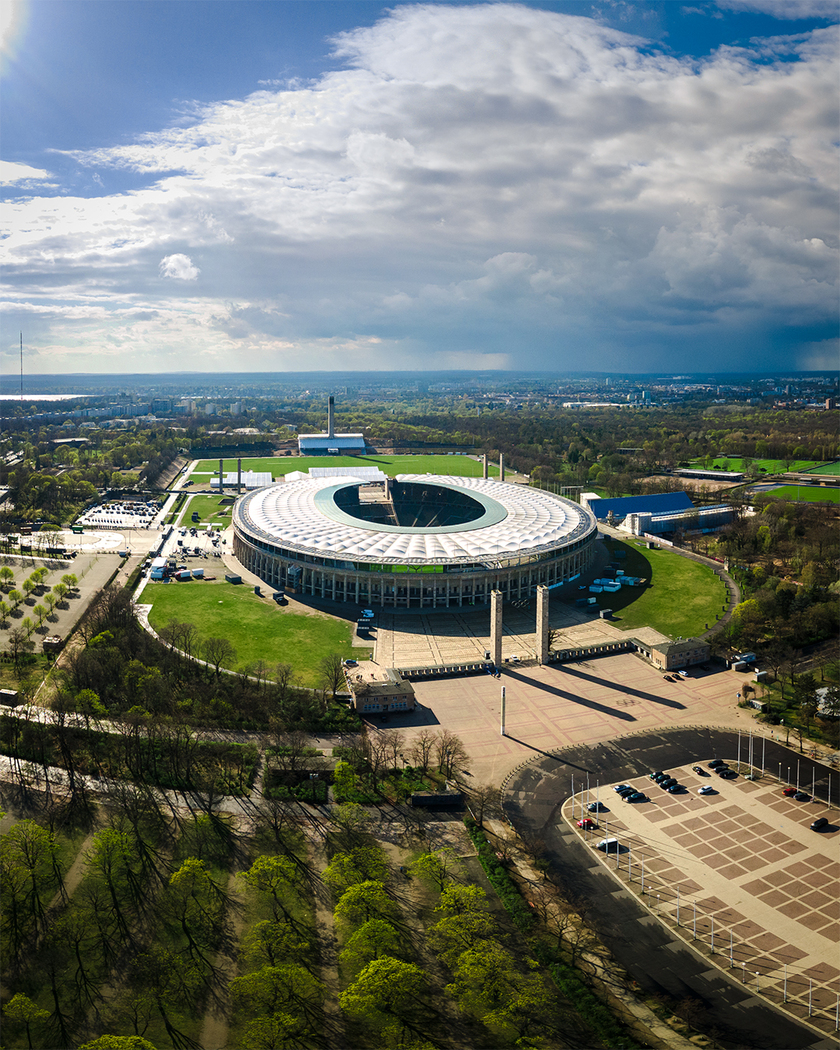
Many famous football matches have taken place here.
In 2015, the stadium hosted the Champions League final where Lionel Messi's Barcelona defeated Juventus. The Olympiastadion is also the home stadium of Hertha Berlin, currently playing in the Bundesliga II, and has hosted the German Cup finals since 1985.

A place that commemorates classic matches that football fans will never forget.
The American football league also chose this stadium to host the first games of the season from 1990-1994. Track and field legend Usain Bolt set two of the most incredible world records here since Owens – 9.58 seconds in the 100m and 19.19 seconds in the 200m at the 2009 World Championships. Both records remain unbroken.
This place has also been a destination for top music stars: hundreds of thousands of people have come to see The Rolling Stones, Michael Jackson, Bruce Springsteen, Tina Turner, and Madonna perform.
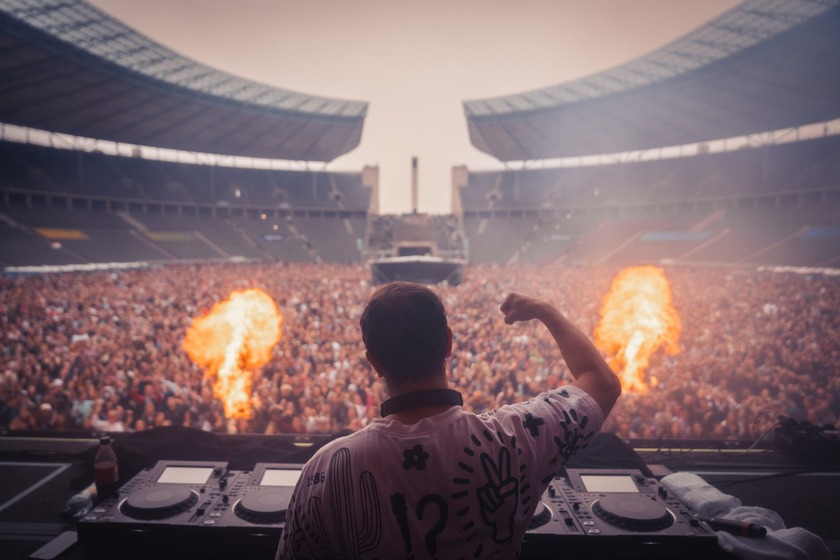
This is also the top choice for world-class music events.
With the intention of creating a more intimate atmosphere for football matches, the pitch was lowered by 2.65 meters. Approximately 90,000 cubic meters of sand were excavated. The lower level of the stadium's seating was demolished and rebuilt at a completely different angle.
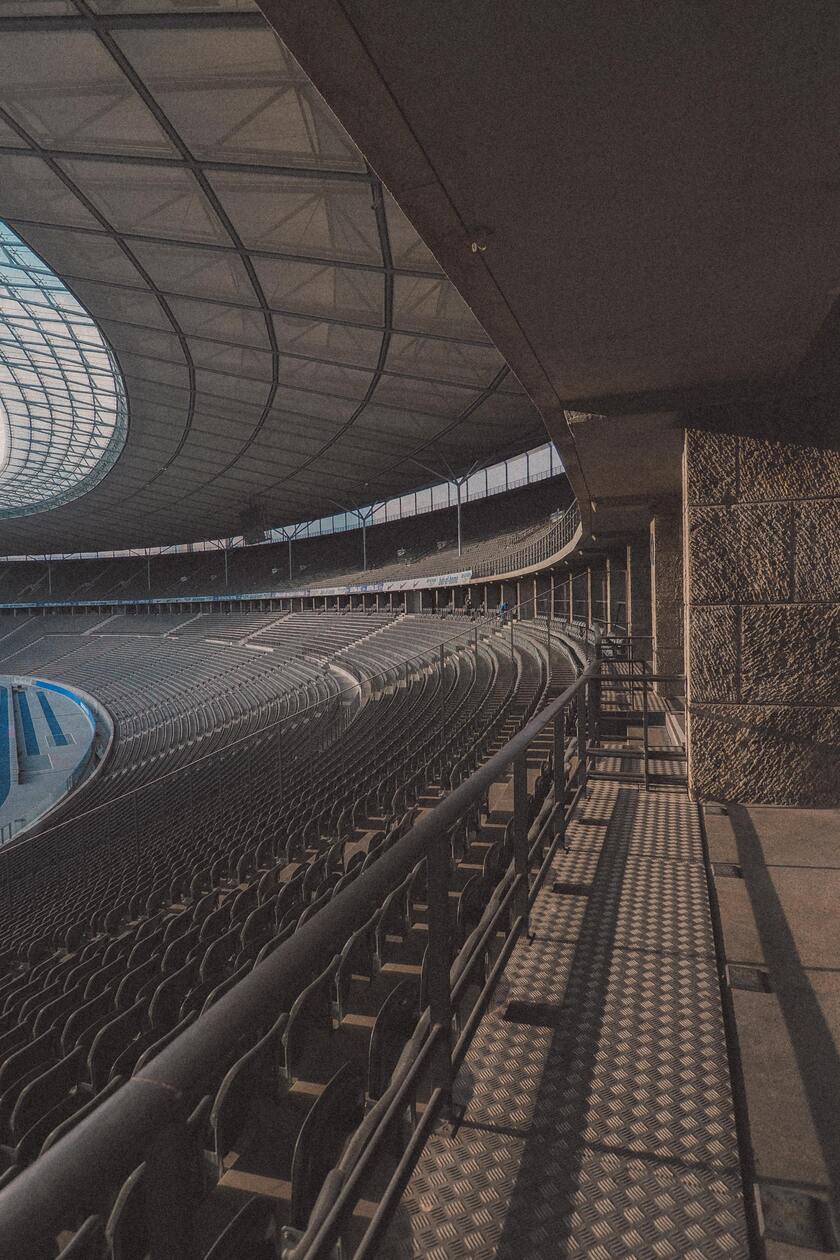
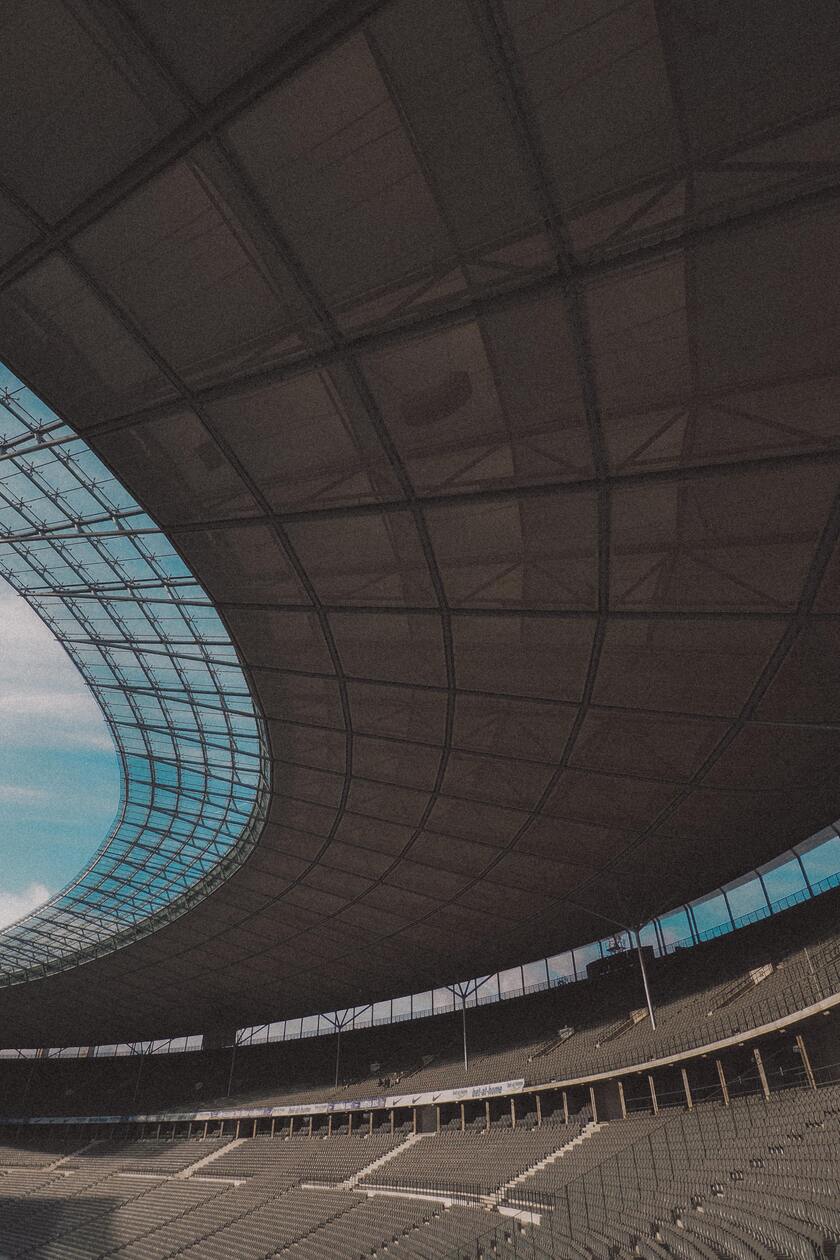
The roof was extended to cover a total of 37,000 square meters, supported by 20 columns weighing 3,500 tons of steel. The roof rises 68 meters above the seats and is made up of transparent panels allowing sunlight to penetrate during the day. The western section (above Marathon Arch) is opened to reveal the Bell Tower to the public.
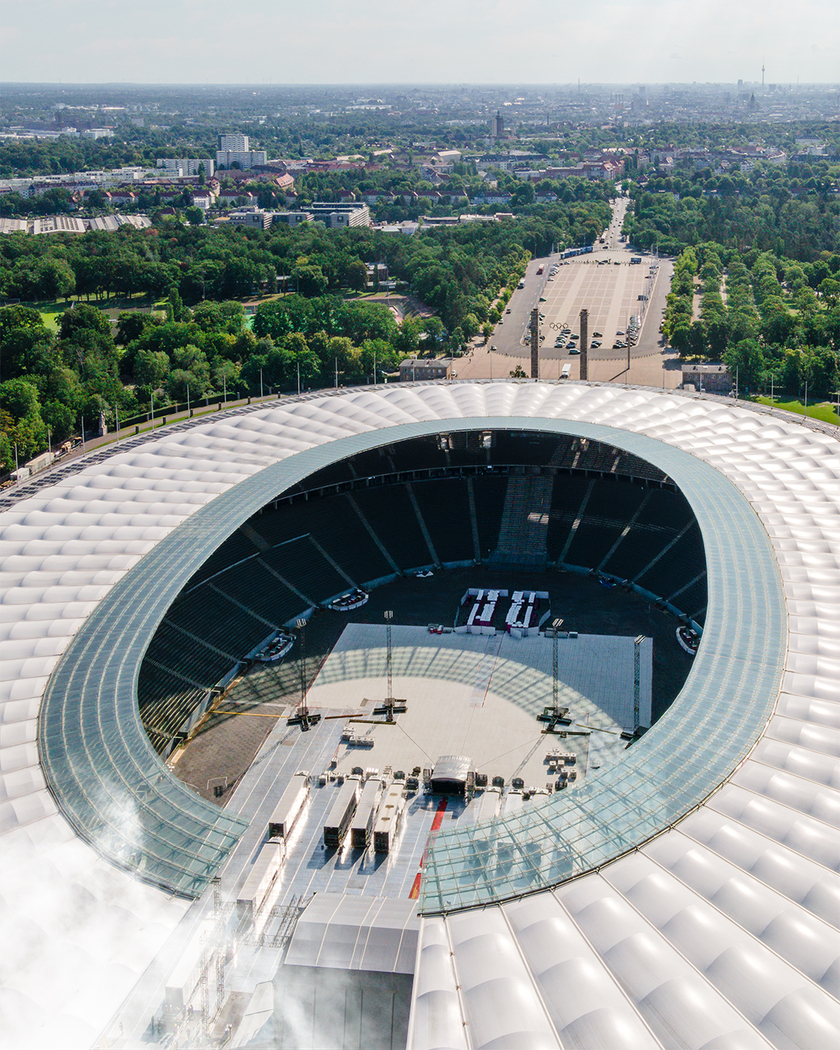
The preservation of the Olympic Stadium as a historical monument was also considered, particularly regarding the preservation of the natural rock formations. Following criticism, the color of the athletics track around the stadium was changed from red to blue, reflecting the colors of Hertha BSC.
This area boasts many iconic structures associated with the stadium, most notably the Olympic Monument. These are two large columns located in front of the Olympic Stadium. Inspired by the Olympic logo, the Olympic rings are positioned between the two columns, making a striking impression on everyone at first glance.
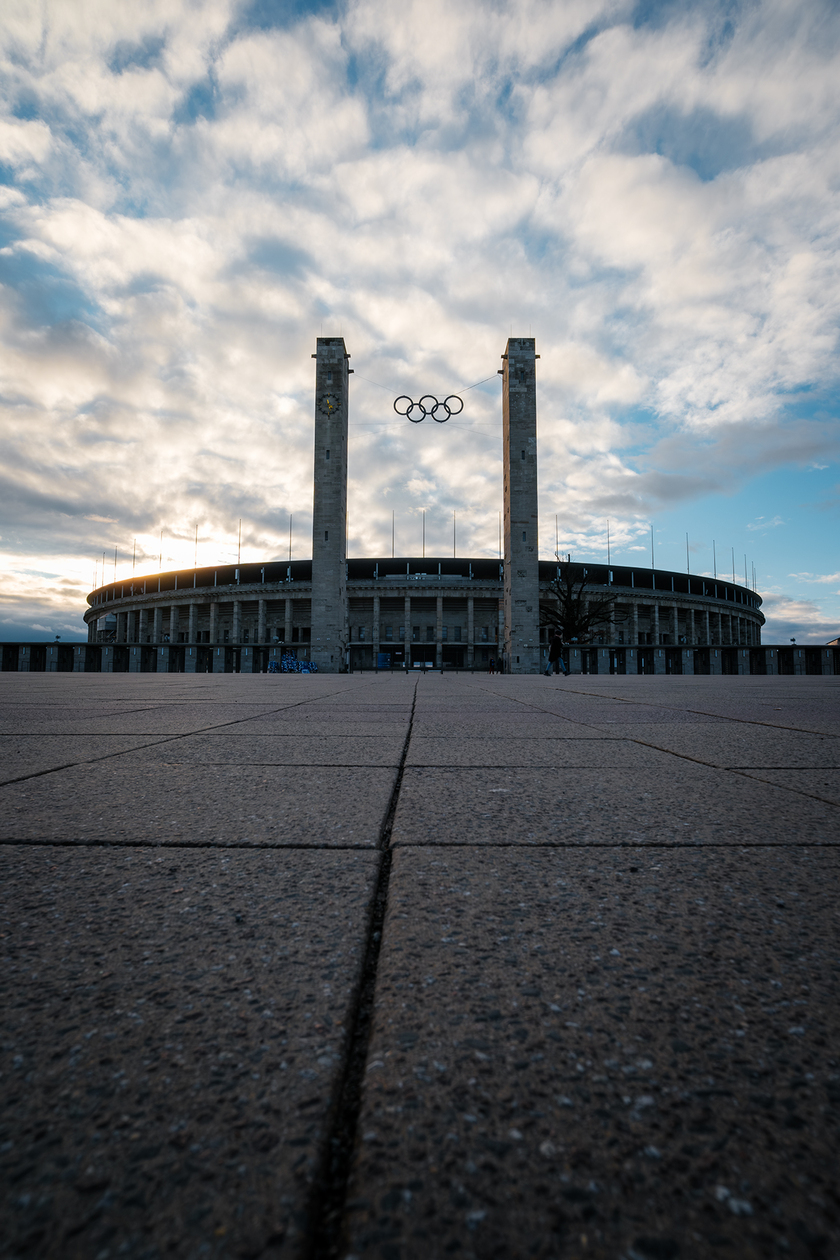
This iconic column holds so much meaning that everyone wants to visit and take a picture at least once.
The Olympic Stadium is undoubtedly the most attractive tourist destination this summer. If you have the chance to visit the Olympic Stadium, when you step into the exhibition area, you'll have the opportunity to see historical artifacts related to Nazi Germany. Among them, the Olympic bell is the most eye-catching. The bell's body is engraved with the Brandenburg Gate and the Reich eagle holding the Olympic rings with its talons. Below the rim of the bell is the Swastika symbol along with a large hole caused by World War II.