VI
VI


The meal after a difficult and exhausting childbirth is always something that new mothers and their families pay close attention to and care for. Eating habits are also very important for pregnant women abroad, but sometimes they don't have access to familiar dishes as they would like. A woman in Japan might have a full meal, while someone in Germany might only eat cold dishes... Let's explore the culinary culture of different countries through this meal with Travellive.

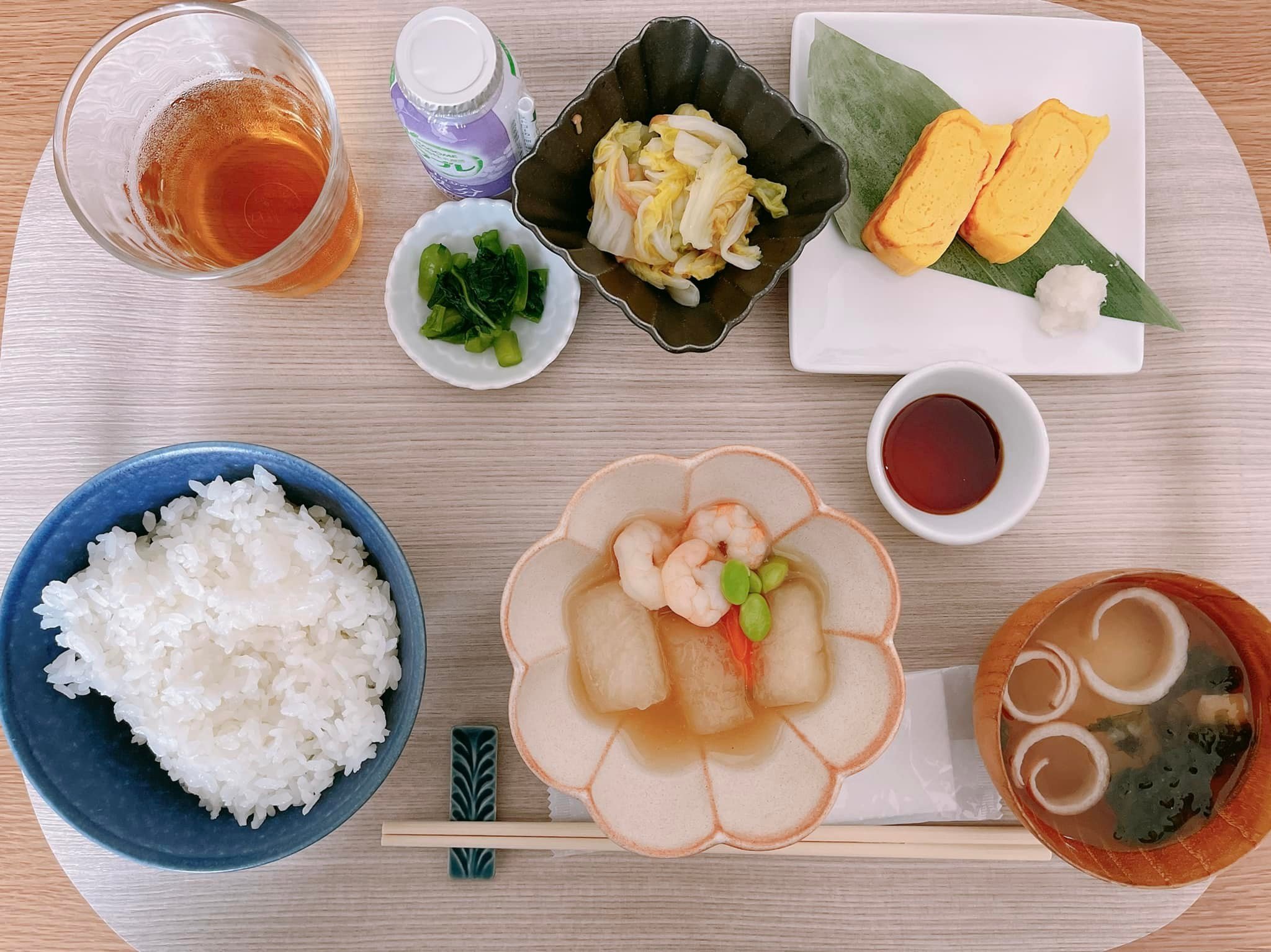
A hospital room in Japan where mothers rest after the sacred experience of childbirth.
Japan - a harmonious meal, "beneficial for both mother and child".
Japan is an island nation with an incredibly unique culinary tradition. Benefiting from its vast maritime borders, the Japanese have developed a culture of fishing and enjoying various seafood such as shrimp, fish, and shellfish, elevating them to the level of high-end sashimi and sushi feasts. It also boasts the most Michelin-starred restaurants in the world, even though this prestigious award did not originate in Asia. This demonstrates the strong development of Japanese cuisine.
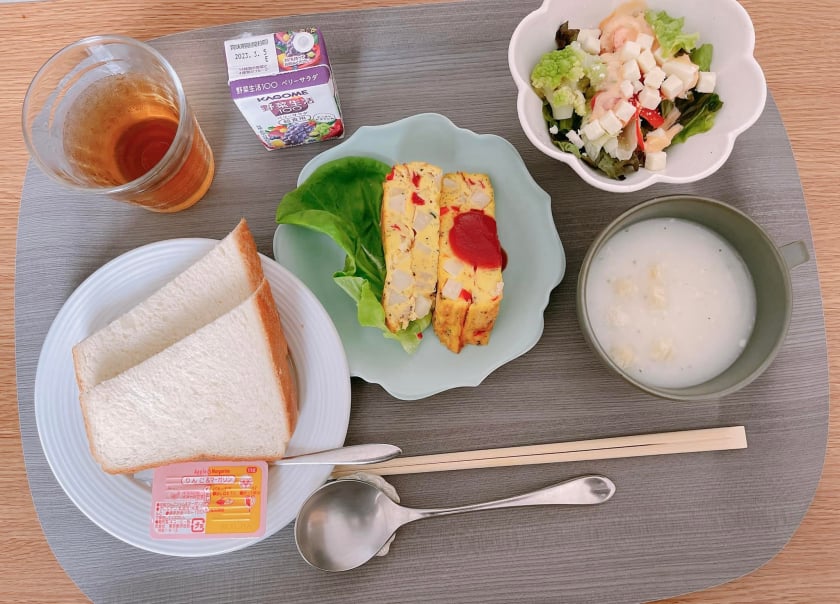
A modern-style hospital meal in Japan includes bread and salad, but the traditional egg roll is an essential part of the meal.
For postpartum meals, the Japanese prioritize nutrition, balance, and visual appeal. In a conversation with Nhieu Trang (33 years old, currently living and working in Japan), a Travellive reporter learned several interesting things: “Just like daily meals, hospital meals are carefully prepared, with menus created weekly or monthly by the hospital's own nutrition experts. These meals provide patients with sufficient nutrients, helping them recover quickly.”
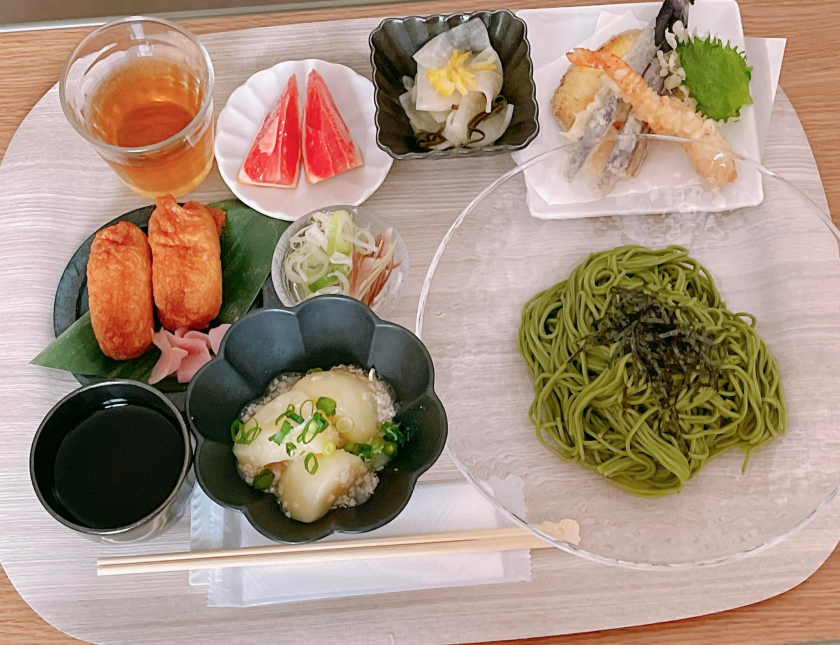
A traditional Japanese postpartum meal featuring soba noodles and tempura.
"Every day I eagerly awaited the time when the kitchen staff would bring the meals to my room, like a child waiting for their mother to return from the market with some candy and snacks. Some even joked that they wished to give birth just to eat hospital food," shared Nhieu Trang.
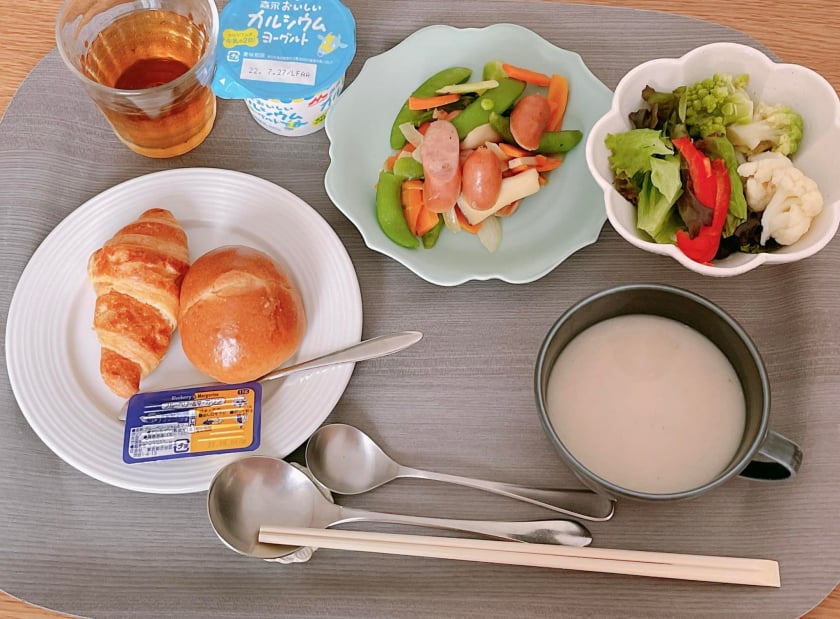
Breakfast should include fresh vegetables rich in vitamins and fiber.
Another distinctive feature of Japanese postpartum meals is that they don't restrict or exclude too many foods from their diet. Hospital meals in Japan are virtually all-encompassing. While some foods are traditionally avoided in Vietnam, such as cabbage, bamboo shoots, cold foods, sour foods, and seafood, they allow everyone to eat whatever is in season.

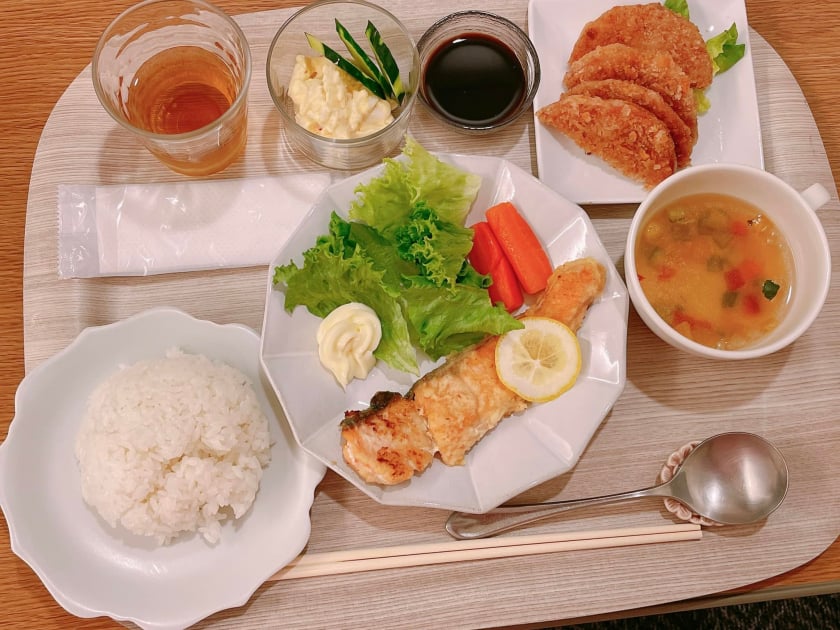
A traditional meal for new mothers in Japan includes rice, soup, meat, and fish.
Austria - a fusion of Italian and Turkish cuisine.
When visiting Austria, a country with a distinctive European cuisine featuring bread and stews, what does a postpartum meal look like? Let's hear from Hong Nhung (32 years old, currently living and working in Austria) about her incredibly nutritious postpartum meal: "I also had hospital meals in Austria. After giving birth, I didn't restrict my diet at all; the food was nutritious and mostly cooked until soft."
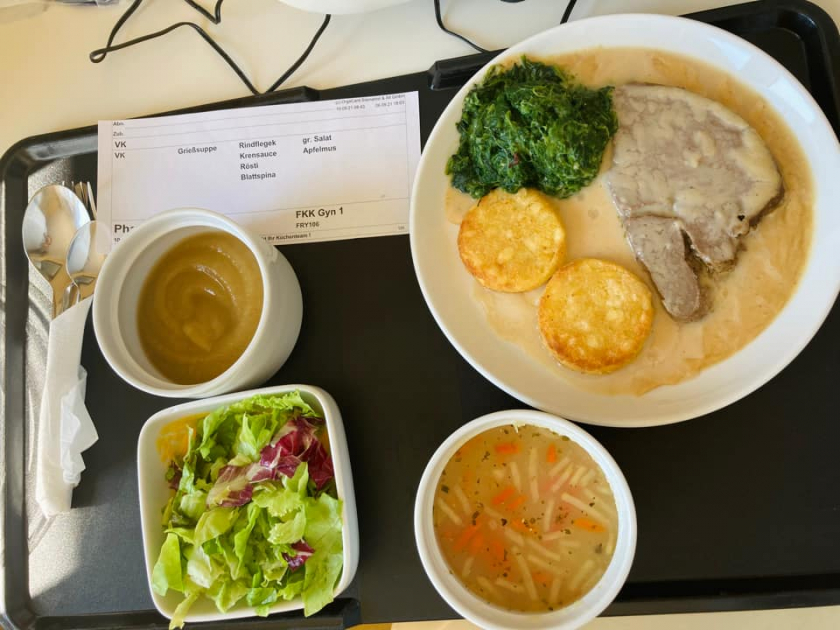
The meals prepared for new mothers are cooked until soft to make them easier to eat after the exhausting process of childbirth.
However, even someone far from home like Hong Nhung sometimes feels homesick, no matter how delicious Austrian food is: "But after eating it a few times, I get tired of it and miss my husband's home-cooked meals."
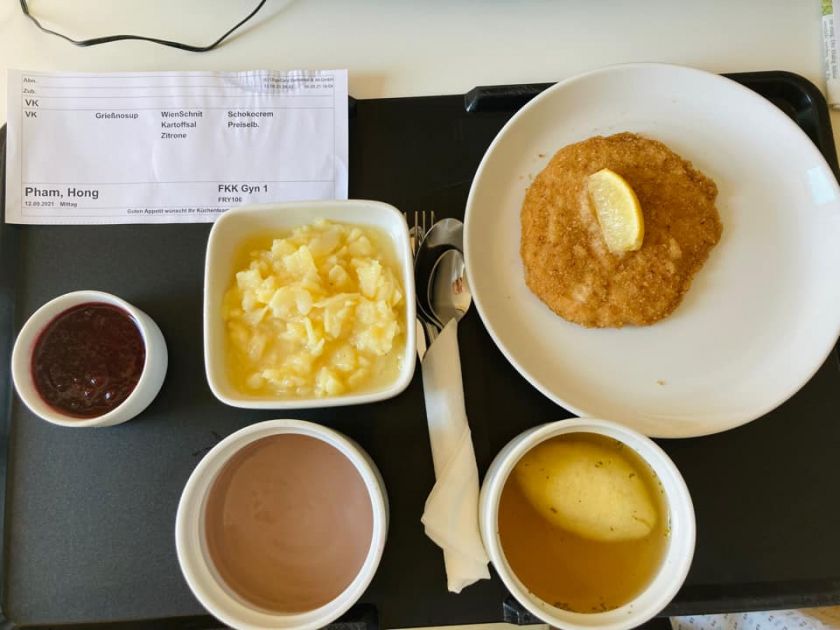
The dishes vary from meal to meal.
It is known that in Austria, these services are fully covered by insurance, and pregnant women have a wide variety of choices for daily meals, such as ordering from restaurants and even vegetarian menus. She shared that she drinks 4 liters of tea every day. Perhaps pregnant women really need to replenish fluids after giving birth. In a further conversation with Hong Nhung, she confided: "The food is usually stewed until tender, often includes potatoes or pasta, and has a blend of Italian and Turkish cuisine, but with less vegetables than Vietnamese dishes."
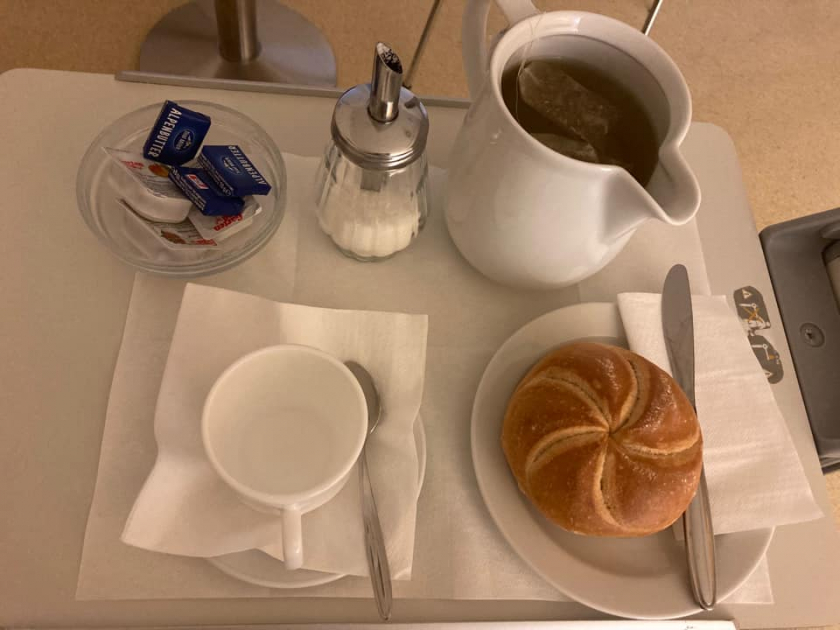
A nutritious breakfast for both mother and baby.
According to Hong Nhung, most of the dishes here are made with ingredients like milk, cream, butter, and cheese, and the desserts are too sweet for her taste.
Germany - only cold dishes
Continuing our conversation with two Vietnamese women currently living in Germany, the Travellive reporter gained some understanding of the longing for home-cooked meals felt by those living far from home. Ngoc Ha (currently living in Germany) shared: "German food is a bit difficult to eat for someone like me who is used to Asian food."
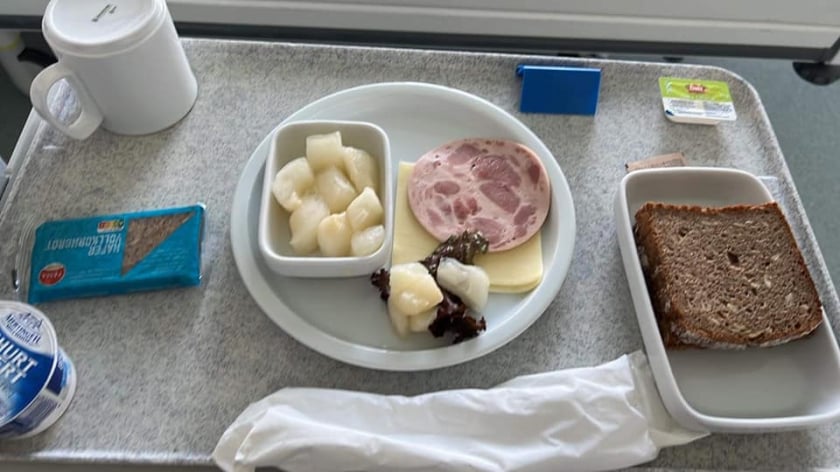
Meals for pregnant women in Germany often feature bread as the main ingredient, served with olives, cold cuts, and other accompaniments.
She shared that postpartum meals were mostly American-style food with many vegetarian options, including a lot of beans and cold cuts. Ngoc Ha confided, "The food wasn't very appealing, but the rooms were comfortable and the nurses' service was excellent. Milk tea and water were served all day long."
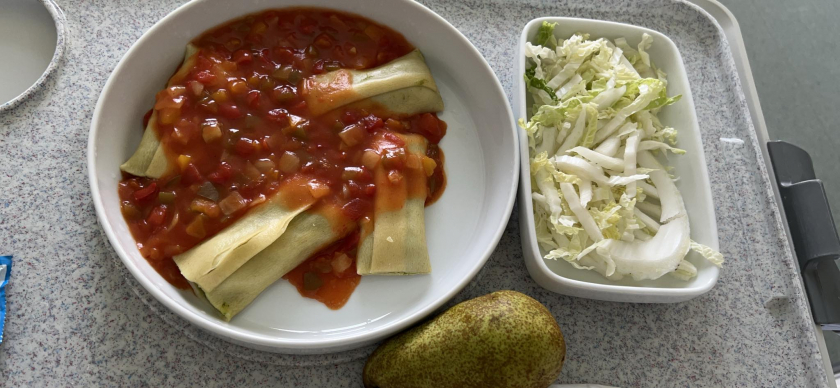
A smaller portion.
As for Sheena (a Vietnamese woman living in Germany), the dishes didn't seem very substantial, and it dampened her spirits a bit when it came time for the meal.
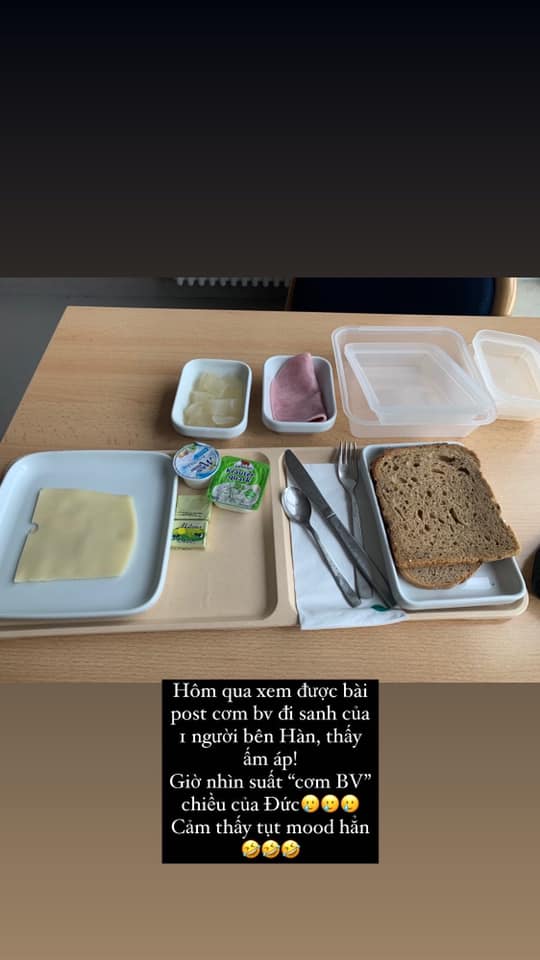
Postpartum meals in Germany sometimes make Vietnamese mothers very nostalgic for home-cooked meals.
It's clear that although both are European countries, their cuisine differs somewhat. While Austrian cuisine leans towards traditional dishes with elaborate stews or extensive use of dairy products (dairy), German cuisine is more modern and simpler, adopting an American style. A typical German meal consists of just a few slices of bread, cold cuts, and cheese, with minimal soups or stews.
Hopefully, this article has provided readers with diverse perspectives on the culinary cultures of each country. Women go through a very difficult process after childbirth, and their loved ones need to show care, understanding, and support to ensure the best possible health for both mother and child.