VI
VI


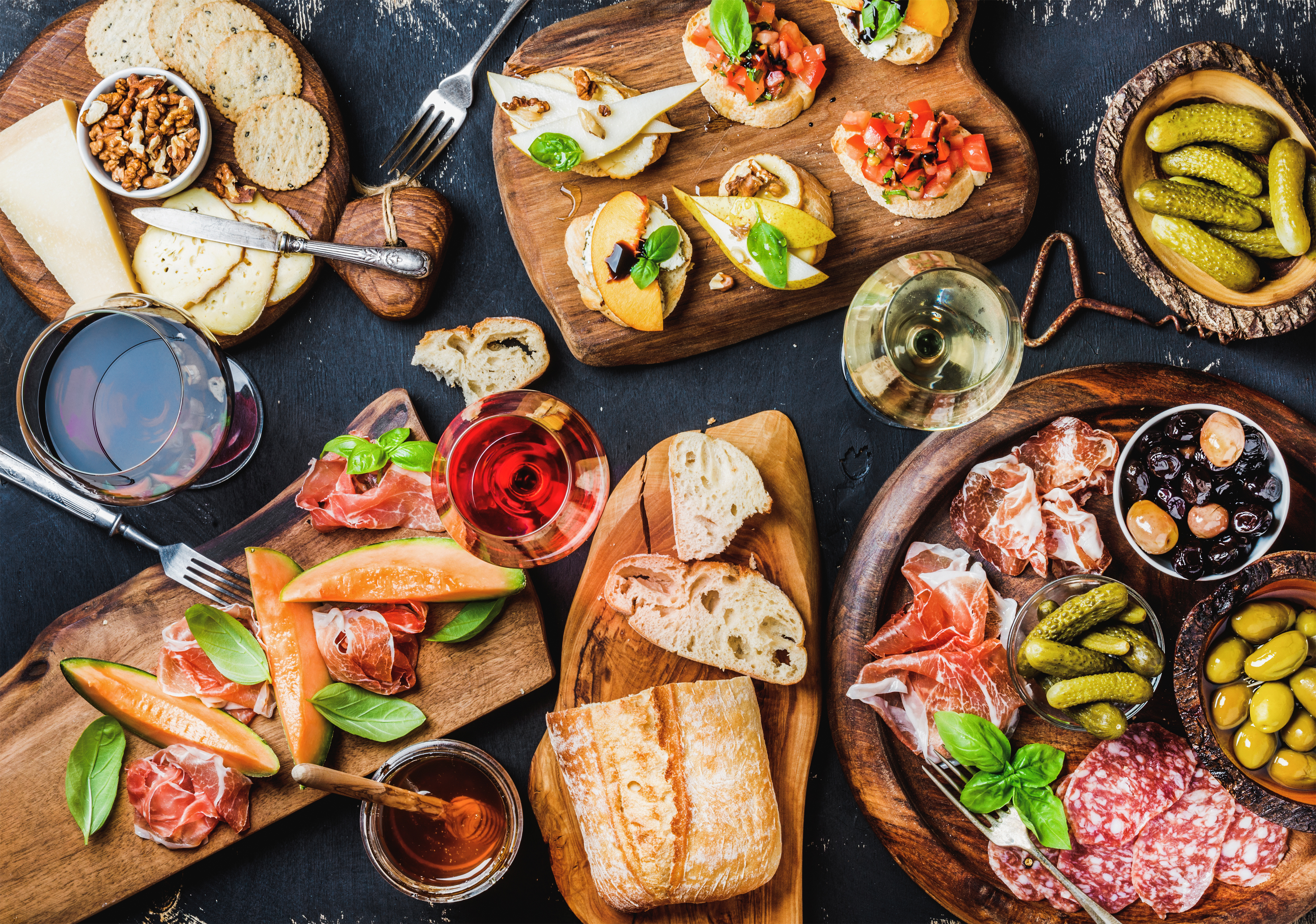
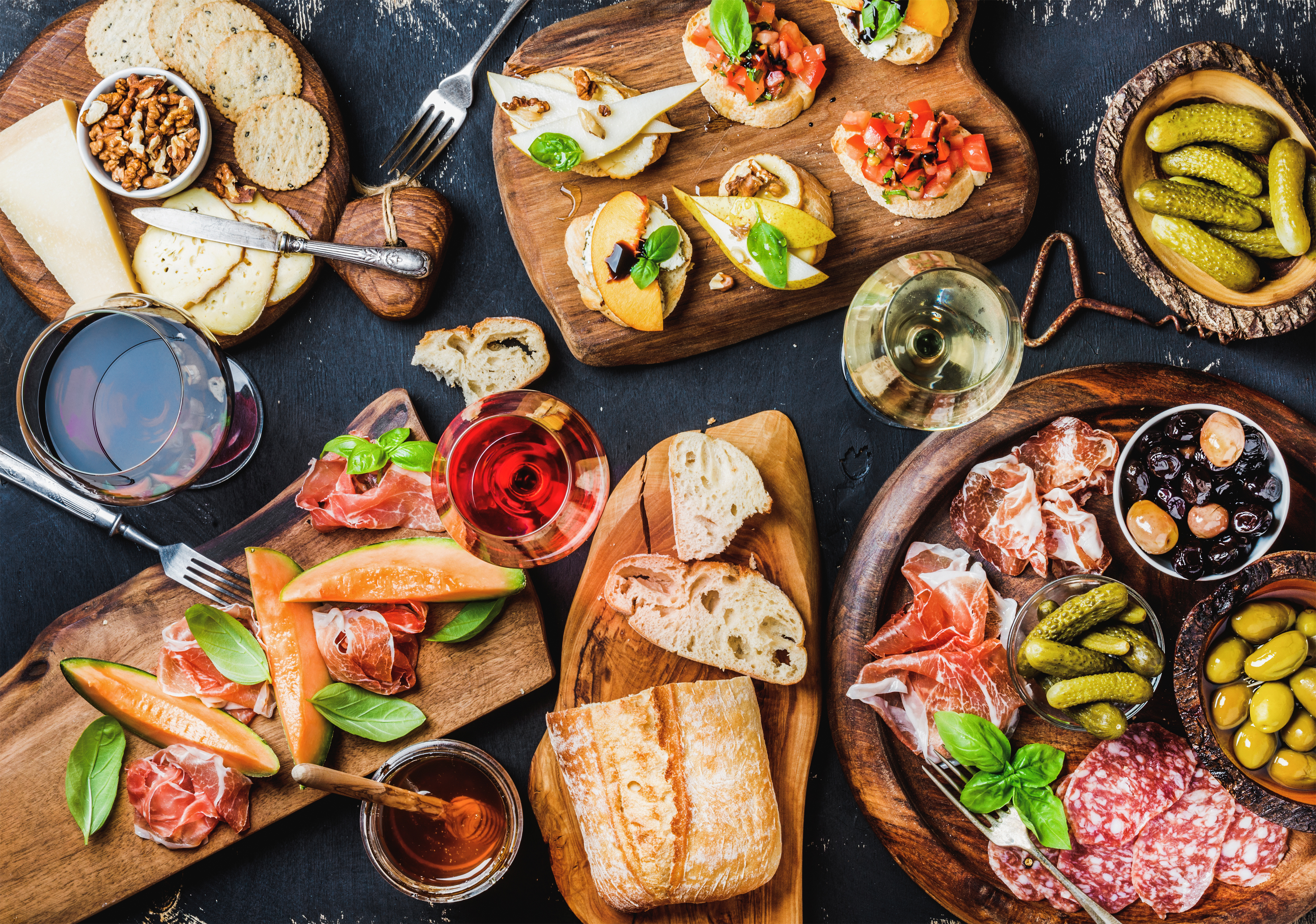
Italy is a paradise for food lovers with its diverse selection of pizzas, coffee, and wines... And like any country, it has certain customs, especially Italians who highly respect mealtimes.
Recently, food blogger Brooke Eliason shared some tips for eating like a local in Italy. However, she advised tourists to be aware of the unwritten rules of dining there, especially since Italians highly respect mealtime etiquette.

Breakfast in Italy is considered ultra-minimalist, with most people just eating pastries and drinking coffee.
First, Eliason noted that most restaurants charge a service fee, or "coperto" in Italian, which covers bread and utensils. Even if you don't eat the bread, you'll still be charged, usually an average of 3 euros per person. Some places even charge for children.
Secondly, when you're dining out, waiters will appear when serving appetizers and main courses. Otherwise, they rarely approach your table unless requested. If you want to call a waiter, a friendly wave is all it takes, as they will always be watching. This impresses visitors with its privacy and ensures their conversation isn't interrupted.

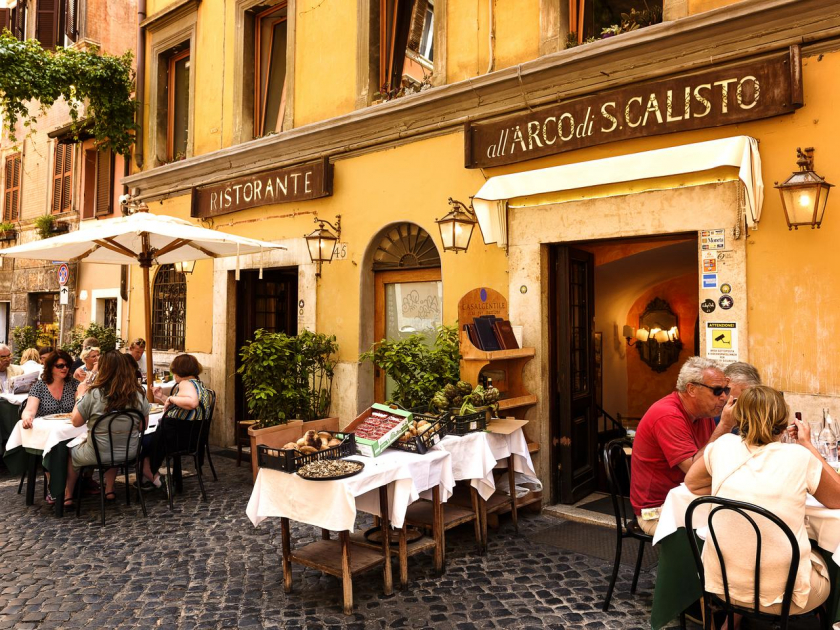
If you want to eat at a restaurant, you should call ahead to make a reservation, as not all restaurants in Italy are open during the hours listed online.
Eliason further suggests that if you want to eat at a restaurant, you should call ahead to make a reservation, as not all restaurants in Italy are open during their online opening hours. It's best to call and book in advance. Also, if you choose to sit outside, be prepared for cigarette smoke, even if you're with young children. Otherwise, book an indoor table.
Sparkling mineral water and regular mineral water are always available at Italian restaurants, bottled in 750ml containers, enough for two people. Eliason advises visitors to pay for these and never ask for free tap water (drinking water taken directly from the tap). During the meal, waiters will appear when serving appetizers and main courses. Otherwise, they rarely approach your table unless requested. If you want to call a waiter, a friendly wave is all you need, as they will always be watching.
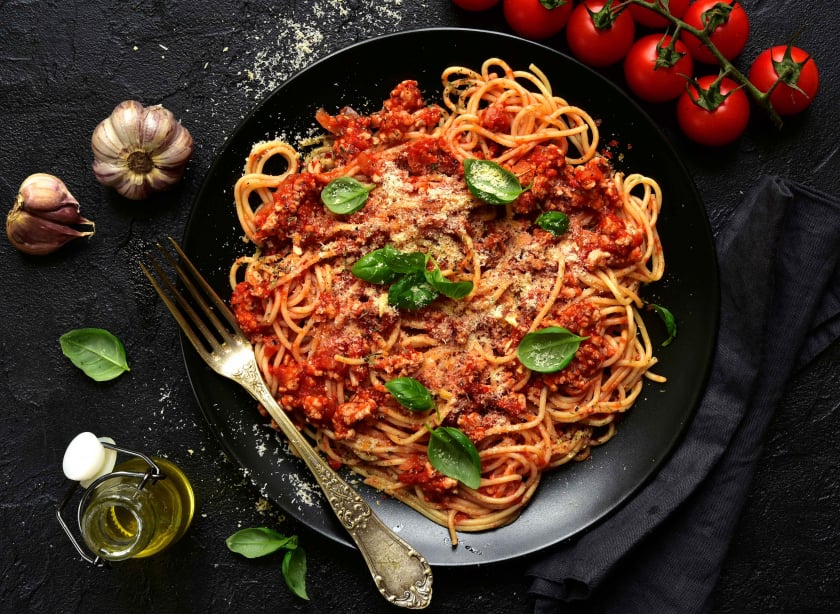
Italian food should be enjoyed slowly and thoughtfully.
Furthermore, Eliason notes that breakfast here is extremely minimalist, with Italians mostly just eating pastries and drinking coffee. Lunch is usually the most extravagant meal of the day. After lunch, most restaurants in Italy close until around 7 pm, as very few Italians eat dinner before that time. If you see a restaurant serving dinner before 7 pm, it's likely catering to tourists and certainly won't be as good as restaurants that open after 7 pm.
Italian food should be enjoyed slowly and thoughtfully. Unless you're eating at a pizza parlor or bakery, diners should allow 1-2 hours for lunch and 2-3 hours for dinner.
Finally, Eliason argues that Italian cuisine always follows regional trends. Therefore, tourists should research local specialties before traveling anywhere in Italy.