VI
VI


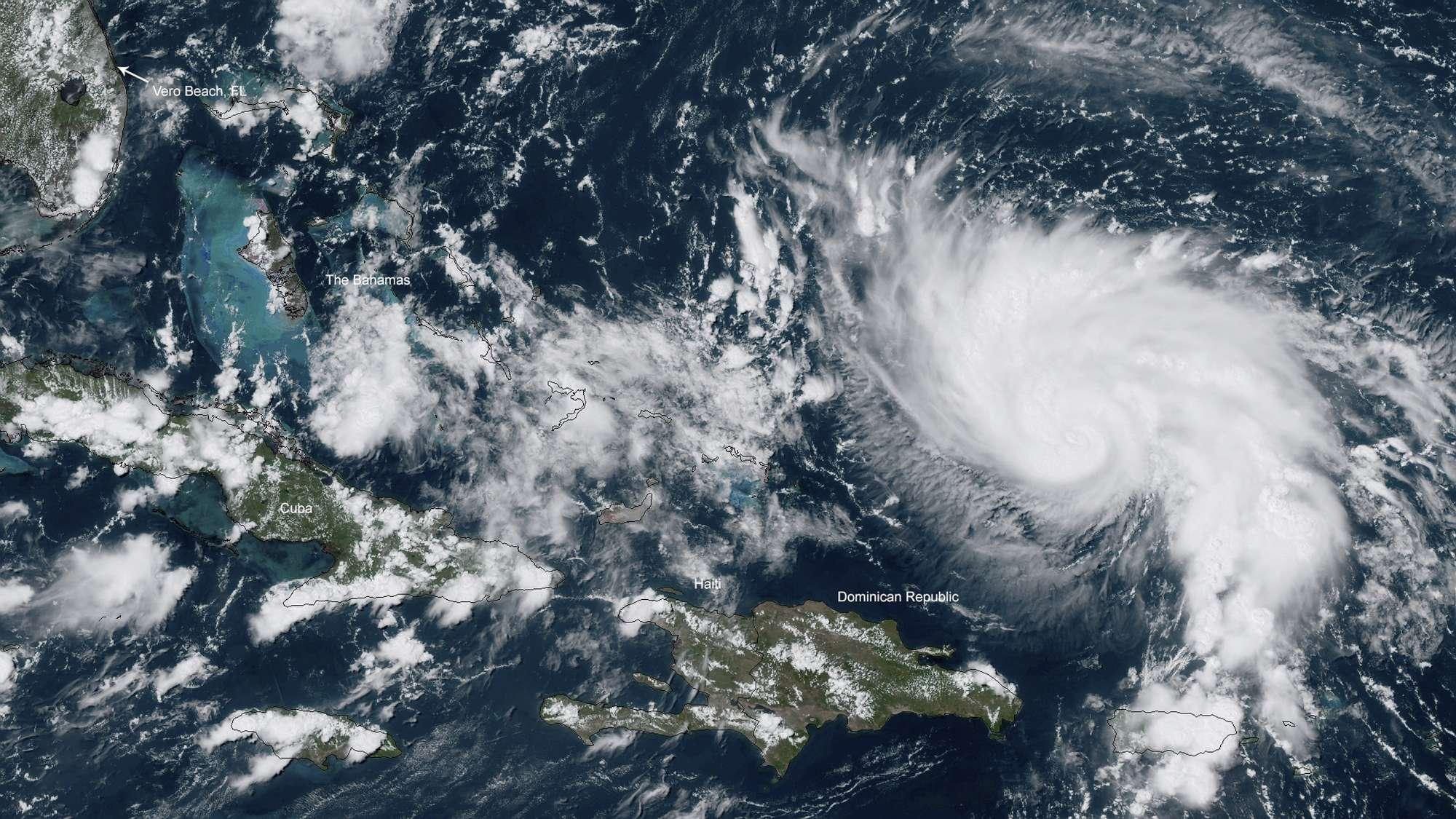
On September 2nd (local time), Hurricane Dorian, a Category 5 storm, brought heavy rain and strong winds to the Bahamas, near Florida (USA). This devastating storm killed at least five people, ripped off roofs, damaged power lines, flooded homes, and forced rescue workers to take shelter until the storm passed. The Bahamian authorities urged residents to prepare buoyant objects and hammers to break through roofs and escape if necessary.
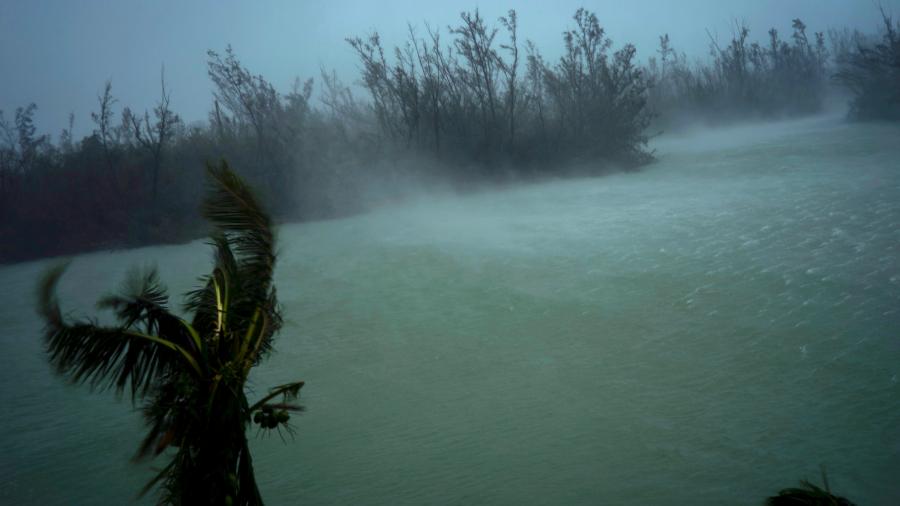
Hurricane Dorian caused widespread flooding across the Bahamas on September 2nd.
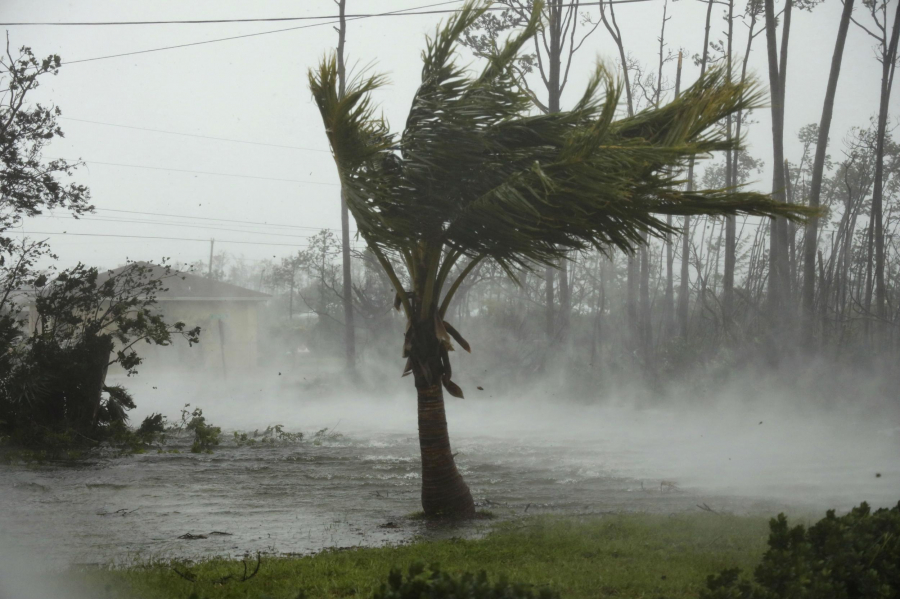
Wind speeds are forecast to reach up to 362 km/h (equivalent to 100 m/s), causing rain and flooding along the coast, and storm surges that could reach 7 meters in height.
The death toll is likely to rise after Hurricane Dorian slowed down and then nearly came to a standstill in the Bahamas, bringing heavy rain and strong winds there. This is unfortunate for the Bahamas, but it could help Florida mitigate damage, according to meteorologists.

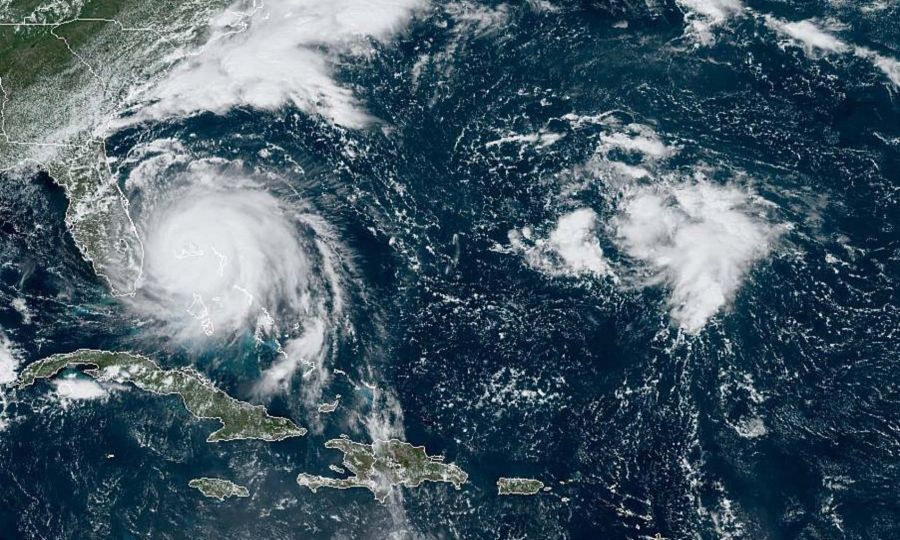
Satellite imagery from September 2nd by the US National Oceanic and Atmospheric Administration (NOAA) shows Hurricane Dorian (left) wreaking havoc in the Bahamas.
Meanwhile, in the southeastern United States, more than 1 million people have received emergency evacuation orders. On September 2nd, US President Donald Trump declared an additional state of emergency in Georgia. Prior to this, states of emergency had also been declared in Florida, North Carolina, and South Carolina.
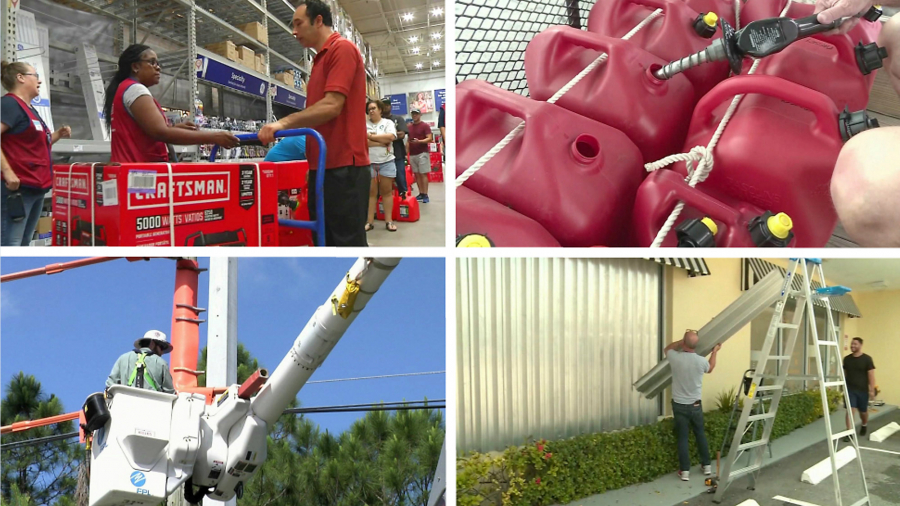
Americans are reinforcing their homes and stocking up on essential supplies in anticipation of the hurricane.