VI
VI


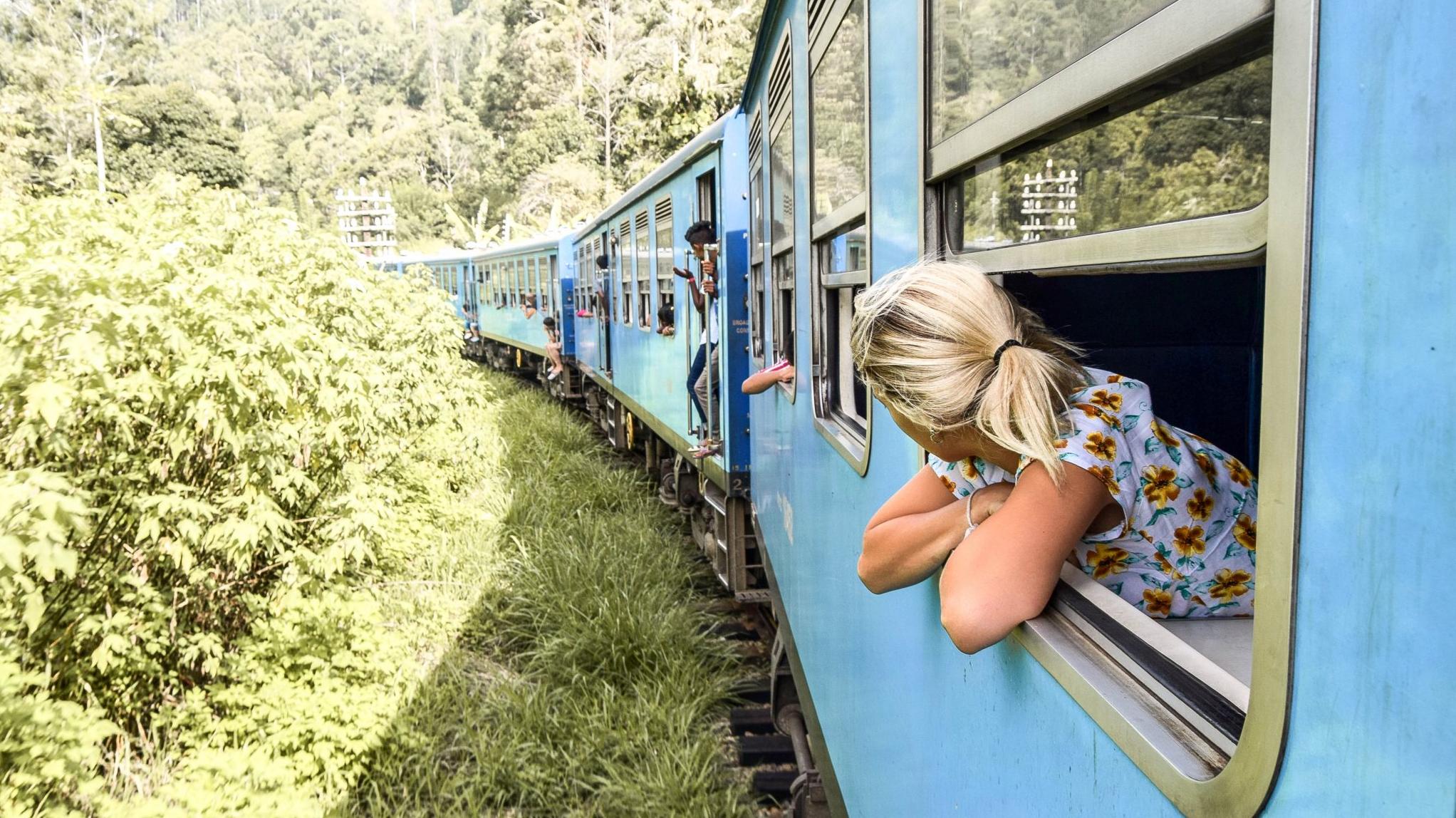
Sri Lanka before the crisis: a strange, unspoiled paradise.
In 1954, after the filmElephant WalkUpon its international release, people began to become more curious and attentive to the teardrop-shaped island located just below the vast Indian Ocean. At that time, Sri Lanka was still a British colony and was called Ceylon. The number of Western tourists flocking to Ceylon increased significantly as gentlemen and ladies were fascinated by the traditional Kandyan dance of the locals, the Sri Lankan Baila melodies sung by the children, the strange religious relics, and the pristine natural landscapes of this exotic land connecting East Asia and East Africa, which director William Dieterle brought to the screen.
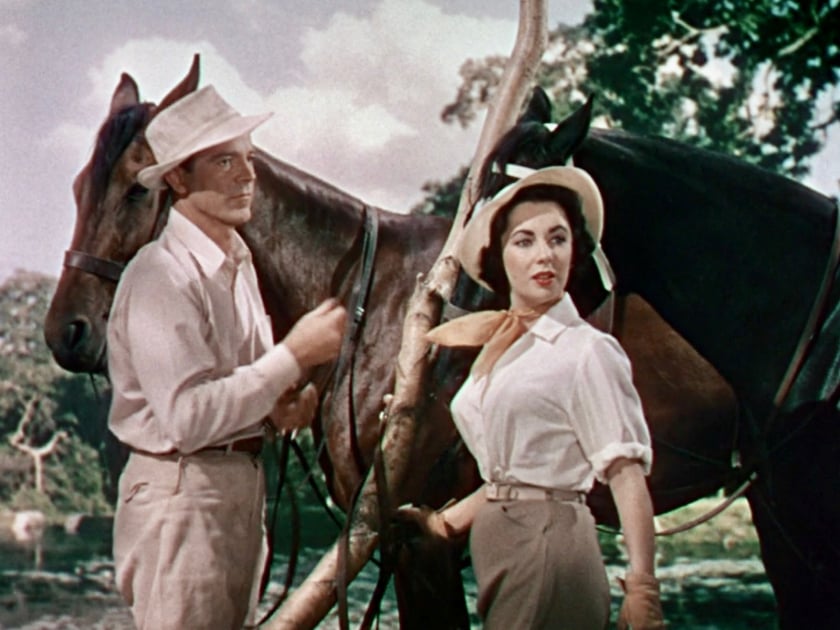
A scene from the movie Elephant Walk. (Image: Internet)
Nearly 70 years later, tourism accounts for 12.6% of Sri Lanka's gross domestic product (GDP), becoming a direct dependent industry for approximately half a million people in the country. In major cities like Colombo, Kandy, and Galle, many households rely primarily on income from tourism.
Prior to 2019, the two main sectors of Sri Lanka's tourism industry—spiritual and ecotourism—flourished. In 2018, the number of tourists visiting the country reached 2.3 million—almost 10% of the country's total population. In December of that year, tourism generated $475 million for Sri Lanka, leading officials to hope that revenue from the industry would help cover its massive foreign debt.
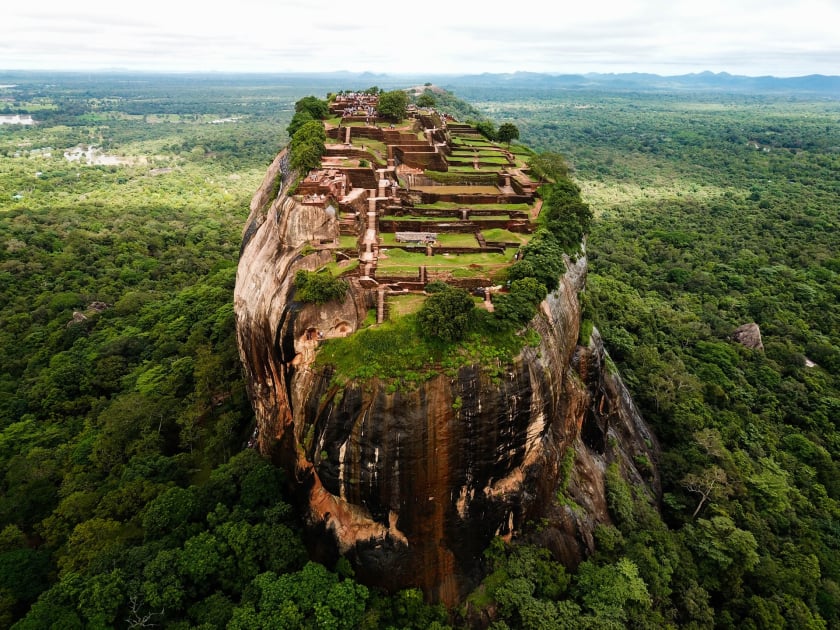
Sigiriya Lion Rock Fortress near Dambulla town, Sri Lanka. According to the ancient Culavamsa chronicles, this was the place where King Kasyapa chose to establish his capital. Sigiriya is now a UNESCO World Heritage site. (Photo: Dylan Shaw/Unsplash)
Besides iconic religious sites like the Temple of the Tooth Relic (resembling the sacred tooth of Buddha), Adam's Peak (Sri Pada), and the ancient Mulgirigala Raja Maha Vihara, Sri Lanka also attracts tourists with its long, pristine coastlines, dense forests teeming with wildlife, misty plateaus, and lush green tea plantations. Furthermore, Sri Lanka actively promotes adventure sports tourism – most notably the world-famous sport of surfing, attracting thousands of athletes and tourists each year.
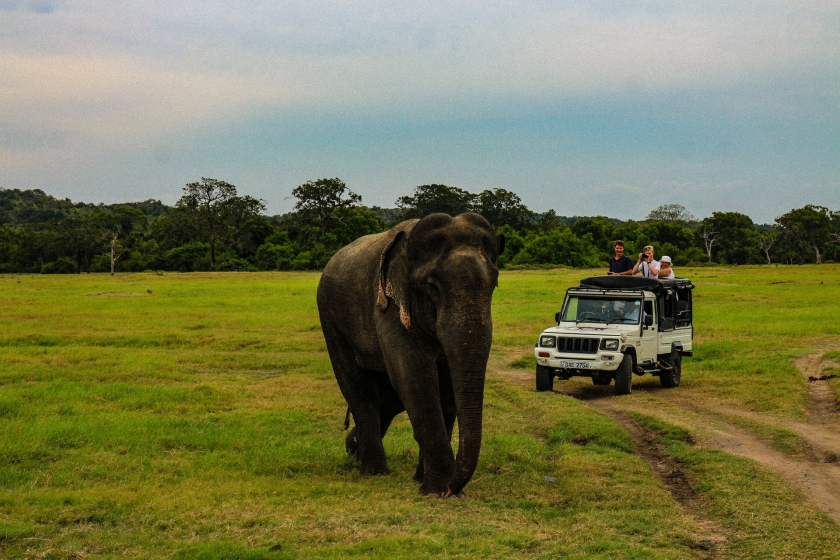
Elephant viewing tour in Sri Lanka. (Photo: Tom Paisley)
In April 2019, during the Easter holiday, a deadly bombing in Sri Lanka severely impacted the country's tourism industry. Just as international tourists were beginning to become wary, the Covid-19 pandemic struck.
In just two years, tourism in Sri Lanka came to a standstill, contributing to the collapse of the country's economy.
With the declaration of bankruptcy, the tourism industry is in a precarious situation.
On April 12, 2022, Sri Lanka officially declared it was no longer able to repay its $51 billion foreign debt, facing its worst economic crisis since gaining independence in 1948. Thousands of Sri Lankans took to the streets to protest, calling on the government to implement measures to revive the economy and demanding the resignation of President Gotabaya Rajapaksa. The protests, initially peaceful, quickly turned violent, culminating on April 19 when police opened fire on a crowd, killing at least one person and injuring dozens more.
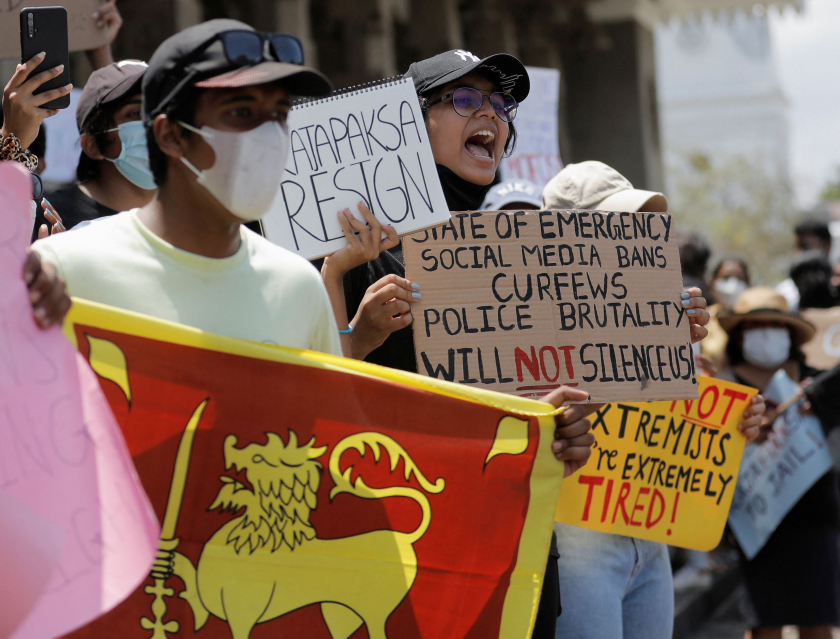
People protest in Colombo, Sri Lanka. (Photo: Dinuka Liyanawatte/Reuters)
One similarity between tourism in Vietnam and Sri Lanka – in attracting international tourists – is the low cost of living. However, the economic crisis, coupled with the highest inflation in 12 years and hoarding, has driven up the prices of goods in Sri Lanka rapidly. Previously, a loaf of bread cost only 180 Rupees (12,500 VND), but now it has risen to 360 Rupees (25,000 VND). Cheese, meat, and alcohol are becoming increasingly scarce due to sanctions on a range of imported food items used in hotels.
Since the beginning of this year, gasoline prices in the country have also increased by 90%, while the price of diesel – the fuel commonly used in public transport – has risen by as much as 138%.
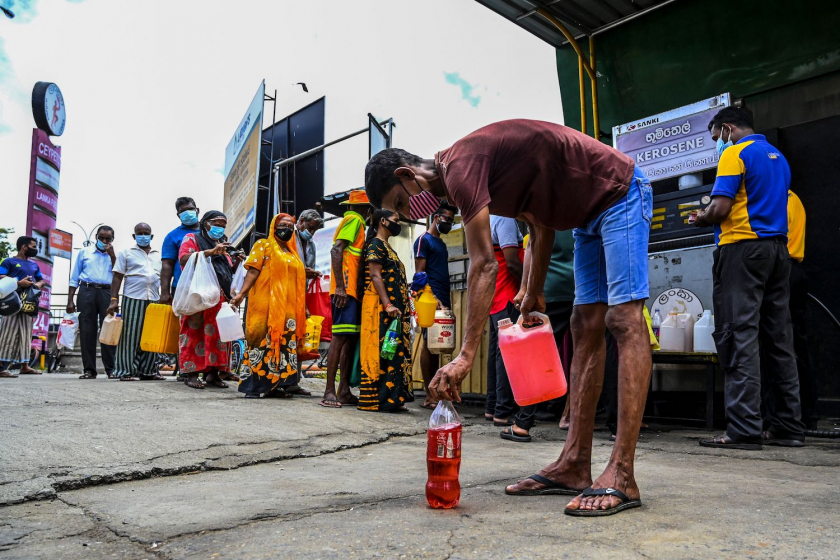
People in Colombo, Sri Lanka, line up to buy kerosene, the fuel used for oil stoves. (Photo: Getty)
It could be said that the economic and political crises have been a tragedy for Sri Lanka's already damaged tourism industry. While it should be peak tourist season in Sri Lanka, international tourists are now rarely seen in hotels and restaurants. Even on the traditional New Year's Day on April 14th, there are few foreign visitors participating in the annual Sri Lankan activities such as visiting temples, breaking coconuts, and other folk games.

In addition, with power outages lasting 4-12 hours a day, most hotels in Sri Lanka rely on generators to maintain operations. For smaller establishments that lack or cannot afford to maintain generators, guests are left without electricity, having to use candles at night, and so on.
Worse still, with skyrocketing airfares and a weakening US dollar, marketing and mutual support links between Sri Lankan and international tourism businesses are gradually becoming obsolete. Many discounted bookings, airfares, tours, and other promotional programs are inaccessible to the international market due to exorbitant associated costs.
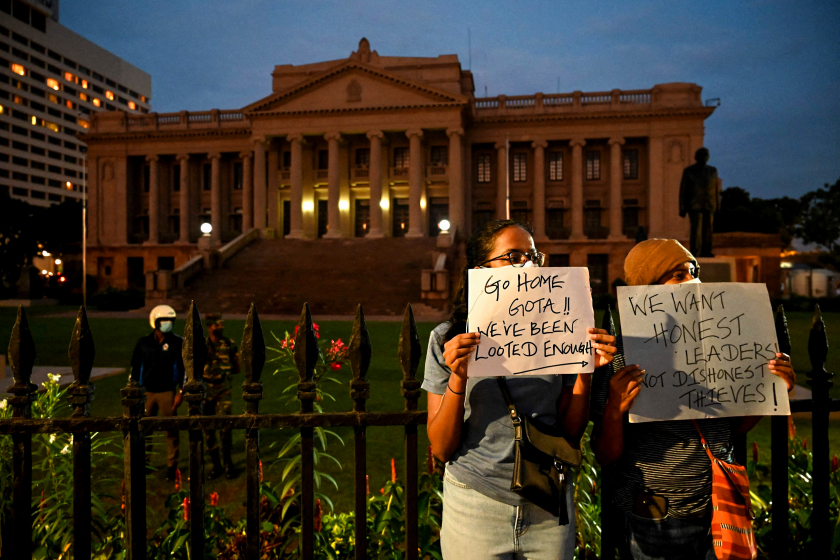
Sri Lankans are holding protests, demanding the resignation of the country's president. (Photo: Internet)
According to the Daily FT, a Sri Lankan economic newspaper, as of the end of March 2022, the number of tourists visiting Sri Lanka was still increasing, but the number of advance bookings had shown signs of stagnation. Following the government's declaration of bankruptcy, a large number of international tourists requested cancellations of their accommodations and travel plans in Sri Lanka.
In early April, Indian airline Air India also announced a reduction in the India-Sri Lanka route from 16 to 13 flights per week due to declining market demand.
Furthermore, the war between Ukraine and Russia has severely impacted two of Sri Lanka's main tourism markets: there are no longer any tourists from Ukraine, and Russian tourists are restricted due to newly announced flight policies. Before the war, Russia was Sri Lanka's largest source of tourists for several consecutive months.
The tourism industry is not giving up.
Surprisingly, despite being heavily impacted by a series of events that have occurred and are still ongoing, Sri Lanka's tourism industry seems to be remarkably resilient. Perhaps this is one of the few things that the government and the people agree on: the collapse of tourism is the last thing they want to see.
As one of the countries that eased Covid-19 restrictions relatively early, Sri Lanka began reopening in October 2021, with simplified entry and travel procedures. Tourists only needed a passport, proof of having received both doses of the Covid-19 vaccine, and to complete an online health declaration to enter and travel freely in Sri Lanka.
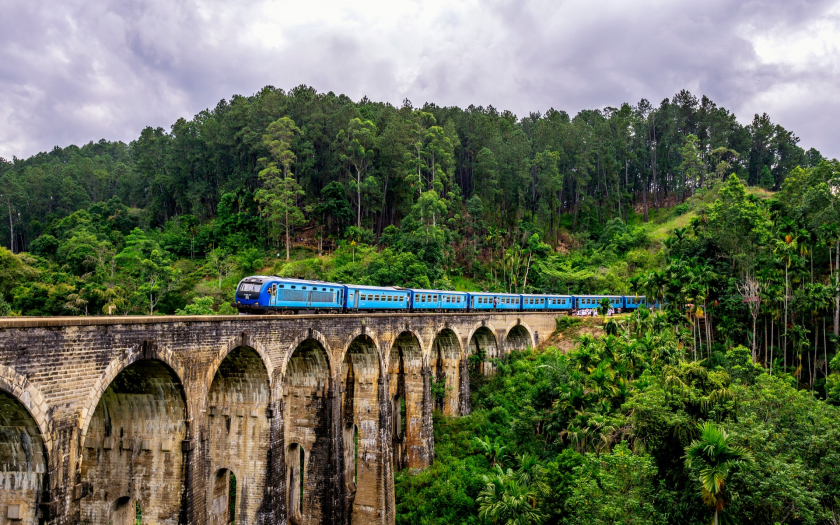
The famous Nine Arch Bridge, a popular tourist attraction, spans a narrow valley in the city of Ella, Sri Lanka (Photo: Hendrik Cornelissen).
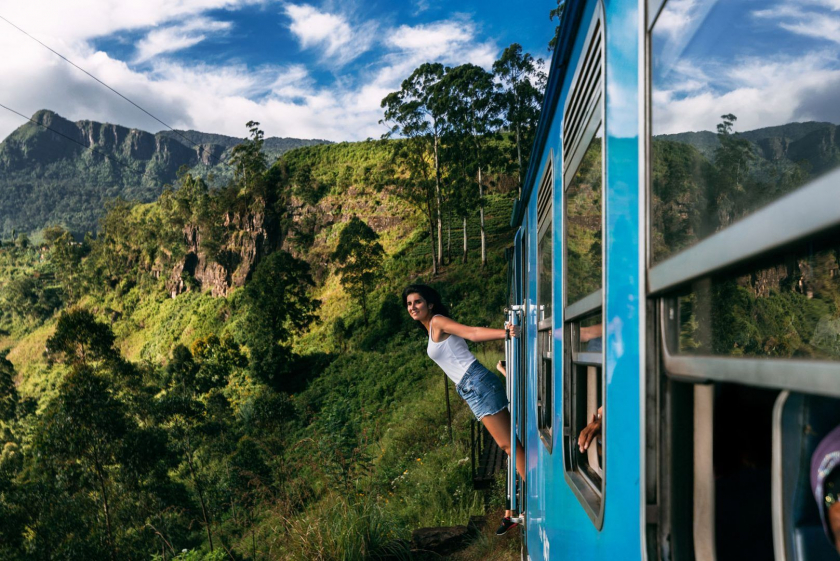
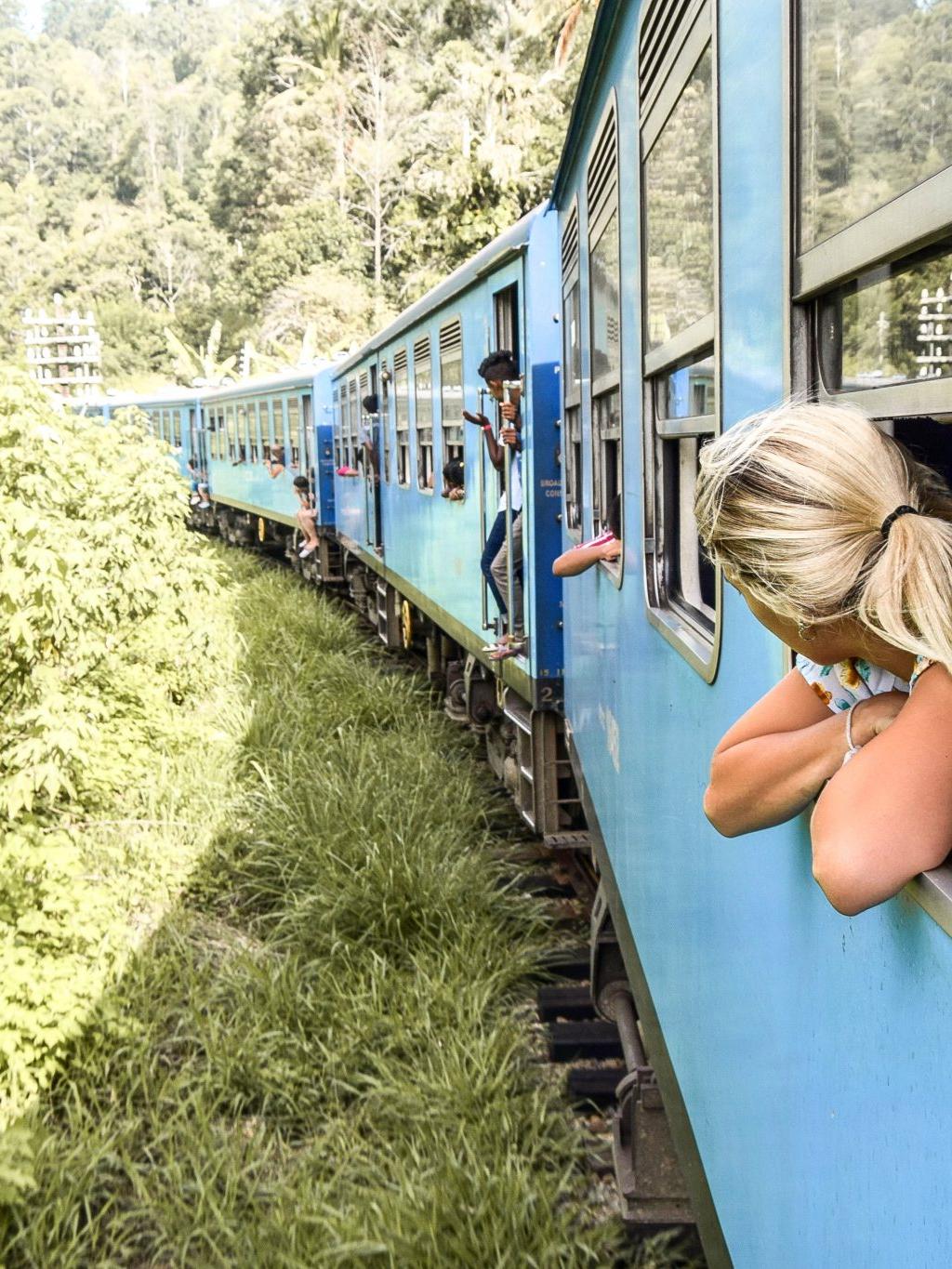
This train ride, a signature Sri Lankan experience, offers breathtaking natural scenery. (Photo: Internet)
On April 8, a spokesperson for the Sri Lankan Ministry of Foreign Affairs stated: “The recent peaceful protests are not aimed at tourists or tourist sites. All tourists visiting Sri Lanka can still travel freely throughout the country, and tourist attractions remain open as usual. CNN even included Colombo on its list of top destinations for 2022.”
The Ministry of Foreign Affairs also stated that Sri Lanka remains safe and fully welcomes international tourists, and is ready to prioritize the needs of visitors and provide all services as before the pandemic.
Furthermore, most hotels, guesthouses, and tourist attractions in this island nation currently offer discounts or special offers for international tourists, depending on the time and number of bookings. However, tourists should contact the travel agency directly as this information is difficult to find on online travel websites as it used to be.
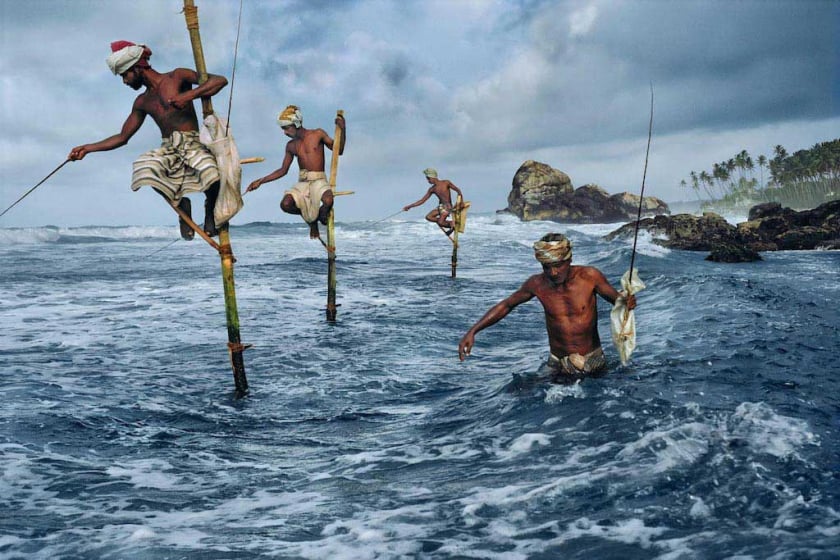
Stilt fishing – an activity unique to Sri Lanka. (Photo: Internet)
In fact, quite a few tourists still choose to visit Sri Lanka at this time. Emma Boyle from England is one of them. She read the news, knew what was happening, but still decided to come. The hotel where Boyle stayed was still operating normally. She shared that she was served breakfast with freshly baked croissants, pastries and bread, along with local specialties such as sambol (coconut rice), seafood, etc.
Andy and Edward were also among the tourists who didn't cancel their Sri Lanka tour. They visited the white sandy beaches of Nilavali town and were warmly welcomed by the locals. They had no difficulty exploring the island.
Welcome Vietnamese tourists!
For most Vietnamese people, Sri Lanka remains a relatively unfamiliar destination, despite being one of the countries with a significant number of tourists visiting Vietnam. This is partly because there are currently no direct flights between the two countries; tourists traveling to Sri Lanka must transit through Kuala Lumpur (Malaysia), Changi Airport (Singapore), or Bangkok (Thailand).
However, that doesn't mean there are no tourism connections between Vietnam and Sri Lanka. Just on March 24, 2022, the Sri Lankan Embassy in Hanoi, in collaboration with the Sri Lanka Tourism Promotion Agency and the Vietnam Tourism Association (VISTA Hanoi), announced the launch of the first tours from Vietnam to the island nation in the near future. Prior to that, the parties also organized the first familiarization famtrip for a group of 13 travel businesses from Hanoi, Ho Chi Minh City, and Da Nang to Sri Lanka on March 13.
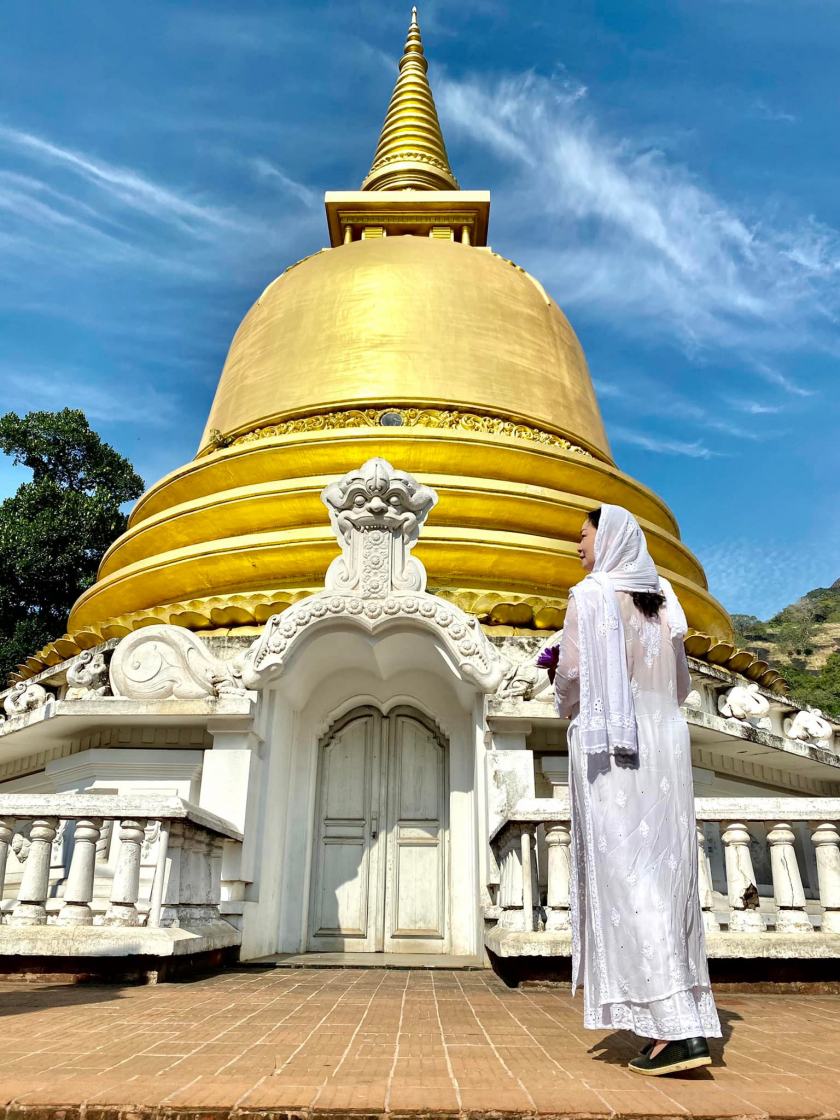
Ms. Nguyen Thanh Nga, a Vietnamese tourist who visited Sri Lanka on a famtrip in early March, takes a photo at the Golden Temple, a UNESCO World Heritage site located in the heart of Sri Lanka. (Photo: Shared by the interviewee)
"The light at the end of the tunnel"
Since President Gotabaya Rajapaksa's government declared bankruptcy, a new destination has appeared on the map of Sri Lanka: the Gotago Village (Gotagogama), a protest village.
The name Gotagogama is a combination of words.Gota goandgameWith the message "Gotabaya Go Home" (Gotabaya President, resign), this is where the people gathered to protest, setting up tents and sharing daily life together. Quickly, Gotago Village appeared on Google Maps as a unique and attractive tourist destination.
An international travel website describes this place as follows:The newest must-see destination for travelers is Gotagogama – a site used by the people to fight against the country's ruling class. Gotagogama may not possess much of Sri Lanka's cultural, historical, or natural heritage, but it holds immense national significance. Less than a month after being added to Google Maps, Gotagogama has become a sacred site for the younger generation, as well as adults seeking a brighter future for their country.
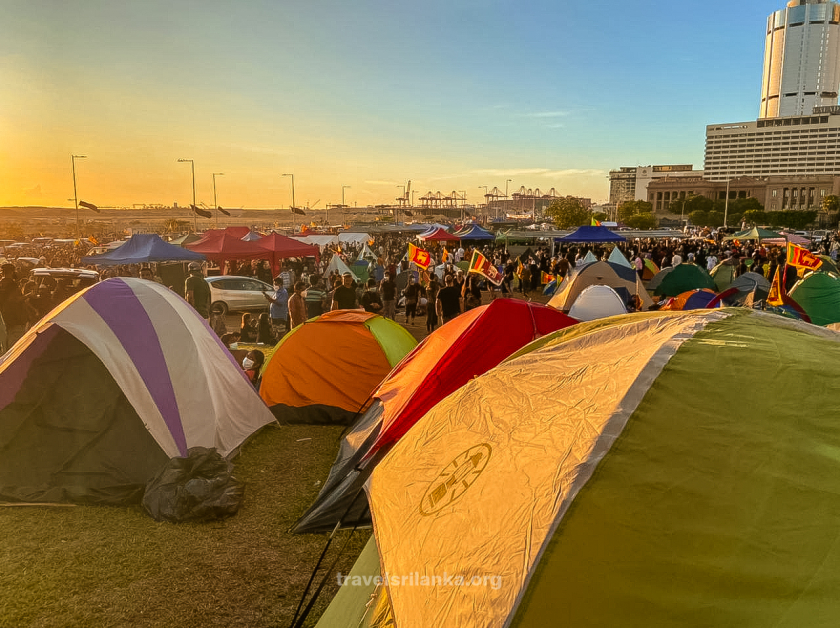
Do you think this is a Sri Lankan camping or picnic spot?
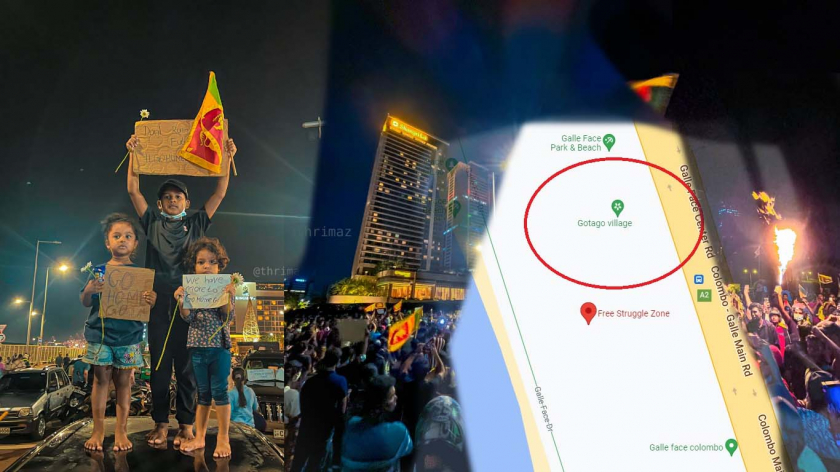
In reality, this is a gathering point for protests, but at the same time... it also welcomes tourists.
Perhaps the optimism and hospitality of the people are the "light at the end of the tunnel" for Sri Lanka's tourism industry right now. If you decide to visit Sri Lanka at this time, you will certainly encounter some obstacles and inconveniences. But from another perspective, Sri Lanka is not an impossible choice for a safe tourist destination, rich in religious identity and ancient cultures. The island is still ready to welcome anyone with good intentions, and even with a more welcoming attitude than when the streets are crowded with tourists.
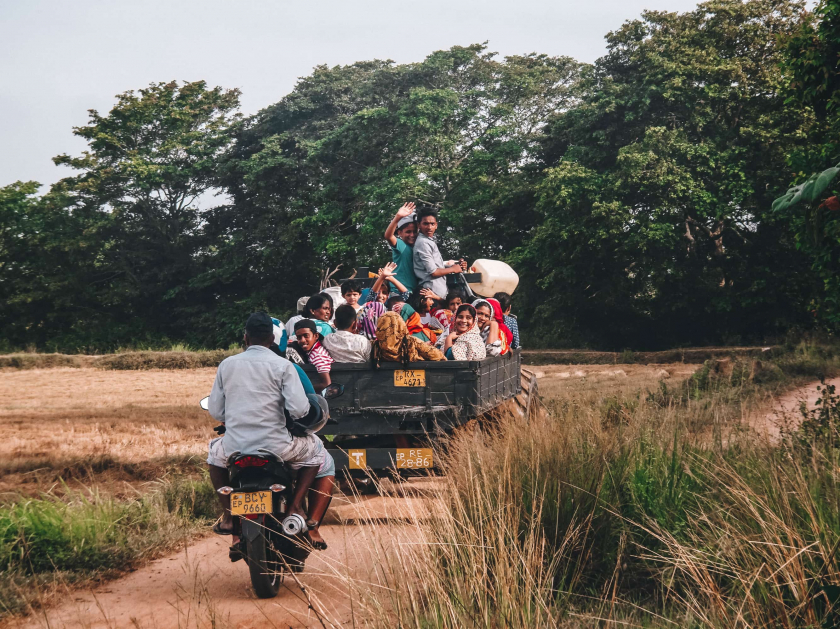
Sri Lankan people are simple and hospitable. (Photo: Internet)