VI
VI


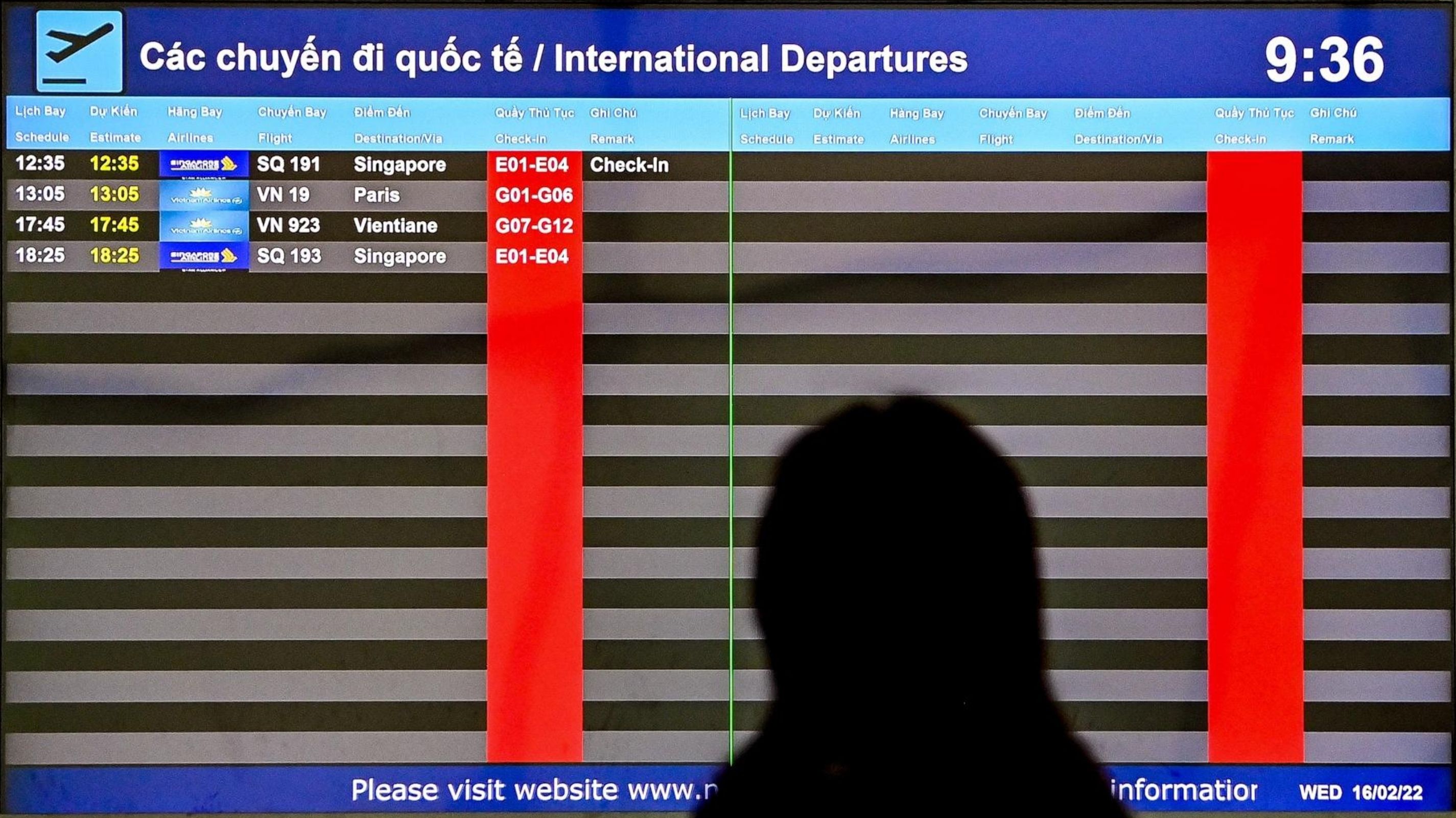
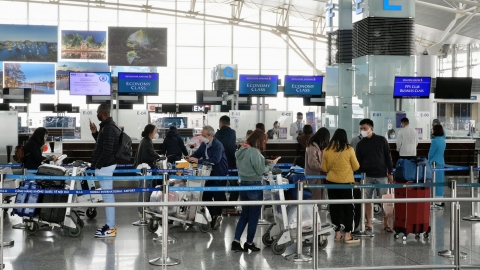
In mid-March, Vietnamese airlines returned to international skies.
From March 15th, Vietnam reopened its doors to international visitors without requiring quarantine. Regular international flights have resumed sales and are serving all passengers wishing to enter and exit Vietnam. Based on the growth forecast for this year by the Vietnam Civil Aviation Authority, the aviation sector is expected to receive an average of 42-43 million passengers, exceeding 50% of the 2019 figure. Of these, approximately 8 million are international passengers, including 6 million tourists.
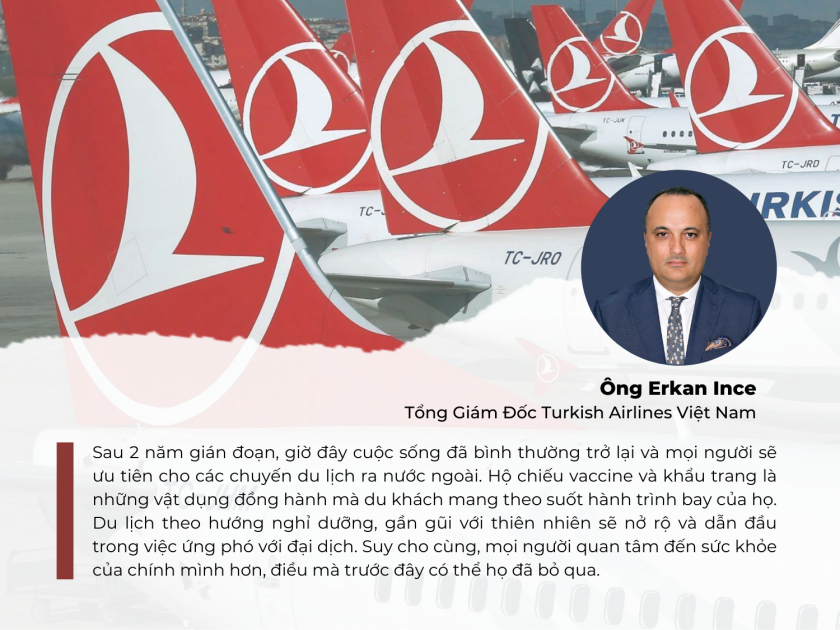
According to Turkish Airlines, the national airline of Turkey with a representative office in Vietnam, flights between Ho Chi Minh City/Hanoi and Istanbul resumed last October, with a frequency of two flights per week. Since February 2022, the airline has been authorized to bring Vietnamese citizens abroad back home. Operating in the new normal, Turkish Airlines has observed positive signs and plans to increase flight frequencies to meet passenger demand, said Mr. Erkan Ince, General Director of Turkish Airlines Vietnam.
Since regular international flights resumed, the number of Vietnamese tourists traveling abroad (outbound) has started to increase again. Now, they tend to choose destinations with clear visa policies, nearby flight routes, and safe pandemic control. It is expected that from April 15th, the Vietnamese Ministry of Health will begin issuing vaccine passports to citizens with complete vaccination information and all required doses; no further procedures are necessary.
Easy entry for tourism, yet still a lack of international visitors?!
According to data from the General Statistics Office, the number of international visitors to Vietnam (inbound) in March 2022 reached 41,700, mainly by air. This figure did not meet the expectations of tourism service providers. At the time of reopening, businesses mainly welcomed foreign investors and experts traveling for work, Vietnamese people flying abroad, and overseas Vietnamese returning home, all of whom had been waiting for two long years due to the Covid-19 pandemic. Meanwhile, the peak season for international tourists runs from October this year to April next year. Furthermore, the market and behavior of international tourists have completely changed.
According to many experts, Vietnam's reopening of tourism (March 15th) is still slow compared to some countries in Southeast Asia. A representative of a travel company in Ho Chi Minh City expressed concern about reduced competitiveness, as Vietnam currently only grants visa exemptions to tourists from 13 countries for a maximum stay of 15 days from the date of entry. Meanwhile, neighboring countries like Thailand have granted visa exemptions to tourists from 64 countries and territories, Indonesia to 70, and the Philippines to nearly 160.

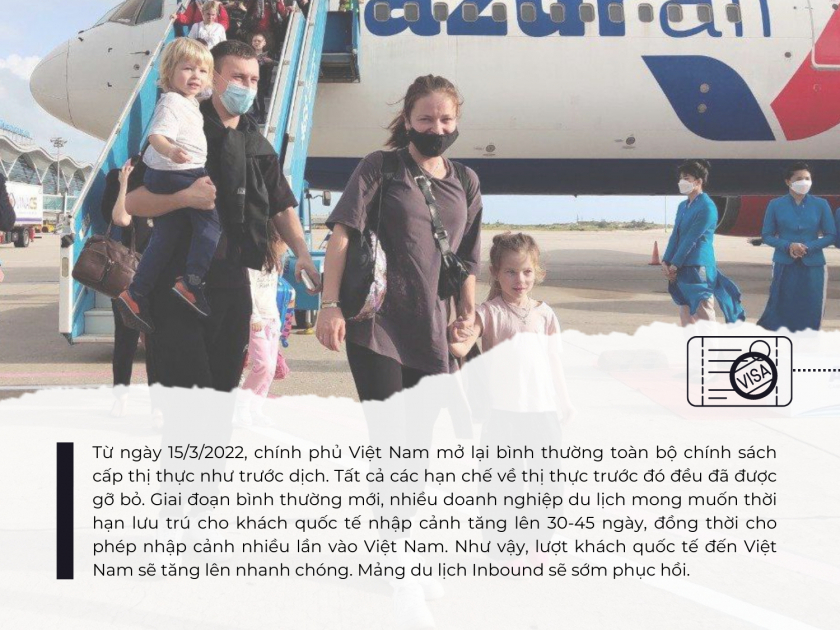
Businesses are requesting that the maximum stay for international visitors be increased to 30-45 days, along with allowing multiple entries during a trip. Currently, tourists who leave Vietnam for neighboring countries are unable to return. This regulation causes Vietnam to lose its advantage as a hub for aviation and long-haul tourism in Southeast Asia. Furthermore, the need for visa procedures and high additional fees also discourages many international tourists from visiting.
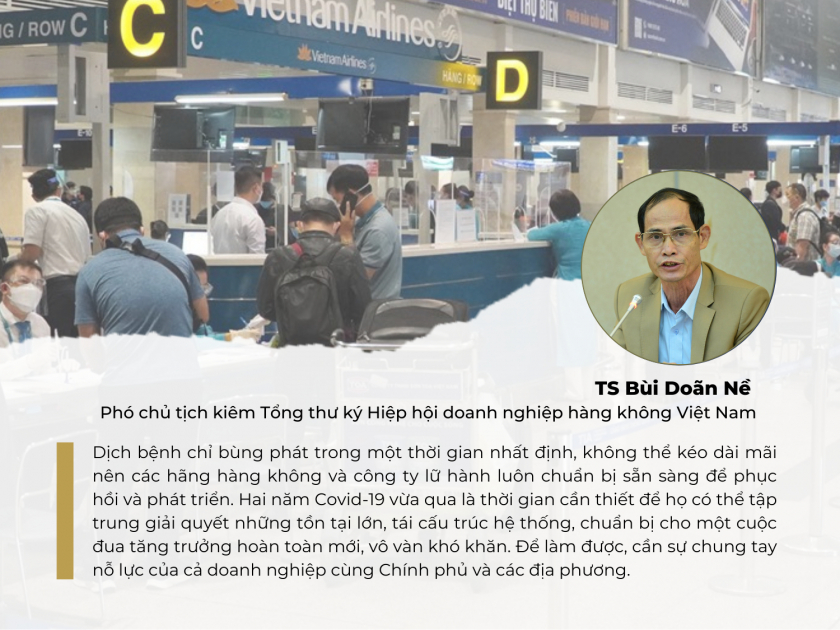
From an expert's perspective, Dr. Bui Doan Ne, Vice President and General Secretary of the Vietnam Aviation Business Association, believes that most airlines are facing numerous challenges due to rising fuel prices, a shortage of high-quality human resources, and increased costs for trade promotion, etc. In particular, while the two key markets of Russia and China still have demand for tourism to Vietnam, airlines cannot operate flights as their respective governments have either not yet relaxed or have only recently eased regulations.
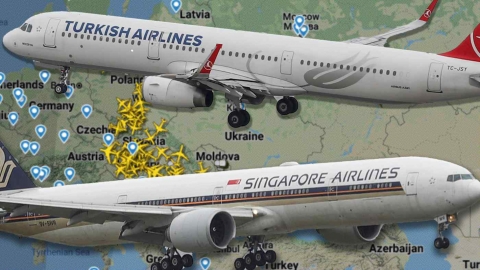
The situation between Russia and Ukraine remains tense, the ruble has depreciated and been excluded from the international SWIFT payment system. The Russian government has advised airlines to limit flights abroad. From March 25th, airlines were forced to suspend regular flights between Hanoi and Moscow, and travel companies also temporarily stopped bringing Russian tourists to Vietnam on charter flights. Although Russia resumed flights with 52 "friendly" countries, including Vietnam, after April 9th, many businesses predict that Russian tourists will not return to normal travel until at least the end of this year or the beginning of next year due to economic constraints.
With flight routes connecting Europe and Vietnam requiring detours, travel time increases by 1-2 hours per flight compared to flying over Russian airspace, leading to increased insurance, payment, and maintenance costs.
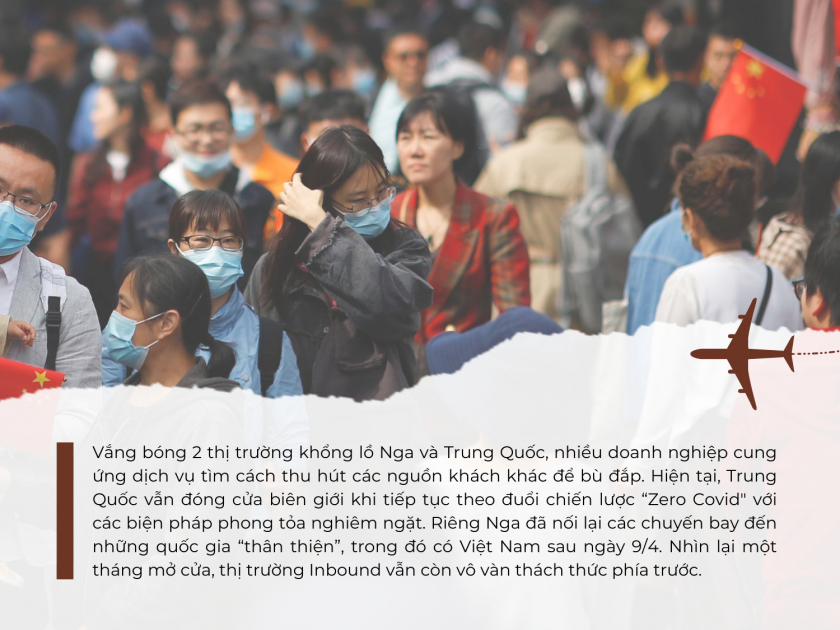
China, in particular, is still pursuing a "Zero Covid" policy at least until the end of this year, despite widespread vaccination coverage since late 2020. According to Chinese officials, vaccines alone are not enough to stop the pandemic, and strict measures must be maintained to avoid risks to the healthcare system. A representative from a travel company in Nha Trang said that while reopening tourism has excited them, it will be very difficult if Chinese tourists remain absent.
"Keeping the wings" of aviation alive creates momentum to "rescue" inbound tourism.
According to Dr. Bui Doan Ne, the difficult financial situation due to the prolonged pandemic and the weak investment and development capacity of airlines and travel companies at the time of tourism reopening are crucial. For the aviation industry to truly "keep its wings flying," it is essential that the Government and the banking system continue to implement measures to remove obstacles and support the expansion of medium- and long-term credit programs, creating conditions for airlines to maintain and recover their financial resources in the new normal period of 2022.
At the same time, the government continues to focus on investing in infrastructure that is synchronized with the needs of aviation, tourism, and other economic sectors. Investment in upgrading and expanding air transport connections with the road network needs to be more urgent, attracting private sector participation in investing in international and local airport terminals.
After a month of reopening, the tourism industry in many localities has become vibrant again with numerous promotional activities to attract international tourists. To date, many airlines and travel companies are working together to connect localities and restore normal tourist activities to pre-pandemic levels. Specifically, they are coordinating events to promote the image of safe, friendly, and attractive destinations to key markets such as Northeast Asia, North America, Europe, and Australia.
Airlines, in particular, continue to implement information connectivity systems, sharing passenger data with hotels, healthcare providers, and travel companies to enhance the passenger experience in line with the contactless trend that has been very popular since the pandemic broke out. Simultaneously, airlines are partnering with service providers and online platforms to offer tours and discounted packages. At the same time, all parties are quickly updating visa regulations and travel guidelines to ensure convenient and safe travel for tourists to Vietnam, similar to the pre-pandemic period.