VI
VI


Love for Vietnam from faraway Italy
When it comes to Western cuisine, Vietnamese people not only know how to enjoy a premium French beef steak with a glass of fine wine, but also plates of pasta or pizzas, whether handmade or mass-produced.
In that "market" of Western cuisine, you'll find both 5-star restaurants and even budget-friendly eateries with dishes costing around 50,000 VND, as well as restaurants owned by foreigners, and even places where the owners are 100% Vietnamese. Among them is a "Westerner" who, having fallen in love with Vietnam, brought his family and the culinary essence of his homeland with him, dreaming of developing a thriving business in Vietnam.
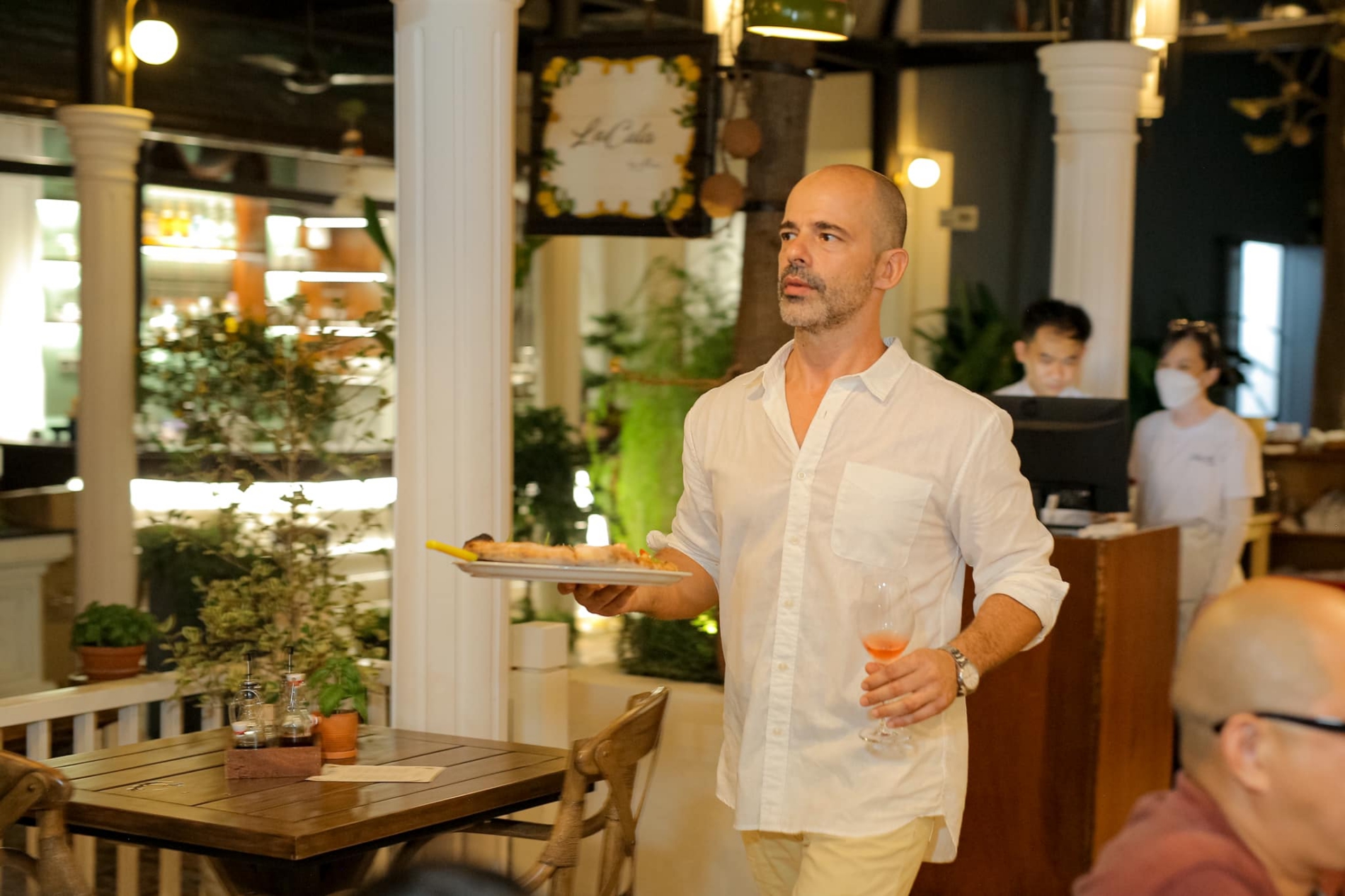
The space has a relaxed, Mediterranean feel.
Meet chef Salvatore Spinali at his restaurant in District 2. The space isn't too large, with wooden tables and chairs covered in white tablecloths. The pizza oven is placed outdoors, allowing diners to watch the chef prepare and produce the pizza. Everything creates a very "Mediterranean" atmosphere.
Chef Salvatore first set foot in Vietnam in 2015 with his family, and since that first visit, he has fallen in love with the country and decided to stay. During that time, he and his friend opened a restaurant in Nha Trang to fulfill his dream of creating something of his own. Three years later, he embarked on a culinary business in Saigon as a new challenge for himself.
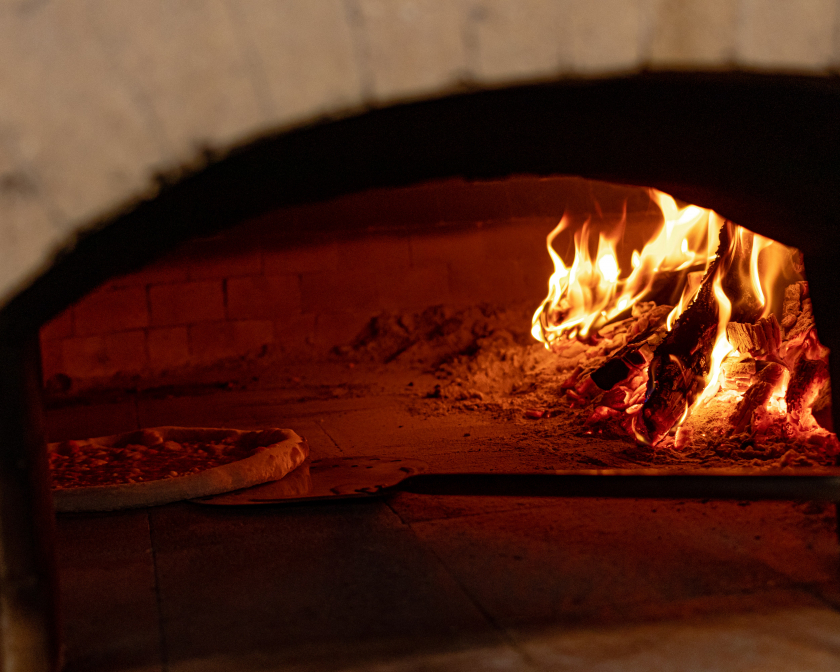
The pizza oven is always blazing.
"As someone born and raised in southern Italy, I want to contribute a taste of home to Vietnamese cuisine as a thank you to your beautiful country," Chef Salvatore shared. Italian cuisine is one of the most famous and widely adapted culinary cultures in the world. This means that bringing authentic Italian flavors abroad is like introducing people to a completely new culinary experience, even those already familiar with Italian food.
Fortunately, Vietnam is a country with people who are always eager to explore new things, Chef Salvatore said, speaking about his good fortune in connecting with diners in Vietnam.

Serving Italian food to Vietnamese people.
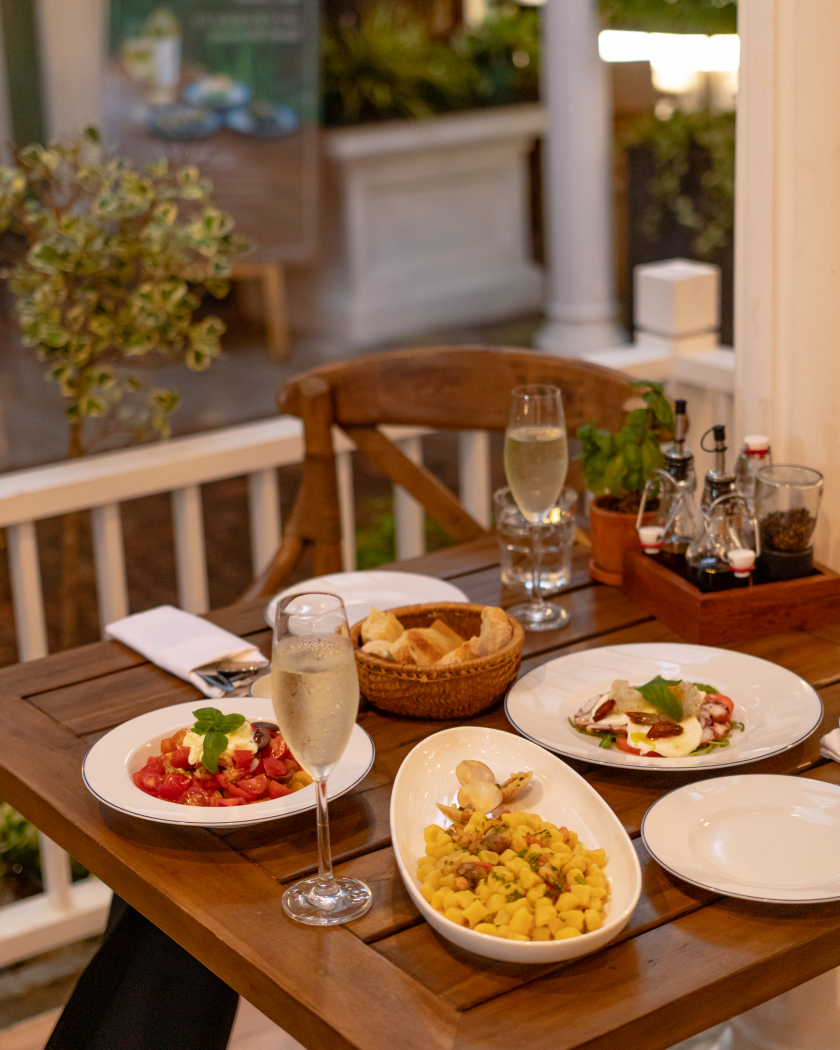
The menu isn't extensive, but it features dishes carefully selected by the chef from his hometown and associated with his childhood. Using recipes from southern Italy, combined with fresh, local ingredients, the dishes offer a Mediterranean flavor with a touch of Vietnamese influence.
For example, "Panzanella & stracciatella," a traditional salad from central Italy, is so "traditional" that Chef Salvatore couldn't do anything other than choose the freshest and most characteristic Vietnamese ingredients to recreate the flavors of his childhood. These include cherry tomatoes and vegetables from Da Lat, and anchovies caught from Nha Trang.
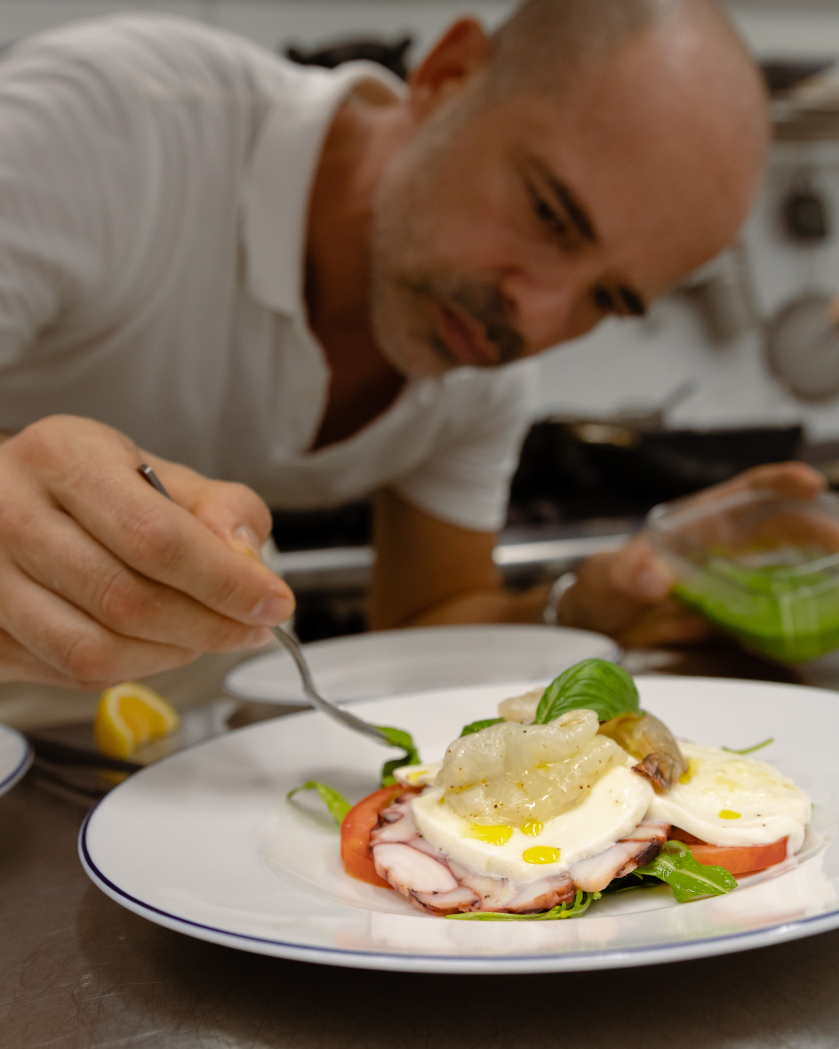
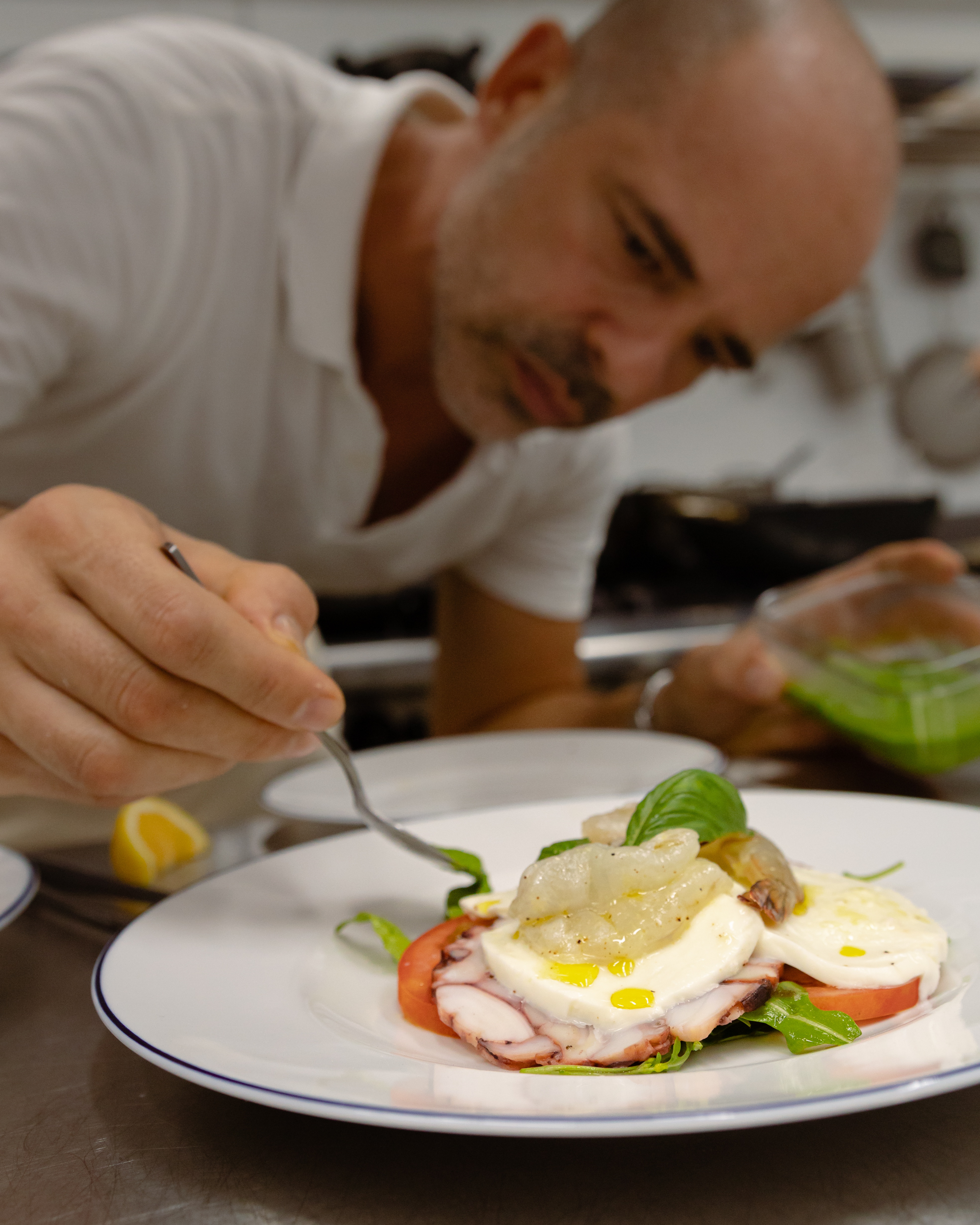
Chef Salvatore is meticulous with his dishes.
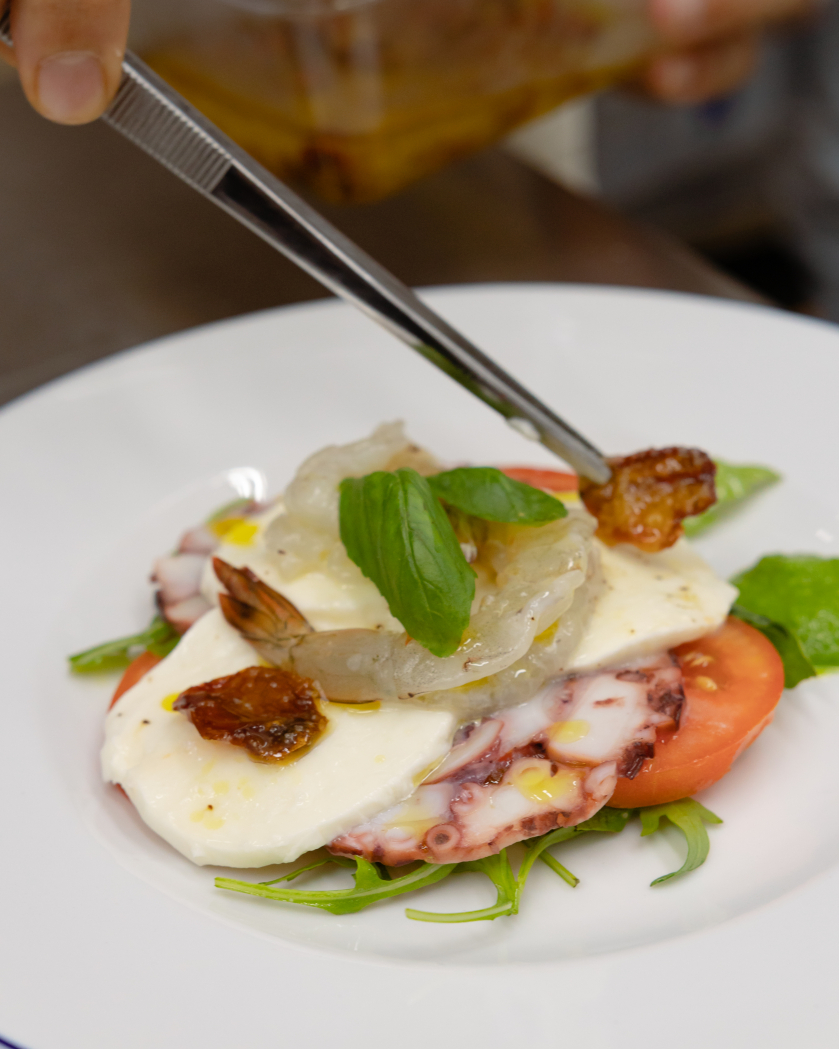
Fresh seafood is also incorporated into many other dishes, specifically "Caprese di mare". Chef Salvatore wanted to add a touch of the sea to a long-standing Italian tradition. He believed that adding wild-caught shrimp sashimi and octopus prepared in the carpaccio style, along with fresh tomatoes and mozzarella cheese, would create the perfect flavor profile.
With fresh, locally sourced ingredients, Chef Salvatore is always eager to develop more dishes to utilize these resources. "Gnocchetti vongole & gamberi" is a gnocchi-style noodle dish made with potatoes, eggs, and flour. The ingredients include clams and whiteleg shrimp, naturally caught in Nha Trang, served with a homemade sauce made from Da Lat cherry tomatoes. Interestingly, this dish wasn't originally on the restaurant's menu, but it has been warmly received by diners.
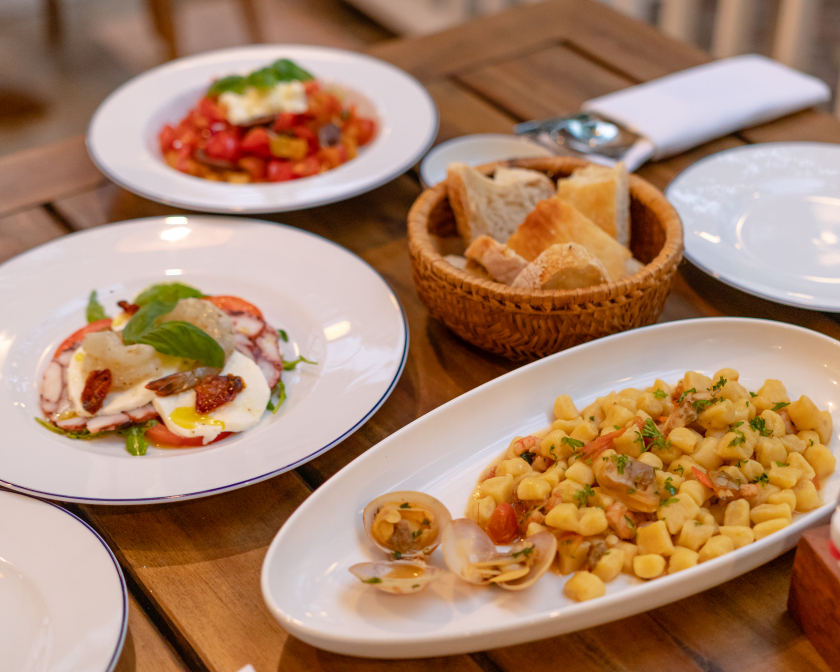
Some dishes that Vietnamese diners may not be familiar with are actually famous traditional Italian dishes.
Last but not least, in an Italian restaurant, is pizza. Unlike many restaurants that cater to Vietnamese tastes with pizzas that have been significantly altered in both preparation and ingredients, Chef Salvatore still keeps a traditional Italian pizza on the menu.
The ingredients for this pizza are simple, including ham imported from Italy and rocket lettuce grown in Da Lat. This is also Chef Salvadore's favorite pizza, as it combines Italian and Vietnamese flavors in a dish deeply rooted in the traditions of his homeland.
For Vietnamese diners, the flavor of this pizza might not be as appealing as commercially available pizza brands, but this is the authentic taste of Italian pizza.
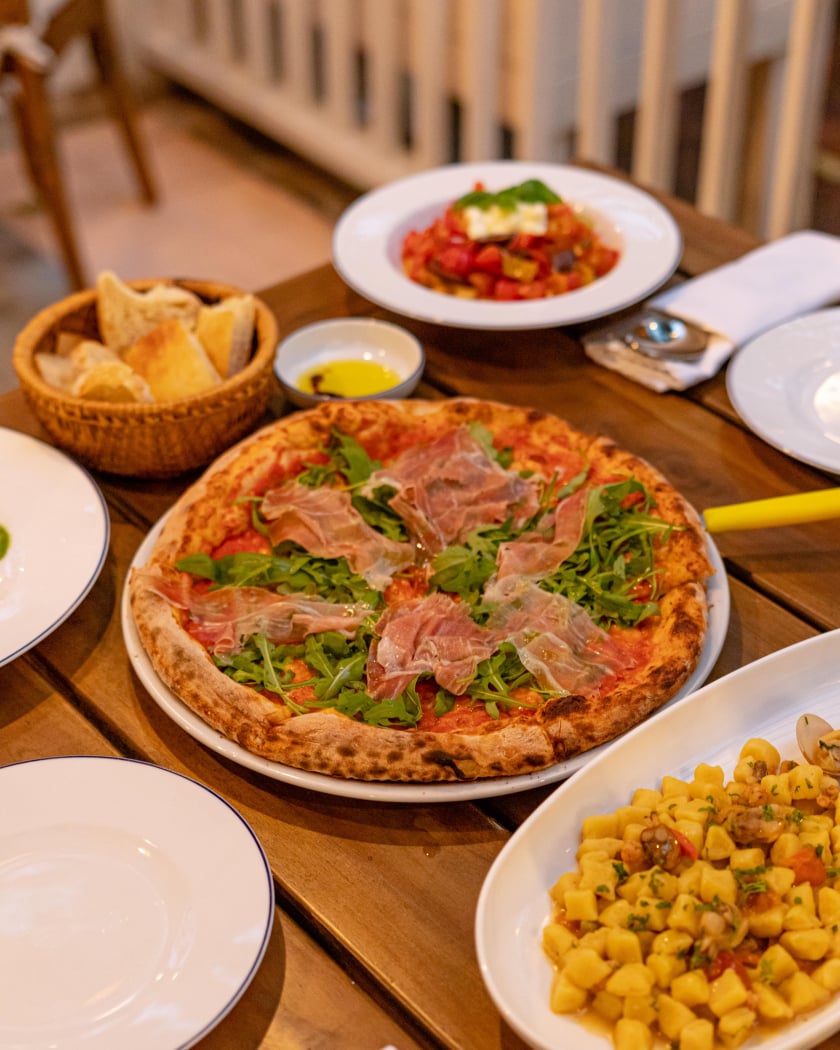
Chef Salvatore is particularly proud of his pizza because it perfectly combines Italian and Vietnamese flavors.
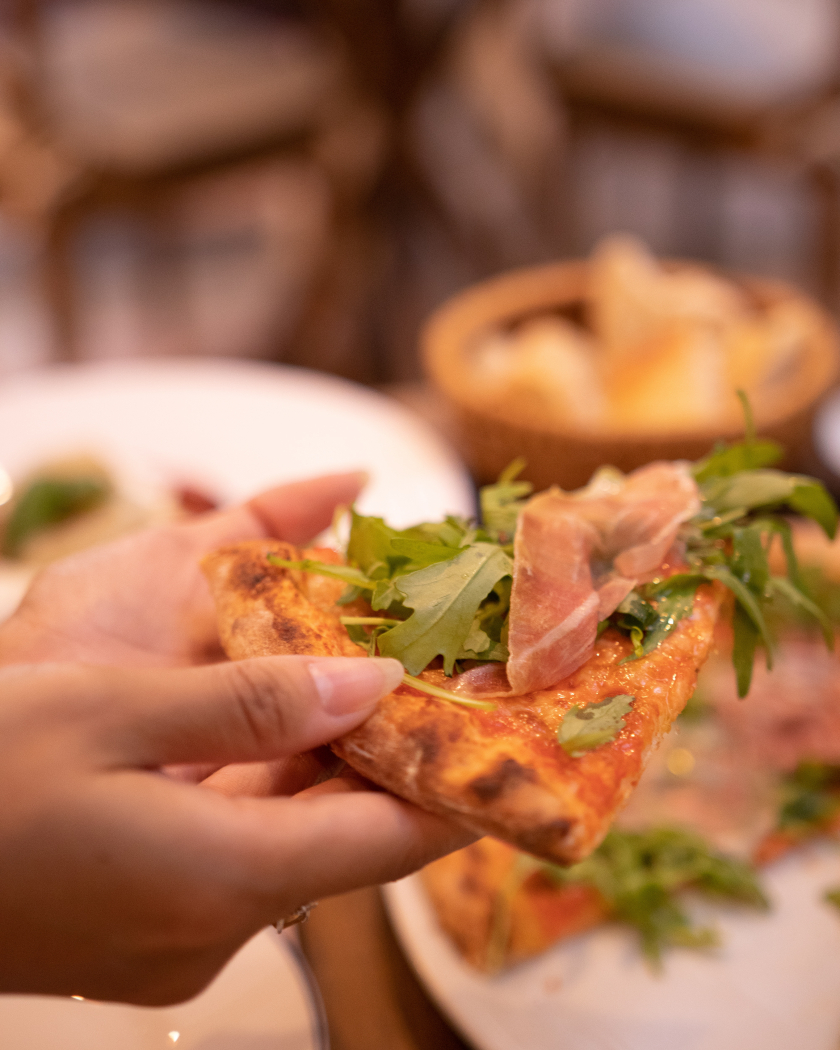
Salvatore's greatest joy is seeing his hometown dishes welcomed in Vietnam. He believes that Vietnamese people love and are proud of their own culinary culture, yet are open to new things. This has greatly motivated Salvatore to develop Italian cuisine here.
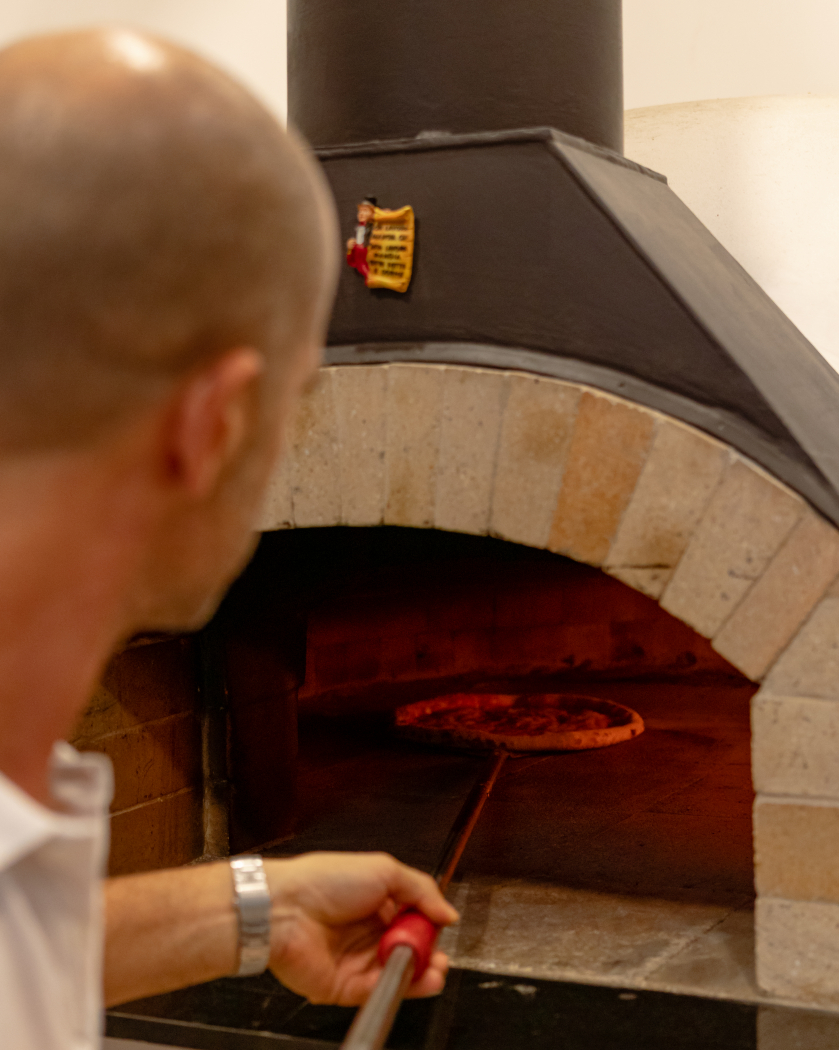
Chef Salvatore personally prepares the dishes.
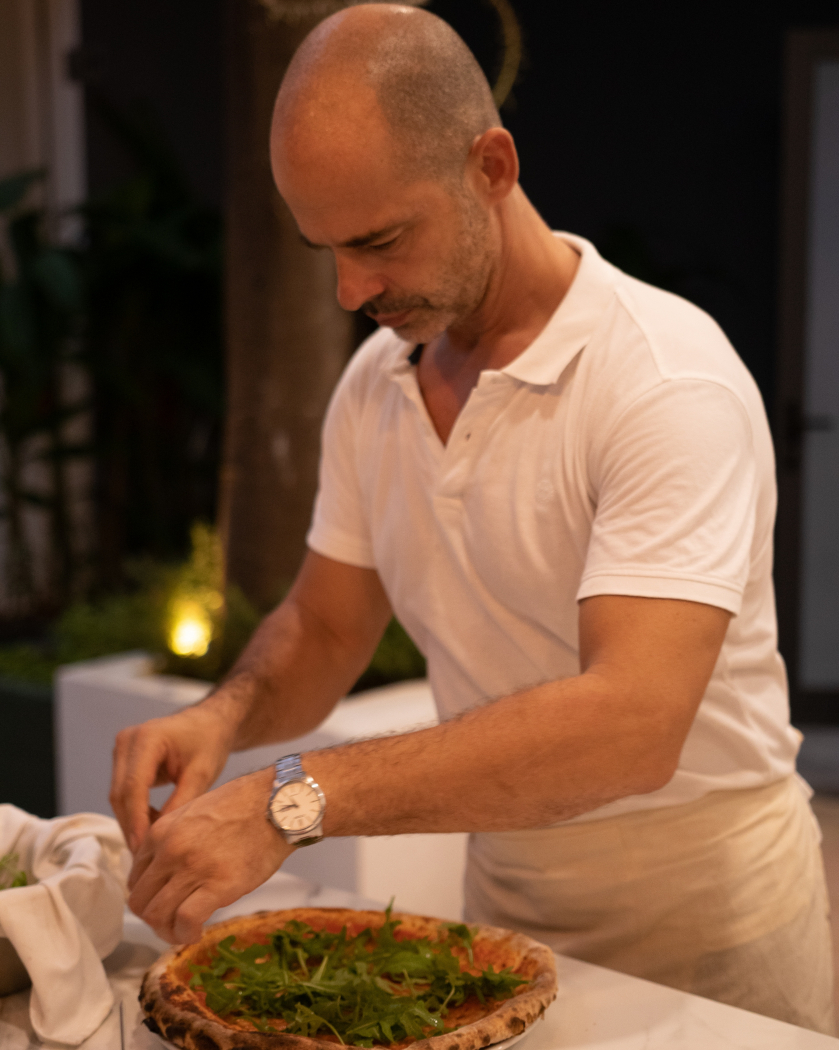
Salvatore not only aspired to bring authentic Italian cuisine, but he also recognized and gradually "integrated" with Vietnamese culture. "In Italy, we like to eat each course in a specific order: antipasto first, then pasta, and finally the main course. In Vietnam, diners prefer to experience and share as many dishes as possible, so serving pizza with pasta and appetizers is very common so everyone at the table can enjoy them together. Interestingly, we eventually realized that this approach wasn't bad at all; on the contrary, it enhanced the dining experience for our customers." Thus, these subtle differences helped him refine and create dishes that are closer to Vietnamese tastes.