VI
VI


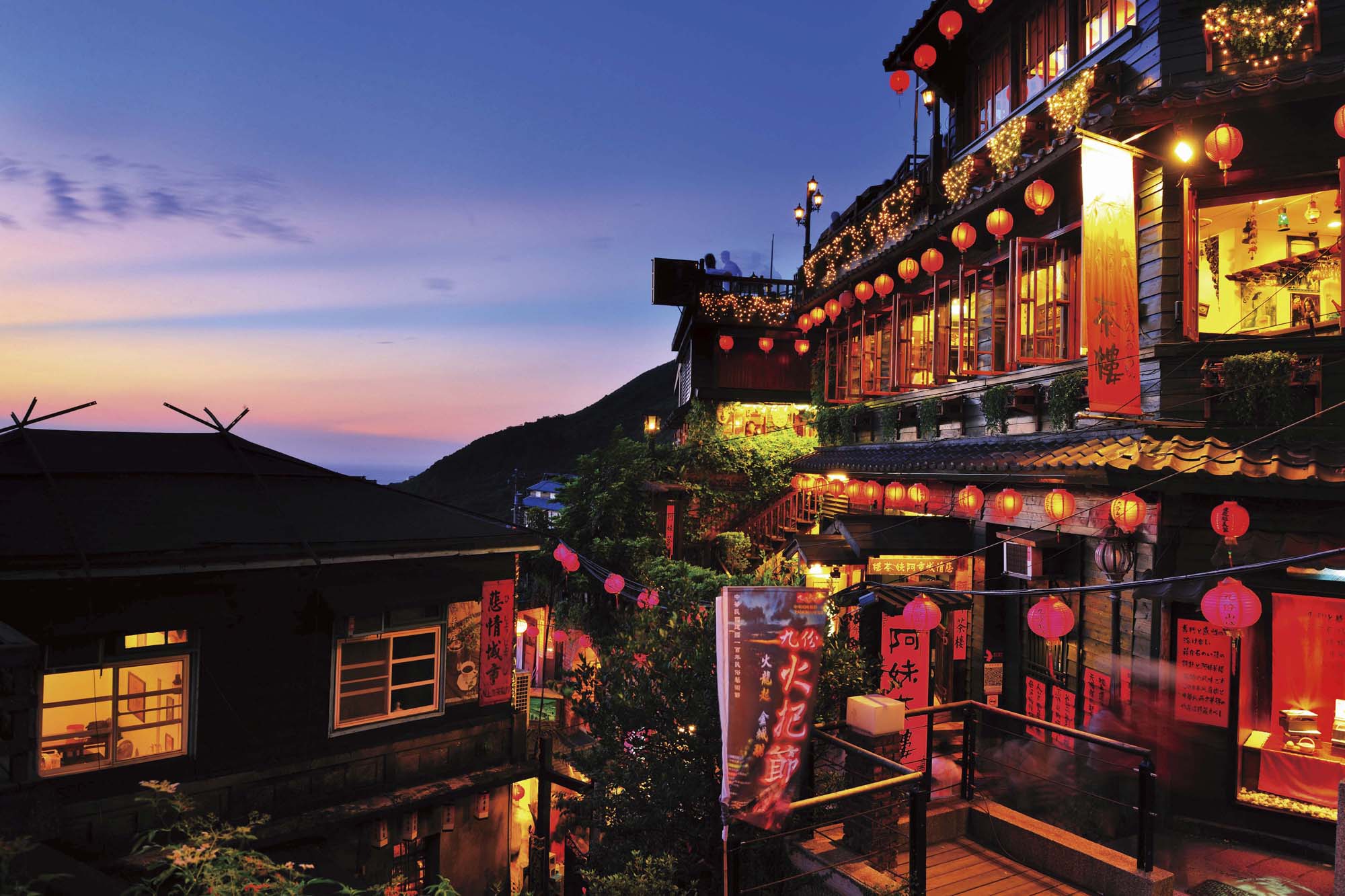
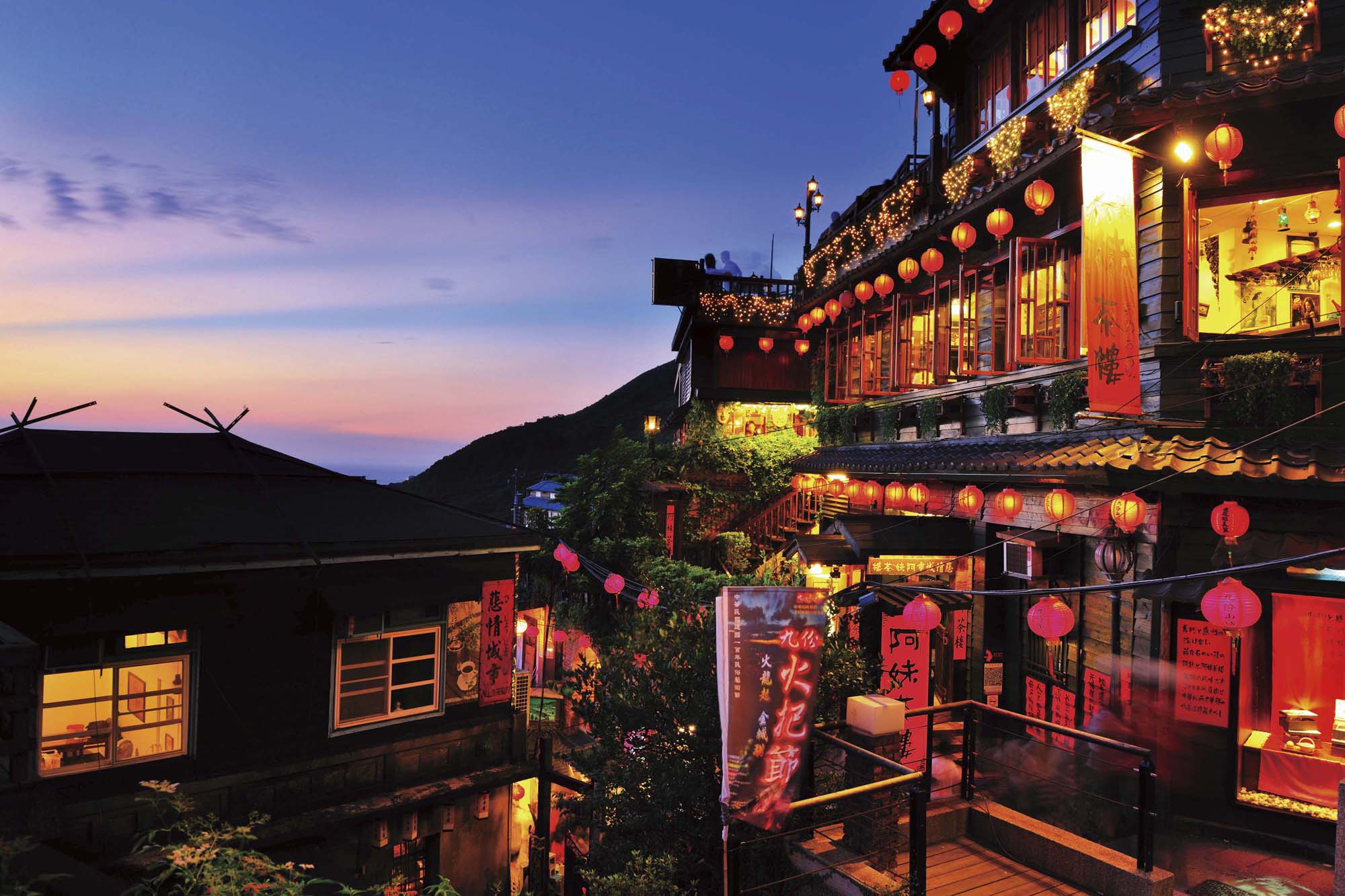
Located on a mountainside overlooking the coast in northern Taiwan, about 50 km from the capital Taipei, Jiufen is an ancient village that retains many old architectural structures, with buildings decorated with red lanterns. The village is built along the mountainside, consisting of four layers of architecture divided according to altitude. It is also known as Jiufen because originally only nine families lived there. Besides its scenery, the village attracts tourists with its unique local culture and culinary flavors.
The village symbolizes the spirit of solidarity and mutual support among its inhabitants in times of difficulty.
In 1895, Taiwan became Japan's first colony. The Japanese decided to make Taiwan a "model" for all their future colonies. Therefore, much effort and money were invested in building Taiwan's infrastructure, developing everything from the economy to the standard of living. They also strived to change the culture and wanted everyone to speak Japanese. In fact, even today, older Taiwanese people still speak fluent Japanese, and they still refer to that period as the "Japanese era."
Jiufen is a town that predates the Japanese. In the early years of the Qing Dynasty, it was an isolated village with only nine families, and goods delivered there were required to be divided into nine equal portions. The village was later discovered in 1430 as a gold mine. A "gold rush" even occurred in Jiufen during the Japanese occupation. All the details about the gold mine and the Japanese-style tea house can be found in the movie Spirited Away.
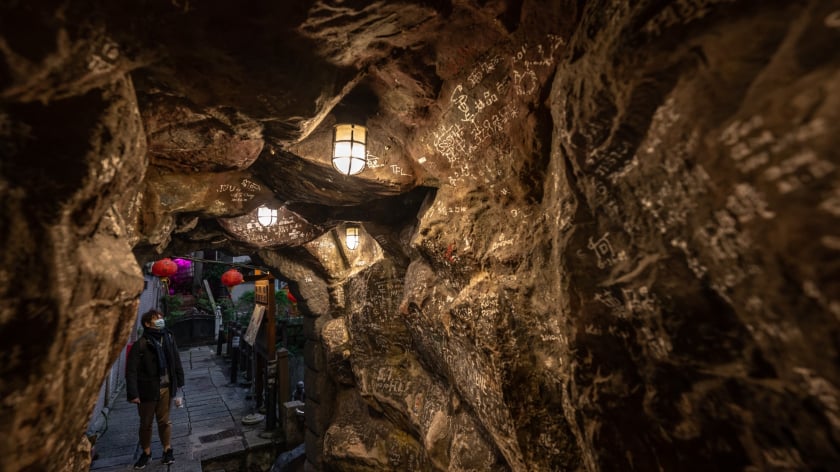
Tourists explore underground tunnels, remnants of the Japanese gold rush, in Jiufen.
The 2001 film Spirited Away helped bring Jiufen to the attention of many tourists. Renowned Japanese animation producer Hayao Miyazaki considered Jiufen a source of inspiration for all the scenes in the film.

Jiufen quickly attracted Japanese tourists thanks to magazines and guidebooks about Taiwan, which featured it as an integral part of the region's culture.
When you come here, you'll relive every bizarre scene from the movie. The dragon Haku in the film is modeled after the dragon on the roof of the shrine in front of Juifen. The town of Jiufen is depicted very accurately in the film, with an abundance of food in the market, especially at night. All the steps, lanterns, and streets are portrayed exactly as they are in real life.
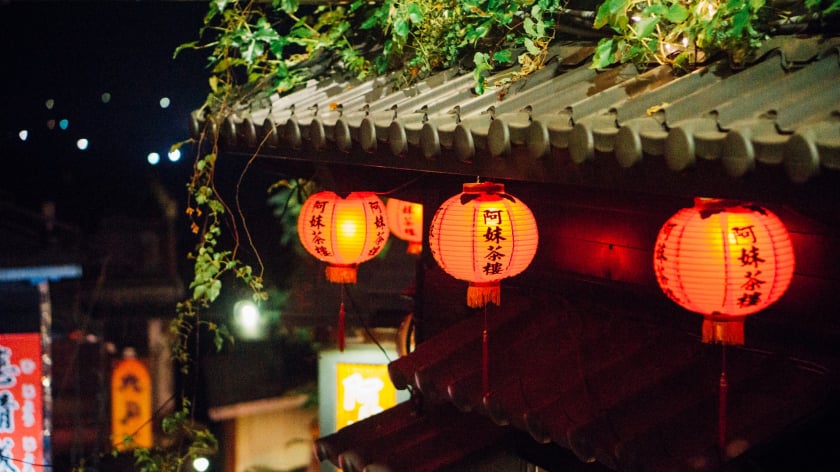
The winding alleys along the mountainside come alive in the lantern light. Such surreal scenes in Jiufen, Taiwan, seem to mirror scenes from the movie Spirited Away.
JiuFen has long, winding streets and deep, narrow alleys, so visitors can explore the village on foot instead of using vehicles like in many other tourist destinations. The two most famous streets in JiuFen are Shiqu and Shuqi, which are a must-see for anyone visiting the area.
Today, the ancient village of Jiufen has become a major tourist attraction with its captivating natural beauty. Around the town are hundreds of shops, cafes, tea houses, and numerous handicraft stores, along with long avenues bustling with tourists...
The ancient village of Jiufen not only attracts tourists with its picturesque and romantic scenery, but also captivates them with its rich cuisine and many famous and delicious teas. Unlike the bustling and glittering city, Jiufen possesses a unique, peaceful, and romantic beauty rarely found elsewhere.
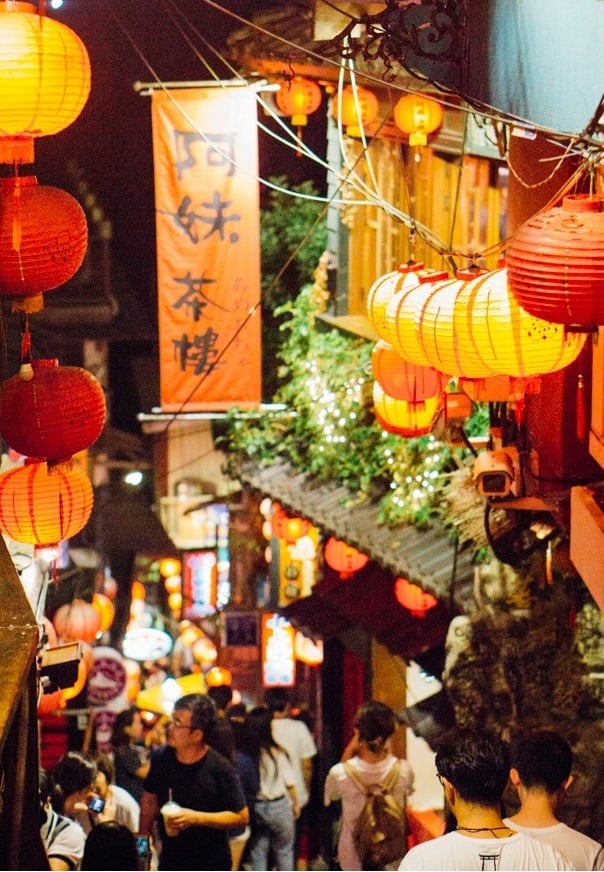
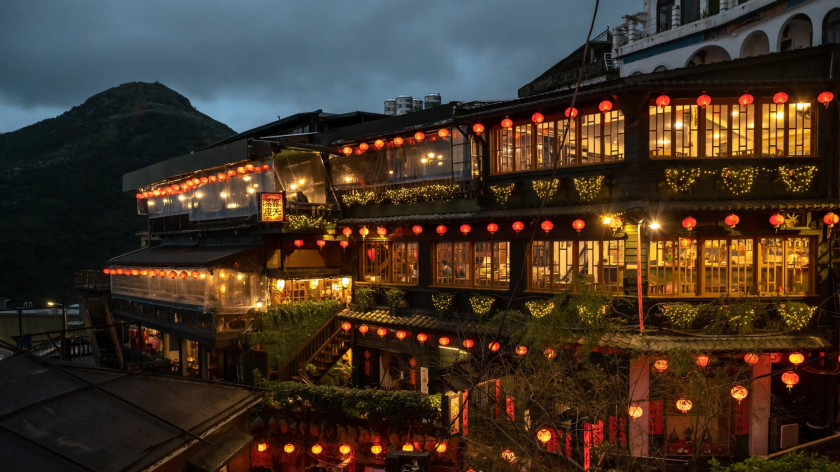
Visitors walk through misty alleyways past Jiufen's iconic Amei Tea Room, a large, bathhouse-like building from Spirited Away.
In Jiufen, you'll mostly encounter tourists, but there are still friendly locals who are happy to tell you more about the history of Jiufen.