VI
VI


Vietnam has gone 48 days without community transmission of Covid-19.
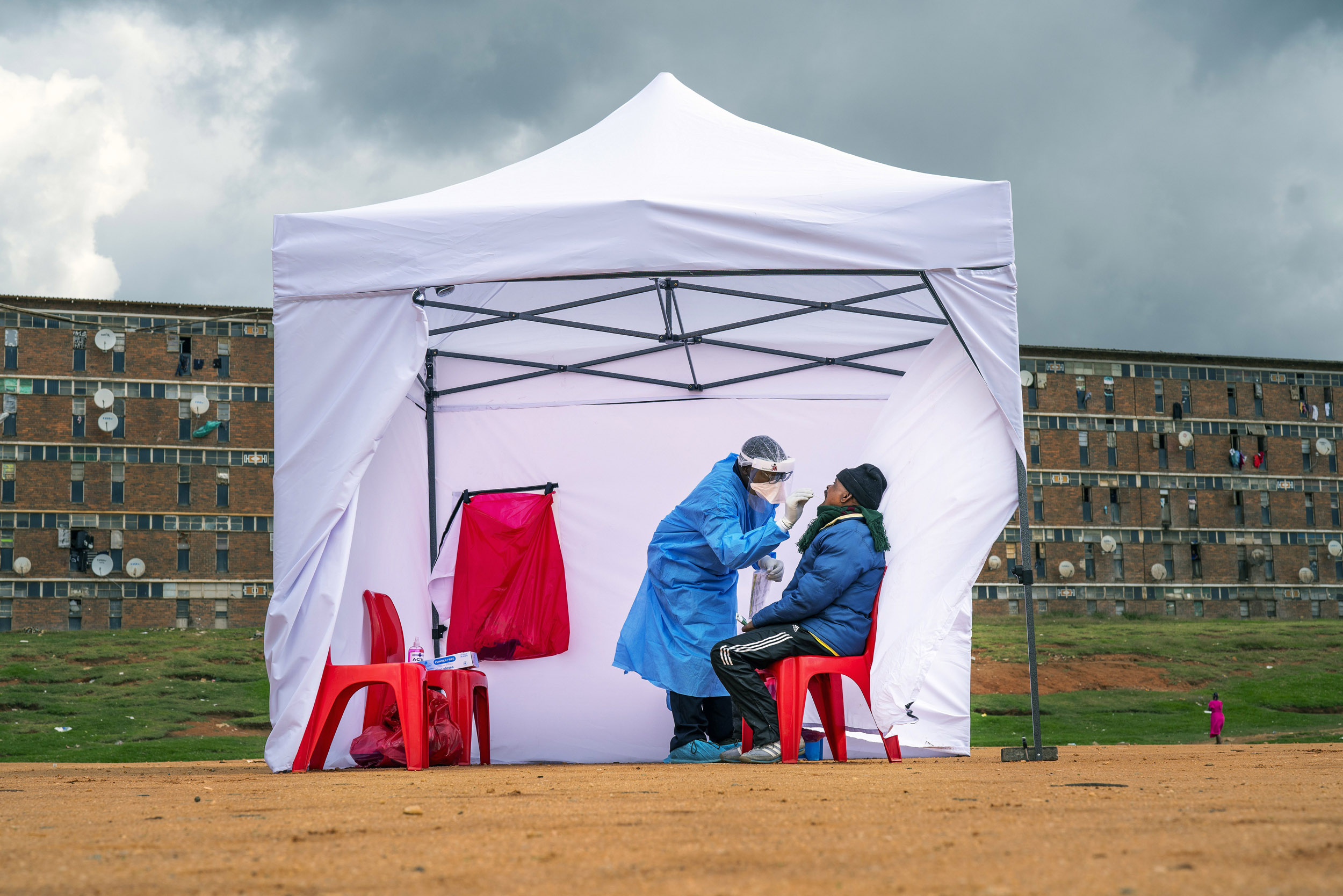
In Vietnam, as of 7:00 AM on June 3rd, there have been 48 days without any community transmission of Covid-19. The total number of confirmed cases to date is 328, of which 298 patients have been declared recovered. The remaining 30 patients are being treated at medical facilities nationwide, with 10 of them having tested negative at least once.
Latin American countries are easing social distancing measures despite the risks.
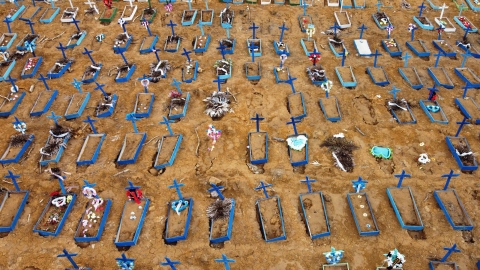
The Pan American Health Organization (PAHO) has expressed concern over the easing of social distancing measures by many Latin American countries aimed at preventing economic decline due to the Covid-19 pandemic, despite the region becoming a new epicenter of the disease recently. PAHO Director Carissa Etienne stated that in the past week, the world recorded 732,000 new Covid-19 cases, including more than 250,000 in Latin America, highlighting the need for countries in the region to intensify their efforts to contain this dangerous pandemic.
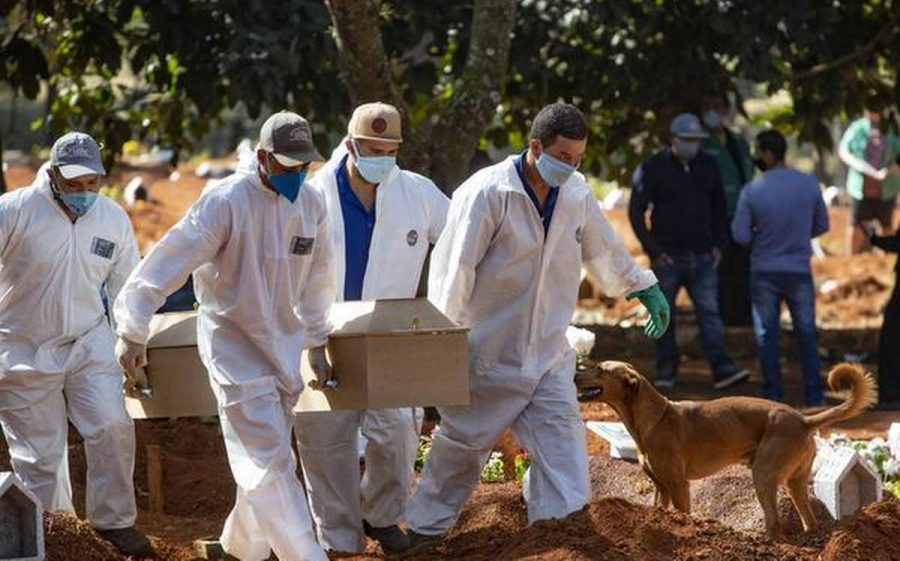
Cemetery workers at Vila Formosa bury a Covid-19 victim in São Paulo, Brazil.
PAHO also warned that the current pandemic situation in Brazil is very worrying, with new infections and deaths continuously increasing in recent weeks. In the past day, Brazil recorded the highest number of new infections in the world with 25,978 cases, bringing the total number of Covid-19 cases to 555,383. This is the third time Brazil has recorded more than 25,000 new cases in a single day. The number of deaths due to Covid-19 in Brazil is currently 31,243, the fourth highest in the world after the US, UK, and Italy, an increase of 1,197 cases in the past 24 hours, the highest number of deaths since Brazil recorded its first Covid-19 fatality. Despite this, social distancing measures are becoming a focal point of debate between the federal and local governments. Currently, some Brazilian states are beginning to ease restrictions in an effort to return socio-economic activities to normal. However, PAHO argues that this decision could worsen the situation if not implemented properly and systematically.
Meanwhile, several other countries such as Mexico, Peru, and Ecuador have also begun taking steps toward lifting mandatory social distancing measures. Nicaragua, in particular, has never officially implemented social distancing measures, even though the number of infections and deaths has been steadily increasing in recent weeks.
Ms. Etienne urged governments to exercise caution and avoid rushing the resumption of socio-economic activities, otherwise they risk a resurgence of Covid-19, rendering the efforts to combat the pandemic in recent months meaningless.
WHO is again accused of providing inaccurate Covid-19 data.
On June 2nd, the government of Equatorial Guinea accused Triphonie Nkurunziza, a representative of the World Health Organization (WHO), of "falsifying data on Covid-19 cases" in the country. Previously, on May 26th, the Ministry of Foreign Affairs of Equatorial Guinea had sent a diplomatic note to the WHO's regional office in Africa requesting that Triphonie "terminate her mission" in the country and that she immediately leave the capital, Malabo.
Sources at the WHO office in Malabo confirmed the Equatorial Guinea government's request for Ms. Triphnie, but did not provide further details. However, as of now, Ms. Triphnie remains in Malabo because Equatorial Guinea has not yet reopened international flights.
Equatorial Guinea is an oil-rich country located on the Atlantic coast. To date, it has recorded 1,306 positive cases of SARS-CoV-2 among its 1.3 million inhabitants. The infection figures released by the WHO are often higher than those provided by Equatorial Guinea's own authorities.
Germany will lift travel warnings for European countries.
On June 2nd, German Foreign Minister Heiko Maas announced that the government would lift travel warnings for European countries as many European nations continue to ease social distancing measures imposed in an effort to curb the spread of Covid-19.

Foreign Minister Maas stated: “We are preparing a decision to put to a vote in the Cabinet on June 3rd.” Under this plan, Germany will lift its travel warning and, starting June 15th, may resume travel to at least 31 European countries. Previously, in March, the German government issued an official travel warning for Europe, a measure that was to remain in effect until June 14th.

Germany will lift travel warnings for European countries.
Back in April, Mr. Maas had suggested that, due to the pandemic, a "normal tourist season" this summer was unlikely. However, given the improving pandemic situation and the easing of social distancing measures in many countries, Germany has reconsidered its decision to issue travel warnings to EU countries and some European nations such as Switzerland, Iceland, and Norway.
According to Mr. Maas, Germany will replace travel warnings with detailed guidelines focusing on the epidemiological situation in each country. This information will help people make informed decisions about their travel plans. In the early weeks of the pandemic, Germany repatriated approximately 240,000 citizens who were stranded abroad as countries imposed travel restrictions and closed borders.
Meanwhile, the number of COVID-19 patients receiving intensive care in Germany has dropped sharply in recent weeks. According to German authorities, as of June 2nd, only 689 patients were in intensive care, with half of them requiring ventilators. This is a significant decrease compared to mid-April 2020 when there were 2,900 patients in intensive care. The actual number of infected patients in Germany remains around 7,100. Many states reported no new cases over the weekend.
Egypt is likely to experience an outbreak within the next two weeks.
On June 2nd, Egypt recorded an additional 1,152 cases of SARS-CoV-2 infection, bringing the total number of COVID-19 cases to 27,536. According to the Egyptian Ministry of Health, the total number of COVID-19 deaths to date is 1,052, following 47 additional fatalities on June 2nd. Additionally, 380 more COVID-19 patients have recovered and been discharged from hospitals, raising the total number of fully recovered cases to 6,827.
Earlier, Prime Minister Mostafa Madbouly said that the country could see an increase in Covid-19 cases in the next two weeks.
Meanwhile, Minister of Higher Education and Scientific Research Khaled Abdel-Ghaffar stated that it is currently impossible to rule out the scientific possibility that the number of SARS-CoV-2 infections in Egypt will not reach 50,000 cases during this Covid-19 outbreak.
Zimbabwe tightens lockdown in capital Harare.
On June 2nd, Zimbabwe's army and police tightened lockdown measures in the capital Harare, blocking numerous cars and buses from entering the central business district as Covid-19 cases surged.
The total number of Covid-19 infections has more than tripled, reaching 203 in the past few days. Zimbabwean President Emmerson Mnangagwa has eased the lockdown since the country first implemented it in late March.
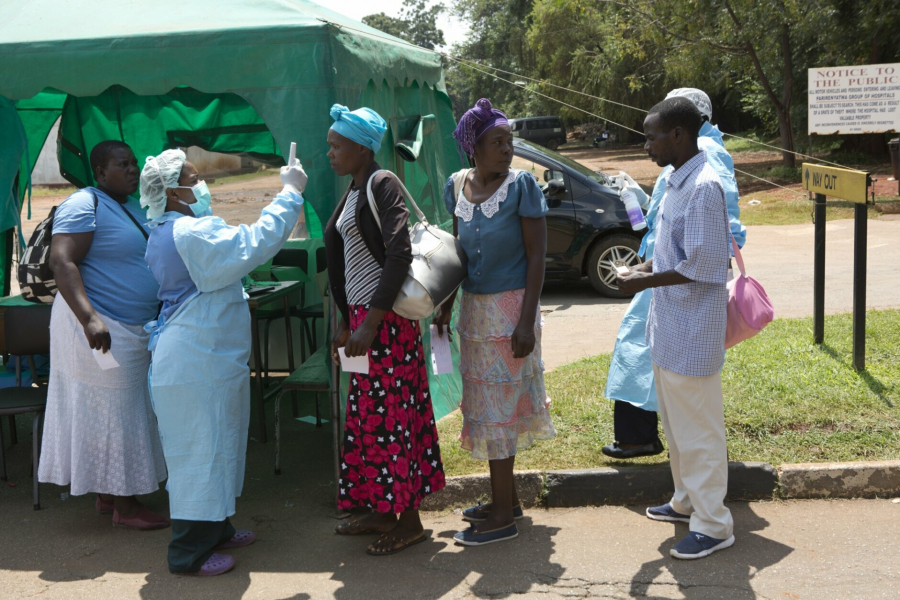
People have their body temperature measured at a public hospital in Harare, Zimbabwe.
However, on June 2nd, police and soldiers blocked many people and cars at checkpoints leading into the town, except for essential personnel such as medical staff and government employees.
Reuters reported that a group of soldiers and police in downtown Harare asked people to leave the city center and shops to close. By lunchtime, businesses in the city center had closed, but in another area of town, some businesses, including supermarkets and banks, remained open.
India authorizes the use of Remdesivir in the treatment of Covid-19.
On June 1st, the Indian government announced it had granted emergency use authorization for the antiviral drug Remdesivir to treat COVID-19 patients. Originally developed to treat the Ebola virus, Remdesivir was one of the first experimental drugs in a COVID-19 treatment regimen and the first to show improvement in COVID-19 patients in formal clinical trials. The drug received emergency use authorization from the US Food and Drug Administration (FDA) last month and was also approved by Japanese health authorities. On May 29th, South Korean health authorities announced they would request imports of Remdesivir, and several European countries are also considering using the drug.
India is currently the 7th largest COVID-19 hotspot in the world, with 8,813 new cases in the past 24 hours, bringing the total number of patients infected with COVID-19 to 207,183, including 5,829 deaths, an increase of 221 in the past 24 hours. While the rate of virus transmission has begun to decline in many countries, according to epidemiologists, India has not yet seen signs of "flattening the curve" like many other nations. The healthcare system of the country with 1.3 billion people is under too much pressure.
Schools reopen as Singapore eases lockdown.
With temperature checks, mask-wearing, and hand sanitization, many students in Singapore returned to school on June 2nd after nearly two months of nationwide lockdown. As one of the countries with the highest number of Covid-19 infections in Asia, Singapore is also gradually easing restrictions, allowing some businesses, including pet shops, to reopen from June 2nd.
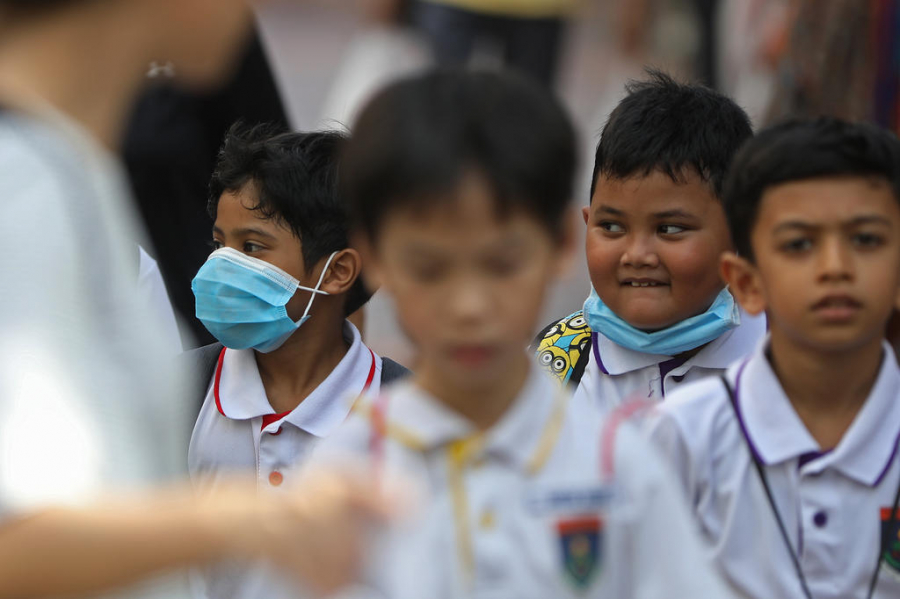
Many students in Singapore returned to school on June 2nd after nearly two months of nationwide lockdown.
Studies in several European countries have shown that the reopening of schools has not led to an increase in Covid-19 cases, while other studies have shown fewer cases in children compared to adults.
Singapore has recorded over 35,000 cases of Covid-19 and 24 deaths. The majority of cases are migrant workers living in dormitories.