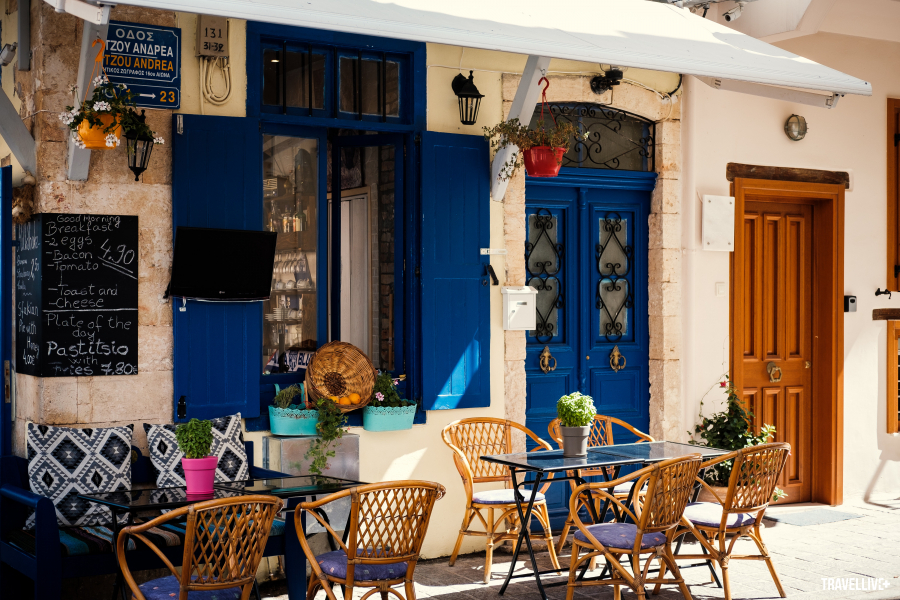
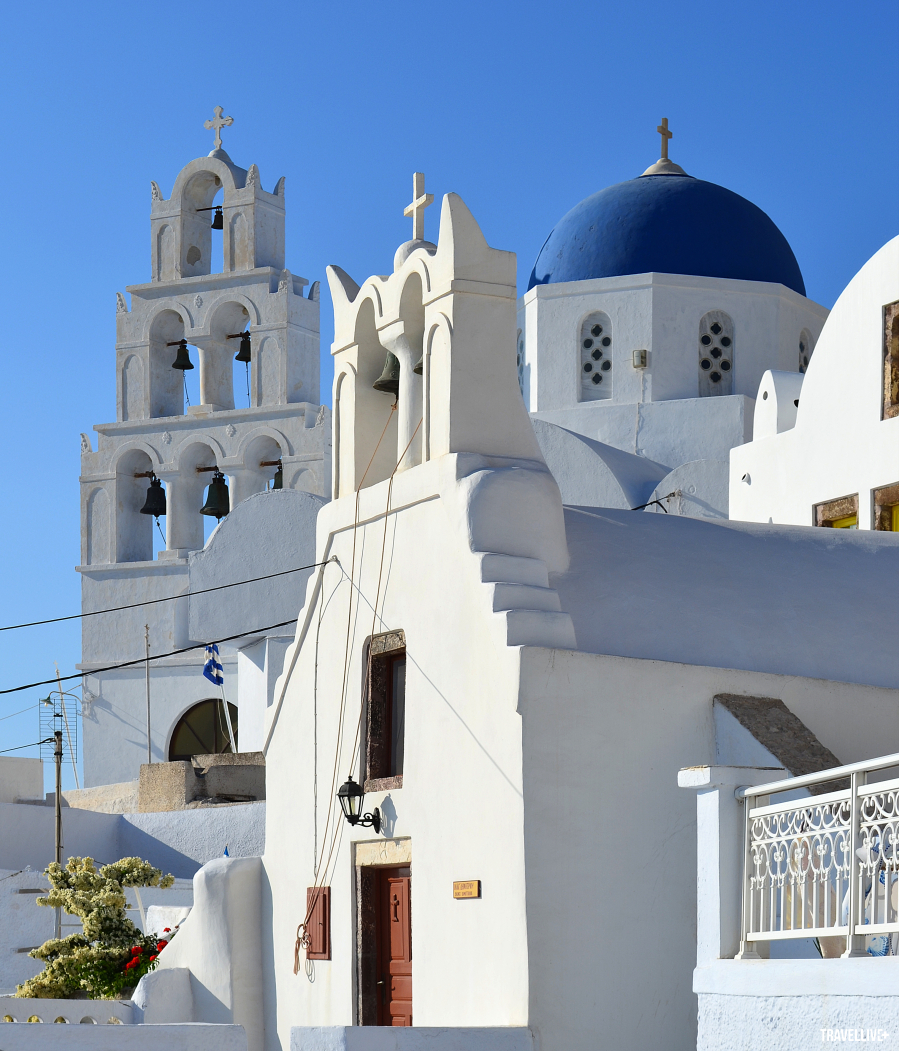
The two colors, white and blue, like the Greek flag, make Santorini island even more special than any other special place in the vast world.
Enchanting shades of color
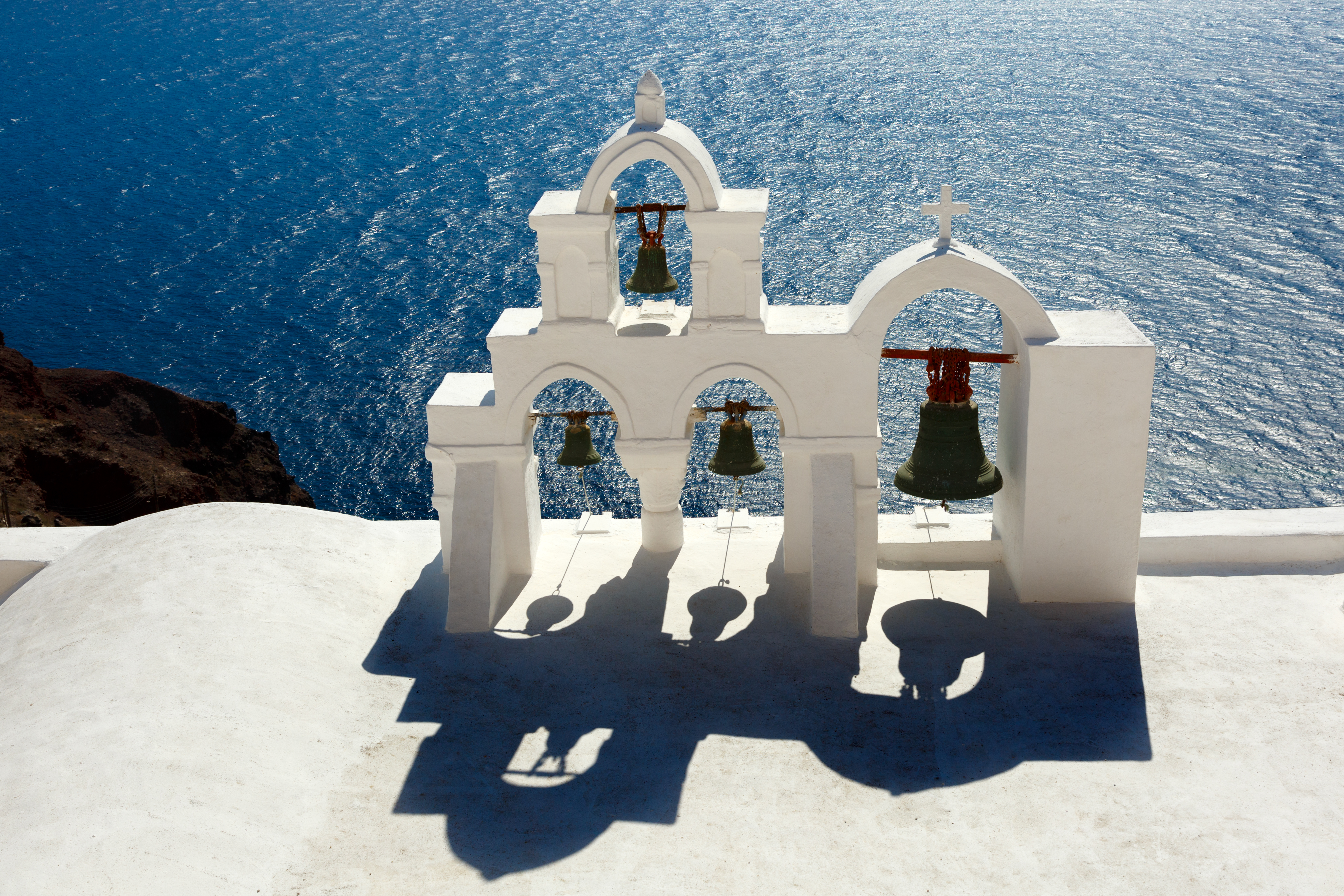
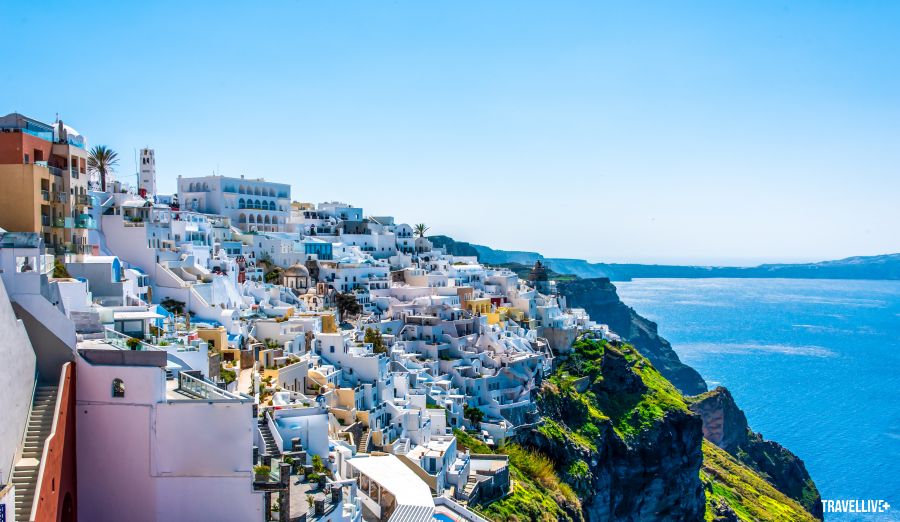
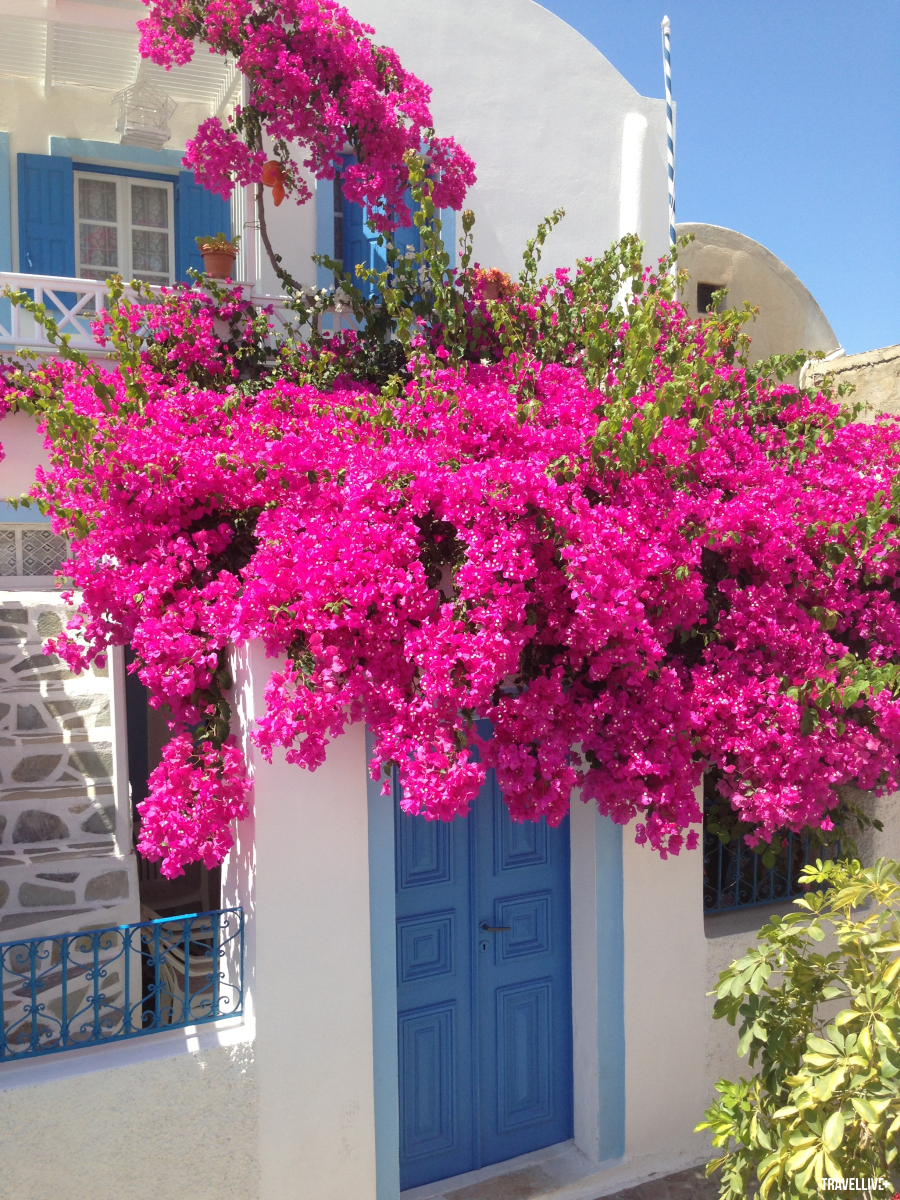
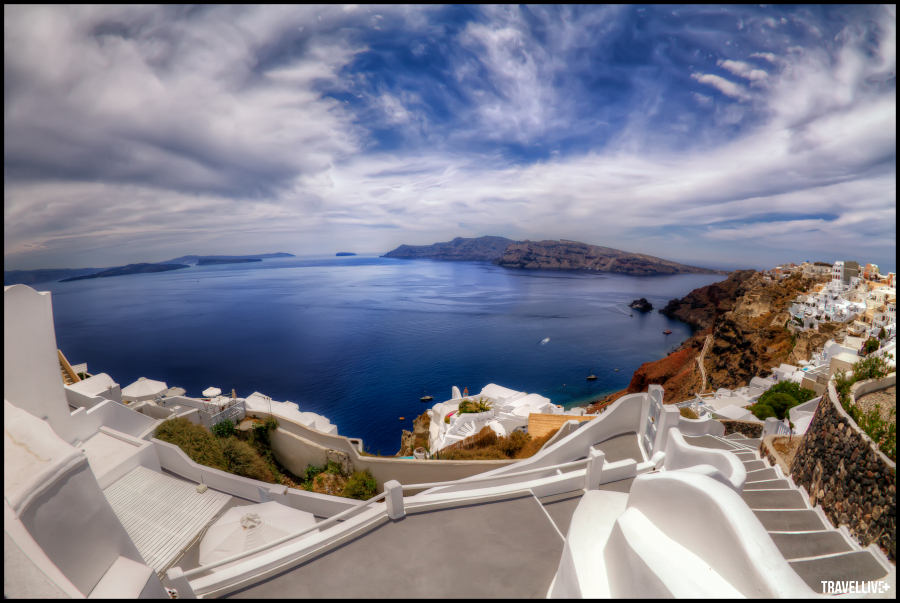
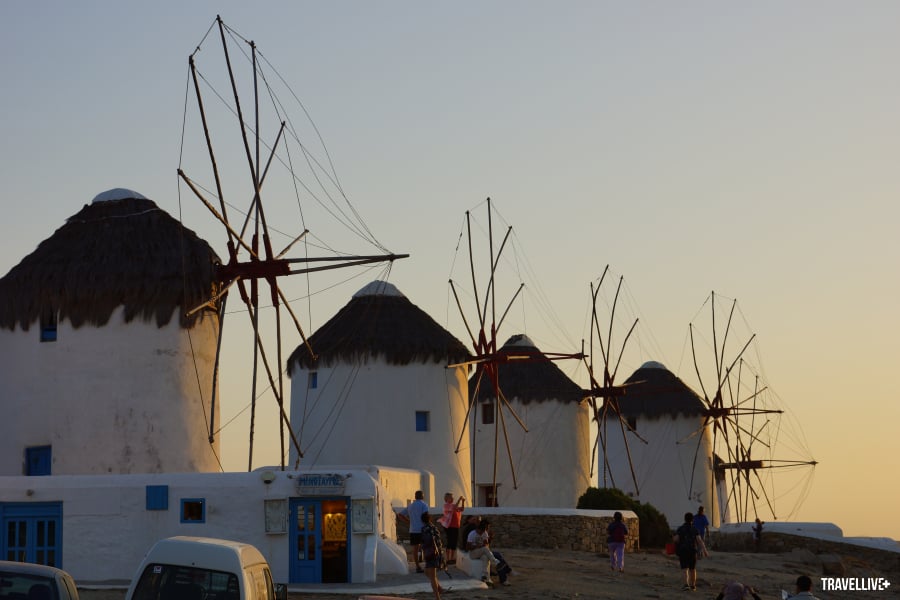
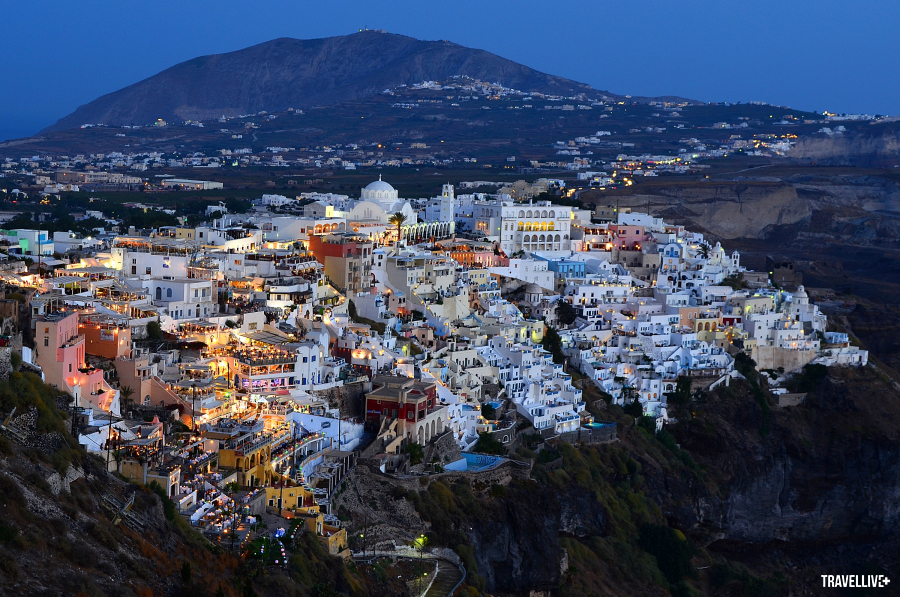
Santorini, the island of Greek mythology, always captivates visitors with its enchanting blue hues and serene beauty. Upon arriving on the island, I had the opportunity to admire the buildings, all sharing a consistent architectural style with characteristic domes and symmetrical windows. The uniformity of pristine white combined with the cool cobalt blue creates a harmonious and distinctive overall effect for the island.
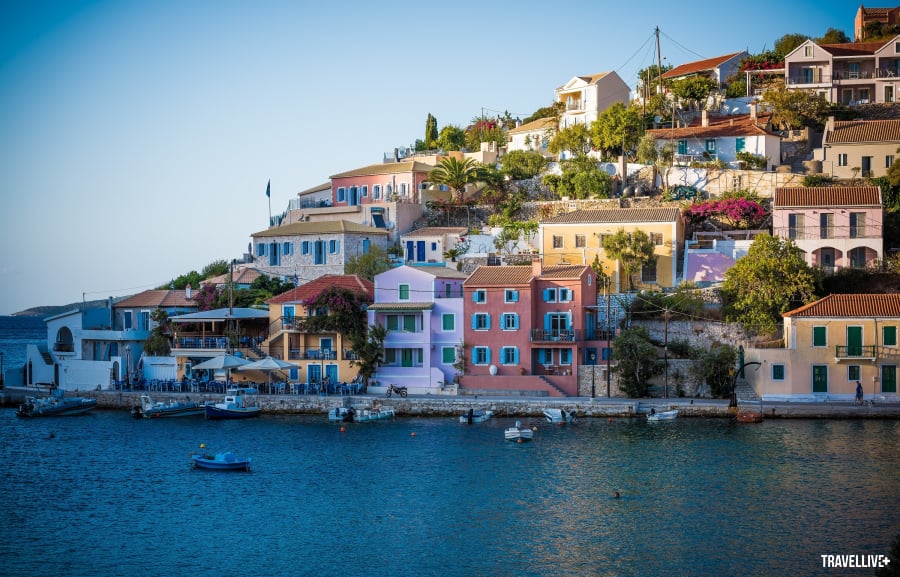
Within that overall design, each house still possesses its own unique charm, with windows subtly accented by shades of red, purple, orange, and yellow along the window frames and eaves, especially the romantic balconies overlooking the sea.
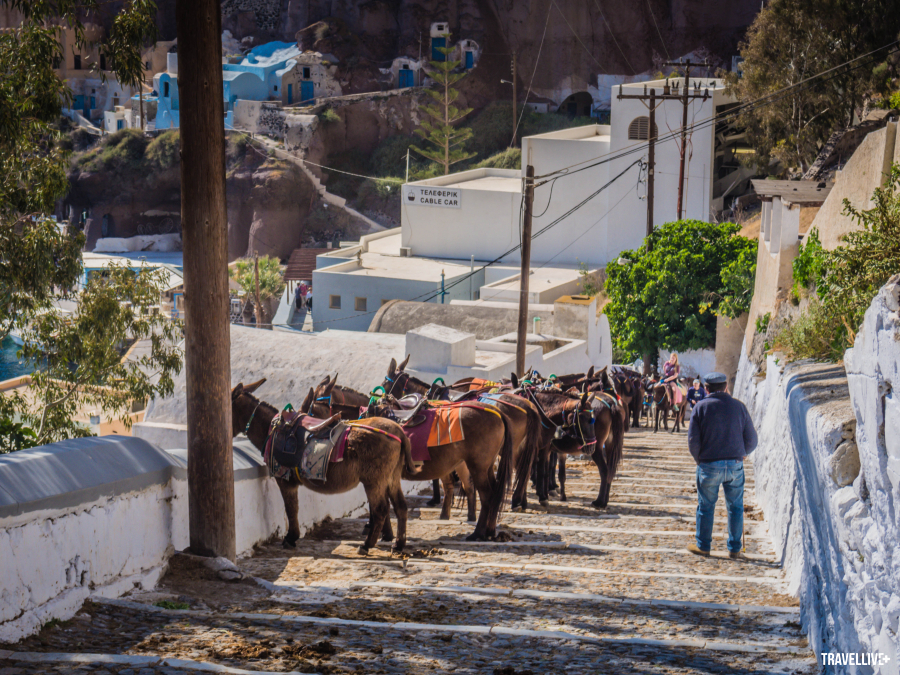
When I arrived in Santorini, I didn't need a specific itinerary; I simply strolled around, exploring the beauty of every nook and cranny, every street. Looking down from the mountain, one is inevitably impressed by the winding, curving roads. Following those roads down to the harbor below, visitors will encounter groups of people swaying on the backs of donkeys – tied together – as they ascend the mountain peak. It is this romantic scenery that made this place the main setting for the famous musical film Mamma Mia.
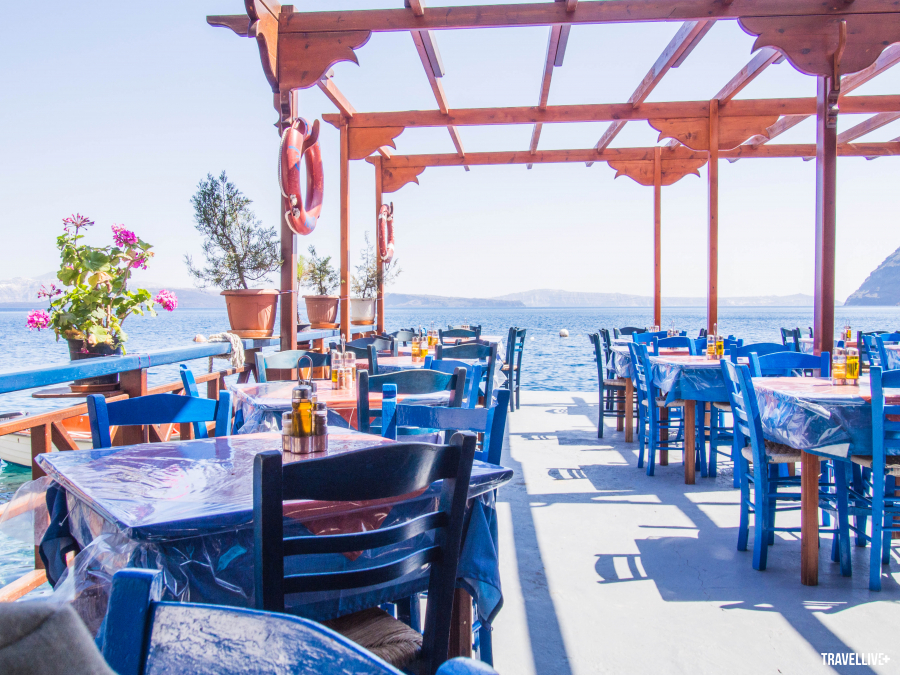
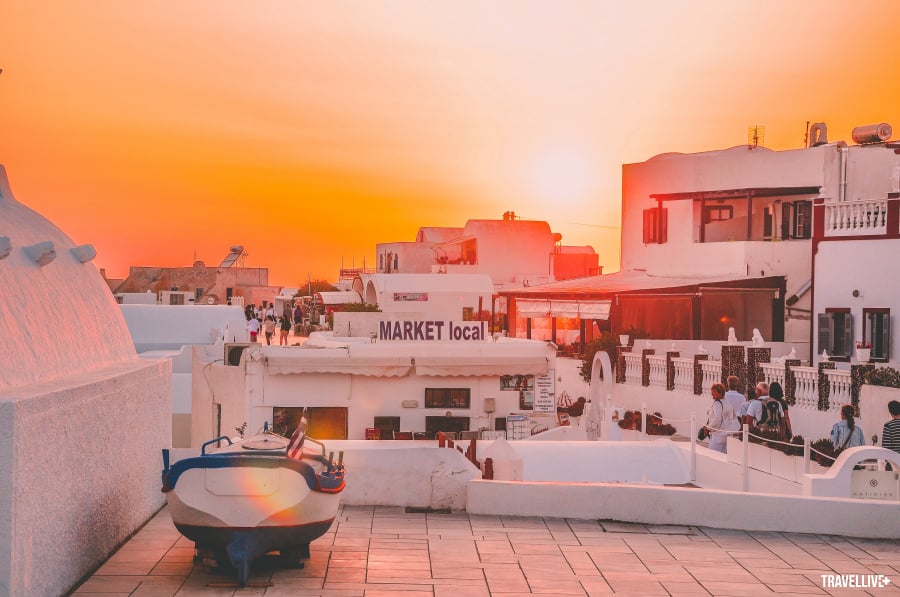
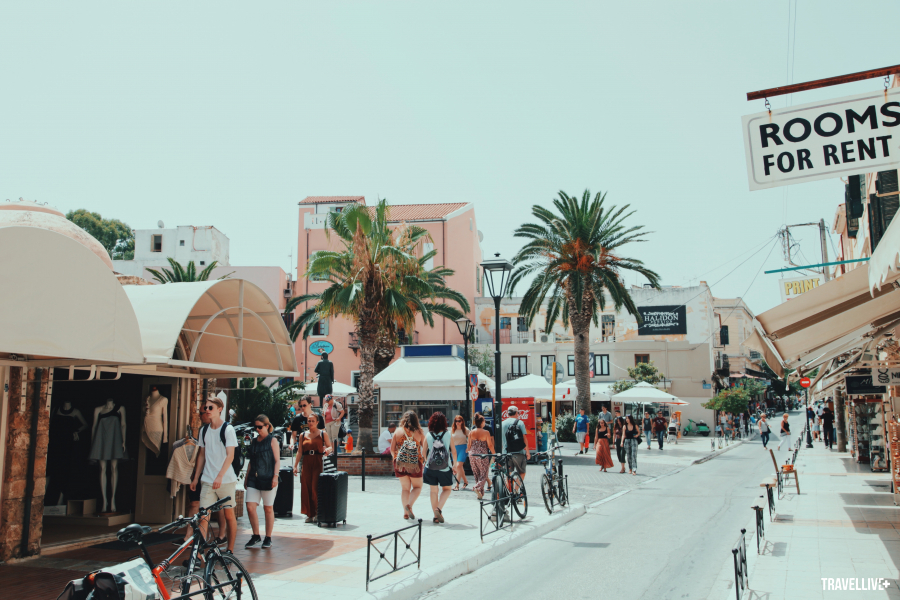
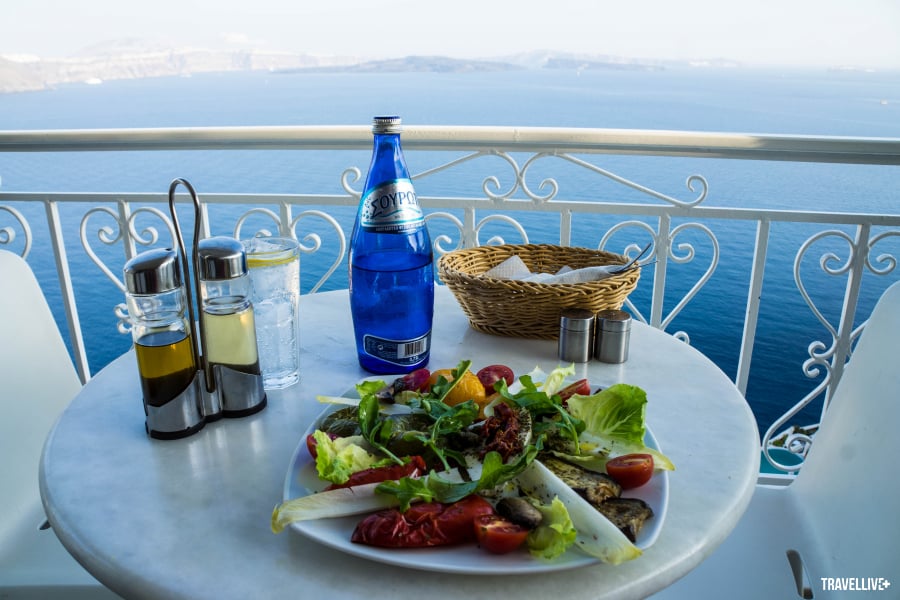
Take a leisurely stroll through the grid-like pedestrian streets lined with upscale shops, or stop at a small seaside bar to enjoy a cool glass of Mythos beer, nibble on olives, and savor moments of pure bliss that are hard to find in the hustle and bustle of the city.
"Trekking" on the windy mountaintop
It wasn't until my last day on Santorini that I planned to visit the village of Pyrgos. While the villages of Oia, Fira, Imerovigli, and Firostefani are quite similar in topography and style—with their green-roofed houses perched on cliffs overlooking the bay, village roads sometimes level with rooftops, and just a step from the road leading to someone's house—Pyramid is completely different. It sits atop a mountain, like ancient Thera.
This time, I rode my yellow, paint-peeling Liberty scooter, struggling against the wind up the mountain slope. Looking up from the mountain pass, the village of Pyrgos resembled a film set for a medieval movie, with its ruined castle perched high above the swirling clouds. At the edge of the village, there was an open area for tourists to park their cars, but from there, the only way to get there was on foot, as the village was steep and its houses clung to the mountaintop. Pyrgos was truly a unique village, and I felt like I was in a horror movie. It's worth adding that from Athens until we arrived on the island, all the villages (except Fira and Oia) were deserted, even on sunny days.
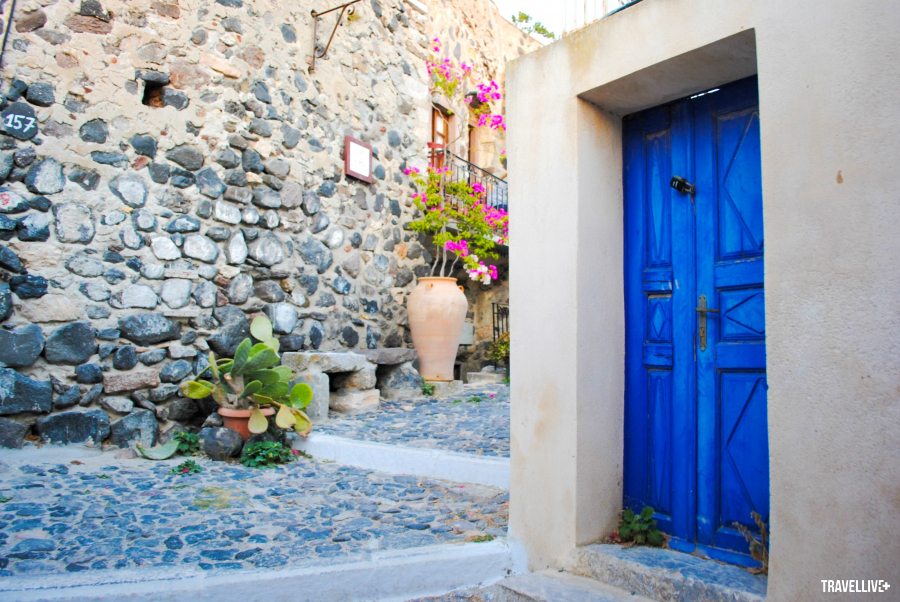
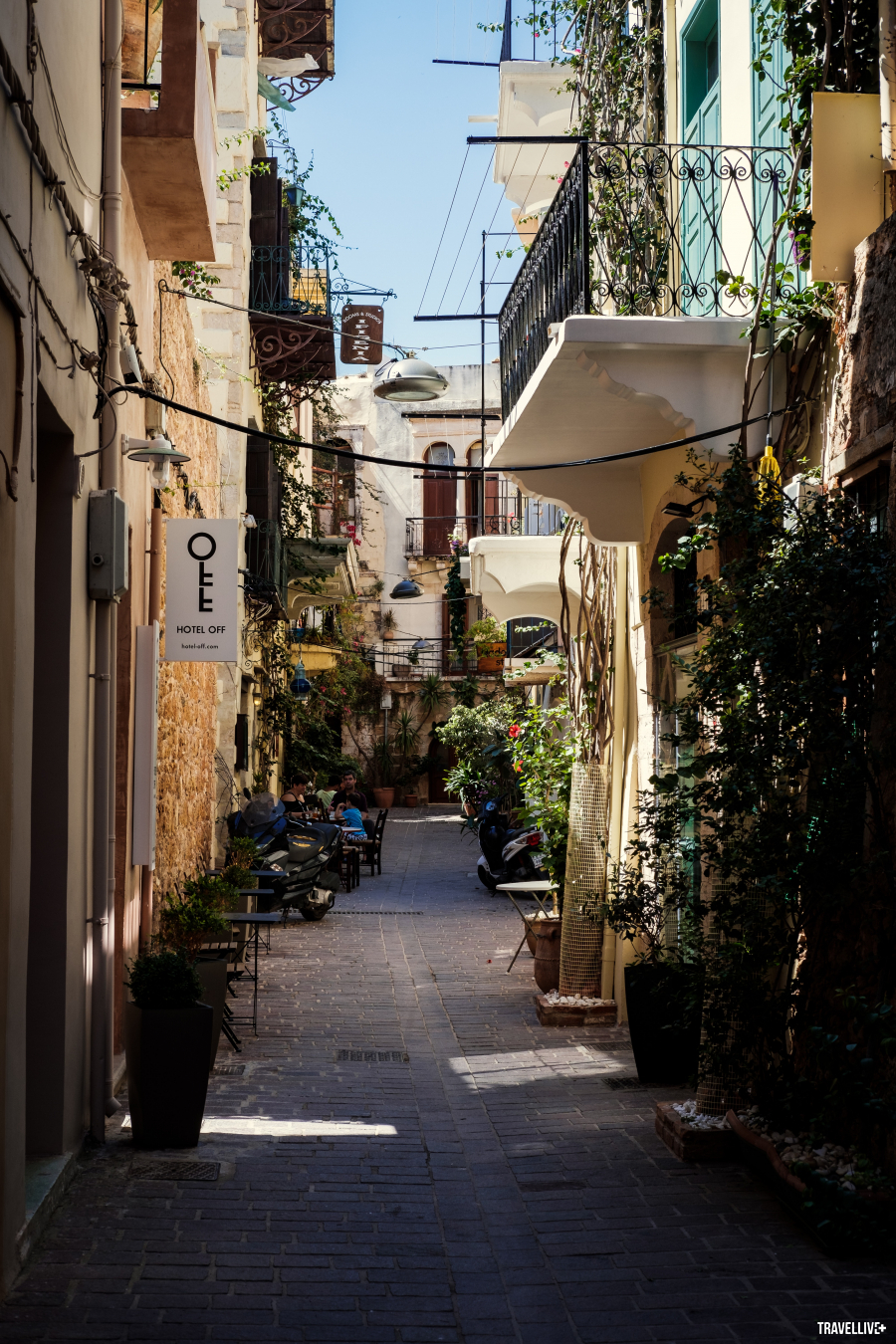
It seemed as though all the villagers stayed indoors from morning till night, with their doors closed and no communication. Therefore, it was very difficult whenever I got lost and wanted to ask for directions. Pyrgos was even worse, like a deserted village with ancient, dilapidated houses lining the winding village road leading up the mountain. The dark, arched corridors at the village entrance only added to the "medieval film set" feel.
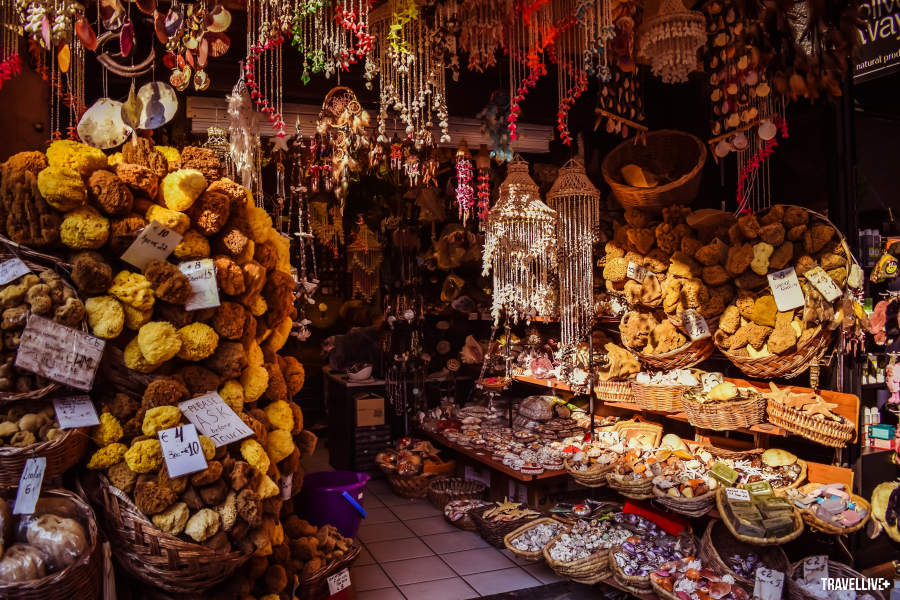
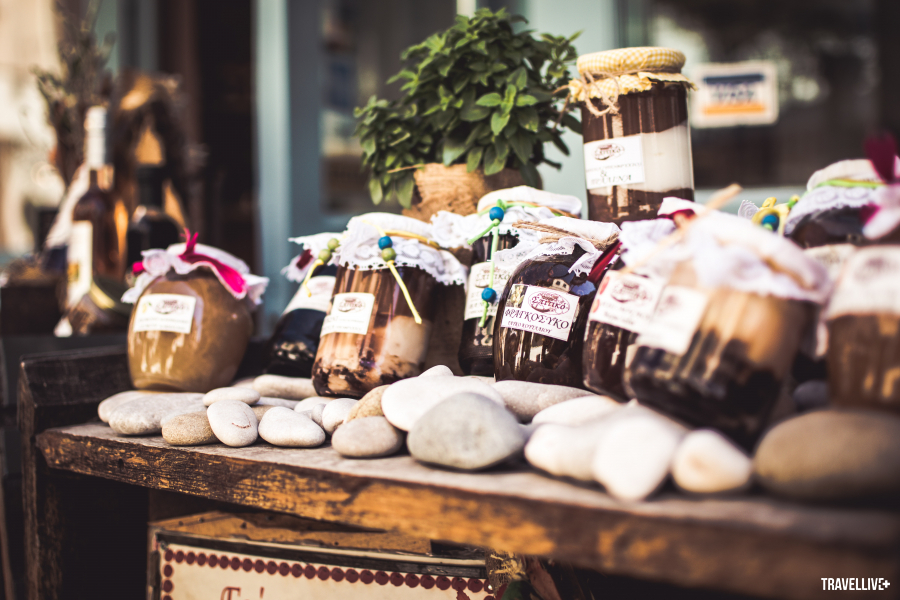
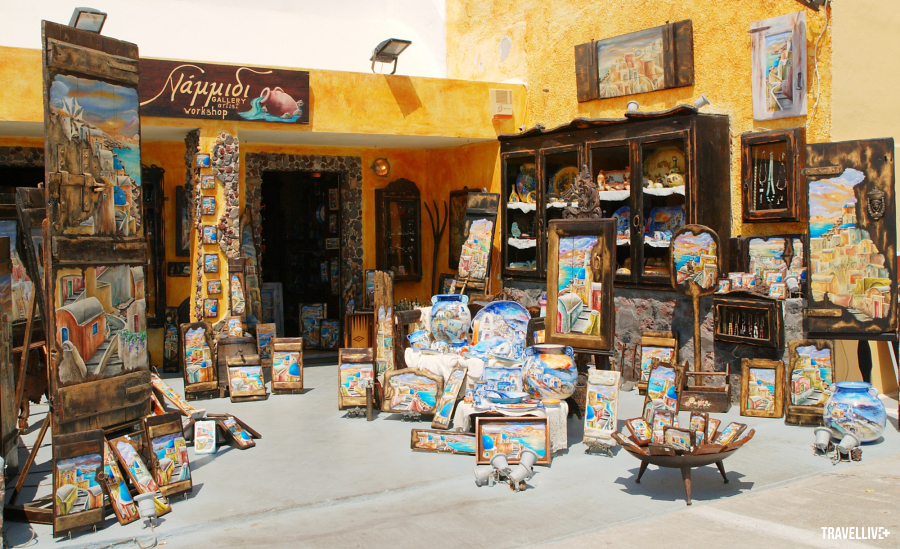
There were many souvenir stalls, but none of them were staffed. The owners hung strangely shaped metal chains dangling from the walls, while the floor sunken in like a cave. They also displayed bizarre handmade items on a makeshift wooden table right in front of the door. This arrangement further reinforced the image of a witch's house.
There's no theft here, so the shopkeeper just takes a nap inside, and customers who want to buy something probably have to call out for quite a while. But it seems the seller, out of habit, sets up their goods in the morning, and all day... nobody buys anything.
Simply displaying their wares for pleasure, without needing buyers, this peculiarity only further reinforces the mythical, fairytale-like, romantic, and eerie nature of the village. After wandering through narrow, winding alleys, past silent white walls and closed windows, I heard a faint symphony emanating from one of the houses in the village, its ghostly melody mingling with the wind. Oh, Pyrgos! How can people live so happily in this pristine village? And what do they live for? Do they have to take such winding, hilly roads every time they need to go to town?
Eventually, we met a local, a young woman selling souvenirs that hardly anyone bought. Seeing us looking lost in the middle of the road, she asked, "Surely you're looking for the way to the castle? That's not the way. Go this way, turn right, the castle is behind Franco's café."
I knew about Franco's café, as it was indicated right at the beginning of the village. Franco seemed to be the center of Pyrgos. And here it was, with its medieval-style brick walls, and a young couple sitting on a tiny balcony drinking coffee. The castle was right behind Franco. The word Pyrgos itself means castle in Greek. The fantastical structure we had seen from the mountain pass was right before us, perfectly preserved, its roof offering a panoramic view of the entire island.
Chasing the Sunset
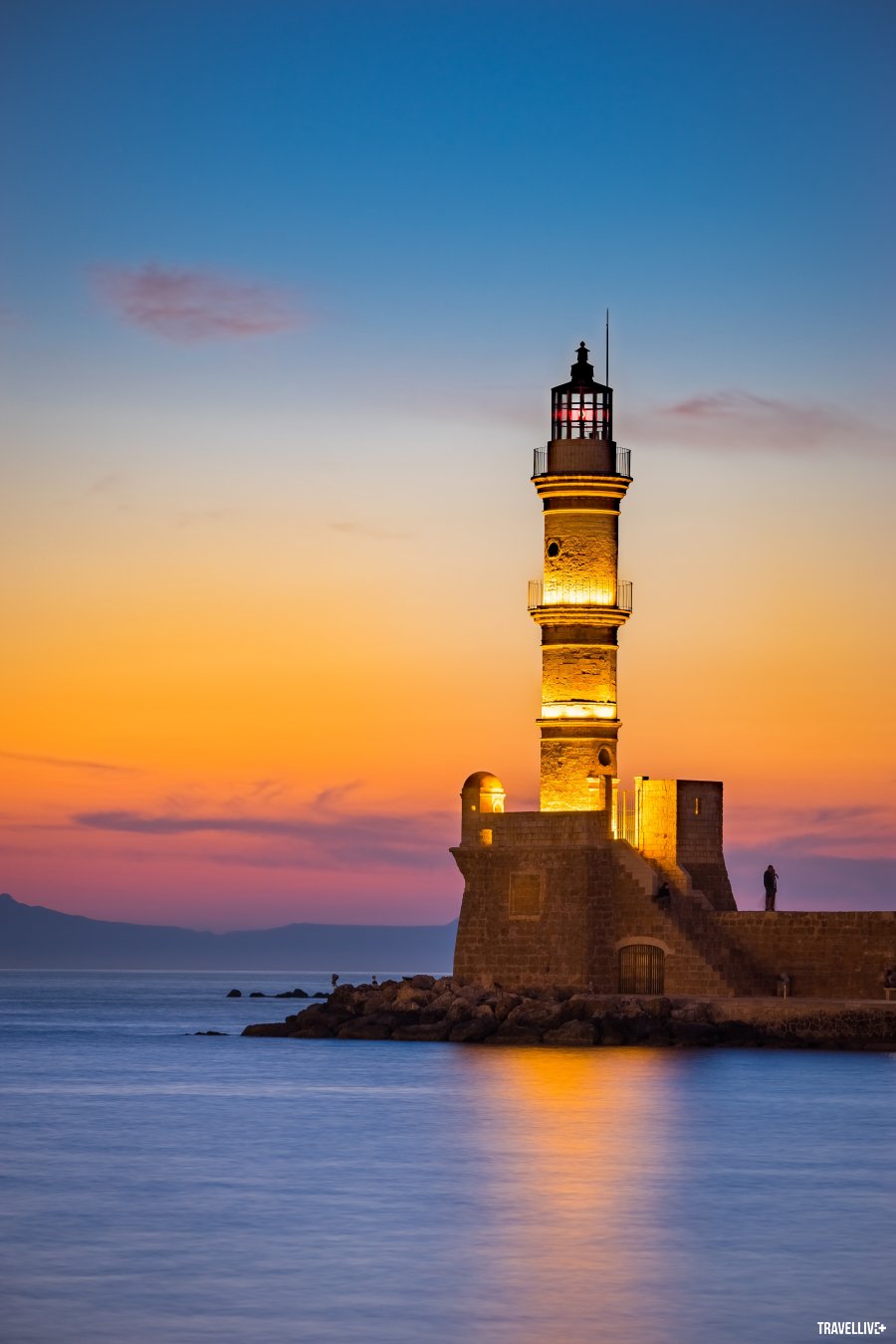
What everyone wants to do when visiting Santorini is watch the sunset. The best spot is the ancient fortress in the village of Oia, on the westernmost side, where the sun will be gradually swallowed by the waves until it disappears into the ocean. But then, I discovered an equally beautiful place to watch the sunset: while making my way to St. Nicholas Church.
The Greeks are mostly Christian (Eastern Orthodox Christianity), and Saint Nicholas is believed to have lived during the early Christian period. Therefore, white churches with blue domes are found all over the island, but the most beautiful and impressive is the one at the end of the village of Imerovigli. Despite the clearly stated opening hours, the church was always closed, so we ended up wandering around the village until sunset.
The villages on the bay take advantage of their beautiful location to run hotels, restaurants, and cafes, so you'll constantly find small, turquoise swimming pools perched on rooftops.
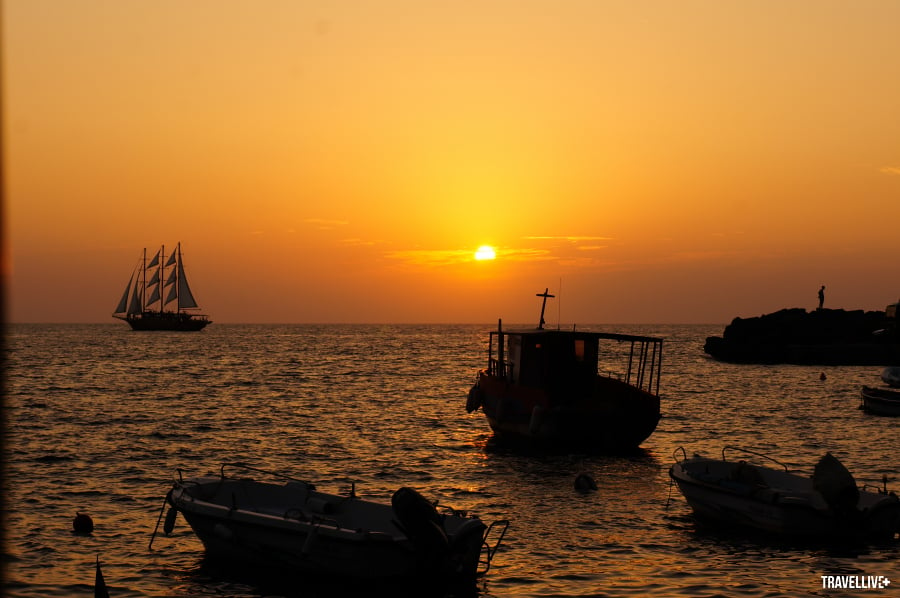
The Santorini sunset faded with the howling wind, the chill began to descend, and white clouds hung overhead. The clouds here were strange; they hung so low that it felt like you could climb a ladder and reach for them. During the day, the clouds were thick like cotton, rushing across the deep blue sky. As the sun set, the sky gradually shifted to shades of orange, pink, and pale purple, then to deep purple, but the clouds grew denser and denser. The wind howled, chilling to the bone. It called the clouds in haste. The clouds drifted down the hillside and hurried towards the sky. The village remained silent, serene, immersed in this mystical atmosphere for centuries. I shivered in the wind, trying to tighten my thin coat while my companions hurriedly chased the sun with a series of camera clicks without flash.
The "model" sat on a poolside chair, gazing wistfully at the fading light of the world's most beautiful sunset. Sunsets are the same everywhere, but here, the melancholic wind carries the sound of the wind to the sea. Yes, I've experienced howling hills, howling forests, howling meadows, but I never knew that the sea in Santorini, silent during the day, would call the wind to the sea at night. Summer sunsets fall around 8 PM and last until 9:30 PM, when the bay transforms into a giant black pool. Santorini lights up, casting a magical golden-purple glow on the white houses. No one is walking on the village roads anymore. We should head home, bidding farewell to the sunset, and for those who are avid travelers, who worry about tomorrow's meal before eating today, their stomachs start thinking about where to go to see another sunset: Hawaii, the Maldives, or the Caribbean – those fairytale seascapes.
ADDITIONAL INFORMATION
Visa:Greece is a country within the Schengen Area, so you can apply for either a Greek visa or a Schengen visa to travel to Santorini.
Trip:Currently, there are no direct flights from Vietnam to Santorini; you must transit in Athens, Greece. After arriving at Athens airport, you can choose to take a connecting flight to Santorini or travel by ferry to save money. Although called a ferry, it's actually a large, high-speed vessel, the most famous being the Blue Star ferry company.
Time:Santorini is at its most beautiful from April to October, with August being the ideal month due to the pleasant weather, clear skies, warm sunshine, and minimal rain.
Means of transportation:To explore Santorini, you can take a taxi, bus, or rent a motorbike or car to discover the area on your own. Motorbike or tricycle rentals cost around 12-15 EUR per day; remember to bring your driver's license, credit card, or passport for the deposit.
Accommodation:As a popular tourist destination, the accommodation system here is well-developed and diverse in both quantity and quality. If you rent a room in Oia village, you'll get the best views in Santorini, but if you rent a room in Fira village, it will be more convenient, and the prices and services will be cheaper than in Oia. If you have a generous budget, you can choose luxurious hotels located on the central cliffs of Fira, Oia, or Imerovigli villages.
Money:Greece uses the Euro (EUR), with 1 EUR worth approximately 28,000 VND.
Cuisine:Santorini's cuisine is diverse and rich, with famous dishes such as mashed fava beans, fried tomato pie, Greek salad, meatballs, yogurt, and Gyros with lamb and seafood.
Tours available for booking:
- Helicopter tour: 150 EUR/person for 10 minutes; 250 EUR/person for 30 minutes.
- Beach tour by sailboat: 95 EUR/person for 5 hours, including light BBQ, wine, and juice.
Cost of the trip:The total cost for 4 days and 3 nights is approximately 31,220,000 VND per person.

 VI
VI