VI
VI


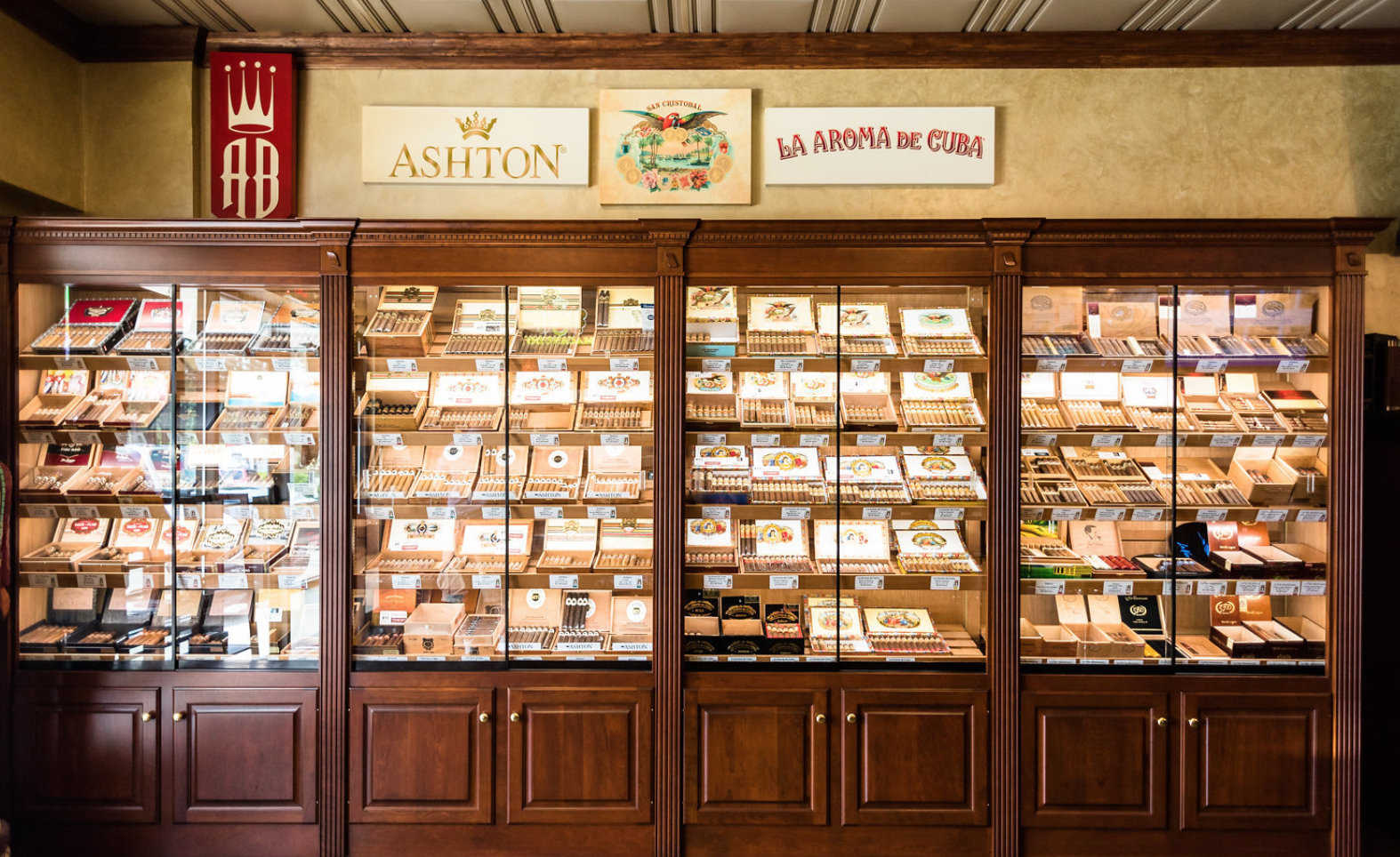
Discover cigars
The history of cigars, spanning over a thousand years, originates from the tobacco of the ancient Maya people in Mexico and Central America. In ancient times, the Maya smoked tobacco using pipes or traditional cigars loosely rolled in banana or palm leaves, rather than the tightly rolled and elaborate cigars we see today. It is believed that the word "cigar" originates from the Mayan word "sikar." Cigars were discovered by the explorer Christopher Columbus in 1492 and began to become popular in Europe from the 17th century. The refined shape of the cigar as we know it today dates back to the 20th century.
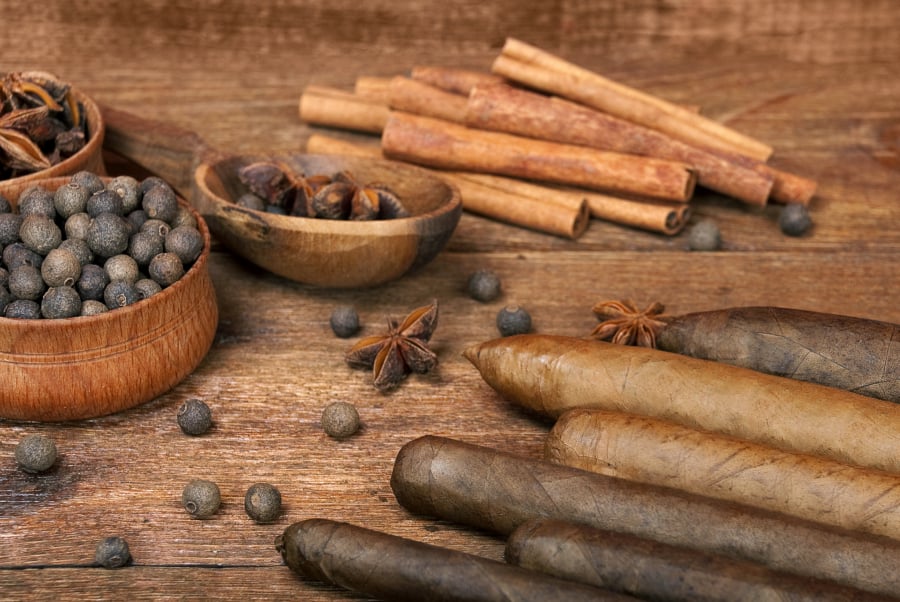
High-priced cigars are expensive because of the meticulous process involved in their production. Quality cigars must be made from tobacco leaves grown and aged naturally without chemicals in suitable climates like Cuba. After harvesting, the leaves are dried for 25 to 45 days and then aged at the appropriate temperature and humidity. Every day, the craftsman checks the moisture level of the leaves and turns them over to ensure even aging. Finally, the cigars are rolled, but rolling beautiful, evenly shaped cigars requires years of skill. A way to distinguish a high-end cigar from a cheap one is that the inside of a high-end cigar is made from a whole leaf, not cut into smaller pieces. From growing the tobacco leaves, drying, aging, checking, to rolling the cigar, everything requires a great deal of time and labor; therefore, creating a handcrafted cigar is no simple task.
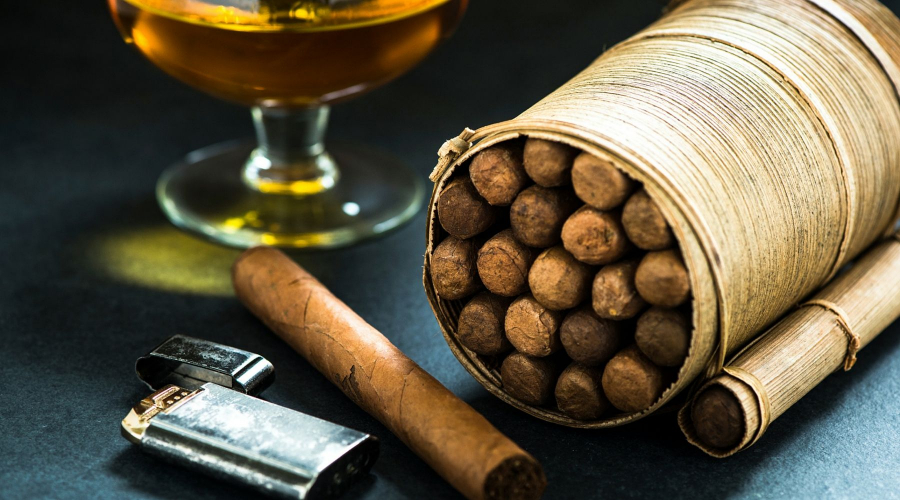
In Vietnam, cigar smoking has only become popular in recent years. After a long period of quitting cigarettes, my father started smoking again about 2-3 years ago, but this time it's cigars, not cigarettes. Having a hobby of collecting many things, cigars suddenly became his new target, and to this day, he continues to collect the types of cigars he likes. Like his other collections, he collects them for no particular reason, but simply as a personal hobby.
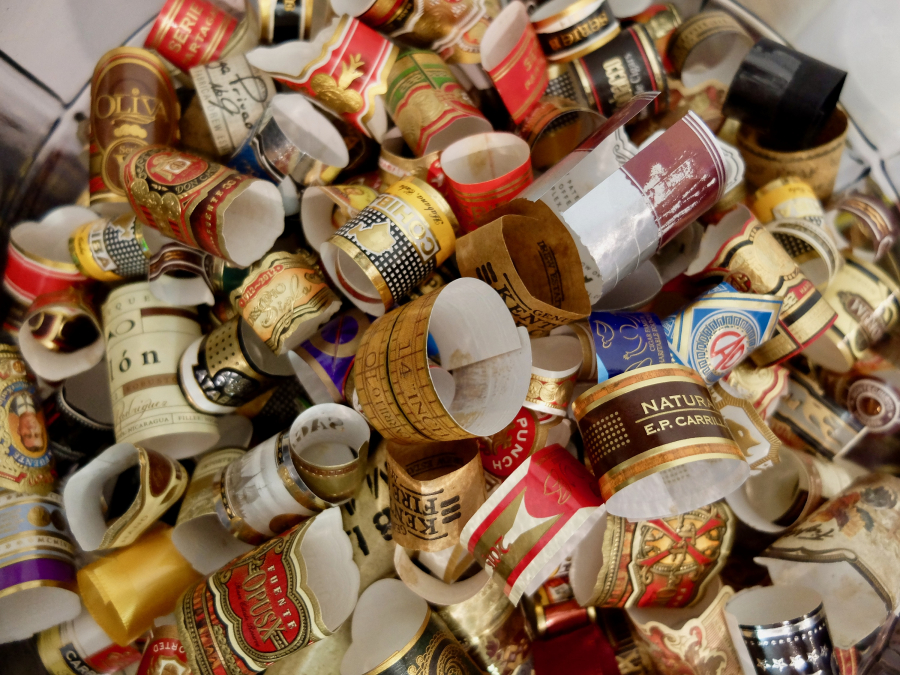
Traveling to "recruit" cigars.
Although Cuban cigars are the most famous, my father believes that only Cuban Cohiba cigars are good. Besides Cuba, there are cigars from many other countries worth trying, such as Nicaragua, the Dominican Republic, Ecuador, and Honduras. This diversity of cigars fueled my father's enthusiasm in recruiting for his cigar collection.

Whenever my father traveled, he would always seek out the top cigar shops in the places he visited. Visiting long-established cigar shops in different countries was a fun way to find the perfect cigar. Most of these shops were family-run businesses or authorized dealers of major brands like La Casa del Habano and Davidoff of Geneva. La Casa del Habano, specializing in Cuban cigars, is easily found in major cities around the world, except in the US. Davidoff of Geneva, the most famous Swiss brand, has a huge flagship store in Geneva decorated with real tobacco leaves hanging from the ceiling.
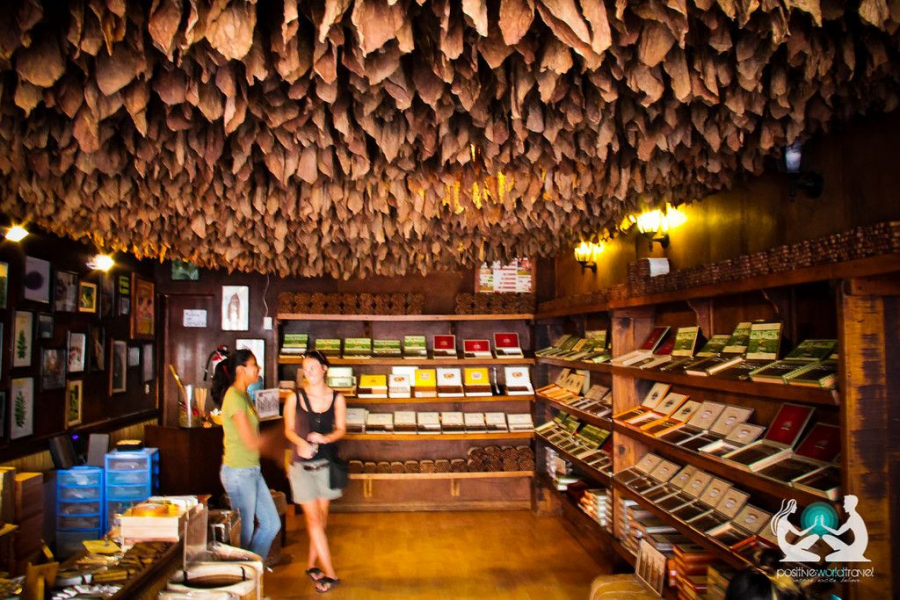
There are also many other cigar shops that leave a lasting impression due to their antique and elegant decor, such as Fincato in Rome (Italy), Davidoff in Zurich (Switzerland), A la Civette in Paris (France), or Sol Cigar Co AS in Oslo (Norway). Perhaps the most unique is the Marukin family cigar shop in Tokyo (Japan), a charming little shop located in an old house with many sophisticated decorative details. Manuel's in Zurich is lively and suitable for young people as they can enjoy cigars while drinking beer on the sidewalk. Besides the long-established shops mentioned above, there are also very professional but newly opened establishments like Best Cigars in Sofia (Bulgaria).
My father's collection mainly consists of tubo cigars, which are cigars stored in tubes made of alloy, aluminum, glass, plastic, or cardboard. The main purpose of storing cigars in tubes is to preserve them well during transport. Additionally, the designs of these tubes are very diverse, with some being beautiful and unique. A special feature is that each tube is made specifically for each cigar, and tubo cigars are not produced in large quantities, making them rarer than regular cigars. Whenever I come across a cigar shop, I always stop and ask about the types of tubo cigars they have. But it's very difficult to find one my father doesn't have because he has nearly 400 different types of tubo cigars.
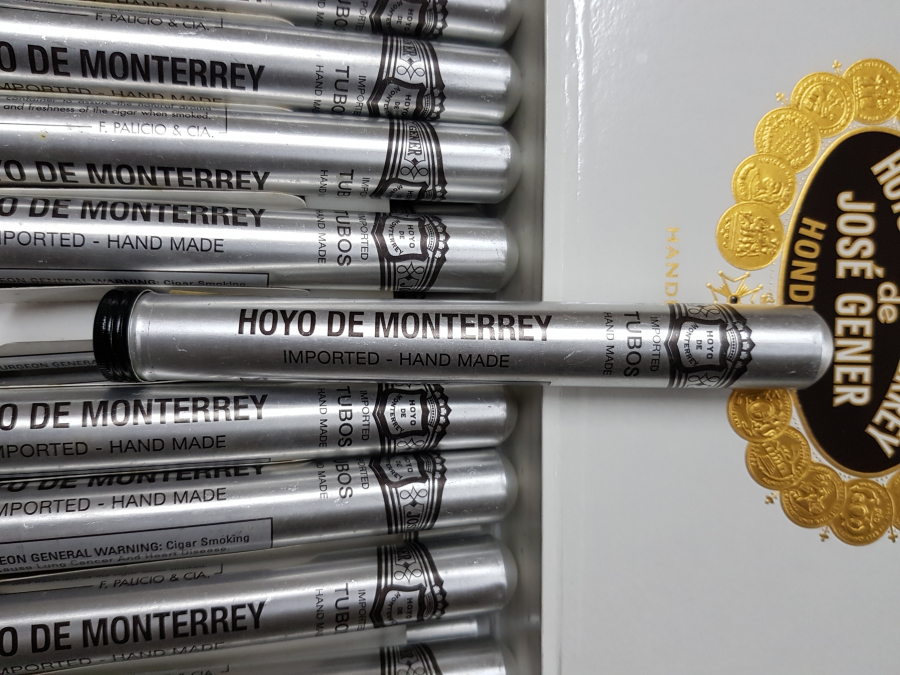
My father is also quite interested in cigar rankings and often hunts for the best cigars each year. One of the most reliable cigar rankings is Cigar Aficionado, an American magazine that has been around for 26 years. They rate cigars on a scale of 100 based on four factors: appearance, flavor, burn quality, and overall experience. My father's collection includes the best cigars of 2005 and from 2010 to 2018. The number one cigar of 2018 was the EP Carrillo Encore Majestic from the Dominican Republic, which scored 96/100 points.
Live slowly and enjoy.
Smoking cigars isn't necessarily a healthy pastime. Studies show that cigars are just as harmful to health as cigarettes. However, when considering the harmful things around us in the modern world, even the air we breathe every second and the food we consume daily aren't 100% safe. British experts even suggest that sugar in food is as dangerous as alcohol and tobacco. Meanwhile, Austrian psychologist Sigmund Freud (1856-1939), a cigar addict who smoked 20 cigars a day, died at the age of 83 in England. Former British Prime Minister Winston Churchill (1874-1965), who smoked 8 to 10 cigars daily and drank a considerable amount of alcohol, lived to be 90 years old. In short, smoking cigars is generally not good for your health.
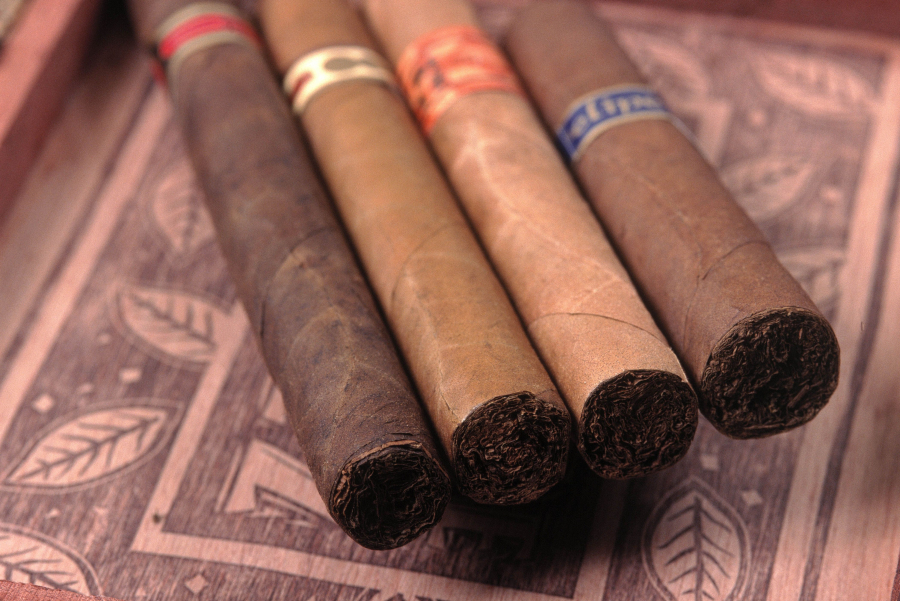
Perhaps only true cigar connoisseurs can understand the poetic charm it offers. As mentioned above, the distinctive and delicious flavor of cigars is created from the rich soil of the region, and the skillful hands of the artisans are indispensable to its perfection. Juicing cigars is similar to tasting wine, as some types not only have the smoky aroma from the tobacco leaves, but also layers of flavor depending on the aging process, such as spiciness, sweetness, woody notes, cocoa, nuts, and so on. In the whirlwind of this industrialized age, how many people dedicate an hour to savoring the exquisite taste of a handcrafted item like a cigar? Isn't that hour a precious time to escape the hustle and bustle of modern life and find peace? Everyone has their own way of relaxing, and my father chose cigars.
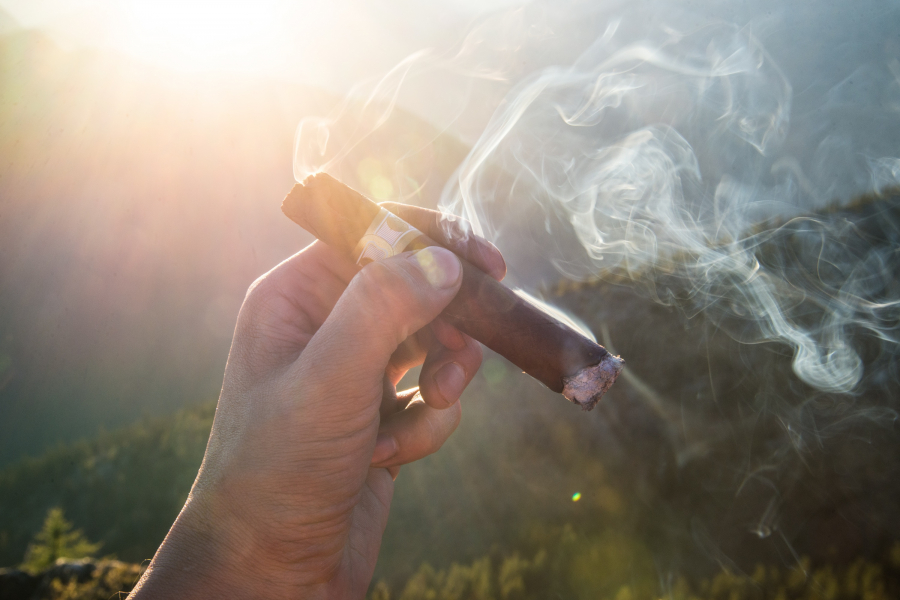
Cigars are not simply a luxury item; they are history, culture, and a lifestyle. And so, the cigar became inextricably linked to my father, a man who was always passionate, unconventional, and who enjoyed life to the fullest. Typically, cigars are a symbol of a sophisticated and powerful gentleman, but for me, a cigar was simply a moment of relaxation for a worldly father who deserved to enjoy life. Perhaps the cigar symbolized my father's composure. And for my father, a cigar was just a cigar.