VI
VI


For a long time, the slight bitterness on the tip of the tongue, along with the rich aroma that coffee creates, has always captivated and enchanted us. People enjoy coffee while working, meeting with business partners, chatting with friends and family… and even when alone.
A PIECE OF COFFEE HISTORY
In the 1880s, the French invaded Vietnam and brought many Western cultural elements to the colony, including coffee. Despite numerous historical ups and downs, coffee still holds a firm place in the lives of Vietnamese people today.
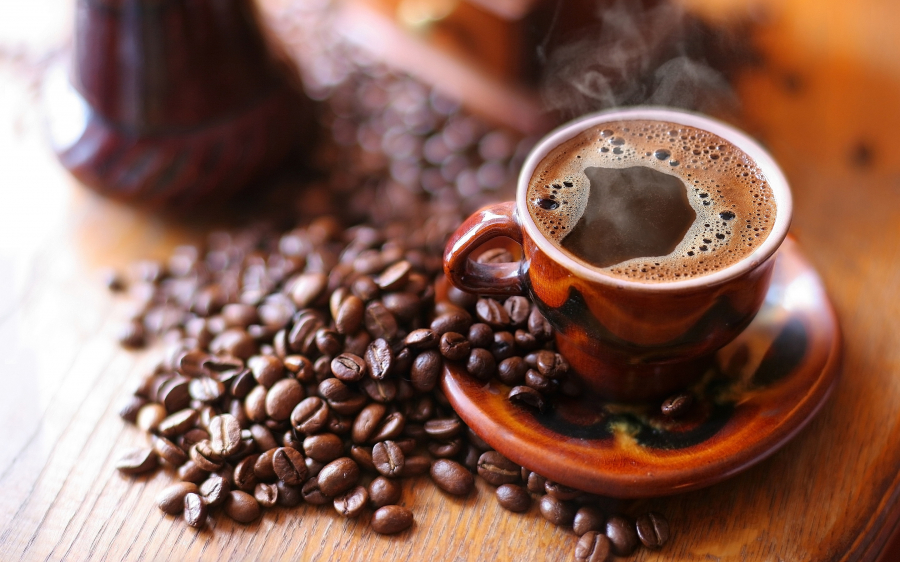
This dark, rich beverage, with its bitter, mellow taste that leaves one feeling refreshed after drinking it, was very popular at the time, especially among officials and feudal aristocrats. For a period, drinking coffee was even a measure of a person's sophistication and status.
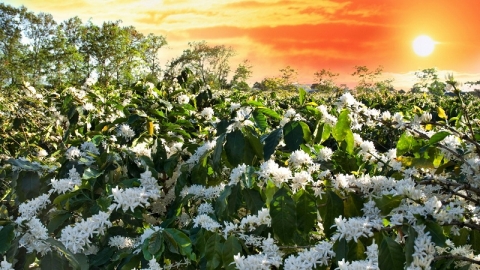
In Vietnam, the Central Highlands are considered a fertile land closely associated with coffee cultivation. This region has been developed into the country's largest coffee-growing area, producing some of the highest-quality coffee. Many major producers are located here, most notably Trung Nguyen, Vinacafe, and Highlands Coffee. In addition, several international names, including Nestlé, have been involved in Vietnam's coffee industry since the country's economic opening in the 1990s.
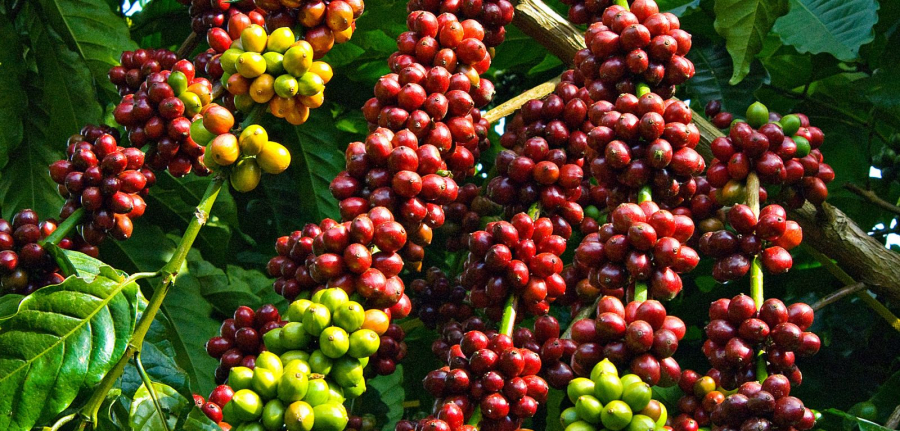
Since the beginning of the 20th century, coffee production has contributed significantly to the country's economic development. By the late 1990s, Vietnam was the second largest coffee producer, after Brazil. However, production was primarily focused on Robusta beans. In recent years, there has been a greater focus on improving coffee quality with the widespread cultivation of Arabica beans, and especially the renowned civet coffee.

How do Vietnamese people drink coffee?
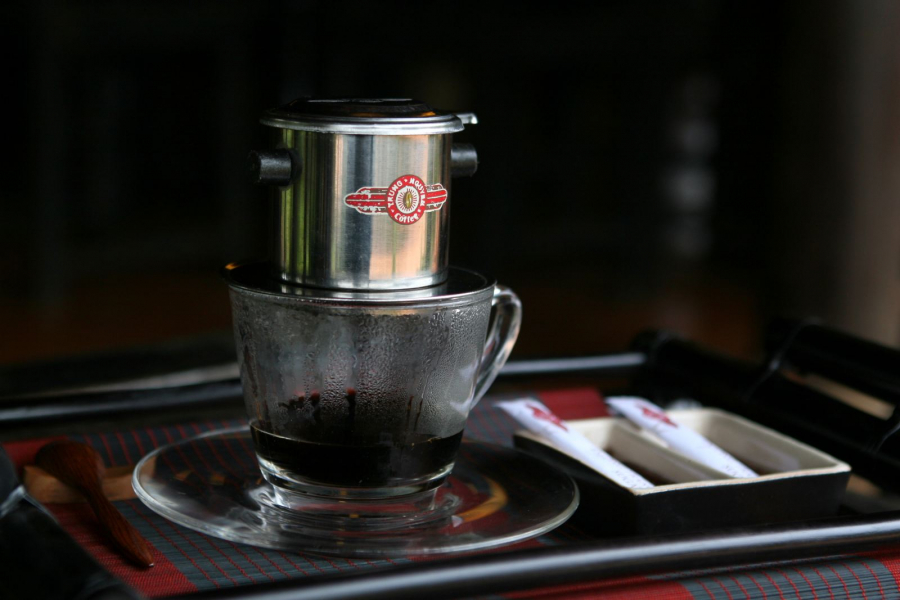
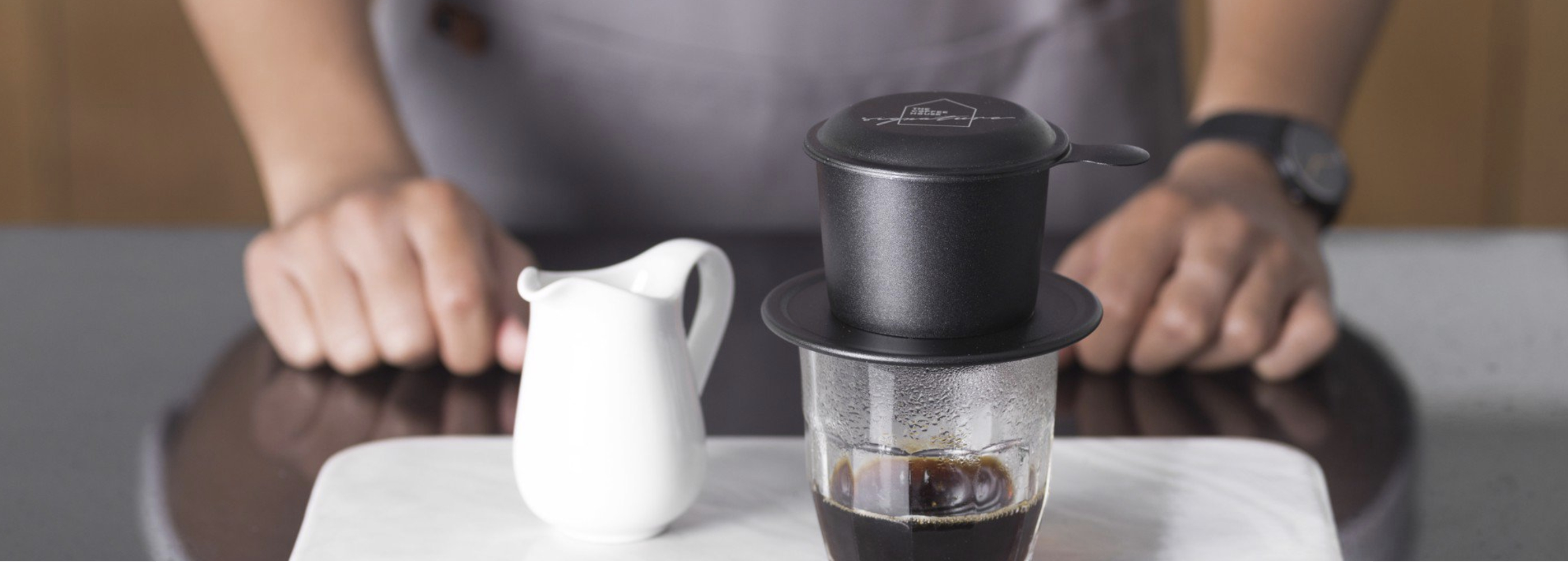
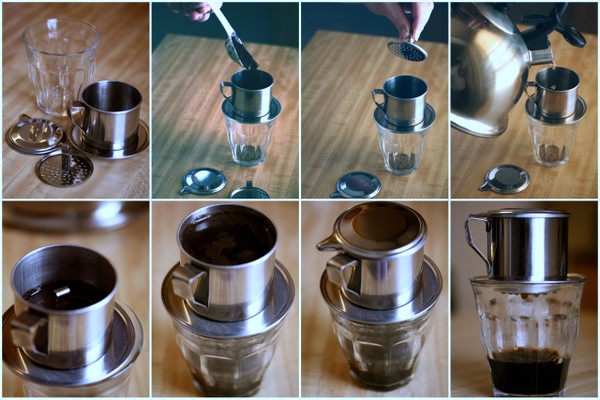
The way coffee is roasted, brewed, and enjoyed in Vietnam differs from the rest of the world. Here, coffee is roasted slowly by hand for 15 minutes at low temperatures, whereas worldwide, machines are commonly used for the roasting process. Furthermore, in Vietnam, coffee is brewed using a filter (phin) instead of the coffee machines commonly used around the world.
Before, during, and after work, Vietnamese people often drink a cup of brown coffee (coffee with condensed milk) or black coffee. In the North, when winter arrives, hot brown coffee or hot black coffee are commonly consumed. However, generally speaking, iced black coffee and especially iced brown coffee (iced coffee with condensed milk) are the most popular choices. When the French first introduced coffee to Vietnam in the late 19th century, due to the lack of fresh milk, both the French and Vietnamese began using sweetened condensed milk as a substitute. Gradually, this particular ingredient became a characteristic feature whenever Vietnamese coffee is mentioned.
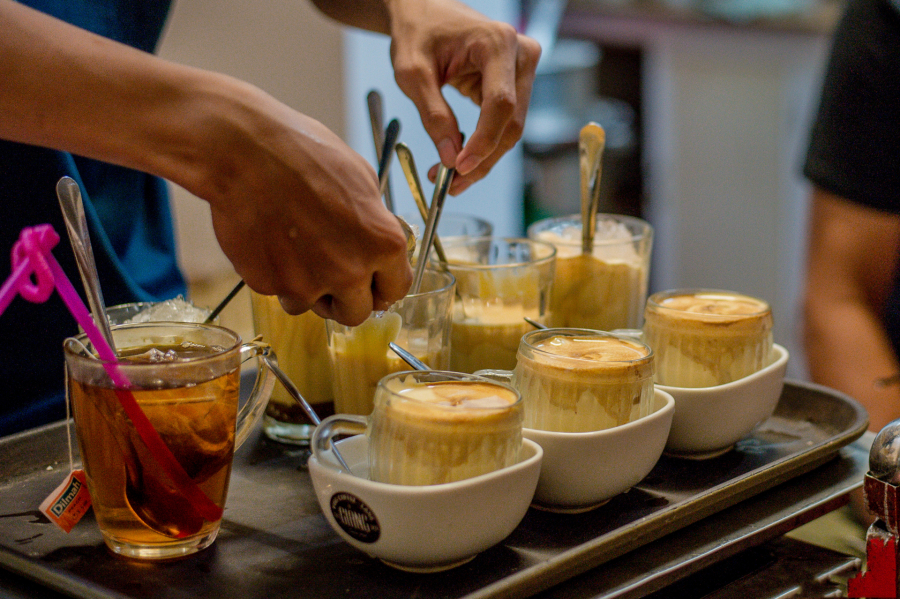
One of the most popular coffee variations among both locals and international tourists is egg coffee. This drink is made from coffee (Robusta) with chicken eggs (with a few drops of honey added) and sweetened condensed milk. "Giang Coffee" is the oldest and most famous coffee shop in Hanoi serving this drink. According to the current owner, egg coffee originated in Hanoi in the 1950s, stemming from the scarcity of fresh milk at the time. The owner's father used egg yolks as a substitute, and it later became a Hanoi specialty.
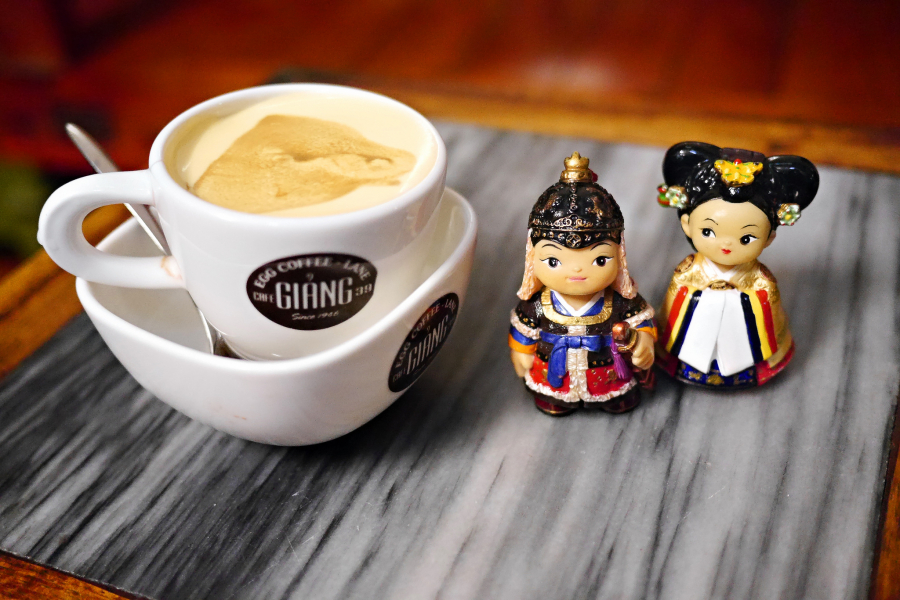
Egg coffee looks very similar to a cappuccino, with a mixture of egg and milk whipped into a light, creamy foam. Many cafes now also offer egg coffee versions with butter and cheese to add a unique twist to this already familiar drink.
"Street coffee culture"
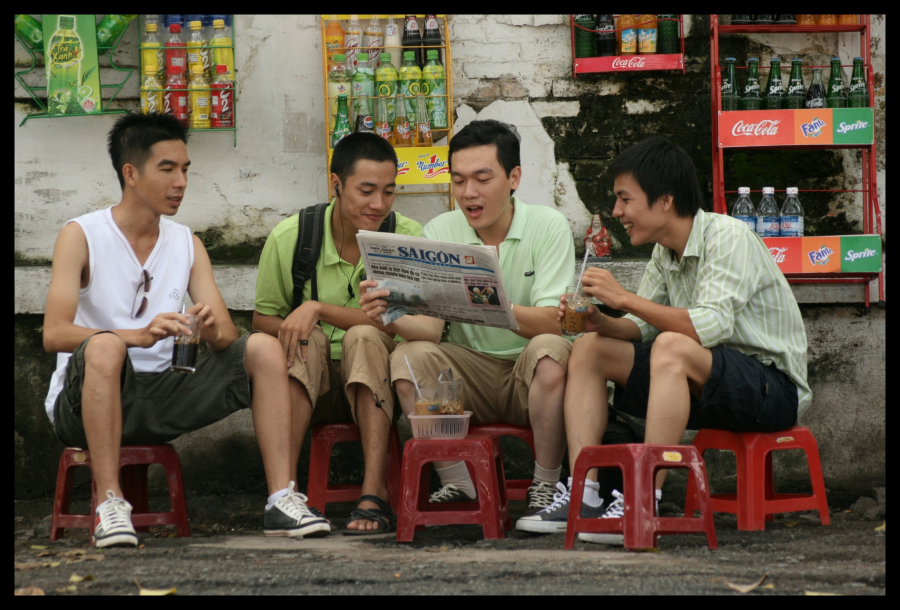
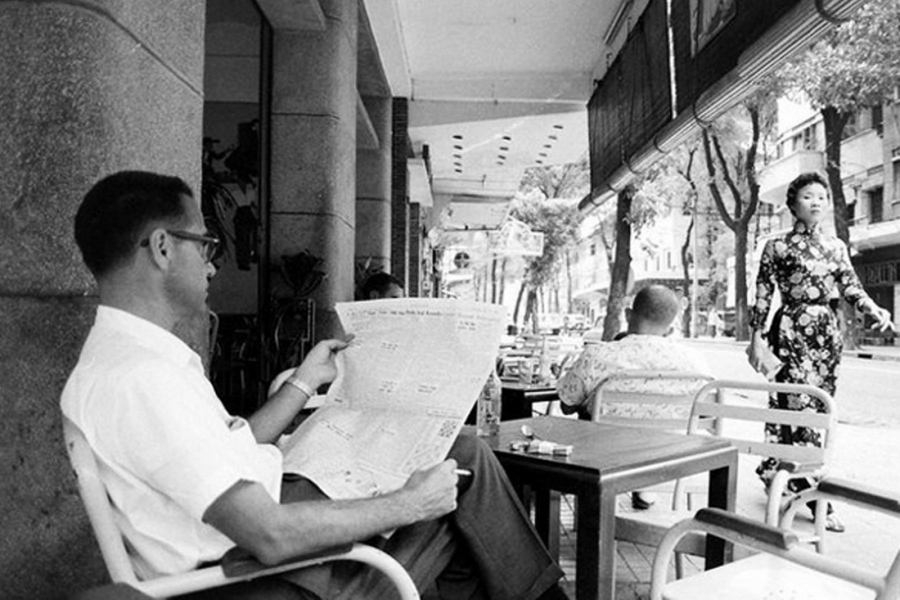
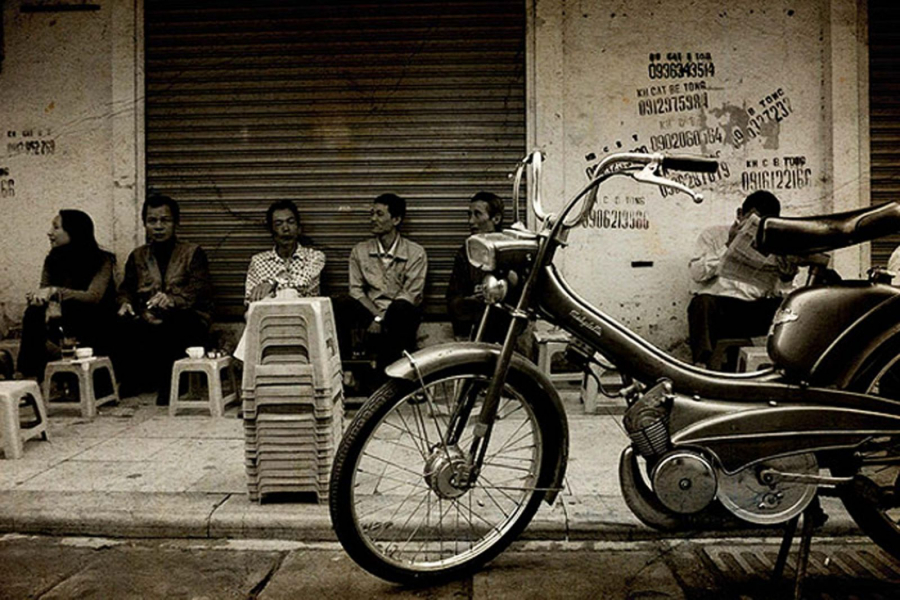
When talking about Vietnamese coffee, it's impossible not to mention the "street-side" coffee culture. The term "street-side" is used to describe small coffee shops nestled on sidewalks, with tiny tables and chairs just big enough to sit in. And whenever the police pass by, these "mobile" coffee shops "jump, jump, and jump." This somewhat humorous image has unexpectedly become a unique coffee-drinking culture, deeply ingrained in the minds of Vietnamese people for generations. As a characteristic signal, one can see a well-dressed civil servant sitting next to a casually dressed motorbike taxi driver when entering these "street-side" coffee shops.
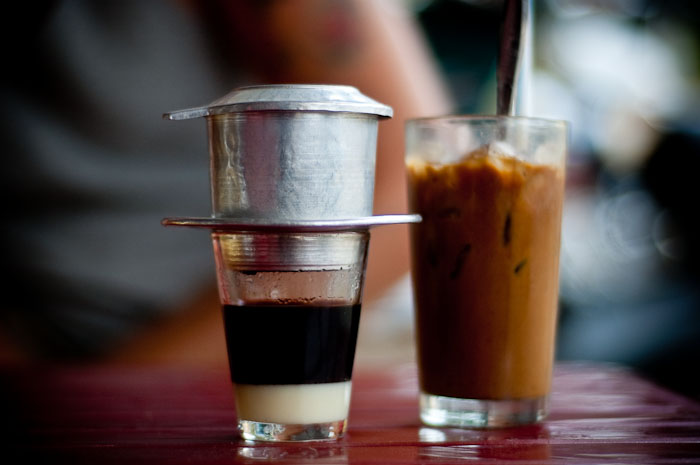
On many streets in Saigon and Hanoi, it's not difficult to find nameless coffee shops, with a few small wooden chairs arranged haphazardly, enough for people to sit or use as tables for a couple of cups of coffee. Vietnamese people love these "street coffee" stalls not only because of their affordable prices, friendly atmosphere, and convenience, but largely due to habit and the need to gather information. People can sit for hours, sipping coffee with friends, even strangers, just to chat about a few things...
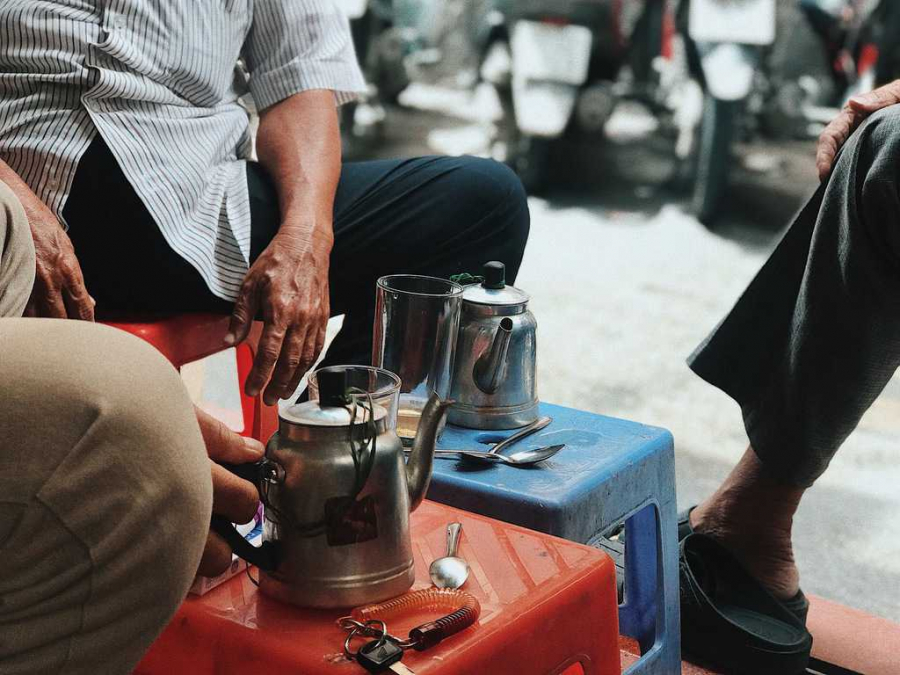
And whether in upscale cafes, quiet street corners, or bustling thoroughfares, sitting with a cup of coffee, one unconsciously finds inner peace.
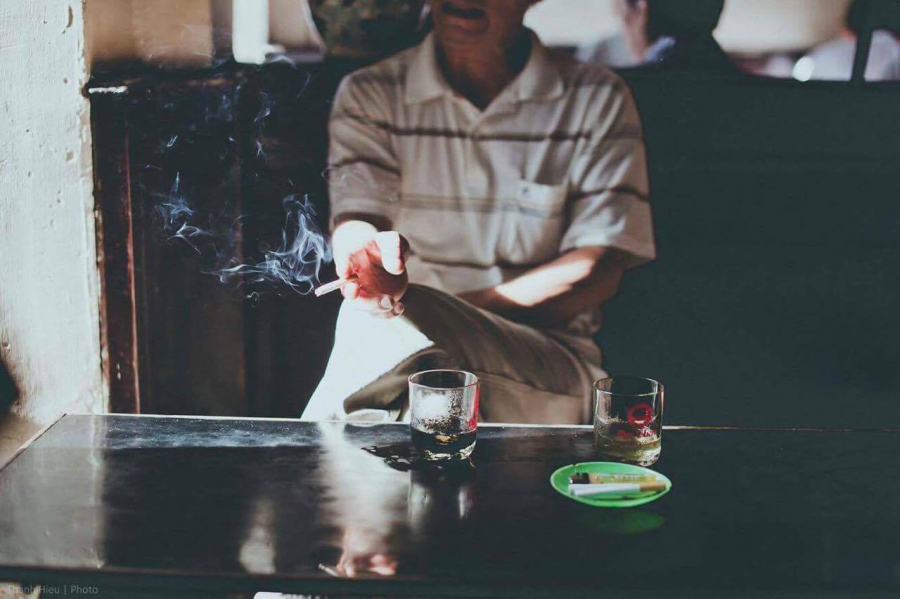
Now, with the influx of global coffee giants into Vietnam, concerns are rising about the decline and disappearance of authentic Vietnamese coffee. However, one thing is certain: anything deeply rooted in culture and history is unlikely to be shaken by fleeting, unfamiliar flavors, especially when the rich, distinctive taste of Vietnamese coffee is so captivating and unique.






_result.jpg.jpg)


_result.jpg.jpg)