VI
VI


Hanoi in the past was understood as the capital city, a marketplace with a rich cultural heritage, and also the birthplace of traditional craft villages and bustling trade. Therefore, this land created its own unique culinary style with delicious and distinctive treats. These traditional Hanoi treats were often sold by street vendors throughout the city's streets and alleys. The vendors, mostly women, typically wore traditional brown four-panel dresses, headscarves, their lips stained black with betel nut, their teeth perfectly black and even like betel nut seeds, and they hurried along every street and corner with their carrying poles, baskets, and trays…
Hanoians are very discerning when it comes to snacks; some can be enjoyed year-round, while others are only eaten seasonally. When mentioning these "timeless" treats in Hanoi's autumn, two famous specialties that have become "brands" of this capital city cannot be overlooked: Vong village's green rice flakes and ripe sấu fruit.
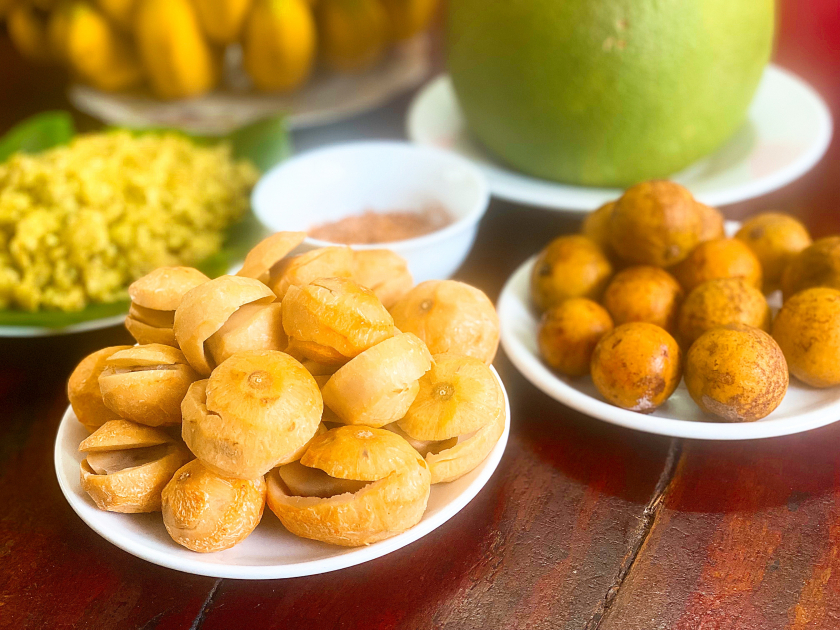
If you ever have the chance to visit the capital city, you can't miss the green rice flakes and ripe star fruit.
The delicate aroma of young rice flakes has lingered from the past to the present.
Vong Village's green rice flakes (Com Lang Vong) are a specialty of Vong Village, formerly known as Hau Hamlet, Dich Vong Commune, Tu Liem District, now Dich Vong Hau Ward, Cau Giay District, Hanoi. According to the legend told by the village elders, Vong Village's green rice flakes were born by chance one autumn, thousands of years ago. Just as the rice plants were beginning to bend, heavy rain and strong winds struck, dikes broke everywhere, and even the highest rice fields were submerged in floodwaters. The villagers of Vong had no choice but to wade through the water to harvest the unripe rice stalks, roast them, and eat them to stave off hunger. Unexpectedly, this makeshift product had a unique and appealing flavor, leading the villagers to make it for enjoyment during autumn. Gradually, their green rice flakes became a tribute and gained widespread fame.
Vong Village's green rice flakes are a specialty made from young glutinous rice, undergoing processes such as harvesting, soaking, roasting, and pounding before being sifted to produce many delicious varieties of green rice flakes famous in Hanoi. The best are green rice flakes wrapped in tamarind leaves or grated green rice flakes, while more common varieties include grated green rice flakes from the sieve or aged green rice flakes... These green rice flakes remain a favorite gift for many, purchased only in the autumn for the whole family to enjoy.
A distinctive feature of Vong village's green rice flakes is that vendors often wrap them in two layers of leaves: the inner layer is fresh taro leaves to ensure the rice flakes don't dry out, and the outer layer is lotus leaves that retain their fragrant aroma, tied with strands of sticky rice straw, giving the dish a unique and refined Hanoi character.
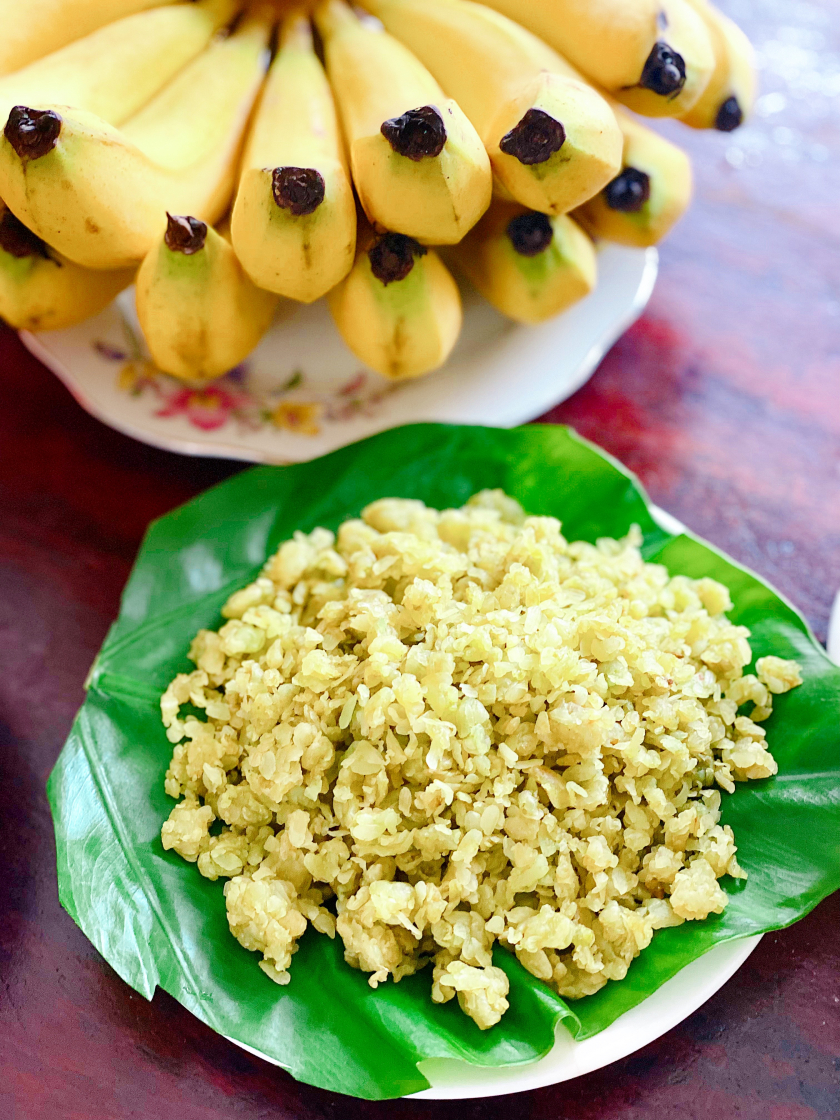
Green rice flakes with banana and quail eggs is a specialty dish that embodies the flavors of old Hanoi.
When the season for young green rice flakes arrives, Hanoians often eat them with small bananas. The green rice flakes used for this dish are usually those wrapped in tamarind leaves or those with a slightly off-center stem, depending on preference. The bananas served with them must be carefully selected, preferably ripe, pinkish-red bananas with thin skins dotted with small spots, often likened to the color of a quail's egg.

To enjoy this dish in the authentic Hanoi style, both men and women must break the banana in half, peel it, and then dip it in fresh green rice flakes. This combination creates a rich sweetness from the banana blended with the nutty flavor of the green rice flakes, and a subtle, pleasant aroma that evokes a sense of exquisite yet familiar taste. Besides fresh green rice flakes, Hanoians have created many other famous and delicious dishes such as: green rice flake sweet soup, stir-fried green rice flakes, green rice flake sticky rice, green rice flake patties, green rice flake ice cream… Each dish made with green rice flakes is delicious and has its own unique character.
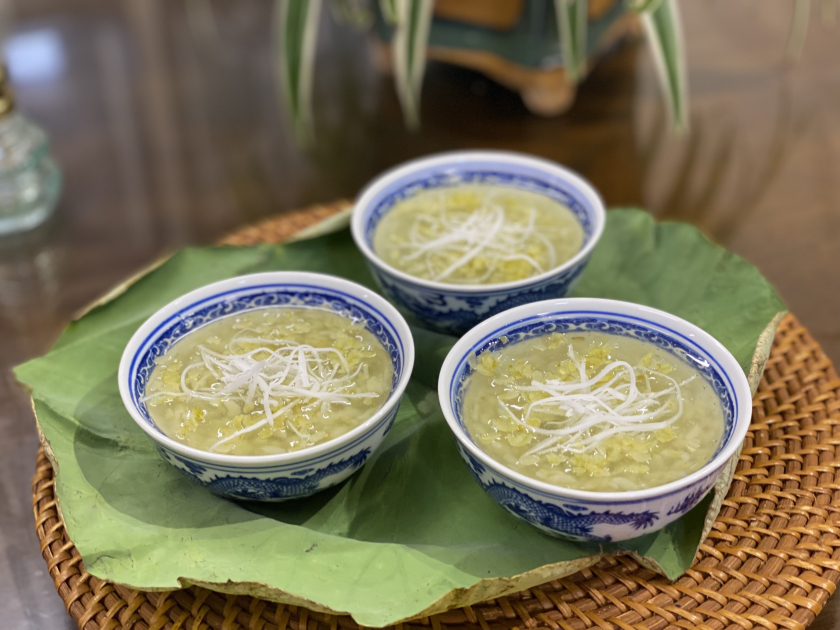
Green rice flakes can also be prepared in many ways, making for a fun and enjoyable snack.
When it comes to dishes made from young rice flakes, perhaps the most special is the young rice flake cake. This cake is a wonderful and sophisticated creation of the women of Hanoi in the past, and it became famous without anyone realizing it. It gradually became deeply ingrained in Hanoi's wedding culture, so on important occasions, young rice flake cake is always chosen as a dowry alongside tea, candied lotus seeds, and betel nuts… The cake is made from fresh young rice flakes, which are then simmered with sugar and flattened to wrap the mung bean and grated coconut filling inside. Authentic young rice flake cake is not overly sweet but has a light, refreshing sweetness, retaining the aroma of the young rice flakes, mung beans, and grated coconut… This dish, like other dishes made from young rice flakes, always delights diners everywhere.
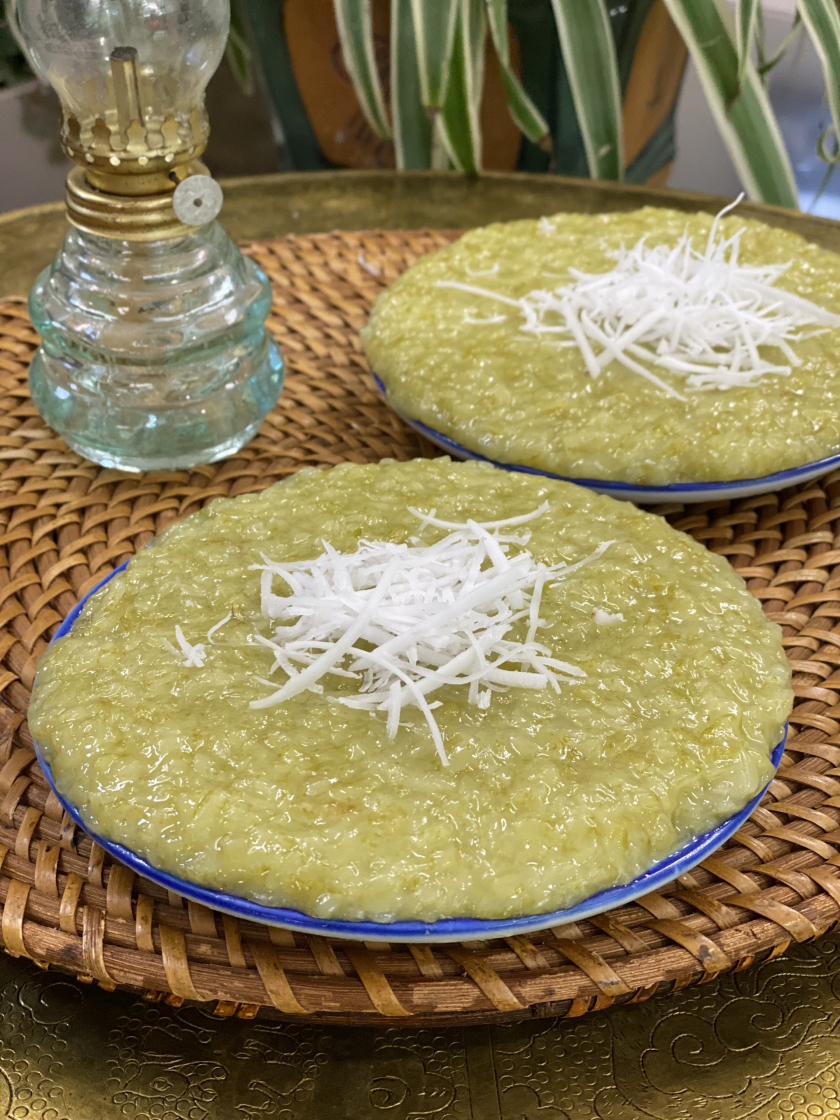
Stir-fried young rice flakes and sticky rice with young rice flakes are treats you should try at least once.
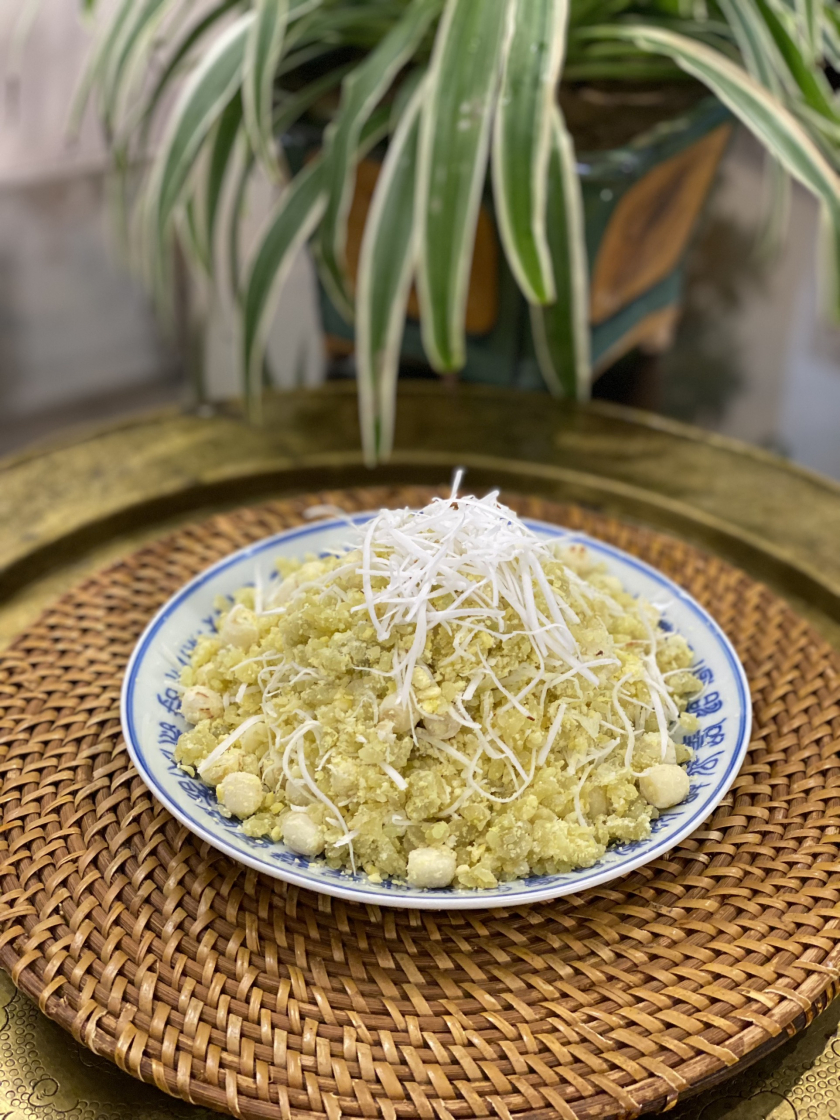
Stir-fried young rice flakes and sticky rice with young rice flakes are treats you should try at least once.
The rich flavor of the sấu fruit has developed over the years.
Although fewer sour plums are grown in Hanoi now, their flavor remains undiminished. Hanoi sour plums are typically large, not astringent, and have a more pronounced sour taste than those from other northern provinces like Thai Nguyen, Lang Son, or Ha Nam. Ripe, bright yellow sour plums are a popular snack, peeled round with the seed still attached, and dipped in chili salt. In the past, ripe sour plums were often sold by street vendors in funnel-shaped paper packets with a small packet of chili salt, not mixed with salt and sugar as they are today. When enjoying ripe sour plums, people dip each piece as they eat to fully appreciate the crispness of the pulp and the tangy, sweet, and sour flavor of this special delicacy.
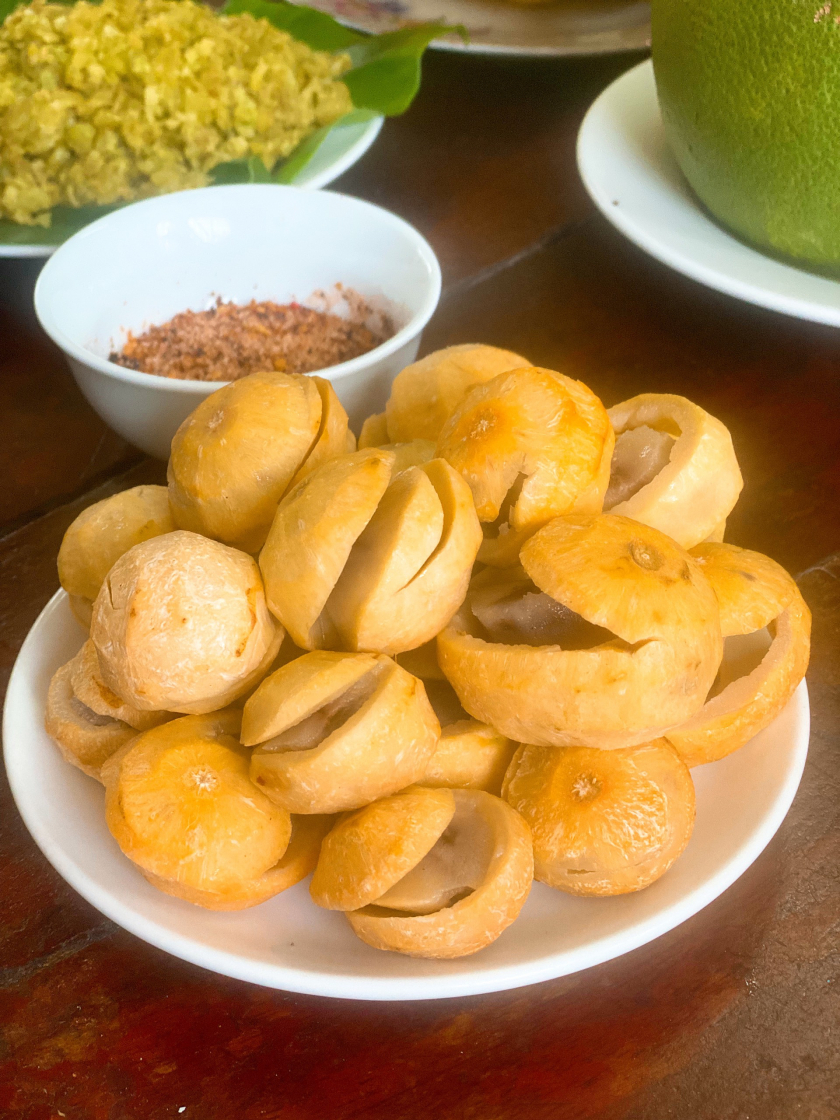
Ripe sấu fruit, when simply dipped in salt, is enough to tantalize the taste buds.
It wasn't until the subsidy period that ripe starfruit was commonly sold in front of movie theaters and cinemas. On the old streets and avenues of Hanoi, along with countless other snacks like candied fruits, sweets, chewing gum, and ripe toad fruit, these treats became indispensable snacks for moviegoers.
The sấu fruit is a seasonal fruit, so many dishes are made from it, such as sấu pickled in sugar, sấu candied, and sấu marinated in fish sauce, to be enjoyed year-round. Sấu pickled in sugar is always a favorite refreshing drink when Hanoi enters summer. The pickled sấu must have just the right amount of sweetness from rock sugar, while still retaining its characteristic sourness and the fragrant, spicy aroma of ginger. Making delicious sấu pickled requires meticulous effort and a few secrets. The finished product should have crisp, plump sấu fruit, not shriveled or mushy, which would be unappetizing. The pickling liquid should not have a film on the surface, should have a fragrant ginger aroma, and a slightly spicy taste. When served, each glass should only contain two or three sấu fruits; drink the liquid to quench thirst and eat the sấu to savor the taste, leaving you wanting more.
Sour plum candy (O Mai Sau) is a unique Hanoi delicacy, rarely replicated elsewhere. They select fresh, ripe sour plums with slightly dark skins for the best flavor; overly unripe plums spoil easily, while overly ripe ones lack sourness. The plums are cleaned, then sun-dried, blanched in boiling water, and stir-fried with sugar until they turn a brownish color like honey. Ginger is then added and stir-fried until the skin tightens and the ginger coats each plum. The finished product is then sweet, sour, and spicy, with a rich flavor that lingers on the tongue.
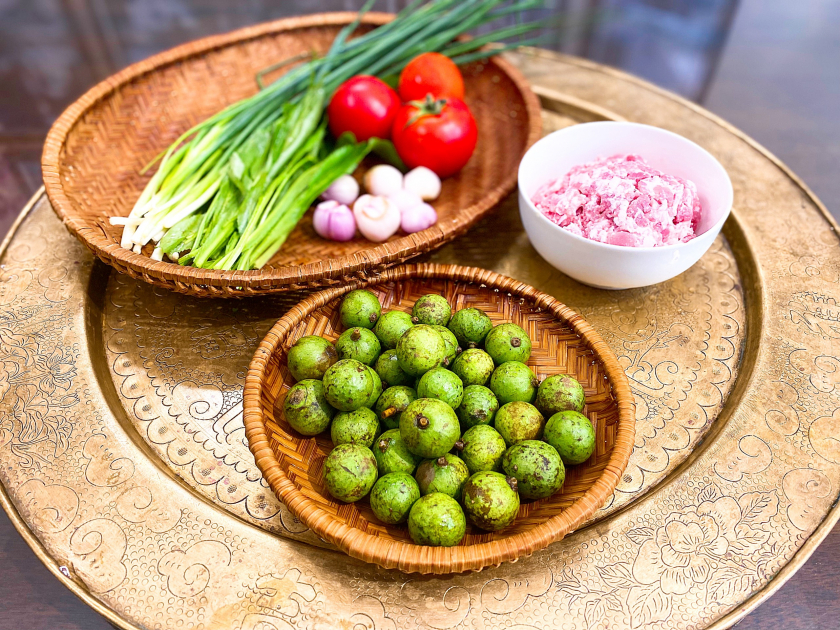
Summer is also the season for sour plum soup.
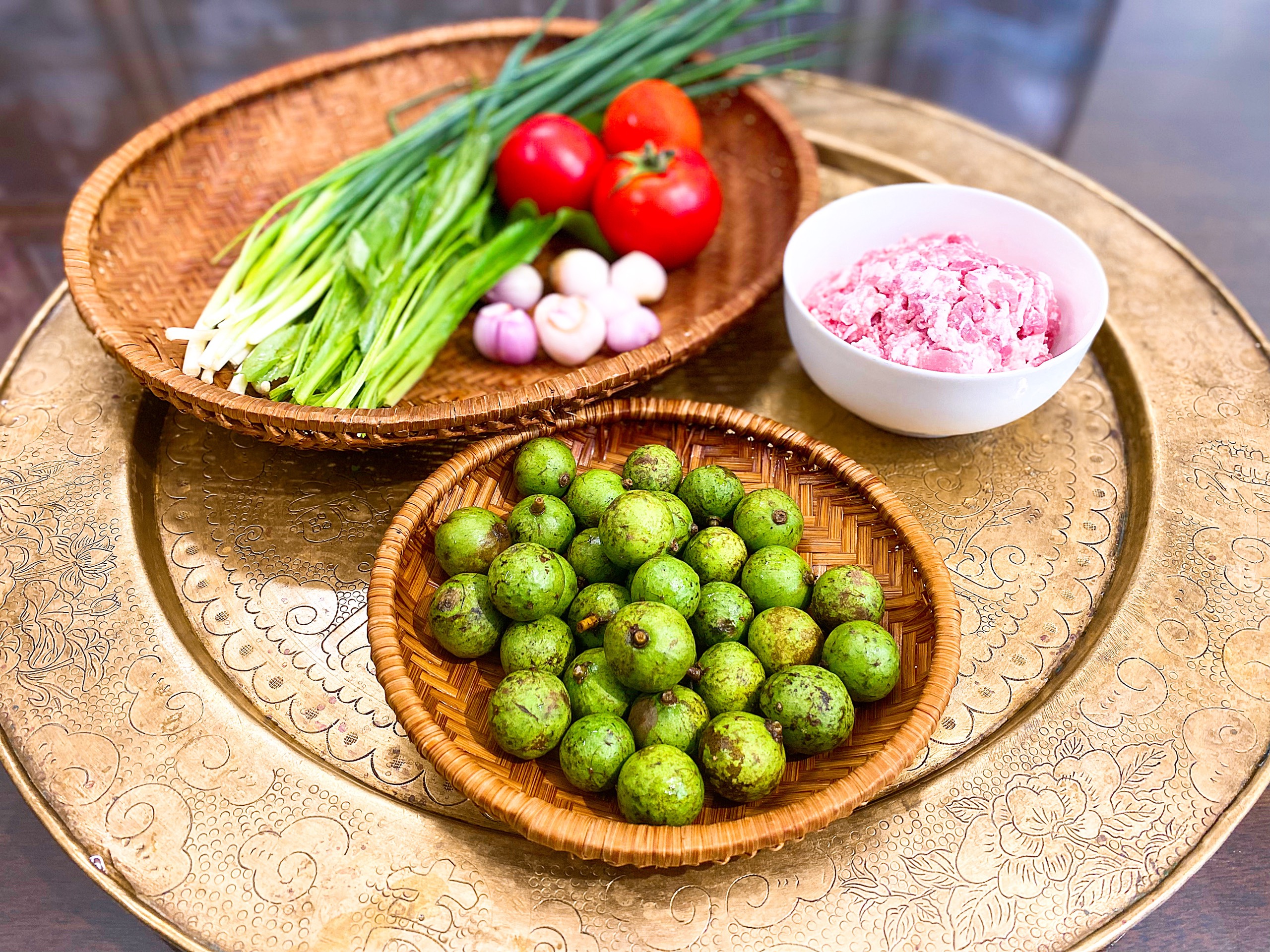
Besides dishes like pickled star fruit or candied star fruit, Hanoians also use star fruit to make soup. The star fruit used for soups must be of the "medium" variety – not too old, not too young – to have the characteristic sour taste. Skilled Hanoi housewives usually only use star fruit to add sourness to soups made with pork or pork ribs, never with fish or seafood. During seasonal changes, when one feels a bit lethargic, enjoying a bowl of vermicelli soup with pork ribs and star fruit is truly delightful!
Nowadays, while many regions across the country produce green rice flakes and even pickled star fruit, these treats should still be enjoyed in Hanoi during autumn to fully appreciate their unique flavors and characteristics. Hanoi's autumn is often the most beautiful season, more beautiful than any other, and it's also the time that easily stirs emotions and evokes nostalgia. When visitors from all over have the opportunity to visit the capital city, they should definitely take the time to try a packet of fresh green rice flakes and some ripe star fruit to experience the distinctive flavor of Hanoi from long ago.
*This article was written with input from expert in restoring traditional cuisine and chef Nguyen Phuong Hai.
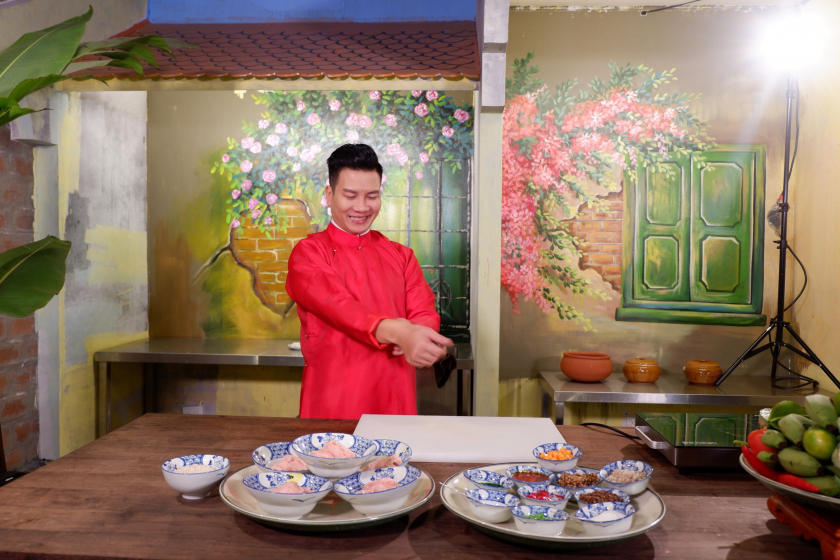
Chef Nguyen Phuong Hai, an expert in reviving authentic, traditional Vietnamese dishes.