VI
VI


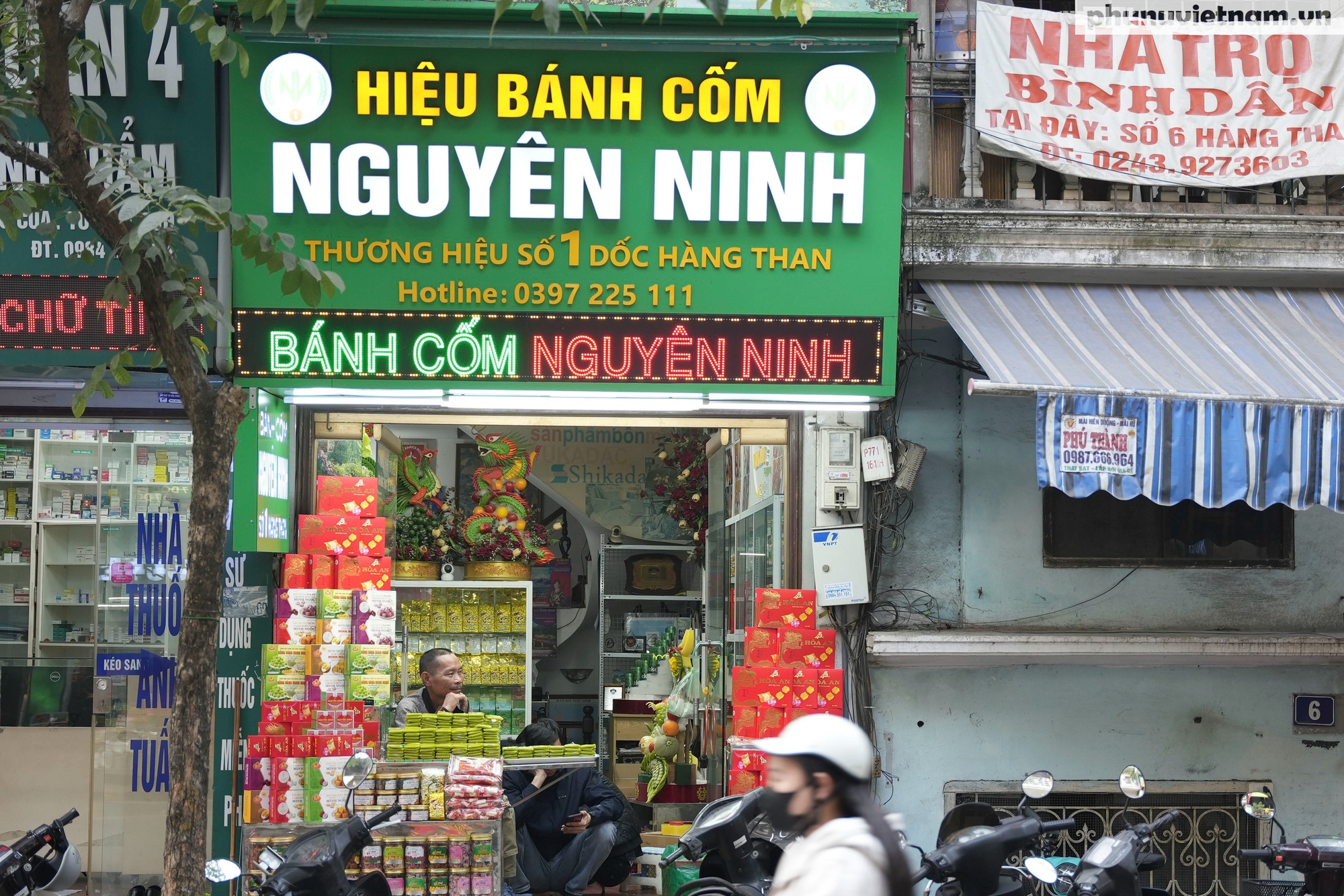
Those who are passionate about and love Nguyen Ninh sticky rice cakes – a familiar brand in Hanoi for a hundred years – may no longer be able to enjoy these cakes, as the establishment has temporarily closed to address violations related to food safety and hygiene.

Previously, the Hanoi City Inter-agency Food Safety Inspection Team No. 1 conducted a surprise inspection at the Nguyen Ninh rice cake facility. During the inspection, the team noted numerous violations related to the storage of raw materials and hygiene in the processing area.
An iconic sticky rice cake shop in the heart of Hanoi.
To date, Nguyen Ninh sticky rice cakes have been passed down through six generations. The secret recipe is preserved as a family heirloom, passed down discreetly only to descendants within the family. The story of the first sticky rice cake made at 11 Hang Than Street in 1865 remains a topic of curiosity and interest.
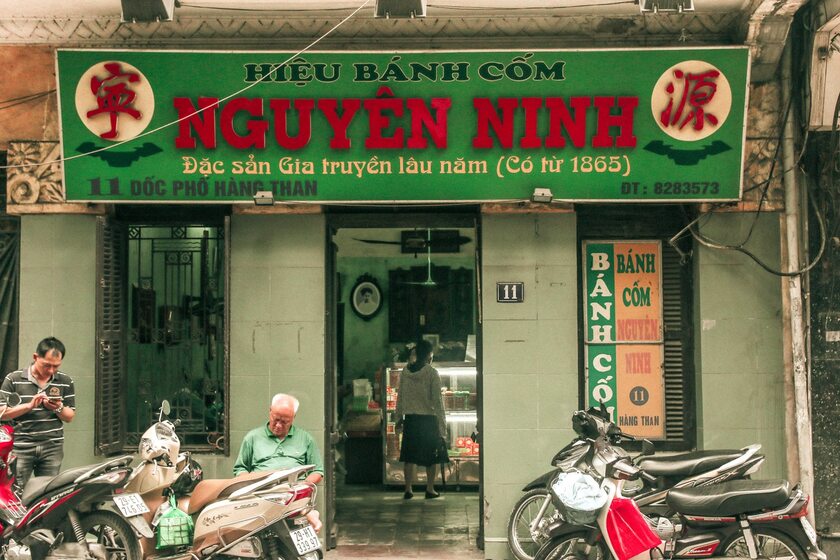
There was a time when Nguyen Ninh sticky rice cake shop at 11 Hang Than Street was a familiar address for Hanoians.
Since 1865, the Nguyen Ninh sticky rice cake shop has existed and has since become an indispensable part of this land of thousand-year-old culture. The ancestor of the Nguyen Duy family was the first to make sticky rice cakes. The name Nguyen Ninh means "Originally Yen Ninh village" - the birthplace of sticky rice cakes, because Hang Than street used to belong to Yen Ninh village, Yen Thanh district, in the outskirts of Hanoi.
With its distinctive and delicious flavor, a harmonious blend of the delicate sweetness of sugar, the richness of coconut, and the nutty aroma of glutinous rice flakes, Nguyen Ninh glutinous rice flake cake has won over countless discerning diners. Many customers have praised Nguyen Ninh glutinous rice flake cake, saying that with each bite, the delicate sweetness of sugar blends with the fragrant aroma of glutinous rice flakes, melting on the tongue and creating an indescribable sensation. The sticky, chewy rice flakes, never crumbly, are tightly packed with the rich, creamy mung bean filling, creating a surprisingly harmonious whole.

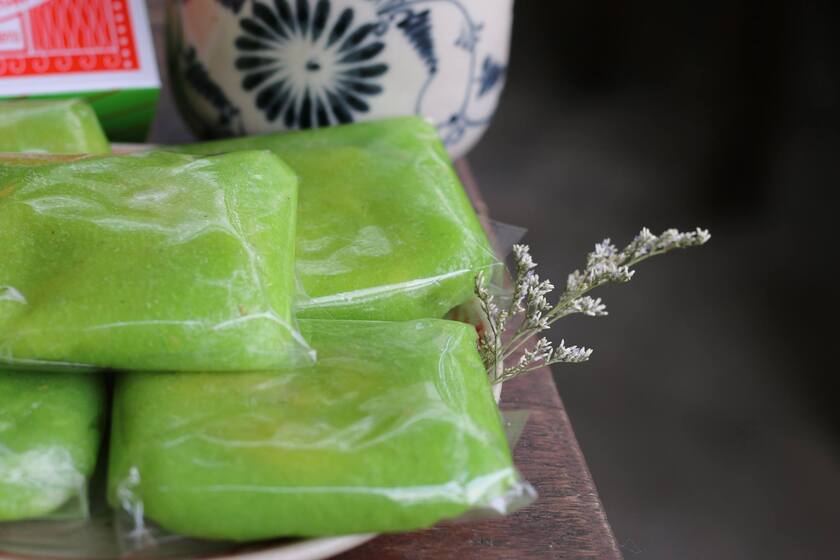
The taste of the cake evokes fond memories for visitors from all over the world when they come to the capital.
Despite being a registered and licensed brand since 1994, Nguyên Ninh sticky rice cakes are still counterfeited and imitated in many places, even right on Hàng Than street.
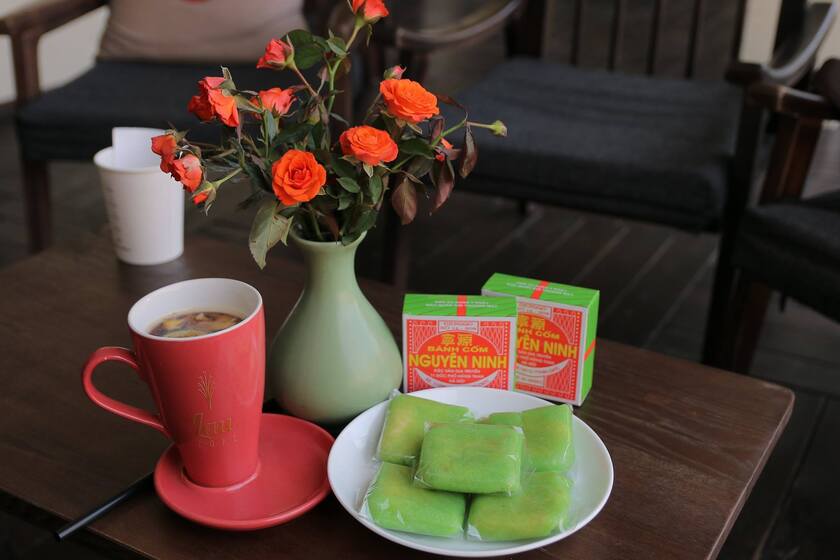
This is also a characteristic item used in many formal occasions such as engagement ceremonies, weddings, and celebrations, and is chosen as a special gift to give to friends and relatives.
However, Mr. Nguyen Duy Anh, representative of the "authentic" Nguyen Ninh sticky rice cake brand, stated that to date, the store only has one location at 11 Hang Than Street; it has been granted a trademark registration certificate by the Intellectual Property Office and has been licensed to operate in accordance with the law. This establishment does not sell online or through e-commerce platforms. Buyers usually come directly to the store at 11 Hang Than Street or hire a delivery service, but they always place orders in advance by phone.
Century-old brand "falls from grace" due to unethical practices.
Famous for decades, it seemed that Nguyen Ninh's biggest incident revolved around the issue of plagiarism. However, recently, the suspension of its production facility due to serious violations of food safety and hygiene regulations has dealt a severe blow to consumer trust. Could it be that rapid success has made Nguyen Ninh complacent, disregarding food safety regulations?
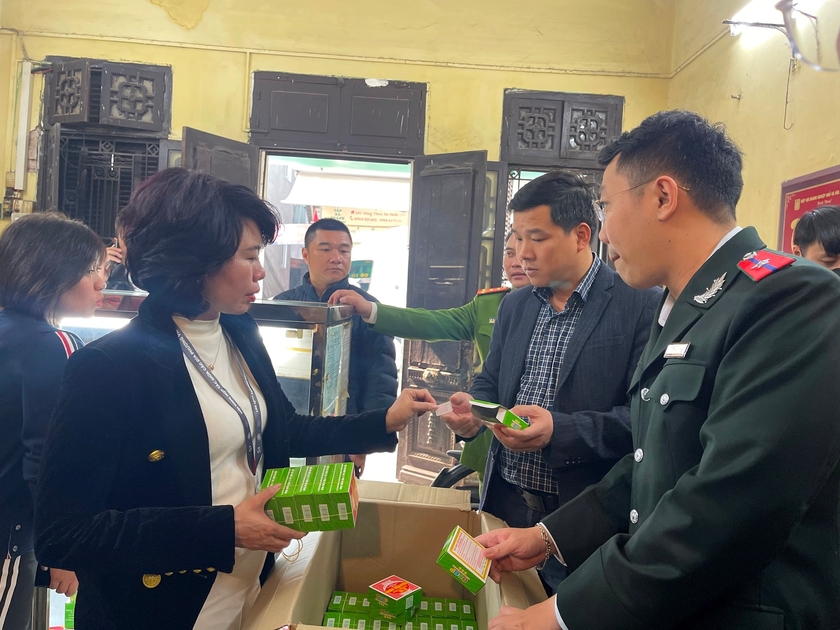
The inter-agency inspection team on food safety in Hanoi City inspected the labels of Nguyen Ninh sticky rice cakes.
According to the inspection team's findings at the site, the production area of this facility was repurposed from a family's kitchen, lacking separate zones, haphazardly arranged, and in a severely dilapidated condition. The floor of the production area was peeling, damp, and moldy, with open drains filled with accumulated waste. The inspection team also discovered clothes being dried directly in the processing area, and production equipment was dirty due to a lack of regular cleaning.
Notably, the toilet was located right next to the food preparation area. Insects and animal droppings were also present in the production area. The raw materials were not stored properly. Sacks of dried rice flakes, the main ingredient for making rice cakes, were stacked right by the entrance, next to a damp, moldy wall.
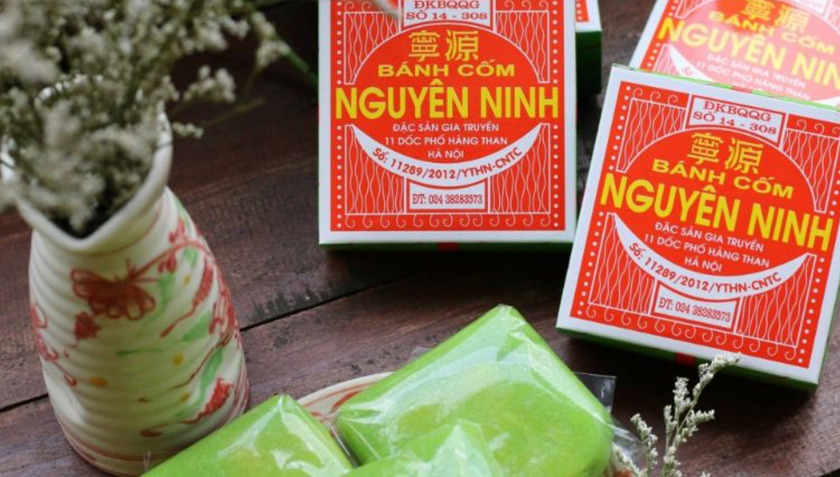
The establishment also failed to provide documentation proving the origin of all ingredients, food additives, and packaging materials that come into direct contact with food.
Meanwhile, the establishment failed to present documents proving the origin of the ingredients, food additives, and packaging that come into direct contact with food. The inspection team discovered that the owner and five employees did not have health certificates or confirmation of food safety training. In addition, the labels on the rice cakes did not comply with regulations on product labeling and did not match the product declaration.
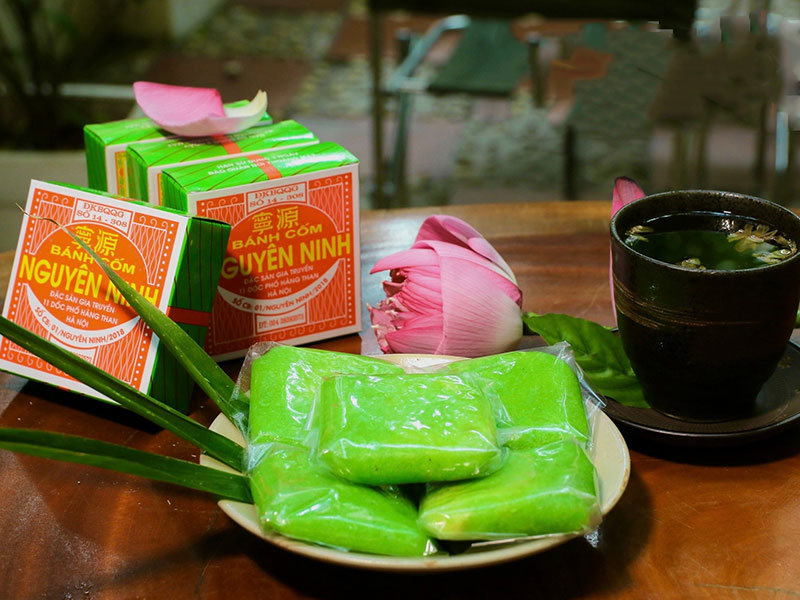
Numerous social media posts from this establishment also assert that their rice cakes are of guaranteed quality, meet food safety and hygiene standards, contain no additives or preservatives, and retain their traditional flavor.
Following these violations, the inspection team requested the facility to temporarily suspend all production activities to rectify the shortcomings; at the same time, the Ba Dinh District Food Safety Steering Committee was tasked with continuing to work with the facility to thoroughly address the violations and report the results before January 10th.
This incident highlights the need for even long-established and well-known brands to prioritize food safety and hygiene. Consumers should be especially careful in choosing products with clear origins and complete labeling, and avoid establishments showing signs of hygiene violations to protect their own health and that of their families.