
 VI
VI


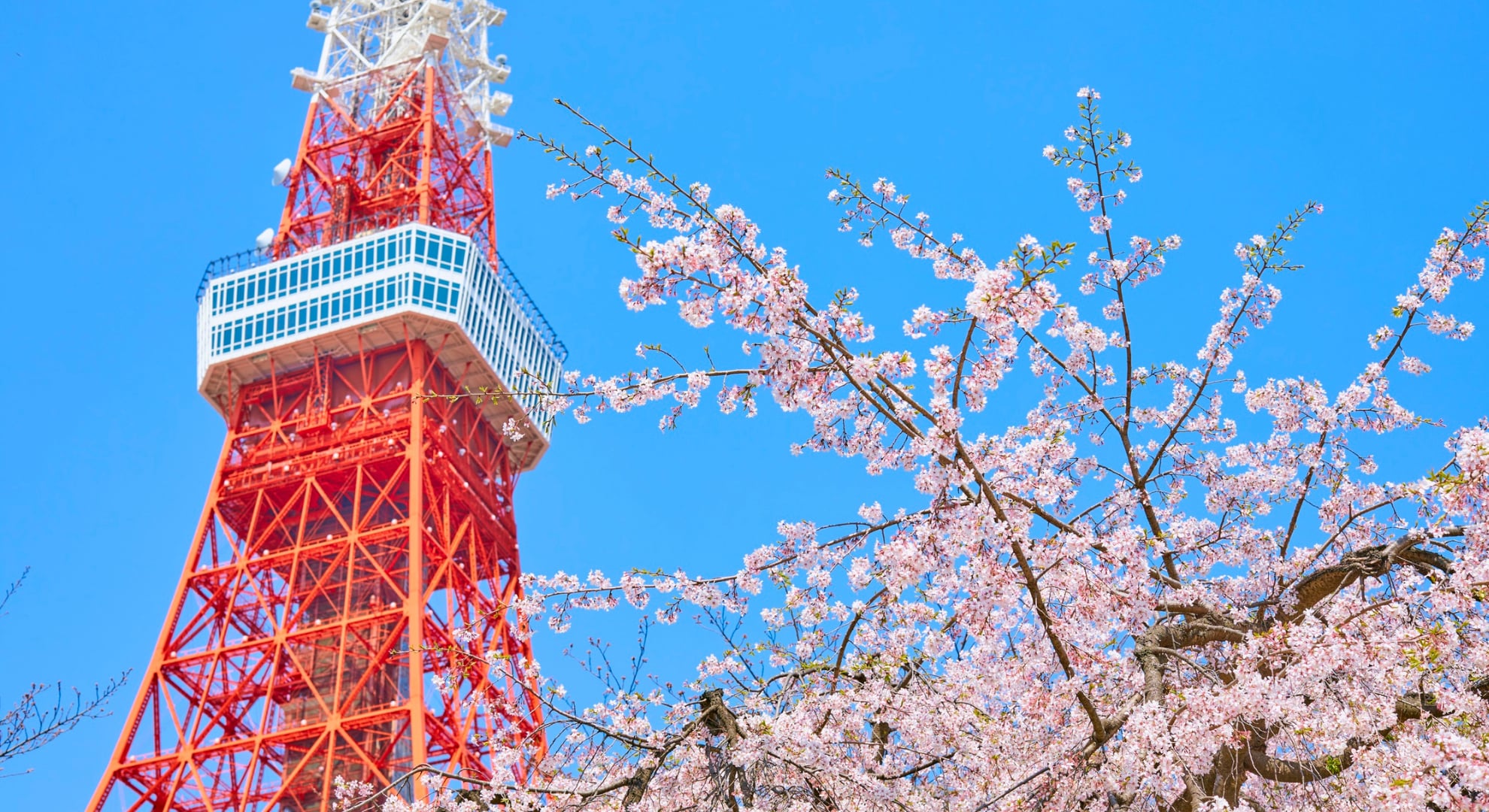
The concept of a livable city has profoundly changed in recent years. Instead of focusing solely on macro figures like GDP or tax revenue, urban planners and the international community are placing emphasis on the genuine well-being of its residents.
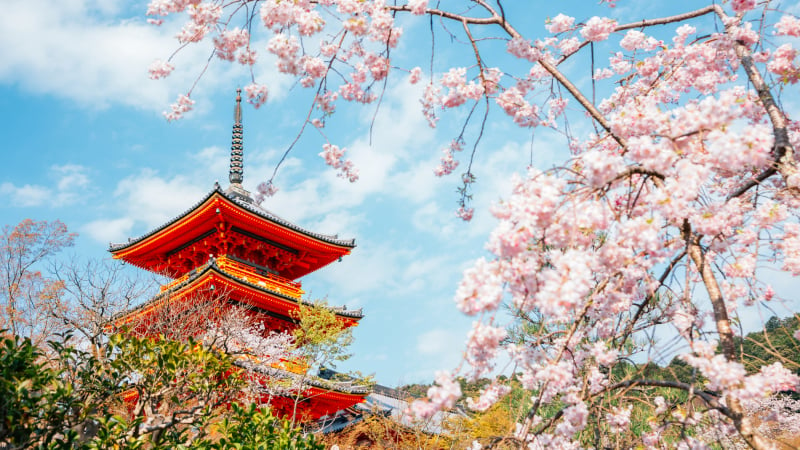
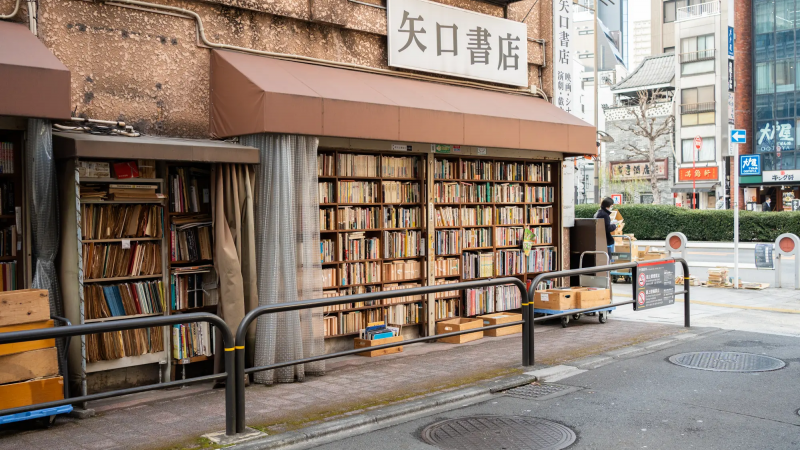
According to the prestigious annual ranking recently published by Monocle magazine (UK), the list of the 10 cities with the best quality of life in the world also includes prominent names such as Copenhagen (Denmark), Lisbon (Portugal), Vienna (Austria), Sydney (Australia), Zurich (Switzerland), Madrid (Spain), Paris (France), Munich (Germany) and Oslo (Norway).
Tokyo, a safe haven and a cultural tourist destination.
Tokyo is not merely a global economic hub; it has established itself as a distinct metropolis where stability, security, and discipline create an ideal living environment. For international visitors, Tokyo is a must-see destination, where you can feel completely safe from the moment you arrive.
Images of children confidently walking to school alone, or large-scale events taking place weekly in an unusually peaceful atmosphere, have become a trademark of the capital of the land of cherry blossoms.
The record-low crime rate here isn't the result of strict surveillance, but rather stems from community awareness and behavioral norms instilled from childhood. Tokyo residents are accustomed to maintaining silence on public transport and patiently queuing at subway stations, creating a "symphony" of respect that allows visitors to easily integrate into the city's civilized lifestyle.

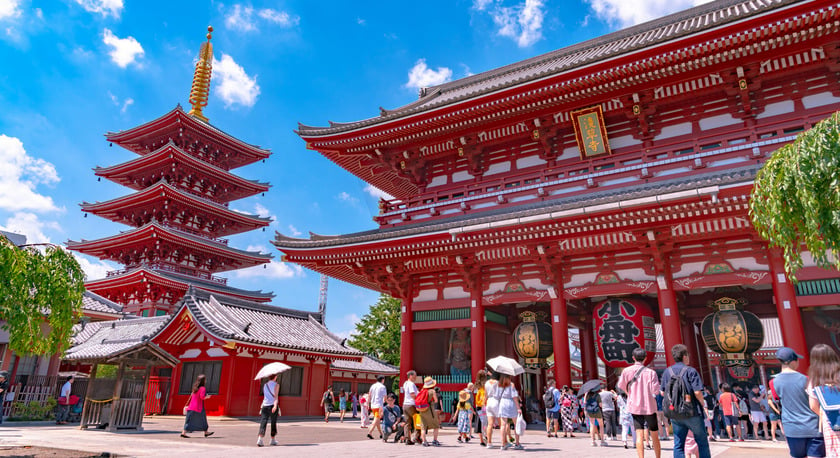
Tokyo maintains its unique status as a metropolis thanks to its stability, tranquility, and high level of security.
Furthermore, Tokyo's urban management capabilities and service capacity offer a valuable lesson for any nation striving for sustainable development. With 37 million people in its expansive metropolitan area, the public transportation system remains remarkably efficient, with 57% of residents choosing to travel by public transport and 13% using bicycles.
For travel enthusiasts, the subtleties of Japanese culture are clearly demonstrated through the service style at restaurants, where oshibori (wet towels) and complimentary water or green tea are always available before meals, creating a deeply positive impression.
Despite being a bustling metropolis, Tokyo still preserves 20% green space, providing a necessary balance between skyscrapers and idyllic natural areas. The city's international airport, with connections to 120 international destinations, is the perfect gateway for visitors to explore a modern Tokyo that is still rich in traditional values.
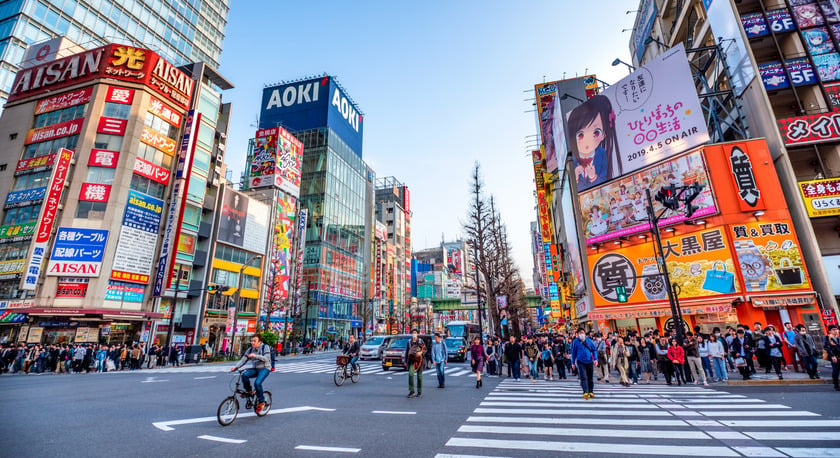
A place where community spirit and modern infrastructure create a harmonious environment for over 37 million urban residents.
Looking at the other cities on the list, we see interesting highlights that are very appealing to travel enthusiasts. Copenhagen is famous for its "repetitive urbanism," prioritizing pedestrians and waterfront landscapes, creating a wonderfully relaxing space for anyone seeking peace. Lisbon is striving to revive classic tram lines combined with electric bicycles to conquer hilly terrain, offering a poetic travel experience. Vienna continues to uphold its social housing program from the 1920s, while also being a center for world-class cultural and artistic events.
All these cities are assessed within an expanded metropolitan area, where socio-economic influence extends to satellite cities, creating a synchronized and efficient ecosystem. Owning a living space that meets international standards is no longer just a matter for developed countries, but a testament to a people-centered governance philosophy.
With core criteria such as safety, connectivity, and green spaces, Monocle's ranking is not just an award, but also a guide for the future development of cities.
For those seeking an ideal place to live or a perfect destination for their travels, the names on this list offer the most complete answer to a high-quality, sustainable, and happy life. With the right investment, these cities truly become "homes" in the truest sense, nurturing the future for generations and inspiring those passionate about exploring the world.












