VI
VI


These are the dishes that nourished us as we grew up, ingrained in every cell of our skin, every strand of hair; nothing can replace them, and they will always hold the number one spot in every culinary ranking we've ever achieved. No matter where we live, no matter how appealing the foreign cuisine may be, I believe that people will remain loyal to and cherish the dishes unique to their homeland.
Amidst life's vicissitudes, your worldview may change, but the taste of your hometown food remains unchanged in your mind. It's a part of who you are, revealing who you are and where you come from.
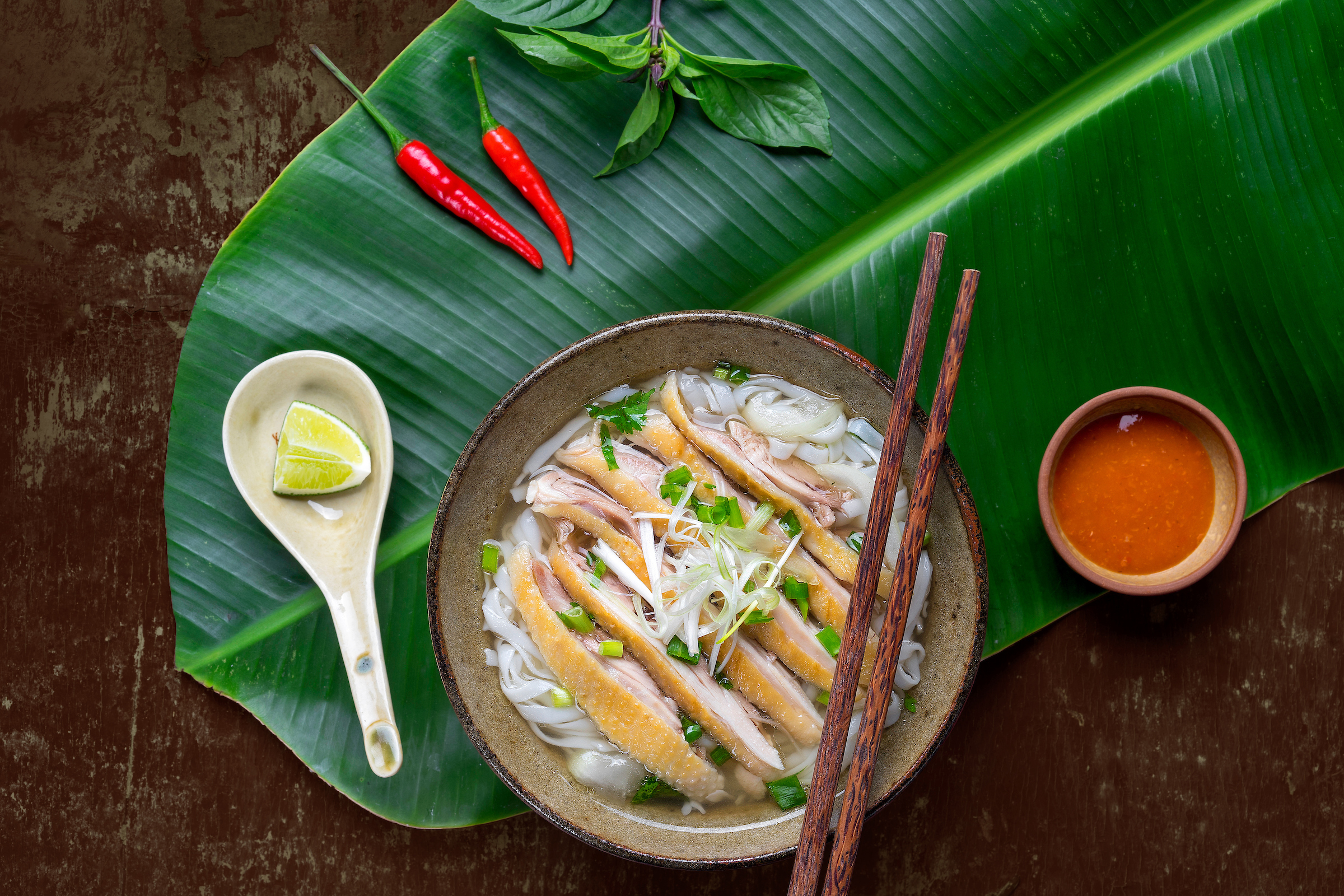
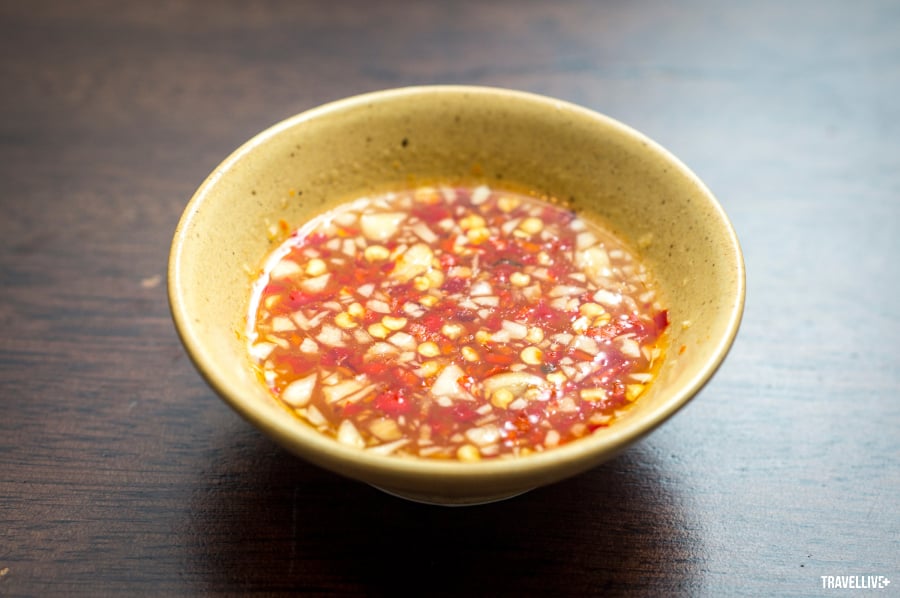
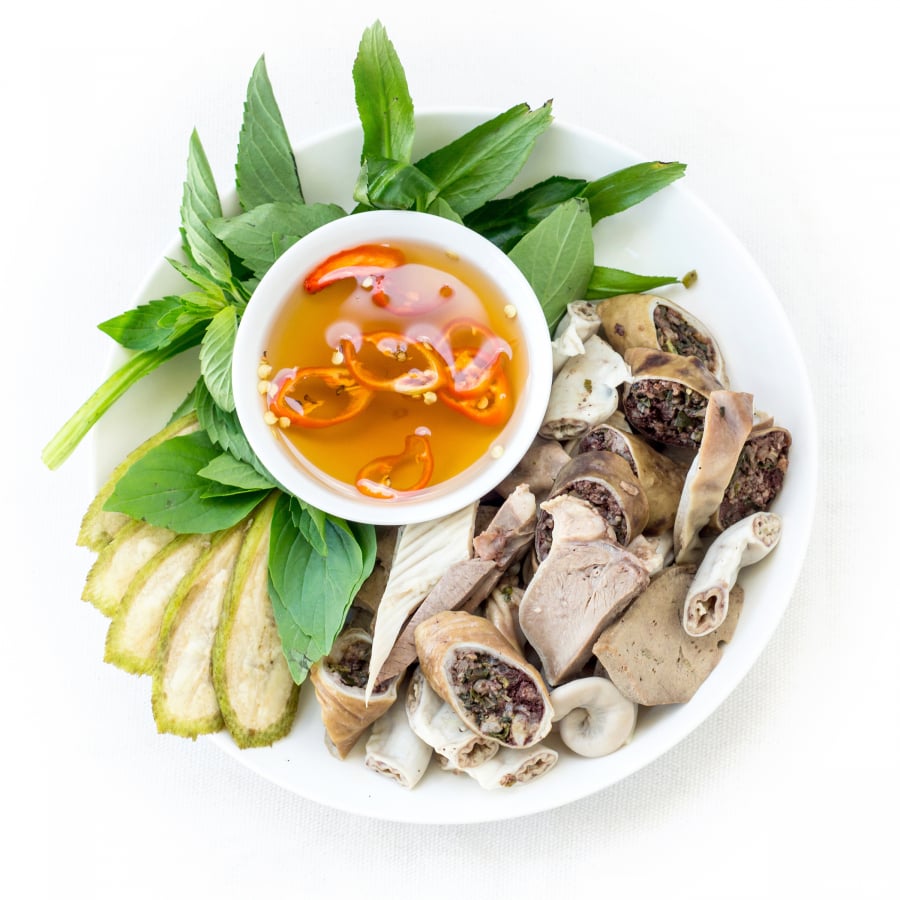
As Vietnamese people, each region has its own culinary pride. For example, Hanoi has pho, Hue has bun bo (beef noodle soup), and Quang Nam has mi Quang (Quang Nam noodles). But these delicious dishes would be incomplete without fish sauce. This golden, honey-like, and pungent liquid, when added to cooking or as a dipping sauce, enhances the aroma of the food. Fish sauce has a "curse": no matter how rich you are or how many delicacies you've tasted, your soul will still find it hard to escape a bowl of fish sauce. With its long, rich coastline, nature has gifted the Vietnamese people an abundant and diverse source of seafood. Each coastal region offers a different flavor of seafood, and therefore, fishing villages have their own unique fish sauce recipes, giving Vietnamese fish sauce a whole world of stories to tell.
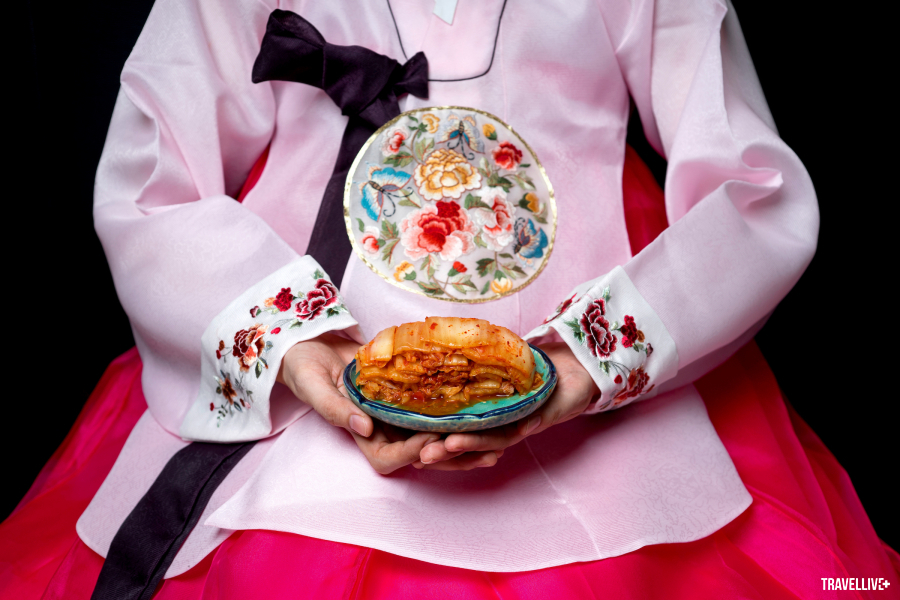
To understand Korean culture, cross the Kimchi Bridge and lightly coat your stomach with their national treasure. With a rapidly developing film industry worldwide, Koreans have been incredibly successful in promoting their culinary culture and kimchi through films of all genres – I haven't seen a Korean film that doesn't feature at least one eating scene. In films, housewives often compete to pickle various types of kimchi – radish kimchi, cabbage kimchi, cucumber kimchi… and then share and taste them. Perhaps Korean actors and actresses have to practice their expressive eating techniques extensively; handsome men and beautiful women scoop up kimchi with gusto, their mouths forming beautiful shapes as they chew, making viewers crave it. Tables are usually overflowing with dishes interspersed with different types of kimchi – or even if it's just instant noodles, there must be a plate of kimchi to accompany them.

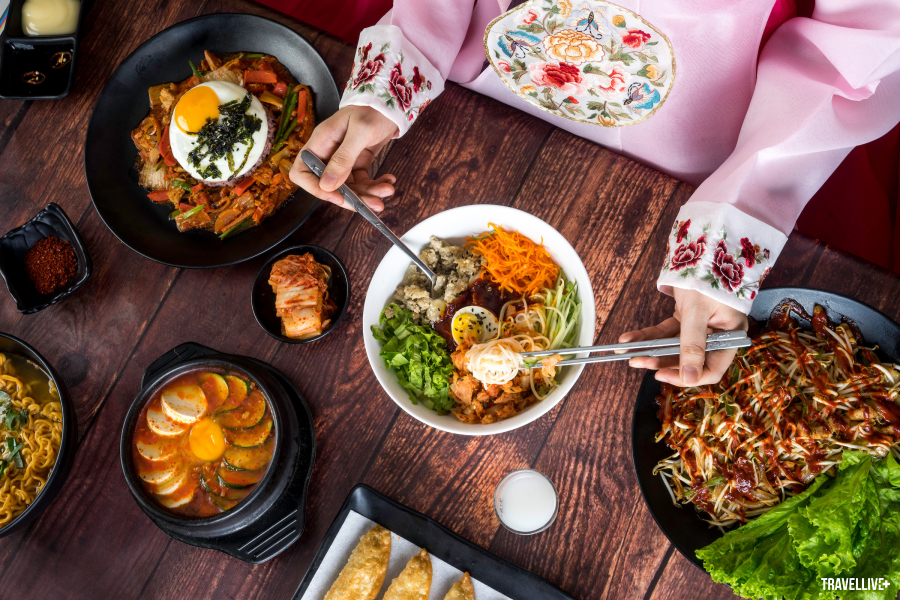
Nowadays, Koreans travel far and wide for work, and wherever they go, there will be supermarkets and Korean-style restaurants to satisfy their traditional spicy and sour palates.
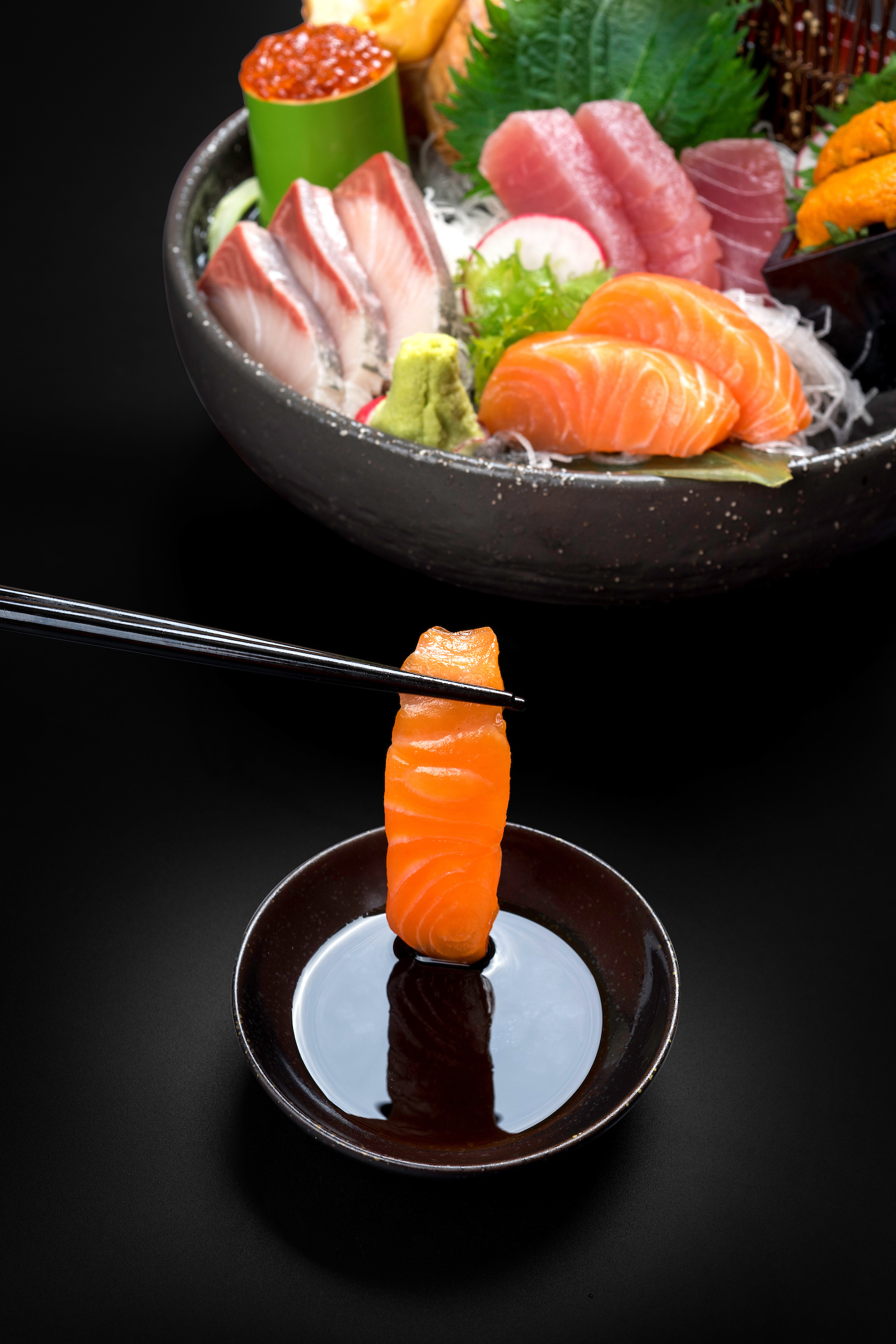
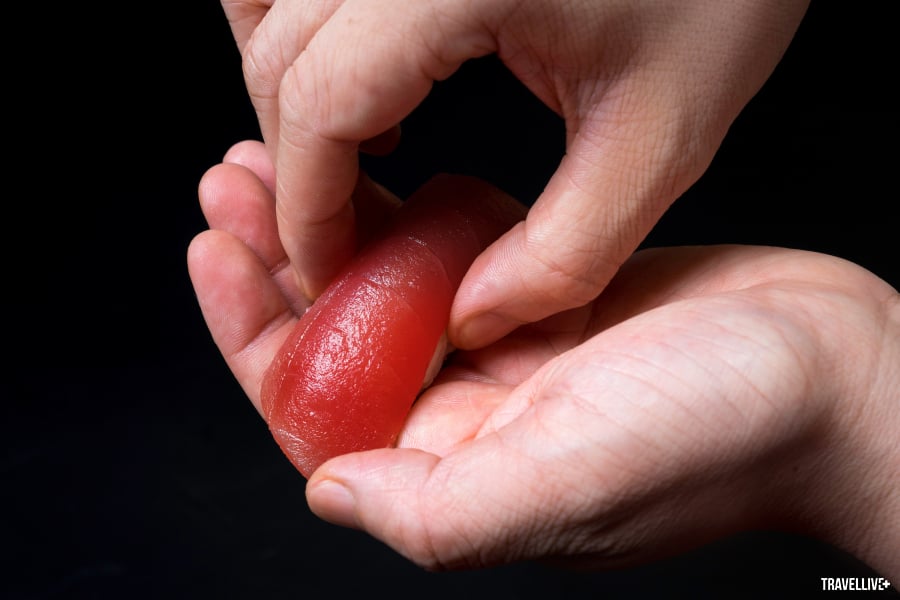
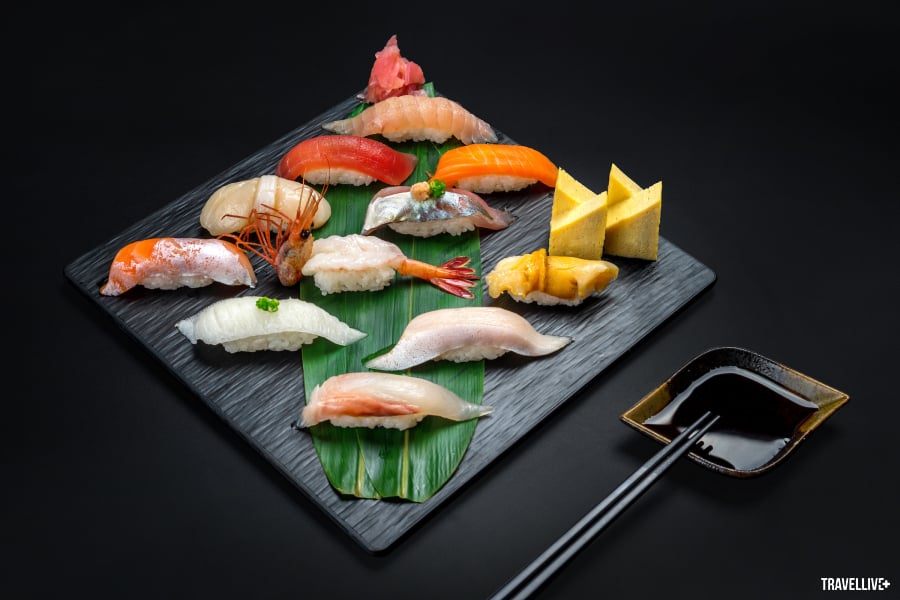
Sushi – a dish that embodies the essence of Japanese cuisine and is loved worldwide. At sushi restaurants, skilled chefs expertly manipulate the knife, preserving the freshness of the fish, binding the ingredients with dexterity and the warmth of their hands, then decorating and arranging the dish beautifully and elegantly, making it irresistible at first glance. All the essence lies in a perfectly balanced bite, where two bites meet at the right point, combining the best of ingredients – each bite is a masterpiece! Truly ingenious! The Japanese proudly pack their sushi into bento boxes and take them all over the world; firstly, to enjoy it themselves, and secondly, to change the perception of the international community regarding the consumption of raw seafood, making the world a sushi craze.
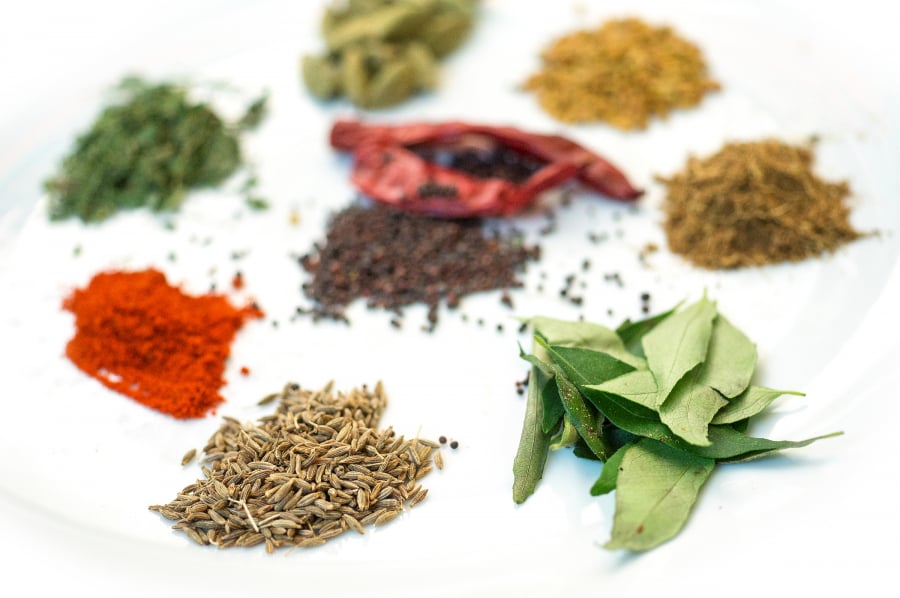
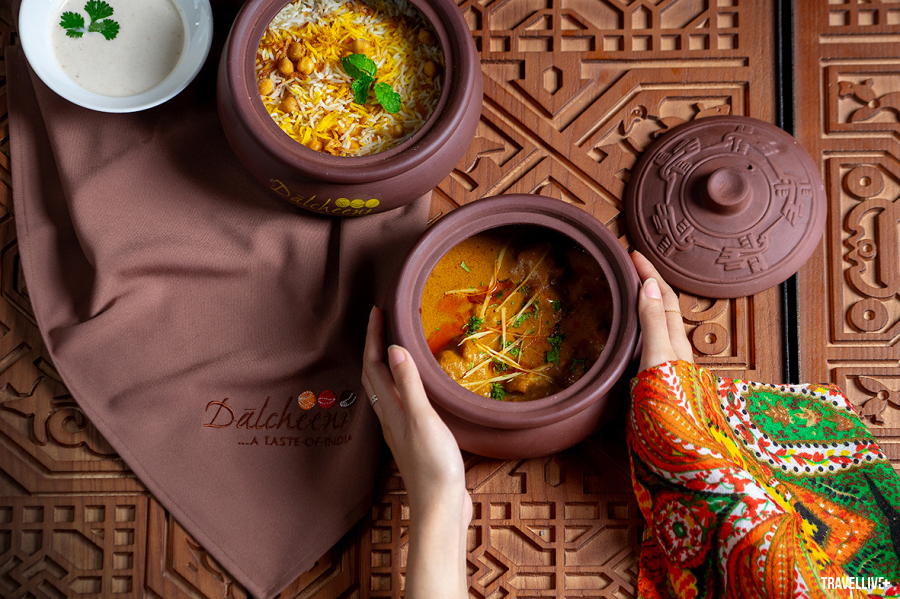
When you think of India, you immediately think of its intensely spicy curry. Indians are so loyal to their homeland's cuisine that even when traveling the world, they will always cook their own curry to their liking. When an Indian family invites friends over for a meal, the host will likely spend a whole day – sometimes two or three days – marinating the ingredients. When the door opens to welcome their esteemed guests, the first thing they'll notice is the inviting aroma emanating from the table. Taking a bite of curry, the fragrant spiciness lingers from the tip of the tongue down to the stomach, transforming into a rich memory that follows them wherever they go. Living amidst a paradise of curry aromas – chili peppers, mustard, cumin, cardamom, cinnamon, cloves, saffron… – it's no wonder that Indians are masters at combining spices, creating dishes with uniquely impressive flavors.
Delicious, quick, and providing ample energy, the hamburger is the number one choice for dynamic Western societies – and has now spread to Asia as well. While the world is still debating whether Germany or the US invented the hamburger, to satisfy all of humanity, hamburgers have evolved into 1,001 new recipes, such as: Kobe beef, foie gras, rich cheese, vegetarian, or novel sauces… Taking a bite of a hamburger, complete with bun, patty, sauce, and vegetables, but with the right technique, not a single crumb should fall out – is this the secret of an American cowboy or a German engineer?

In today's dynamic and ever-changing world, food follows people everywhere, and sometimes, running a business selling a delicious hometown dish can even help entire families prosper in foreign lands. Wherever cuisine goes, culture, heart, and soul of the people follow.