VI
VI


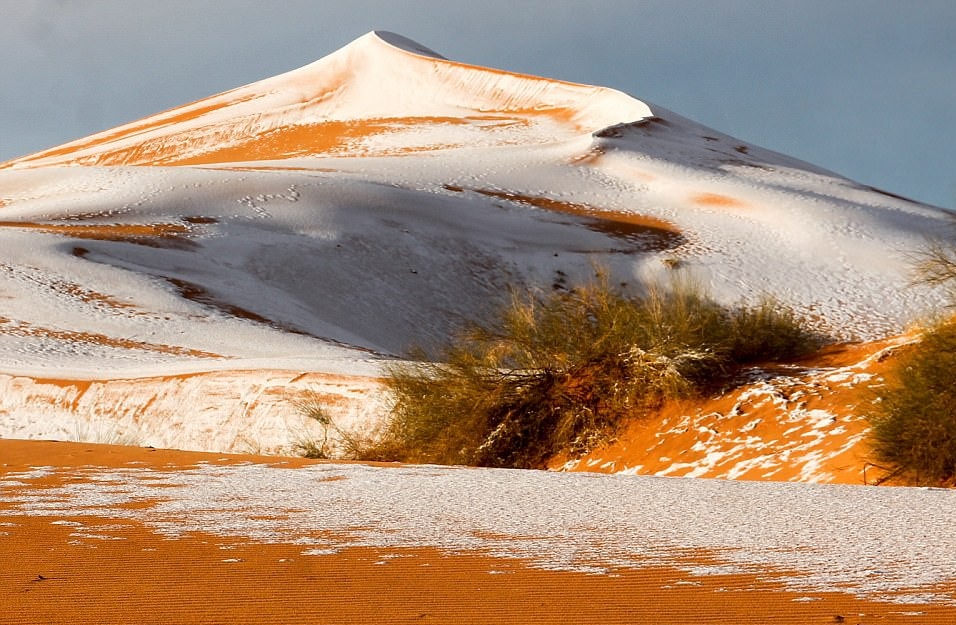
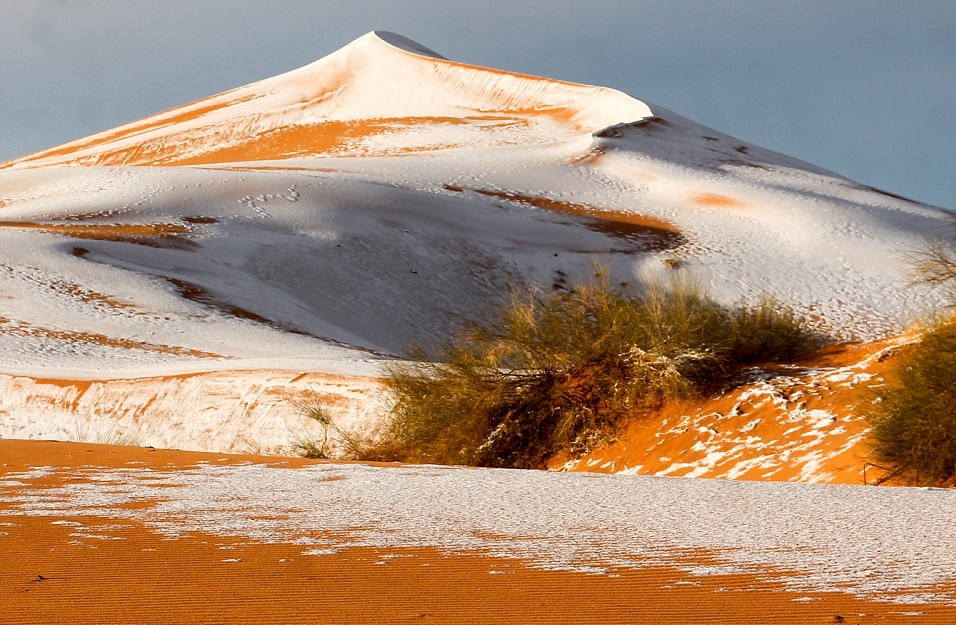
Freezing weather is sweeping across many parts of the globe, even in hot places like the Sahara Desert. Residents of Ain Sefra, Algeria, witnessed a blanket of snow blanketing the red sand dunes of the Sahara. The snow began falling after a rare winter storm.
A cold air mass swept through the area, bringing temperatures down to around 1 degree Celsius. The sight of snow and ice covering the desert sand dunes impressed tourists and locals alike. Some were lucky enough to capture memorable moments as the snow melted the very next day.
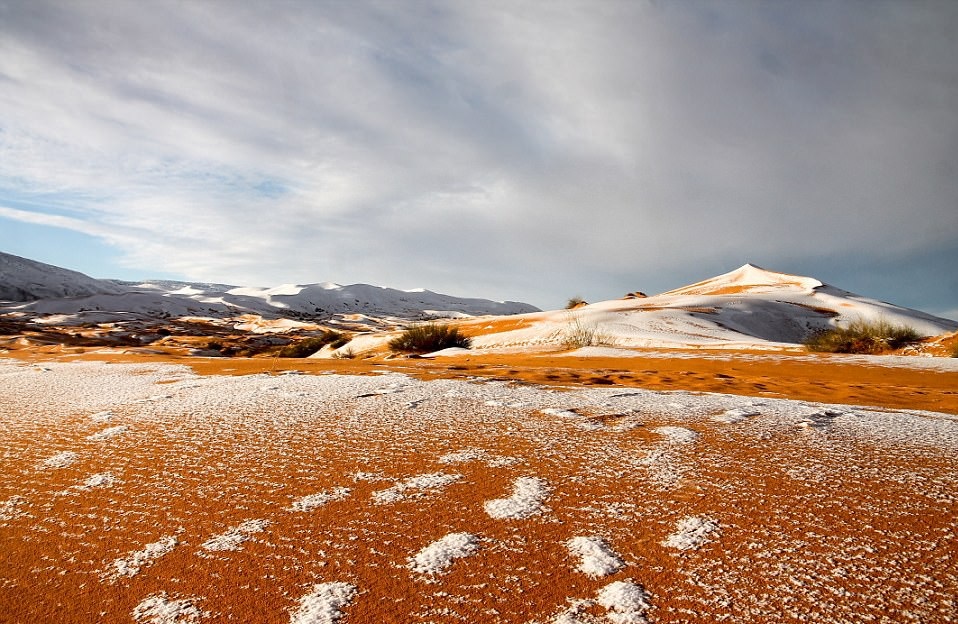
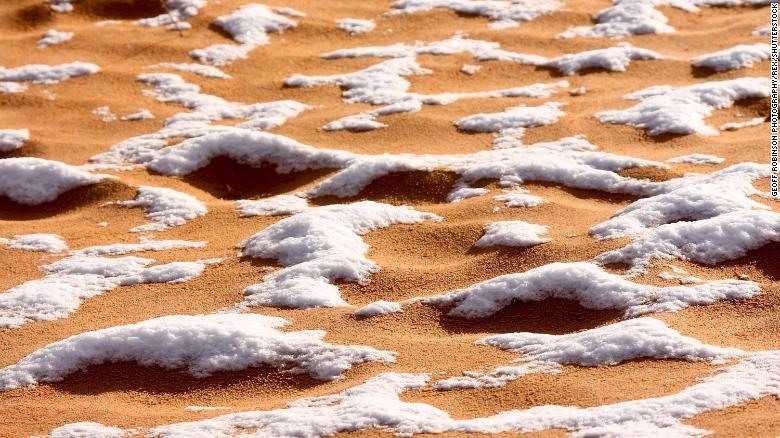

The snow gradually melted by 5 PM that same day.
This extreme weather phenomenon has brought stunning images to the world, showcasing one of the hottest places on Earth during the summer. According to CNN, temperatures across this hottest desert region can drop below -10 degrees Celsius at night, making the appearance of ice and snow for an extended period unusual. However, photographers on the scene report that snow continues to blanket the area during the day.
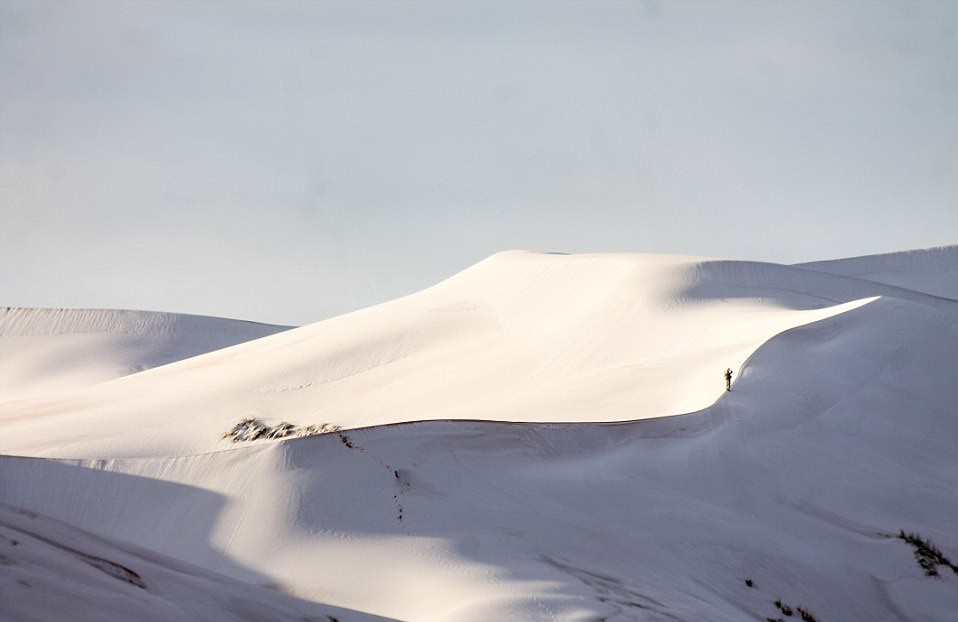
The familiar golden sand has given way to a blanket of white snow.
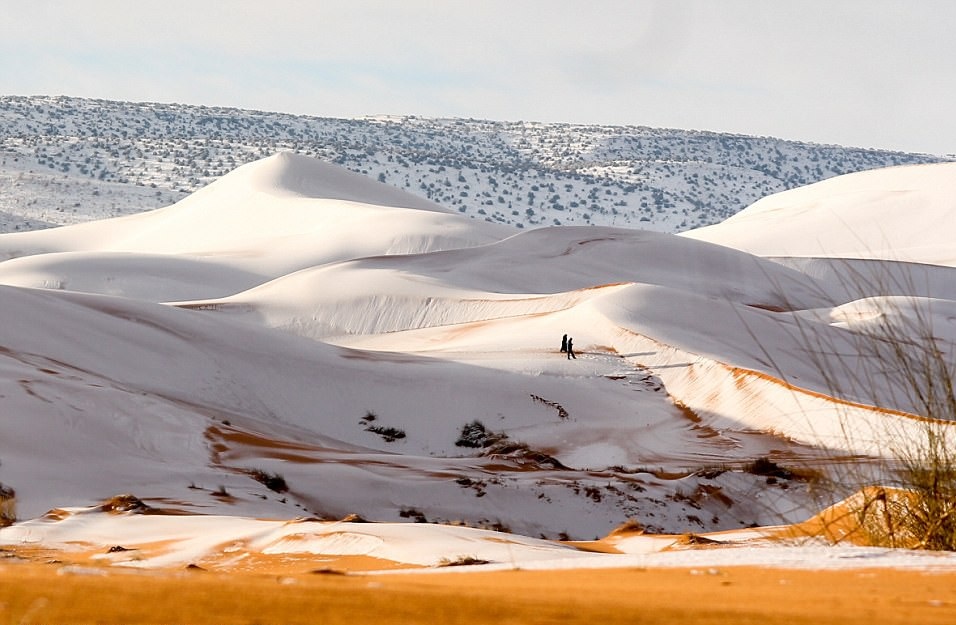
Snow has fallen to a depth of over 40cm across the Sahara Desert.
The arrival of high pressure means that frigid weather will move further south than usual. The city of Ain Sefra is situated at an altitude of approximately 1000m above sea level and is surrounded by the Atlas Mountains. Although the city's altitude is ideal for snowfall, historically, snow has rarely been seen in Ain Sefra, and temperatures typically drop to between 6 and 12 degrees Celsius in January.
The Sahara Desert stretches across most of North Africa and has undergone numerous changes in temperature and humidity over several hundred thousand years to arrive at its current form.
Ngoc Anh