VI
VI


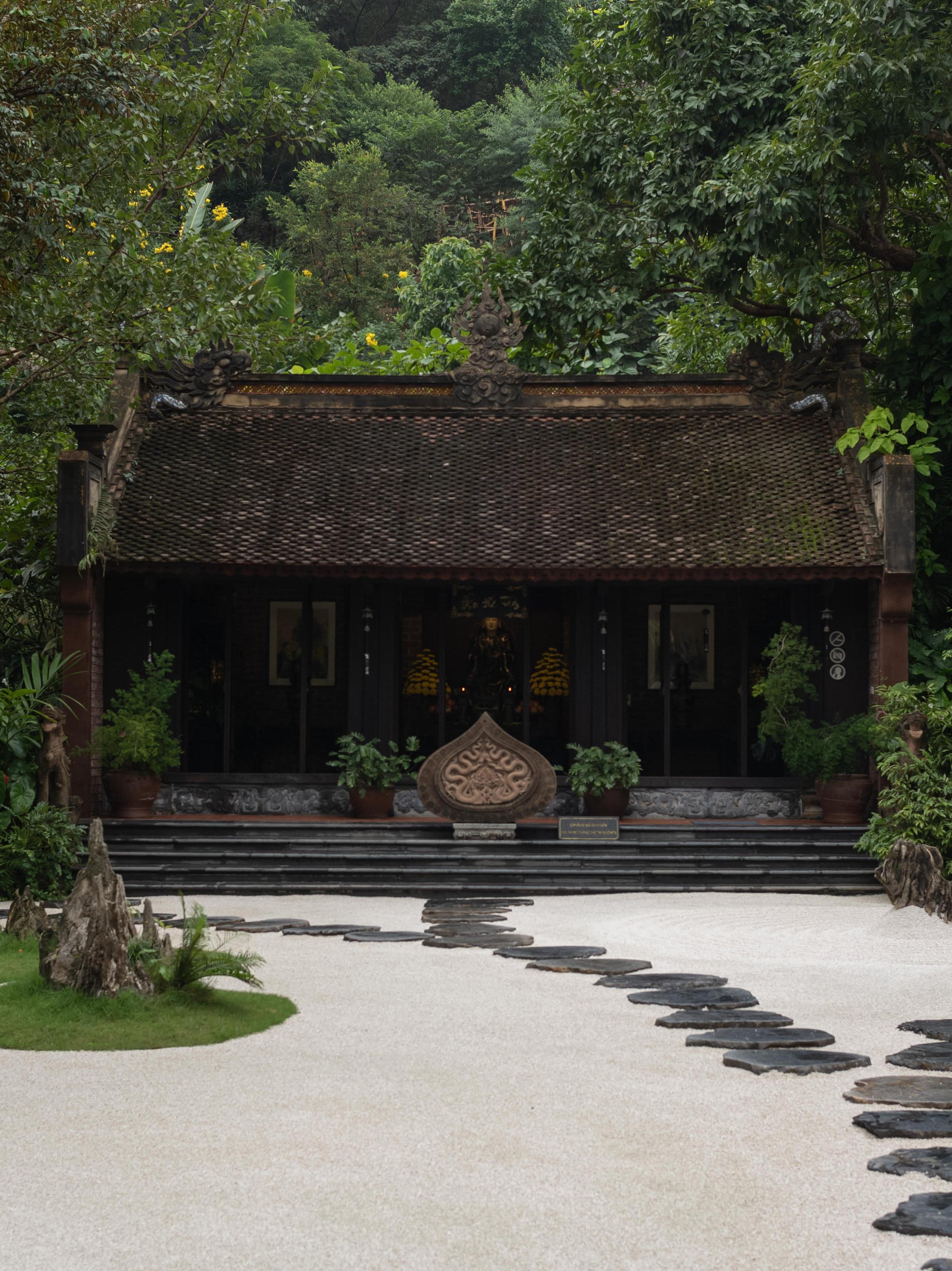
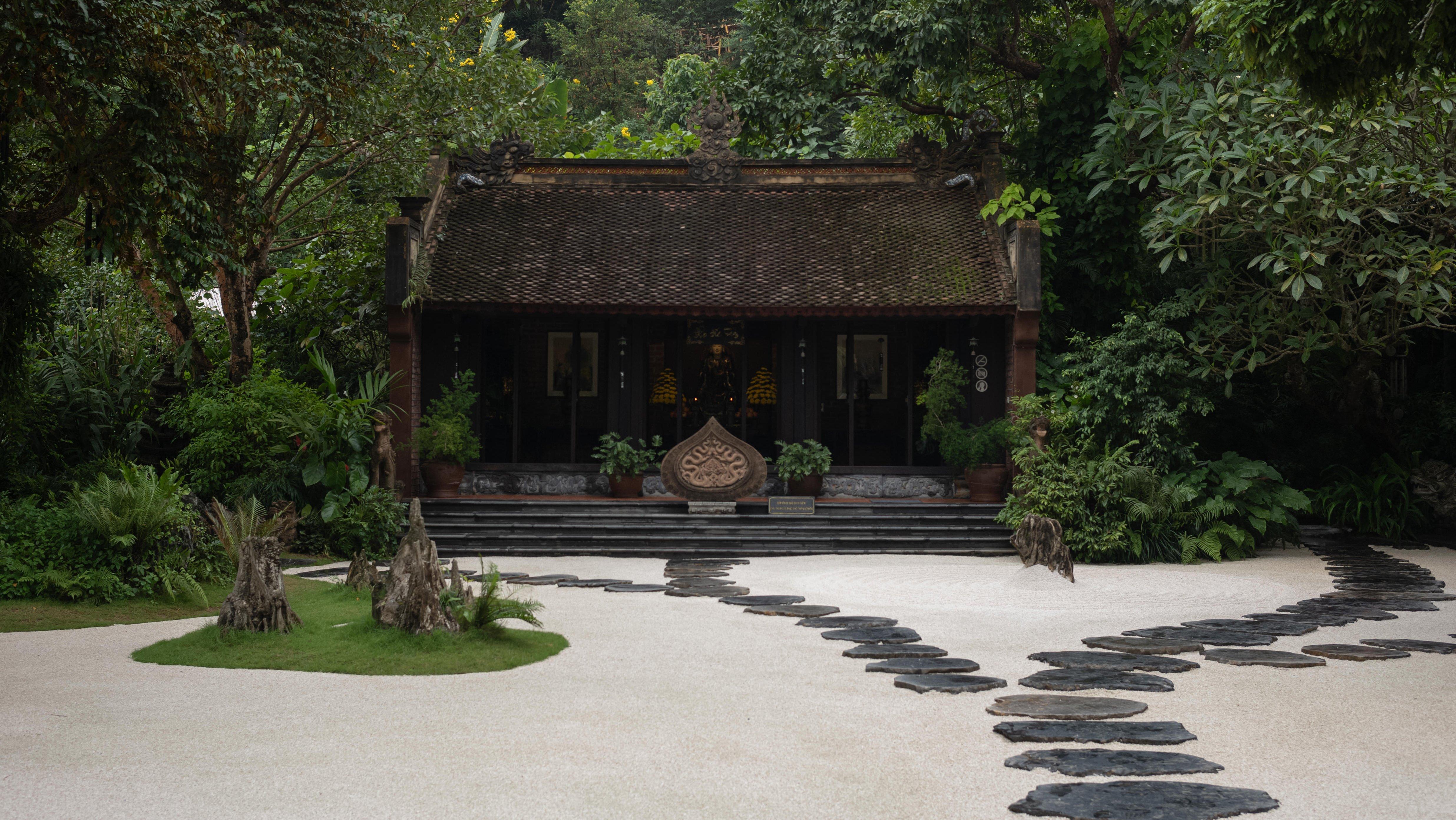
Viet Duc Tran is currently a freelance photographer. He has a passion for photography, especially interested in architectural structures and temples. "The Dia Tang Phi Lai Pagoda often appears clear and serene on sunny days. But when it rains, the pagoda also has its own unique beauty, very peaceful and tranquil. The first time I came here, I felt a sense of peace and tranquility as I walked through the spaces inside and outside the pagoda," shared photographer Viet Duc Tran.
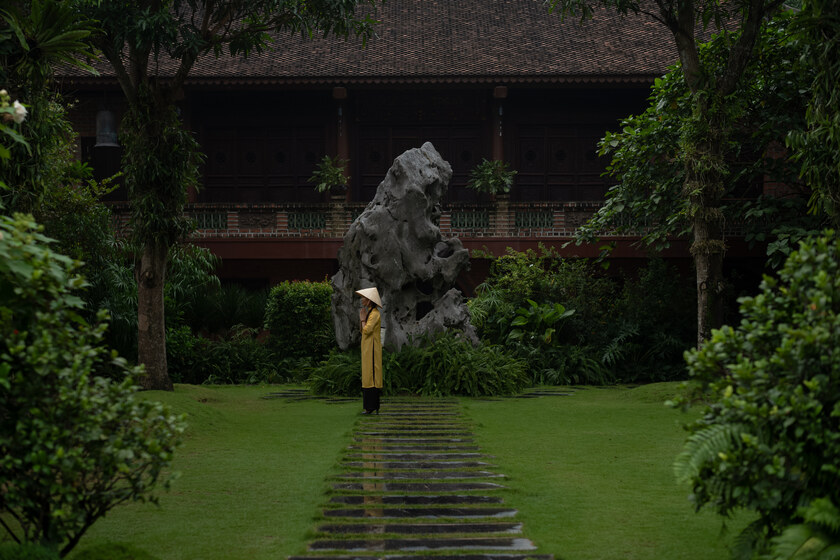
The temple has a peaceful atmosphere.
Dia Tang Phi Lai Pagoda (also known as Dung Pagoda) is located in Ninh Trung village, Liem Son commune, Thanh Liem district, Ha Nam province. According to elderly residents living nearby, the pagoda was built in the 11th century with over 100 rooms. In December 2015, Venerable Thich Minh Quang took over, renovated, rebuilt, and renamed it Dia Tang Phi Lai Pagoda.

According to Venerable Thich Minh Quang, "Phi Lai" can be understood as returning, or it could mean never returning again. "Dia Zang Phi Lai" means that Bodhisattva Ksitigarbha always comes to this place, or it could mean that Bodhisattva Ksitigarbha never comes to this place. And wherever Bodhisattva Ksitigarbha does not return, that place has become a Buddha.
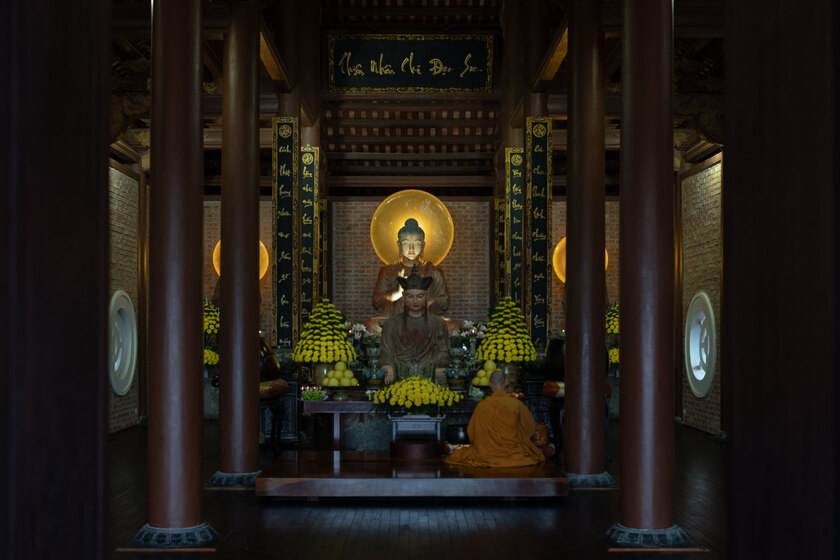
The name Địa Tạng Phi Lai Pagoda means that Bodhisattva Ksitigarbha always comes to this place, or perhaps never comes to this place.
Dia Tang Phi Lai Pagoda is built in an auspicious location, nestled against a mountain, with the green dragon on the left and the white tiger on the right, along with many sacred historical artifacts. In terms of scale, the pagoda includes the main sanctuary, an ancestral hall, a shrine dedicated to the Venerable Master and other sages; living quarters, a lecture hall, a guesthouse, and accommodation for Buddhist followers.
Seen from afar, the temple is nestled amidst a lush green pine forest, with a vast field in front, almost completely isolated from the residential area. Its beautiful architecture, set against the peaceful backdrop of the mountains and forests, gives the temple an elegant and ethereal beauty that anyone who has the opportunity to visit can appreciate.
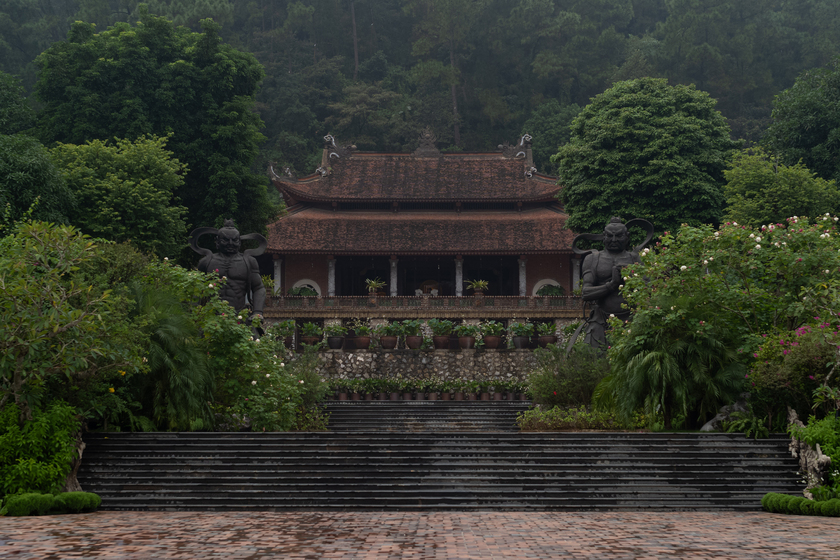
Foreground of Địa Tạng Phi Lai Pagoda.
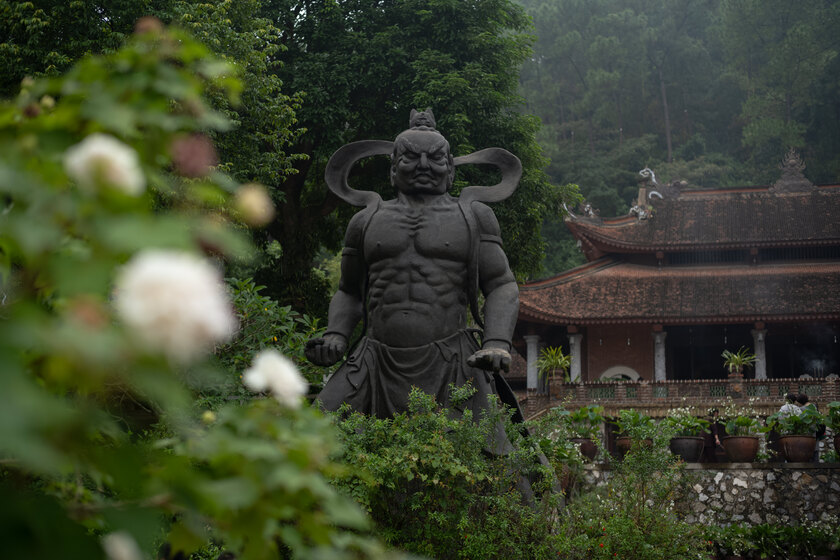
A giant statue of the Guardian Deity Kim Cang stands at the entrance to the Địa Tạng Phi Lai Temple.
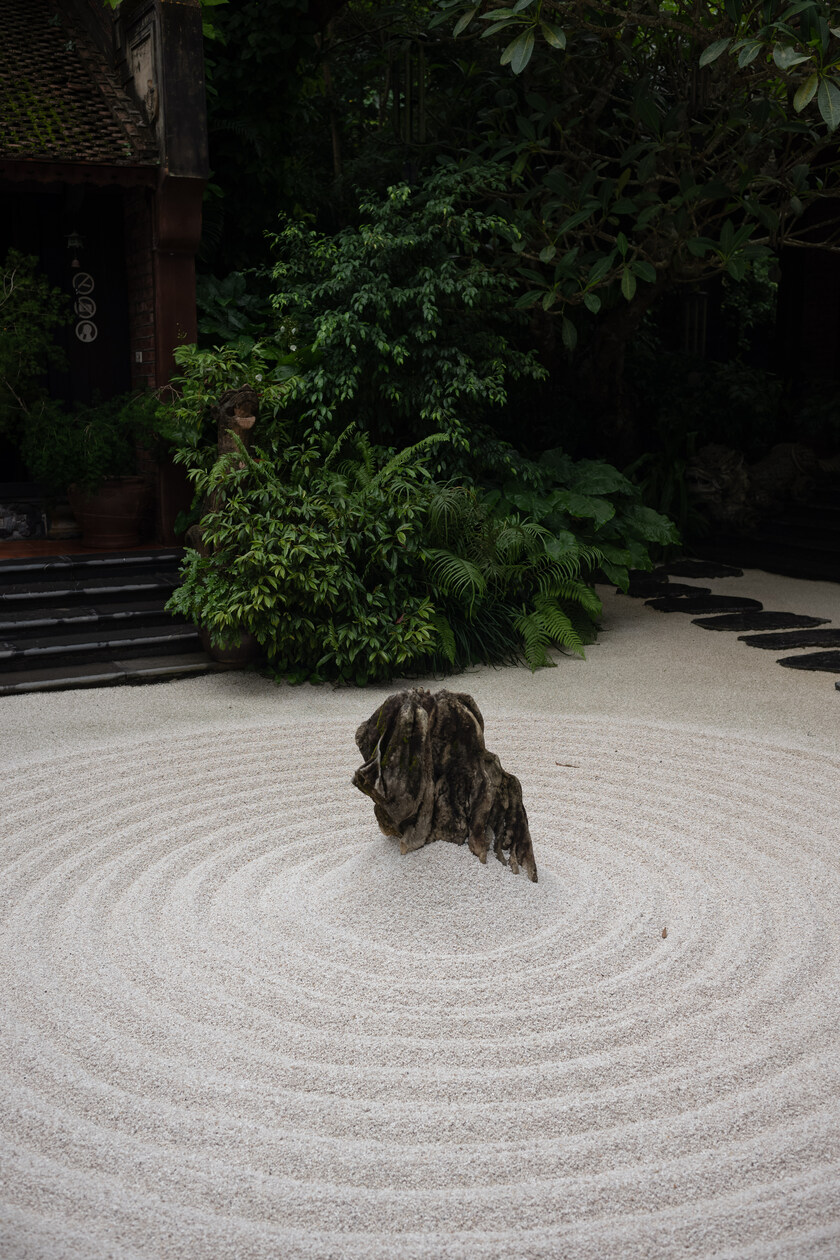
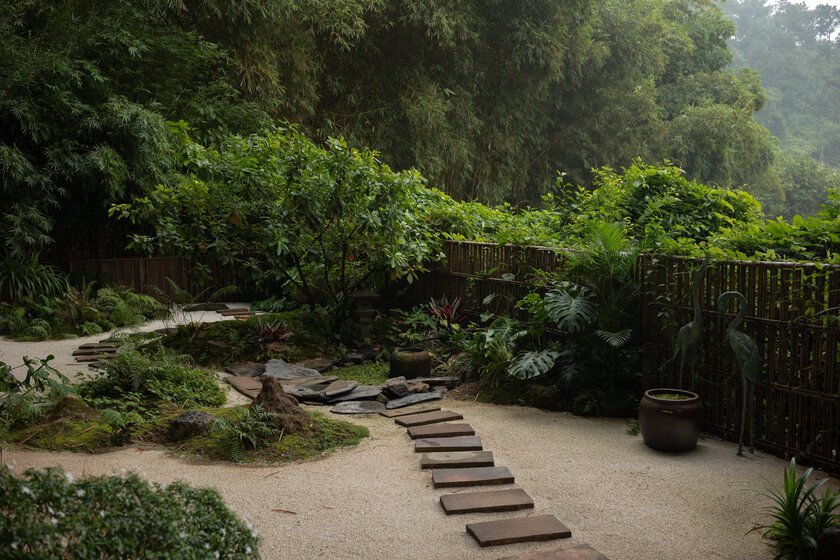
Right in front of the ancestral hall, 12 circles are drawn on a gravel surface, symbolizing the 12 karmic connections of humankind.
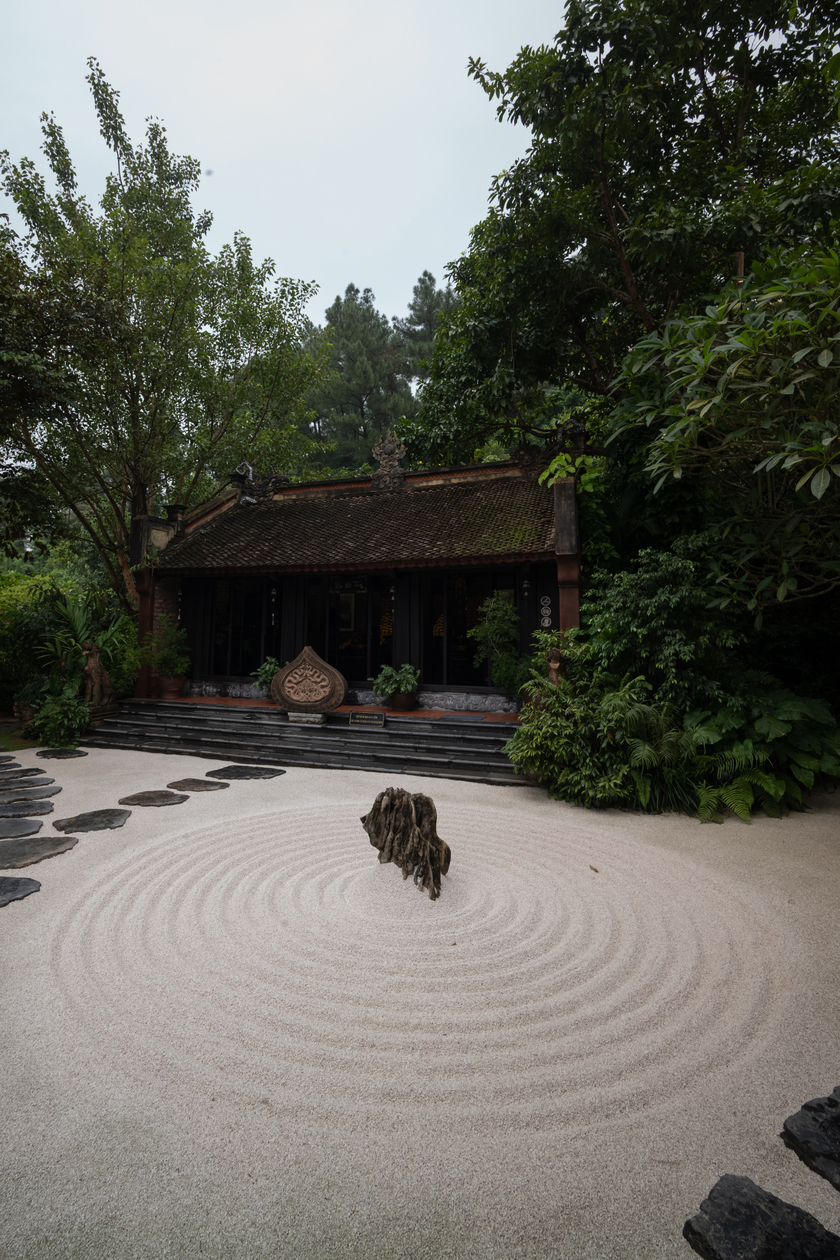
White pebbles symbolize meditation.

Walking through the temple grounds, gazing at the pristine white pebbles brings a sense of serenity to the heart.
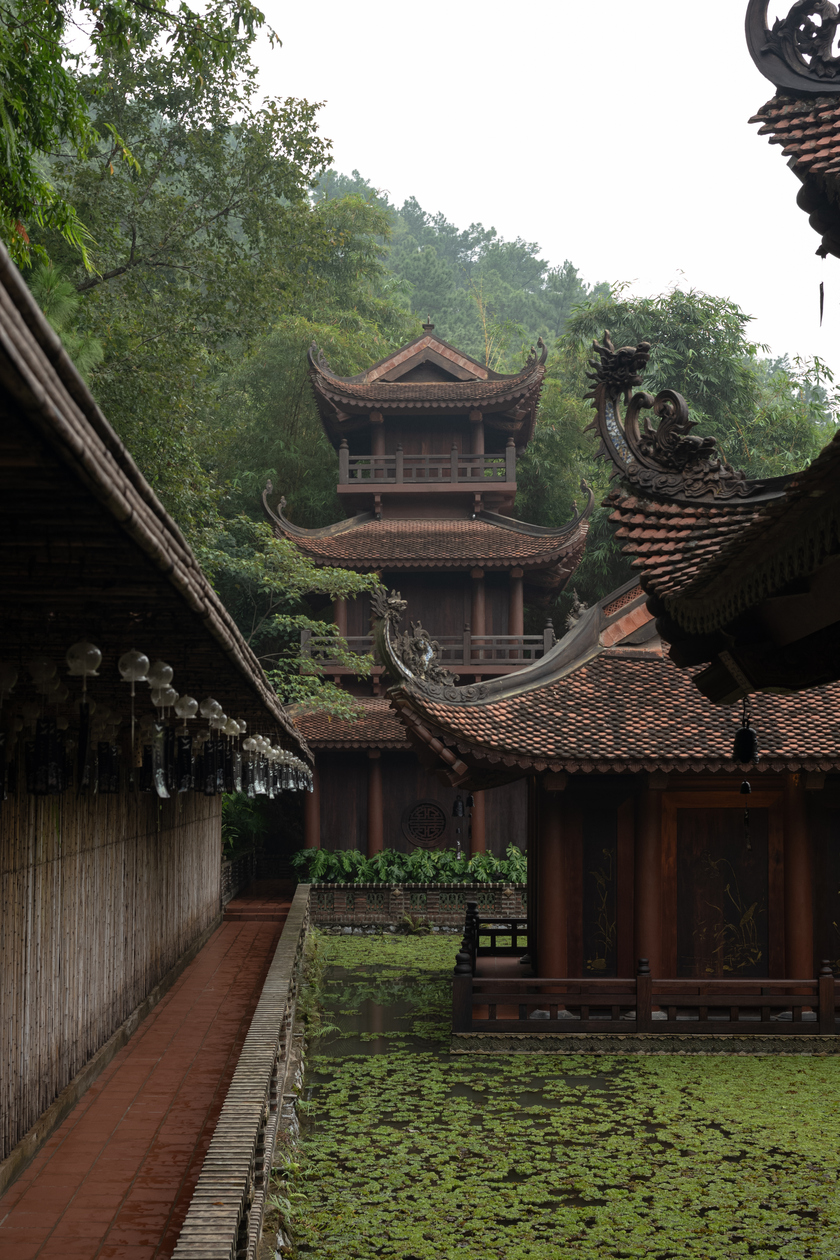
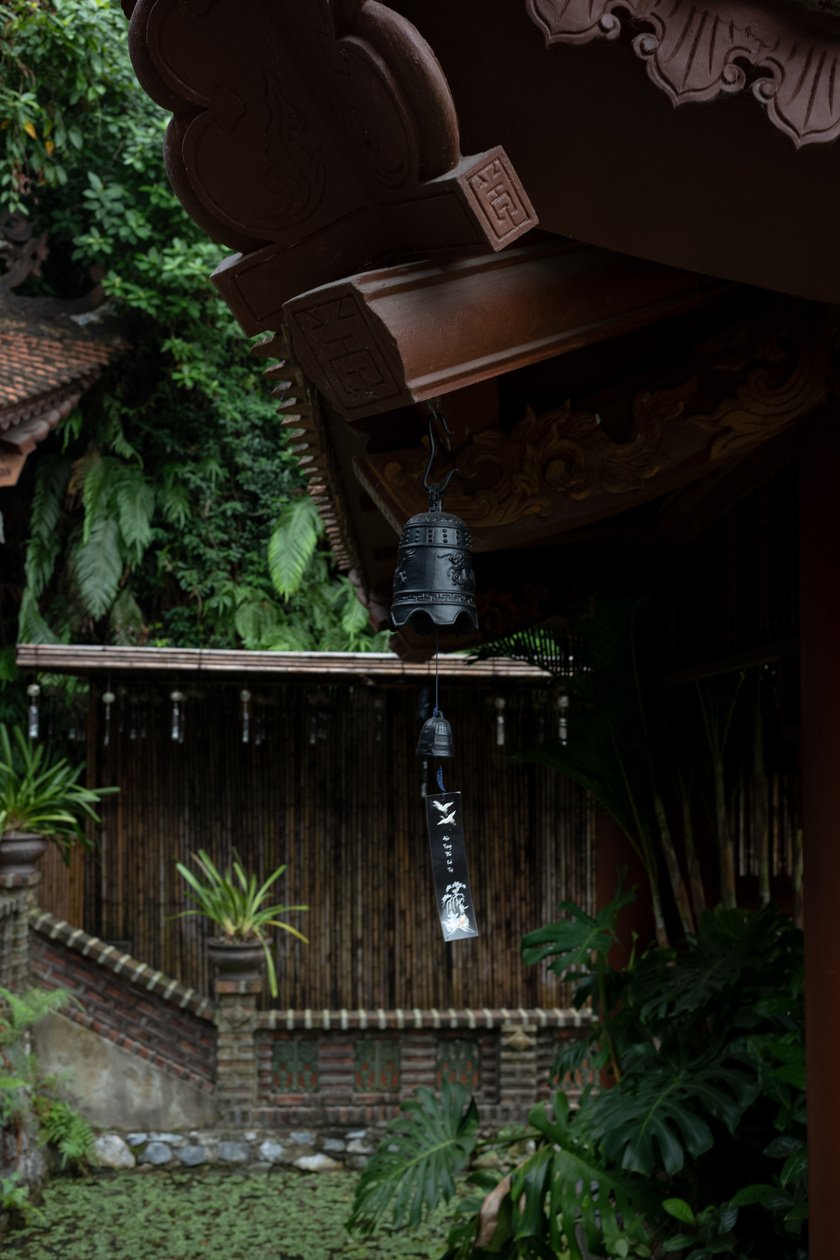
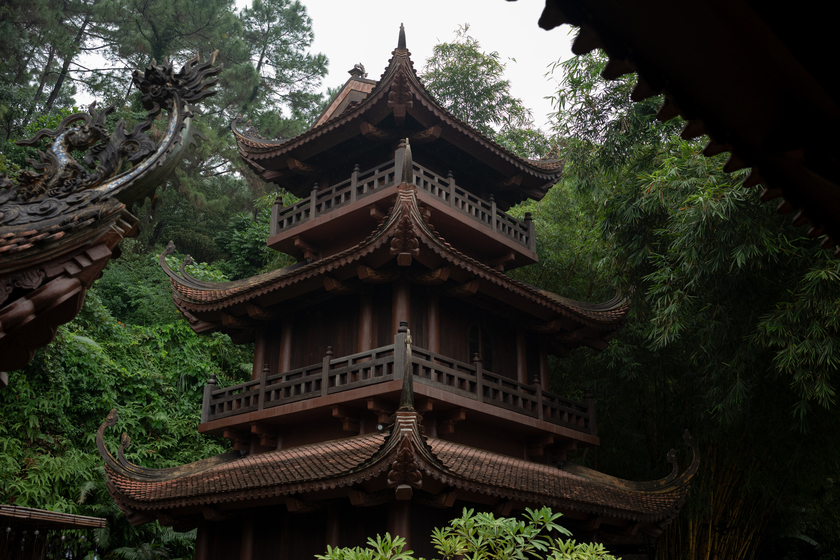
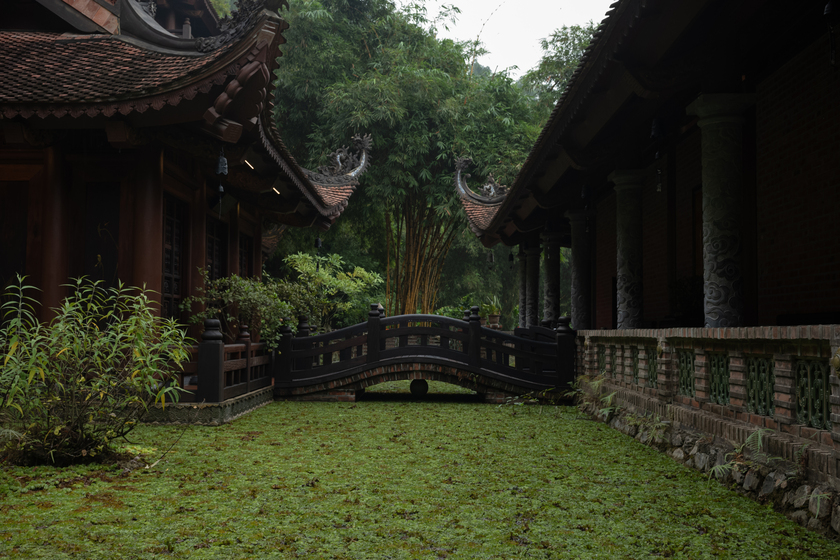
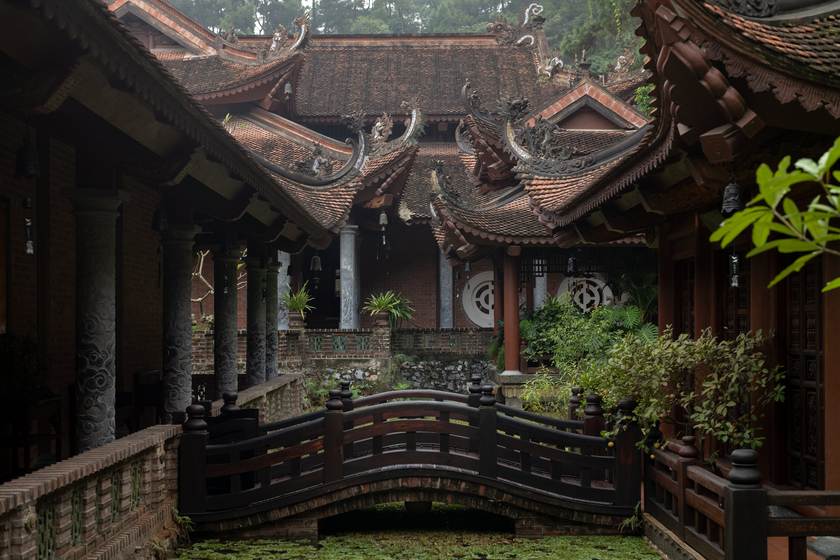
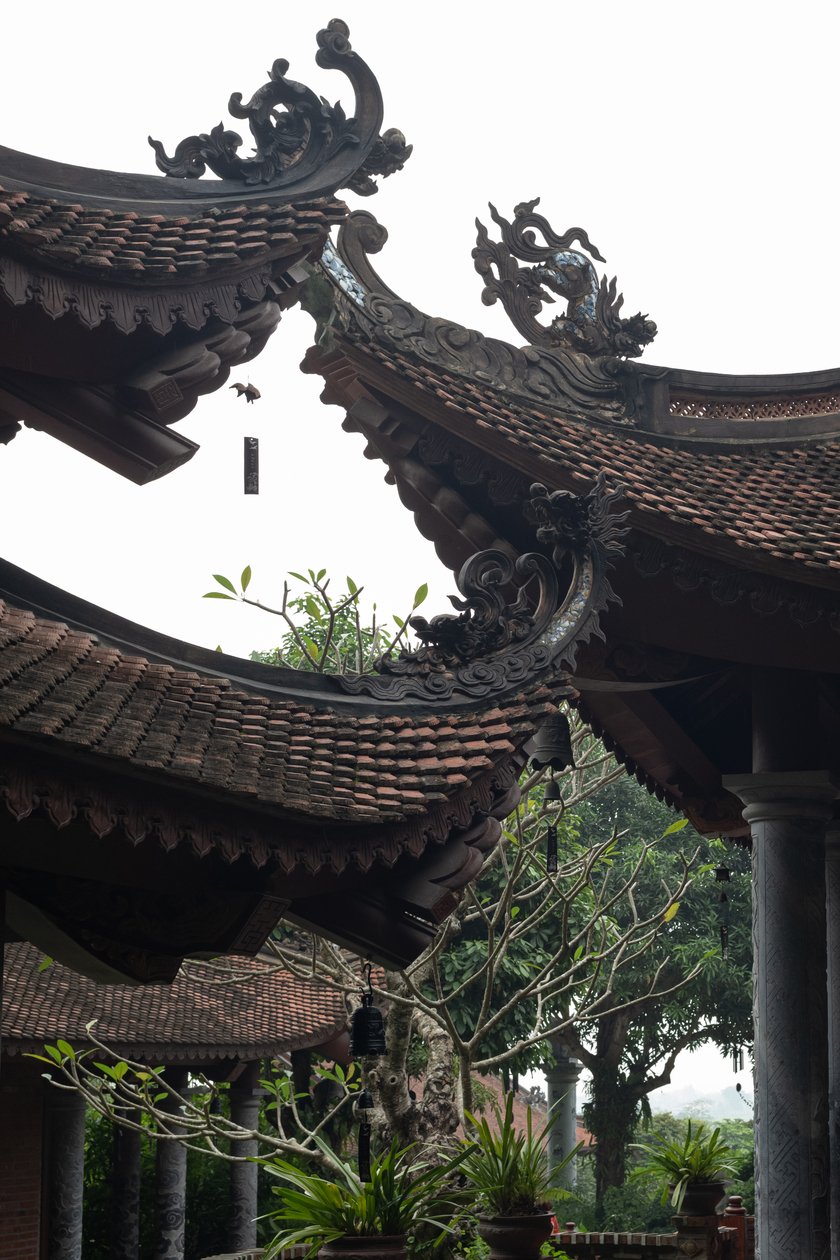
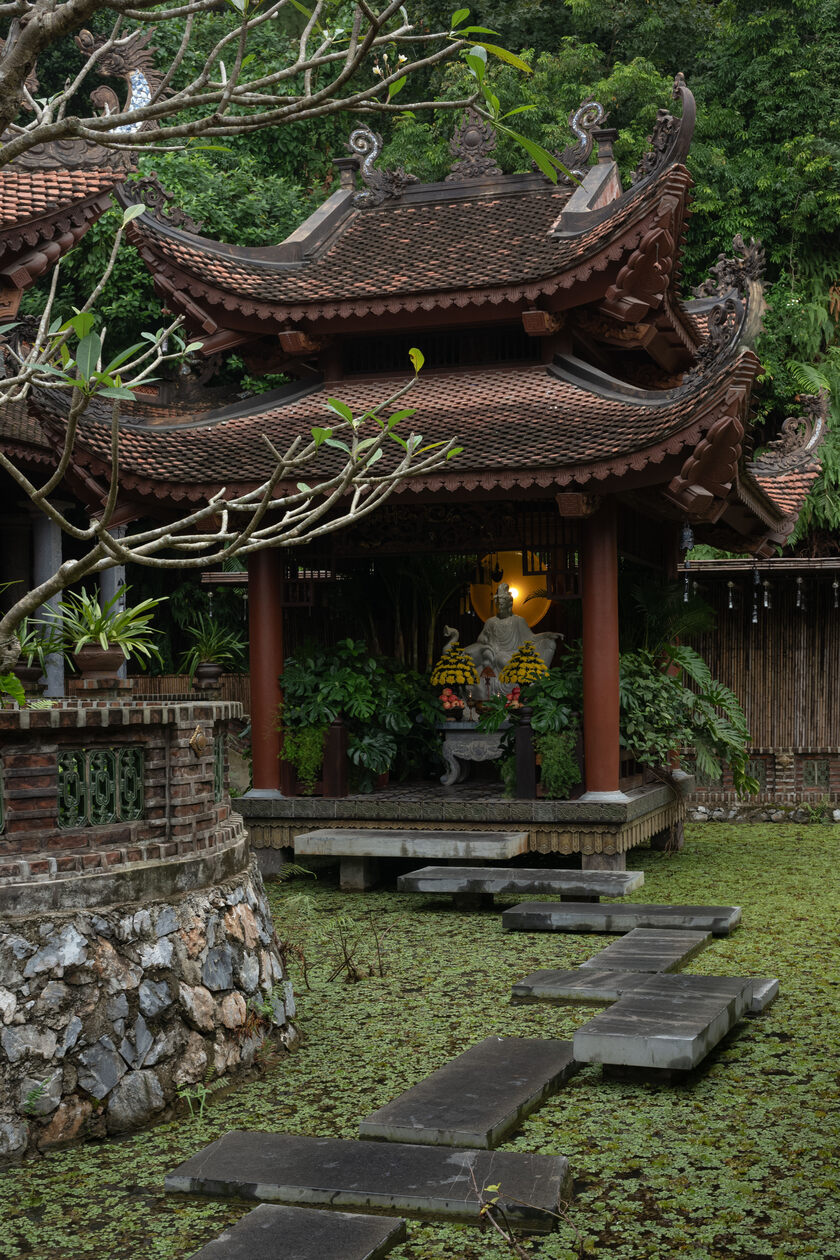
The architecture and layout of Địa Tạng Phi Lai Pagoda are designed to be in harmony with nature.
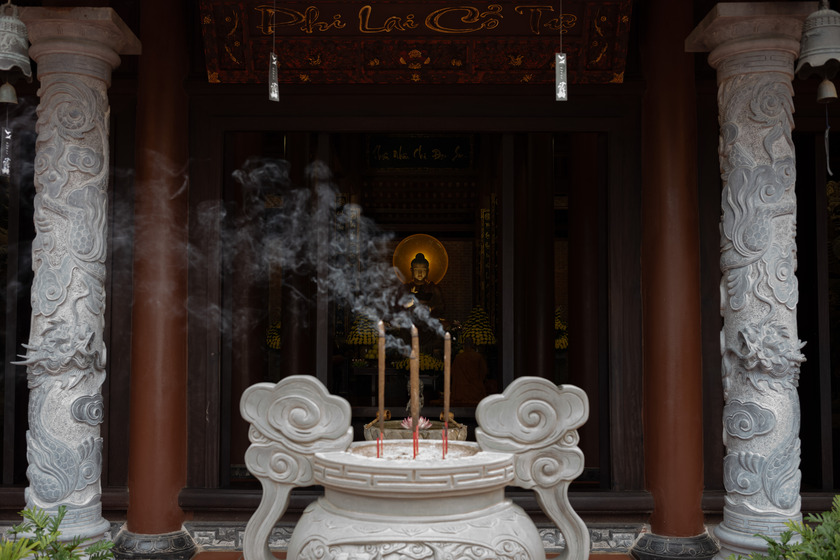

Bathing the Buddha statue.
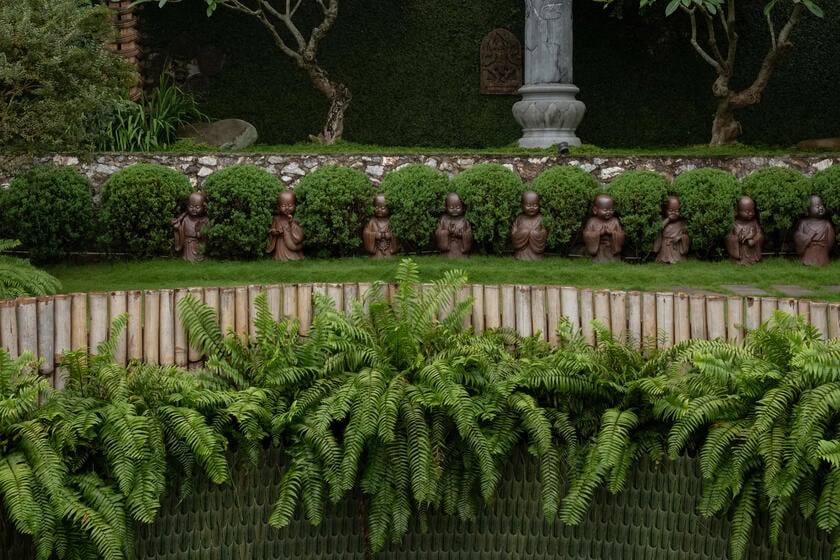
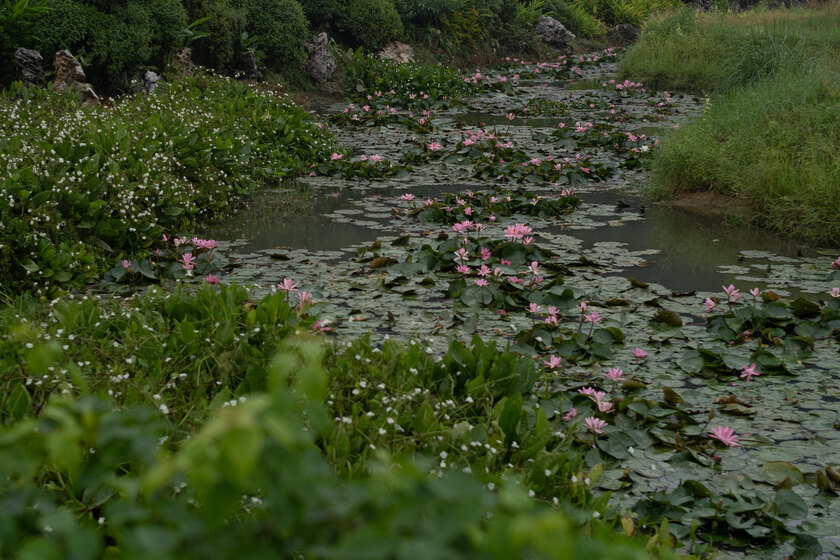
Miniature landscape within the temple.
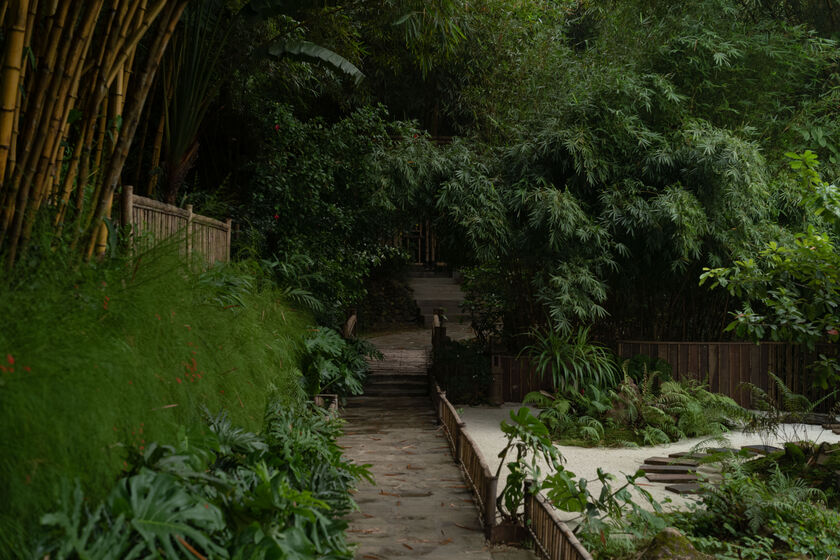
Visitors can walk around the path leading up the mountain to fully appreciate the tranquil beauty of the temple.