VI
VI


1. Gather information
Information is crucial for every traveler, especially those preparing for a solo trip. It's not just about finding information on flights, destinations, or hotels; you also need to thoroughly research transportation options, including the best modes of transport, when to book flights, when to take trains or buses, and weather conditions to prepare appropriate clothing. Information about local cuisine is equally important, as not every place offers dishes to suit your taste, especially if you're a picky eater. And don't forget to learn about the local culture to avoid unnecessary problems due to cultural differences.
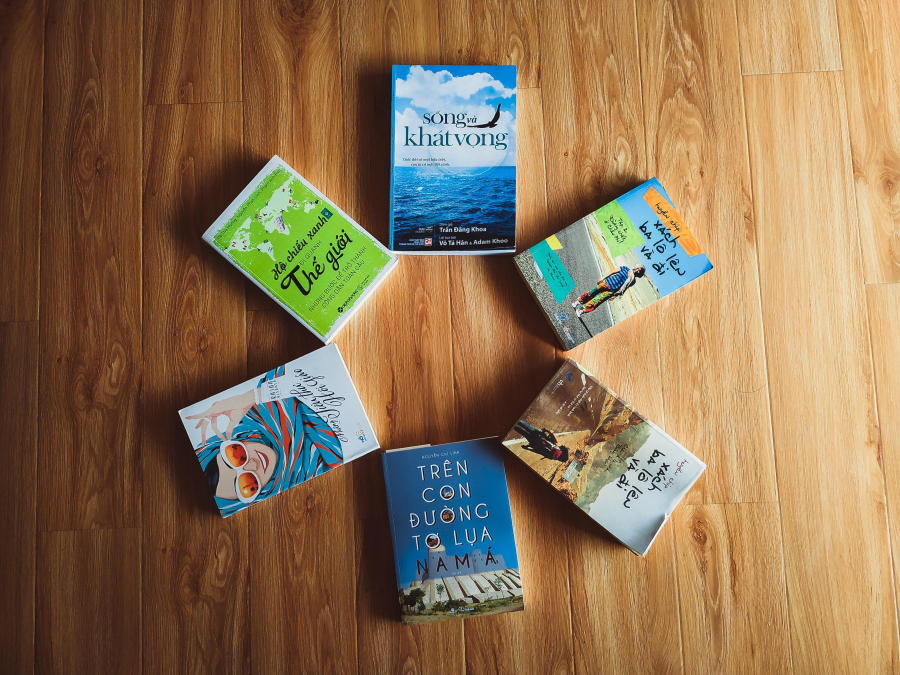
Reliable travel websites, articles by travel bloggers, especially foreign travel bloggers, and the excellent Lonely Planet travel guide are great sources for finding information for your trip. You can also find information and don't hesitate to ask questions in travel groups, both domestic and international; the results will make you happy and much more confident.
2. Plan your trip
With the information you've gathered, create a plan for your entire trip that's as detailed as possible. Depending on the length of your vacation, the destination you want to visit, and your preferences—whether you prefer relaxation, nature exploration, cultural experiences, or lifestyle choices—you should decide beforehand how long you want to stay. From there, you can plan your destinations, itinerary, and length of stay at each location.
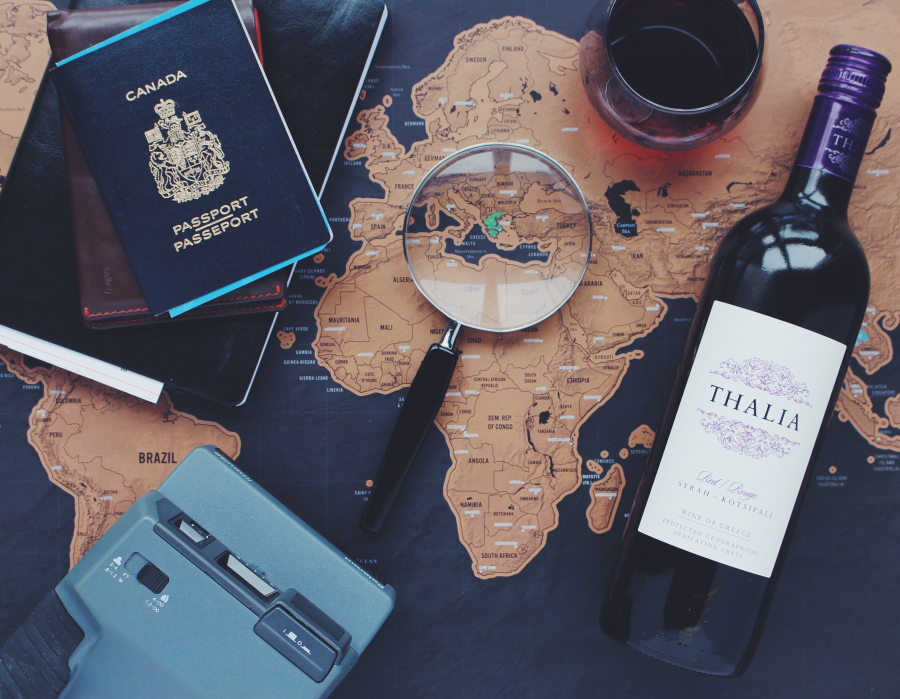
If your trip is shorter than a week, you should book everything in advance, from flights and hotel rooms to transportation. If you're going for more than a week, you can be more flexible with your plans. If you plan to spend several days at a destination, you can book your hotel 1-2 nights in advance. Once you're settled, you can then consider making changes as needed.
3. Prepare your luggage.
Unlike traveling with a group, solo travel requires you to be independent throughout the trip and in all situations, especially regarding your personal safety. Therefore, preparing your luggage must be even more thorough and perfect.

Items to ensure the safety of your belongings and personal insurance should be prepared. Make multiple photocopies of personal documents such as your passport, visa, and travel insurance, and keep them in different places. The embassy will need these documents to verify your information if you lose your passport. Download offline maps to your phone for use when needed. It's advisable to prepare a Visa card for cash withdrawals abroad if you're traveling for an extended period, and a reasonable amount of cash (USD or EUR) for emergencies.
It's advisable to bring a sufficient first-aid kit and medications for common ailments such as diarrhea medication, fever reducers, and pain relievers for when needed. In many countries, you can only buy medication with a doctor's prescription, or in some remote areas, it may be difficult to find a pharmacy.
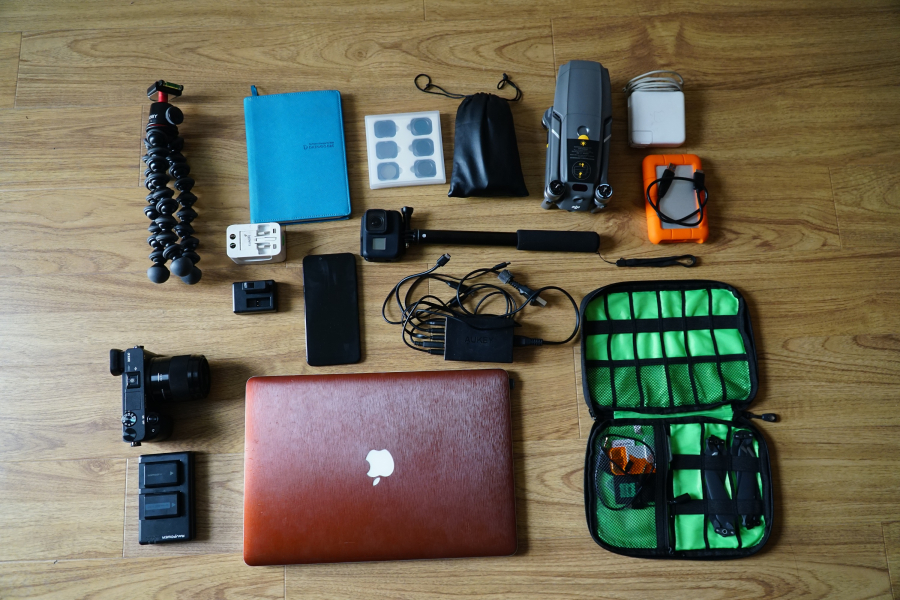
Even if you're not a picky eater, don't forget to prepare some extra food. Prioritize dry, ready-to-eat foods, but also be aware of the regulations regarding bringing food in transit in the country you're visiting.
Regarding clothing, you shouldn't pack too much when traveling alone. Pack dry, lightweight clothes. Only bring 5-6 outfits if you're traveling for more than a week, as the remaining time will allow you ample time to clean them at laundry facilities. A practical backpack is essential for any trip, whether long or short.
4. On the long road
Once you're on the actual trip, many things will be very different from what you planned, so be prepared for that, especially if it's your first solo trip.
The first two essential things for a trip abroad are internet access and money. Therefore, get yourself a SIM card with internet access or bring a portable Wi-Fi hotspot, and exchange money on your first day in the country. In some countries, you can exchange money at the airport.
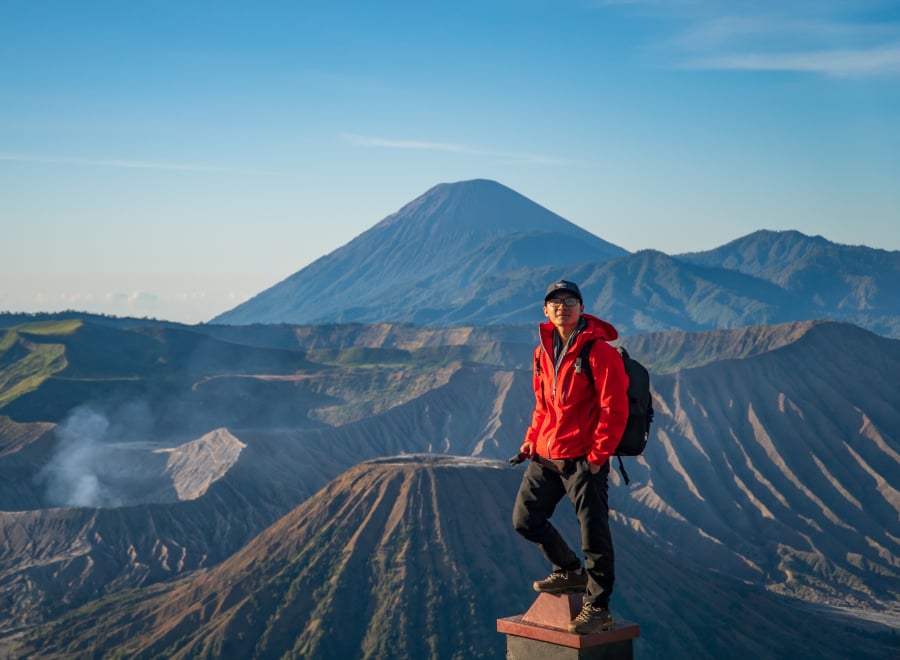
Pay attention to local customs to avoid culture shock. For example, when visiting some strict Muslim countries, women should not wear skirts and should wear a veil.
If you're traveling abroad, it's a good idea to learn some basic conversational phrases beforehand, such as "thank you" or "hello," to make a good first impression on locals, making them more likely to help you. Don't hesitate to interact and talk with people – it's a great way to overcome loneliness while traveling alone and also a way to learn about the local culture.
Always be positive, flexible, and open-minded, because solo travel is a great opportunity to disconnect from your close friends and create your own stories and experiences. Even if you make a few mistakes in your preparations, it's okay; you can adjust your plans accordingly. For example, if the weather is bad, you can go to a museum or participate in other indoor activities instead of going to the beach or hiking.
Have a wonderful solo trip!