VI
VI


Hawaiian Volcanoes
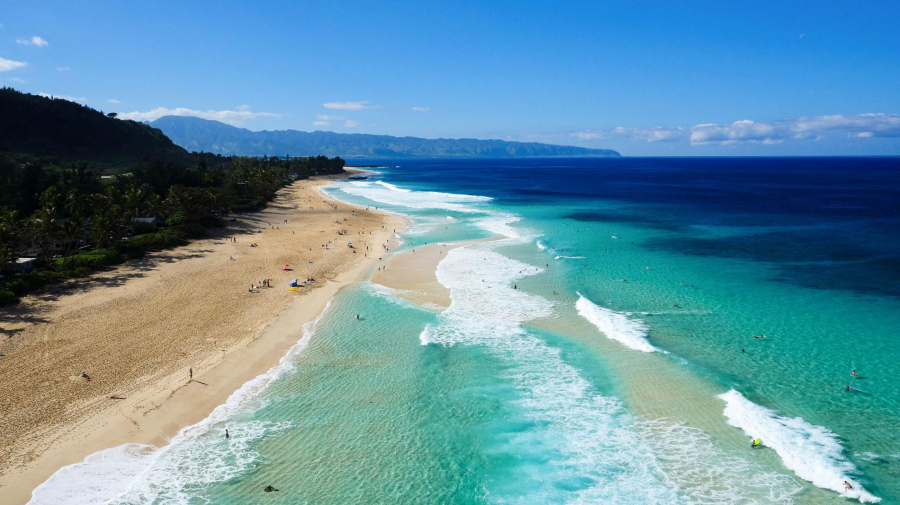
The famous Hawaiian Islands are certainly on many people's dream travel lists. Lush green palm trees, crystal-clear waters, majestic sunsets, and tropical fruit might seem like a heavenly vision, but few know that hiking on a Hawaiian volcano – a popular tourist activity – is not safe at all.
Many people have died on these routes due to heat and lava fumes or similar situations. In addition, volcanic eruptions, earthquakes, tsunamis, and storms can turn this tropical paradise into hell in an instant if tourists are not careful.
Death Pass, Bolivia
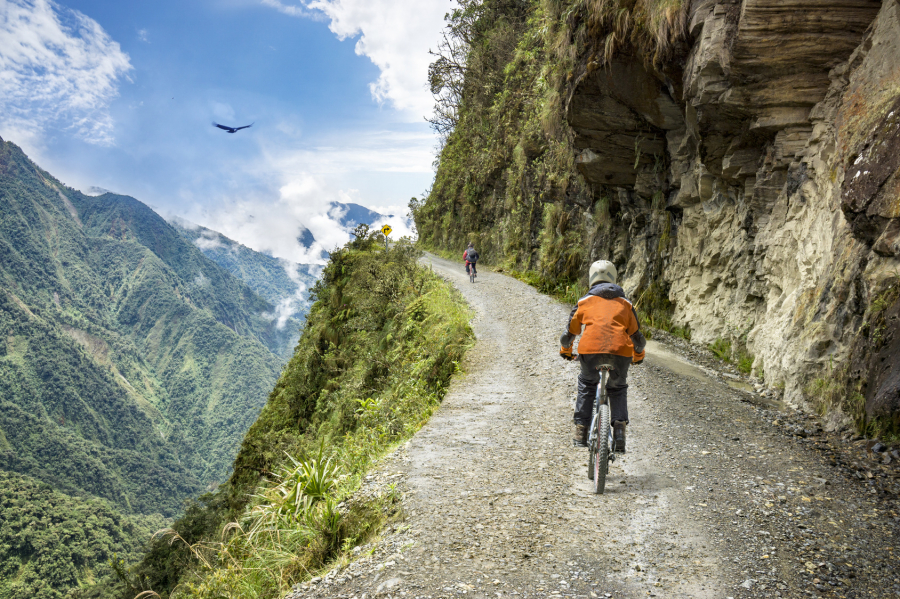
Just looking at the photos of this pass is enough to understand why 300 tourists die here every year. There is probably no road in the world more dangerous than this 69-kilometer-long pass. Currently, this route is only for bicycles and pedestrians because its narrowness and treacherous curves are not suitable for large, high-speed vehicles like cars and motorcycles.
The descent of Death Pass is often shrouded in fog, heavy rain, landslides, and most dangerously, a 600-meter free-fall slope. Before 2006, this was the only road from La Paz to Coroico, but today there is a safer route for both cars and motorcycles, so Death Pass is now only for adventurous travelers.

Mount Everest, Nepal
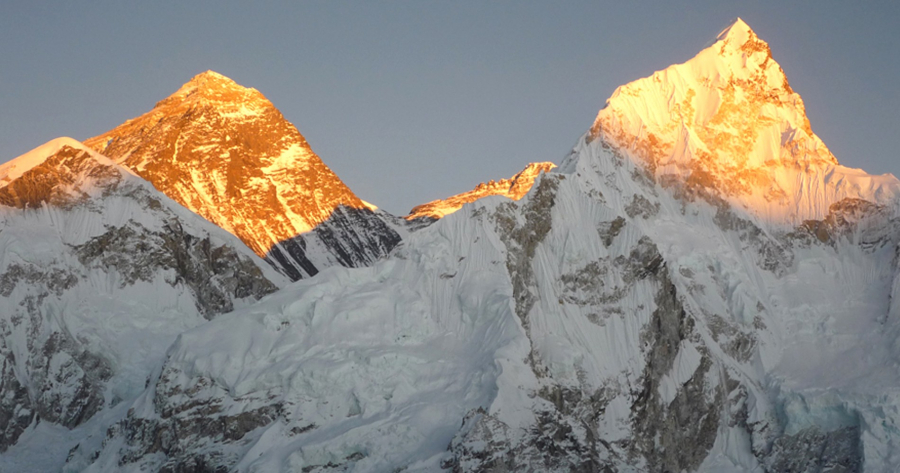
Considered the roof of the world, Everest is the ultimate goal for countless mountaineering enthusiasts. However, due to its height of over 8,800 meters, the climate on the mountain is extremely harsh and unpredictable.
Over 300 people have died attempting to conquer Everest, and countless warnings of failure have been issued, yet hundreds still believe they can conquer Mother Nature.
Rio de Janeiro, Brazil
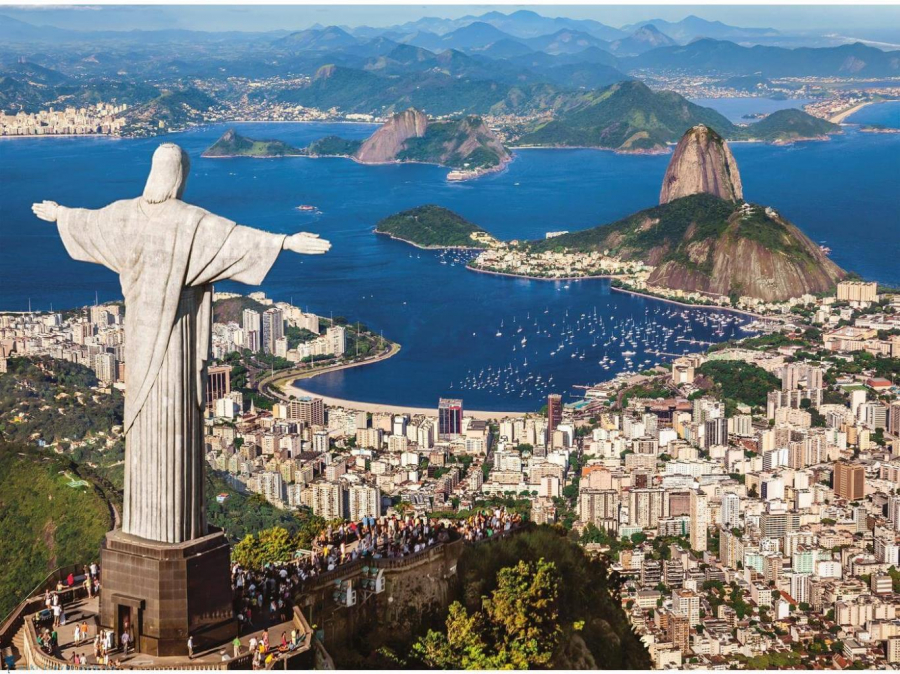
Many Brazilian cities are on the list of the world's most dangerous places, but that doesn't deter adventurous travelers. Crime rates, ranging from violence and robbery to kidnapping and murder, are high in many areas of Rio de Janeiro and other tourist beaches.
Here, both police officers and drug lords can be shot in broad daylight. Unfortunately, the beauty of the place doesn't compensate for the high risk of being hit by stray bullets, so Brazil's tourism industry still struggles to develop.
Darvaza crater, Turkmenistan
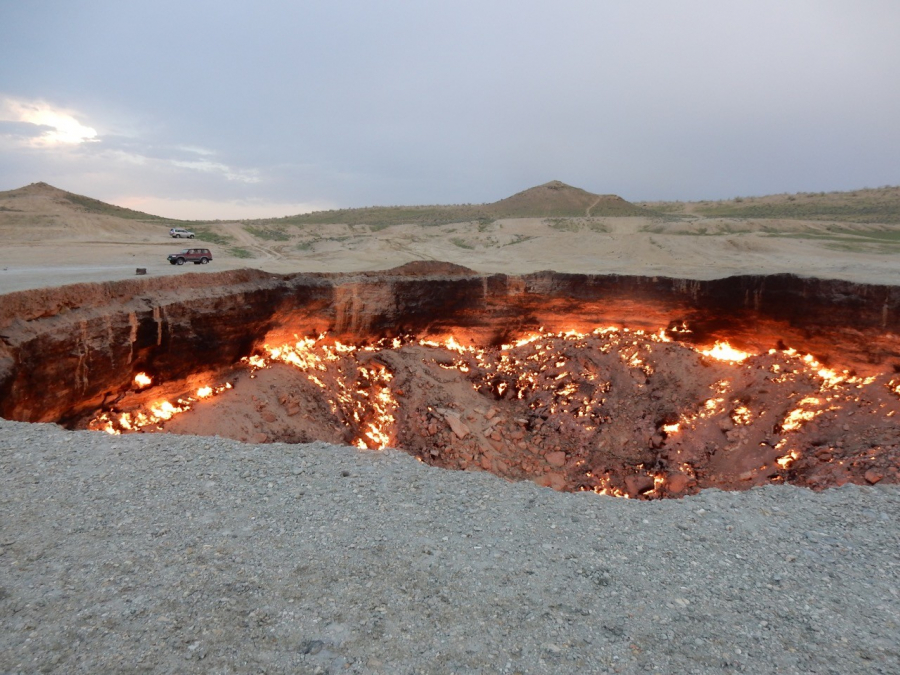
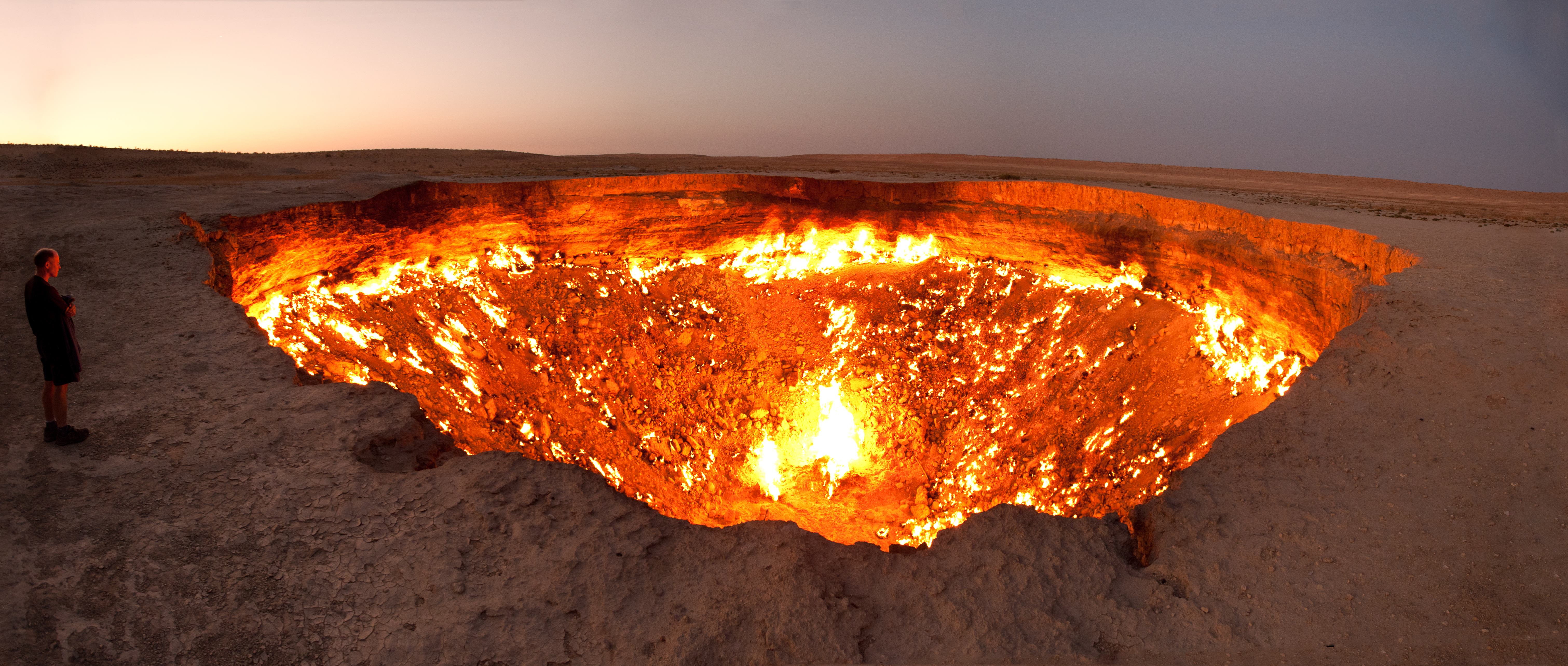
This unique destination is also known as the Gate of Hell because it is actually an underground gas pit. In 1971, scientists deliberately set it on fire to prevent methane gas from escaping and exploding. Since then, the gas pit has continued to smolder, and tourists visit annually to take one-of-a-kind photos with this hellish fire.