VI
VI


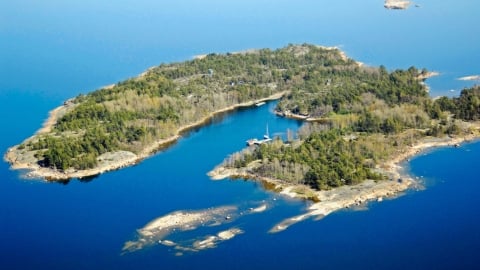
In the midst of a Mediterranean already oversaturated with mass tourism, where beaches are always crowded with umbrellas and the noise of city streets fills the air, the island of Palmarola stands like an oasis forgotten by time. Located not far west of Rome, it is a rare destination that retains its pristine beauty with a "five no's" standard: no electricity, no cell phone signal, no roads, no ferry terminals, and virtually no permanent human presence. For sustainable travel enthusiasts and explorers, Palmarola is the perfect definition of a true "off-the-grid" vacation.
The journey to conquer the most isolated "hidden gem" of the Mediterranean.
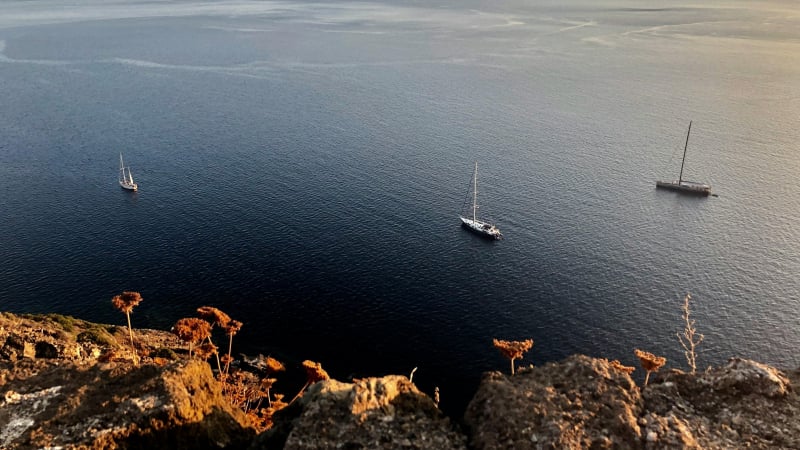
Palmarola's pristine beauty is due to its unique geographical location and remoteness. Reaching the island's sandy shores isn't simply a matter of buying a plane ticket or taking a ferry. The journey is a true adventure: departing from Rome, you must take a train to Anzio port, then a ferry to Ponza. The real adventure begins there, where you must negotiate with local fishermen or hire a private boat to travel another five miles across the Tyrrhenian Sea.

Known as the island forgotten by time in the heart of Italy.
This natural "filter" prevents crowds from flocking to the island. Palmarola doesn't welcome throngs of tourists; the island is for those patient enough to seek tranquility. Its landscape is characterized by sheer volcanic cliffs, majestic rock formations rising from the ocean floor, and a system of sea caves that penetrate the cliffs. The island's name comes from the native dwarf palm trees scattered across the mainland – a rare plant species that coexists with herds of wild goats.
Experience "Robinson Crusoe" in real life.
Palmarola's allure lies not in its five-star resorts or luxury services, but in its very absence of amenities. The island boasts only one beach, a few trails winding along the rocky slopes, and a single facility: the O'Francese restaurant. This is not only a place to enjoy freshly caught seafood but also offers a unique accommodation experience: sleeping in caves along the cliffside.


Palmarola's only beach boasts crystal-clear waters and pink coral pebbles; the absence of mass tourism allows it to maintain absolute tranquility.


These caves, once shelters for fishermen centuries ago, have been transformed into simple yet stylish Mediterranean-style accommodations featuring the signature white and blue color scheme. Maria Andreini, a technology engineer from Treviso, shared: "I've been to the Maldives, but Palmarola offers an unparalleled sense of pristine nature. During the day, we immerse ourselves in the crystal-clear blue sea, and at night, we lie on the pink coral pebble beach gazing at the stars without being disturbed by any electric lights or cell phone signals." To secure a night's stay here, visitors typically need to book months in advance, with a price tag of around 150 euros (approximately 4 million VND) for this lifetime experience package.

In a context where Italian destinations are often overcrowded, the absence of commercial services makes it an ideal "healing" spot, where people can truly reconnect with themselves.
More than just a geographical paradise, Palmarola also holds deep layers of history and faith. The island's spiritual highlight is a small chapel perched precariously on a high rock in the middle of the sea, dedicated to Saint Silverius. He was a Pope from the 6th century who spent his final days in solitude on this very island while in exile.
For the people of Ponza, Saint Silverius is not only a historical figure but also a sacred patron saint. Fishermen believe his spirit is still present in every wave, protecting them from the fierce storms of the Tyrrhenian Sea. Every year in June, a sacred religious ceremony is held: processions of boats carry the statue of the saint from Ponza to Palmarola. Local men climb the steep stone steps to reach the highest alcove where the main altar is located, creating a scene that is both majestic and reverent.

This is a rare destination where visitors can enjoy the feeling of having their own little corner of the Mediterranean to heal their souls.

Today, Palmarola remains privately owned by families on the island of Ponza, protecting it from the interference of real estate corporations. The inconvenience of its infrastructure is precisely the most effective "shield" for preserving the ecosystem. Here, life isn't measured by clocks but regulated by tides and sunlight. Visitors often participate in activities such as kayaking through rocky tunnels, snorkeling to admire coral reefs in crystal-clear waters, or hiking to watch the sunrise, guided by local restaurant owners.
Giving up internet access, escaping the noise in exchange for a deep connection with nature and oneself... this is definitely a must-visit destination for those seeking a true paradise island in Italy, where human footprints are still a luxury.