VI
VI


Zōjō Temple
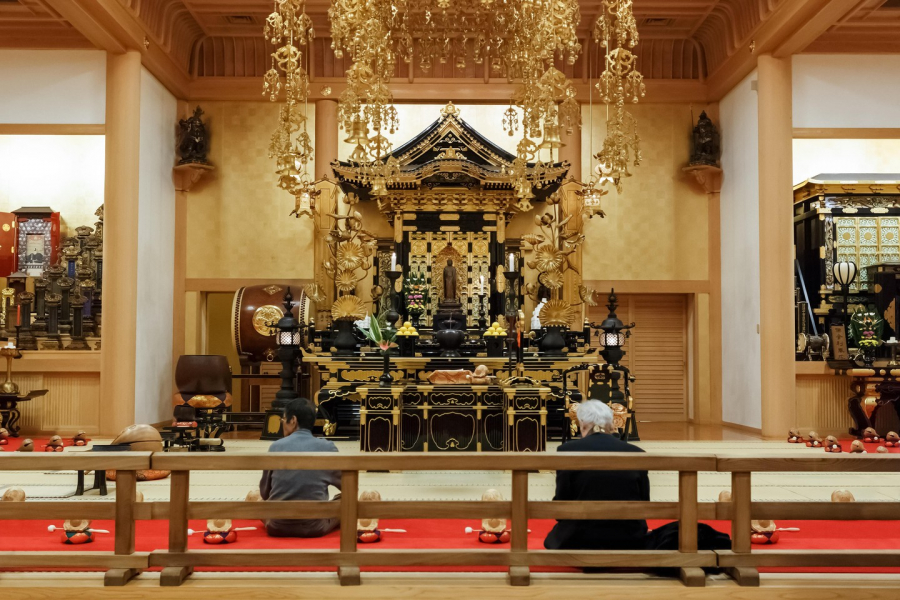
Located in Minato-ku, Tokyo, this is a large temple of the Jodoshin-shu (Pure Land True Sect) sect, and was chosen as the Bodhi Temple, serving as the ancestral tablet repository for generations of the Tokugawa clan, as well as the burial place of six shoguns of the clan. Zōjō Temple is a Japanese cultural heritage site, having retained its original form to this day. It is also a filming location for the movie The Wolverine from the X-Men series.
Kanda Shrine
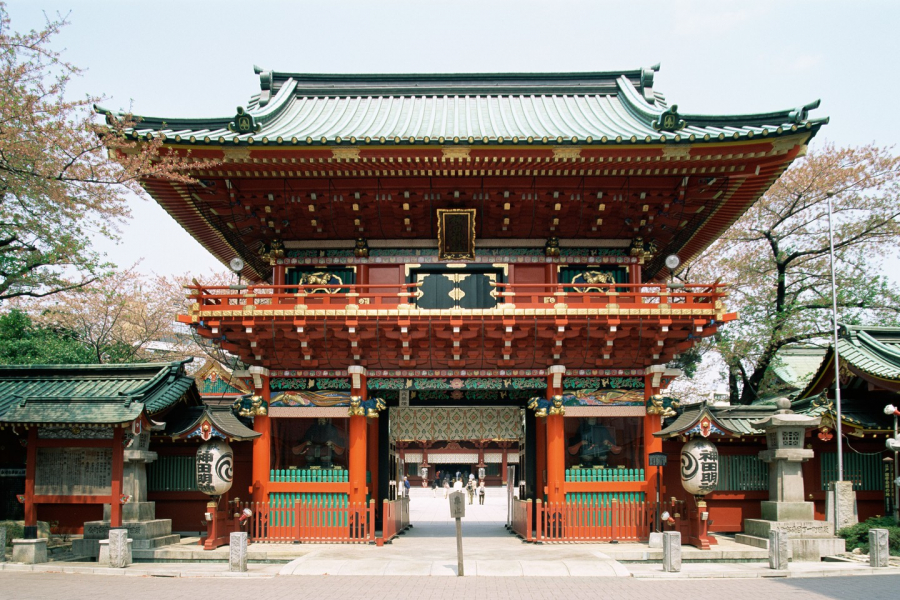
This famous shrine is known for worshipping Edo Souchinju, the guardian deity of Tokyo since the Edo period, and is widely beloved by the people. Kanda Shrine is dedicated to three major deities, with Daikokuten and Ebisu being two of the seven lucky gods. Because of this, Kanda has become a popular shrine for praying for business success and wealth. Kanda Shrine is also a popular tourist destination for young people due to its proximity to the mecca of Otaku culture and the Akihabara electronics district, and it has even appeared in the popular anime Love Live.
Sensō Temple
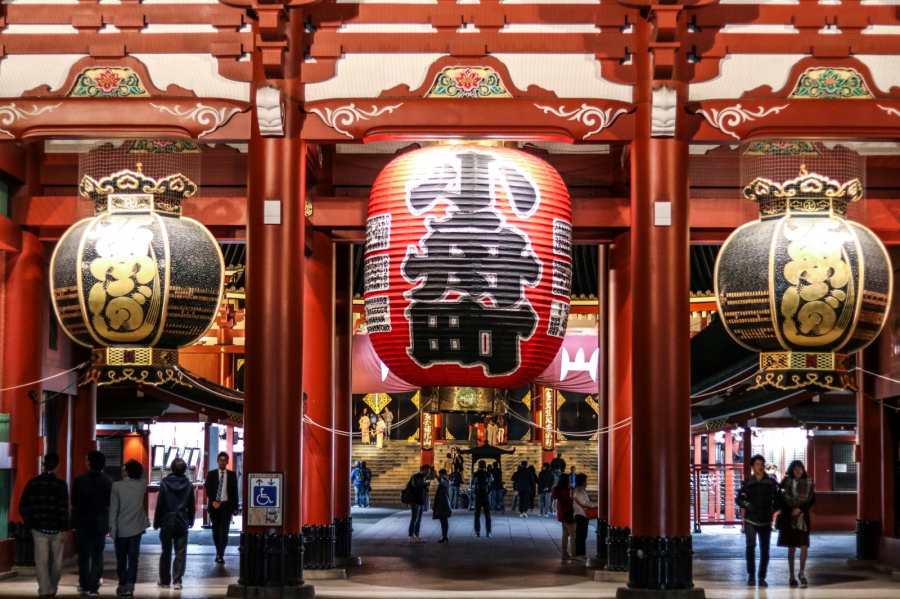
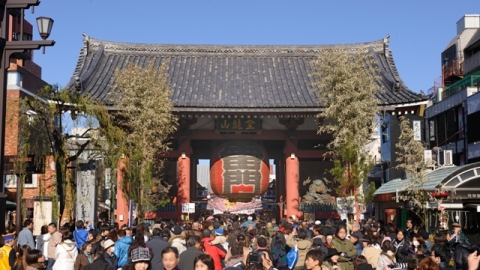
One of Tokyo's most popular tourist attractions, Sensō Temple is located in Asakusa, in the heart of Tokyo. It is Tokyo's oldest temple, completed in 645. The temple is dedicated to a Bodhisattva, and according to legend, it was built here after two fishermen found a statue of Kannon Bodhisattva buried near the Sumida River.

Nogi Shrine
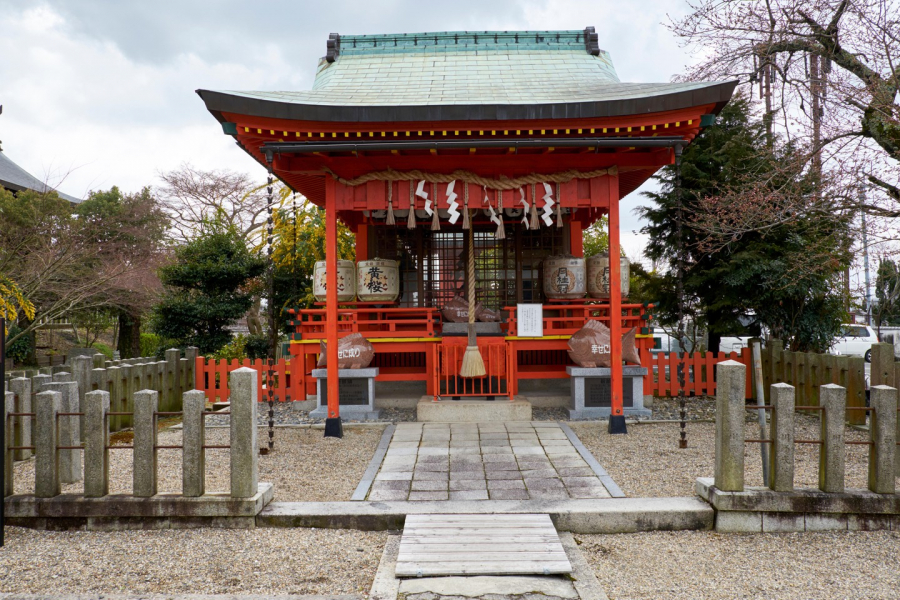
The shrine was built in 1923 to honor Shogun Nogi Maresuke and his wife Shizuko. The Shogun and his wife performed ritual suicide after the death of Emperor Meiji – a samurai ritual to demonstrate loyalty to their lord until death.
Yasukuni Shrine
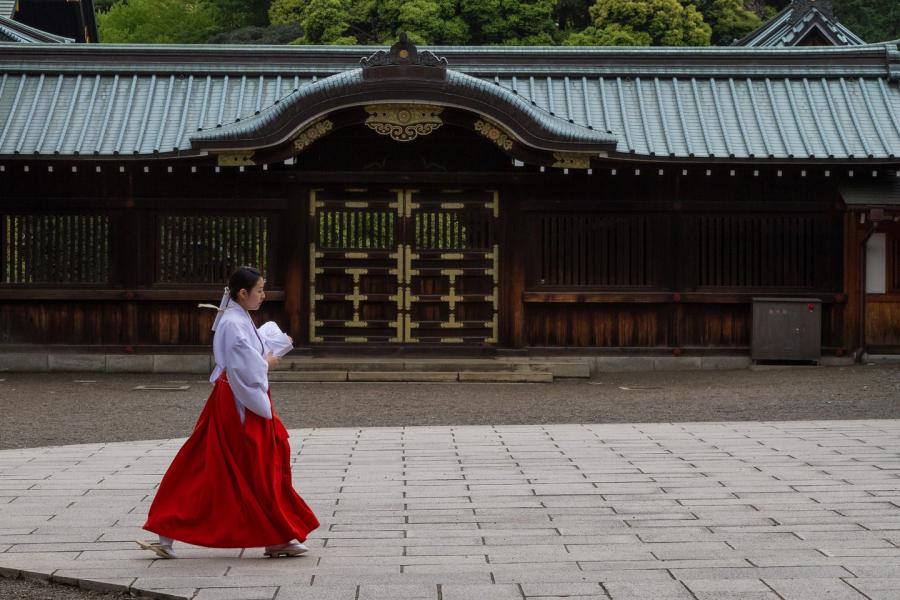
Yasukuni Shrine, also known as the "shrine for the dead," is a sacred site that celebrates national identity and the spirit of Bushido (the samurai code). It commemorates and honors 2.5 million Japanese souls, including those who served in the Nazi forces and 13 individuals considered war criminals during World War II, a fact that has outraged China, South Korea, and North Korea – countries that were invaded and devastated by the Japanese fascists.
Inokashira Benzaiten Shrine
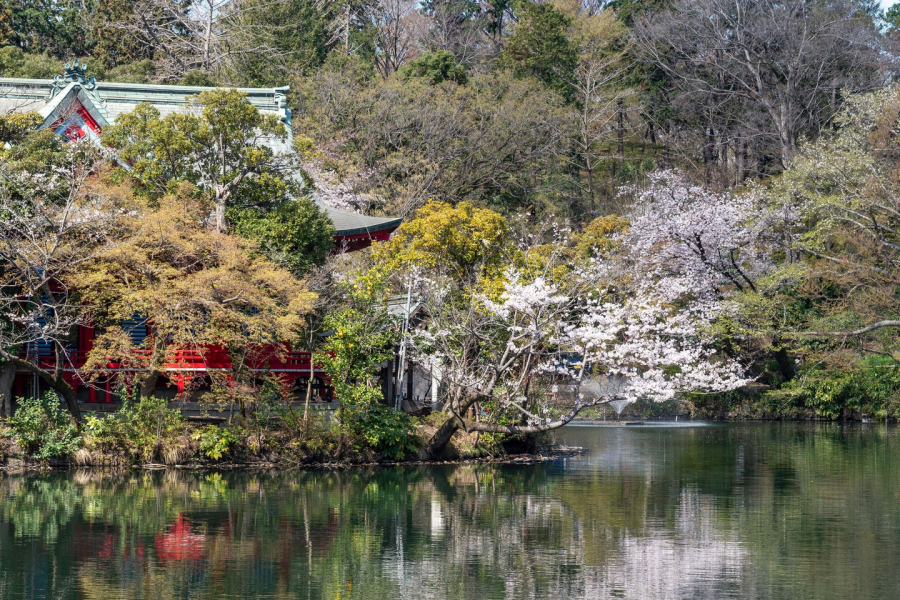
Nestled amidst the lush greenery of Inokashira Park is the shrine of Benzaiten, the goddess of wisdom, music, art, and science. Benzaiten is the only female of the Seven Lucky Goddesses, originating from Saraswati, a Hindu goddess who has a significant influence on both Buddhism and Shintoism.





(Copy).JPG.JPG)


.jpg_6.jpg.jpg)


.jpg_6.jpg.jpg)